Tag: amd

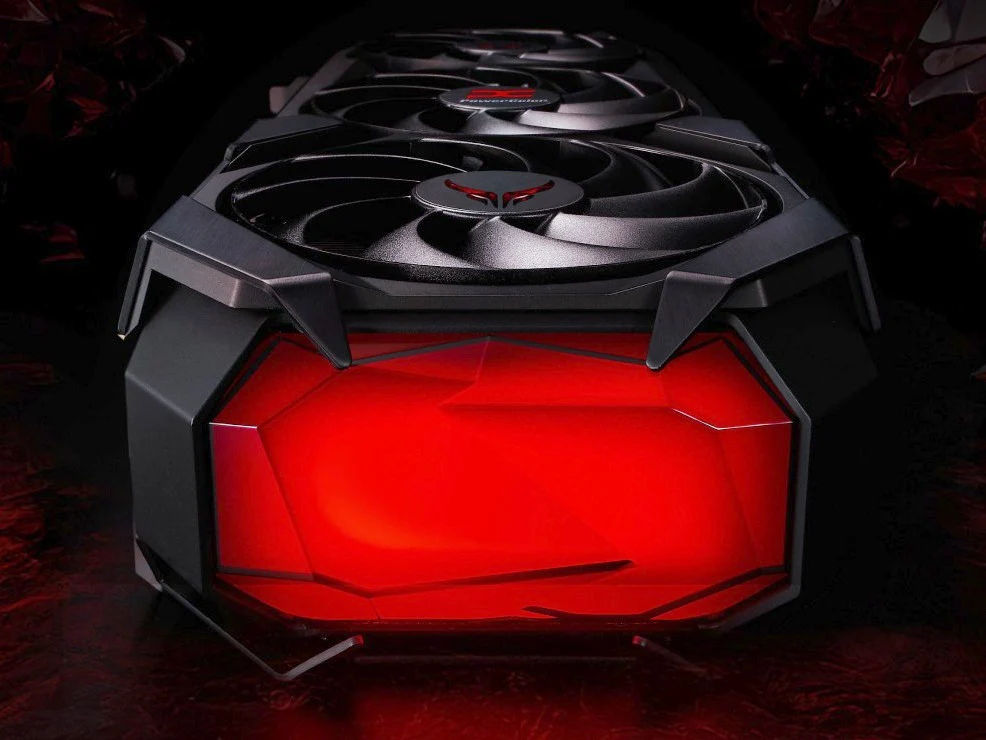
  • AMD’s 32GB Radeon RX 9070 XTX Graphics Card Launch Expected

    AMD’s 32GB Radeon RX 9070 XTX Graphics Card Launch Expected

    Key Takeaways

    1. Frank Azor from AMD denies the existence of a 32 GB Radeon GPU, but leaker Zhangzhonghao insists it is real.
    2. The rumored GPU may be named Radeon RX 9070 XTX, indicating a focus on gaming rather than AI.
    3. The exact specifications, including the GPU model and thermal design power (TDP), remain unclear.
    4. Pricing speculation suggests a price around $1,000, contingent on competition with Nvidia’s GeForce RX 5080.
    5. The Radeon RX 9070 XTX is not expected to launch until late in the first half of 2025.


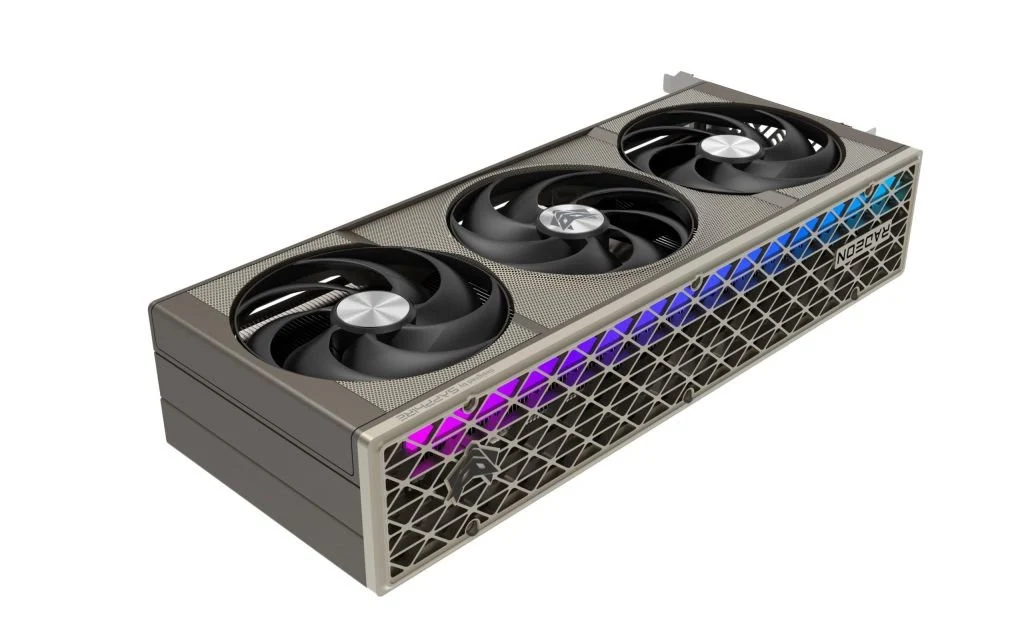
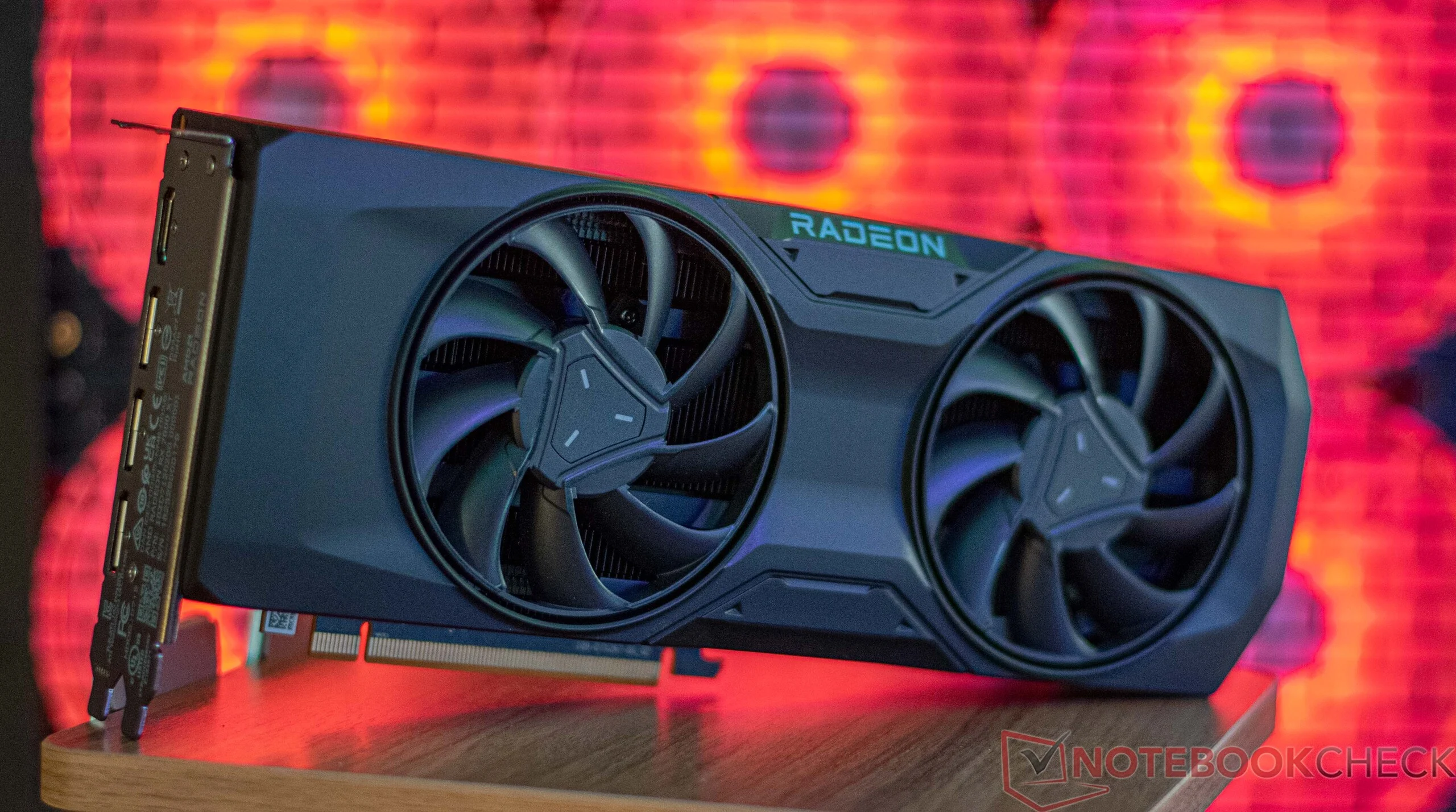
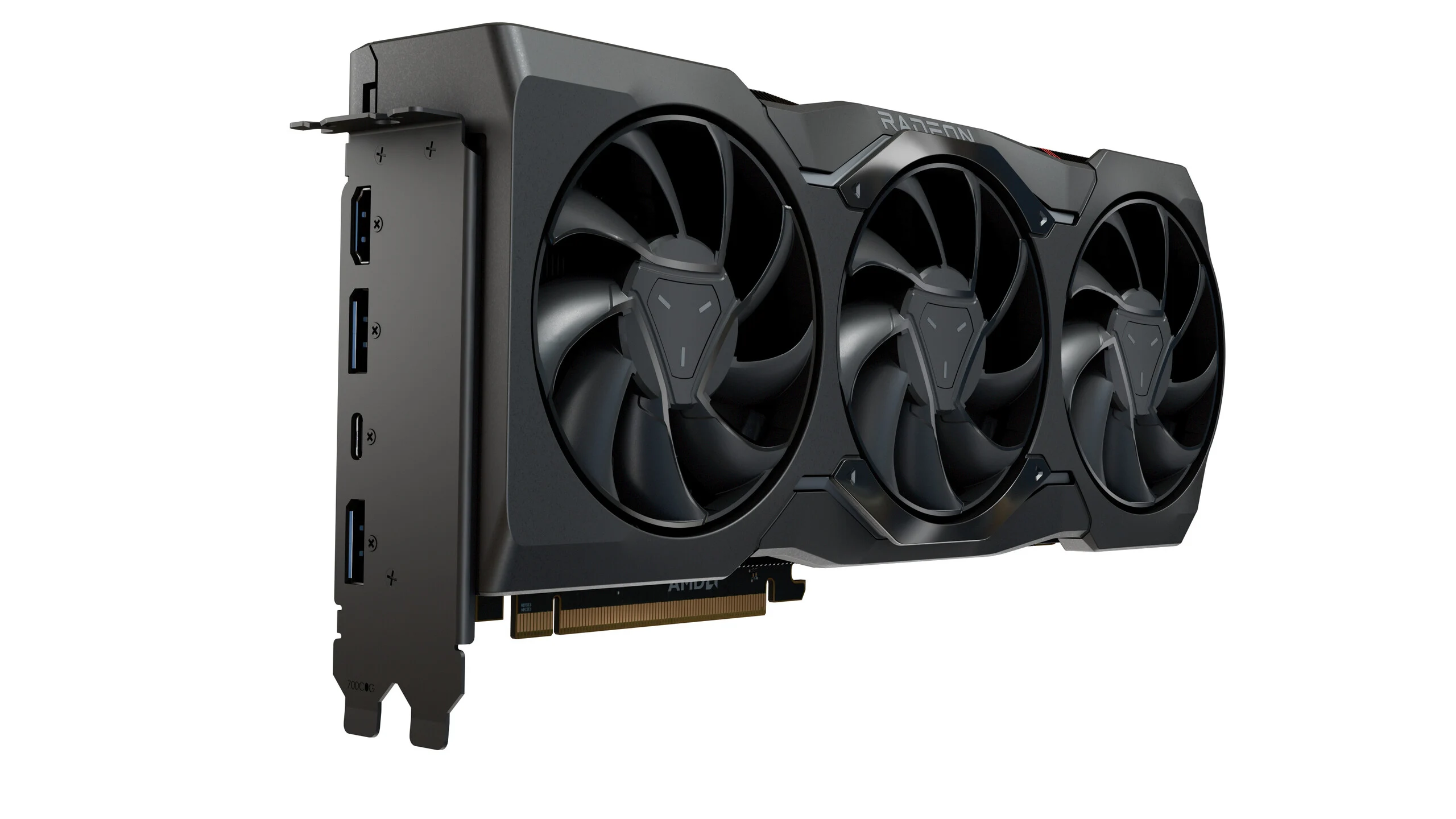
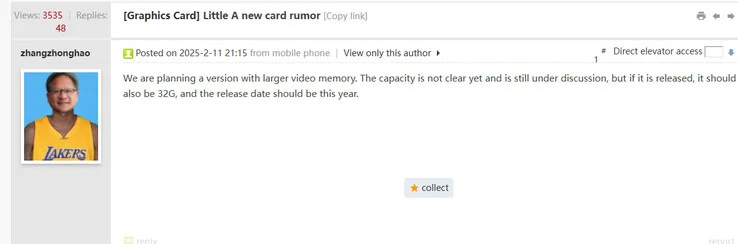
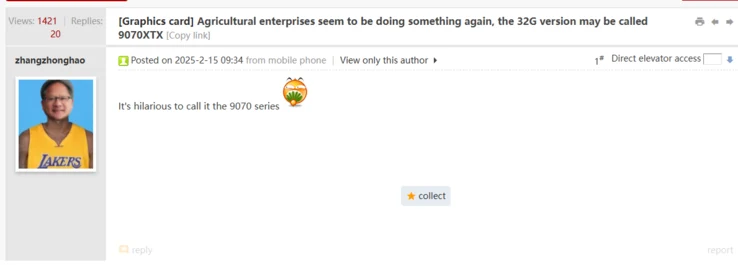
    Even though Frank Azor from AMD put a stop to the talk about a 32 GB Radeon GPU, a leaker on Bilibili, named Zhangzhonghao, stands by the claim that it’s real. It’s not unusual for companies to deny the existence of products that haven’t been released yet. Zhangzhonghao has also shared what seems to be a tentative name and addressed some doubts that arose from the first leak.

    Name and Gaming Focus

    It looks like the 32 GB Radeon RX 9070 XT might actually be called the Radeon RX 9070 XTX, bringing back XTX-branded models in the RDNA 4 line. This indicates that the GPU is intended for gaming rather than being an AI-focused card, which was a prior assumption. However, there are still many unanswered questions that we hope will be clarified soon.

    GPU Specifications Unclear

    To start with, the exact GPU model that the rumored Radeon RX 9070 XTX will utilize remains a mystery. Will it feature the Navi 48 like the standard 9070 XT, or could it be a higher-tier variant that can effectively utilize its 32 GB VRAM? Additionally, the thermal design power (TDP) is another aspect that’s uncertain. Some overclocked versions of the 9070 XT require a power supply of 900 Watts, so it would make sense if the Radeon RX 9070 XTX has similar demands.

    Pricing Speculation

    Finally, perhaps the most crucial question revolves around its price. We should get a better understanding of this when the standard Radeon RX 9070 XT is unveiled on February 28. A price of around $1,000 seems reasonable and could be justified if the Radeon RX 9070 XTX competes well against Nvidia’s GeForce RX 5080. Regardless, the GPU is not expected to launch until the later part of the first half of 2025.

    Source:
    Link


  • AMD Radeon RX 9070 XT Retail Box Leak Reveals High PSU Needs

    AMD Radeon RX 9070 XT Retail Box Leak Reveals High PSU Needs

    Key Takeaways

    1. The PowerColor Radeon RX 9070 XT Red Devil GPU is factory overclocked and requires more power than standard models.
    2. Optimal performance of the RX 9070 XT may require a 900 Watt power supply unit (PSU), which is 100 Watts more than the RX 7900 XTX.
    3. Users may be able to operate the RX 9070 XT with a lower PSU, around 800 or 700 Watts, as its thermal design power (TDP) is expected to be around 300 Watts.
    4. AMD’s Frank Azor stated that launch cards for the RX 9070 XT will have lower minimum power supply requirements and confirmed continued use of 8-pin connectors.
    5. More details about the Radeon 9000 series, including the RX 9070 XT, will be revealed at AMD’s event on February 28.


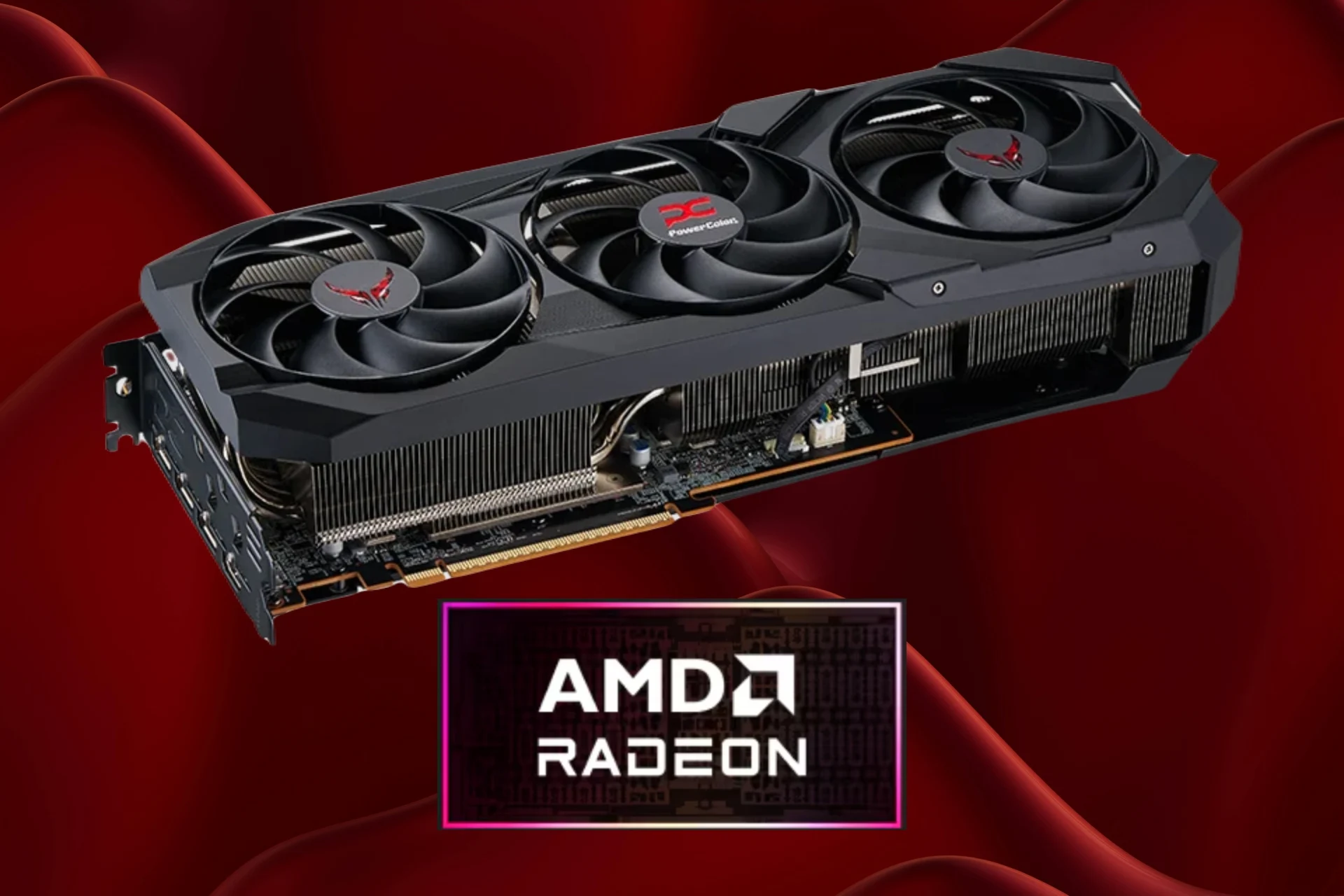
    An X user has shared what appears to be the retail packaging for PowerColor’s Radeon RX 9070 XT Red Devil model. This GPU comes pre-overclocked from the factory and typically needs more power compared to standard models. When you push the clock speeds up on RDNA 4, it tends to consume a lot of power.

    Power Supply Requirements

    Reportedly, this graphics card requires an impressive 900 Watt PSU for optimal performance. This is 100 Watts more than what the previous Radeon RX 7900 XTX with 96 CUs needed. However, this is more like an exception rather than the standard. In practical terms, you might be able to use an 800 Watt or even a 700 Watt PSU for the Radeon RX 9070 XT, since a prior leak indicated that its TDP would stay around the 300 Watt mark.

    AMD’s Comments

    Frank Azor from AMD joined the discussion and noted, “There will be 9070 XT cards available at launch that will require lower minimum power supply wattages.” He also made a jab at Nvidia and reassured users that AMD would continue using 8-pin power connectors for most models. Nevertheless, some versions with higher power needs might switch to the troublesome 12-pin cables.

    Recently, Frank has been quite engaged in conversations about RDNA 4. Just the day before, he dismissed an earlier rumor regarding a possible 32 GB RX 9070 XT variant. Regardless, we only have to wait a couple of weeks until AMD’s event on February 28 to learn more about the Radeon 9000 series.

    Source:
    Link


  • Frank Azor Denies 32GB Radeon RX 9070 Rumors, Hints at RX 9080 9090

    Frank Azor Denies 32GB Radeon RX 9070 Rumors, Hints at RX 9080 9090

    Key Takeaways

    1. AMD officially announced the RX 9070 and 9070 XT graphics cards will launch in late February.
    2. The RX 9070 XT will not be available in a 32 GB RAM version, as confirmed by AMD’s Frank Azor.
    3. Azor’s statement applies only to the RX 9070 XT, leaving open the possibility of a future 32 GB variant in the RX 9000 line.
    4. Current RX models like the 7900 XT, 7900 XTX, and 7900 GRE offer more VRAM than the upcoming RX 9070 XT.
    5. AMD may reveal more graphics cards in the future, potentially including a 32 GB card aimed at machine learning and non-gaming uses.


    Ever since AMD announced its RDNA 4 design along with the upcoming RX 9070 and 9070 XT graphics cards, the internet has been filled with lots of talk, leaks, and speculation regarding their specifications and performance. A recent piece of gossip suggested that the AMD RX 9070 XT would be available in a 32 GB RAM version.

    AMD’s Official Announcement

    Today, AMD made an official announcement about the launch date, set for late February, through a post on X. In a follow-up post, AMD’s Frank Azor addressed the rumor about the 32 GB RX 9070 XT, stating clearly, “No, the 9070 XT card is not coming in 32 GB.”

    Future Possibilities

    It’s important to note that Azor’s statement only concerns the RX 9070 XT specifically, not the RDNA 4 architecture or the RX 9000 line as a whole. This has led to speculation that there could possibly be another variant with 32 GB released in the future. This new card might aim to replace models like the RX 7900 XT (currently priced at $749.99 on Amazon), 7900 XTX, or 7900 GRE, all of which offer more VRAM than the forthcoming RX 9070 XT’s 16 GB.

    What to Expect Next

    So far, AMD has disclosed only two graphics cards based on the RDNA architecture, and it’s likely that the company has more to announce later on. Furthermore, there is a good chance that a 32 GB graphics card focused on machine learning and other non-gaming applications is in development.

    Source:
    Link


  • AMD Confirms Radeon RX 9000 Launch Event for Late February

    AMD Confirms Radeon RX 9000 Launch Event for Late February

    Key Takeaways

    1. AMD will showcase the Radeon 9000 series on February 28 at 8 AM EST, streamed live on their official YouTube channel.
    2. The RX 9070 XT and RX 9070 may be available for purchase starting March 5.
    3. This announcement follows Nvidia’s upcoming launch of the GeForce RTX 5070 Ti, a competitor to the RX 9070 XT.
    4. Key specs for the RX 9070 XT include 16GB GDDR6 VRAM, 4,096 shaders, and a boost clock speed of 3.1 GHz.
    5. Pricing speculation suggests the RX 9070 may retail for $499 and the RX 9070 XT for $599, with potential higher prices for AIB models and taxes.


    After a long time of avoiding the topic and giving out unclear hints, AMD has finally announced when it will showcase the Radeon 9000 series. The big reveal is set for February 28 at 8 AM EST and will be streamed live on AMD’s official YouTube channel. There are whispers that the RX 9070 XT and RX 9070 may be available for purchase starting March 5. David McAfee subtly backs this up by saying, “Get ready to make it yours when it hits shelves in early March.”

    Competition with Nvidia

    This announcement comes just a week after Nvidia is expected to launch the GeForce RTX 5070 Ti, which will be a key rival to the Radeon RX 9070 XT. However, similar to its high-end peers, the RTX 5070 Ti is rumored to face supply issues. It remains unclear if the standard RTX 5070 will also suffer from this problem. Right now, AMD’s main task is to ensure a reliable supply of GPUs in order to dominate the upper-mid-range market.

    Spec Details Leak

    A leak earlier today has confirmed important specifications for the RX 9070 XT, including 16GB GDDR6 VRAM on a 256-bit bus, 4,096 shaders (64 CUs), and a boost clock speed of 3.1 GHz. There have been many speculations regarding its price, with some suggesting that the RX 9070 will retail for $499, while the RX 9070 XT may go for $599. Naturally, the final prices will likely be higher when considering AIB models and applicable taxes.

    Source:
    Link

  • AMD Radeon RX 9070 XT Pricing Leak: Great Value for Mid-Range

    AMD Radeon RX 9070 XT Pricing Leak: Great Value for Mid-Range

    Key Takeaways

    1. AMD’s RDNA 4-based Radeon RX 9070 and RX 9070 XT GPUs are set to launch early next month, targeting the gaming market.
    2. AMD has a chance to compete effectively in the mid-range market due to Nvidia’s supply issues and high prices.
    3. Leaks suggest that the performance of AMD’s RDNA 4 cards may rival that of Nvidia’s offerings.
    4. The RX 9070 is priced at approximately $589, while the RX 9070 XT is around $699, positioning them as more affordable options compared to Nvidia’s RTX 5070 lineup.
    5. The RDNA 4 series, particularly the RX 9070 XT, is expected to underprice Nvidia’s GeForce RTX 5070 Ti and RTX 5070 models.


    AMD is set to make a big splash in the gaming world with its upcoming RDNA 4-based Radeon RX 9070 and RX 9070 XT GPUs, likely debuting early next month. Given the terrible supply issues and high prices that Nvidia’s GeForce RTX 5090 and RTX 5080 faced, it seems reasonable to think that their more budget-friendly counterparts, the RTX 5070 Ti and RTX 5070, could also struggle with similar challenges.

    AMD’s Opportunity

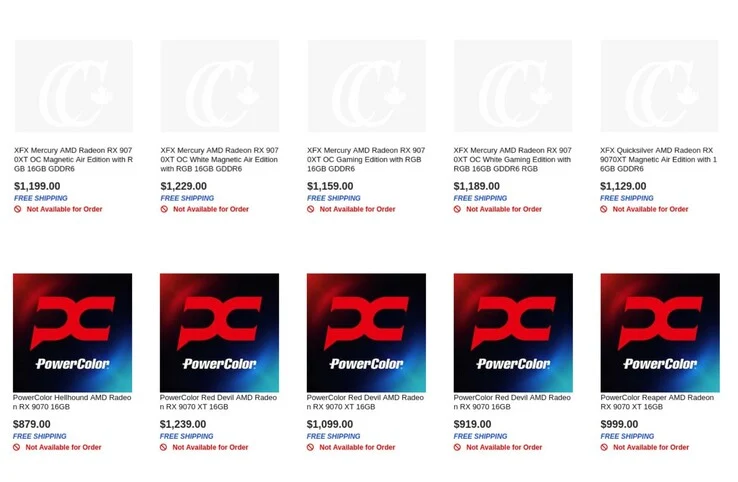
    There’s no doubt that AMD has a significant opportunity to price its RDNA 4 graphics cards competitively and dominate the mid-range market. Recent leaks suggest a noticeable improvement in performance that rivals Nvidia’s offerings, while another leak indicates that the RDNA 4 cards may be more affordable. A Canadian retailer has showcased a range of RX 9070 and RX 9070 XT cards from various AIB partners, as highlighted by @GawroskiT and VideoCardz.

    Pricing Breakdown

    Starting with the entry-level PowerColor Reaper series, the Radeon RX 9070 Reaper is listed at $839 CAD, which equals about $589. In contrast, the RX 9070 XT is priced at $999 CAD, or around $699. Additionally, several other models are available, with the PowerColor Red Devil RX 9070 XT leading the pack at a staggering $1,239 CAD, approximately $860. It’s clear that the RDNA 4 series is positioned to underprice the GeForce TX 5070 lineup, especially considering the recent leak regarding the RTX 5070 Ti’s pricing.

    Source:
    Link


  • AMD RDNA 4 GPU with 32GB VRAM vs RTX 5090: What to Know

    AMD RDNA 4 GPU with 32GB VRAM vs RTX 5090: What to Know

    Key Takeaways

    1. The Radeon RX 9070 XT will be the leading RDNA 4 GPU with 16 GB of VRAM.
    2. AMD is planning to release another high-performance RDNA 4 GPU in early 2025, potentially featuring up to 32 GB of VRAM.
    3. This new GPU may compete against the RTX 5090 and could be tailored for gaming or data center use.
    4. The memory bus for the upcoming GPU is likely to be 256-bit or 512-bit, with 512-bit being less probable.
    5. The new GPU may be a higher binned version of the Navi 44 GPU, possibly with AI enhancements.


    So far, AMD’s marketing materials indicate that the Radeon RX 9070 XT will be the leading RDNA 4 GPU of this generation, featuring 16 GB of VRAM. A more advanced model equipped with a Navi 4c GPU was cancelled for various reasons. Nevertheless, Team Red seems to have another surprise, if a rumor from Chiphell holds true.

    Upcoming High-End GPU

    It seems that the company is preparing to introduce another high-performance RDNA 4 GPU in the first half of 2025. The exact VRAM amount is still undecided, but it might reach up to 32 GB. This new GPU is expected to rival AMD’s competition against the RTX 5090 this generation. However, there are questions about whether this will be a gaming GPU or one aimed at data centers, which could genuinely benefit from the additional video memory. Likely, it will come with a hefty price tag, unlike the RX 9070 XT.

    Memory Bus Specifications

    The mention of 32 GB of VRAM suggests that the memory bus for this GPU will either be 256-bit or 512-bit. So far, there hasn’t been any news about AMD developing a GPU with the latter. Thus, it’s quite probable that it’ll be a higher binned version of the Navi 44 GPU, potentially with some AI enhancements as well. If it comes out under the Radeon brand, there could be a chance to play some games on it—though not particularly well, but still playable.

    Source:
    Link


  • AMD Ryzen 5 7400F Reaches Thermal Limit Due to Poor IHS Paste

    AMD Ryzen 5 7400F Reaches Thermal Limit Due to Poor IHS Paste

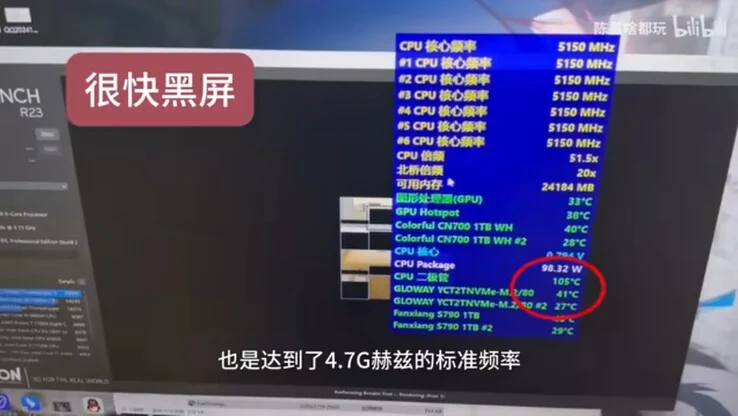
    AMD recently unveiled the Ryzen 5 7400F, a six-core Zen 4 processor, in late January. This CPU serves as a more affordable option compared to the latest Zen 5, Ryzen 9000 series. So far, its release has been restricted to China. A recent review on Bilibili suggests that AMD might have made some compromises to keep the price low.

    Price and Performance Insights

    According to the review from Bilibili, it appears that AMD has made some adjustments that could affect performance. The Ryzen 5 7400F aims to attract budget-conscious consumers, but the trade-offs might be noticeable for some users. The launch strategy seems to focus on making this CPU as accessible as possible in a competitive market.

    Conclusion on Market Position

    In summary, the Ryzen 5 7400F provides an option for those looking for a cost-effective CPU. However, potential buyers should consider the implications of AMD’s choices in order to maintain a lower price. Though its availability is limited currently to China, it will be interesting to see how the market responds to this new offering.

    Source:
    Link


  • Valve Addresses AMD RDNA 4 Rumors and SteamOS Gaming Project

    Valve Addresses AMD RDNA 4 Rumors and SteamOS Gaming Project

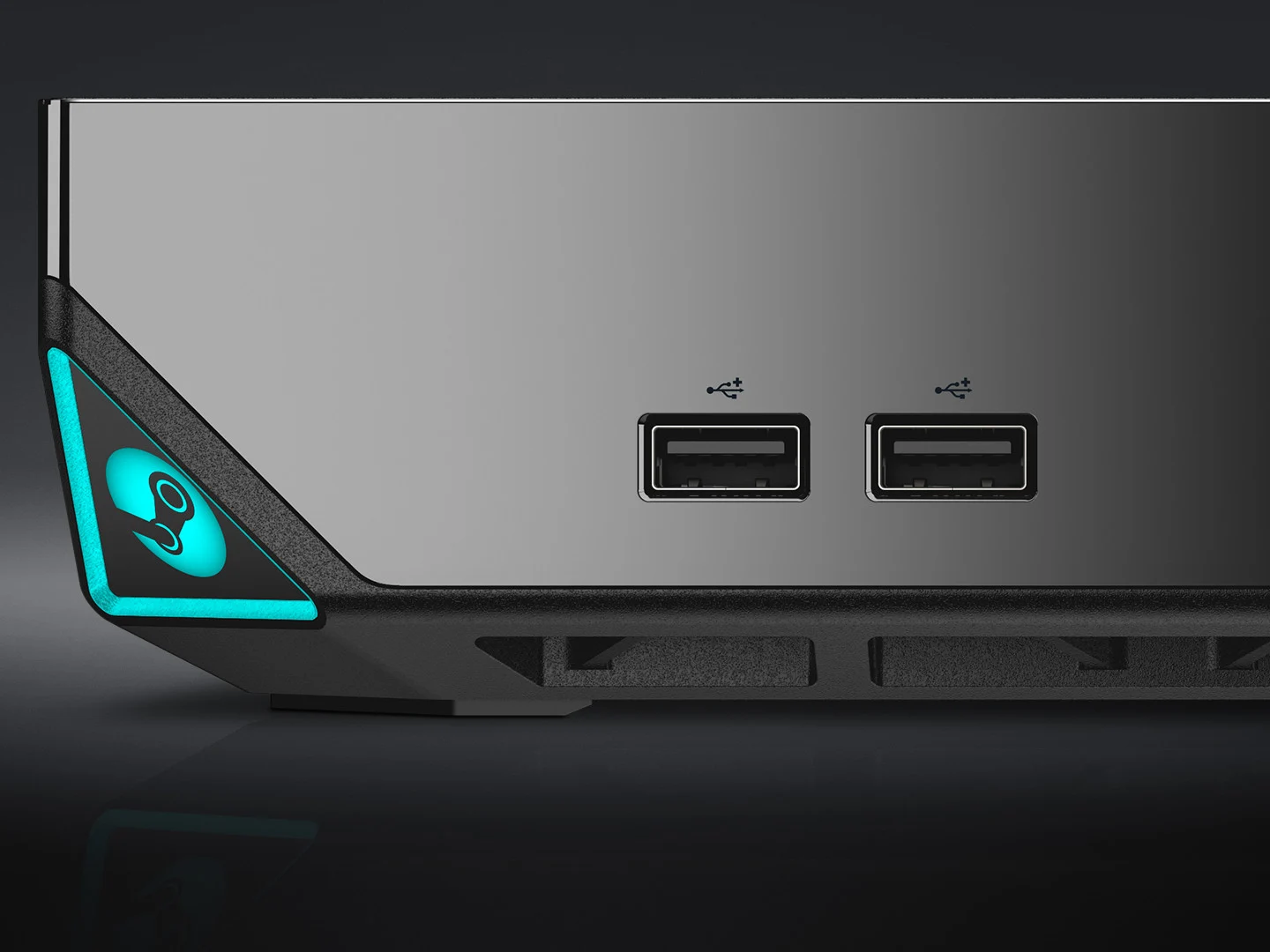
    It’s widely known that Valve is making strides in enhancing the AMD Mesa drivers for Linux. However, some news reports from earlier this week suggested that the latest driver updates could indicate that Valve might be developing a competitor to the Xbox Series X or the PlayStation 5 (currently priced at $449 on Amazon).

    Rumors vs. Reality

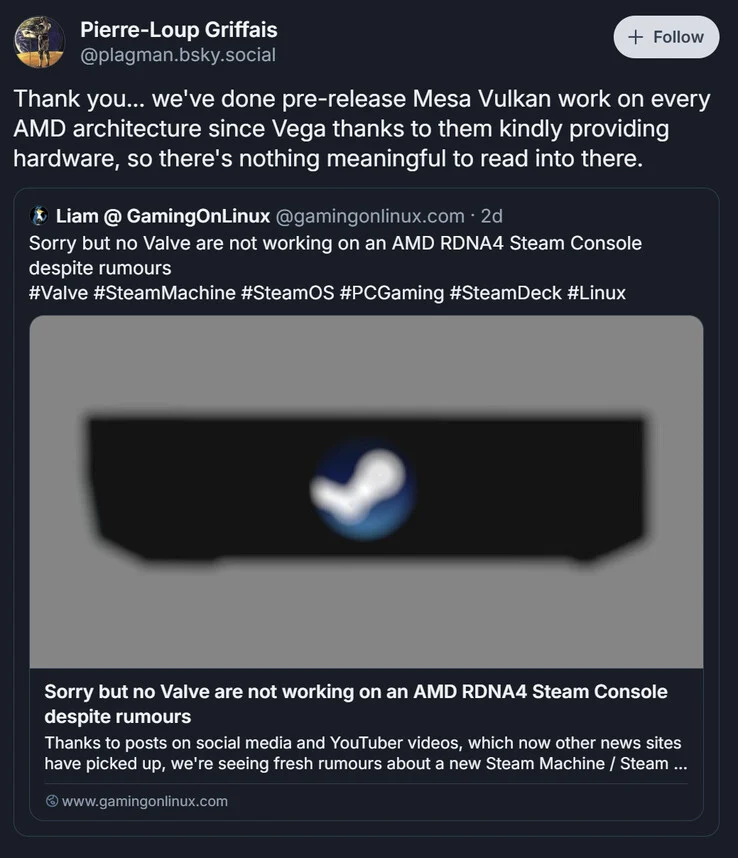
    As we talked about back then, these speculations seem to be misinterpreting Valve’s real goals in improving Linux drivers for AMD’s RDNA 4 architecture. Even though Valve collaborated with AMD for the Steam Deck, Pierre-Loup Griffais, a prominent developer for the Steam Deck, provided some clarity regarding the recent enhancements to the RDNA 4 drivers:

    …we’ve [Valve] done pre-release Mesa Vulkan work on every AMD architecture since Vega because they have kindly lent us hardware, so there’s not much to read into that.

    What’s Next?

    To put it simply, the rumors surrounding AMD RDNA 4-based devices can be placed in the same category as last month’s assertion that AMD had verified a Ryzen Z2 update for the Steam Deck. At this moment, there’s no solid proof of new hardware from Valve that would operate on SteamOS. Instead, there have been some suggestions about a device with the codename ‘Fremont’, along with potential images showing designs for a Deckard controller and a Steam Controller 2.

    In summary, Pierre-Loup Griffais’ comments suggest that while Valve is actively working on driver improvements, the speculation about new gaming hardware is premature and lacks substantial backing.

    Source:
    Link


  • GeForce RTX 5090 Beats Radeon RX 7900 XTX in DeepSeek Test

    GeForce RTX 5090 Beats Radeon RX 7900 XTX in DeepSeek Test

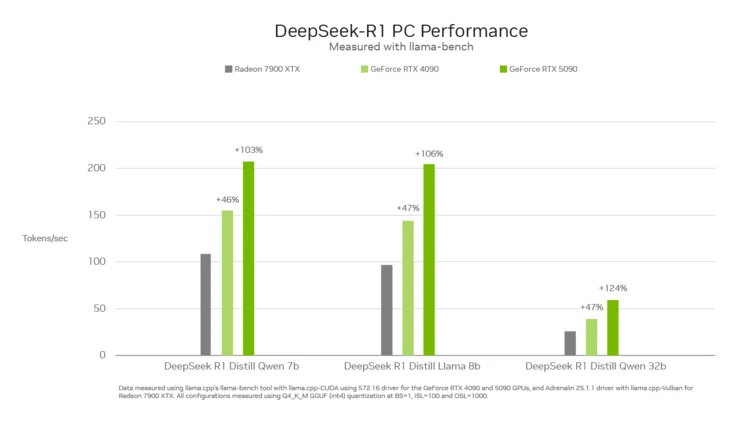
    Last week, AMD asserted that its Radeon RX 7900 XTX could outperform Nvidia’s GeForce RTX 4090 in a DeepSeek benchmark. However, the test did not include Nvidia’s latest Blackwell-based GeForce RTX 5090, instead using the older RTX 4080 Super. In response, Nvidia has released its own benchmarks, which, as expected, highlight its products in a much more favorable manner.

    Proper Labelling Matters

    In contrast to AMD, Nvidia accurately labeled its Y-axis (tokens/second). It conducted tests using the Llama-bench platform with int4 quantization. In the initial test featuring 7 billion parameters, the Radeon RX 7900 XTX reached just over 100 tokens per second. The RTX 4090 outperformed it by 46%, achieving around 150 tokens per second, while the RTX 5090 surpassed it by an impressive 103%, hitting approximately 200 tokens per second.

    Consistent Results Across Models

    The results remain largely consistent with a model of 8 billion tokens, and when testing with a 32 billion token model, the RTX 5090’s advantage increases to 124%, generating about 50 tokens per second. It’s important to note that these benchmarks come directly from the companies and should be viewed with a degree of skepticism. Additionally, both companies seem to have designed their testing methods to favor their own results. Nonetheless, it isn’t shocking to see that the RTX 5090 outpaces the two-year-old RX 7900 XTX, particularly in a competitive environment where Nvidia has a stronghold.

    Source:
    Link


  • AMD RDNA 4 GPUs Launch with Exceptional Linux Support

    AMD RDNA 4 GPUs Launch with Exceptional Linux Support

    Support for cutting-edge hardware has often been inconsistent on Linux, but it seems that the new AMD Radeon RX 9070 and 9070 XT GPUs might be an exception, possibly due to their unusual release timing.

    AMD’s Commitment to Linux

    As reported by Phoronix, AMD’s RADV open-source Vulkan driver for Linux has already been updated to include support for the unreleased AMD RDNA 4 GPUs. This information was shared by Samuel Ptoiset, who is the lead of Valve’s Linux graphic driver team. He assured that the support for RDNA 4 at launch would be “good enough.”

    Ptoiset mentioned, “This initial support should be good enough but it’s missing two features (cooperative matrix and video decode/encode) compared to GFX11 (RDNA3) because lack of time.”

    Ongoing Developments

    While there are still some features missing, such as Delta Colour Compression and Vulkan Video support, work is actively ongoing to address these gaps. Ptoiset expressed optimism that these final details could be completed ahead of the RDNA 4 launch in March. He stated, “DCC is still under active development, but it might be possible to finish it during the RC period.”

    Even if these features are not ready by the time the Radeon RX 9070 and 9070 XT GPUs are released, they are still expected to be functional. This is a more favorable situation compared to what often occurs with new hardware. After the launch, efforts will likely focus on enhancing support and performance for specific features, while also fixing any bugs that may arise.

    Upcoming Driver Updates

    The new RADV open-source driver will be included in the Mesa 25.0 update, which is anticipated to be available by the end of February, aligning perfectly with the release of the Radeon 9070 series GPUs. These updates will probably require a relatively recent kernel version, and Phoronix estimates that the minimum requirement will be Linux 6.13 or 6.14.

    Source:
    Link