Key Takeaways
1. Comet 3I/ATLAS was initially thought to be an alien spaceship, but new data shows it has normal cosmic origins.
2. It is estimated to be 10 to 12 billion years old, making it older than both Earth and the solar system.
3. The comet likely originated in a cold region of the Milky Way galaxy, close in age to the galaxy itself.
4. The James Webb Space Telescope (JWST) provided new insights into the comet’s gas composition, confirming its ancient origins.
5. 3I/ATLAS measures about 1,400 ft (440 m) in size and entered the solar system at a speed of approximately 137,000 mph (221,000 km/h).
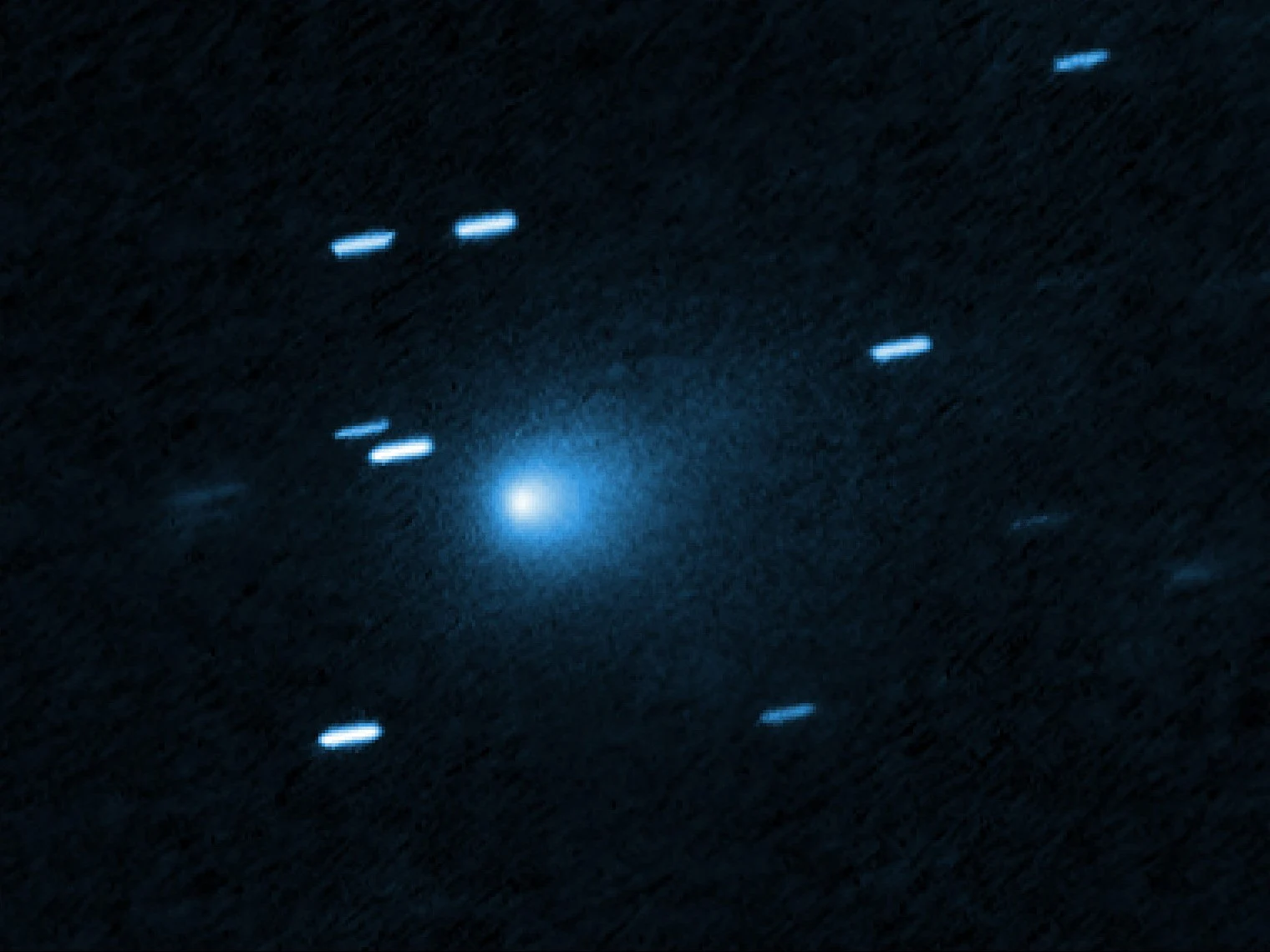
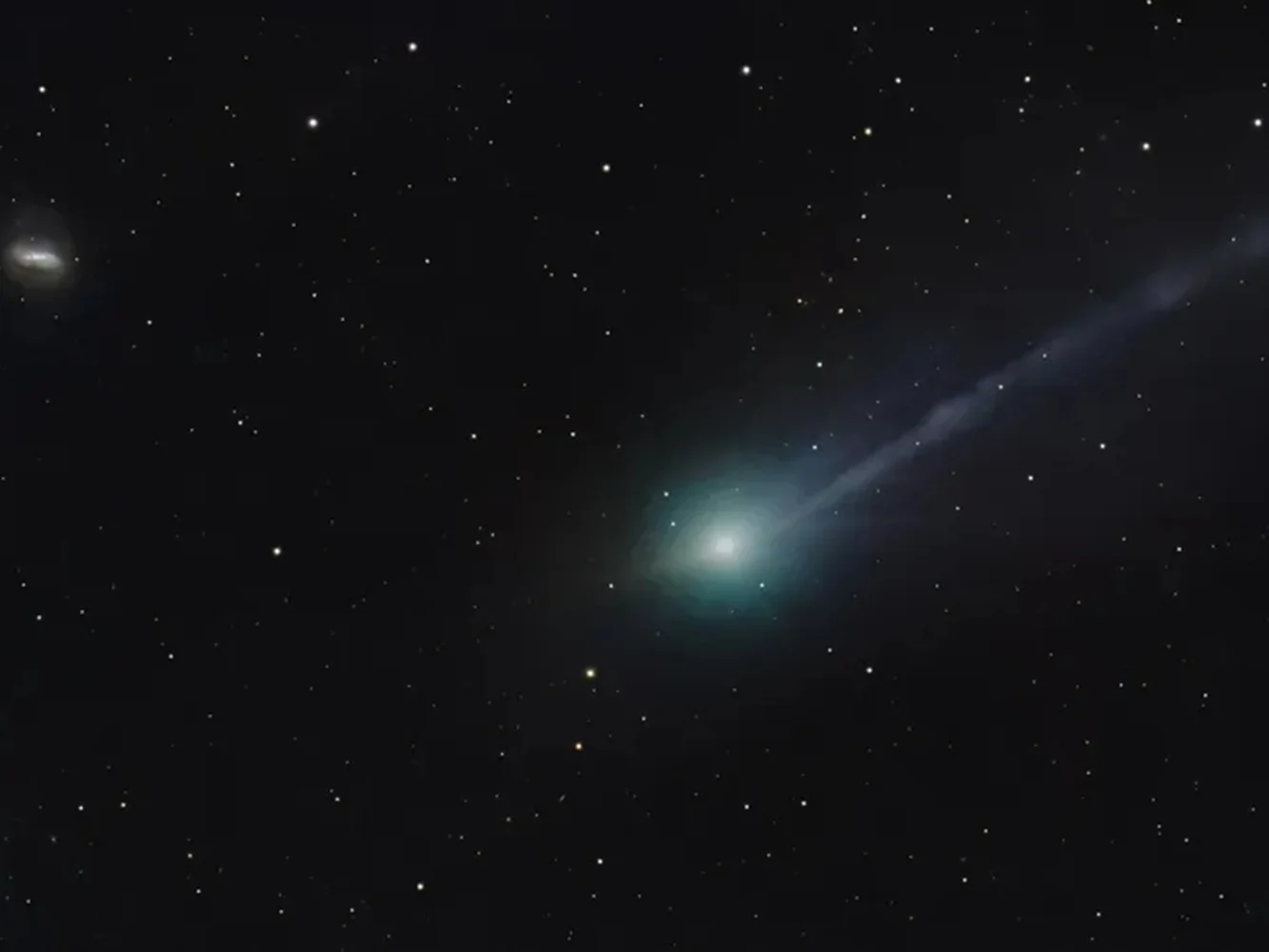
The comet 3I/ATLAS was found last year, moving through the solar system, with some folks suggesting it was a spaceship from aliens. Recent observations by the JWST, however, have provided evidence that this space object has more normal origins.
Age and Origins of 3I/ATLAS
The results indicate that 3I/ATLAS originated in a chilly, distant region of the Milky Way galaxy. With estimates ranging from 10 to 12 billion years old, this comet’s age is more than twice that of both Earth and the solar system. Furthermore, 3I/ATLAS is quite close in age to the Milky Way, which is around 13.6 billion years old, and to the universe itself, at approximately 13.8 billion years.
New Data from JWST
The advanced JWST collected new data while it was passing by the comet in late 2025. It analyzed the gas composition that formed on the comet as the sun warmed it up, leading to the sublimation of the ice on its surface.
Earlier assessments had estimated the age of 3I/ATLAS to be between 3 billion and 11 billion years. However, research scientist Romain Maggiolo stated, “They show that 3I/ATLAS isotopic composition is very different from solar system comets and suggest that it likely formed 10-12 billion years ago.”
Size and Speed Details
The comet is thought to measure 1,400 ft (440 m) and stretch about 3.5 miles (5.6 km) wide. Observations from the Hubble Space Telescope indicate it entered the solar system at a speed of around 137,000 mph (221,000 km/h). The nearest point of approach to Earth was at a distance of 168 million miles (270 million km), which was recorded on December 19, 2025.
Source:
Link