
Key Takeaways
1. Samsung is increasing HBM3E production faster than market demand, which may lower prices temporarily.
2. Rising contract prices for standard DRAM will narrow profit margins between HBM3E and regular memory.
3. Competitors like SK Hynix and Micron are producing 12-stack HBM3E, risking inventory buildup before demand rises.
4. Samsung’s semiconductor division profits have dropped 94% year-on-year, prompting cost cuts to regain Nvidia’s business.
5. Samsung is considering price cuts to compete, with future market dominance depending on cost and yield rather than just bandwidth.
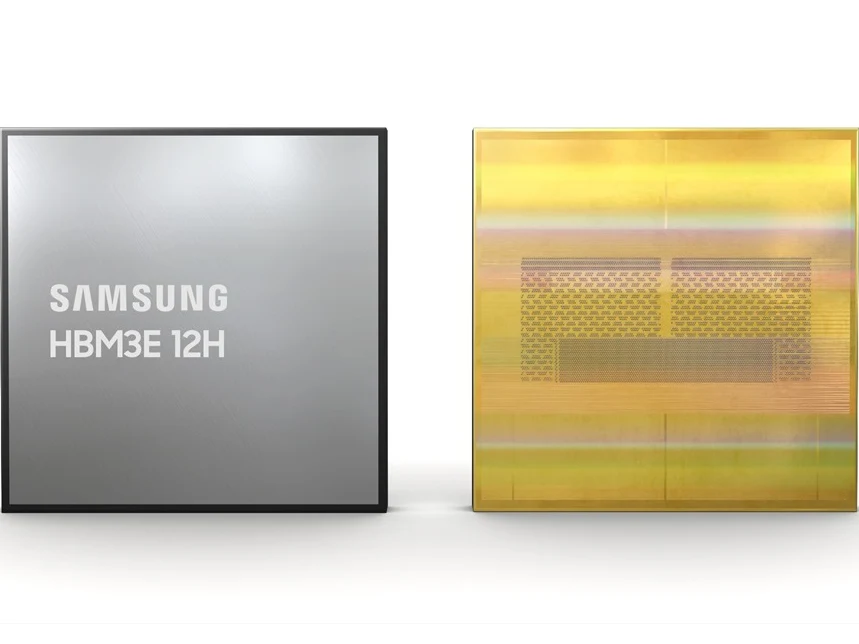
Samsung informed investors that the production of the fifth-generation HBM3E is increasing quicker than the demand in the market, which the company believes “will affect market prices for the time being.”
Profitability Concerns
Management pointed out that the rising contract prices for regular DRAM are going to narrow the previously large profit margin between HBM3E and standard memory in the second half of the year. This will limit the potential for increased margins, even with a rise in volumes.
Customer Shift and Competitive Landscape
This alert comes at a time when clients like Nvidia and AMD are moving towards the 12-stack HBM3E for their next-gen AI accelerators. Other competitors, including SK Hynix and Micron, are already producing this denser version in large amounts, which increases the risk of inventory accumulation before the anticipated demand surge happens.
Internally, Samsung’s semiconductor division is facing challenges: its quarterly operating profit has plummeted by 94 percent year-on-year to 400 billion Korean won ($287 million) due to export controls and inventory adjustments affecting the results. To stop this decline, the company is cutting HBM3E production costs in hopes of regaining Nvidia’s business that has mostly shifted to SK Hynix.
Growth in Memory Revenue
Memory revenue has seen an 11 percent increase compared to Q1 as HBM3E shipments have risen. Samsung intends to boost production of 128 GB DDR5, 24 GB GDDR7, and 8-gen V-NAND by the end of the year. A deal worth $16.5 billion to manufacture Tesla’s next-gen AI6 chips in Texas should also help stabilize foundry usage, although new 15 percent US tariffs on Korean products cast a shadow over the demand forecast.
Price Concessions and Market Dynamics
Sources within the industry mention that Samsung has proposed price cuts. Meanwhile, Nvidia is confirming its 12-layer stacks, indicating that market dominance in the next cycle may depend more on cost and yield rather than just bandwidth. If Samsung can achieve high-yield and lower-cost production ahead of its competitors, the company might regain some market share in the profitable AI-memory sector—however, any error could deepen the oversupply issue that is currently pressuring HBM3E prices.
Source:
Link
Leave a Reply