
Key Takeaways
1. Researchers from City University of Hong Kong developed a new robotic electronic skin (NRE skin) that allows robots to feel touch like humans.
2. The NRE skin features a four-layer design inspired by human skin, enabling it to generate spike pulses in response to touch.
3. The skin automatically activates protective reflexes by generating high voltage responses that bypass the processor when pressure exceeds a certain limit.
4. This quick response mechanism helps protect robots from harm and ensures safe interactions with humans.
5. The NRE skin includes self-monitoring capabilities, allowing it to detect sensor damage through regular ‘proof-of-life’ signals.
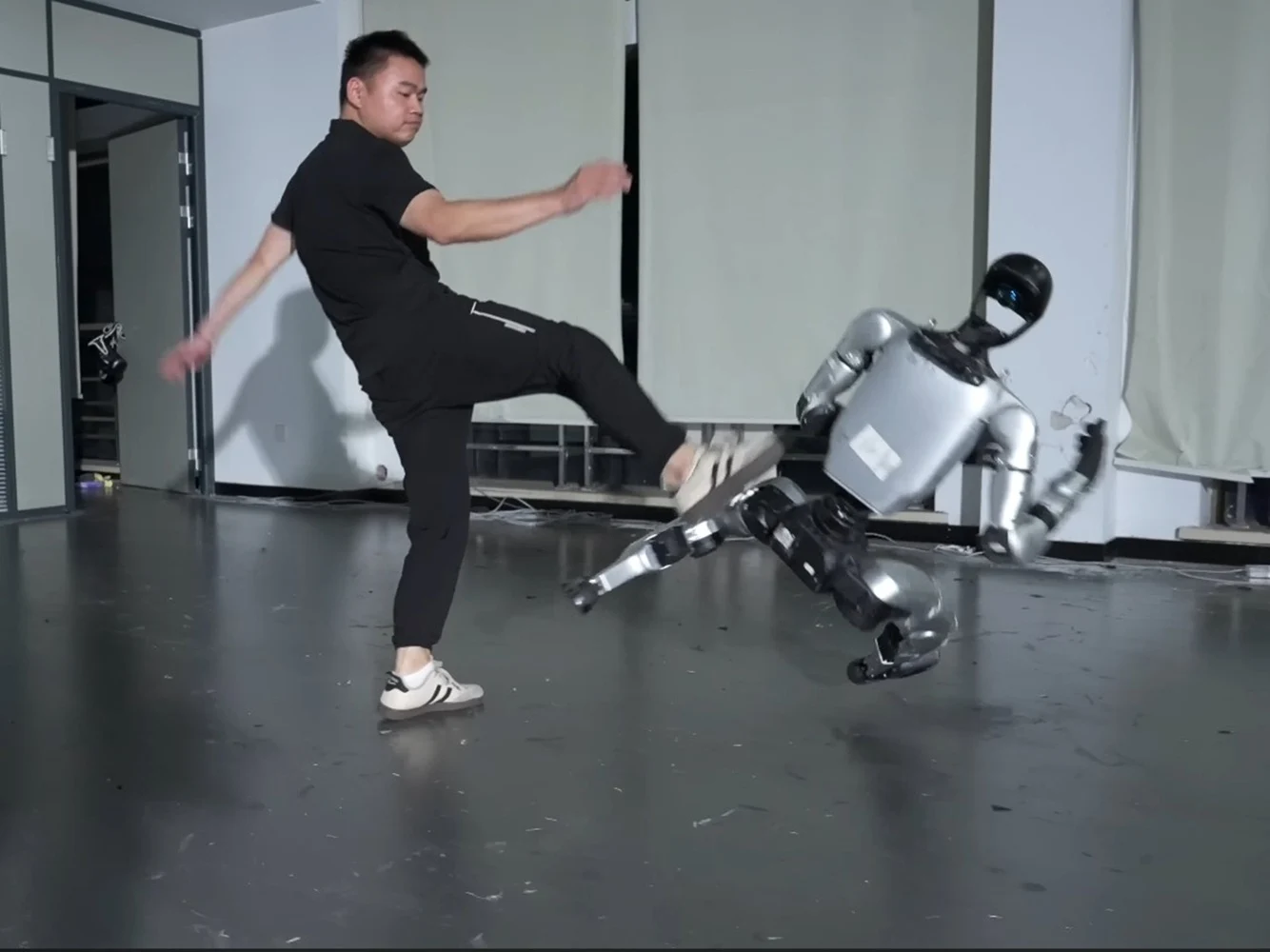
The researchers are from City University of Hong Kong, and they created a new type of robotic electronic skin (NRE skin) that helps robots feel touch like humans. This innovation allows robots to respond to touch and even activate protective reflexes.
Structure and Function
The design of the e-skin consists of four layers and is based on a hierarchical model inspired by human skin. When someone lightly touches the skin, it doesn’t just register pressure; instead, it generates spike pulses that get sent to the central processing units, which decide how to react.
Automatic Responses
If the pressure surpasses a certain limit, the skin generates a high voltage that goes straight to the motors, skipping the processor entirely. This causes the robot to automatically pull back.
This quick snap-back feature is designed to help keep the robot safe from harm. It also helps the robot adjust its actions, making sure that the force of contact doesn’t become dangerous for humans nearby.
Self-Monitoring Capability
Besides activating protective responses, the NRE skin can also check itself for any damage. It does this by using each sensor’s ability to send out a ‘proof-of-life’ signal at regular intervals. If the system stops receiving these signals, it indicates that there might be damage at that specific sensor. The damaged sensor module can then be replaced either by a technician or, with future upgrades, potentially by the robot itself.
PNAS’
Source:
Link
Leave a Reply