
Key Takeaways
1. Rogue planets do not orbit any stars and were first discovered in 2000.
2. A newly detected rogue planet, similar in mass to Saturn, is approximately 9,950 light-years away.
3. The discovery suggests that there may be many rogue planets in our galaxy.
4. The origins of rogue planets remain unclear, with theories including chaotic formation processes and stars disrupting systems.
5. Future research and new telescopes may lead to more discoveries and understanding of rogue planets.
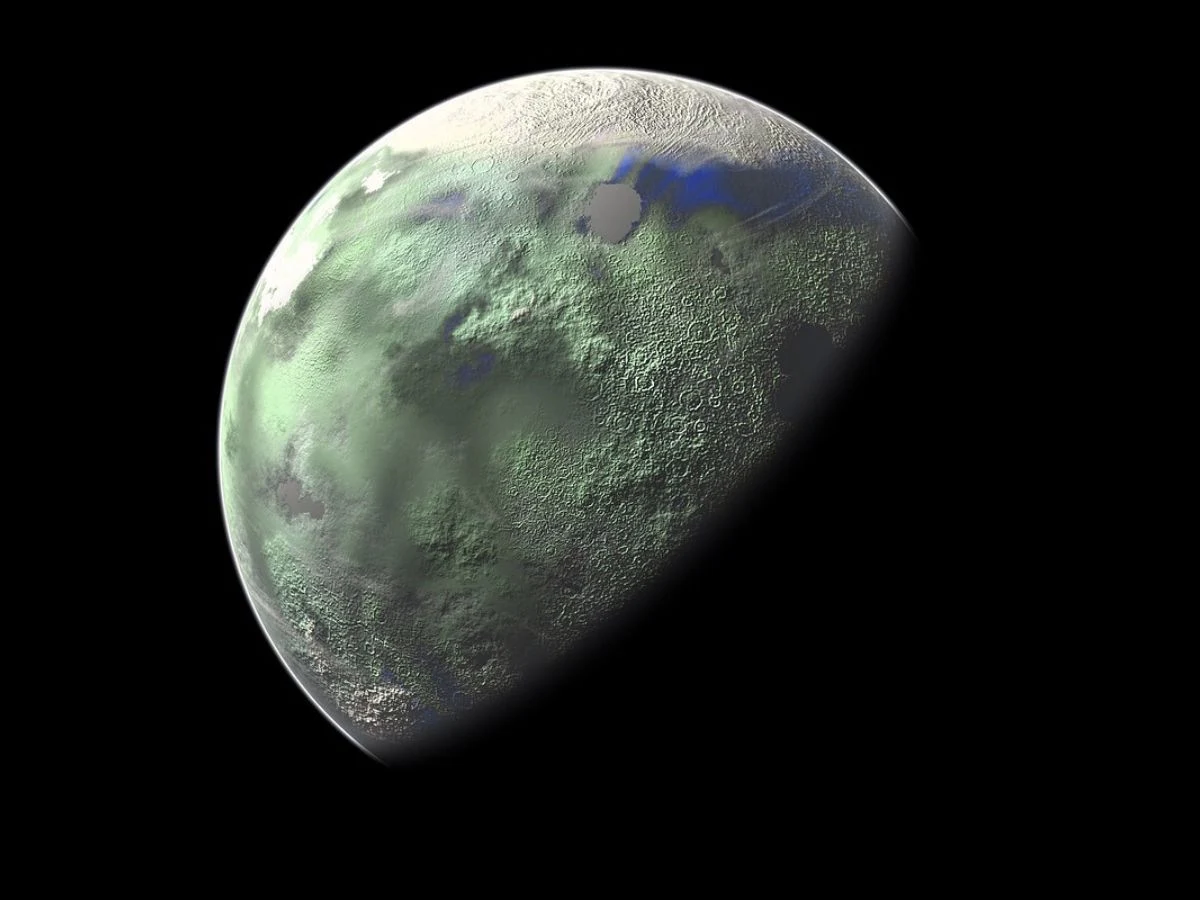
Rogue planets continue to puzzle astronomers globally. Normally, planets orbit around one or two stars, like how Earth revolves around the Sun. However, in 2000, scientists found an object that does not circle any star. In 2024, researchers successfully detected a rogue planet altering the light of a faraway star using the Gaia telescope and other instruments.
Distance and Mass
Thanks to these fresh observations, they figured out its distance, which is roughly 9,950 light-years from our planet. This rogue planet has a mass similar to that of Saturn. While this finding raises many questions, astronomers think that our galaxy might be filled with numerous rogue planets, as explained by Subo Dong:
“Our discovery offers further evidence that the galaxy may be teeming with rogue planets.”
Mysterious Origins
Yet, the origins of these planets remain quite puzzling. It’s hard to understand why they drift through space without orbiting a star. Some theories suggest that chaotic interactions during their formation could launch them beyond the gravitational grasp of their star. Additionally, some stars might wander through stellar systems, causing chaos. Moreover, planets can also form directly from clouds of gas and dust.
As with the discovery named KMT-2024-BLG-0792/OGLE-2024-BLG-0516, further research could shed light on these mysteries. Plus, more discoveries are likely to happen soon, especially with the advent of new telescopes.
Source:
Link
Leave a Reply