
Key Takeaways
1. Delayed Release: The basic iPhone 18 model may be delayed until 2027, while the iPhone 18 Pro and Pro Max are expected to launch in late 2026.
2. Price Increase: The upcoming iPhone 18 series is expected to see a significant price rise due to the new A20 chip, which could cost 50% more than the previous A19 chip.
3. Higher Production Costs: The transition to the 2nm A20 chip may force Apple to pass increased production costs onto customers, leading to higher retail prices for the iPhone 18 series compared to the iPhone 17 series.
4. Bill of Materials Impact: The A19 chip used in the iPhone 17 series already saw a price increase of 16% to 24%, and the A20 chip’s higher cost could further affect the overall bill of materials for the iPhone 18.
5. Industry-Wide Effect: The anticipated price hikes for Apple’s chips may also impact other manufacturers, affecting next-generation devices powered by Snapdragon and MediaTek as well.
Apple is said to be making some intriguing adjustments to the iPhone launch schedule, starting with the upcoming iPhone 18 series. Rather than releasing all three models at once next year, the basic iPhone 18 might be delayed until 2027. Unfortunately, the pricing is also expected to rise significantly compared to the iPhone 17 series, largely due to the new A20 SoC.
Price Increase Expected
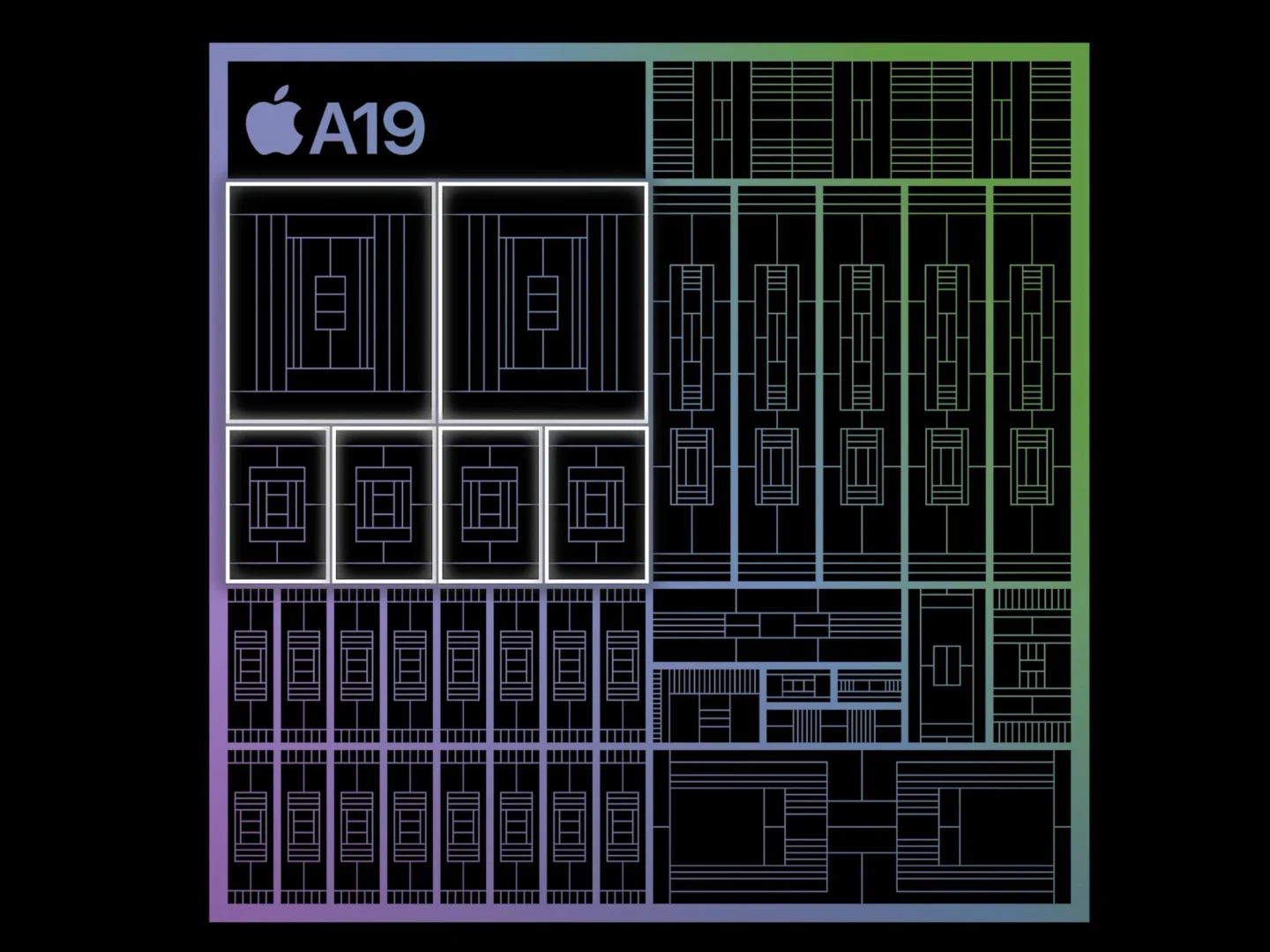
A report from China Times (translated from Chinese) indicates that the 2nm A20 chip, which will drive the iPhone 18 series, will come at a higher cost than the A19 chip used in the iPhone 17 series. TSMC has reportedly informed Apple and other clients that the pricing for 2nm chips could be 50% more, or even higher, than previous versions. The A19 processors, which are part of the iPhone 17, were made using TSMC’s 3nm N3P technology. With the transition to 2nm, significant performance improvements could lead to even steeper price hikes.
Bill of Materials Overview
DigiTimes mentioned last year that the bill of materials (BOM) for the iPhone 16 (256 GB) stood at $416, with the A18 chip costing around $45. This model was introduced at a retail price of $799, which included Apple’s profit margins. The A19 chip is slightly pricier as it utilizes the advanced N3P process (still at 3nm), and the China Times report indicates that this process resulted in a price increase of about 16% to 24%. However, the iPhone 17 (256 GB) kept the $799 price point, suggesting that Apple absorbed the minor impact on profit margins.
Now, if the A20 chip’s price rises by, say, 50%, as suggested by the report, Apple might have to pass this additional cost onto customers to maintain its profit margin, or find savings in other areas. This could mean that the cost for the iPhone 18 series will be higher than that of the iPhone 17 series. It’s important to remember that this is still speculation, and there’s a chance Apple could find a way to offset the increased production costs.
Staggered Launch Timeline
Regarding the launch schedule, it has been recently reported that Apple intends to stagger the release of the iPhone 18 series. The iPhone 18 Pro and Pro Max models are expected to hit the market in the latter half of 2026, while the base iPhone 18 is projected to debut in the first half of 2027, along with the iPhone 18e.
As noted earlier, TSMC has reportedly warned all its clients to anticipate higher prices for chips produced using the 2nm process, so the price hikes may not just affect Apple but could also extend to next-generation devices powered by Snapdragon and MediaTek.
Leave a Reply