
Key Takeaways
1. Inhalers in the U.S. produce over 2 million metric tons of carbon emissions annually, equivalent to emissions from 530,000 gasoline cars.
2. Metered dose inhalers account for 98% of these emissions due to hydrofluoroalkane (HFA) propellants, which are potent greenhouse gases.
3. Inhalers containing albuterol, budesonide-formoterol, and fluticasone propionate contribute to 87% of the total emissions.
4. From 2014 to 2024, approximately 1.6 billion inhalers emitted around 24.9 million metric tons of CO2e, with a social cost of about $5.7 billion.
5. There is potential for reducing emissions by switching to lower-emission inhaler alternatives, benefiting both patients and the environment.
In a groundbreaking investigation into the environmental effects of inhalers in the United States, UCLA Health has discovered that these devices are responsible for over 2 million metric tons of carbon emissions each year for the past decade. This amount is similar to the emissions produced by 530,000 cars running on gasoline. The findings, which appear in the journal JAMA, offer the most detailed look yet at emissions linked to inhalers in America.
Emissions from Inhalers
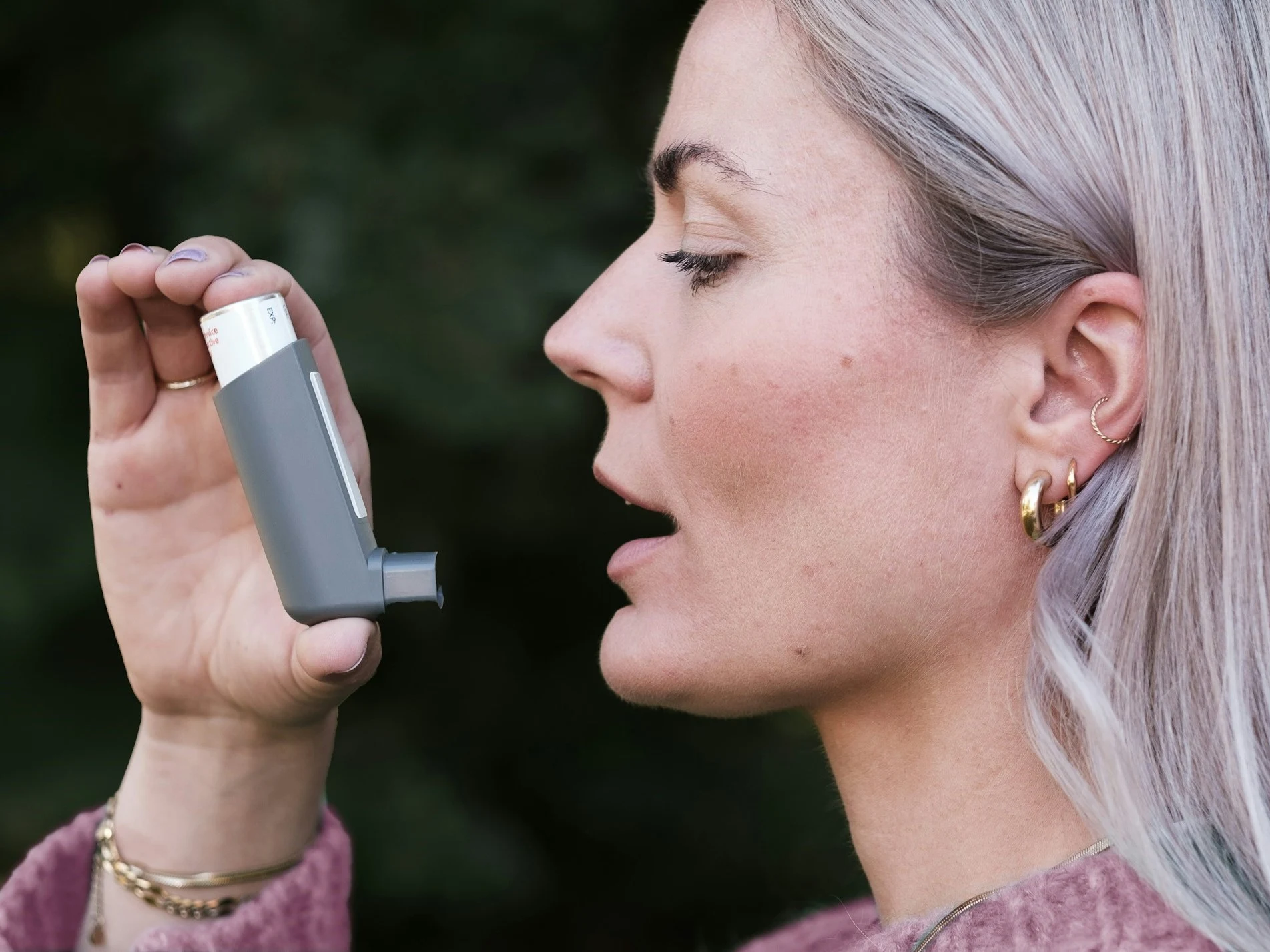
The research focused on inhalers approved for treating asthma or COPD from 2014 to 2024. It revealed that metered dose inhalers were by far the most damaging to the environment, contributing to 98% of total emissions. This is primarily due to their use of hydrofluoroalkane (HFA) propellants, which are powerful greenhouse gases. Among these inhalers, those containing albuterol, budesonide-formoterol, and fluticasone propionate made up 87% of the emissions. Conversely, other inhaler types such as dry powder and soft mist inhalers do not require these harmful propellants for delivering medication.
Impact Over a Decade
Over the span of ten years, approximately 1.6 billion inhalers were estimated to have emitted around 24.9 million metric tons of carbon dioxide equivalent (CO2e), which translates to a social cost of about $5.7 billion. The study also highlighted a rise in emissions, noting a 24% increase in annual emissions from 2014 through 2024.
Inhalers contribute to the expanding carbon footprint of the U.S. healthcare system. However, there’s a silver lining; there’s a significant chance to implement changes that will benefit both patients and the environment by opting for lower-emission alternatives, as stated by Dr. William Feldman, the lead author and researcher at UCLA.
Source:
Link
Leave a Reply