
Tag: carbon emissions

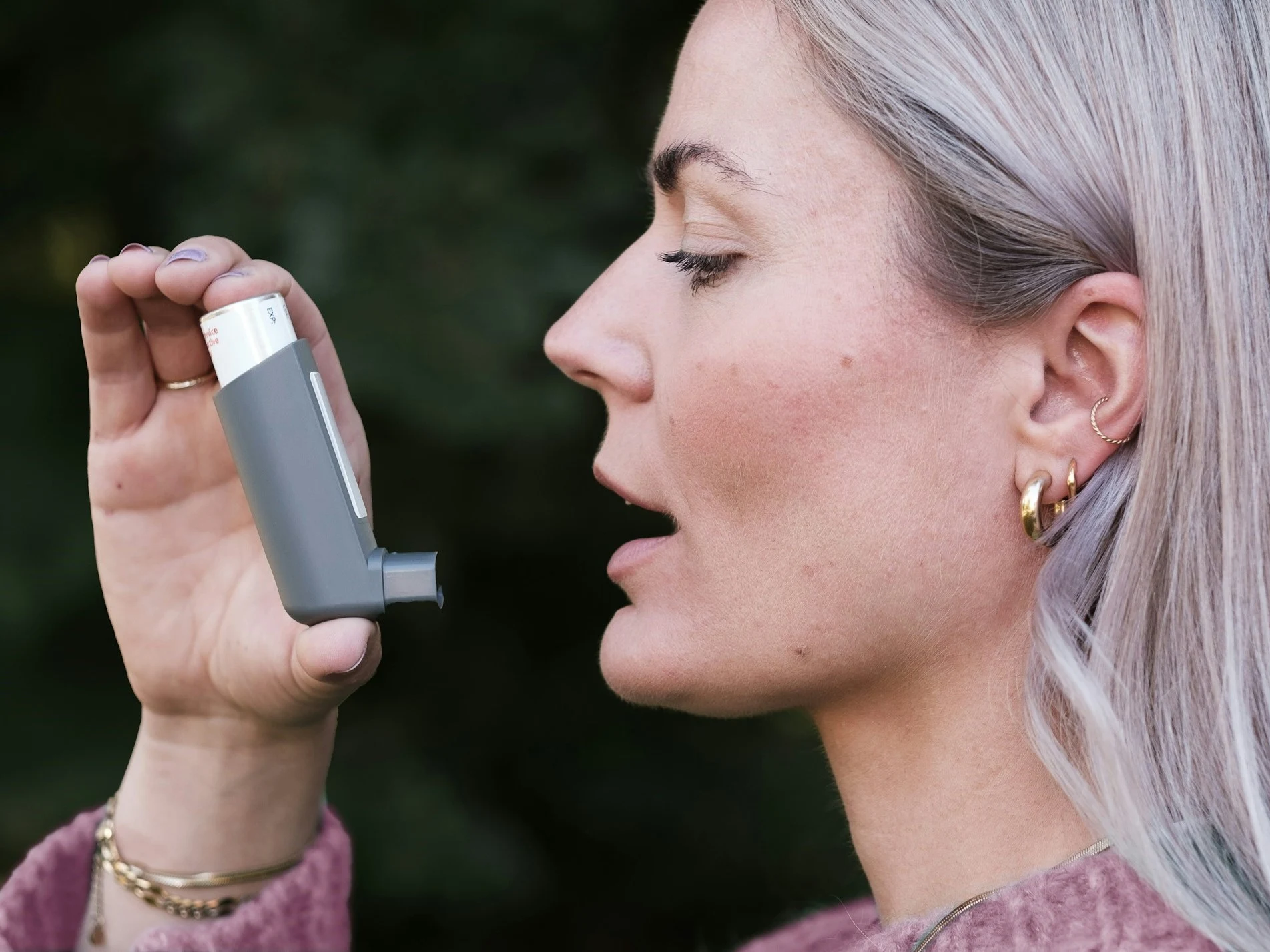
  • Inhalers Emit 2 Million Metric Tons of Carbon Annually, Study Finds

    Inhalers Emit 2 Million Metric Tons of Carbon Annually, Study Finds

    Key Takeaways

    1. Inhalers in the U.S. produce over 2 million metric tons of carbon emissions annually, equivalent to emissions from 530,000 gasoline cars.
    2. Metered dose inhalers account for 98% of these emissions due to hydrofluoroalkane (HFA) propellants, which are potent greenhouse gases.
    3. Inhalers containing albuterol, budesonide-formoterol, and fluticasone propionate contribute to 87% of the total emissions.
    4. From 2014 to 2024, approximately 1.6 billion inhalers emitted around 24.9 million metric tons of CO2e, with a social cost of about $5.7 billion.
    5. There is potential for reducing emissions by switching to lower-emission inhaler alternatives, benefiting both patients and the environment.


    In a groundbreaking investigation into the environmental effects of inhalers in the United States, UCLA Health has discovered that these devices are responsible for over 2 million metric tons of carbon emissions each year for the past decade. This amount is similar to the emissions produced by 530,000 cars running on gasoline. The findings, which appear in the journal JAMA, offer the most detailed look yet at emissions linked to inhalers in America.

    Emissions from Inhalers

    The research focused on inhalers approved for treating asthma or COPD from 2014 to 2024. It revealed that metered dose inhalers were by far the most damaging to the environment, contributing to 98% of total emissions. This is primarily due to their use of hydrofluoroalkane (HFA) propellants, which are powerful greenhouse gases. Among these inhalers, those containing albuterol, budesonide-formoterol, and fluticasone propionate made up 87% of the emissions. Conversely, other inhaler types such as dry powder and soft mist inhalers do not require these harmful propellants for delivering medication.

    Impact Over a Decade

    Over the span of ten years, approximately 1.6 billion inhalers were estimated to have emitted around 24.9 million metric tons of carbon dioxide equivalent (CO2e), which translates to a social cost of about $5.7 billion. The study also highlighted a rise in emissions, noting a 24% increase in annual emissions from 2014 through 2024.

    Inhalers contribute to the expanding carbon footprint of the U.S. healthcare system. However, there’s a silver lining; there’s a significant chance to implement changes that will benefit both patients and the environment by opting for lower-emission alternatives, as stated by Dr. William Feldman, the lead author and researcher at UCLA.

    Source:
    Link
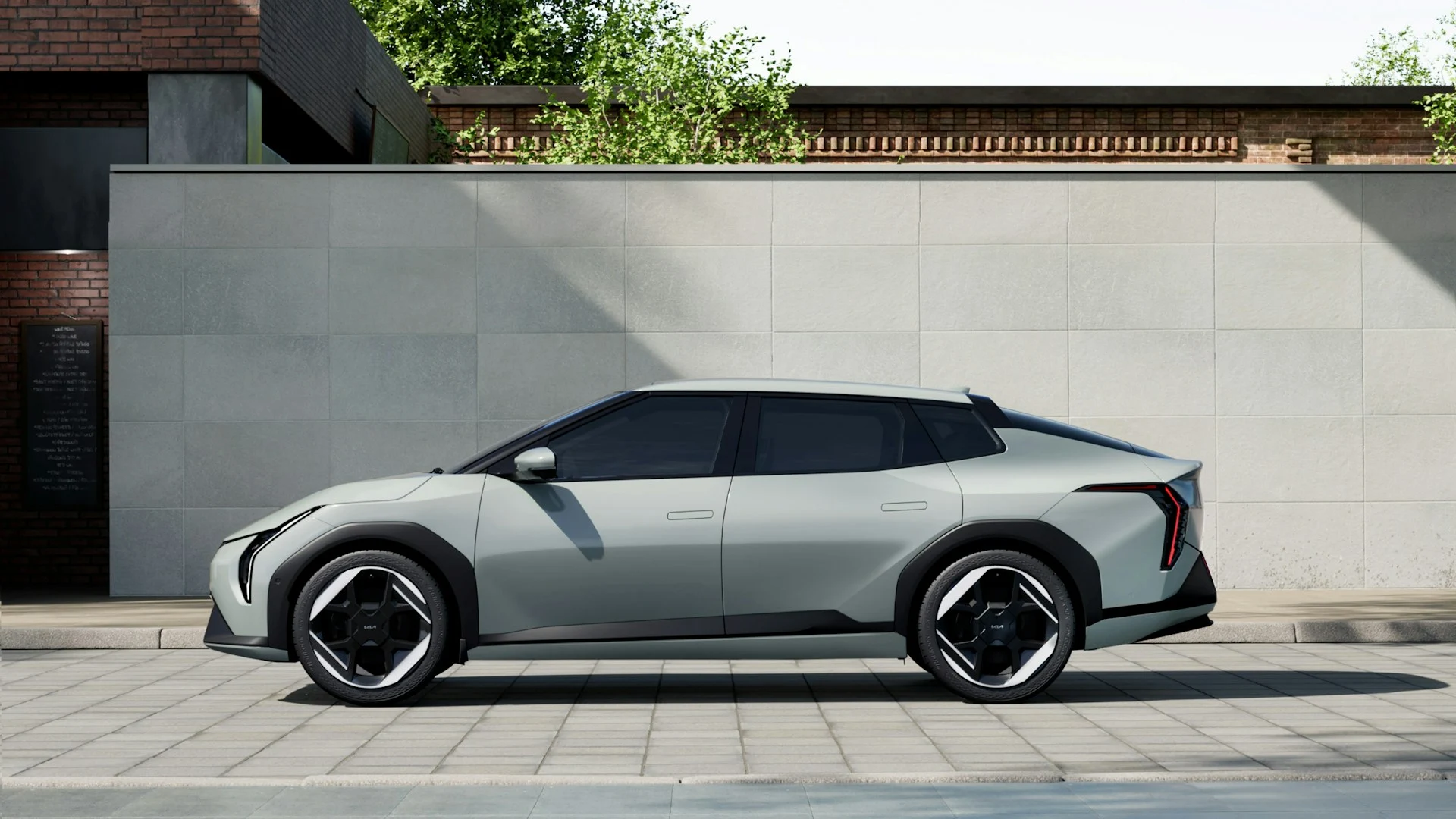


  • MIT Researchers Suggest Eco-Driving to Reduce City Emissions 22%

    MIT Researchers Suggest Eco-Driving to Reduce City Emissions 22%

    Key Takeaways

    1. Eco-driving techniques can reduce annual carbon emissions from city intersections by 11–22% through real-time speed adjustments.
    2. Speed guidance features on smartphone apps can enable quick implementation of eco-driving in the short term.
    3. Even with only 10% of vehicles using eco-driving, cities could see a 25–50% reduction in CO2 emissions due to improved traffic flow.
    4. Focusing on 20% of the most critical intersections can lead to 70% of total emission reductions.
    5. The eco-driving approach is nearly cost-free and easy to implement, making it a practical solution for reducing emissions.


    A recent study by researchers at MIT has discovered that “eco-driving” techniques, which involve automatically managing vehicle speeds to minimize stops and idling at intersections, can greatly help reduce carbon emissions in big cities. This research, featured in the journal Transportation Research Part C: Emerging Technologies, utilized advanced AI to model traffic patterns at numerous intersections across three cities in the U.S.

    Significant Emission Reductions

    The findings indicated that adopting eco-driving fully could lead to a decrease in annual carbon emissions from city intersections by 11–22%. The system operates by adjusting vehicle speeds in real-time to ease traffic congestion, and the study demonstrated that this approach would not hinder overall traffic flow or compromise safety.

    Future Implementations

    The authors of the study propose that eco-driving could be rolled out quickly via speed guidance features on smartphone applications in the short term. In the long run, it may include sending intelligent speed commands directly to both semi-autonomous and fully autonomous vehicles.

    Impressive Benefits with Minimal Adoption

    Interestingly, the study also highlighted that benefits could still be achieved without widespread adoption. If merely 10% of vehicles utilize eco-driving, cities might experience a 25–50% of the total possible reduction in CO2 emissions. This occurs because cars not using the eco-driving system would naturally follow the more fluid traffic patterns established by the controlled vehicles. Additionally, the research uncovered that focusing on just 20% of the most critical intersections in a city could provide 70% of the total emission reductions.

    This approach is nearly cost-free. With smartphones already in use in vehicles and the rapid increase in cars featuring advanced automation, for a strategy to be effectively scaled, it needs to be easy to implement and ready for action. Eco-driving certainly meets those criteria. — Cathy Wu, senior author of the study.

    Source:
    Link