
Key Takeaways
1. Oxygen Absorption via Intestines: Some mammals can absorb oxygen through their intestines, a concept that won an Ig Nobel Prize in 2024.
2. First Human Trial: A team led by Dr. Takanori Takebe successfully tested enteral ventilation on humans for the first time.
3. Study Design: The trial involved 27 healthy male participants, using perfluorodecalin (PFD) as a liquid capable of holding significant amounts of oxygen.
4. Tolerability Findings: Participants tolerated the rectal administration of PFD well, with no severe side effects noted, although some experienced mild discomfort.
5. Future Research Needed: While the study confirmed safety, further research is necessary to explore the effectiveness of oxygen-enriched PFD for potential therapeutic use in critical situations.
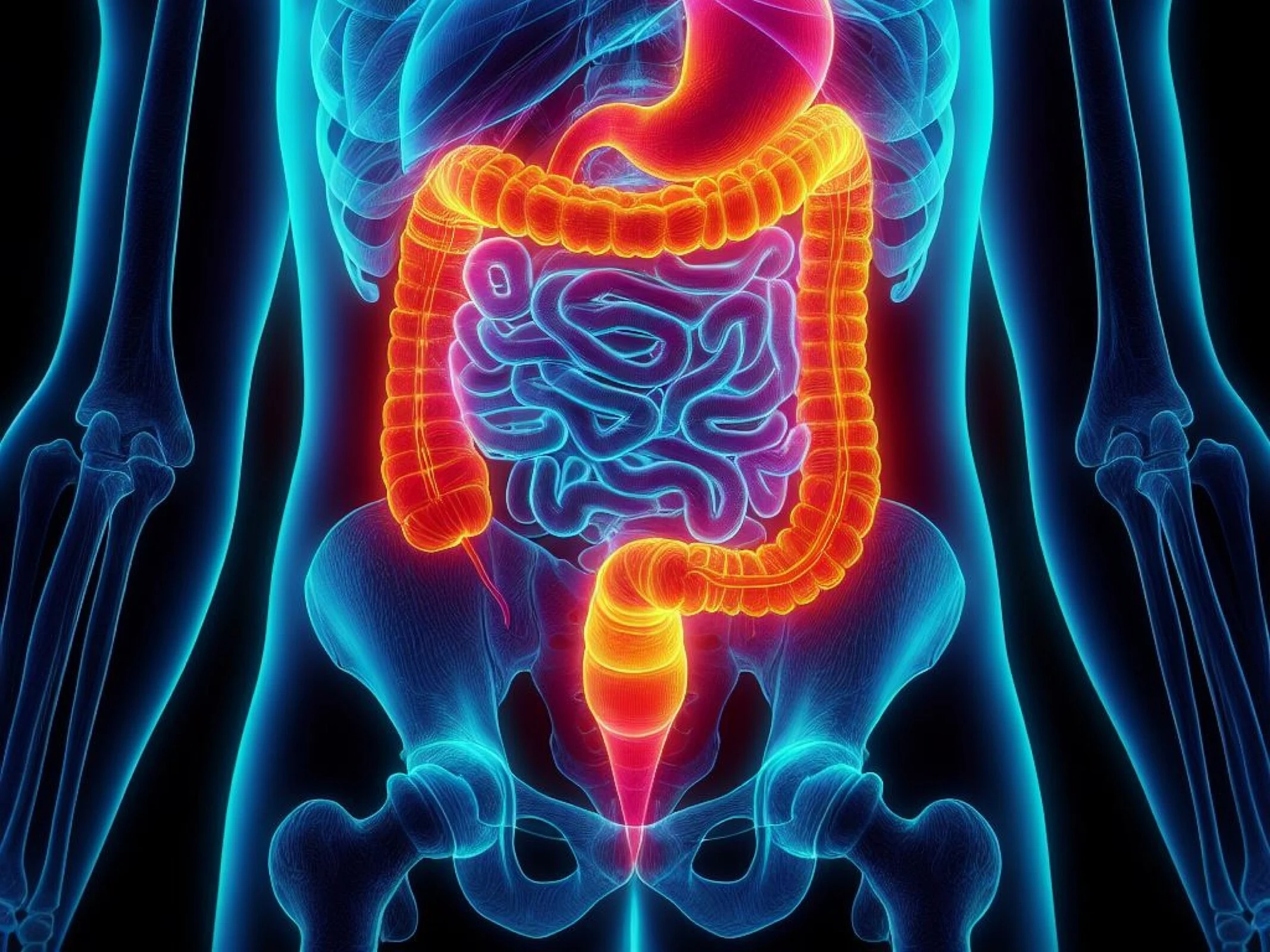
Animal research has revealed that some mammals, such as mice, rats, and pigs, can take in oxygen via their intestines. This rare idea even won an Ig Nobel Prize in 2024. Until recently, it was uncertain if this method could work for humans. However, that changed when a worldwide team from the United States and Japan, headed by Dr. Takanori Takebe, a stem cell researcher from Japan, successfully tried enteral ventilation on humans for the first time. The findings from the phase 1 trial were published on October 20, 2025, in the journal Cell / Med.
Study Details
The research took place at Cincinnati Children’s Hospital in the United States and involved 27 healthy male participants aged between 20 and 45. The team used perfluorodecalin (PFD), a liquid that can hold a significant amount of oxygen – up to 500 milliliters of O₂ for every liter. Already utilized in eye surgeries and as an oxygen carrier in medical products, PFD was given in gradually increasing amounts to check for tolerability. Each participant received between 25 and 1,500 milliliters of the liquid, with every dose remaining in the intestine for a period of 60 minutes.
Important Observations
It’s crucial to mention that the PFD used during this research was not oxygenated, meaning it didn’t have any extra oxygen added. The main goal of this initial trial was to examine how well participants could tolerate receiving the liquid rectally, rather than to test its effectiveness for oxygen delivery.
No severe side effects or toxic responses were recorded, even at the maximum dose. About 59% of participants noted mild issues like stomach pain, gas, or the need to defecate, particularly with the larger doses. Four out of six participants in the highest-dose group stopped their sessions early due to discomfort. Nevertheless, lab results, blood pressure, and organ function remained normal throughout the study. No PFD was found in the blood, indicating that it wasn’t absorbed through the intestinal walls. Despite these slight side effects, the rectal use of PFD was deemed to be well tolerated.
Future Implications
In conclusion, while the study shows that the procedure is safe, it has not yet proven any therapeutic advantage, since non-oxygenated PFD was utilized. Future studies need to explore how much oxygen from oxygen-enriched PFD can be absorbed into the bloodstream via the intestinal lining. If therapeutic effectiveness is established, this could lead to a revolutionary ventilation technique—one that could be useful in situations where traditional ventilation methods are too risky or impractical, such as in acute lung failure cases. This might provide a potential answer for urgent situations that current medical practices struggle to handle.
Leave a Reply