
Key Takeaways
1. Peking University scientists have developed the world’s first “thermoelectric rubber,” which is flexible and generates electricity effectively.
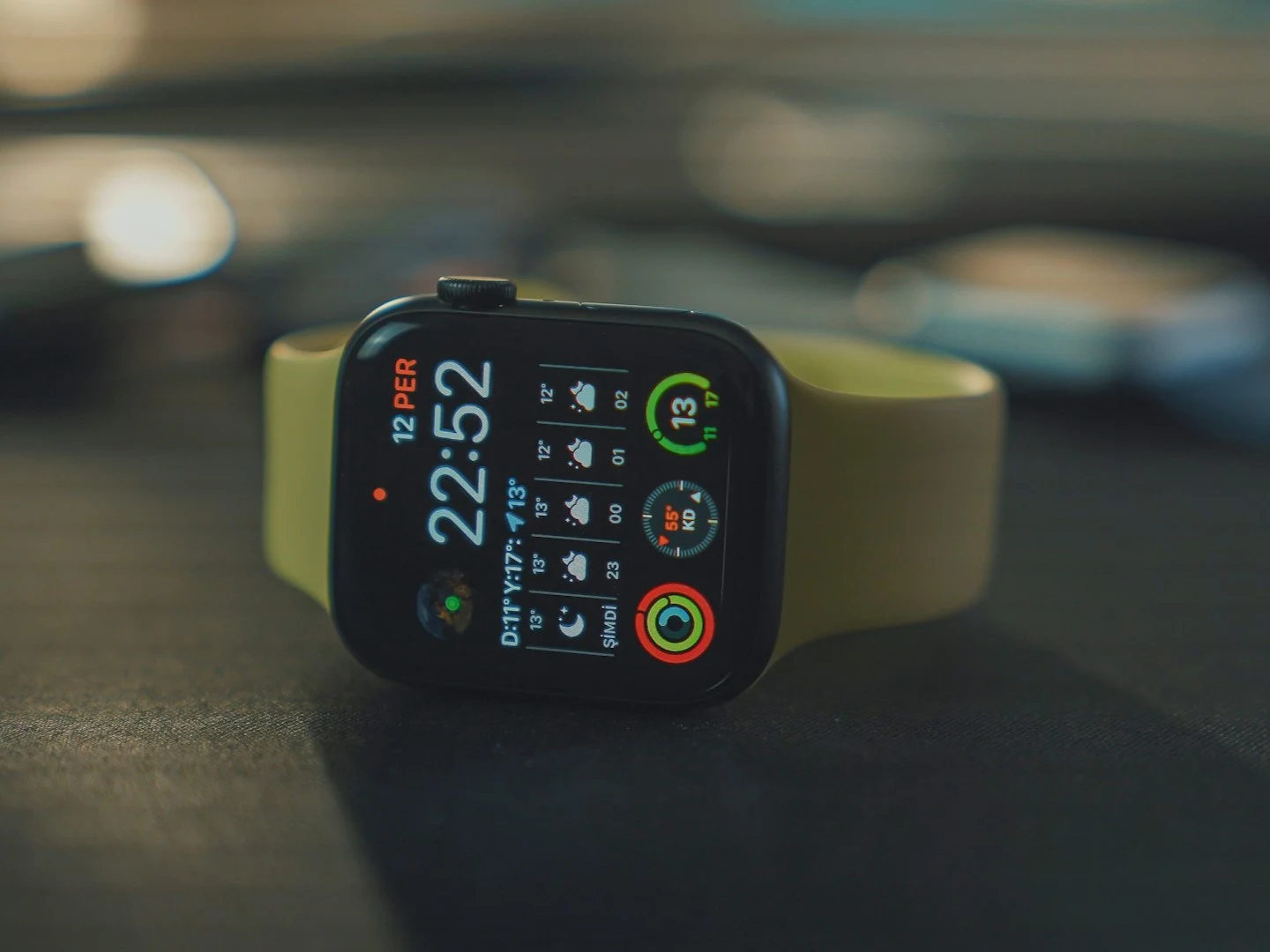
2. This new material can harness temperature differences between the body and ambient air for power, enabling self-sustaining wearable gadgets.
3. The innovative design combines semiconducting polymers with elastic rubber, enhancing electrical conductivity while reducing thermal conductivity.
4. The material can stretch to 150% and return to 90% of its original form, with the ability to expand over 850% its initial size.
5. Potential applications include wearable technology and healthcare devices, such as power for medical sensors.
Peking University scientists have developed a groundbreaking material they are calling the world’s first “thermoelectric rubber.” This innovative creation is both extremely flexible and capable of generating electricity effectively. As detailed in the journal Nature, this advancement could pave the way for a new generation of self-sustaining wearable gadgets that harness the temperature differences between a person’s body and the ambient air for power.
New Approach to Power Generation
Previously, attempts to create materials that could utilize body heat to power electronic devices have led to results that were only somewhat flexible. The high-performing thermoelectric materials created were not as elastic as desired. However, this new research team has successfully achieved what many have been striving for — an effective thermoelectric material that retains its elasticity.
Innovative Hybrid Design
Under the guidance of material scientist Lei Ting, the Peking University team tackled this challenge by creating a hybrid polymer. They mixed semiconducting polymers with elastic rubber, resulting in the development of semiconducting nanofibrils encased in an elastomer. This unexpected design enhances electrical conductivity while lowering thermal conductivity, turning the material into a highly efficient thermoelectric generator.
The team showcased that the material could return to 90% of its original form after being stretched to 150%. It can also expand to more than 850% of its initial size. The researchers plan to continue improving its characteristics even more.
Potential Applications
The unique combination of flexibility and thermoelectric properties makes this material an excellent candidate for use in wearable technology. In addition to consumer electronics, there are potential healthcare applications, such as powering medical sensors.
Source:
Link
Leave a Reply