
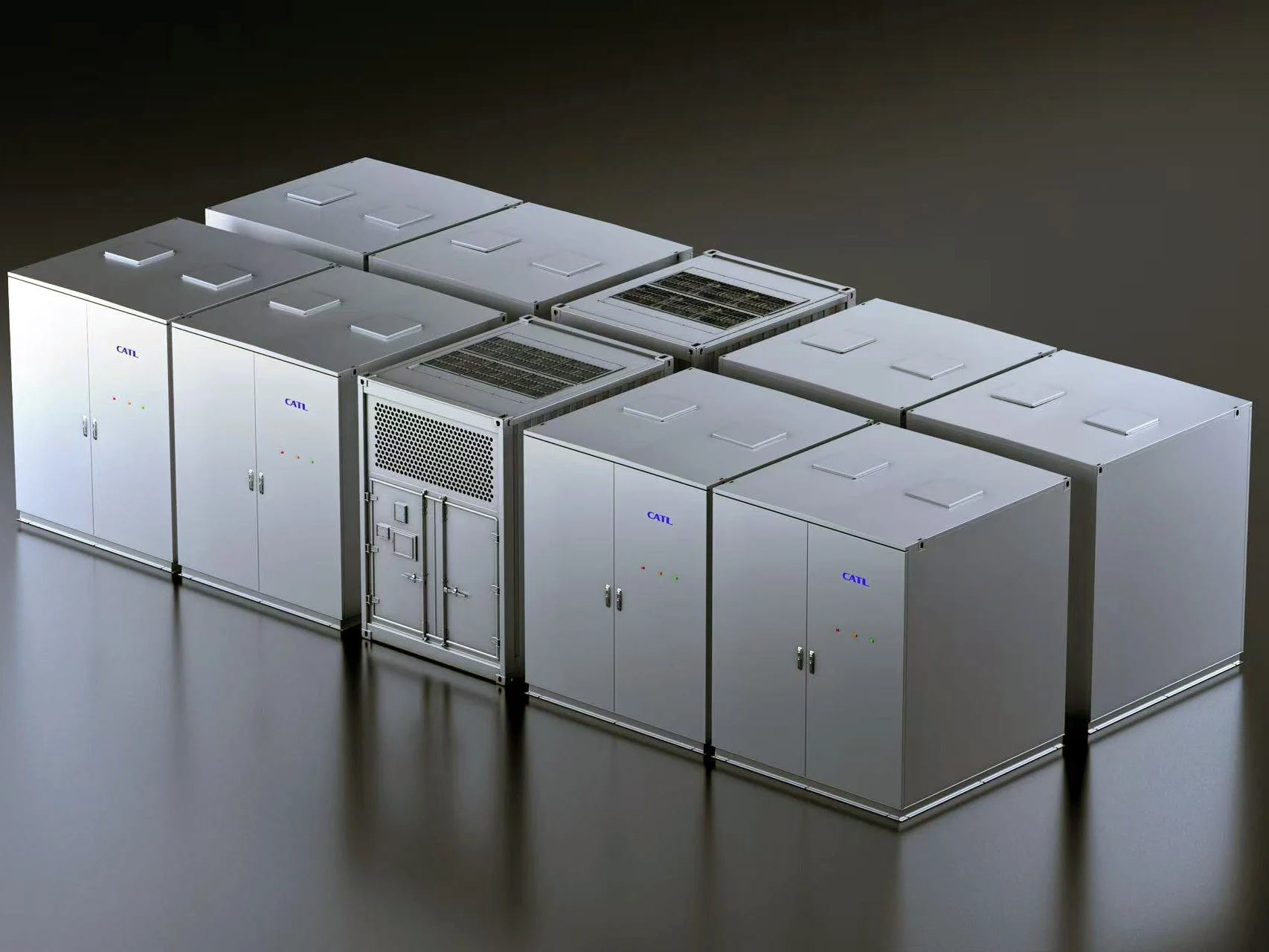
– CATL’s Tener sodium-ion ESS achieves 15,000 cycles at 25°C, offering 25–30 years of grid service with 70% capacity retention—double the lifespan of most LFP systems.
– The system retains over 92% capacity at -20°C and sustains 10,000 cycles at 45°C without insulation or forced cooling, thanks to wide-temperature dipole technology.
– Sodium-ion Tener is inherently safer than lithium: surface temperature during thermal runaway is 60% lower (around 200°C) and cell expansion force is reduced by 40%.
– Self-consumption is just 1% (half the industry average), and noise emissions are 65 dB, making it suitable for near-population-center installations.
– CATL plans over 200 GWh of sodium-ion ESS capacity, with modules drop-in compatible with existing LFP platforms, targeting domestic delivery by September 2026 and global rollout in 2027.
Munich Product Event Debut of Sodium-Ion Tener
At the same Munich product event where CATL debuted the Tener Stack LFP ESS giant last year, it now introduced the Tener sodium-ion ESS that can clock a 15,000-cycle lifespan when operating around the 25°C mark. This is good for 25 to 30 years of grid service with 70% capacity retention, or roughly twice the real-world longevity that can be expected from most LFP deployments in high-cycling applications. The system sets a new benchmark for the sodium-ion category, as both BYD’s MC Cube sodium-ion BESS and HiNa’s Na-ion energy storage system are advertising a 10,000-cycle lifespan.
Modular Architecture and Capacity Retention
The modular architecture of CATL’s sodium-ion Tener exceeds 30 MWh of rated capacity, with each module weighing under 42 tons, so a 1 GWh installation would only need 34 of them. More importantly for utility operators, the Tener Na-ion retains over 92% of its capacity at -20°C or can sustain more than 10,000 cycles at 45°C without any added insulation or forced cooling, thanks to CATL’s wide-temperature dipole technology at work.
Thermal Safety and Power Consumption
During potential thermal runaway, the surface temperature will be around 200°C, which is 60% lower than lithium batteries, while the cell expansion force is reduced by 40%, making the sodium-ion Tener inherently safer than its lithium counterpart. The system sips power at just 1% of self-consumption, which is half the industry average and adds a good amount of recovered energy over a 30-year lifespan. Last but not least in Tener’s specs are its noise emissions that sit at 65 dB, a level that makes it suitable to install near population centers.
- Lifespan: 15,000 cycles at 25°C
- Capacity retention: 70% after 25-30 years
- Module weight: under 42 tons
- Capacity per module: exceeds 30 MWh
- Retains 92% capacity at -20°C
- Self-consumption: 1% (half industry average)
- Noise emissions: 65 dB
- Safety: 200°C surface temp in thermal runaway, 60% lower than lithium
- Cell expansion force: reduced by 40%
Global Plans and Compatibility
CATL plans to install more than 200 GWh of sodium-ion ESS capacity, with domestic deliveries targeting September 2026 and a global rollout in 2027, leveraging the kind of manufacturing capacity that no competitor can match today. The Tener Na-ion modules are also drop-in compatible with existing LFP platforms, so utilities don’t need to redesign anything to switch chemestries. CATL recently mentioned that sodium-ion batteries are becoming cost-competitive with lithium cells and is quick to try and corner the Na-ion market for both electric cars and energy storage systems.
Leave a Reply