
Key Takeaways
1. Elon Musk envisions Starlink as a mobile service similar to AT&T, T-Mobile, or Verizon, offering 5G data from satellites to standard devices.
2. SpaceX has applied for a trademark for “Starlink Mobile,” indicating plans to create a new mobile carrier using satellite networks for voice and data services.
3. SpaceX’s acquisition of the 50 MHz S-band spectrum enhances the feasibility of launching a dedicated Starlink carrier service.
4. The Starlink V3 satellites, set to launch in 2026, will be significantly larger and capable of providing gigabit Internet speeds and direct 5G service to smartphones.
5. Starlink Mobile aims to offer a competitive alternative to existing carriers, with expected download speeds of up to 100 Mbps, starting with testing in 2026 and full deployment by 2027.
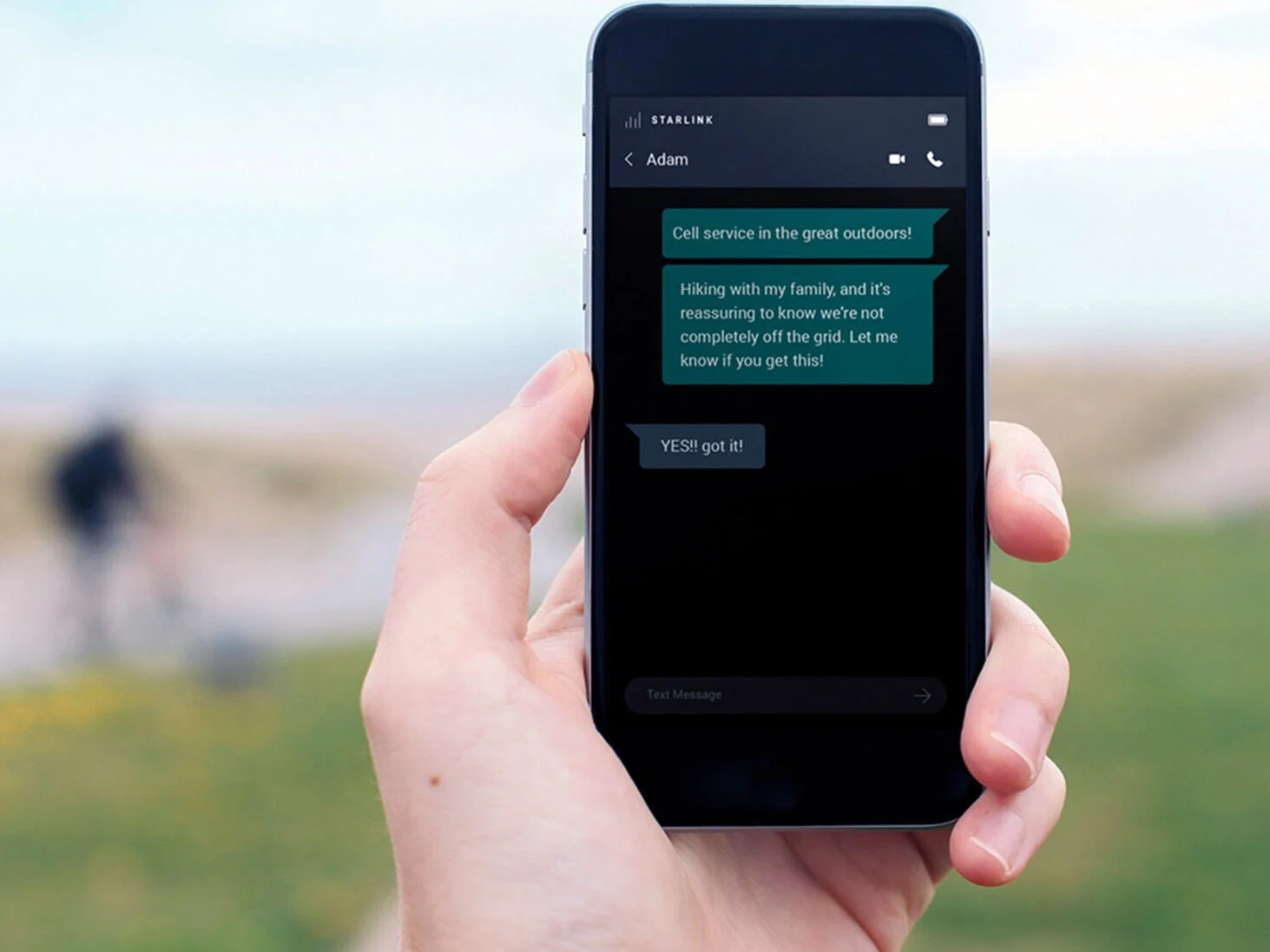
Elon Musk has expressed that individuals “should be able to access Starlink like they do with AT&T, T-Mobile, or Verizon” on their smartphones, with the satellite service eventually providing 5G data from space to standard devices.
Trademarking Starlink Mobile
To make this idea a reality, SpaceX has applied for a trademark for the name Starlink Mobile at the USPTO. The description of this new brand’s services seems to hint at the formation of a fresh mobile carrier, delivering voice and data directly from satellites instead of traditional cell towers. The services include:
Telecommunications services, specifically two-way real-time transmission of voice, audio, video and data using wireless telecommunications devices and satellite networks; Telecommunications services involving the transmission of voice, audio, video and data to mobile phones and smart devices, like thermostats, lighting systems, speakers, fitness trackers, cameras, refrigerators, locks, plugs, washing machines, and vehicle tracking systems via wireless telecommunications devices and satellite networks.
SpaceX’s Vision Becomes Feasible
After SpaceX invested $17 billion for the 50 MHz S-band spectrum previously held by DISH through its acquisition of Boost Mobile, which Sprint had to sell to merge with T-Mobile, Musk’s aspirations for a dedicated Starlink carrier service are now appearing more realistic.
At present, devices such as the Galaxy S25 Ultra, currently 30% off on Amazon, can access limited satellite services like T-Mobile’s T-Satellite signal without any modifications. However, SpaceX is collaborating with mobile processor companies like Qualcomm and MediaTek to incorporate Starlink modems into upcoming chipsets, enabling phone users to enjoy faster satellite Internet access in areas lacking cellular signals directly.
Future Launch Plans
SpaceX has plans to begin launching its large Starlink V3 satellites in the year 2026, starting with the inaugural flights of the Starship 3 rocket. These V3 satellites will measure the size of a Boeing 737 when their solar panels are fully extended and will deliver 20 times the capacity of the existing satellites. While this will allow for gigabit satellite Internet speeds for customers using the latest Performance dish kit, SpaceX aims to also provide 5G download speeds directly to phones.
The company has requested permission from the FCC to deploy at least 15,000 direct-to-cell V3 satellites, aiming to create a significant alternative to Verizon, AT&T, or T-Mobile in the United States. The first smartphones equipped with dedicated Starlink modems in their mobile chipsets are expected to begin testing in 2026 and be ready for the complete V3 direct-to-cell satellite constellation by 2027.
SpaceX has warned that even then, Starlink will only be able to deliver 5G satellite Internet coverage with maximum download speeds of up to 100 Mbps. Nevertheless, considering that current carriers provide satellite services that only support messaging and limited data through specialized apps, such a download speed from Starlink Mobile seems quite groundbreaking.
Source:
Link
Leave a Reply