Category: Wearables

  • New Casio Analog Watches with Sapphire Crystal: Bracelet & Leather Options

    New Casio Analog Watches with Sapphire Crystal: Bracelet & Leather Options

    Key Takeaways

    1. Casio is launching new watches from the Beside collection in January 2026, focusing on classic and formal styles.
    2. New models include BMS-100 and BMS-300 series, featuring stainless-steel bracelets and leather bands with various dial colors.
    3. All models have a stainless steel casing, sapphire glass, and a water resistance rating of 50 meters, suitable for everyday use.
    4. The watches use standard quartz movements with a timekeeping accuracy of ±20 seconds per month and a battery life of approximately three years.
    5. Pricing for the new Beside models is expected to range from $150 to $300, with details on availability to be announced soon.


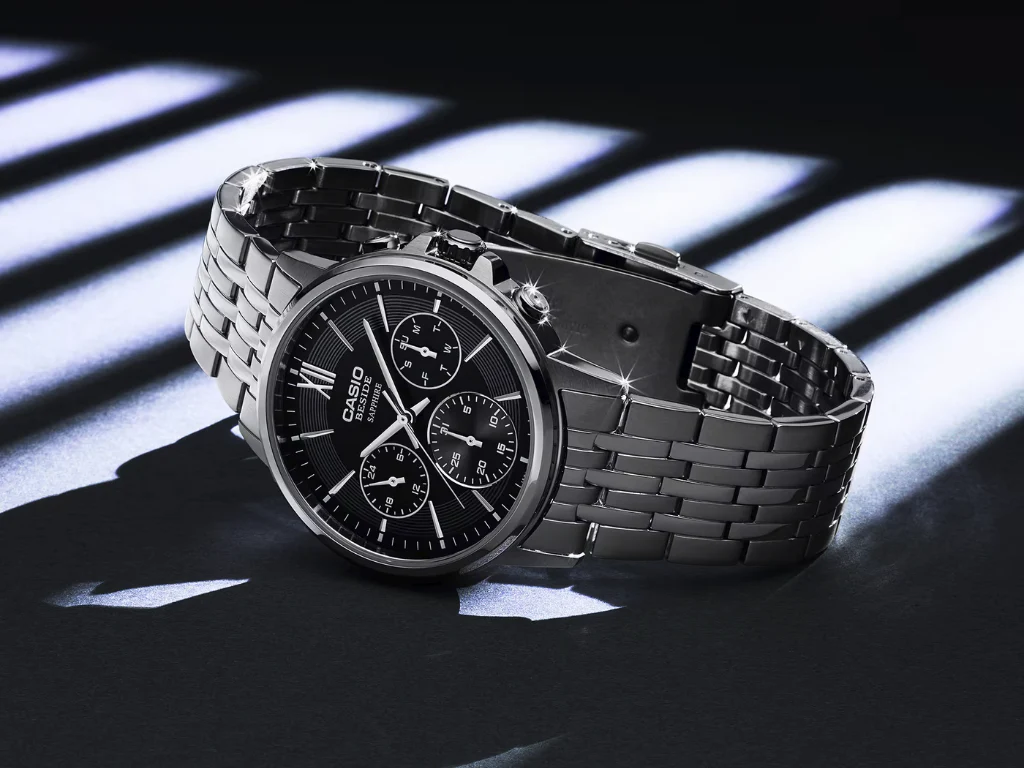
    Casio is starting off 2026 by unveiling a new selection of watches from the Beside collection. If you haven’t heard of it, this series represents the brand’s more classic and formal style. These latest models stick closely to the Beside concept, featuring traditional analog designs, sapphire glass, and simple quartz movements, without any sporty or smart technology.

    New Models Introduced

    The recent additions include BMS-100L-5AV, BMS-100D-8AV, BMS-100L-1AV, BMS-100D-7AV, and BMS-100D-1AV. There’s also a more intricate group comprised of BMS-300L-5AV, BMS-300L-1AV, BMS-300D-1AV, and BMS-300D-7AV. In both categories, Casio offers a combination of stainless-steel bracelets and leather bands, with dial hues that range from black and white to gray and champagne shades.

    Specifications and Build

    When it comes to construction, all these Beside models feature a stainless steel casing and bezel topped with a sapphire crystal, which is still quite rare at this price point in Casio’s offerings. The dimensions of the case are 46 × 40.7 × 10.1 mm. Models with bracelets weigh 119 g, while the leather strap versions are lighter at 55 g. They have a water resistance rating of 50 meters, making them suitable for everyday use, although they are not designed for sports activities.

    Performance and Pricing Insights

    In terms of timekeeping accuracy, these watches are rated at ±20 seconds per month. They run on a standard quartz movement, with an approximate battery life of three years using an SR927SW battery. Depending on the version, the dial may have a simple three-hand setup or feature extra sub-dials for date, day, and a 24-hour indicator. All models come with analog hands for the hours, minutes, and seconds.

    Details on pricing and availability are not yet posted on Casio’s official website, but since a January launch has been confirmed, we can anticipate that information will be released soon. Historically, Casio Beside models featuring sapphire crystals and steel bands have retailed for about $150-$300 in the US, just to give you an idea.

    Source:
    Link


  • Top Polar and Coros Smartwatches: Great Garmin Fenix Alternatives

    Top Polar and Coros Smartwatches: Great Garmin Fenix Alternatives

    Key Takeaways

    1. Garmin and Zepp Health attract a wide range of users with their wearable devices, capturing significant market share.
    2. Coros and Polar are more recognized among serious athletes, which may explain their lower market shares among casual users.
    3. 2025 introduced display-less trackers, like the Polar Loop, which track heart rate and sleep quality.
    4. Coros’ new Nomad smartwatch features an ECG and the ability to store maps and music directly on the device.
    5. Both Coros and Polar are innovating with software updates and new features while focusing on serious sports enthusiasts.


    Garmin and Zepp Health (Amazfit) are likely to attract a wide range of users with their wearable devices, appealing to both diverse audiences and capturing a significant portion of the market. On the other hand, Coros and Polar seem to be more recognized among serious athletes and running fans rather than the everyday smartwatch wearer, which might explain their lower market shares. While devices from Coros and Polar often serve as comprehensive smartwatches, there is a noticeable emphasis on sports-related activities.

    New Innovations in 2025

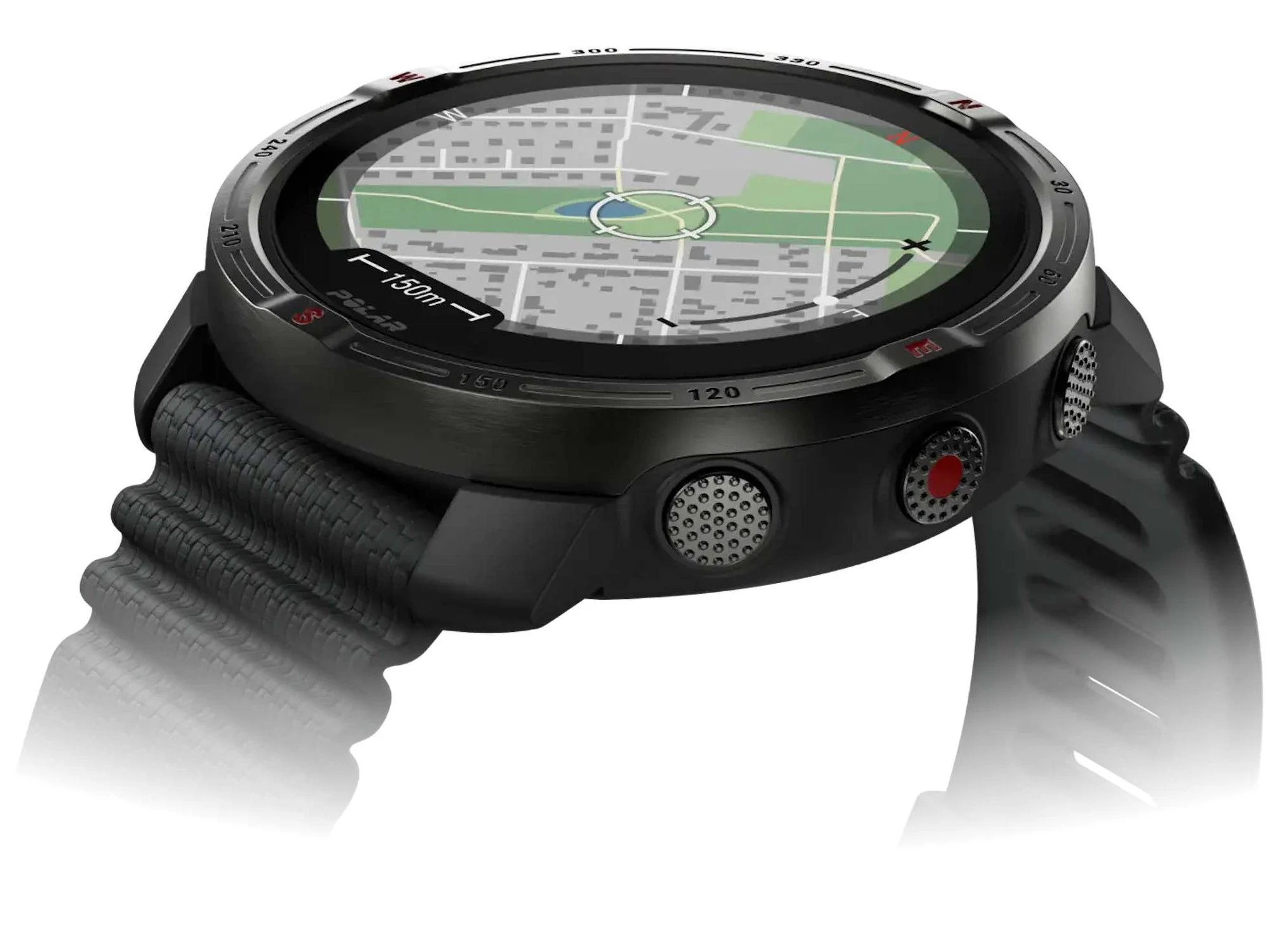
    The year 2025 also introduced display-less trackers, with Polar being one of the brands to join this trend. The Polar Loop is equipped with optical sensors that track heart rate, among other functions, and is capable of assessing the quality of sleep. Meanwhile, the Polar Grit X2, launched last year, stands out as a robust outdoor smartwatch that competes well against the likes of the Fenix and T-Rex models. This watch supports navigation using maps that are saved on the device. Additionally, the Vantage M3 is a versatile multisport watch featuring map capabilities, while the Ignite 3 is likely to cater to more typical users. Polar also unveiled new software features in 2025 and provided updates for older gadgets, including an improved Cardio Load feature.

    Coros and Its Latest Offerings

    Midway through 2025, the Nomad smartwatch was unveiled, which includes an ECG and promotes a unique feature for setting activity reminders. Users can store maps and music directly on the device, and Coros still opts for a MiP panel instead of an AMOLED display. The Coros Apex 4, marketed as ideal for mountain sports, also features a MiP display and boasts an impressive battery life of up to 65 hours while using GNSS. Coros has released several software updates as well, including a new option to shorten activities post-completion to prevent the warm-up from affecting the speed run pace. Depending on the smartwatch model, street names can now also be shown.

    Summary of Market Position

    In conclusion, Garmin and Zepp Health continue to dominate the market with their extensive range of wearables, while Coros and Polar focus more on catering to serious sports enthusiasts. The evolution of their products in 2025 shows a commitment to innovate and meet the needs of both dedicated athletes and casual users alike.

    Source:
    Link


  • Garmin Connect 5.20 Update: New Health Status Timeline Feature

    Garmin Connect 5.20 Update: New Health Status Timeline Feature

    Key Takeaways

    1. The Health Status feature on Garmin devices summarizes key health indicators, including resting heart rate, heart rate variability, respiratory rate, oxygen saturation, and skin temperature.
    2. Currently, Health Status only shows health data for a single day, which limits its usefulness.
    3. Upcoming updates may allow users to view extended summaries and historical health data by specifying start and end dates.
    4. New data presentation features, like “healthStatusFormatter,” suggest that metrics may be displayed in a more visual format, potentially using diagrams.
    5. Garmin is actively working on improving health tracking features, aiming to enhance user experience and provide deeper insights into personal health trends.


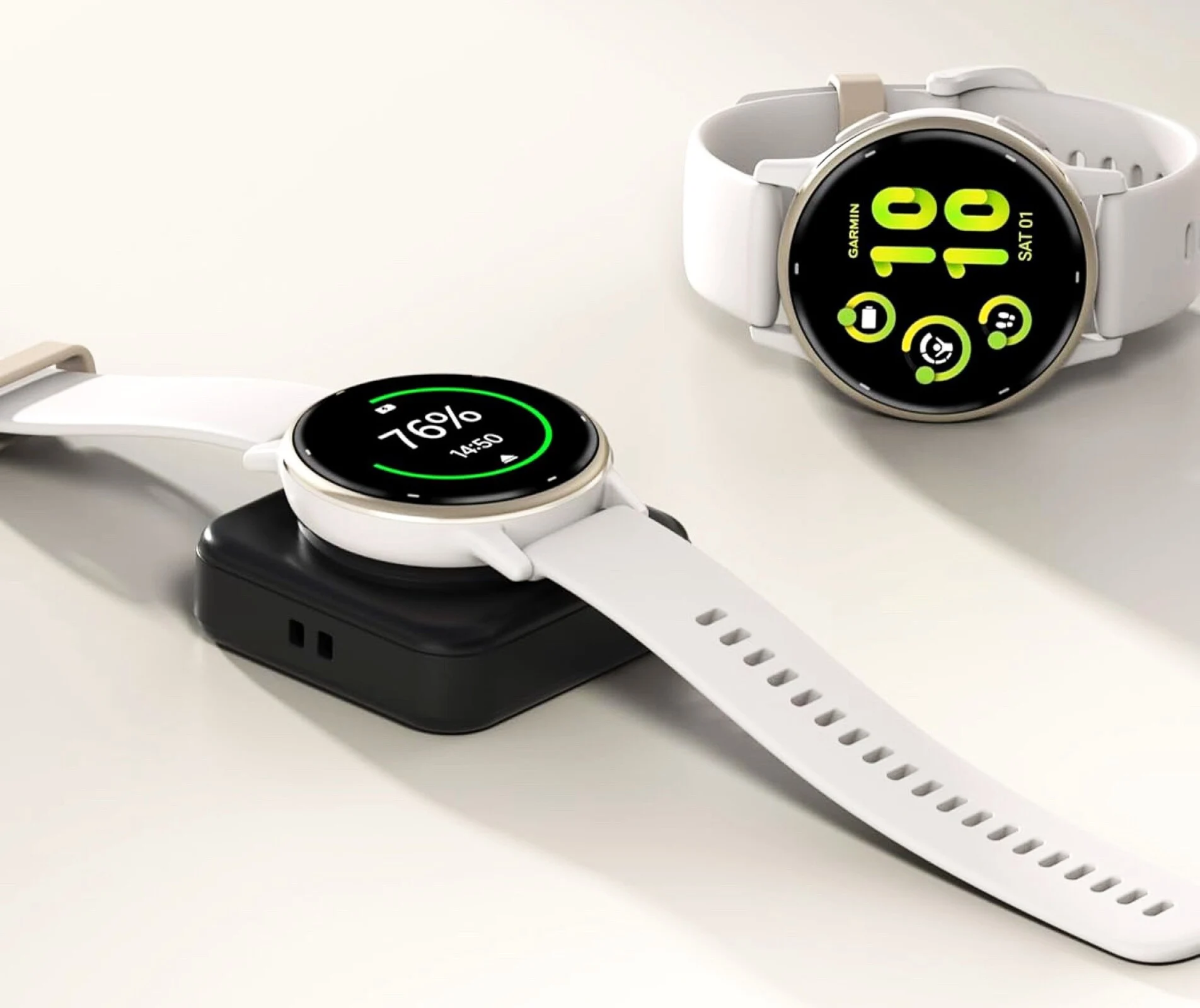
    Attentive readers, particularly those who use Garmin wearables and Garmin Connect, are probably already acquainted with the Health Status feature. This function is now accessible on a range of devices, not just the Venu 4, and it offers a summary of key health indicators. The necessity for such a feature arises, in part, from the vast amount of data that is collected. Health Status gathers information on resting heart rate, heart rate variability, respiratory rate, oxygen saturation, and skin temperature, and it shows how these five metrics relate to the user’s baseline. This could potentially help in spotting an illness at an early stage.

    Possible Improvements on the Horizon

    Currently, Health Status has a drawback: it only displays these values for a single day. However, Gadgets & Wearables has uncovered some unutilized parameters in the latest version 5.20 of Garmin Connect, implying that this might change soon. Specifically, there is code indicating a function that allows for both a start date and an end date, which opens the door for the possibility of displaying extended summaries, health trends, or historical data overviews.

    New Data Presentation Features

    Additionally, there is a parameter called “healthStatusFormatter,” which hints that the data will be presented in some format. It’s conceivable that a diagram could be utilized here, as this would enable the display of multiple metrics in a consolidated way.

    Gadget & Wearables’ findings show that Garmin is working on making improvements to its health tracking features, which could greatly enhance user experience and provide deeper insights into personal health trends.

    Source:
    Link


  • OpenAI Developing Pen-Shaped AI Device with Microphone and Camera

    OpenAI Developing Pen-Shaped AI Device with Microphone and Camera

    Key Takeaways

    1. OpenAI is developing a consumer gadget called “Gumdrop,” designed in collaboration with ex-Apple designer Jony Ive, featuring a compact, pen-like shape.
    2. The device is expected to include a camera and microphone for voice commands and the ability to convert handwritten notes to digital text for ChatGPT.
    3. Manufacturing has shifted from Luxshare in China to Foxconn, with production likely in the US or Vietnam.
    4. The launch of Gumdrop is anticipated around 2026 or 2027, positioning it as a potential third major device alongside the iPhone and MacBook.
    5. There are speculations that the device could be used to gather real-world data to improve OpenAI’s language models, though its primary purpose may simply be to serve as a wearable tech companion.


    It was only a matter of time before OpenAI would try to use its AI technology for a hardware product. In recent years, several companies have launched AI devices for consumers, but none have really made a significant mark. For example, the Humane AI Pin was a highly promoted gadget intended to be a daily helper for tasks like translations and navigation.

    Sadly, less than a year after its release, the Humane AI Pin was pulled from the market due to terrible reviews, and its assets were taken over by HP. Rumors suggest that OpenAI’s upcoming device may be similar to the Humane AI Pin.

    Design and Features

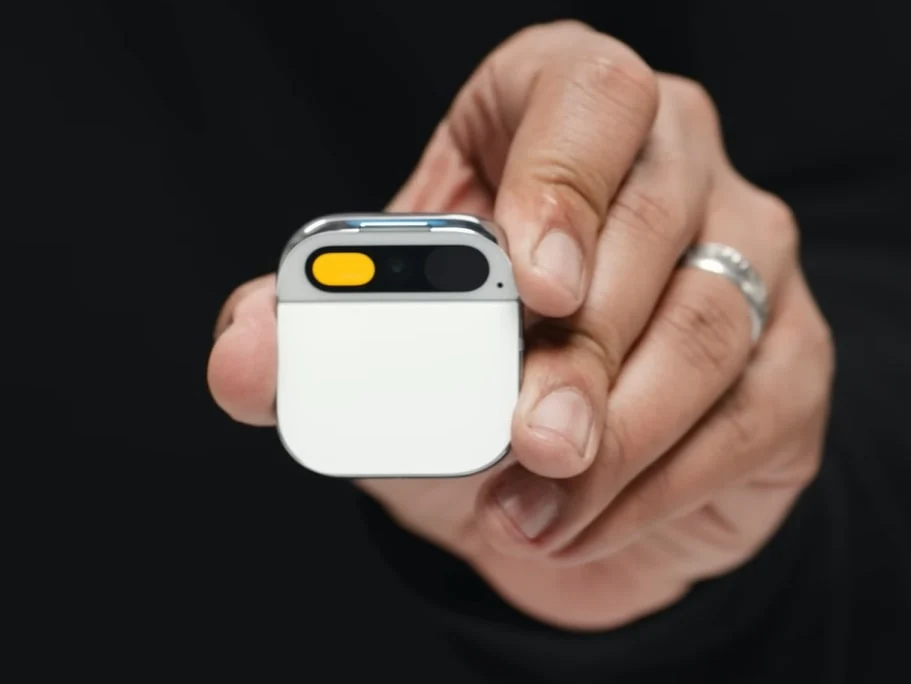
    OpenAI’s debut consumer gadget, rumored to be called “Gumdrop,” is said to have a compact, pen-like shape that is similar in size to an iPod Shuffle. Notably, legendary ex-Apple designer Jony Ive is claimed to be a co-designer of this device.

    The device is expected to include a camera and microphone, allowing it to process voice commands. Additionally, it could transform handwritten notes into digital text and send them to ChatGPT. According to Taiwan Economic Daily (via Jukan on X), Luxshare, a Chinese firm, was originally chosen for manufacturing, but OpenAI decided against making it in mainland China. Instead, they have opted for Foxconn to produce the AI wearable either in the US or Vietnam.

    Future Plans

    Finally, Taiwan Economic Daily mentions that OpenAI’s first AI device is still in its design phase and might be launched in 2026 or 2027.

    This move into consumer tech seems like OpenAI’s attempt to create a “third major core device” alongside the iPhone and MacBook. However, one might wonder: What can OpenAI’s AI companion do that an iPhone can’t?

    When we think about it, a standard smartphone—be it an Android or an iPhone—can perform nearly everything that specialized AI devices, such as the failed Humane AI Pin or Rabbit R1, can do. Consumers are aware of this, which is why these AI gadgets have not gained traction.

    Speculations on Purpose

    With this in mind, a more entertaining theory is that OpenAI’s Gumdrop AI device may act as a “reality scrapper” masquerading as a consumer gadget. AI companies are racing to gather more data to enhance Large Language Models (LLMs). After exhausting nearly all human-generated organic data, some are now resorting to synthetic data to train their models, which introduces a series of potential challenges.

    Thus, OpenAI might utilize the AI device to examine the real world or “scrape reality” to create additional data for its LLMs.

    That being said, this is merely playful speculation on our end. OpenAI’s main goal with the AI device could simply be to launch a new wearable that users can carry alongside their regular smartphones.

    Source:
    Link


  • Robotic Skin Design Enables Pain Sensation and Human Interaction

    Robotic Skin Design Enables Pain Sensation and Human Interaction

    Key Takeaways

    1. Researchers from City University of Hong Kong developed a new robotic electronic skin (NRE skin) that allows robots to feel touch like humans.

    2. The NRE skin features a four-layer design inspired by human skin, enabling it to generate spike pulses in response to touch.

    3. The skin automatically activates protective reflexes by generating high voltage responses that bypass the processor when pressure exceeds a certain limit.

    4. This quick response mechanism helps protect robots from harm and ensures safe interactions with humans.

    5. The NRE skin includes self-monitoring capabilities, allowing it to detect sensor damage through regular ‘proof-of-life’ signals.


    The researchers are from City University of Hong Kong, and they created a new type of robotic electronic skin (NRE skin) that helps robots feel touch like humans. This innovation allows robots to respond to touch and even activate protective reflexes.

    Structure and Function

    The design of the e-skin consists of four layers and is based on a hierarchical model inspired by human skin. When someone lightly touches the skin, it doesn’t just register pressure; instead, it generates spike pulses that get sent to the central processing units, which decide how to react.

    Automatic Responses

    If the pressure surpasses a certain limit, the skin generates a high voltage that goes straight to the motors, skipping the processor entirely. This causes the robot to automatically pull back.

    This quick snap-back feature is designed to help keep the robot safe from harm. It also helps the robot adjust its actions, making sure that the force of contact doesn’t become dangerous for humans nearby.

    Self-Monitoring Capability

    Besides activating protective responses, the NRE skin can also check itself for any damage. It does this by using each sensor’s ability to send out a ‘proof-of-life’ signal at regular intervals. If the system stops receiving these signals, it indicates that there might be damage at that specific sensor. The damaged sensor module can then be replaced either by a technician or, with future upgrades, potentially by the robot itself.

    PNAS’

    Source:
    Link


  • Charge Garmin Fenix 8, Venu 3, Forerunner 965 On the Go

    Charge Garmin Fenix 8, Venu 3, Forerunner 965 On the Go

    Key Takeaways

    1. Phelinta has created a portable charger for Garmin smartwatches with a built-in 1,200 mAh battery.
    2. The charger uses Garmin’s unique connector and provides up to 6 watts of power, taking 1 to 3 hours for a full charge.
    3. Its practical design allows for easy portability, fitting on a key ring or in a backpack.
    4. The charger can be recharged using a USB-C cable and measures 5 x 5 x 2 cm, weighing 44 grams.
    5. The Phelinta charger is available in Europe and the UK for under €26 and £26, but not yet in the USA.


    Garmin has a range of small USB chargers for their smartwatches, but Phelinta has created a portable charger that makes charging while traveling a lot more convenient thanks to its built-in 1,200 mAh battery. This charger employs Garmin’s unique charging connector, providing up to 6 watts of power to the watches. Depending on the specific model, a complete charge can take anywhere from one to three hours. It’s compatible with various Garmin smartwatch models.

    Practical Design for On-the-Go

    This charger is made to be easily portable; it can be attached to a key ring or stored in a backpack, allowing users to charge their smartwatch during short trips without needing to unplug the charger at home or hunt for a USB connector while out. Once the 1,200 mAh battery runs out, it can be recharged using a USB-C cable. The dimensions of the charger are 5 x 5 x 2 centimeters, and it weighs 44 grams.

    Availability and Pricing

    Currently, the Phelinta charger for Garmin smartwatches can be found in Europe and the UK on Amazon for just under €26 and £26, respectively. As of now, it isn’t available on Amazon in the USA, but it’s possible that it might be released there soon.

    Source:
    Link


  • Casio Enhances Classic G-Shocks with New Modules and Bright LEDs

    Casio Enhances Classic G-Shocks with New Modules and Bright LEDs

    Key Takeaways

    1. Casio has reintroduced three classic G-Shock models: DW-5900U-1, DW-5900UBB-1, and GX-56UBB-1, featuring updated modules and bright LED backlights.
    2. The DW-5900U-1 and DW-5900UBB-1 replicate the original 1992 DW-5900 design, known for its unique “Triple Graph” LCD layout, and now include a new 3536 module for improved lighting.
    3. The battery life of the DW-5900U and DW-5900UBB has nearly doubled to ten years, enhancing usability without relying on solar power.
    4. The GX-56UBB-1 updates the King G-Shock GX-56BB-1 with a brighter white LED backlight and retains the robust single-tone black design, also featuring Tough Solar charging.
    5. The new models will launch in Japan at prices of ¥14,300 (about $100) for the 5900 variants and ¥23,100 (about $160) for the GX-56UBB-1, with international availability expected soon.


    Casio has brought back three classic G-Shock watches, alongside the new DW-6900 and GW-2310 models, featuring updated modules and bright LED backlights: the DW-5900U-1, the dark DW-5900UBB-1, and the large GX-56UBB-1.

    Classic Designs Revived

    The new DW-5900U-1 and DW-5900UBB-1 are faithful reproductions of the original DW-5900 that debuted in 1992. This original model was a pioneer, showcasing the “Triple Graph” LCD layout that distinguished it from the typical square designs, like the 5600 series, of that era. Casio brought this design back in 2018 for their 35th Anniversary, and although the current “U” edition doesn’t alter the appearance, it features a new 3536 module that replaces the Electro-luminescent (EL) backlight with a brighter, more dependable white LED light.

    Improved Battery Life

    With the introduction of the new module, the battery life of the 5900U and DW-5900UBB has nearly doubled. The past models had a lifespan of five years using a CR2025 coin cell, while the updated versions boast an impressive ten-year rating. This marks a significant enhancement for a watch that isn’t solar-powered.

    If you’ve never experienced a 5900, you might be curious about the unique “Triple Graph” design. Here’s a quick overview: the left and right dials serve as animated second counters, filling and emptying “slice by slice,” providing a lively visual for tracking time, while the central dial displays the status of alarm, hourly chime, snooze, or mute functions.

    The Mighty GX-56UBB-1

    Next up is the GX-56UBB-1, an updated version of the King G-Shock GX-56BB-1 that was released in 2016. It retains the beloved robust single-tone black look, but replaces the EL backlight with a white LED. Similar to the other updates, this change primarily focuses on enhancing the module for improved lighting and efficiency.

    Casio isn’t discontinuing the EL models just yet; they are still available in many markets. While the new white LED backlight is evidently better in terms of longevity and brightness, there are numerous fans who still cherish the nostalgic blue-green glow of the EL displays. Unlike the 5900U models, this one includes Tough Solar charging.

    The new G-Shock DW-5900U-1 and DW-5900UBB-1 will first launch in Japan, priced at ¥14,300 (around $100). The GX-56UBB-1 will cost you ¥23,100 (about $160). All three models are expected to be available in Japan later this month, with international markets likely receiving them in the following weeks.

    Source:
    Link


  • Core Devices Unveils Pebble Round 2: Color ePaper & 2 Weeks Battery

    Core Devices Unveils Pebble Round 2: Color ePaper & 2 Weeks Battery

    Key Takeaways

    1. Core Devices relaunched the Pebble brand in 2025 with new smartwatches, including the Pebble 2 Duo and Pebble Time 2, and introduced a smart ring called Pebble Index 01.
    2. The Pebble Round 2, a modern take on the original Pebble Time Round, features a 1.3-inch color ePaper display, improved resolution, and a lightweight stainless steel body.
    3. Key features of the Pebble Round 2 include a pedometer, sleep tracking, two microphones for AI interaction, and a battery life of up to two weeks.
    4. The Pebble Round 2 is compatible with both Android and iOS devices and is water-resistant up to 30 meters.
    5. The smartwatch is available for pre-order at $199, with shipping starting in May 2026, and offers customizable bands in various materials.


    In 2025, Eric Migicovsky launched a new company named Core Devices, bringing back the Pebble watch brand he initially started. They introduced two new smartwatches: the Pebble 2 Duo and the Pebble Time 2. In December 2025, they also revealed a smart ring called the Pebble Index 01. As 2026 begins, Core Devices has presented a fresh smartwatch inspired by the classic Pebble Time Round from the original Pebble period.

    The Pebble Round 2 Unveiled

    This new smartwatch is named the Pebble Round 2 and serves as the spiritual successor to the Pebble Time Round. With a contemporary design, it offers various enhancements compared to the original, while still maintaining the lightweight and slim profile that fans appreciated.

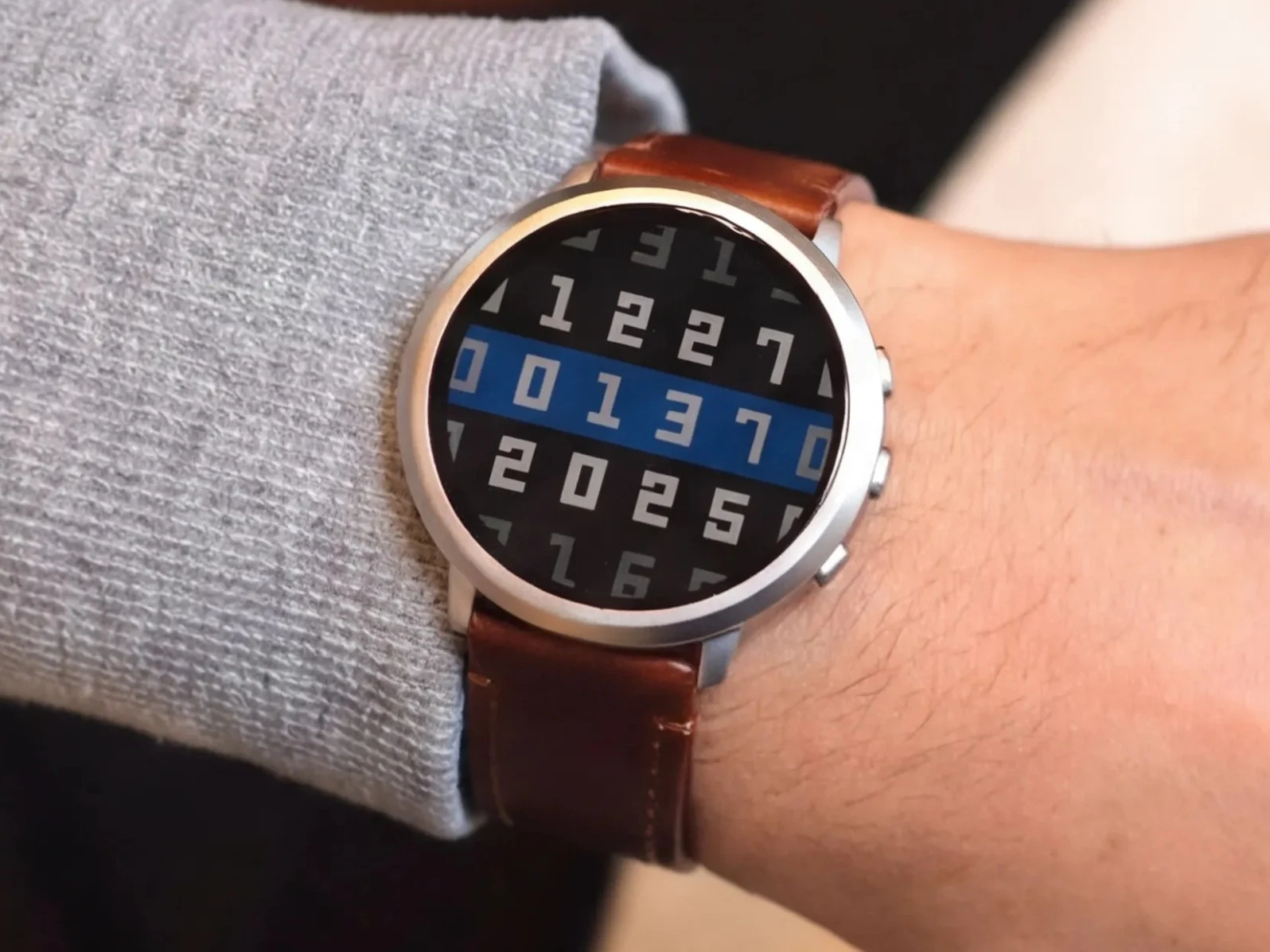
    The Pebble Round 2 features a 1.3-inch color ePaper display with no bezel, all encased in a stainless steel body. The screen boasts a resolution of 260 x 260, which is twice that of its predecessor, and it provides improved viewing angles. Users can interact with the display through touch or utilize the four physical buttons located on the sides. A backlight is included for visibility in dark environments.

    Features and Specifications

    Equipped with a pedometer and sleep tracking, the Pebble Round 2 does not include a heart rate monitor or other fitness tracking options. The watch comes with two microphones for communicating with AI assistants and responding to texts, but it lacks a speaker, meaning calls can’t be taken on the device. Additionally, the watch contains an accelerometer, a magnetometer, and a vibration motor within its 8.1mm thickness.

    According to the specifications, the Pebble Round 2 is compatible with both Android and iOS devices. It boasts an impressive battery life of up to two weeks, a significant improvement over the Pebble Time Round’s two-day lifespan. The watch is also rated water-resistant up to 30 meters.

    Pricing and Availability

    Currently, the Pebble Round 2 is available for pre-order at a price of $199, with shipping set to start in May 2026. Buyers can choose from colors like Matte Black, which comes with a 20mm band, Polished Rose Gold with a 14mm band, and Brushed Silver available with either a 14mm or 20mm band. No matter the color or size, each watch will ship with a silicone band, but customers can purchase bands made from other materials, including leather.

    Core Devices has also announced that individuals who pre-ordered the Pebble Time 2, which is scheduled to ship in March 2026, have the option to change their order to the Pebble Round 2 if they desire.

    Source:
    Link


  • Amazfit Challenges Garmin in 2025 with Affordable Smartwatches

    Amazfit Challenges Garmin in 2025 with Affordable Smartwatches

    Key Takeaways

    1. Zepp Health’s T-Rex 3 Pro competes with Garmin’s Fenix series, offering offline map navigation at a lower price.
    2. Zepp Health expanded its product range in 2025 with budget-friendly options like the Active 2, which was named “Price-Performance King.”
    3. The wearable industry saw new formats in 2025, with devices like Garmin’s Index Sleep Monitor and Zepp Health’s Amazfit Helio Strap lacking screens.
    4. Zepp Health faced user complaints about limited software support (two years) but made significant improvements through free updates.
    5. Amazfit currently lacks smartwatches with LTE or satellite capabilities, creating a gap in their product lineup compared to competitors like Apple and Garmin.


    In a recently released article, we discussed Garmin’s advancements in 2025, especially focusing on its own wearable technology. Many readers might already know about Zepp Health, which manages the Amazfit brand and provides a variety of wearables that deliver great value. Unlike Garmin, Zepp Health is still a newcomer in the wearable market, experiencing rapid growth.

    Key Launches of 2025

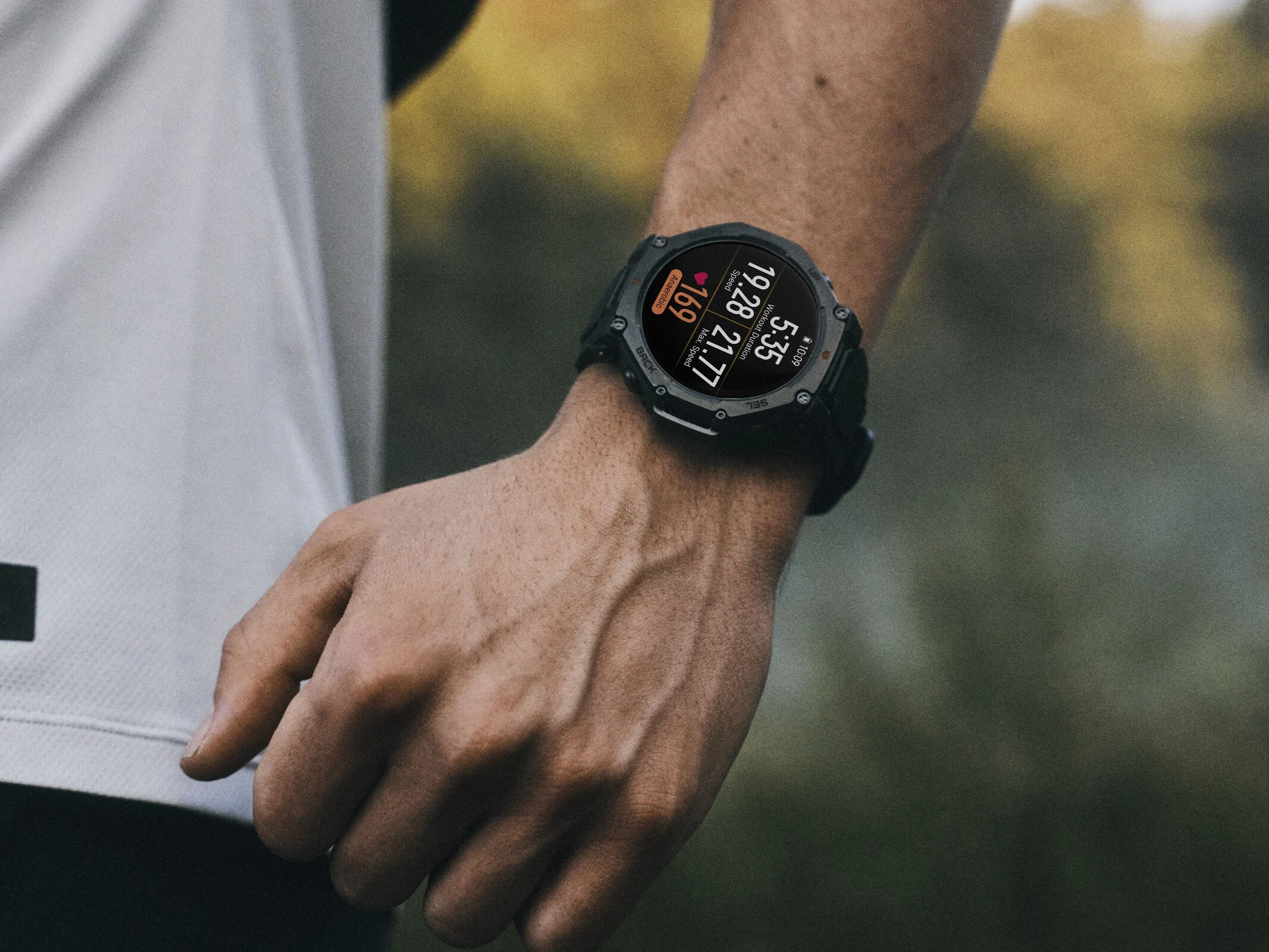
    The standout product for Zepp Health in 2025 was likely the T-Rex 3 Pro, a clear competitor to Garmin’s Fenix series, but at a lower price point. The T-Rex 3 Pro features a groundbreaking addition with offline map navigation on the device itself. Zepp Health has also upgraded the navigation capabilities for the T-Rex 3, which we’ve previously tested and reviewed. The T-Rex smartwatches are built to last, featuring AMOLED screens that can reach brightness levels of up to 3,000 cd/m².

    Expanding Product Range

    In 2025, Zepp Health introduced new devices not only in the premium market but also in the budget-friendly sector, including the Active 2, Amazfit Balance 2, and Amazfit Bip 6. The Active 2 stands out as it represents a growing trend in wearables, offering an impressive range of features at an accessible price. In May 2025, we named the Amazfit Active 2 the “Price-Performance King.” For under $100, customers can acquire a smartwatch equipped with offline navigation, a vibrant display, and a partially stainless steel frame, making it ideal for serious athletes.

    Innovations in Wearable Formats

    Last year, we continued to see a trend in the wearable industry with the emergence of new formats. While smart rings gained popularity in 2024, 2025 introduced various wearables lacking their own screens, each catering to different needs. For instance, Garmin unveiled the Index Sleep Monitor, a device designed for sleep analysis, while Zepp Health introduced the Amazfit Helio Strap, a sports tracking wearable without a display.

    Zepp Health has managed to evade major controversies but has faced some user complaints. The official software support duration is fairly brief at two years, and the support experience can be inconsistent. On a positive note, several important enhancements were made in 2025 through free software updates, including the BioCharge feature, Jet Lag Manager, and third-party training control integrations. Amazfit wearables now have the capability to estimate running efficiency. A fresh release at the start of the year is the Active Max, noted for its exceptional battery life. There are no specific details or leaks concerning the 2026 product lineup yet, but a noticeable gap exists in their offerings. Unlike Apple and Garmin, Amazfit currently does not provide any smartwatches with LTE or satellite capabilities.

    Source:
    Link


  • Casio G-Shock x Challenger DW-5600 Collaboration Watch Revealed

    Casio G-Shock x Challenger DW-5600 Collaboration Watch Revealed

    Key Takeaways

    1. Casio launched a new G-Shock watch in collaboration with Challenger, featuring the classic DW-5600 design.
    2. The watch is priced at ¥39,000 (approximately $249) and sold out quickly after its release.
    3. It boasts a resin strap and case, with shock resistance and water resistance rated at 20 atmospheres.
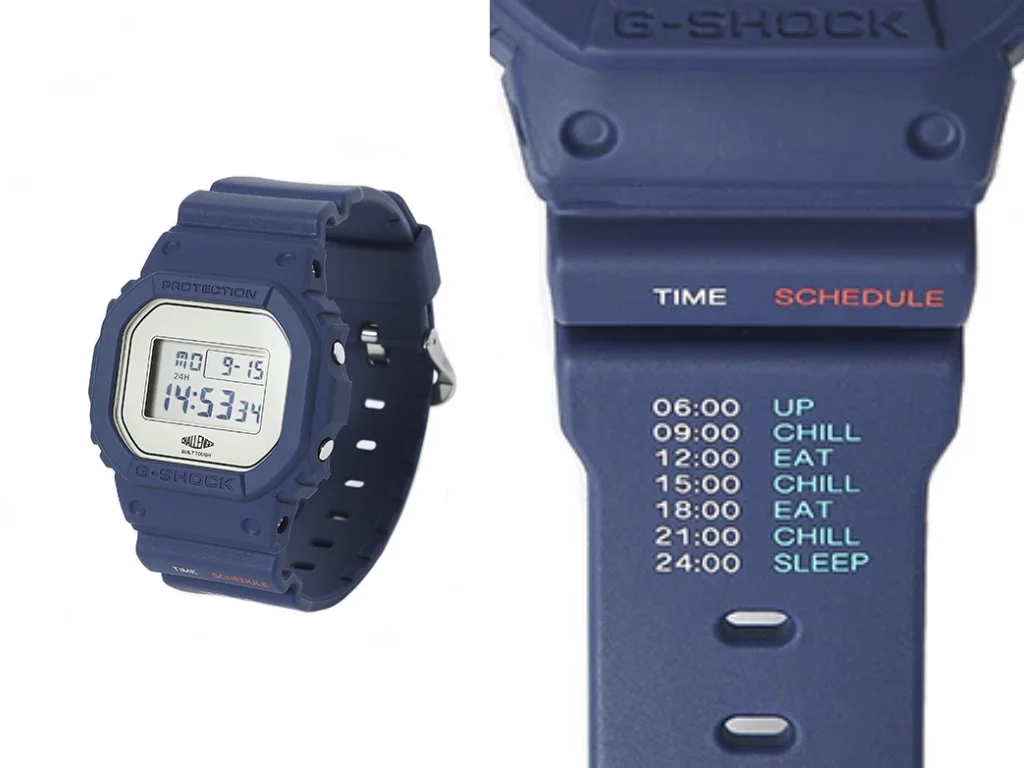
    4. Unique to this model are Challenger’s specific details, including a schedule-style resin strap and custom graphics on the EL backlight.
    5. Challenger, a Tokyo-based streetwear brand, focuses on understated designs inspired by motorcycle culture and American casual style.


    Casio has introduced a new G-Shock watch in collaboration with Challenger in Japan. This watch features the iconic DW-5600 square case and is being sold at a price of ¥39,000 (approximately $249), as per various listings and announcements from the brand. However, it quickly sold out right after it was released.

    Specifications and Features

    The watch keeps the classic DW-5600 design, which includes a resin strap and case, shock resistance, and water resistance rated at 20 atmospheres. The color palette consists of a subtle navy blue, complemented by a light display frame that ensures the dial remains easy to read without unnecessary distractions. The digital functions, such as timekeeping, alarms, stopwatch, and calendar, remain the same as ever.

    Unique Challenger Touch

    What truly sets this model apart is the specific detailing from Challenger. The resin strap features text in a schedule-style format, indicating times for activities like “Up,” “Chill,” “Eat,” and “Sleep.” The Challenger logo appears on the dial, and when the EL backlight is turned on, it showcases custom graphics in place of the traditional G-Shock animation.

    Challenger Brand Background

    For context, Challenger is a streetwear brand based in Tokyo, established by designer Daiki Suzuki. It draws inspiration from motorcycle culture, American casual style, and graphic-rich clothing. The brand has gained a loyal fanbase through limited releases and collaborations, opting for a more understated design approach rather than loud and flashy styles. This philosophy is reflected in this G-Shock model, which emphasizes simple text and branding rather than vibrant colors.

    Source:
    Link