Category: TV / Monitor

  • TCL CSOT Launches Apex Displays for Next-Gen Laptops and Phones at MWC 2025

    TCL CSOT Launches Apex Displays for Next-Gen Laptops and Phones at MWC 2025

    Key Takeaways

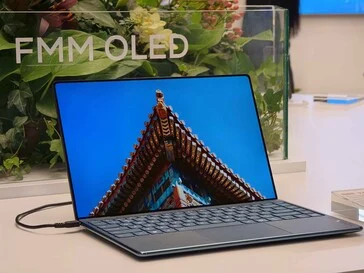
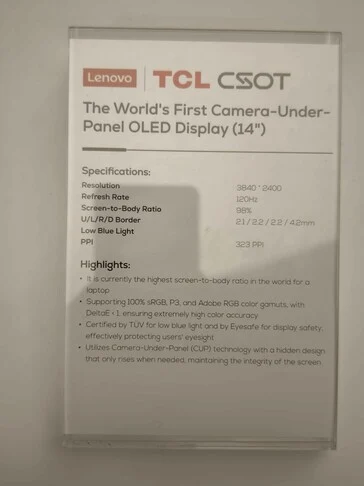
    1. CSOT has developed a 14-inch camera-under-panel (CUP) OLED display showcased in the Lenovo Yoga Slim 9i at MWC 2025.
    2. The new 21.6-inch 4K OLED panel achieves 99% DCI-P3 color gamut coverage using inkjet-printed (IJP) technology for consistent color accuracy.
    3. TCL CSOT introduced a 350-nite QD-EL display for increased brightness, along with OLED panels utilizing fine metal matrix (FMM) technology for power efficiency.
    4. A new 6.36-inch smartphone display features the world’s lowest-power integrated circuit, reducing power consumption by up to 31%, along with a 2.56-inch display for VR/AR headsets designed for minimal energy use.
    5. CSOT is launching eye-protective displays, including a WQHD 120Hz circular polarizer and “moth-eye biomimetic” screens, alongside an anticipated 13-inch 144Hz 4K AI tablet screen as part of their Apex display lineup.


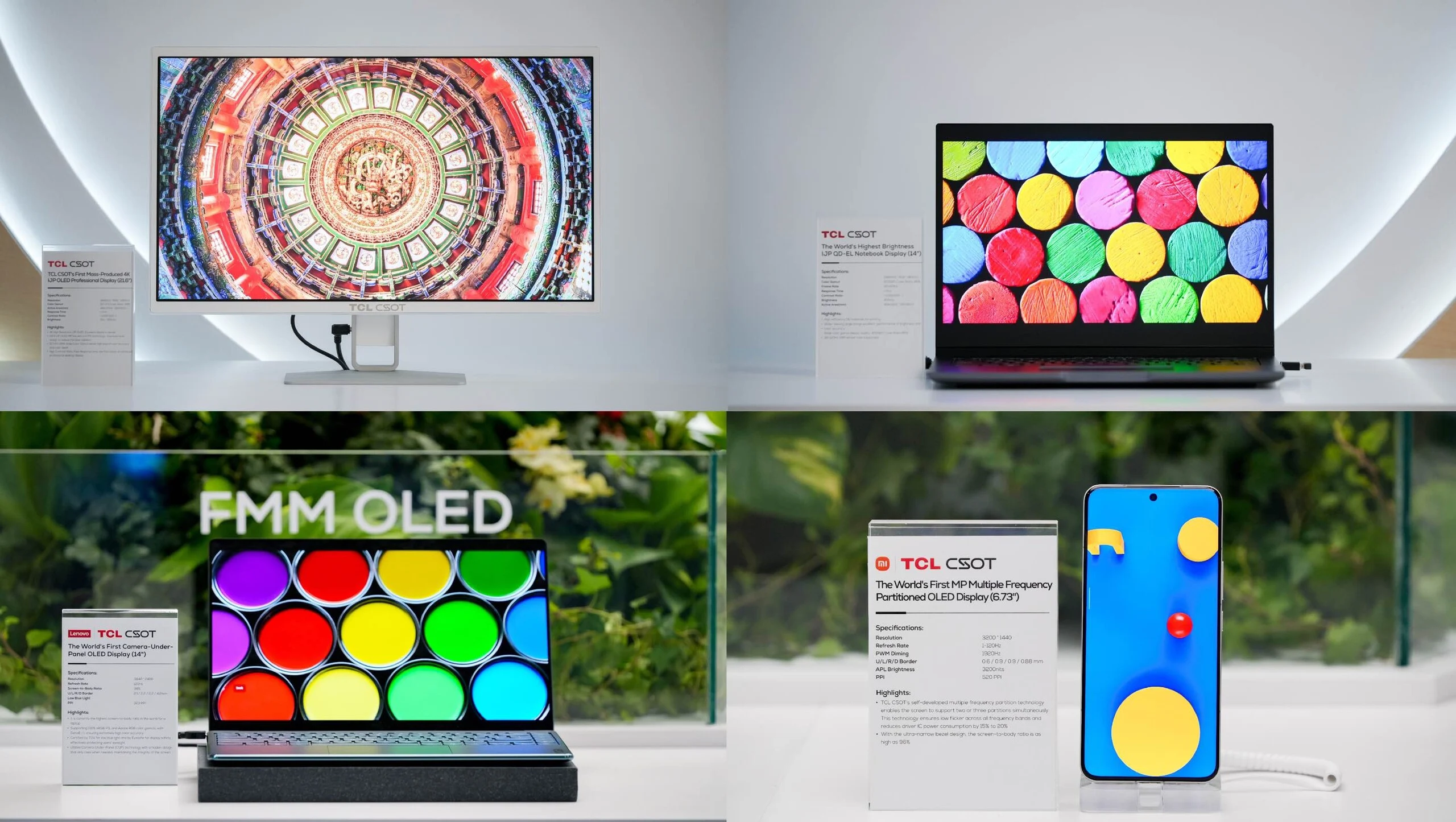
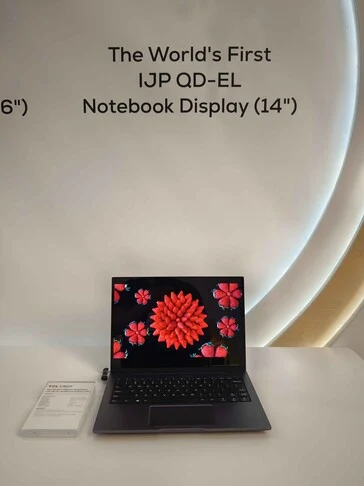
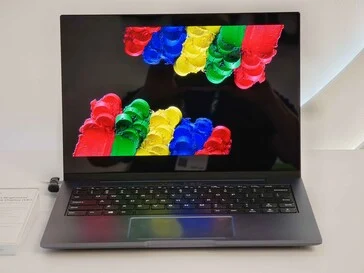
    TCL’s subsidiary, China Star Optoelectronics Technology (CSOT), is behind the innovative 14-inch camera-under-panel (CUP) OLED display featured in the new Lenovo Yoga Slim 9i. They are showcasing this technology at MWC 2025, aiming to attract as much attention as possible.

    Discovering New Displays

    Visitors at CSOT’s booth, located at Stand 2M30 in Hall 2 of the Fira Gran Via, can also explore TCL’s new 21.6-inch 4K OLED panel, which achieves an impressive 99% coverage of the DCI-P3 color gamut. This display is produced using the cutting-edge inkjet-printed (IJP) method, which CSOT supports to ensure consistent color accuracy at various brightness levels. This consistency is made possible due to the “regular RGB pixel arrangement” that the IJP technique allows.

    Innovations in Brightness

    Additionally, TCL CSOT has enhanced brightness in IJP panels by introducing a new 350-nite QD-EL display, expected to be available in next-gen laptops soon. They have also presented OLED panels utilizing the fine metal matrix (FMM) technique at MWC, which claim to provide high brightness and variable refresh rates (VRR) while being more power-efficient for future PCs.

    Trends in Compact Displays

    The demonstration also includes a new 6.36-inch display designed for smartphones, which features the world’s lowest-power integrated circuit (IC) that promises to cut power consumption by as much as 31% compared to earlier LTPO models. Furthermore, the event showcases a 2.56-inch display for VR/AR headsets, designed for ultra-low energy use despite having a mini LED backlight that offers up to 40% greater luminous efficiency.

    Eye-Protection and Future Tech

    TCL CSOT is also unveiling a new WQHD 120Hz circular polarizer display focused on eye protection, along with “moth-eye biomimetic” screens for mobile devices. These will debut alongside a panel anticipated to be the first 13-inch 144Hz 4K AI tablet screen.

    These displays are set to be part of CSOT’s upcoming lineup of Apex displays, which are designed to embody the principles of Amazing, Protective (for users’ eyes), Eco-friendliness, and the mysterious ‘X’ that represents the manufacturer’s vision for the future of display technology.
  • Transforming Old LCDs into High-End OLED Displays: DIY Guide

    Transforming Old LCDs into High-End OLED Displays: DIY Guide

    Key Takeaways

    1. Matthew Perks transforms e-waste into high-tech gadgets, showcasing creative DIY projects on his YouTube channel.
    2. He dismantles an old LG LCD TV and modifies a DLP projector to create a new display system.
    3. The projector serves as a more accurate light source for the LCD, improving picture quality significantly.
    4. Matthew uses OBS Studio to adjust picture settings for optimal viewing experience.
    5. The final DIY television rivals expensive OLED models in image quality, highlighting the potential of upcycling e-waste.


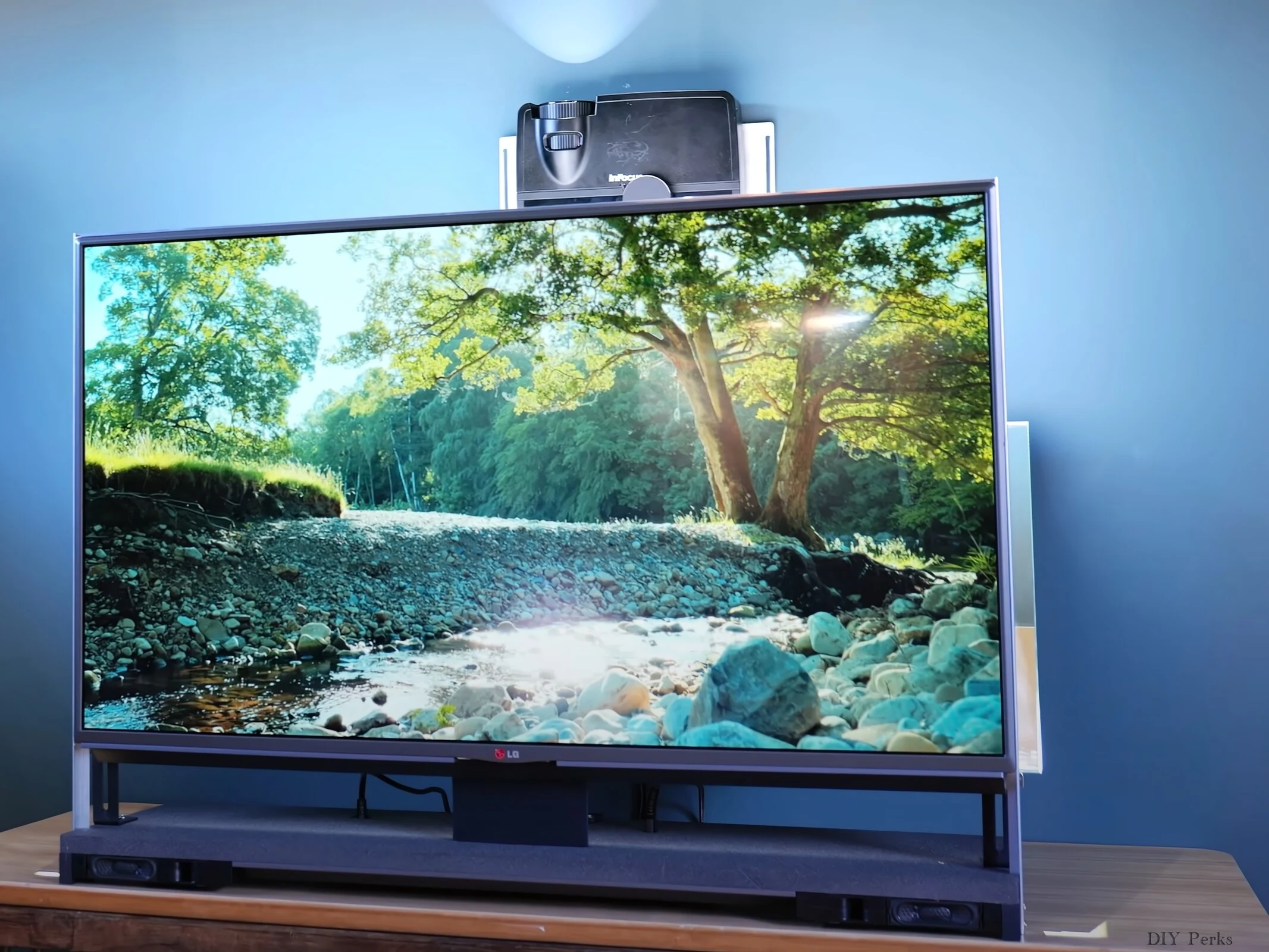
    Matthew Perks, the creator behind the DIY Perks YouTube channel, is well-known for his creative projects that turn what seems like useless e-waste into amazing high-tech gadgets. In his newest video, he shows how to create picture quality that rivals pricey OLED TVs by merging an old broken LCD screen with a discarded projector.

    The Dismantling Process

    To start, the YouTuber carefully took apart an eleven-year-old broken LG LCD television, paying close attention to removing its damaged backlight. The usable LCD panel was then prepped with great care for the conversion. Additionally, some changes were necessary for an old DLP projector so it could deliver a bright and suitable backlight, which included taking out the color wheel. He then pieced together the parts, using aluminum profiles and MDF sheets to build a solid frame that would hold the display’s LCD panel and its electronics. A standout feature of this project is how the projector serves as a light source, providing much more accurate lighting for the LCD panel than local dimming technologies could ever manage. Matthew adjusted the picture settings using the open-source program OBS Studio to enhance image quality for the best viewing experience. The final result looks like a rear-projection television.

    The Impressive Outcome

    The result is stunning. The display can produce rich blacks, vibrant colors, and impressive contrast. The video on the DIY Perks channel shows that this DIY television can easily match current OLED models in image quality, all made possible with parts that can essentially be classified as e-waste—truly a fantastic example of upcycling.

    Source:
    Link

  • Lenovo Unveils AI Display Monitor with Built-in NPU at MWC 2025

    Lenovo Unveils AI Display Monitor with Built-in NPU at MWC 2025

    Key Takeaways

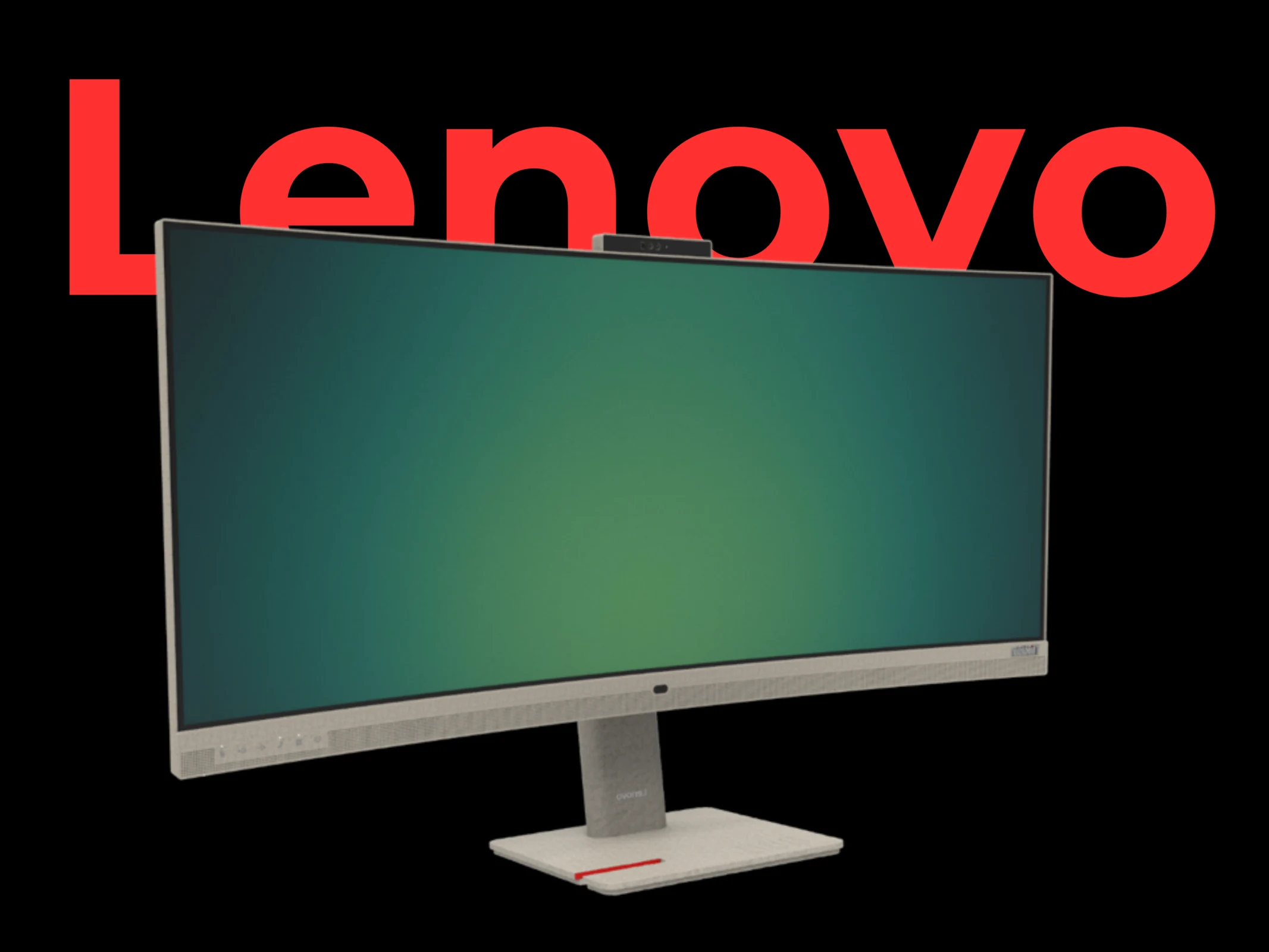
    1. Lenovo’s new curved display uses AI to track user movements and prompts for better posture and reduced tiredness.
    2. Integrated sensors and motors adjust the screen’s tilt and height in real-time for healthier computer usage.
    3. A discrete NPU ensures user data privacy by minimizing cloud processing and includes a feature that blurs the display when the user steps away.
    4. The AI Display is compatible with non-AI PCs, allowing them to utilize machine learning capabilities.
    5. Currently, the Lenovo AI display is a proof-of-concept device and not fully ready for the market.


    At CES 2025, Lenovo unveiled a new curved display powered by AI that tracks users’ movements and gently prompts them when it senses bad posture or signs of tiredness.

    Innovative Features

    The integrated sensors monitor the user’s position, while motors automatically adjust the screen’s tilt and height to fit the user in real-time. This innovation is primarily designed to promote healthier computer usage habits, which in turn can boost productivity. However, recent major events like the Microsoft Recall and the unclear nature of how Lenovo is using AI have raised concerns within the consumer tech industry.

    Addressing Consumer Concerns

    Fortunately, Lenovo has addressed the concerns about privacy with a discrete NPU, or a specialized AI chip. This setup minimizes reliance on cloud processing, ensuring that user data remains safe on their PCs. Additionally, the monitor includes a privacy feature that blurs the display whenever the user steps away. While the presence of an NPU might make the idea of a camera constantly tracking physical activity behind the screen a tad more acceptable, it still feels a bit unsettling for 2025.

    Compatibility and Future Prospects

    To make the offering even more attractive, Lenovo’s AI Display can also work with non-AI PCs, allowing them to utilize LLMs and process machine learning requests from users. This might be enough to entice some users to overlook the discomfort that a product of this nature can bring. However, for the moment, the Lenovo AI display equipped with an NPU remains a proof-of-concept device, not fully ready for the current market.

  • Dell 27-Inch UltraSharp Monitor: 4K, 120Hz, Low Blue Light Tech

    Dell 27-Inch UltraSharp Monitor: 4K, 120Hz, Low Blue Light Tech

    Key Takeaways

    1. High Resolution and Contrast: The U2725QE features a 27-inch display with a resolution of 3840×2160 and an impressive contrast ratio of 3000:1, offering deeper blacks and enhanced visuals.

    2. Color Accuracy: The monitor covers 100% of sRGB, 100% Rec.709, 99% DCI-P3, and 99% Display P3, with factory calibration ensuring color precision of Delta E<1.5, ideal for professionals requiring accurate color reproduction.

    3. Performance Features: It supports a 120Hz refresh rate and has a 5ms response time, reducing lag and improving real-time interactions. Additionally, it is TÜV Rheinland-certified for eye comfort, reducing harmful blue light emissions.

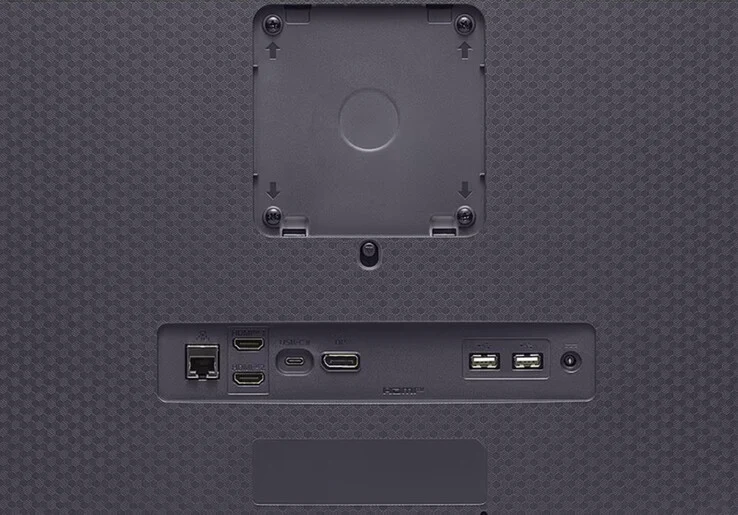
    4. Versatile Connectivity: The U2725QE includes a Thunderbolt 4 port, HDMI 2.1, DisplayPort 1.4, USB-C, USB-A, RJ45 Ethernet, and an audio jack, making it highly versatile for various setups.

    5. Ergonomic Design and Warranty: The monitor offers adjustable height, tilt, swivel, and pivot features for user comfort, along with a three-year premium panel exchange and on-site replacement service for durability and minimal downtime.


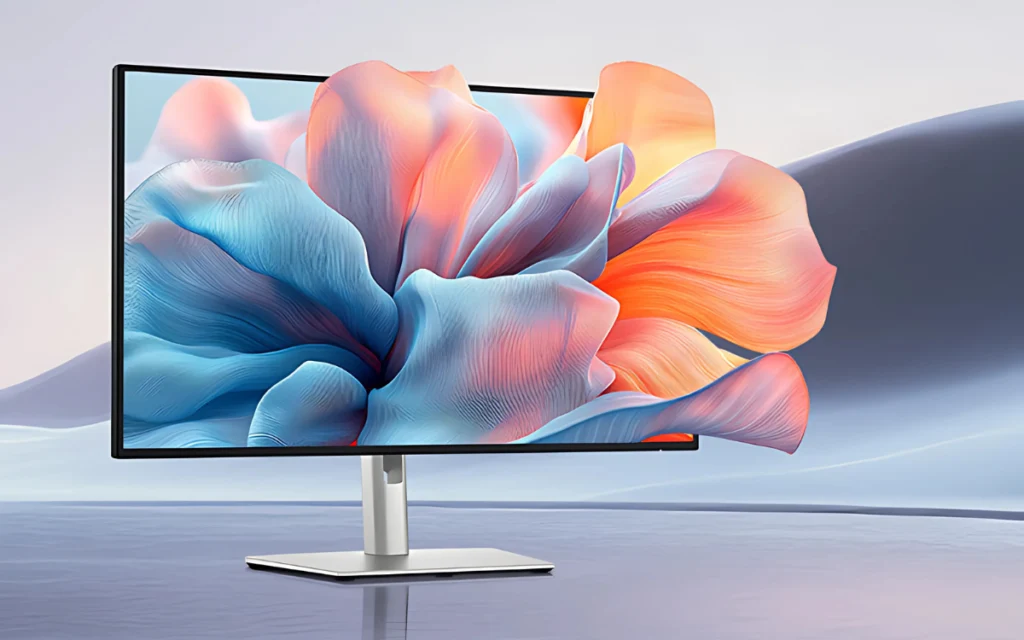
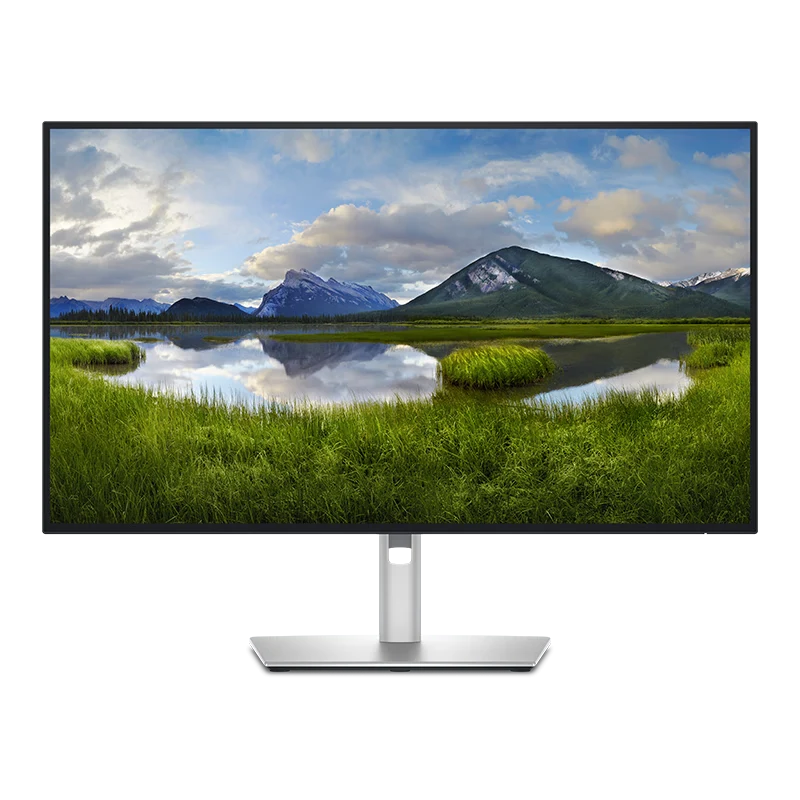
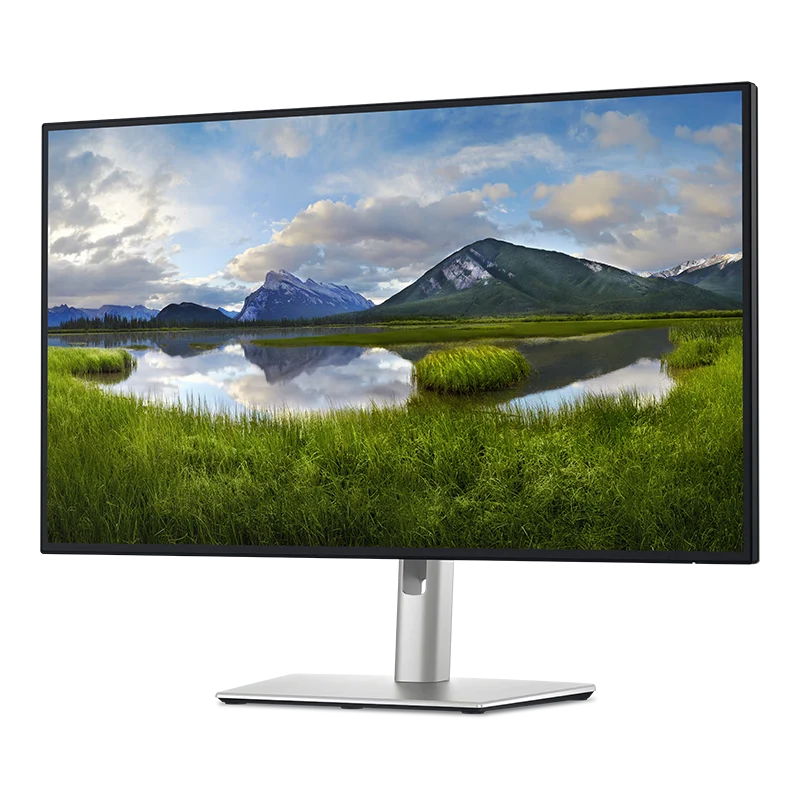
    Dell has launched the U2725QE, a 27-inch monitor from its UltraSharp series, targeting professionals in the Chinese market. Starting March 3, it will be available for 4,699 yuan ($645). Let’s have a look at its main specifications.

    Key Features of the U2725QE

    The U2725QE boasts a resolution of 3840×2160 and an aspect ratio of 16:9, providing crisp and clear visuals. It is equipped with an IPS Black panel, which offers a contrast ratio of 3000:1, much higher than typical IPS panels. This tech allows for deeper blacks, 47% darker than regular IPS displays, enhancing shadow detail and enriching the overall viewing experience.

    Display and Color Accuracy

    With VESA DisplayHDR 600 certification, the monitor can achieve peak brightness of 600 nits, ensuring vivid, high-contrast images in bright settings. It covers an extensive color gamut, including 100% sRGB, 100% Rec.709, 99% DCI-P3, and 99% Display P3, making it a perfect choice for professionals who need color accuracy. Dell factory-calibrates each monitor to a color precision of Delta E<1.5, ensuring nearly flawless color reproduction.

    Performance and Comfort

    The U2725QE supports a refresh rate of 120Hz, offering smoother performance while minimizing motion blur and screen tearing. It also has a 5ms response time in fast mode (8ms in standard mode), which helps to reduce lag and supports precise real-time interactions. The monitor is TÜV Rheinland-certified with a five-star Eye Comfort rating, featuring hardware-level low blue light tech that cuts harmful blue light emissions by 15% compared to earlier models, all while keeping colors accurate. An ambient light sensor adjusts brightness based on surrounding light, providing a pleasant viewing experience all day.

    Connectivity Options

    For easy connectivity, this monitor comes with a Thunderbolt 4 port that delivers 140W power, allowing video and data transfer while charging devices. Other connectivity options include HDMI 2.1, DisplayPort 1.4 (for both input and output), USB-C, USB-A (10Gbps), RJ45 Ethernet (2.5GbE), and an audio jack. A pop-out interface makes it quick to access frequently used ports.

    Adjustable Design

    The U2725QE is designed for user comfort, offering adjustable features like a 150mm height adjustment, tilt from -5° to 21°, swivel from -45° to 45°, and 90° pivot rotation, making it suitable for various work setups. Its design showcases Dell’s elegant “Platinum Silver Plus” aesthetic, featuring a fingerprint-resistant silver finish, integrated cable management, and a stylish curved base.

    Warranty and Dimensions

    Durability and service are key aspects of the U2725QE. It includes a three-year premium panel exchange, meaning that even one bright pixel qualifies for a free replacement. There is also a three-year on-site replacement service to ensure professionals experience minimal downtime. The monitor’s dimensions, including the stand, are 612.44mm × 189.00mm × 385.68mm (minimum height).


  • Lumio Launches in India with Support from Ex-Xiaomi and Flipkart Leaders

    Lumio Launches in India with Support from Ex-Xiaomi and Flipkart Leaders

    Key Takeaways

    1. Circuit House Technologies has launched Lumio, a brand of smart TVs aimed at enhancing the home entertainment experience in India.
    2. The smart TV market in India is valued at $5 billion and is shifting toward premium products, with increasing consumer demand for innovative features.
    3. Lumio aims to fill gaps in brand loyalty by offering unique smart TVs that address common user frustrations.
    4. The brand will partner with Google TV, providing access to over 400,000 movies and shows, while production will be managed by Dixon Technologies and distribution by Amazon India.
    5. Lumio’s first range of smart TVs is set to launch in March 2025, showcasing Indian innovation in the home entertainment sector.


    A fresh player is about to disrupt the home entertainment scene in India. Circuit House Technologies, which has strong support from experienced professionals from Xiaomi and Flipkart, has launched Lumio, a brand of smart TVs aimed at providing a top-notch viewing experience. The goal of the brand is to fill the voids in the fast-changing smart TV market by incorporating innovative features and forming solid partnerships within the industry.

    A New Perspective on Smart TVs

    Lumio
    The smart TV market in India, worth $5 billion, is experiencing a trend toward premium products, with bigger screens and advanced display tech becoming common. Lumio notes that, even with more than 100 brands in the field, many shoppers still depend on generic searches, showing a weak brand loyalty. Lumio plans to take advantage of this opportunity by offering a novel take on smart TVs that align with the changing needs of consumers.

    The team that has created Lumio includes experts who have worked at top brands such as Lenovo, Philips, Tivo, LG, and Samsung. Their aim is to resolve frequent user frustrations by creating smart TVs that are designed for smooth experiences.

    Launching in March 2025

    Lumio is teaming up with Google TV to offer access to over 400,000 movies and shows from more than 10,000 apps. Additionally, Dixon Technologies, the foremost electronics manufacturer in India, will oversee production quality, while Amazon India will manage distribution to guarantee availability across the country.

    The brand is set to unveil its first range of smart TVs in March 2025, with features specifically designed for the genuine needs of Indian consumers. This launch is a crucial moment in demonstrating that Indian brands can take the lead in innovation within home entertainment.

  • Tesla Smart TVs: Real Features You Didn’t Expect

    Tesla Smart TVs: Real Features You Didn’t Expect

    Key Takeaways

    1. Tesla TVs are not related to Elon Musk or Tesla Inc.; they come from Tesla Appliances, a Serbian company.
    2. Misleading online information, including AI-generated content and fake articles, has falsely connected Musk to these TVs.
    3. The scam involves shockingly low prices and deceptive marketing tactics similar to previous scams like the Tesla Space Heater.
    4. Consumers risk receiving untested products or getting scammed out of their money with limited recourse.
    5. Important warning signs for online scams include deals that seem too good to be true, lack of reputable retailers, and absence of credible tech reviews.


    In a recent investigation, Caleb Denison looked into the excitement around what are called Tesla TVs, which many people thought were the newest innovation from Elon Musk and his company, Tesla Inc. However, Denison found out that these TVs are not related to Musk or his electric car company at all. They actually come from Tesla Appliances, a Serbian company that is part of the Comtrade Group. While these televisions are real and mainly sold in Eastern Europe, a surge of misleading online information has tricked many into thinking Musk is involved. Videos made by AI, fake articles, and cleverly edited real footage have contributed to a false story that Tesla is about to shake up the TV market with ultra-affordable, high-tech screens.

    The Scam Unveiled

    The deceptive side comes from websites and social media that wrongly connect Elon Musk to these televisions, often advertising them at shockingly low prices—like $200 for a 75-inch version. This mirrors past scams, such as the so-called Tesla Space Heater, which incorrectly used Musk’s name to sell a low-quality item at a high price. The misleading promotion utilizes AI-generated voices, deepfake videos, and fake reviews to create the illusion that these TVs are revolutionary products from Musk’s Tesla. In truth, buyers face the risk of either getting an unfamiliar, untested item shipped from abroad or, even worse, paying for something and receiving nothing, with limited options to get their money back.

    Cautionary Insights

    Denison’s research serves as a warning about today’s online scams. He points out some important warning signs: if an offer appears too good to be true, it likely is; if a product isn’t sold by trusted retailers, be doubtful; and if reliable tech reviewers aren’t discussing it, question its authenticity. The Tesla TV scam shows how fake AI-generated content and misleading branding can trick unsuspecting consumers. Although Tesla-branded TVs do exist, they are not connected to Elon Musk, and the excitement around them is part of a complex misinformation scheme. This situation highlights the need for checking sources, questioning online assertions, and staying alert against a more sophisticated world of digital trickery.

    Source:
    Link

  • Philips Hue Sync TV App Enhances Smart Lighting for More TVs

    Philips Hue Sync TV App Enhances Smart Lighting for More TVs

    Key Takeaways

    1. Philips Hue Sync TV app now available for LG TVs in multiple countries.
    2. The app synchronizes Philips Hue smart lights with TV content for an immersive experience.
    3. Compatible devices include gaming consoles, set-top boxes, and popular streaming services.
    4. The app supports various image formats, including 4K, 8K, HDR10, and Dolby Vision.
    5. Pricing options include a one-time payment of $129.99 or a monthly subscription of $2.99.


    Signify has revealed that the Philips Hue Sync TV application is now accessible for LG televisions in numerous countries across the globe. This update allows Philips Hue smart lights to synchronize with the visual content displayed on LG TVs, creating a more immersive experience whether you are watching movies or playing video games. The Philips Hue smart lights that are compatible with this feature include the Play Light Bar, which is currently priced at $89.99 on Amazon.

    Dynamic Lighting Effects

    The Philips Hue Sync TV application is designed to produce dynamic lighting effects, altering both brightness and color to align with what’s being shown on the screen. The app can be utilized with various devices such as gaming consoles, set-top boxes, streaming sticks, and popular streaming services like Netflix and Disney+. It supports several image formats, including 4K, 8K, HDR10, and Dolby Vision. This smart TV app is available for LG TVs that are manufactured from 2024 onward and run on webOS version 24 or higher.

    Pricing and Availability

    It’s important to remember that the Philips Hue Sync TV app is not free. Users can opt for a one-time payment of $129.99/€129.99 or choose a monthly subscription that enables access to the app on up to three televisions, costing $2.99/€2.99 per month. The app is available in countries such as the US, the UK, Canada, Australia, and the Netherlands. A complete list of regions where the Philips Hue Sync TV app can be used is provided below.

    Source:
    Link

  • LG Launches UltraGear OLED 45GX90SA Gaming Monitor Surprise

    LG Launches UltraGear OLED 45GX90SA Gaming Monitor Surprise

    Key Takeaways

    1. The UltraGear OLED 45GX90SA is a surprise addition to LG’s monitor lineup, with no prior announcements before its pre-order launch in Japan.
    2. It is priced at JPY 289,801 (approximately $1,943.41) after a 24% discount from its original price, but availability in other countries is still unknown.
    3. The specifications are similar to last year’s model, featuring a 1440p 800R WOLED panel with a 0.03 ms GtG response time and 240 Hz refresh rate.
    4. The monitor supports AMD FreeSync Premium and Nvidia G-Sync, maintaining compatibility from previous models.
    5. New features include webOS support for streaming services and additional connectivity options, such as a second HDMI 2.1 port and USB Type-C.


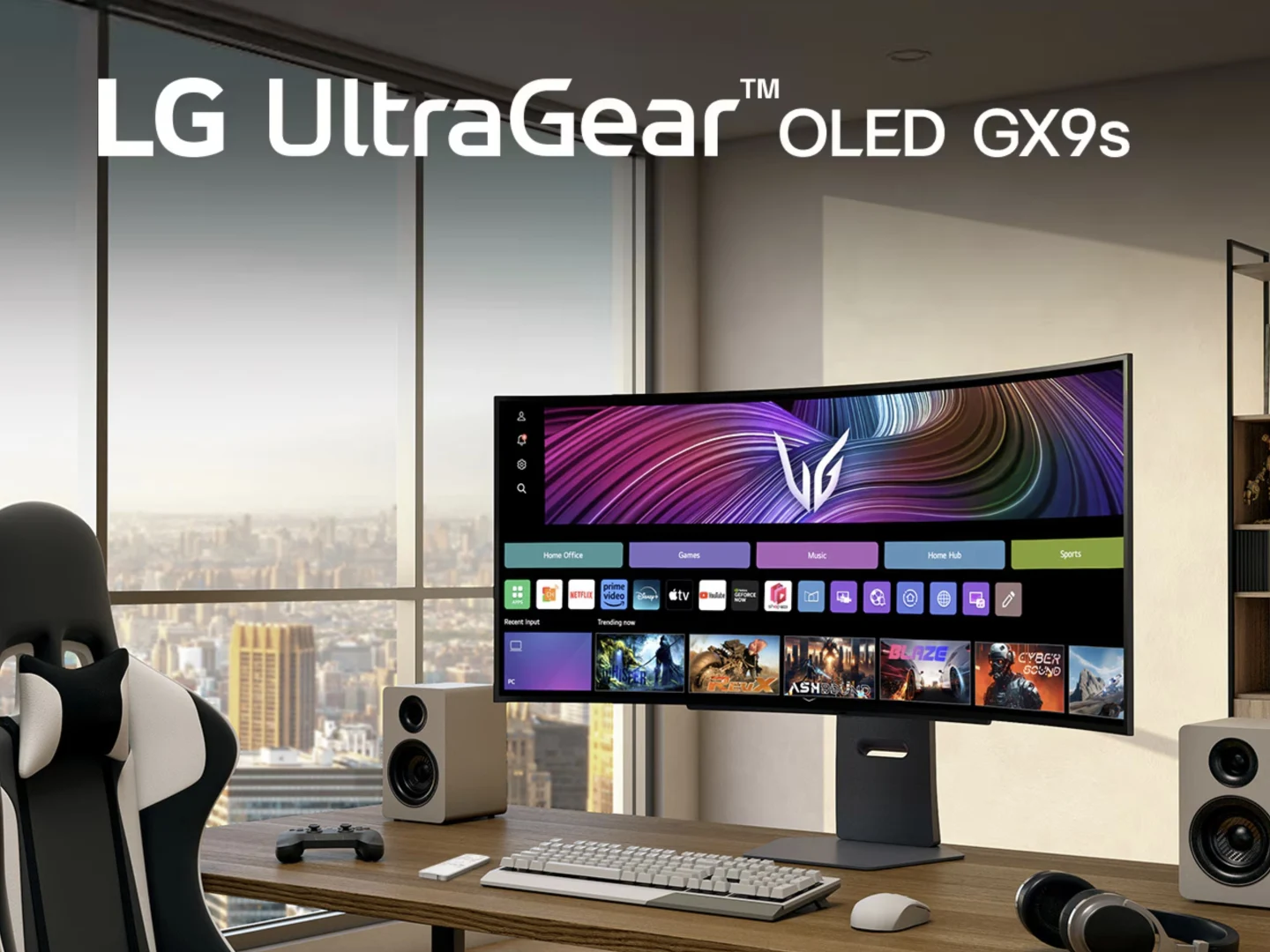
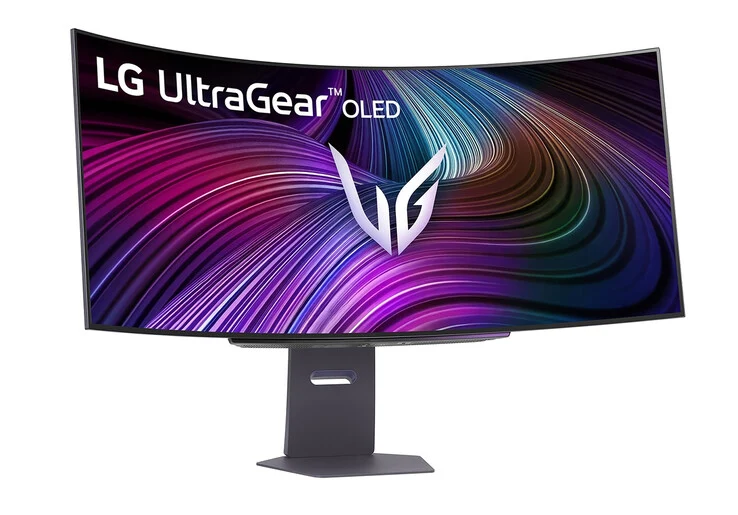
    The UltraGear OLED 45GX90SA is a bit of a surprise in LG’s lineup of monitors. To give you some background, the UltraGear OLED 34GX90SA, 39GX90SA, and 45GX950A were all known ahead of time. Even though these three models were introduced at different times, they all launched together in Japan before eventually becoming available in other regions.

    Pricing and Pre-Orders

    In contrast, the UltraGear OLED 45GX90SA hasn’t been previously announced at all. Regardless, LG has started accepting pre-orders for this monitor in Japan, where it is priced at JPY 289,801 (about $1,943.41) due to a 24% discount from its original price of JPY 381,317 (around $2,557). LG hasn’t yet shared any information on when this monitor will be available in other countries, but it would be surprising if it stayed exclusive to Japan.

    Specifications Similar to Last Year’s Model

    When we look at the specs, the UltraGear OLED 45GX90SA is quite similar to last year’s UltraGear OLED 45GS95QE (currently priced at $1,697 on Amazon). For instance, both monitors feature a 1440p 800R WOLED panel that provides an impressive 0.03 ms GtG response time and a refresh rate of 240 Hz. The compatibility for AMD FreeSync Premium and Nvidia G-Sync remains unchanged as well.

    Added Features

    However, LG has introduced webOS support, which is also available in the UltraGear OLED 34GX90SA, 39GX90SA, and 45GS95QE models. WebOS, common on LG Smart TVs, acts as a streaming platform on the UltraGear OLED 45GX90SA, allowing users to access services like Amazon, Netflix, or Nvidia GeForce Now. Additionally, the monitor features a second HDMI 2.1 port on the back, along with a USB Type-C port and connectivity options like Bluetooth 5.0 and Wi-Fi 5.

    Source:
    Link


  • LG Signature OLED T Transparent Smart TV Launching in New Market

    LG Signature OLED T Transparent Smart TV Launching in New Market

    Key Takeaways

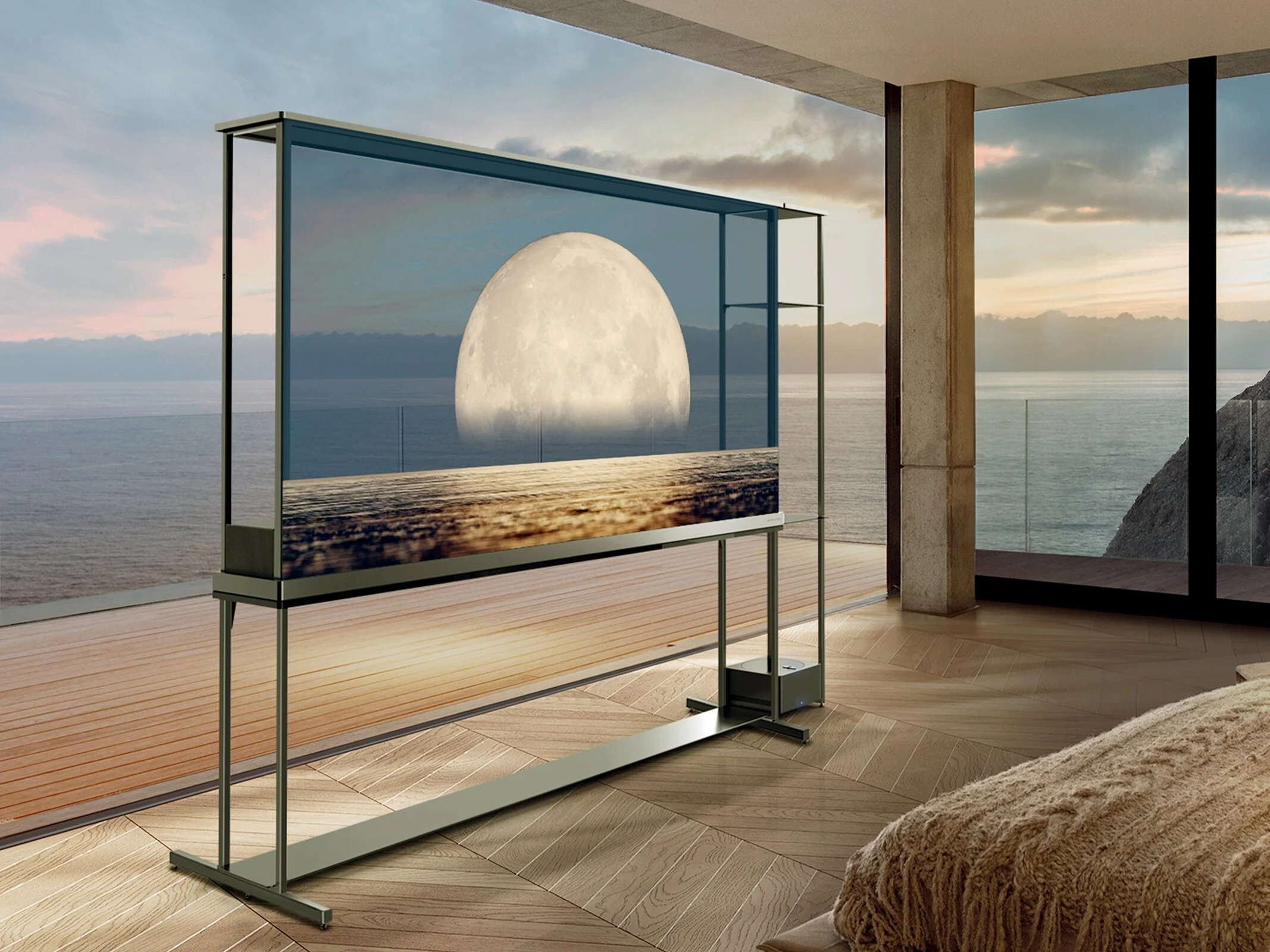
    1. Unique Transparent Design: The LG Signature OLED T features a 77-inch see-through OLED display that can showcase artwork when not in use and can turn opaque with a retractable shade.

    2. Advanced AI and Audio Technology: Equipped with the Alpha 11 AI Processor, the TV offers AI upscaling, smooth visuals, and a virtual 11.1.2 channel audio experience, along with support for Dolby Vision and Dolby Atmos.

    3. Wireless 4K Transmission: This model is the first transparent TV capable of true wireless 4K 120Hz video and audio transmission via the Zero Connect Box, eliminating the need for cables.

    4. Smart Features: The TV runs on the webOS platform, allowing streaming from popular services, voice control, Google Chromecast, and includes multiple ports for connectivity.

    5. Pricing and Availability: The LG Signature OLED T will be available in Germany in April for €49,999, and in the U.S. for $59,999.99, with plans for global market introduction pending.


    LG has introduced the Signature OLED T, a see-through 4K OLED television, in Germany. This model first launched in the United States back in December and was showcased at CES 2025 earlier this year. Currently, the device is being displayed at the LG Convention happening in Frankfurt on February 25th and 26th.

    Unique Design Features

    The standout feature of this flagship TV is its transparent 77-inch OLED display, which is crafted to blend seamlessly into its environment. When not in use, the screen can showcase artwork, adding an artistic touch to any room. Additionally, with just one click, a retractable black shade can be activated, turning the TV opaque and enhancing the viewing experience. The Alpha 11 AI Processor is reported to provide AI upscaling, smooth visuals, and a virtual 11.1.2 channel audio experience. It also supports Dolby Vision, Dolby Atmos, and Filmmaker Mode, while being NVIDIA G-Sync Compatible and certified by AMD FreeSync Premium.

    Wireless Capabilities

    LG asserts that this is the first transparent television capable of true wireless 4K 120Hz video and audio transmission through the Zero Connect Box, eliminating the need for messy cables. The webOS platform allows users to stream from various popular services, including Netflix and Disney+, and control the TV using voice commands. Other noteworthy features comprise Google Chromecast, integrated 4.2-channel speakers, and multiple ports such as HDMI eARC, RS-232C, and USB 2.0.

    Pricing and Availability

    The LG Signature OLED T is set to hit specialist retailers in Germany this April with a price tag of €49,999. In the United States, the model costs $59,999.99. When this television was initially launched last year, LG indicated plans to introduce it to global markets. However, no further information regarding its release in other countries has been provided yet.

    Source:
    Link

  • Infinix Y1V 40-Inch QLED TV Launched in India for ₹13,999

    Infinix Y1V 40-Inch QLED TV Launched in India for ₹13,999

    Key Takeaways

    1. Infinix India launched the Y1V QLED TV, a 40-inch model priced at ₹13,999, available exclusively on Flipkart from March 1, 2025.

    2. The TV features a 40-inch Full HD QLED screen with 280 nits brightness, a 60Hz refresh rate, and 94% NTSC color coverage, along with a bezel-less design and anti-blue light technology.

    3. Audio is delivered through dual 16W speakers with Dolby Audio support, and connectivity options include Wi-Fi, Bluetooth 5.0, HDMI, USB ports, and an Ethernet port.

    4. The Y1V targets the budget TV market in India, competing with brands like Xiaomi and Realme, offering a lower price for a QLED option, though it has limited RAM.

    5. It runs on a Linux-based OS with pre-installed apps like JioCinema and YouTube, and comes with a one-year warranty for added customer assurance.


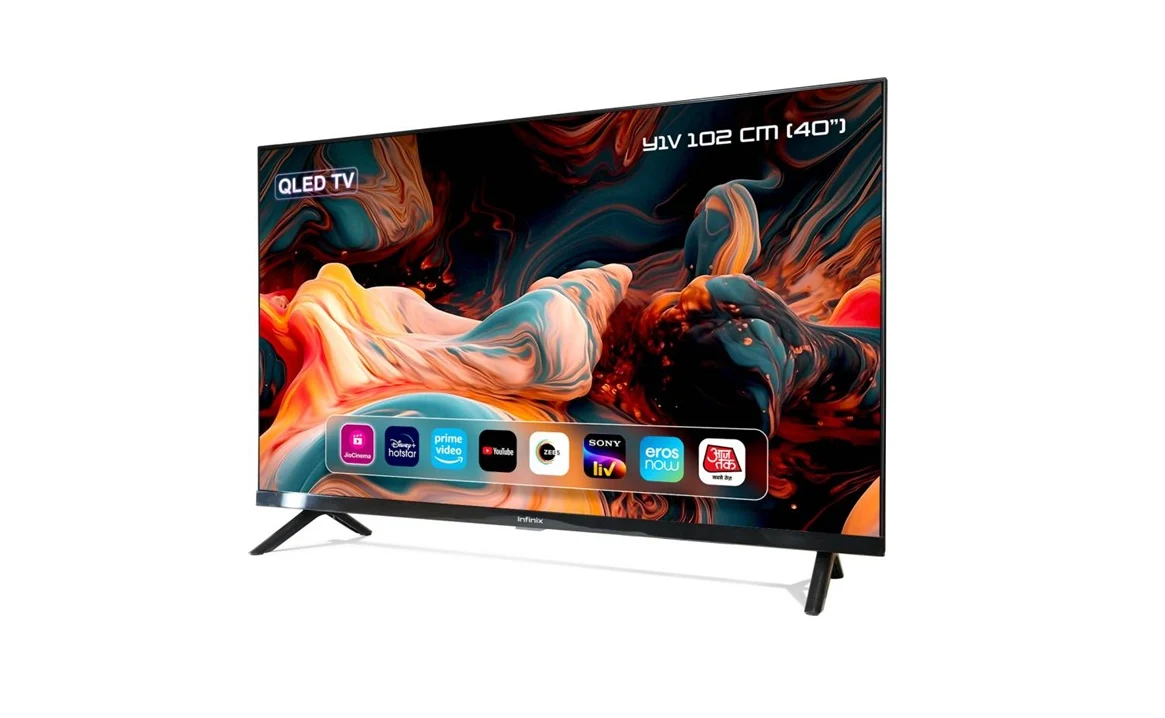
    Infinix India has introduced the Y1V QLED TV, a 40-inch model that comes with a price tag of ₹13,999. This television will be available solely on Flipkart starting from March 1, 2025, as it aims to appeal to those looking for budget-friendly options.

    Display and Design Features

    This TV showcases a 40-inch Full HD (1920×1080) QLED screen that offers 280 nits of brightness, a refresh rate of 60Hz, and a 94% NTSC color coverage. The design is bezel-less and features anti-blue light technology for a better viewing experience. It runs on a quad-core processor and is equipped with 512MB of RAM and 4GB of storage.

    Audio and Connectivity Options

    For sound, the TV comes with dual 16W speakers that support Dolby Audio. Connectivity includes Wi-Fi, Bluetooth 5.0, two HDMI ports, two USB ports, an Ethernet port, and a 3.5mm audio jack. Also included is an IR remote. The Linux-based operating system comes with pre-installed applications such as JioCinema, Hotstar, Prime Video, ZEE5, Sony LIV, and YouTube, and it supports screen mirroring through Miracast.

    Market Positioning

    The Y1V is stepping into India’s crowded budget TV segment, taking on well-known brands like Xiaomi and Realme. At a price of ₹13,999 (~$162), it offers a more affordable option compared to similar QLED models, although its RAM is on the lower side. On top of that, the TV is backed by a one-year warranty, giving customers a sense of security. As previously stated, the Y1V QLED TV will be exclusively available on Flipkart starting March 1, 2025.