Category: Tablets

  • Xiaomi Redmi K Pad Launches Globally Outside China

    Xiaomi Redmi K Pad Launches Globally Outside China

    Key Takeaways

    1. Xiaomi will launch the Redmi K Pad today, primarily for the Chinese market, with potential for a global release hinted by recent certifications.
    2. The Redmi K Pad has two model numbers: 25079RPDCC (exclusive to China) and 25079RPDCG (aimed at international customers).
    3. The tablet supports Bluetooth and Wi-Fi, as confirmed by the Infocomm Media Development Authority (IMDA).
    4. It features a MediaTek Dimensity 9400 Plus chipset, a 7,500 mAh battery, and an 8.8-inch IPS display with a 3K resolution and 165 Hz refresh rate.
    5. The Redmi K Pad is expected to outperform Xiaomi’s previous model, the Redmi Pad SE 8.7, which is priced at $142.


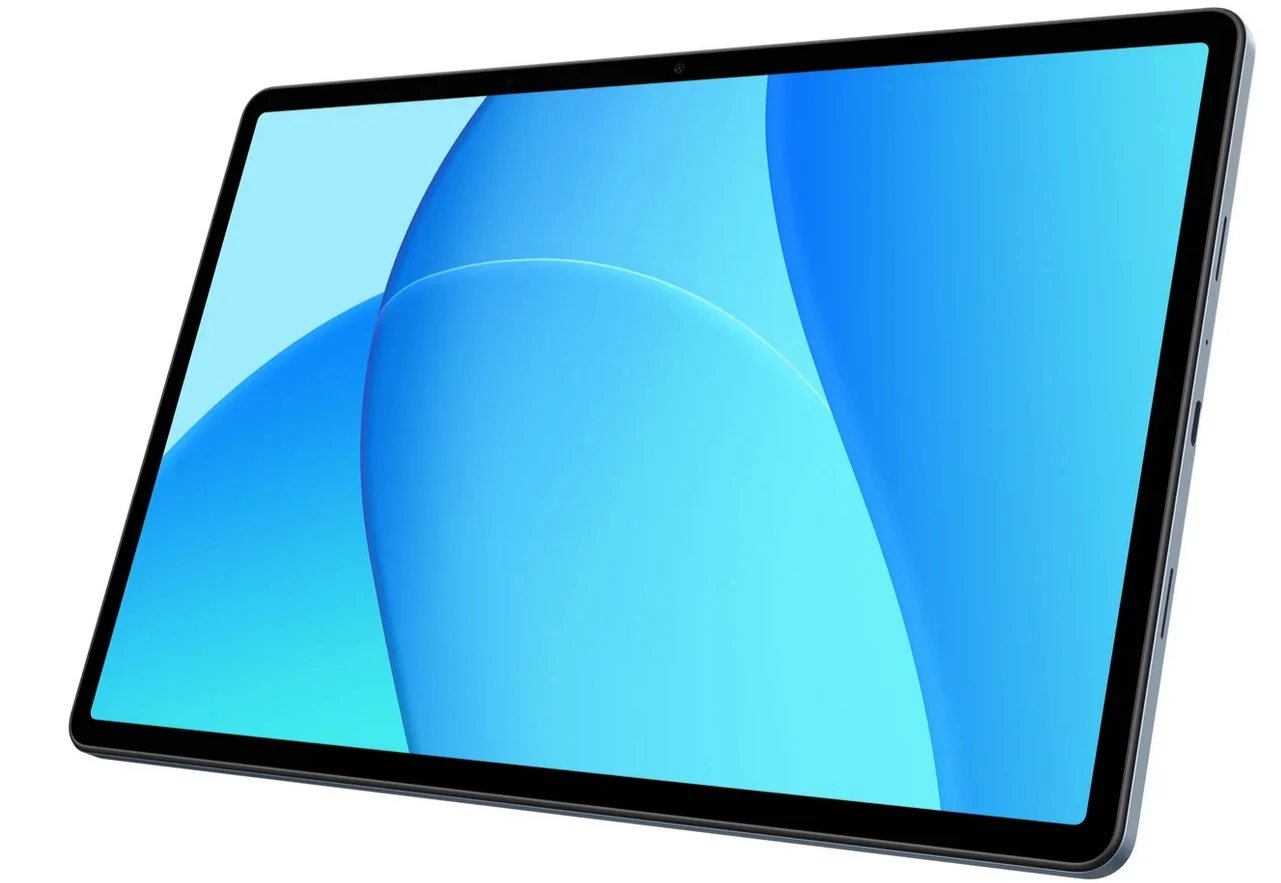
    Xiaomi is set to present the Redmi K Pad later today, along with a variety of other gadgets. Currently, it seems that the tablet will be launched only in China, and there’s no information yet about when it might be available elsewhere. Nevertheless, a recent certification from a regulatory body hints that Xiaomi might be gearing up for a global release, especially after rumors about a Poco F Pad surfaced earlier this month.

    Redmi K Pad Model Numbers

    To summarize, the Redmi K Pad has been linked to the model number 25079RPDCC. Although this number doesn’t give much information at a glance, the C at the end suggests that this particular version will remain exclusive to the Chinese market. On the other hand, the newly spotted 25079RPDCG in the Infocomm Media Development Authority (IMDA) database appears to be aimed at international customers.

    Specifications and Features

    Typically, the IMDA does not provide extensive details, but it has confirmed that the 25079RPDCG is classified as a ‘tablet computer’ that supports both Bluetooth and Wi-Fi. It’s clear that the 25079RPDCC and 25079RPDCG are different versions of the same product. The Redmi K Pad is expected to be much more powerful than Xiaomi’s recent compact tablet, the Redmi Pad SE 8.7, which currently retails for $142 on Amazon.

    Performance Expectations

    The Redmi K Pad will come equipped with a MediaTek Dimensity 9400 Plus chipset, along with a robust 7,500 mAh battery and an 8.8-inch IPS display. Recent teasers indicate that this relatively compact display will feature a 3K native resolution and a refresh rate of 165 Hz, positioning it to compete with the latest Lenovo Legion Y700 and the soon-to-be-released RedMagic Astra.

    Source:
    Link


  • Microsoft Surface Pro: 12-Inch, Long Battery Life, Silent Performance

    Microsoft Surface Pro: 12-Inch, Long Battery Life, Silent Performance

    Key Takeaways

    1. The Microsoft Surface Pro 12 is the first device to use Qualcomm’s Snapdragon X Plus SoC without fans for cooling.
    2. The Snapdragon X Plus can draw up to 35 Watts briefly and settles at 15 Watts, providing competitive performance against Intel’s Lunar Lake chips for daily tasks.
    3. Other manufacturers have not released passively cooled Snapdragon devices, raising questions about market choices, including Microsoft’s own Surface Laptop 13.
    4. The Surface Pro 12 features a quality IPS touchscreen, Wi-Fi 7, but has limited ports and non-upgradable storage, with a starting price of $799.
    5. The device lacks a power adapter, and the new keyboard cover with stylus is expensive, priced at $249, despite the high quality of the backlit keyboard.


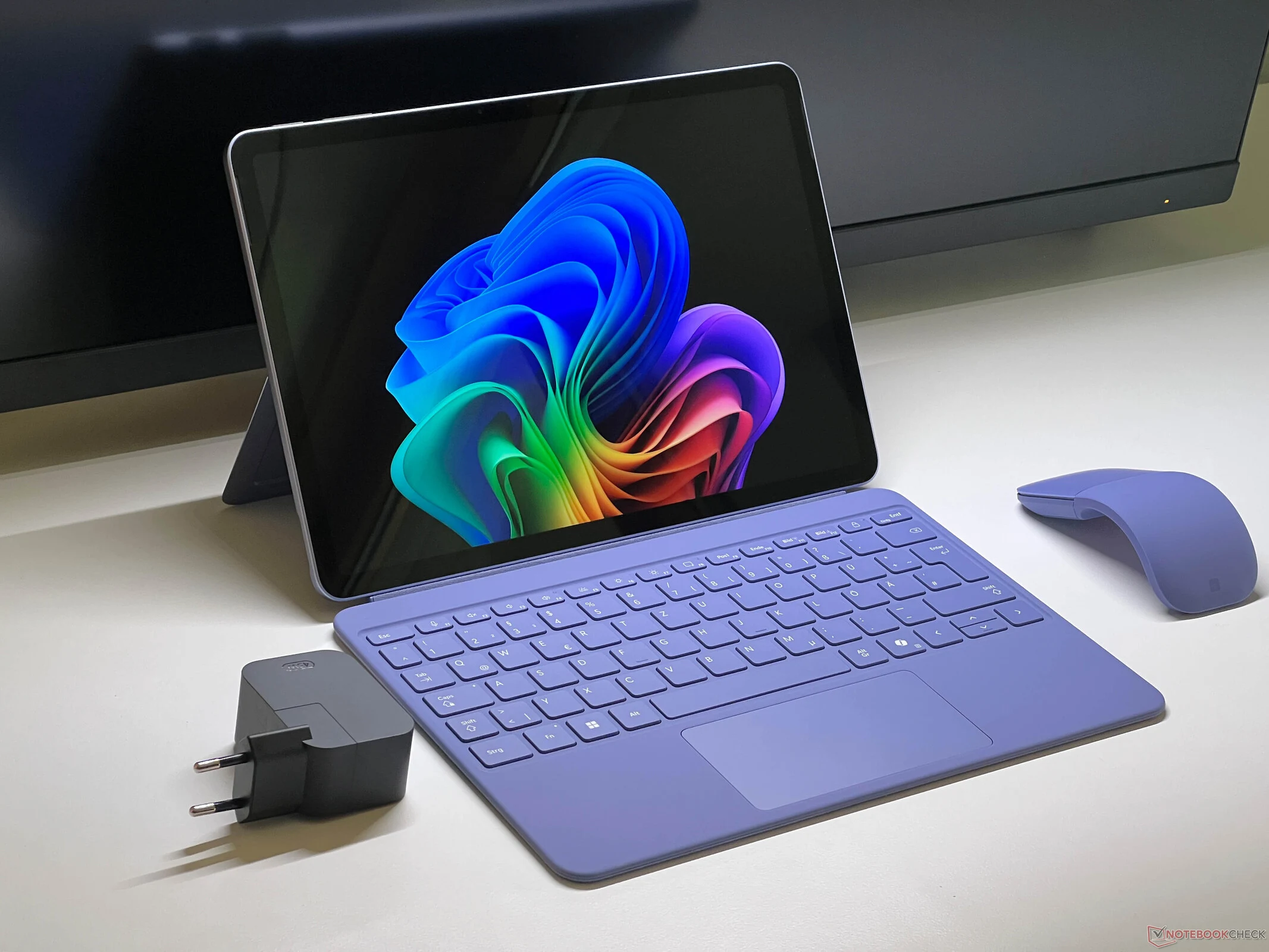
    Qualcomm’s Snapdragon-X-series processors have been available for around a year, but we only just got to see a device that doesn’t need fans to cool it down. The new 12-inch Surface Pro convertible from Microsoft is the first gadget using the Snapdragon X Plus System on Chip (SoC) without any fans. This SoC can draw up to 35 Watts for brief moments, then settles down to 15 Watts. We were keen to test the performance at this power level, and the outcome was a pleasant surprise. Even at 15 Watts, the performance remains competitive, matching up well with Intel’s Lunar Lake chips, which means it can handle daily tasks just fine.

    Why No Other Manufacturers?

    This raises the question of why other brands aren’t making passively cooled Snapdragon devices. The same goes for Microsoft’s own Surface Laptop 13, which uses the same Snapdragon X Plus. Instead of selling an overpriced ultrabook with traditional cooling, Microsoft could have made a passively cooled Surface Laptop 13 to make it different from other products in the market.

    Features and Pricing

    Besides having a well-built chassis, the compact Surface Pro 12 also features a decent IPS touchscreen (90 Hz, sRGB) and comes with Wi-Fi 7. Battery life is decent, but there are some aspects where Microsoft is cutting corners. It has only two USB-C 3.2 ports, and you can’t upgrade the UFS storage. The recommended retail price starts at $799 for the entry-level model with 256 GB of storage, but adding accessories can quickly push the cost over $1100. Notably, Microsoft does not provide a power adapter, and the new keyboard cover with stylus (which now attaches to the back of the device and can’t be stored inside the keyboard cover anymore) is quite pricey at $249. However, the quality of the backlit keyboard is commendable.

    In summary, Microsoft’s new 12-inch Surface Pro stands out as an intriguing and compact convertible that sets itself apart from competitors by not having any fans. For further details, check out our in-depth review of the new Surface Pro.

  • M5 iPad Pro 11-inch and 13-inch Displays Enter Mass Production

    M5 iPad Pro 11-inch and 13-inch Displays Enter Mass Production

    Key Takeaways

    1. Last year’s iPad Pro featured the M4 chip, slim design, and outstanding OLED displays, receiving positive reviews.
    2. The upcoming iPad Pro is expected to have incremental upgrades, including the new M5 SoC and reduced bezels.
    3. Displays for the 11-inch and 13-inch iPad Pro models have begun mass production, involving suppliers Samsung and LG.
    4. The M5 iPad Pro may launch in October, following Apple’s typical timeline for new product releases.
    5. Information about the upcoming iPad Pro should be taken cautiously, though it appears credible based on industry buzz.


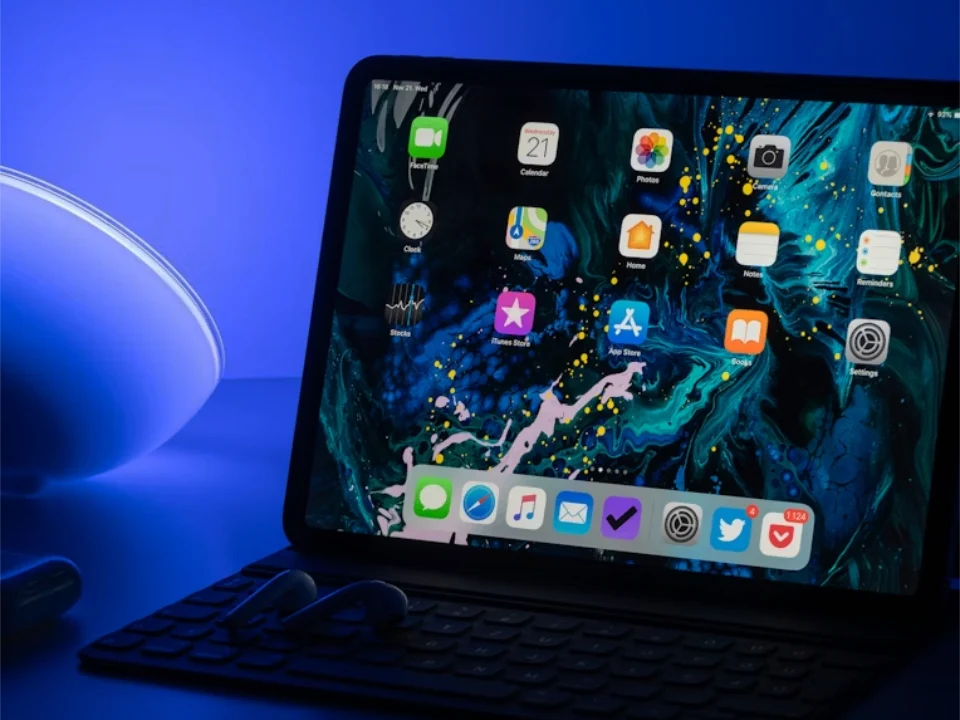
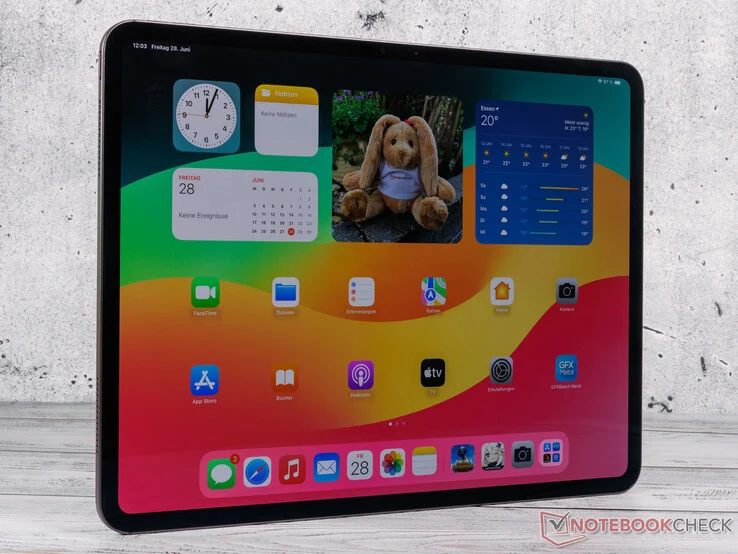
    Last year’s iPad Pro, which was powered by the M4 chip, marked one of the most significant upgrades to Apple’s flagship tablet in recent times. With its impressively slim design, a robust desktop-class system-on-chip (SoC), and outstanding OLED displays, both reviewers and customers had a lot of good things to say about this product.

    Incremental Changes Ahead

    For the upcoming model, it’s not surprising that Apple is going for slight improvements. Besides the new M5 SoC and reduced bezels, there don’t seem to be any major changes or enhancements planned for this year’s iPad Pro.

    Display Production News

    A new report from DigiTimes Asia, which was noticed by MacRumors, indicates that the displays for both the 11-inch and 13-inch versions of the iPad Pro have begun mass production. The usual suppliers, Samsung and LG, are involved in this process.

    This news aligns with earlier speculations suggesting that the M5 iPad Pro may launch in October, a timeframe when Apple usually unveils new iPads and Macs. The current M4 iPad Pro (currently priced at $919 on Amazon) was revealed in May of last year, suggesting an approximate 18-month update cycle for this line of products.

    Take It With Caution

    Like all reports before a product’s release, it’s wise to take this information lightly. Nonetheless, based on the continuous buzz in the industry, the information seems to be credible enough to consider.

  • OnePlus Launches PC Remote Control for OxygenOS Smartphones

    OnePlus Launches PC Remote Control for OxygenOS Smartphones

    Key Takeaways

    1. The OnePlus Pad 3 received a software update (OxygenOS 15.0.1.500) to enhance its 13.2-inch 144Hz display as a remote control for Windows PCs.
    2. The new cross-platform feature is also available for OnePlus 13, 13R, and 13s, along with previous models 12, 12R, and 11R, but not the 11.
    3. OxygenOS 15.0.0.830 includes this feature for OnePlus’ Open model, currently limited to foldable smartphones in India.
    4. The update is expected to be rolled out to global and EU versions of the OnePlus 13 soon.
    5. More devices may gain access to the Remote Control for Windows PC feature in the near future.


    The OnePlus Pad 3 was introduced just a few weeks ago in June 2025, and already it’s getting a software update. The latest version of the well-known OxygenOS skin for Android is designed to enable users to utilize its large 13.2-inch 144Hz display as a “remote control” for their Windows PC.

    New Features Unveiled

    This new capability included in OxygenOS 15.0.1.500 for the Pad 3 enhances a previous Connect to Mac feature listed in earlier updates from OnePlus.

    What’s more, this improved cross-platform feature is now also available for the OnePlus 13, 13R, and 13s, along with their predecessors, the 12, 12R, and 11R (although the 11 is oddly excluded).

    Updates for Other Devices

    Additionally, this feature is part of the new OxygenOS 15.0.0.830 for OnePlus’ Open model. However, it has only been rolled out to foldable smartphones sold in India so far. The same applies to the 13R, 12, and 12R, as well as the 11R and 13s, which are limited to that region.

    The global and EU versions of the 13 are set to receive this update soon, suggesting that the Remote Control for Windows PC feature could become available worldwide for more devices mentioned above in the near future.

    Source:
    Link

  • Apple iPad Pro: Slimmer Bezels Coming with Tandem OLED Display

    Apple iPad Pro: Slimmer Bezels Coming with Tandem OLED Display

    Key Takeaways

    1. The iPad Pro received a significant update with the introduction of M4-based models featuring Tandem OLED panels.
    2. Apple is adding LX Semicon to its supply chain to develop a new display driver IC, moving away from Samsung’s exclusivity.
    3. The new display driver IC will be paired with LG Innotek’s chip-on-film technology, allowing for thinner bezels.
    4. These changes may lead to either larger displays or smaller iPad Pro models in the future.
    5. The anticipated updates could be included in the upcoming iPad Pro (8th generation) with an M5 chipset.


    The iPad Pro got a big update last year, introducing the Apple M4-based 11-inch and 13-inch models (curr. $928.99 – refurbished on Amazon). The 7th generation iPad Pro not only showcased the M4 chipset but also featured Tandem OLED panels for the first time in the lineup. Reports suggest that Apple might be looking to enhance the display even further in the near future.

    New Supply Chain Moves

    DigiTimes has indicated that Apple is adding LX Semicon to its supply chain for upcoming iPad Pro models. LX Semicon has been given the job of developing a new display driver IC, which Apple hopes to finalize within the next week. This shift would mean that Apple is moving away from its reliance on Samsung System LSI, which currently holds exclusivity over display driver ICs for all iPad Pro (7th generation) tablets.

    Innovative Technology Integration

    In another report, The Elec mentions that Apple aims to pair LX Semicon’s display driver IC with LG Innotek’s chip-on-film (CoF) technology. This technology uses heat to bond display driver ICs to a flexible film. As a result, this change could allow Apple to create more space for reducing the size of display bezels.

    This change could mean either larger displays within the same chassis or smaller 11-inch and 13-inch iPad Pros. However, neither DigiTimes nor The Elec offered details on when these display enhancements might be introduced. The hint that Apple plans to approve a new display driver IC this month suggests that these updates might be pushed to the iPad Pro (8th generation), which is anticipated to feature an Apple M5 chipset.

    Source:
    Link


  • 11-Inch Tablet with 23+ Hours Battery Life: Impressive Performance

    11-Inch Tablet with 23+ Hours Battery Life: Impressive Performance

    Key Takeaways

    1. Affordable Price: The Oppo Pad SE is priced at €269, making it a budget-friendly tablet option.
    2. Impressive Battery Life: It features a 9,340mAh battery that lasts over 23 hours on WiFi browsing.
    3. Lightweight and Sleek Design: Despite its large battery, it weighs under 1.2 lbs and has a thickness of 0.29 inches.
    4. Good Display and Audio: The tablet has a vibrant screen with no PWM flickering and includes four high-quality speakers.
    5. Minor Performance Limitations: Users should not expect top-tier performance due to its budget-friendly nature.


    For anyone looking for an affordable tablet option, the Oppo Pad SE might be a good choice. Right now, it’s mostly sold at a limited number of European retailers, with a price tag of only €269. This device features an 11-inch screen, a sturdy metal body, and great overall build quality, which can easily rival pricier tablets. Additionally, the tablet showcases slimmer bezels around the display, adding to its attractive look.

    Impressive Battery Life

    One of the standout features of the Oppo Pad SE is its battery life. Equipped with a 9,340mAh battery, it managed to last an impressive 23 hours and 23 minutes during our WiFi browsing test. This means that users can spend a whole day lounging on the couch, shopping, watching shows, or reading without needing to search for a power outlet. Watching movies offline could extend the battery life even further—this tablet could likely binge all the Harry Potter films with some juice left over.

    Lightweight and Sleek Design

    Despite its large battery, you might think the Oppo Pad SE is heavy. However, it is surprisingly lightweight, weighing in at just under 1.2 lbs, thanks to improvements in battery technology in recent years. With a thickness of 0.29 inches, the Android tablet also has a sleek profile that makes it easy to carry around.

    The Oppo Pad SE is packed with plenty of RAM, a vibrant display that avoids PWM flickering, and four high-quality speakers. It also supports LTE, allowing users to stay connected while on the move and even make phone calls. However, for the latter, a hands-free device or headset is necessary, or else everyone around can hear the conversation.

    Minor Drawbacks

    That said, there are a few small drawbacks to note. It’s important to remember that you can’t really expect top-tier performance from a tablet at this price point.

    Source:
    Link

  • Lenovo Legion Y700 vs RedMagic 3 Pro vs Redmi K Pad Gaming Test

    Lenovo Legion Y700 vs RedMagic 3 Pro vs Redmi K Pad Gaming Test

    Key Takeaways

    1. The Redmi K Pad has not officially launched but is already being reviewed in China, competing against Lenovo Legion Y700 and RedMagic Gaming Tablet 3 Pro.
    2. In gaming performance, all three tablets achieve similar frame rates, with RedMagic slightly ahead at 120 FPS.
    3. The Redmi K Pad excels in power efficiency, consuming only 5.7 W, compared to 9.8 W for the Lenovo and 6.2 W for the RedMagic.
    4. In Genshin Impact, the Redmi K Pad also shows lower power usage at 6.9 W, while the Legion Y700 uses 8.5 W and the RedMagic 7.5 W.
    5. Overall, the Redmi K Pad stands out for energy efficiency, while the Lenovo Legion Y700 is less efficient and the RedMagic offers a balance in performance but runs hotter.


    The Redmi K Pad has not officially launched yet, but it is already in the hands of reviewers in China. It has been compared with two main competitors: the Lenovo Legion Y700 (4th Gen) and the RedMagic Gaming Tablet 3 Pro.

    Game Performance Comparison

    According to tests by Novice Evaluation, the Lenovo Legion Y700 (4th Gen) ranks slightly lower in performance across two games. In Honor of Kings, both the Legion Y700 and the Redmi K Pad achieve an average frame rate of 119.9 FPS. The RedMagic Gaming Tablet 3 Pro, however, takes the lead with a steady 120 FPS.

    Power Consumption and Efficiency

    On the downside, the Lenovo tablet consumes the most power, using 9.8 W. The RedMagic tablet, which also has the Snapdragon 8 Elite processor, uses only 6.2 W. In contrast, the Redmi K Pad shines in power efficiency, drawing just 5.7 W. Additionally, the Redmi K Pad stays the coolest at 42.8 °C, while the RedMagic and Legion Y700 reach temperatures of 45.3 °C and 45 °C, respectively.

    Genshin Impact Results

    Similar results can be seen in Genshin Impact, where all three tablets average 119.9 FPS. However, the Legion Y700 (4th Gen) consumes 8.5 W of power, while the Redmi K Pad uses a lower 6.9 W compared to the RedMagic Gaming Tablet 3 Pro’s 7.5 W. In terms of temperature, the RedMagic tablet runs the hottest at 45.2 °C, with the Redmi K Pad at 43 °C and the Legion Y700 slightly cooler at 42.9 °C.

    In conclusion, the three tablets show minimal differences in performance. They all deliver solid results typical of high-end Android devices, thanks to their powerful chipsets. Nevertheless, the Redmi K Pad stands out for its energy efficiency, while the Lenovo Legion Y700 is notably less efficient. The RedMagic Gaming Tablet strikes a decent balance in performance, but for its price, it might be expected to have a cooler operation.

    Check out the Lenovo Legion Go on Amazon.

    Novice Evaluation

    Source:
    Link


  • Best Affordable Tablet You Didn’t Know About

    Best Affordable Tablet You Didn’t Know About

    Key Takeaways

    1. The Oppo Pad SE offers impressive features for a tablet under $350, including a durable metal body, quick SoC, and neat software.
    2. It has a substantial 9,340 mAh battery, providing longer usage times than many competitors, along with decent sound quality from its speakers and an 11-inch display with satisfactory brightness.
    3. Despite its strong features, the Oppo Pad SE remains largely unknown to many consumers due to limited marketing efforts and competition from larger brands.
    4. The tablet’s availability is restricted, with limited distribution in international markets and not being sold on major platforms like Aliexpress or Temu.
    5. Oppo has not yet entered the North American market, which poses additional challenges for its expansion and consumer awareness.


    We already knew Oppo is capable of creating impressive tablets. After all, the Oppo Pad 4 Pro left a strong impression during our testing phase.

    Impressive Features

    However, the recently evaluated Oppo Pad SE proves that the Chinese brand can also deliver great value in the under 350 USD price bracket. This tablet has been crafted well, featuring a durable metal body in a stylish grey-blue, solid construction, a fairly quick SoC, and neat software, all contributing to a positive overall impression.

    Most notably, the substantial 9,340 mAh battery caught our attention, providing significantly longer usage times compared to many rivals. It also boasts speakers that deliver decent sound quality and an 11-inch display that operates without PWM and offers satisfactory brightness levels.

    Lack of Awareness

    One might think: Fantastic, Oppo has something appealing here that should sell well, right? Unfortunately, this affordable tablet with its impressive features remains largely unknown to many consumers. The Oppo Pad SE is, therefore, flying under the radar.

    Reasons for this vary by region: In certain countries, Oppo’s marketing efforts struggle to gain traction despite sponsorships like the Champions League and quality offerings. Competing with advertising budgets of giants like Samsung is certainly a challenge. Moreover, the neglect of its own websites in Germany and Austria for years hasn’t helped either. Although past patent disputes have been resolved, their effects linger.

    Limited Availability

    Oppo has also yet to step into the North American market, which might be difficult amid the current political climate in the USA.

    Furthermore, the Oppo Pad SE isn’t widely available in all international markets and its distribution is quite limited. For instance, in Germany, the tablet is currently sold by only one retailer or has to be ordered from neighboring countries. It’s even not available on Chinese platforms like Aliexpress or Temu at this time.

    This is unfortunate, as our testing of the Oppo Pad SE was quite favorable. You can find detailed reasons for our evaluation, along with any shortcomings, measurement data, and sample images from the tablet’s camera in our comprehensive review of the Oppo Pad SE.

  • Xiaomi Pad 7S Pro Specs Leaked Before Launch Event

    Xiaomi Pad 7S Pro Specs Leaked Before Launch Event

    Key Takeaways

    1. The Xiaomi Pad 7s Pro features a 12.5-inch LCD display with a 3.2K resolution and a 144Hz refresh rate.
    2. It is powered by Xiaomi’s Xring O1 processor and comes with a 10,610mAh battery that supports 120W fast charging.
    3. The tablet includes a 32MP front camera and a 50MP rear camera for photography.
    4. It supports additional features like a magnetic floating keyboard, quad-microphone array, and the Focus Touch Pen stylus.
    5. The device will run on HyperOS 2.0, based on Android 15, and has a sleek design with a thickness of 5.8mm and a weight of 576 grams.


    Xiaomi is creating excitement around its new flagship tablet, the Pad 7s Pro, set to launch in China. Recently, the device was spotted on Geekbench, which confirmed that it will feature Xiaomi’s own Xring O1 chipset. Additionally, tipster Digital Chat Station has provided detailed specifications of the tablet on Weibo.

    Display and Design

    According to the leaked information, the Xiaomi Pad 7s Pro is expected to come with a 12.5-inch LCD display boasting a sharp 3.2K resolution and an impressive 144Hz refresh rate. It promises a peak brightness of 1000 nits and full DC dimming to help reduce eye strain. There are also whispers about a unique variant that will have a soft light screen aimed at making reading more comfortable.

    Performance and Battery

    The Pad 7s Pro will be powered by the Xiaomi’s 3.4GHz Xring O1 processor, ensuring smooth performance. It will include a hefty 10,610mAh battery that supports 120W fast charging, allowing for quick recharges even with such a large battery capacity. For photography, the tablet will have a 32-megapixel camera on the front and a 50-megapixel sensor on the rear.

    Additional Features

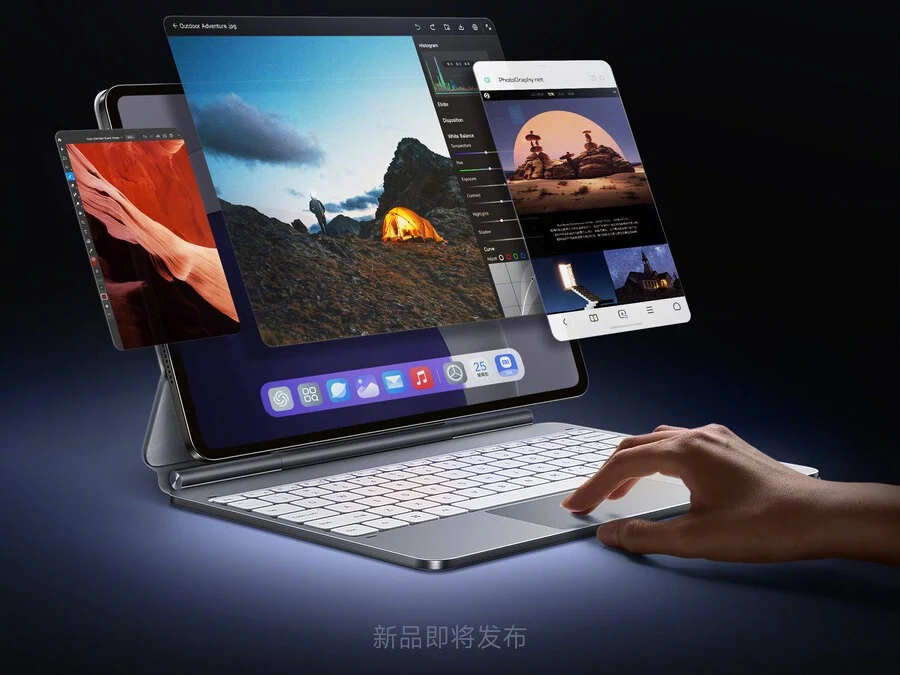
    Other notable features include a quad-microphone array, the ability to use a magnetic floating keyboard, and support for Xiaomi’s latest stylus, the Focus Touch Pen. The device is set to run on HyperOS 2.0, which is based on Android 15. With a sleek profile of just 5.8mm and a weight of only 576 grams, it’s designed to be portable despite its sizable screen.

    The Xiaomi Pad 7s Pro is anticipated to launch later this month in China, likely alongside the Xiaomi Mix Flip 2, which is said to be the company’s sole foldable smartphone for 2025.

    S

  • Xiaomi Pad 7S Pro Ranks High on Geekbench with Key Specs

    Xiaomi Pad 7S Pro Ranks High on Geekbench with Key Specs

    Key Takeaways

    1. The Xiaomi Pad 7S Pro is set to launch later this month, showcasing its design and features.
    2. It achieved impressive Geekbench scores: 2631 in single-core and 8449 in multi-core performance.
    3. The tablet features the powerful Xring O1 deca-core chip, enhancing its performance for demanding applications.
    4. It includes a Mali-G925 Immortalis GPU for smooth graphics in gaming and media.
    5. The device is expected to have 16 GB of RAM and run on Android 15 with Xiaomi’s HyperOS interface.


    The anticipation for Xiaomi’s next tablet is nearly over. Recently, the company announced that the Xiaomi Pad 7S Pro will be released later this month, even giving us a glimpse of its design and some of its features. Additionally, a new Geekbench benchmark listing reveals some impressive details about the device, confirming its powerful Xring O1 chip and other important specifications.

    Impressive Benchmark Scores

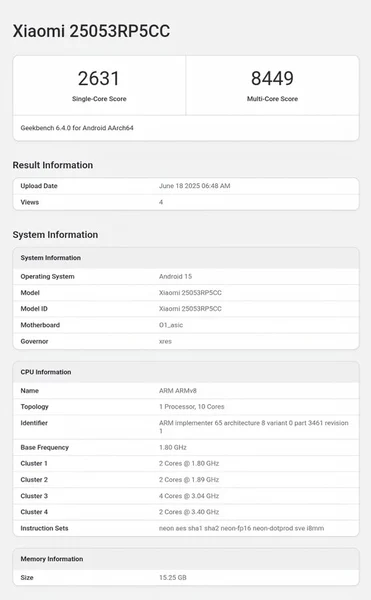
    The upcoming tablet, which is recognized by the model number 25053RP5CC, displayed remarkable performance on Geekbench. It achieved a score of 2631 in single-core performance and an outstanding 8449 in multi-core tests. These results indicate that the Pad 7S Pro is likely to handle demanding applications with ease and enable smooth multitasking.

    Powerful Chip and Graphics

    At the core of its performance is Xiaomi’s latest Xring O1 chip. This deca-core custom system-on-chip (SoC) made its first appearance in the Xiaomi Pad 7 Ultra and the Xiaomi 15S Pro. The Geekbench information reveals a complex core setup: two cores running at 1.80 GHz, two at 1.89 GHz, four at 3.04 GHz, and two high-performance cores operating at 3.40 GHz.

    The graphics will be powered by a Mali-G925 Immortalis GPU, which promises to deliver smooth graphics for both gaming and media consumption. Furthermore, the tablet comes with a substantial 16 GB of RAM and is expected to run on Android 15, featuring Xiaomi’s HyperOS custom interface.

    Growing Excitement for Launch

    With the official launch confirmed for later this month and teasers already being shared, the Geekbench listing adds to the excitement. The Xiaomi Pad 7S Pro is clearly on track to become a strong player in the tablet market. It would be fantastic if this device makes its way to global audiences soon.

    Source:
    Link