Category: Phones

Stay updated with the latest phone news, reviews, and trends. Discover cutting-edge smartphones, features, and innovations in our Phones category at GizNewsDaily

  • Xiaomi Budget Smartphone with microSD, 120Hz Display, 800 Nits Brightness

    Xiaomi Budget Smartphone with microSD, 120Hz Display, 800 Nits Brightness

    Key Takeaway

    1. The Poco C81 Pro features entry-level hardware, including a Unisoc T7250 processor, 4GB RAM, and up to 256GB storage.
    2. It has a large 6.9-inch LCD display with a 120Hz refresh rate and no AMOLED option.
    3. The device is equipped with a 13MP main camera, 8MP front camera, and a sizable 6,000mAh battery with 15W charging.
    4. The phone supports microSD expansion and dual-SIM usage but lacks 5G connectivity.
    5. Official details on pricing and worldwide availability remain undisclosed.

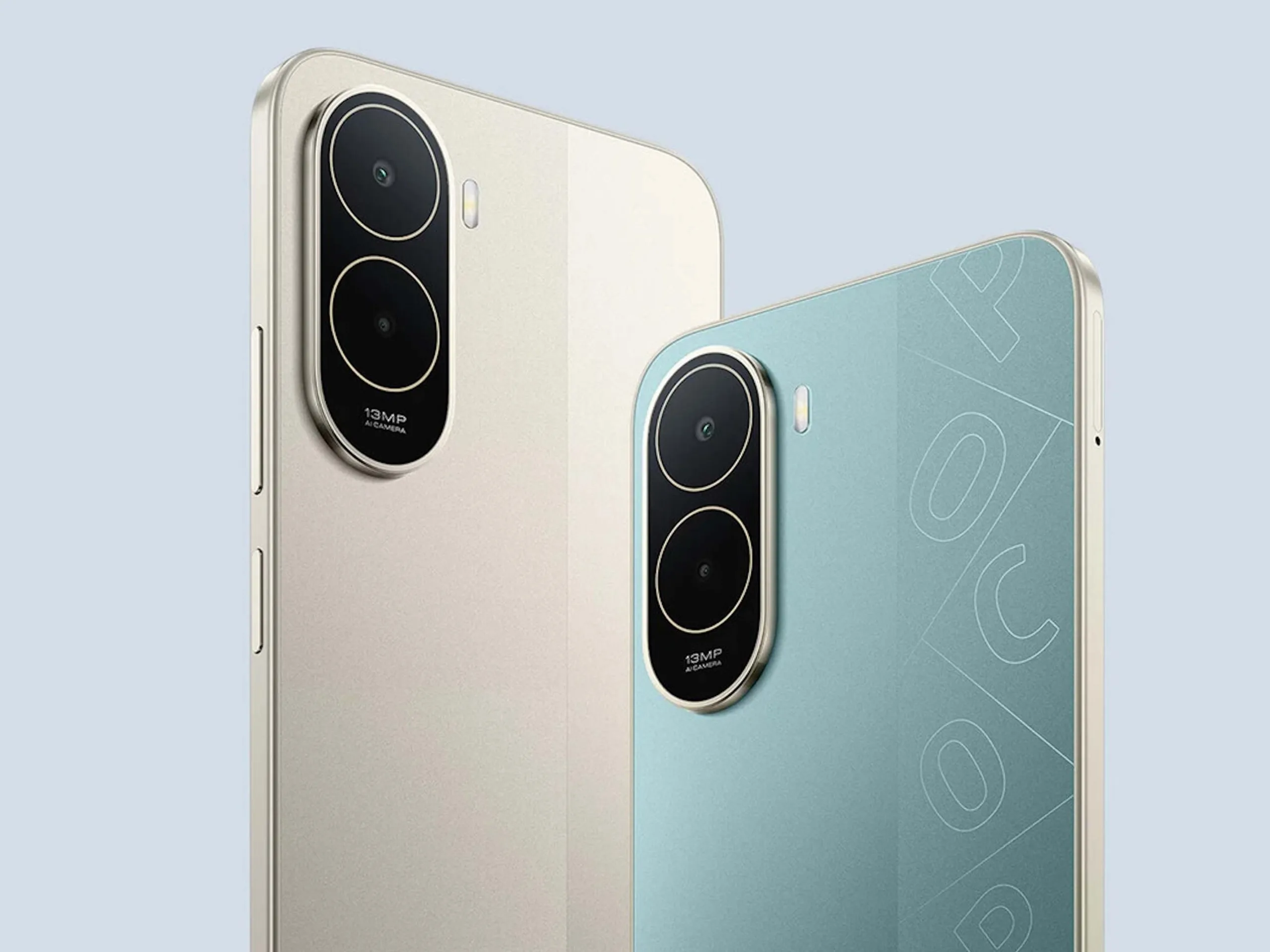
    Upcoming Xiaomi Poco C81 Pro

    It is now confirmed that Xiaomi is planning to reveal a new smartphone called the Poco C81 Pro. Though it was briefly visible on the company’s international webpage, the page has since been taken down. Even though Google could find the page, there’s no accessible product detail page anymore. Xiaomi only release a product page without any info on price or when it will be available in different countries.

    Specs and Hardware

    The Poco C81 Pro is definitely not packed with flagship hardware. It comes with a Unisoc T7250 processor, which does not support 5G and features two Cortex-A75 cores along with six Cortex-A55 cores. This indicates it will not deliver high-end nor fast performance. It has just 4GB of RAM and offers storage options of 64GB, 128GB, or 256GB, with microSD card support for expanding the storage. Plus, dual-SIM capability is likely obtainable at the same time, making it convenient for multiple users.

    Display and Camera

    The phone features a 6.9-inch LCD panel as an alternative to an AMOLED screen. It has a resolution of 1600 x 720 pixels and a display refresh rate of up to 120Hz, providing smooth user experience. Its brightness peaks at 800 nits in high-brightness mode, making it viewable even in sunlight. The key rear camera is 13MP, and front camera holds an 8MP sensor. The phone’s camera setup lacks a telephoto lens, which is common for its class. Additionally, the device contains a large 6,000mAh battery, but only charges at a slow 15W speed. The fingerprint sensor is situated on the side, instead of being under the display, which is a simpler design.

    More details

    • Price info remains unconfirmed
    • Launch date has not been announced
    • No official statement yet from Xiaomi regarding regional releases

    Summary

    The Xiaomi Poco C81 Pro looks to be an entry-level device with modest specifications suited for basic daily tasks. While it does not feature top-tier hardware or advanced camera options, it provides essential features such as a large display, sizeable battery, and expandable storage. As of now, everything about its release remains hidden; stay tuned for more updates from Xiaomi regarding this model.
    Sources
  • Nothing Phone 4a Pro Metal Unibody Durability Test Reveals Surprising Flaws

    Nothing Phone 4a Pro Metal Unibody Durability Test Reveals Surprising Flaws

    Key Takeaway

    1. The Nothing Phone (4a) Pro features an aluminum unibody design, enhancing premium feel but preventing wireless charging.
    2. It offers moderate scratch resistance with Gorilla Glass 7i, but the plastic camera cover is highly susceptible to scratches.
    3. The device demonstrates strong durability against bending and drops, though repairability is challenging.
    4. It has IP65 water resistance, protecting against rain and splashes, but is vulnerable to damage from debris or improper handling around the SIM slot.

    Design and Build Quality

    The Nothing Phone (4a) Pro, costin around $499, stands out with it’s unibody aluminum frame instead of typical plastic or metal mixed with a glass or plastic back. This special design makes the phone feeel premium, but on the downside, it dont support wireless charging because of the aluminum back. This design choice makes it more sturdy but gives it some limitations too.

    Durability and Testing Results

    Recently, a durability test was carried out by the YouTuber JerryRigEverything, to see how tough this mid-range mobile really is. The results shows that the aluminum body is only somewhat scratch resistant, but the phone don’t bend easily, even with lots of force applied. Since there is no glass back, it unlikely to shatter if dropped – more sturdy when falls happen. Gorilla Glass 7i on the display helps resist scratches, only showing marks when the object contacting it has a hardness level of 6 or more on the Mohs scale. Yet, the test also pointed out two main issues that need to be address.

    Weaknesses and Concerns

    First, the plastic cover over the camera module scratches quick, which may affect the overall look over time. Second, near the SIM card slot there’s a microphone hole that’s pretty big. This can be problem because a tool to open the SIM tray could accidentally go into the hole, damaging the seal. Such damage can ruin the waterproof aspect of the phone. A simple metal grille could have helped avoid this problem. But still, the IP65 rating means the phone only has protection against slight rain and splashes, so it’s not fully waterproof. Also, fixing this phone, if something breaks, might be complicated or not very affordable owing to its design.

    Sources
  • Apple Can’t Outdo Oppo in Foldable Phones but Can Match It

    Apple Can’t Outdo Oppo in Foldable Phones but Can Match It

    Key Takeaway

    1. Apple’s foldable iPhone Ultra aims to minimize creases, potentially achieving a near-invisible fold similar to Oppo’s Find N6, though not surpassing it.
    2. Apple is using Ultra Thin Glass (UTG) and Optically Clear Adhesive (OCA) to create an almost crease-less display.
    3. The iPhone Ultra is expected to feature a larger battery (around 5,800 mAh) than Samsung’s Galaxy Z Fold 8, indicating enhanced battery capacity.

    Upcoming Foldable iPhone Rumors

    Though Apple haven’t officially announced anything about their foldable device, the buzz about the ‘iPhone Ultra’ has been getting alot of attention. Many leaks hint that they might drop this phone by September, but people are still waiting for confirmation. Seems like Apple’s really taking their time here, mainly because they want to perfect the crease experience. They’re aiming for a near invisible fold, which is pretty tricky but they’ve been making some progress. Still, it’s unlikely that this foldable will outshine the best models out there now.

    Leak Insights And Surface Quality

    According to a post shared on Weibo by Fixed Focused Digital, the new Apple foldable is expected to beat out most competitors. The leak emphasizes that, “most” in this case, means it will fall just short of Oppo’s Find N6, which reportedly has the almost invisible crease. The main goal for Apple is to minimize the crease visibility and give users a smooth tactile feeling when they bend the device, but the Oppo’s design sets the bar high. They managed a nearly seamless look with their advanced hinge and special glass, and Apple plans to use a similar approach combined with ultra thin glass (UTG) and a special adhesive to fill gaps seamlessly.

    Battery and Technology Innovations

    Battery life remains another battleground, with Oppo’s foldable phones reportedly using Silicon Carbon batteries, which are more advanced and longer-lasting. Apple, however, might stick with traditional lithium-ion cells for reliability and compatibility. Yet, the iPhone Ultra is expected to pack a powerful battery – estimated at 5800 mAh, surpassing Samsung’s rumored 5000 mAh for the Galaxy Z Fold 8. This boost could mean longer usage times and better endurance for power users. The competition is fierce, and every detail counts when it comes to folding smartphones, with technology rapidly progressing.

    Sources
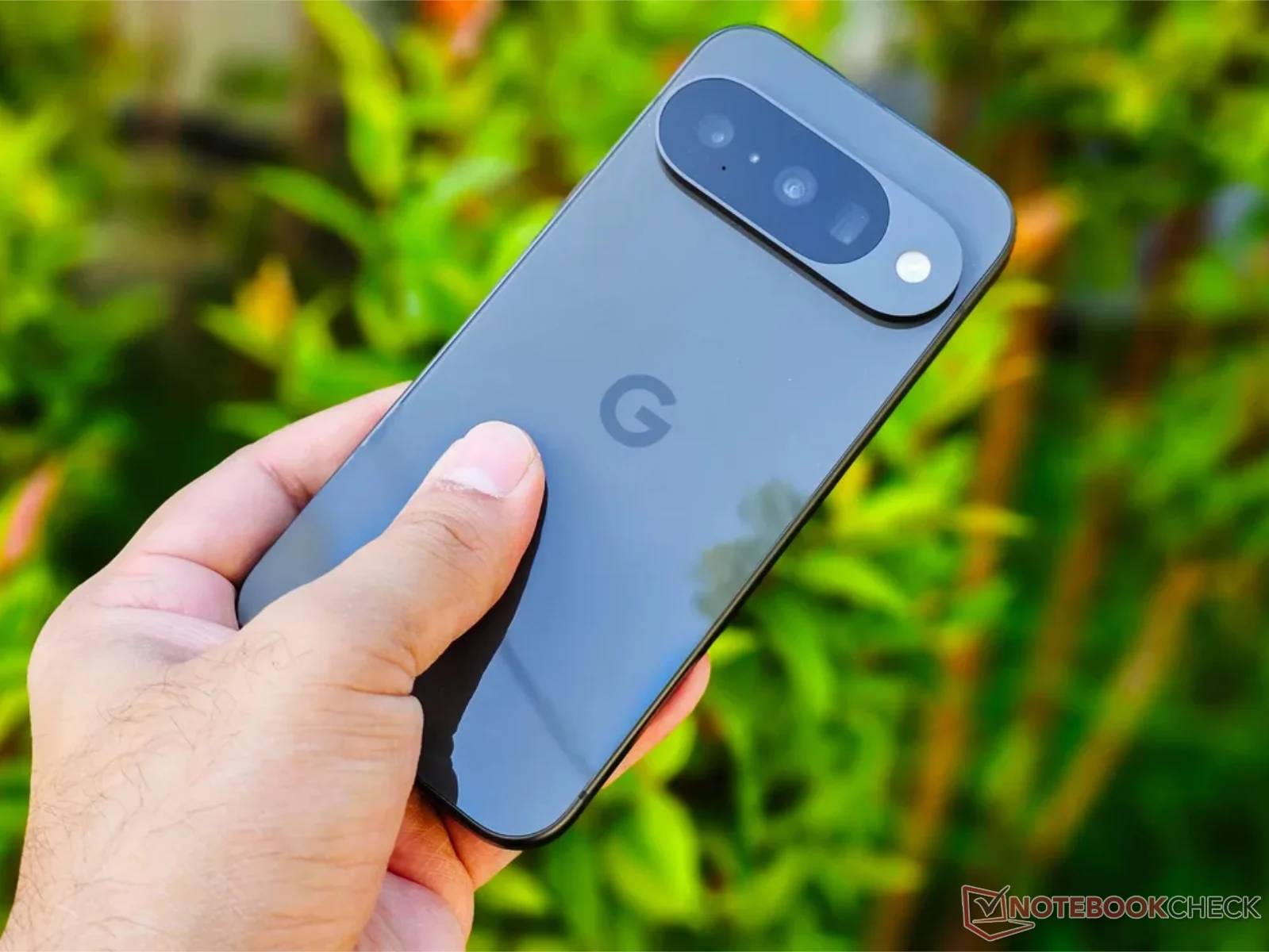
  • Pixel 10 and older Pixel phones face battery issues after recent updates

    Pixel 10 and older Pixel phones face battery issues after recent updates

    Key Takeaway

    1. The Google Pixel 10 series has experienced multiple issues since launch, including display problems and bugs in updates.
    2. Recent updates, particularly the March update, have caused significant battery drain and problems across Pixel 10 and older models.
    3. A specific bug causes Pixel devices to repeatedly activate their modems, preventing the devices from entering power-efficient standby mode.

    Problems with Pixel 10 Series Roll Out

    Seems like all just isn’t right in the world of Google’s Pixel 10 series, folks. This new generation of phones, launched back in August, faced some bumps from the start. Come February, the company added the Pixel 10a ($449) to the lineup, but it seems they can’t catch a break. The smartphones, which should be innovative and reliable, are turning out to be quite problematic. From display issues initially to serious battery drains now, it’s been a rough ride for users and developers alike.

    Display and Early Glitches

    First, users who got their hands on the Pixel 10 complained about serious display problems. These were big, clear issues that made their new device less appealing. Luckily, Google pushed out updates to fix those screen glitches, but sadly, new trouble started popping up. The updates meant to bring stability sometimes caused more bugs, leading to frustration amongst users. It’s like, every fix leads to another problem, and the cycle just keeps going.

    Battery Drains and Software Bugs

    The latest blow came with Google’s March update, where multiple users reported hefty battery issues. The update seems to shorten the lifespan of the battery significantly, hampering overall user experience. It affects not just the newest Pixel 10 phones but extends back to older models like the Pixel 7 series. What makes this more concerning is that Google hasn’t responded much to these reports yet, leaving users in a bit of limbo.

    The Technical Breakdown of the Issue

    In technical terms, logs show a bug that makes Pixel phones repeatedly turn on their modems — sometimes four times per second! This abnormal activity forces Google’s Tensor chips to stay active and prevents them from going into low-power standby mode. Such behavior leads to fast battery drainage and poor device performance. Everyone’s waiting for Google’s official comment, but till then, the problem persists, affecting peace of mind for many users.

  • Xiaomi Redmi K90 Max Outperforms Flagship Phones in Early Benchmarks

    Xiaomi Redmi K90 Max Outperforms Flagship Phones in Early Benchmarks

    Key Takeaway

    1. The Redmi K90 Max features powerful Dimensity 9500 and D2 graphics chips, outperforming other Dimensity 9500-backed smartphones on Geekbench.
    2. The device is expected to have CPU performance comparable to modern flagship phones and potentially come with up to 16 GB of RAM.
    3. Xiaomi is preparing to launch the Redmi K Pad 2 and Redmi K90 Max on April 21 in China.

    Redmi K90 Max’s Recent Geekbench Leak

    Xiaomi is all set to launch its latest line of Redmi gadgets soon, and news about the Redmi K90 Max is starting to get attention. The company confirmed that this device, along with the Redmi K Pad 2, will be launched on April 21 in China. The upcoming event is anticipated to draw many fans eager for new tech releases, particularly because of the Redmi K90 Max’s promising specs.

    Performance Metrics & Chips

    In recent Geekbench listings, the Redmi K90 Max has been showcasing its impressive hardware. Xiaomi has been breathing about the device’s powerful Dimensity 9500 processor and discrete D2 graphics chips on social media. The scores from Geekbench suggest that this phone comfortably beats other smartphones powered by the same Dimensity 9500 chip, such as the Oppo Find X9 Pro, showcasing its superior performance capacity.

    Real-World Comparison & RAM Options

    The CPU performance of the Redmi K90 Max appears to be quite on par with what we expect from modern flagship processors, supporting its status as a high-end device. This means it can compete with market leaders like the Galaxy S26 Ultra, Xiaomi 17 Ultra, and OnePlus 15, all of which are premium models that cost around $899. The listing also hinted that Xiaomi might offer the Redmi K90 Max with up to 16 GB of RAM, making it an appealing option for power users.


    Sources

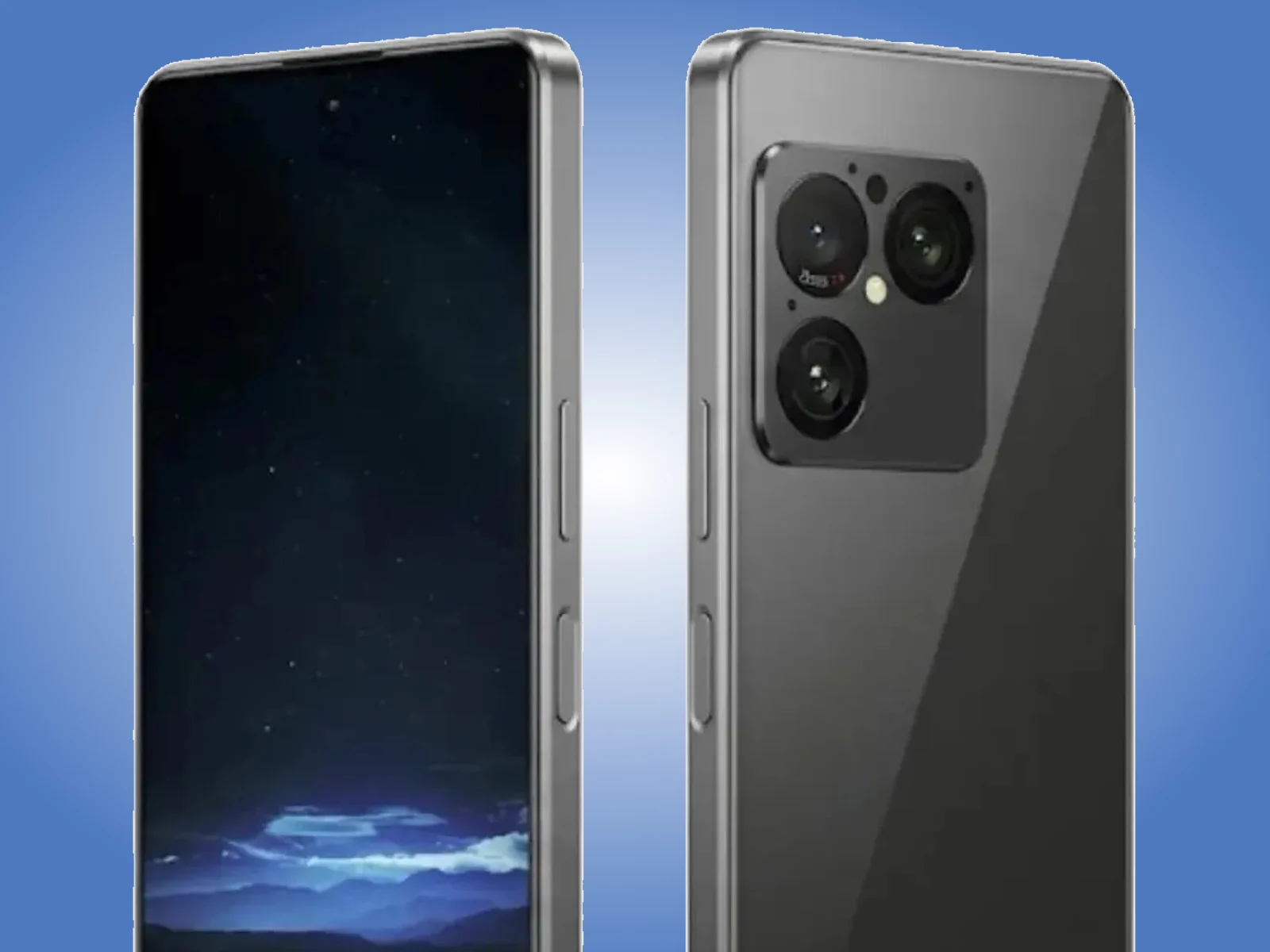
  • Sony Xperia 1 VIII Release Date Leaked Ahead of Schedule

    Sony Xperia 1 VIII Release Date Leaked Ahead of Schedule

    Key Takeaway

    1. Sony is developing the Xperia 1 VIII, likely to be released before the first anniversary of the Xperia 1 VII.
    2. The upcoming Xperia 1 VIII is FCC certified and expected to support 5G, Wi-Fi 7, and retain a 3.5mm headphone jack.
    3. The redesign of the Xperia 1 series is anticipated with the eighth-generation model.


    It appears that the long-awaited update about Sony planning to refresh the Xperia 1 series is real. In October, Qualcomm disclosed that Sony, along with Samsung, Xiaomi, and OnePlus, signed agreements to use their Snapdragon 8 Elite Gen 5. Multiple sources and signs over the past few months strongly suggest Sony is working on not just a new Xperia 1 but also a Xperia 10 device.

    Speculation and Certifications

    Sources have been buzzing with speculation, and recently, images of the Xperia 1 VIII renderings popped up online. These visuals give some idea about its design, yet full specifications remain a mystery. Meanwhile, monitoring agencies like the FCC have spotted a new Sony device with the code ‘PY7-30515Z,’ sparking rumors about which device it might be.

    Potential Launch Timeline and Features

    Although there’s no official confirmation, the timing suggests this could be the Xperia 1 VIII, especially since Sony tends to refresh its flagship lines around May. Interestingly, the FCC listing appeared a month before the previous Xperia 1 VII was documented in the same platform, hinting at an upcoming launch. Despite the uncertainty, the FCC approval confirms the device supports 5G and Wi-Fi 7 and still maintains a 3.5mm headphone jack. Reports indicate that the new Xperia 1 will undergo a comprehensive redesign for its eighth iteration.


    Sources
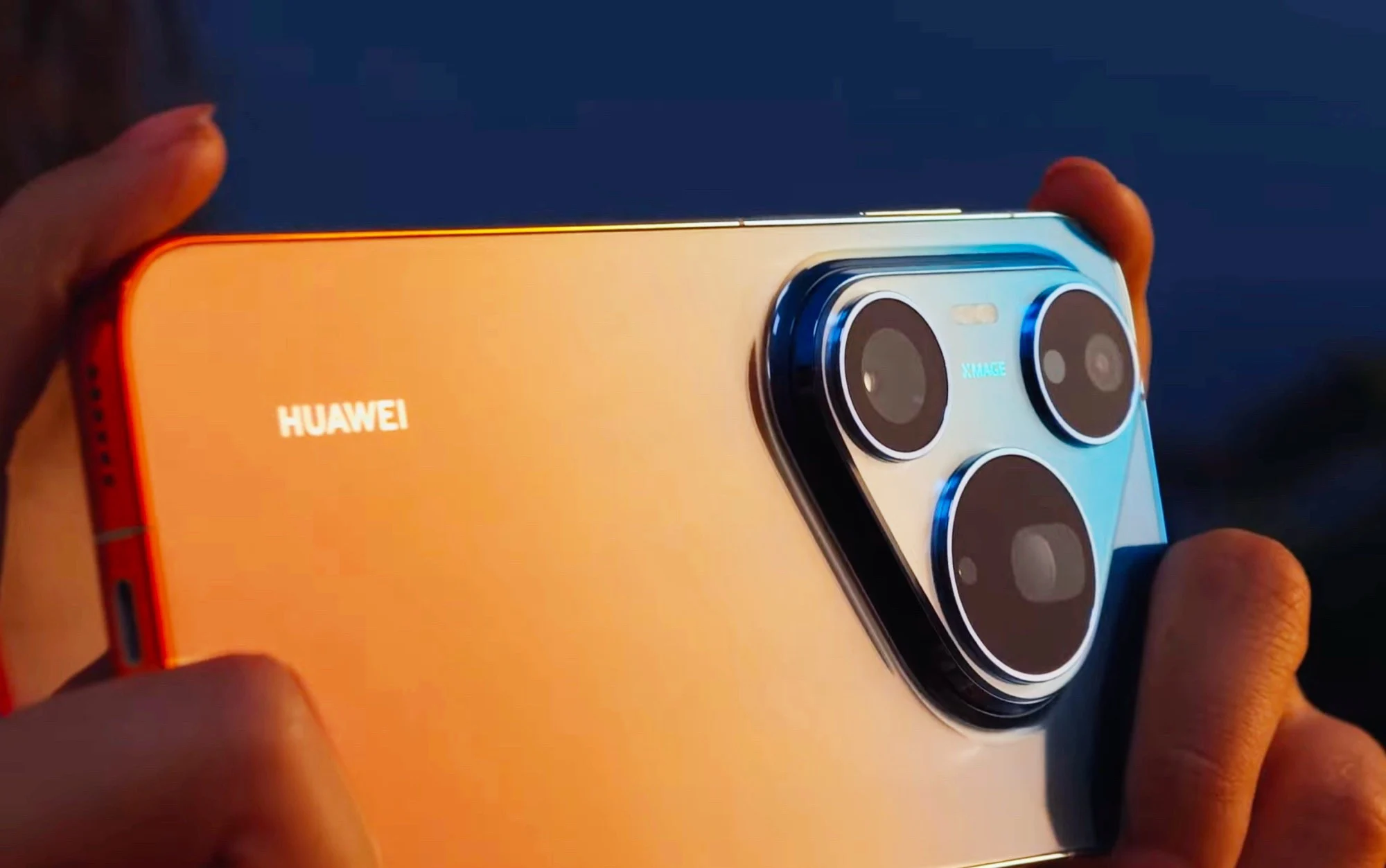
  • Huawei Pura 90 Pro Max with 200 MP Camera and 20x Zoom Video Review

    Huawei Pura 90 Pro Max with 200 MP Camera and 20x Zoom Video Review

    Key Takeaway

    1. The Huawei Pura 90 Pro Max features a 200 MP periscope telephoto camera with 20x zoom.
    2. An AI-powered pose suggestion feature is included to enhance selfie and portrait photography.
    3. The upcoming Huawei Pura 90 Pro and Max models are expected to have a 7,000 mAh battery, 100W fast charging, 120Hz LTPO AMOLED displays, and a 1-inch main camera sensor.

    Recent Teasers and First Look of the Huawei Pura 90 Series

    The upcoming Huawei Pura 90 Pro has been teased in several high-res images recently released, giving us a glimpse into its sleek design. To build anticipation, Huawei shared three new videos on Weibo, showcasing the phone in different usages. People are now curious about what this flagship can do, especially with the promising specs revealed in these sneak peeks.

    espectacular Camera Upgrades

    One of the videos focuses mainly on the camera’s new features, emphasizing a 200-megapixel periscope telephoto lens — an improvement over the previous model’s 48 MP f/2.1 camera. The clip shows a 20x zoom, and Pepsi Huawei claims that the results during zooming still look good, even at high magnifications. But, keep in mind, the footage shown might not be the most accurate reflection of real world results, since its authenticity can’t be fully verified. Still, this suggests Huawei aiming for superior imaging capabilities.

    Innovative AI Selfie Assistance

    The second teaser provides a fun look at an AI-powered feature designed to improve selfie shots. When you activate this mode, the camera suggests various pose ideas, displayed as white outlines on the screen. This function seems perfect for people wanting to get more creative or just looking for some guidance to take better portraits. Honestly, this is a clever addition, aiming to make every selfie a little more interesting and less boring.

    Sample Photos and Rumored Specs

    The third video showcased a sequence of sample images taken with the device, but the colors seem a bit muted or low in saturation. Still, this gives us a rough idea about the camera’s potential. According to rumors, the Huawei Pura 90 Pro and Pro Max will launch very soon, possibly on Monday, April 20. Expectations include a massive 7000 mAh battery with 100W fast charging, 120 Hz LTPO AMOLED screens, and a main camera with a 1-inch sensor—these are impressive specs that position it as a top-tier flagship.

    Sources
  • Phone Maker Sues 300+ Influencers Over Negative Brand Image Leak

    Phone Maker Sues 300+ Influencers Over Negative Brand Image Leak

    Key Takeaway

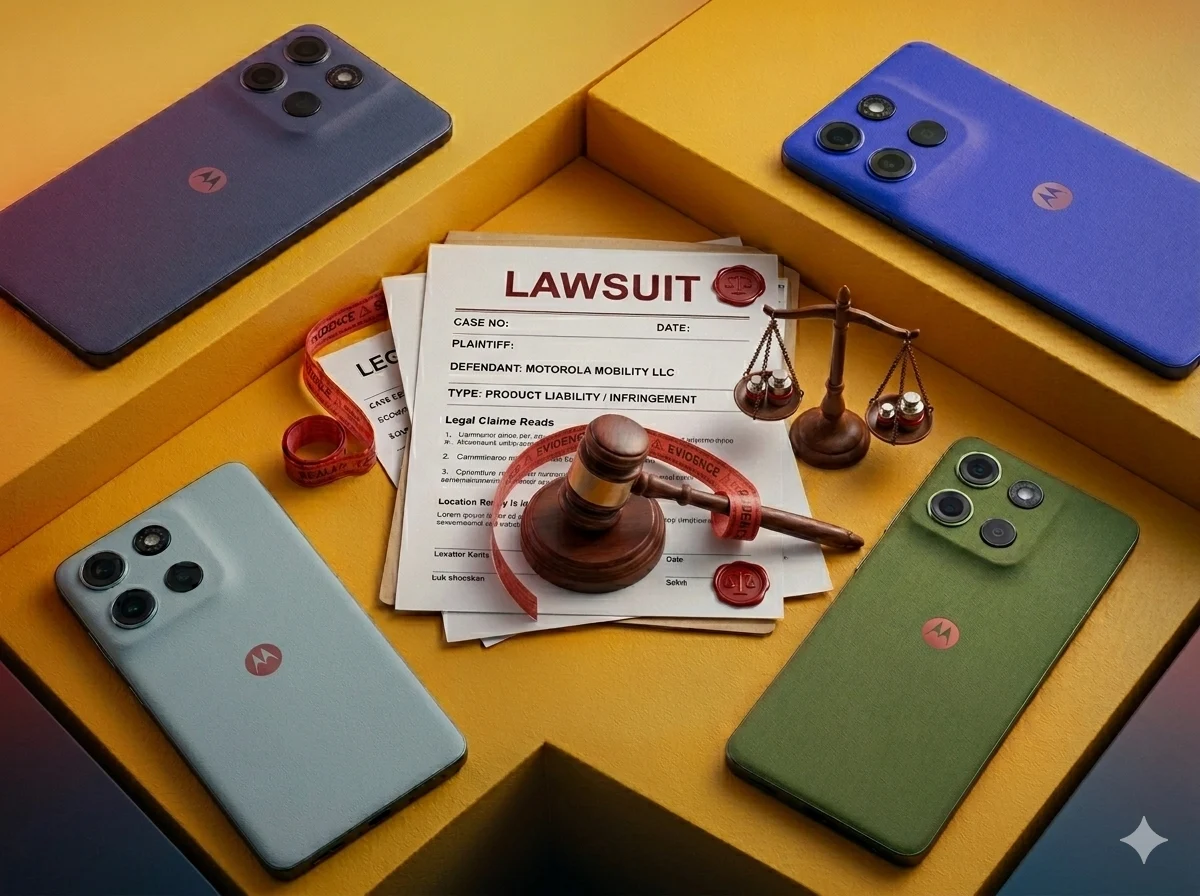
    1. A major smartphone brand, possibly Motorola, has filed lawsuits against over 300 social media accounts and influencers in India for posting negative content.
    2. The move has sparked debate about whether such legal actions suppress genuine feedback or serve as protection against paid campaigns.
    3. No official court filings or statements have been released, making the case’s impact on brand reputation and online speech potentially precedent-setting.

    Major Brand Takes Legal Action Against Social Media Influencers in India

    In a remarkable move that might be a first in the smartphone industry, a leading brand has taken legal action against over 300 social media accounts and influencers in India. They claim these accounts are spreading “negative content” that damages their reputation, which is a highly unusual step in the tech world. This shows how seriously the brand is taking its online image, especially in a rapidly growing market like India.

    Details Emerge Through a Prominent Tipster

    The news was first shared on April 14, 2026, by Yogesh Brar, a well-known figure who often shares insights about smartphones. His post gained a lot of attention, but interestingly, he did not specify the brand involved. Many comments, however, suggest it’s Motorola, a company owned by Lenovo, based on clues like their recent “AI+” marketing campaign and plans for rapid expansion in India. It’s clear that people are closely watching how brands handle online criticism.

    Controversy and Public Debate

    This situation has caused quite a stir in Indian tech communities. Some critics say the lawsuits might be used as a way to silence honest feedback about product quality or customer service, rather than fixing actual issues. On the flip side, others argue that protecting the brand’s image from paid or false information is necessary. The debate highlights the delicate balance between free speech and corporate reputation management online.

    Legal Actions and Future Implications

    As of now, neither Motorola nor any other company involved has made any official statements or filed publicly accessible court documents. Still, this case could influence how companies deal with online criticism in India’s highly competitive smartphone race. The outcome may set a new standard for managing social media disputes and protecting brand integrity in the future.

    Sources
  • Trump T1 Phone Gets New Design and Specs Again

    Trump T1 Phone Gets New Design and Specs Again

    Key Takeaway

    1. The Trump T1 Phone was launched in June 2025 with pre-orders beginning earlier, but buyers have yet to receive the promised device.
    2. The actual product differs significantly from initial advertising, including manufacturing outside the USA, design changes, and altered specifications.
    3. The phone appears to be a modified HTC U24 Pro with a similar feature set and a controversial US flag branding, raising questions about the final specifications and delivery.

    Introduction of the Trump T1 Phone

    In June 2025, the Trump T1 Phone hit the market, and folks were able to start pre-ordering it. The price tag was set at $499, with customers having to put down a $100 deposit to secure their place in line. Despite the big buzz and pre-order success, many were disappointed when the actual device fell short of what was initially promised.

    Manufacturing & Design Changes

    The initial claim was that the Trump T1 Phone would be made in the USA, but that turned out to be incorrect. Instead, the design shifted to resemble a gold version of the Samsung Galaxy S26 Ultra worth around $1,299, or the iPhone 16 Pro, but no clear delivery date has been shared almost a year later. Specifications have been changing multiple times, causing confusion among the early buyers. In February, Tesla Mobile finally presented what they called the final design, but even then, it was not the original idea, as a customized version appeared on their official page with further specification updates.

    Design & Technical Specs

    The latest look of the Trump T1 Phone resembles a typical mid-tier smartphone with a metal frame. The distinctive features include a color scheme and the US flag on the back that gives it a patriotic vibe. It visually and technically resembles the HTC U24 Pro from 2024 quite a lot. Trump Mobile claims it has a somewhat bigger 5,000 mAh battery, but it charges at a slow 30 watts. The rest of the features are quite similar to the HTC U24, like a 50 MP selfie camera, 50 MP main camera, 8 MP ultra-wide camera, and a 50 MP telephoto lens with 2x zoom. The phone boasts a 6.78-inch AMOLED display that runs at 120 Hz, promising a smooth viewing experience. They mention a Qualcomm Snapdragon 7 series chipset, but details are still vague. Whether this will be the final specs or if the device will ever be shipped remains uncertain.

    Final Thoughts

    It’s clear that the Trump T1 Phone has faced numerous delays and modifications, leaving potential buyers unsure if they’ll ever actually get the device they were promised. The whole rollout seems quite chaotic, and only time will tell if Trump Mobile will stick to their latest claims or continue to change the game plan without delivering the final product.


    Sources

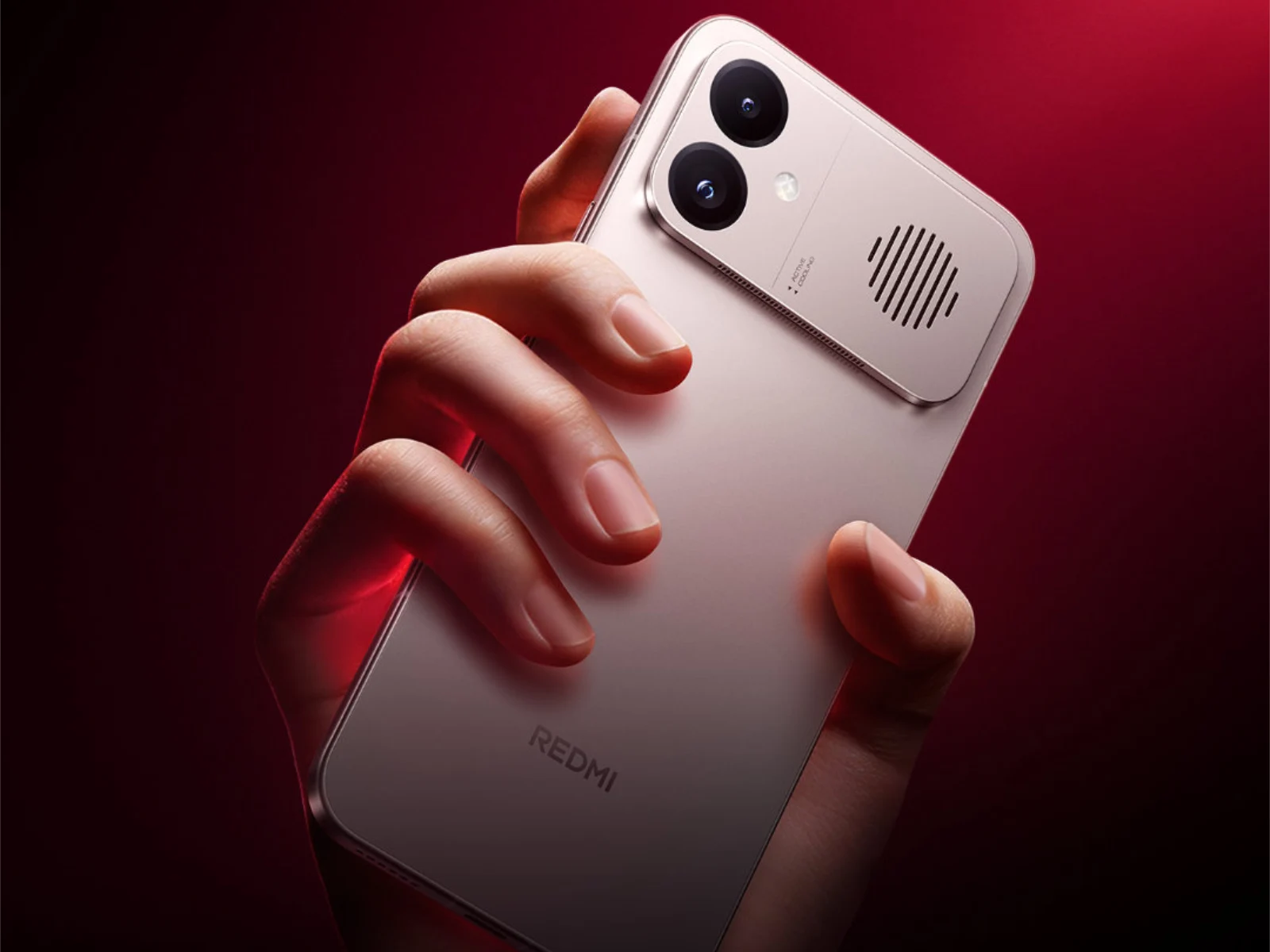
  • Xiaomi’s New Affordable Smartphone with 6.9-Inch Screen Launches

    Xiaomi’s New Affordable Smartphone with 6.9-Inch Screen Launches

    Key Takeaway

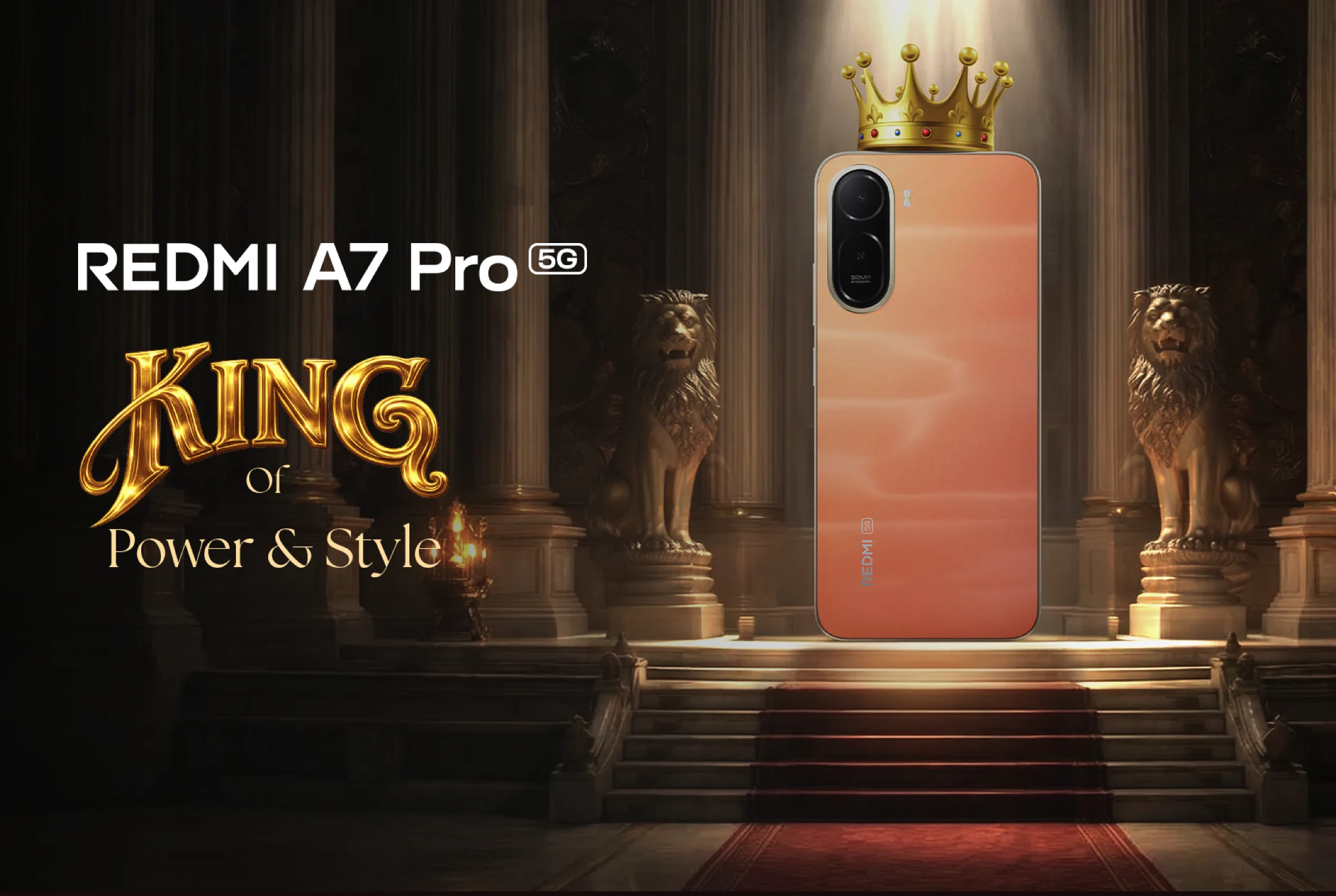
    1. Redmi A7 Pro features a 6.9-inch HD+ display with a 120 Hz refresh rate and a 6,300 mAh battery supporting 15 W wired and 7.5 W reverse charging.
    2. It is powered by a Unisoc T8300 processor, 4 GB RAM, and up to 128 GB internal storage, with microSD expansion support.
    3. The device runs Android 16-based HyperOS 3 with promises of four years of major OS updates and six years of security patches.
    4. Camera setup includes a 32 MP main sensor and an 8 MP front camera; additional features include IP52 water resistance, side-mounted fingerprint sensor, headphone jack, USB-C, WiFi, and Bluetooth 5.4.
    5. Priced starting at INR 11,499 (~$125), the Redmi A7 Pro will be available from April 15 on Xiaomi India’s official channels.

    Introduction of the Redmi A7 Pro in India

    Xiaomi has recently launched the Redmi A7 Pro in India, marking its debut into the Pro-series within the A lineup. This phone is known for its enormouse display size and powerful battery, making it stand out among budget smartphones. The device sports a 6.9-inch HD+ screen boasting a crispy 120 Hz refresh rate and an impressive peak brightness of 800 nits, perfect for bright outdoor viewing and smooth scrolling.

    Specifications and Hardware Details

    The design choices for this phone are quite interesting with Xiaomi opting for a Unisoc processor. The Redmi A7 Pro runs on a Unisoc T8300 chipset combined with 4 GB of LPDDR4X RAM and up to 128 GB UFS 2.2 storage, with support for expansion through a microSD card slot. Powering the phone, there’s a huge 6,300 mAh battery that supports 15 W wired charging, which is further complemented by 7.5 W reverse wired charging capability. This massive battery ensures prolonged usage even during heavy tasks or long trips.

    Software and Update Policy

    The smartphone comes with Android 16-based HyperOS 3 right out of the box. Xiaomi has clearly shown commitment by promising four years of major OS updates, going up to Android 20, along with six years of security patches until 2032. While this is very commendable, it’s worth noting that this update schedule still falls short in comparison to Samsung’s Galaxy M36 5G, which offers six years of updates and security patches. The software experience provides reliability despite being an entry-level device, highlighting Xiaomi’s dedication to longevity.

    Photography & Additional Features

    • Primary Camera: 32 MP sensor
    • Front Camera: 8 MP for selfies
    • Other features include side-mounted fingerprint sensor, 3.5 mm headphone port, USB-C connector, and IP52 water resistance rating.
    • Connectivity: WiFi and Bluetooth 5.4

    Design, Colors, and Pricing

    The Redmi A7 Pro offers three attractive color options: mist blue, sunset orange, and classic black. Pricing starts at INR 11,499 (~$125) for the base configuration with 4 GB RAM and 64 GB storage. The 4 GB + 128 GB model costs INR 12,499 (~$135). Customers can expect the device to be available starting April 15, through Xiaomi India’s website and authorized retailers, making it accessible to a wide array of users seeking affordability with decent specifications.


    Sources