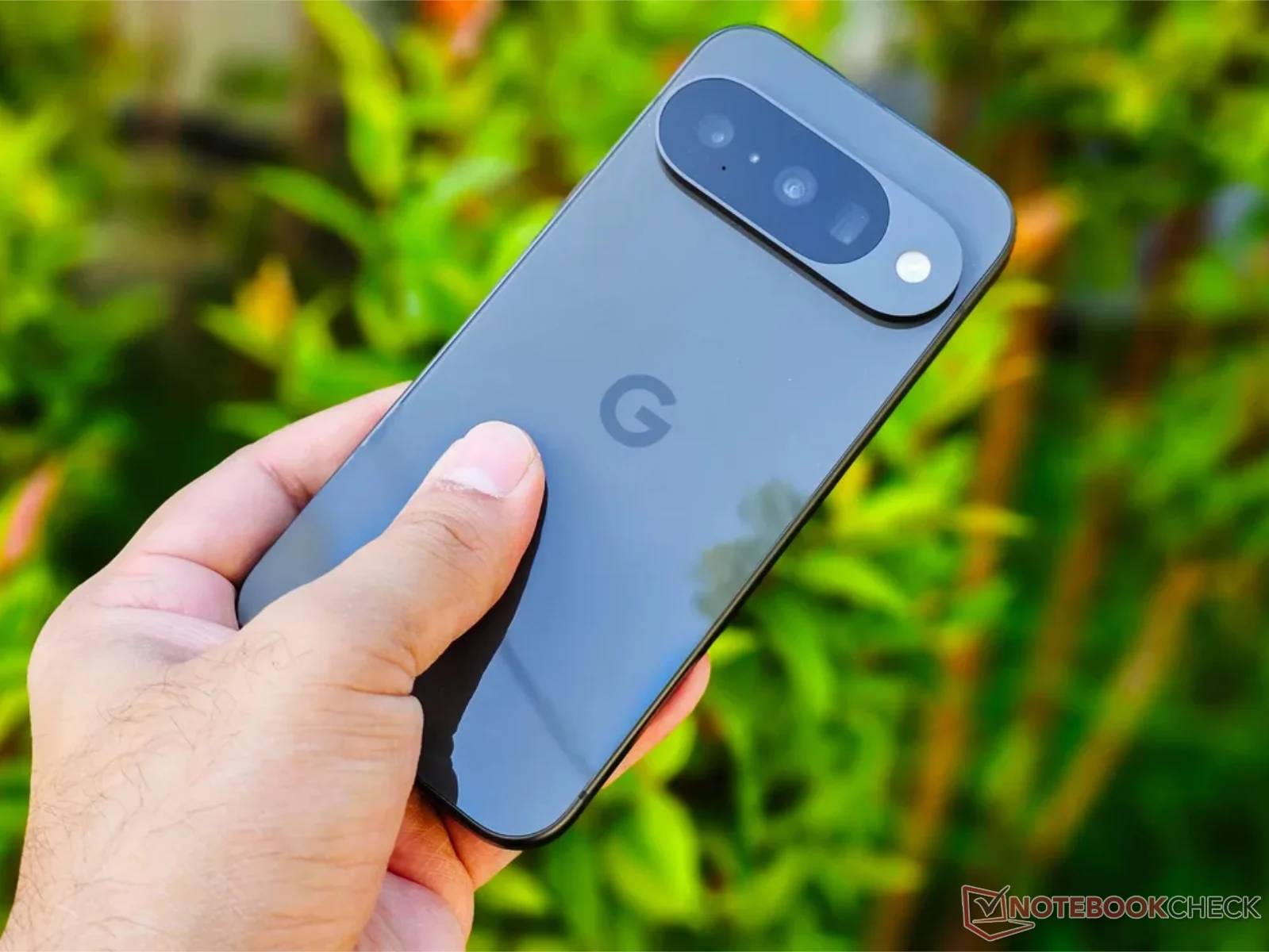
1. The Google Pixel 10 series has experienced multiple issues since launch, including display problems and bugs in updates.
2. Recent updates, particularly the March update, have caused significant battery drain and problems across Pixel 10 and older models.
3. A specific bug causes Pixel devices to repeatedly activate their modems, preventing the devices from entering power-efficient standby mode.
Problems with Pixel 10 Series Roll Out
Seems like all just isn’t right in the world of Google’s Pixel 10 series, folks. This new generation of phones, launched back in August, faced some bumps from the start. Come February, the company added the Pixel 10a ($449) to the lineup, but it seems they can’t catch a break. The smartphones, which should be innovative and reliable, are turning out to be quite problematic. From display issues initially to serious battery drains now, it’s been a rough ride for users and developers alike.
Display and Early Glitches
First, users who got their hands on the Pixel 10 complained about serious display problems. These were big, clear issues that made their new device less appealing. Luckily, Google pushed out updates to fix those screen glitches, but sadly, new trouble started popping up. The updates meant to bring stability sometimes caused more bugs, leading to frustration amongst users. It’s like, every fix leads to another problem, and the cycle just keeps going.
Battery Drains and Software Bugs
The latest blow came with Google’s March update, where multiple users reported hefty battery issues. The update seems to shorten the lifespan of the battery significantly, hampering overall user experience. It affects not just the newest Pixel 10 phones but extends back to older models like the Pixel 7 series. What makes this more concerning is that Google hasn’t responded much to these reports yet, leaving users in a bit of limbo.
The Technical Breakdown of the Issue
In technical terms, logs show a bug that makes Pixel phones repeatedly turn on their modems — sometimes four times per second! This abnormal activity forces Google’s Tensor chips to stay active and prevents them from going into low-power standby mode. Such behavior leads to fast battery drainage and poor device performance. Everyone’s waiting for Google’s official comment, but till then, the problem persists, affecting peace of mind for many users.