Category: Phones

Stay updated with the latest phone news, reviews, and trends. Discover cutting-edge smartphones, features, and innovations in our Phones category at GizNewsDaily

  • Trump urges Apple to produce more iPhones in the US instead of India

    Trump urges Apple to produce more iPhones in the US instead of India

    Key Takeaways

    1. Trump expressed concerns about Apple increasing iPhone production in India, preferring that devices for the US be made domestically.
    2. He reinforced expectations for Apple to invest $500 billion in US operations, with assurances from Tim Cook for increased domestic production.
    3. Trump highlighted the Mac Pro assembly in Texas as an example of Apple’s domestic production, though it is an extension of existing operations.
    4. Experts warn that relocating iPhone production to the US could raise costs significantly, potentially increasing prices by 25% or more.
    5. Following Trump’s comments, Apple’s stock saw a minor decline, and the company’s manufacturing strategies remain under scrutiny amid global trade tensions.


    US President Donald Trump, during a state visit to Qatar, shared details of a recent discussion with Apple CEO Tim Cook. In this conversation, he expressed his worries about the company’s rising iPhone production in India. Trump mentioned, “I had a little problem with Tim Cook yesterday… I don’t want you building in India.” He indicated that while Apple could still produce iPhones for the Indian market in India, devices meant for the US should be manufactured domestically.

    Trump’s Investment Expectations

    Trump reinforced his desire for Apple to stick to its previous promise of investing $500 billion into US operations. He asserted that Cook assured him of an increase in production within the United States, although no specifics or timelines were disclosed.

    Manufacturing Concerns

    Previously, Donald Trump has shown apprehensions about Apple’s manufacturing in the US, especially beyond just iPhones. He pointed out the Mac Pro, which Apple assembles in Austin, Texas, as a significant example. In November 2019, Trump visited the facility with Tim Cook, commending the company’s efforts in domestic production. However, this was more of an extension of ongoing operations rather than a brand-new project.

    Challenges of Relocation

    Experts note that shifting iPhone production entirely to the US would be a tough task due to Apple’s well-established supply chains in Asia. Moving manufacturing operations could lead to a steep increase in production costs because of higher labor expenses and an underdeveloped electronics manufacturing environment. Analysts predict this shift could raise iPhone prices by 25% or even more.

    After Trump’s comments, Apple’s stock experienced a minor decline, closing at $211.46 in the latest trading session.

    Praise for Leadership

    Trump has previously complimented Cook’s leadership, stating in 2024, “If Tim Cook didn’t run Apple, and Steve Jobs did, it wouldn’t be nearly as successful.” He also reminisced about Cook reaching out to him directly in 2019 concerning tariff matters, contrasting that with the actions of typical lobbyists.

    As global trade tensions persist, Apple’s manufacturing strategies are closely monitored by investors and policymakers alike.

    Source:
    Link
  • OnePlus 15 Camera Specs Leaked: Next-Gen Flagship Phone Insights

    OnePlus 15 Camera Specs Leaked: Next-Gen Flagship Phone Insights

    Key Takeaways

    1. The OnePlus 15 may feature a triple rear camera setup with three 50MP lenses, currently under testing.
    2. It is speculated to have a 6.78-inch flat LTPO display and will be powered by the Snapdragon 8 Elite 2 chipset.
    3. The phone might come with a large 7,800mAh battery, an upgrade from the OnePlus 13’s 6,000mAh.
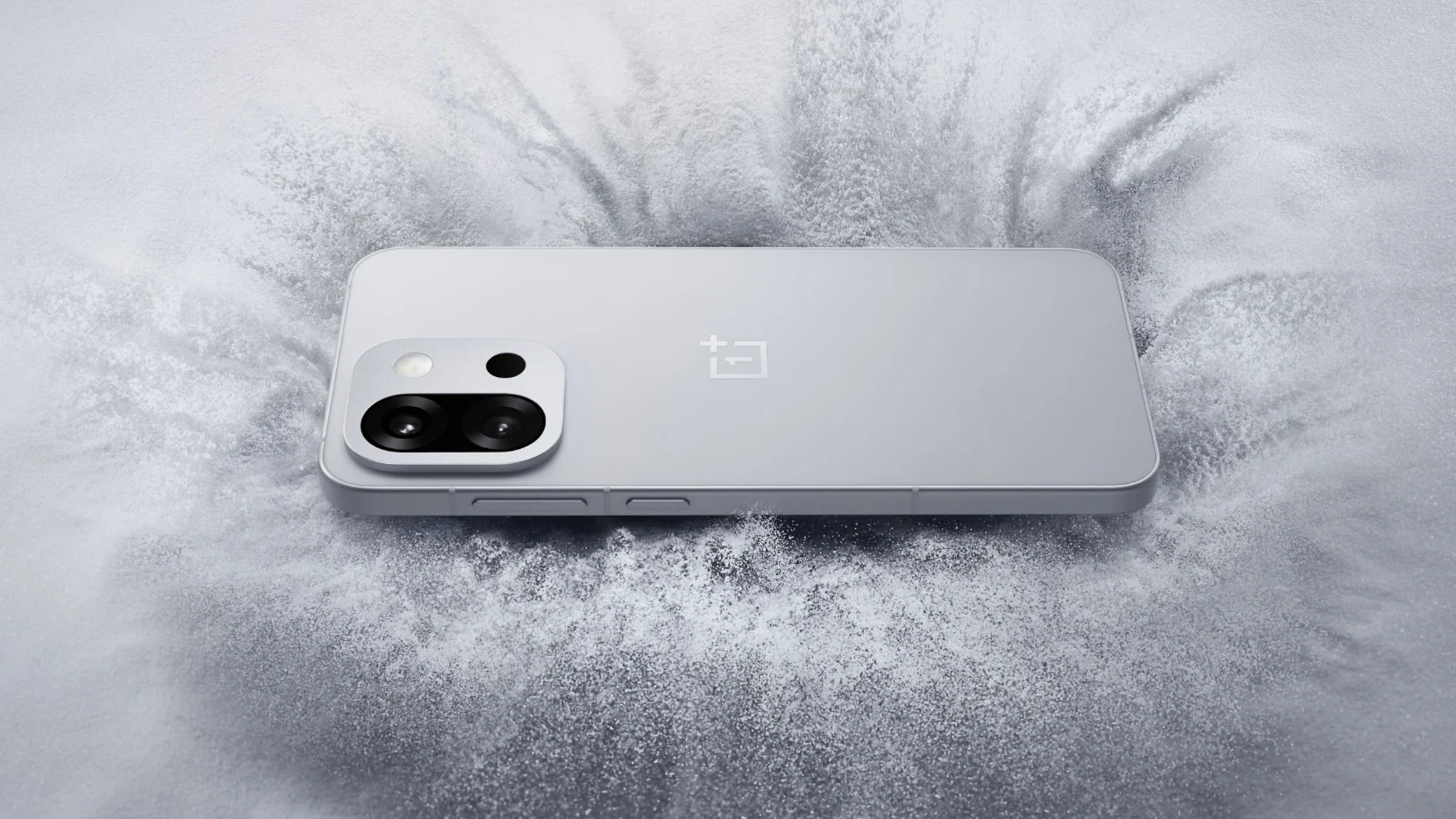
    4. The design of the OnePlus 15 could resemble that of the iPhone, as part of a new design language for OnePlus.
    5. The expected launch for the OnePlus 15 is in late 2025 for China, with a global release in early 2026, though details are not yet confirmed.


    The OnePlus 13 is a top-tier smartphone that comes equipped with the Snapdragon 8 Elite chipset. Recently, there have been some leaks and whispers about its upcoming successor, likely named the OnePlus 15.

    Camera Setup Speculations

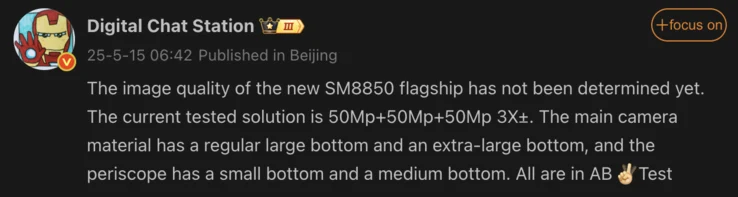
    According to the tipster Digital Chat Station, there are hints about the camera setup for the OnePlus 15. It’s being speculated that the device might flaunt a triple rear camera arrangement, which includes a 50MP main sensor, a 50MP ultra-wide lens, and a 50MP periscope telephoto lens featuring 3X optical zoom. However, the tipster notes that this camera configuration is still under consideration, as the company is performing A/B testing on different lens sizes.

    Display and Performance Details

    Earlier leaks have indicated that the OnePlus 15 could sport a 6.78-inch flat LTPO display with a resolution of 1.5K. As a flagship smartphone, it is anticipated to be powered by the next-generation Snapdragon 8 Elite 2 chipset. Rumors also suggest that it will house a significant 7,800mAh battery. For context, the OnePlus 13 (currently priced at $877 on Amazon) features a slightly larger 6.82-inch display and has a battery capacity of 6,000mAh.

    Design Language and Launch Timeline

    A few months back, the company revealed plans for a new design language for its upcoming phones. The tipster claims that the OnePlus 15 might take on a design similar to that of the iPhone.

    The anticipated launch for the OnePlus 15 in the Chinese market is set for the fourth quarter of 2025, while its global release could happen in early 2026. However, it’s important to take this information with caution, as OnePlus has yet to officially confirm any details about the phone.

    Source:
    Link


  • Itel Launches City 100 Smartphone with AI Features and Remote Control

    Itel Launches City 100 Smartphone with AI Features and Remote Control

    Key Takeaways

    1. Itel’s City 100 is a budget-friendly smartphone designed for emerging markets in Africa, Asia, and the Middle East, priced under $100.
    2. The device features an 8-core Unisoc T7250 CPU, a 6.75-inch LCD screen with a 90 Hz refresh rate, and operates on Pure 14.5 OS (a modified Android 14).
    3. The City 100 offers various memory configurations, with up to 24 GB of usable RAM and storage options of 128 GB or 256 GB, starting at approximately $85.
    4. It is equipped with a 5,200 mAh battery, 18-watt fast charging, an IP64 rating for dust and water resistance, and includes a 13 MP rear camera and an 8 MP front camera.
    5. Unique features include DeepSeek R1 AI for touch-free functionalities, an infrared remote control for home devices, and a promotional offer of free Itel MagSpeakers with purchase.


    Itel has recently introduced the City 100, a budget-friendly smartphone that is loaded with features, specifically designed for markets in Africa, Asia, and the Middle East.

    Market Position

    Transsion, a Chinese smartphone manufacturer, focuses on emerging markets with affordable devices priced below $100 under the Itel brand. In 2024, the company achieved the rank of fourth in global smartphone sales, having dispatched 106.7 million units.

    Specs and Performance

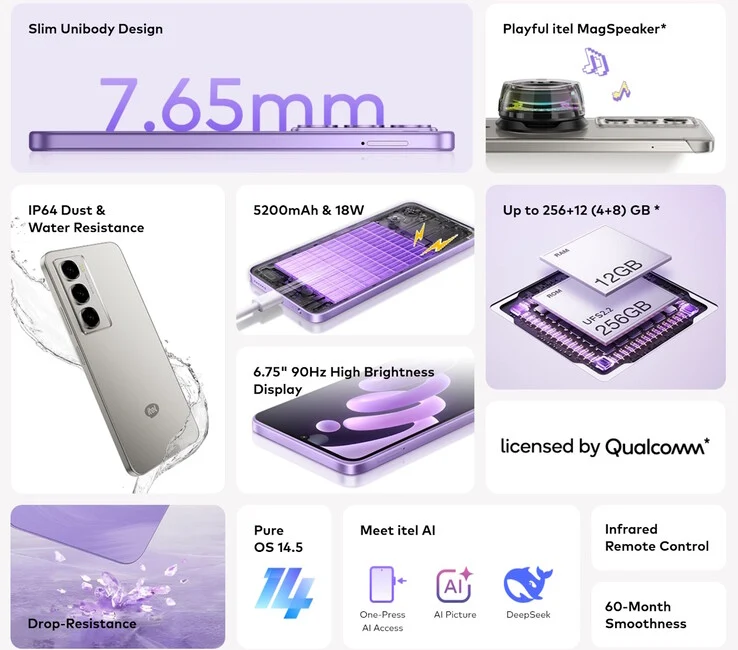
    The City 100 is equipped with an 8-core Unisoc T7250 CPU, which delivers performance similar to that of Snapdragon 680, and operates on the Pure 14.5 OS, a modified version of Android 14. While the Unisoc processor isn’t the quickest, it is adequate for everyday activities like browsing the web and using social media. The smartphone features a 6.75-inch LCD screen, which, despite its lackluster resolution of 1,600 x 720, can achieve a brightness of 700 nits and supports a 90 Hz refresh rate.

    Memory and Storage Options

    Offered in several configurations, the City 100 comes with 4, 6, or 8 GB of physical RAM, with additional virtual RAM providing a total of 12, 18, or 24 GB of usable RAM, respectively. Storage options include 128 GB or 256 GB. The model with 24 GB of RAM and 128 GB of storage in colors like fairy purple, pure titanium, or navy blue has a suggested retail price of 1,399,000 Indonesian Rupiah (approximately $85).

    Battery and Features

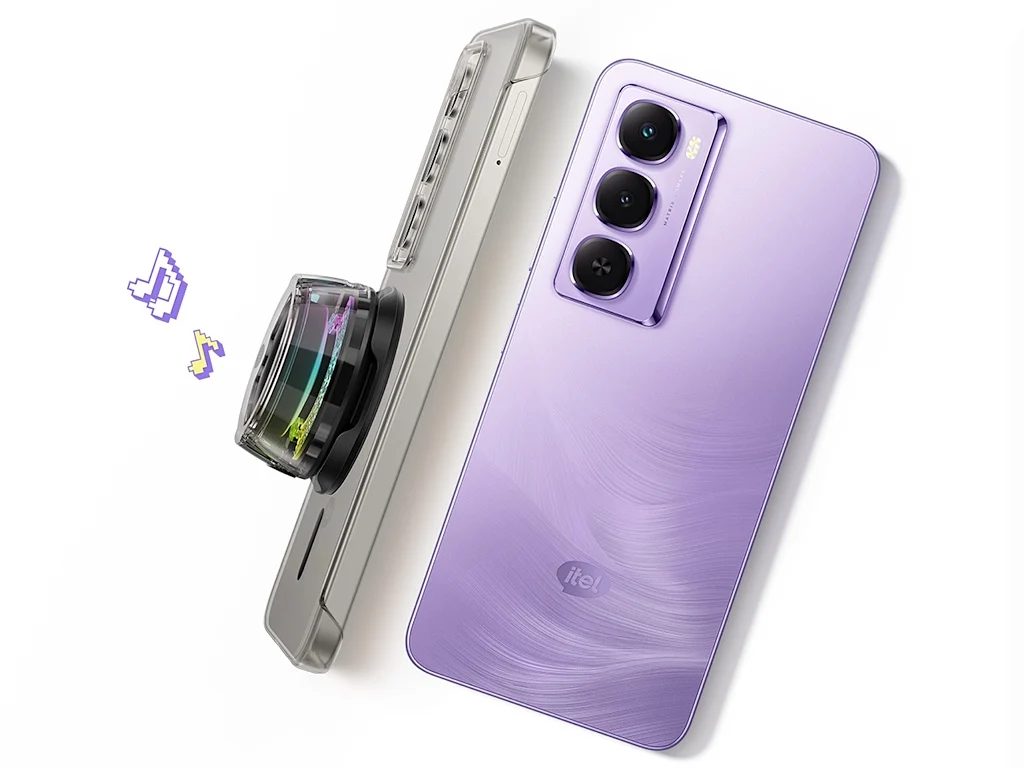
    Packed with many common features, the City 100 has a large 5,200 mAh battery that supports 18-watt fast charging. It also boasts an IP64 rating for dust and water resistance, can withstand drops from 1.5 meters (4.9 feet), and has a sleek body measuring just 7.65 mm thick. Other features include a rear magnetic mount, a 13 MP rear camera, and an 8 MP front camera.

    Unique Functionalities

    One of the standout features of the City 100 is its DeepSeek R1 AI, integrated into a one-touch access button located on the side of the phone. This enables various functionalities like text translation, image-to-text OCR, and assistance with writing and shopping. Users can also manage apps, calls, and music through touch-free hand gestures.

    Additional Perks

    In a rarity for modern smartphones, the City 100 includes an infrared (IR) remote control feature, allowing users to switch TV channels, modify AC settings, and adjust other IR-controlled devices. As an added bonus, a limited number of Itel MagSpeakers will be offered for free with each purchase while supplies last.

    Readers in America should note that Itel does not distribute its phones there, meaning they will have to explore budget Nokia smartphones available on Amazon instead.

    Source:
    Link


  • Galaxy S25 FE Leak Confirms SoC Rumors Are False

    Galaxy S25 FE Leak Confirms SoC Rumors Are False

    Key Takeaways

    1. Samsung is launching the budget-friendly Galaxy S25 FE with the Exynos 2400 SoC.
    2. The device may also consider the Dimensity 9400 as an alternative processor.
    3. Geekbench testing confirmed the Galaxy S25 FE uses the Exynos 2400, not the Exynos 2400e.
    4. Both the Galaxy S25 FE and Galaxy Z Flip FE will share the same SoC for cost-saving.
    5. The Galaxy S25 FE will feature 8 GB of RAM and run on Android 16 with One UI 8.0.


    Samsung is set to release its budget-friendly flagship, the Galaxy S25 FE. Initially, it was expected that this device would come equipped with the Exynos 2400e SoC, the same processor used in its predecessor. However, new information has surfaced suggesting that Samsung might also be looking at the Dimensity 9400 as an alternative. A recent listing on Geekbench has clarified these rumors.

    Geekbench Insights

    The Galaxy S25 FE (model SM-S731U) appeared on Geekbench featuring the original Exynos 2400 SoC, not the Exynos 2400e. While the difference between the two chips is minimal, with the latter having a slightly quicker Prime CPU core, it can be said that the Galaxy S25 FE is a step up. However, in day-to-day usage, you may not notice much of a difference compared to the Galaxy S24 FE.

    Shared Technology

    Notably, both the Galaxy S25 FE and the Galaxy Z Flip FE will utilize the same SoC. This decision appears to be a strategic move to save costs, especially since Samsung likely has leftover Exynos 2400 dies from the previous year. Overall, the Exynos 2400 is a capable chip that performs better than its predecessors. Unfortunately, this version of the Galaxy S25 FE still comes with just 8 GB of RAM, though it does run on Android 16 customized with One UI 8.0.

    Source:
    Link


  • Android FRP Update Requires Second Reset to Prevent Theft

    Android FRP Update Requires Second Reset to Prevent Theft

    Key Takeaways

    1. Smartphones remain popular targets for theft, prompting Google to enhance Factory Reset Protection (FRP).
    2. Current FRP measures require the last used Google account or screen-lock information after a reset, but criminals have found ways to bypass these protections.
    3. Android 15 introduces stronger FRP features that prevent unauthorized account creation and app installations during the setup process.
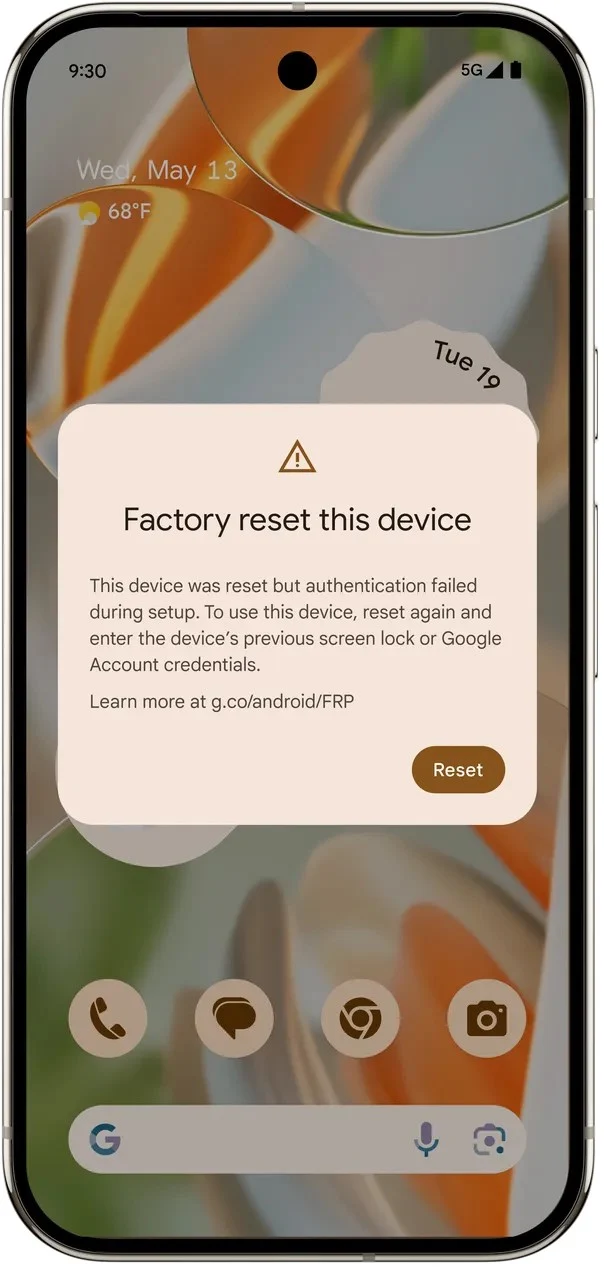
    4. The new FRP enhancement will require a second factory reset and original credentials if an unauthorized reset is detected.
    5. Stolen Android phones reset outside proper settings will soon be completely unusable, losing resale value for thieves.


    Smartphones are still major targets for thieves, and Google’s Factory Reset Protection (FRP) has been an attempt to make stolen phones useless. Recently, the company discussed a stronger version of FRP that will be introduced later this year.

    Existing FRP Measures

    Currently, FRP activates when a device is reset via recovery mode or through Google’s Find My Device service. During the setup process, the phone requires the last used Google account or screen-lock information; without this, the activation cannot proceed. The mechanism that enforces this requirement is kept in secure storage and remains intact after a reset, but criminals have discovered methods to bypass the setup wizard and regain some basic functions.

    Enhancements in Android 15

    Android 15 has already addressed multiple vulnerabilities by preventing new account creation, changes to screen locks, and app installations when the setup wizard is bypassed. The next enhancement goes even further: if Android notices an unauthorized reset or a bypass of the wizard, it will require a second factory reset and will not boot until the original credentials are provided. A message shown during The Android Show: I/O Edition makes it clear—if authentication fails, the device loops back to a reset screen, disabling all features, including making calls.

    Google has stated that this upgraded FRP will be available “later this year.” Since Android 16 is anticipated to launch in June and this feature is not included in the latest beta, it is likely that the upgrade will come in a later Quarterly Platform Release instead of on launch day.

    Impact on Stolen Devices

    If the timeline remains accurate, stolen Android phones that are reset outside the proper settings will soon be entirely unusable. Owners who manage to get their devices back can still unlock them using their previous passcode or Google account, but anyone else will find themselves with a locked device that holds no resale value.

    Source:
    Link


  • Xiaomi Unveils XRING 01: New Self-Developed Smartphone SoC

    Xiaomi Unveils XRING 01: New Self-Developed Smartphone SoC

    Key Takeaways

    1. Xiaomi is set to launch its first smartphone chipset, named “XRING 01,” in late May.
    2. The XRING 01 will be manufactured using TSMC’s 4nm technology and features a 1+3+4 core configuration.
    3. The chipset’s prime core will operate at 3.2 GHz, with three performance cores at 2.5 GHz and four efficiency cores at 2.0 GHz.
    4. The XRING 01 is expected to deliver strong performance, potentially comparable to the Snapdragon 8 Gen 2, but may not match the latest flagship chipsets.
    5. This marks Xiaomi’s first in-house chipset launch since the Surge S1 in 2017, making it a significant milestone for the company.


    After a long time filled with leaks and speculation, Xiaomi, the Chinese smartphone manufacturer, has finally revealed that it will soon launch its own smartphone chipset. This new system-on-chip (SoC) has been officially named “XRING 01.”

    Announcement from CEO

    Today, Xiaomi’s CEO, Lei Jun, shared the news on his Weibo account that the XRING 01 is set to debut this month, specifically in late May. This timing aligns with earlier reports that suggested a similar timeframe for the launch.

    Specifications and Performance

    Although Xiaomi has not provided extensive details about the XRING 01, recent leaks suggest that the chipset will be manufactured using TSMC’s 4nm technology. It is expected to have a 1+3+4 core configuration, with one prime core operating at 3.2 GHz, three performance cores at 2.5 GHz, and four efficiency cores running at 2.0 GHz. The specific types of these cores remain unknown, and the final version may feature some changes.

    As per reports from Digital Chat Station, the XRING 01 is anticipated to deliver strong performance, although it may not match up to the latest flagship chipsets such as the Snapdragon 8 Elite or Dimensity 9400 series. A previous leak suggested that the Xiaomi chipset might perform comparably to the Snapdragon 8 Gen 2. Given that this is Xiaomi’s first in-house chipset launch since the Surge S1 in 2017, achieving this level of performance would likely be seen as a significant achievement.

    Source:
    Link


  • Samsung Galaxy S23 Leaked with One UI 8 Features

    Samsung Galaxy S23 Leaked with One UI 8 Features

    Key Takeaways

    1. The Galaxy S23 series is receiving the stable One UI 7.0 update globally, which includes the April 2025 security patch.
    2. Geekbench reveals that Galaxy S23 models are operating on Android 16, while the S23 Ultra has not been included in these findings.
    3. All Galaxy S23 devices use the Snapdragon 8 Gen 2 for Galaxy platform and have at least 8GB of RAM.
    4. One UI 7.0 introduces new Galaxy AI features like Note Assist, Call Assist, and Interpreter, along with the Google Gemini app.
    5. One UI 8 is expected to bring updates like stricter security measures from Android 16 and enhanced features, with current models available for around $600 in Renewed condition.


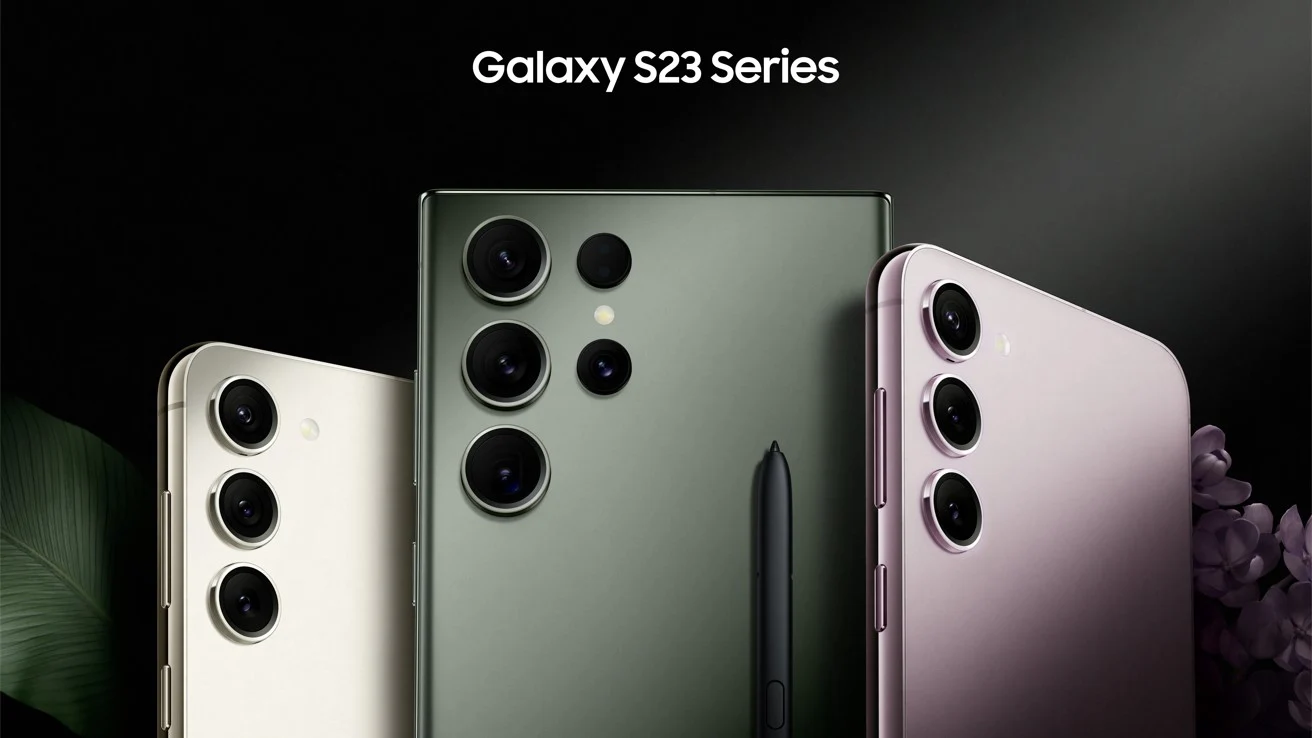
    The Galaxy S23 series, which was once the top Android lineup, is currently in the process of receiving the stable One UI 7.0 software update globally. This update includes the April 2025 security patch, but there are whispers that an even newer version of this software might come soon.

    New Discoveries on Geekbench

    Recent findings on Geekbench have revealed several “Galaxy S23” models, all showing they are operating on Android 16 instead of the Android 15 that serves as the base for One UI 7. The devices identified include the standard S23 (also known as Samsung SM-911U) and the larger S23+ (model SM-S916U). However, the top-tier S23 Ultra (model SM-S918U) has not appeared in these leaks up until now.

    Specifications and Features

    All these devices utilize the Snapdragon 8 Gen 2 for Galaxy platform and are equipped with a minimum of 8GB of RAM. One UI 7.0 primarily introduces new Galaxy AI features, including Note Assist, Call Assist, and Interpreter, and it also adds the Google Gemini app to the phones. It’s worth noting that the S Pen features on the S23 Ultra, which are particularly useful, remain unchanged.

    What to Expect from One UI 8

    It is believed that One UI 8 will bring incremental updates to the features introduced so far. However, it could also implement the stricter security measures of Android 16, enhanced use of UWB, and Live Updates on these devices that are about two years old. Even the most powerful models are currently available for around $600 in Renewed condition on Amazon, as of now.

    Source:
    Link


  • Samsung Galaxy S25 Edge Hands-On: Battery and Performance Insights

    Samsung Galaxy S25 Edge Hands-On: Battery and Performance Insights

    Key Takeaways

    1. The Galaxy S25 Edge is very thin at 5.8 mm, but lacks a telephoto camera and has a smaller 3,900 mAh battery.
    2. Despite the smaller battery, the S25 Edge performs well, trailing the S25+ by only 2% after 3 hours and 20 minutes of testing.
    3. The S25+ has a larger 4,900 mAh battery and shows slightly better performance in benchmark tests, with a 5% advantage over the S25 Edge.
    4. In Geekbench 6, the S25+ scores 3,095 in single-core and 9,753 in multi-core tests, while the S25 Edge scores 2,889 and 9,282, respectively.
    5. Performance differences may be minor and could be due to software optimization, as the S25 Edge might be running on an early software build.


    Samsung has just unveiled the Galaxy S25 Edge this week, and the response has been quite mixed. This flagship smartphone is impressively thin at just 5.8 mm, but some users are worried about the absence of a telephoto camera and the smaller 3,900 mAh battery. Nevertheless, it seems that the battery issue might not be as serious as first thought.

    Battery Performance Insights

    According to a hands-on video by the Korean channel Amazing ddongcan, the Galaxy S25 Edge holds its own against the Galaxy S25+ in terms of battery life, despite the notable difference in battery size. The S25+ features a larger 4,900 mAh battery, while the S25 Edge has a 3,900 mAh one. After 3 hours and 20 minutes of testing, the thinner model is only 2% behind, and it trails by 5% after 7 hours and 22 minutes.

    Benchmark Results Comparison

    However, when it comes to benchmark tests, the S25+ does have a slight edge over the S25 Edge. In Geekbench 6, the S25+ achieves a single-core score of 3,095 and a multi-core score of 9,753. In contrast, the S25 Edge scores 2,889 and 9,282, showing about a 5% advantage for the S25+ (you can buy it on Amazon).

    The differences in performance also show up in the 3DMark WildLife stress test. The S25+ recorded a top loop score of 20,049, while the S25 Edge managed 18,138. Additionally, the S25+ demonstrated better stability at 50.5%, compared to the S25 Edge’s 45.6%.

    Minor Differences in Performance

    It’s important to note that the differences in benchmark performance between these two devices are relatively minor and could be attributed to software optimization, since the S25 Edge might still be on an early software build. Furthermore, it’s essential to mention that both smartphones were tested while connected to Wi-Fi and in airplane mode.

    Source:
    Link

  • Snapdragon 7 Gen 4: Faster CPU, Wi-Fi 7, Bluetooth 6.0 Features

    Snapdragon 7 Gen 4: Faster CPU, Wi-Fi 7, Bluetooth 6.0 Features

    Key Takeaways

    1. Performance Enhancements: Snapdragon 7 Gen 4 offers a 27% increase in CPU speed, a 30% boost in GPU capabilities, and a 65% improvement in NPU performance over its predecessor.

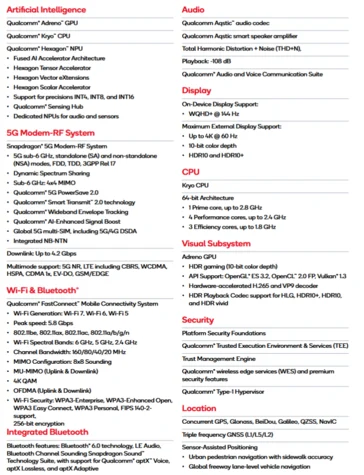
    2. Redesigned Core Structure: The SoC features a new layout with 1 prime core at 2.8 GHz, 4 performance cores at 2.4 GHz, and 3 efficiency cores at 1.8 GHz.

    3. Advanced Imaging Features: Equipped with a triple 12-bit Spectra ISP, it can capture images up to 200 MP and record 4K video at 30 FPS or 1080P at 120 FPS.

    4. Connectivity Options: Supports sub-6 GHz 5G, Wi-Fi 7, Bluetooth 6.0, and various Qualcomm audio codecs like aptX Lossless.

    5. Memory and Storage Flexibility: Configurable with LPDDR5-4200 memory and supports UFS storage options, including UFS 4.0, with USB-C operating at USB 3.1 speeds.


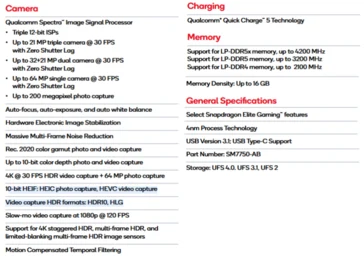
    Qualcomm has introduced its latest System on Chip (SoC) aimed at upper-mid-range smartphones. The Snapdragon 7 Gen 4 (SM7750-AB) follows the Snapdragon 7 Gen 3 and is set to launch with the Honor 400 series shortly. Qualcomm boasts impressive performance improvements, claiming a 27% increase in CPU speed, a 30% boost in GPU capabilities, and a whopping 65% enhancement in NPU performance compared to the previous generation.

    New Core Layout

    The improvement in CPU speed comes from a redesigned core structure, featuring 1 prime core running at 2.8 GHz, 4 performance cores clocked at 2.4 GHz, and 3 efficiency cores operating at 1.8 GHz. The Adreno GPU, while details remain vague, supports various codecs including HLG, HDR10+, HDR10, and HDR vivid. Qualcomm hasn’t provided extensive information about the Hexagon NPU, but it claims that it can handle AI tasks such as Stable Diffusion locally.

    Advanced Imaging Capabilities

    Launching with a triple 12-bit Spectra ISP, the Snapdragon 7 Gen 4 can capture still images up to 200 MP and supports 10-bit color depth for both photo and video. It can record video at resolutions of up to 4K at 30 FPS or 1080P at 120 FPS in HDR and HLG formats. For wireless connectivity, the SoC includes sub-6 GHz 5G, Wi-Fi 7, Bluetooth 6.0, Bluetooth LE, and compatibility with Qualcomm’s audio codecs like aptX Lossless and aptX Adaptive.

    Memory and Storage Options

    Lastly, manufacturers have the option to configure the Snapdragon 7 Gen 4 with a maximum of LPDDR5-4200 memory. It also supports LPDDR4X-3200 and LPDDR4-2100 memory modules. Storage options include UFS 4.0, UFS 3.1, and UFS 2. The USB-C port included with the SoC operates at USB 3.1 speeds. Qualcomm has produced the Snapdragon 7 Gen 4 using an undisclosed 4 nm process technology.


  • Oppo Reno 14 Pro: 50MP Cameras, IP69, and 6200mAh Battery

    Oppo Reno 14 Pro: 50MP Cameras, IP69, and 6200mAh Battery

    Key Takeaways

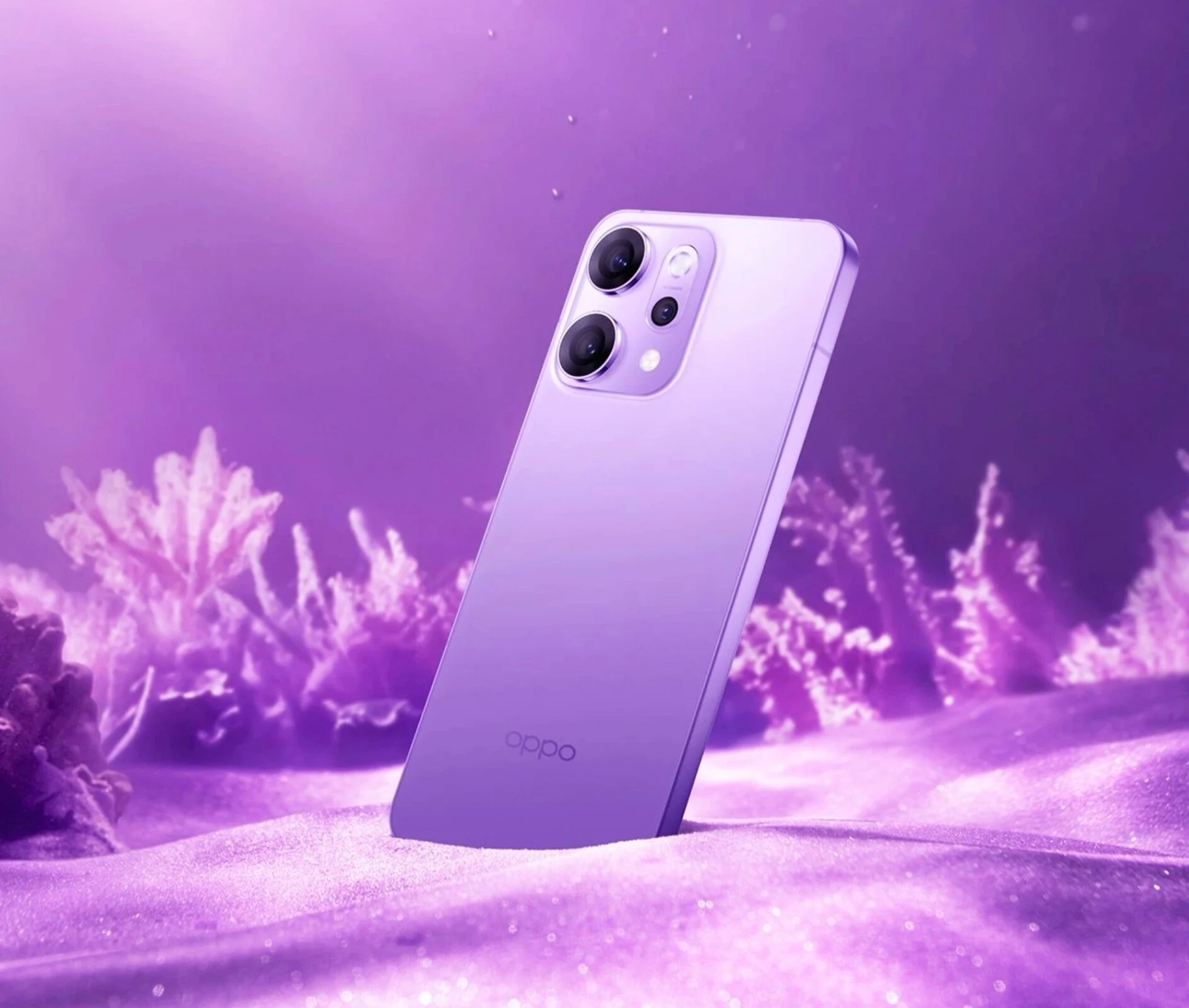
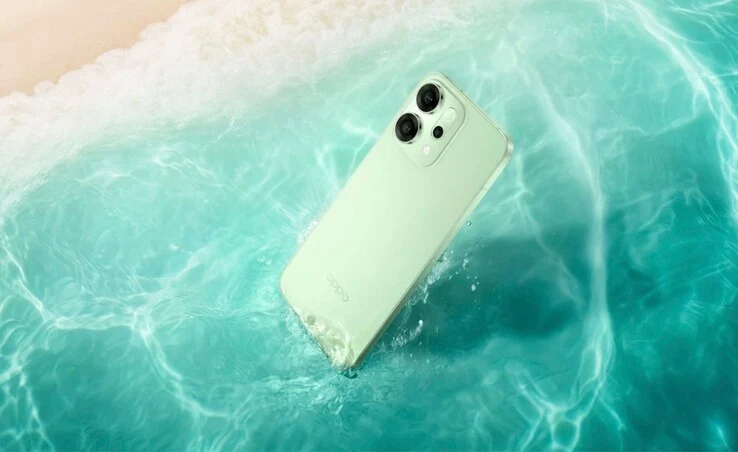
    1. The Oppo Reno 14 Pro features a modest design with a striking back available in purple, black, or white colors, enhanced by a wavy pattern.
    2. It has an impressive camera system with four 50 MP cameras, capable of capturing 4K video at 60 fps, and offers an IP69 waterproof rating.
    3. The smartphone is powered by a 6,200 mAh battery with 80W fast charging and runs on a MediaTek Dimensity 8450 chipset.
    4. The Oppo Reno 14 Pro has a 6.83-inch display with a resolution of 2,800 x 1,272, a 120 Hz refresh rate, and a peak brightness of 1,200 nits.
    5. Pricing in China starts at 3,499 yuan (about $485) for the Reno 14 Pro, while the Reno 14 is priced at 2,799 yuan (around $388), with no international release details announced yet.


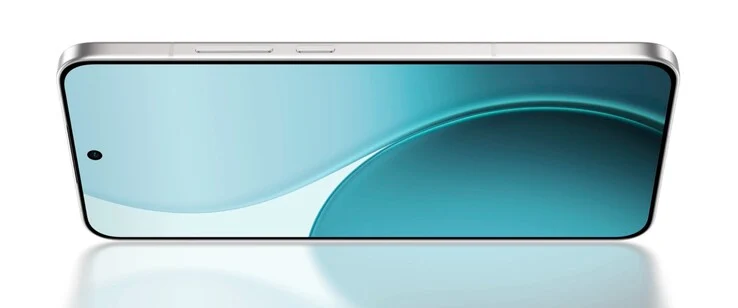
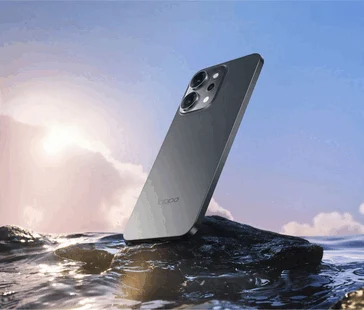
    At first look, the newly released Oppo Reno 14 Pro seems like a typical mid-range smartphone. Oppo has chosen a rather modest design featuring a flat screen, straight edges, and a nearly square camera layout. The back of the phone is its most eye-catching aspect, available in striking colors like purple, black, or white, all adorned with a wavy pattern. But when you take into account the price, the specifications become quite appealing.

    Impressive Camera System

    This waterproof mid-range phone boasts an IP69 rating and includes four 50 MP cameras. This includes a 50 MP f/2.0 front-facing camera, a 50 MP f/1.8 main camera equipped with OIS, a 50 MP f/2.0 ultra-wide-angle lens, and a 50 MP f/2.8 telephoto camera that offers 3.5x optical zoom. Both the front and rear cameras can capture 4K video at 60 frames per second. Additionally, Oppo has equipped the device with a 6.83-inch display that has a resolution of 2,800 x 1,272, a refresh rate of 120 Hz, and a peak brightness of 1,200 nits, along with a built-in fingerprint sensor.

    Battery and Performance

    The device is powered by a substantial 6,200 mAh battery that can be charged through USB-C at speeds of up to 80 watts. It operates on a MediaTek Dimensity 8450 chipset. The more affordable Oppo Reno 14 has a design that closely resembles the Pro version but is a bit smaller, featuring a 6.59-inch screen and a slightly smaller 6,000 mAh battery. The core features of both phones are mostly the same, with the entry-level model running on an older MediaTek Dimensity 8350 and having a less advanced 8 MP f/2.2 ultra-wide camera.

    Pricing and Availability

    In China, the Oppo Reno 14 is priced at 2,799 yuan (around $388) for the version with 12 GB RAM and 256 GB of storage, while the premium variant with 16 GB RAM and 1 TB of storage is available for 3,799 yuan (about $527). The Reno 14 Pro, with 12 GB RAM and 256 GB of storage, is sold at 3,499 yuan (approximately $485), and the model featuring 16 GB RAM and 1 TB storage costs 4,499 yuan (roughly $624). Details regarding an international release have yet to be disclosed by Oppo.

    Source:
    Link