Category: Phones

Stay updated with the latest phone news, reviews, and trends. Discover cutting-edge smartphones, features, and innovations in our Phones category at GizNewsDaily

  • Xiaomi’s In-House SoC Leak: Disappointing Details Revealed

    Xiaomi’s In-House SoC Leak: Disappointing Details Revealed

    Key Takeaways

    1. Xiaomi is preparing to launch its own chipset called “Xring,” with an anticipated reveal soon.
    2. The “Xring” chipset is expected to perform similarly to Qualcomm’s Snapdragon 8 Gen 2, suggesting a focus on balanced performance.
    3. It will be manufactured using TSMC’s 4nm technology, featuring a 1+3+4 core setup with varying clock speeds.
    4. The specifications of the “Xring” chipset are not yet confirmed and may change.
    5. The chipset is likely to debut in the Xiaomi 15S Pro, a special edition phone for the Chinese market.


    Xiaomi seems to be getting ready to launch a new chipset that they designed themselves. This chipset, known as “Xring,” has been found in some of the company’s code, and it’s anticipated to be revealed soon. However, more information about it has leaked ahead of the official announcement.

    Performance Expectations

    According to information shared by WhyLab, the “Xring” chipset is expected to be on par with Qualcomm’s Snapdragon 8 Gen 2, which is their top chipset from 2022. This suggests that “Xring” might be similar to Google’s Tensor series, meaning it could be a system on chip (SoC) that doesn’t focus solely on high performance.

    Technical Specifications

    The leak reveals that “Xring” will be manufactured using TSMC’s 4nm technology and will have a core setup of 1+3+4. This means it will include one main core operating at 3.2 GHz, three performance cores running at 2.5 GHz, and four efficiency cores at 2.0 GHz. These specifications are reportedly “subject to confirmation by Xiaomi,” so they might not be completely accurate.

    Device Compatibility

    It’s still unclear which device will use the “Xring” chipset. Most reports suggest that it will first appear in the Xiaomi 15S Pro. This phone is rumored to be a special edition only for the Chinese market and is also expected to share many components with the Xiaomi 15 Pro, which is powered by the Snapdragon 8 Elite.

    Source:
    Link


  • Apple’s Anniversary iPhone: No Bezels, No Punch-Hole, New Battery

    Apple’s Anniversary iPhone: No Bezels, No Punch-Hole, New Battery

    Key Takeaways

    1. The iPhone 16 Pro shows minor changes from the iPhone 15 Pro, with the iPhone 17 Pro expected to have similar minimal differences except for a larger camera module.
    2. The iPhone 18 Pro is rumored to feature a smaller punch-hole design, hiding Face ID sensors beneath the AMOLED display.
    3. A major redesign is planned for the iPhone 20th anniversary in 2027, as supported by reports from ET News and Bloomberg.
    4. The anticipated iPhone 19 Pro may have a completely bezel-less screen with the selfie camera and Face ID components positioned invisibly beneath the display.
    5. Advances in battery technology are expected, with the upcoming model potentially featuring a silicon battery that eliminates carbon, offering higher energy density for improved battery life and design.


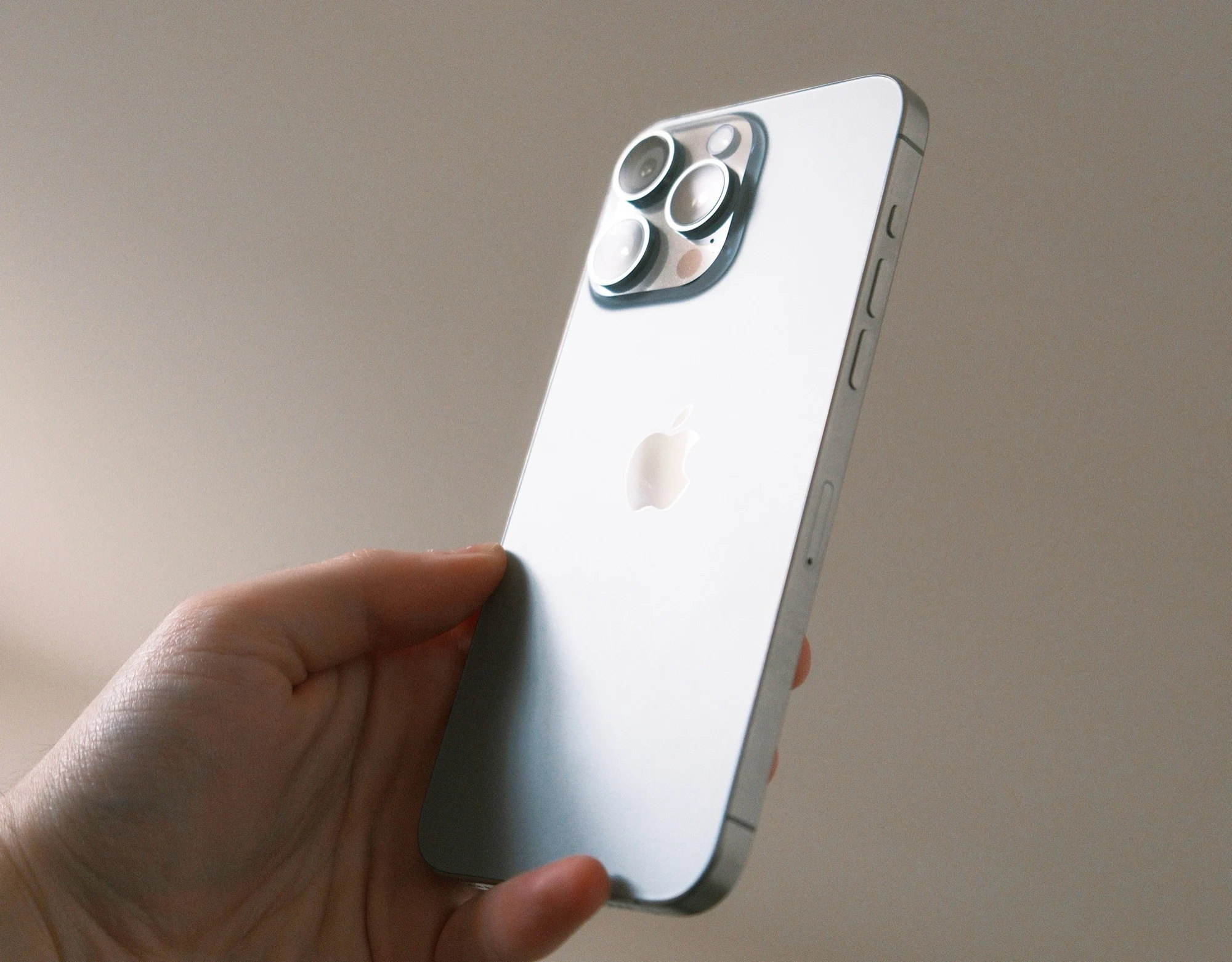
    The Apple iPhone 16 Pro shows only minor changes from its predecessor, the iPhone 15 Pro. It’s predicted that the iPhone 17 Pro will not vary much either, except for a bigger camera module. Looking ahead, the iPhone 18 Pro is rumored to feature a smaller punch-hole, as the Face ID sensors are said to be hidden beneath the AMOLED display. A report from the Korean publication ET News backs up previous claims from Bloomberg, indicating that Apple is gearing up for a major redesign to celebrate the 20th anniversary of the iPhone in 2027.

    New Features on the Horizon

    The anticipated iPhone 19 Pro is expected to sport a completely bezel-less screen. This innovation will be achieved by slightly rounding the AMOLED display and the glass cover at all four corners, resulting in an almost perfect screen-to-body ratio of nearly 100%. The selfie camera will also contribute to this design, as it’s planned to be positioned invisibly beneath the display for the first time on an iPhone. The rest of the Face ID components will also be placed underneath the screen next year if the speculations are accurate.

    Battery Technology Advancements

    In another exciting development, the upcoming model may feature a silicon battery that eliminates carbon entirely from its cathode. Achieving 100% silicon content would mark a major step forward, as today’s silicon-carbon batteries in smartphones typically contain less than 20% silicon. Such a battery could potentially offer higher energy density, allowing for either much longer battery life or a sleeker design without sacrificing battery capacity.

    Source:
    Link

  • TCL CSOT Launches Real RGB OLED Tech for Next-Gen Smartphones

    TCL CSOT Launches Real RGB OLED Tech for Next-Gen Smartphones

    Key Takeaways

    1. TCL CSOT’s Inkjet Printed (IJP) technology is ready for widespread use in Real RGB OLED panels.
    2. The new OLED panels feature a “super retina-level” pixel arrangement for a wide color range and dynamic range.
    3. The panels achieve “million-level” contrast for exceptional display performance.
    4. Mass production of these panels is expected to begin in the latter half of 2025.
    5. The Real RGB OLED technology is not yet suitable for smaller smartphones, with availability for compact models expected around October 2025.


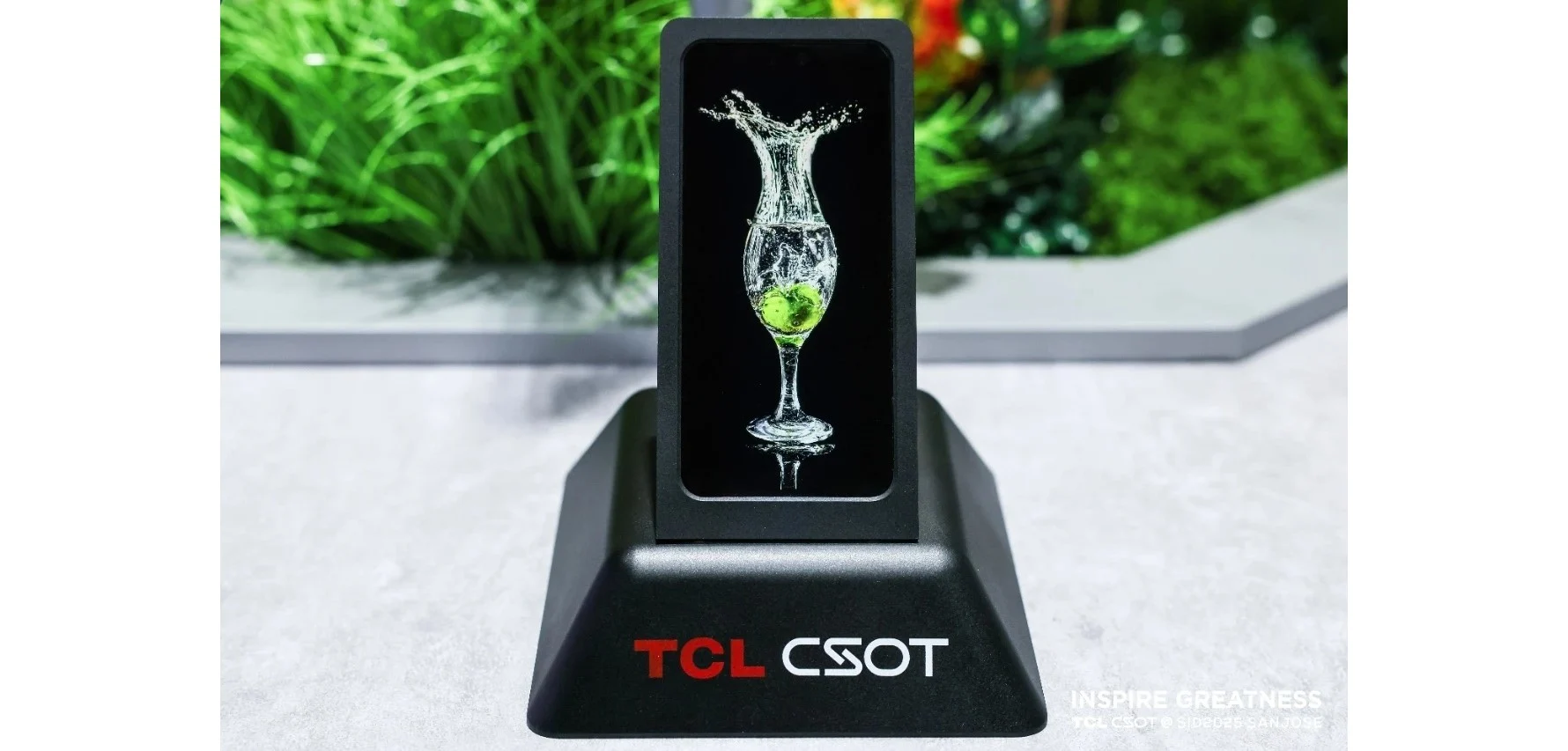
    TCL CSOT has revealed that their advanced Inkjet Printed (IJP) technology is now set for widespread use with their new Real RGB OLED panels.

    Cutting-Edge Manufacturing

    This innovative production technique is noted for its capability to create displays with an unmatched “super retina-level” pixel arrangement, leading to OLED screens that boast an expansive color range and impressive dynamic range.

    Exceptional Performance

    The panels are also claimed to offer incredibly high contrast, reaching what is described as “million-level” contrast. TCL CSOT is reportedly gearing up to start mass production in the latter half of 2025.

    Limitations for Compact Phones

    However, if there is one limitation with the Real RGB OLED so far, it’s that it isn’t yet suitable for smaller smartphones. Currently, it is expected to be ready for phones that could be successors to the approximately 6.5-inch Vivo X200 and the 6.8-inch X200 Pro, but it won’t be available for the 6.31-inch X200 Pro Mini until around October 2025.

    Source:
    Link

  • HMD 2760 Flip Specs Leaked: It’s a Rebranded Nokia 2760 Flip

    HMD 2760 Flip Specs Leaked: It’s a Rebranded Nokia 2760 Flip

    Key Takeaways

    1. The HMD 2760 Flip is expected to be a rebranded version of the Nokia 2760 Flip from 2022.
    2. It will feature a 2.8-inch main display and a 1.77-inch cover display, with a 1,450mAh battery for similar longevity.
    3. The phone is rumored to have a Snapdragon 215 processor, 512MB of RAM, and 4GB of internal storage.
    4. It will include a single 5MP camera and will run on KaiOS 3.1.
    5. No specific release date is available, but a low-key launch is anticipated due to its rebranding.


    HMD is expected to soon reveal a new clamshell feature phone known as the HMD 2760 Flip. The specifications for this device, which is anticipated to be a rebranded version of the Nokia 2760 Flip that came out in 2022, have recently become available.

    Display and Battery Details

    According to a leak shared on X by HMD_MEME (@smashx_60), the HMD 2760 Flip is said to feature a 2.8-inch main display along with a 1.77-inch cover display. These dimensions are identical to those found on the Nokia 2760 Flip, and they match the screen sizes of the HMD 2660 Flip launched in March. The device will also include the same 1,450mAh battery capacity as its predecessor, ensuring similar longevity.

    Processor and Storage

    In contrast to the HMD 2660 Flip, which is equipped with a Unisoc T107 processor, the HMD 2760 Flip is rumored to come with a Snapdragon 215 processor, similar to the one in the Nokia 2780 Flip (which is currently priced at $89.99 on Amazon). Additionally, it will have 512MB of RAM and a total of 4GB of internal storage, just like the Nokia 2760 Flip. The phone will feature a single 5MP camera located above the cover display and will operate on KaiOS 3.1 right from the start.

    Release Expectations

    As of now, there is no information regarding the release date for the HMD 2760 Flip. However, since it is essentially a rebranding of an already existing device, it is likely to have a low-key launch.

    Source:
    Link

  • Sony Xperia 1 VII AI Camera Features: Videos Showcase Performance

    Sony Xperia 1 VII AI Camera Features: Videos Showcase Performance

    Key Takeaways

    1. The Sony Xperia 1 VII will be available for preorder in Europe starting at €1,499, with shipments beginning on June 12th, 2023.
    2. Preorders come with a free pair of Sony WH-1000XM5 headphones, valued at approximately $348.
    3. Key upgrades include the Qualcomm Snapdragon 8 Elite chipset and a 48MP ultrawide camera with a larger sensor, while the primary and telephoto cameras remain largely unchanged.
    4. The marketing emphasizes AI camera features, such as “AI Camerawork Mode” for action scenes and “Auto Framing” for easier video filming.
    5. The Xperia 1 VII will not be available in the US market.


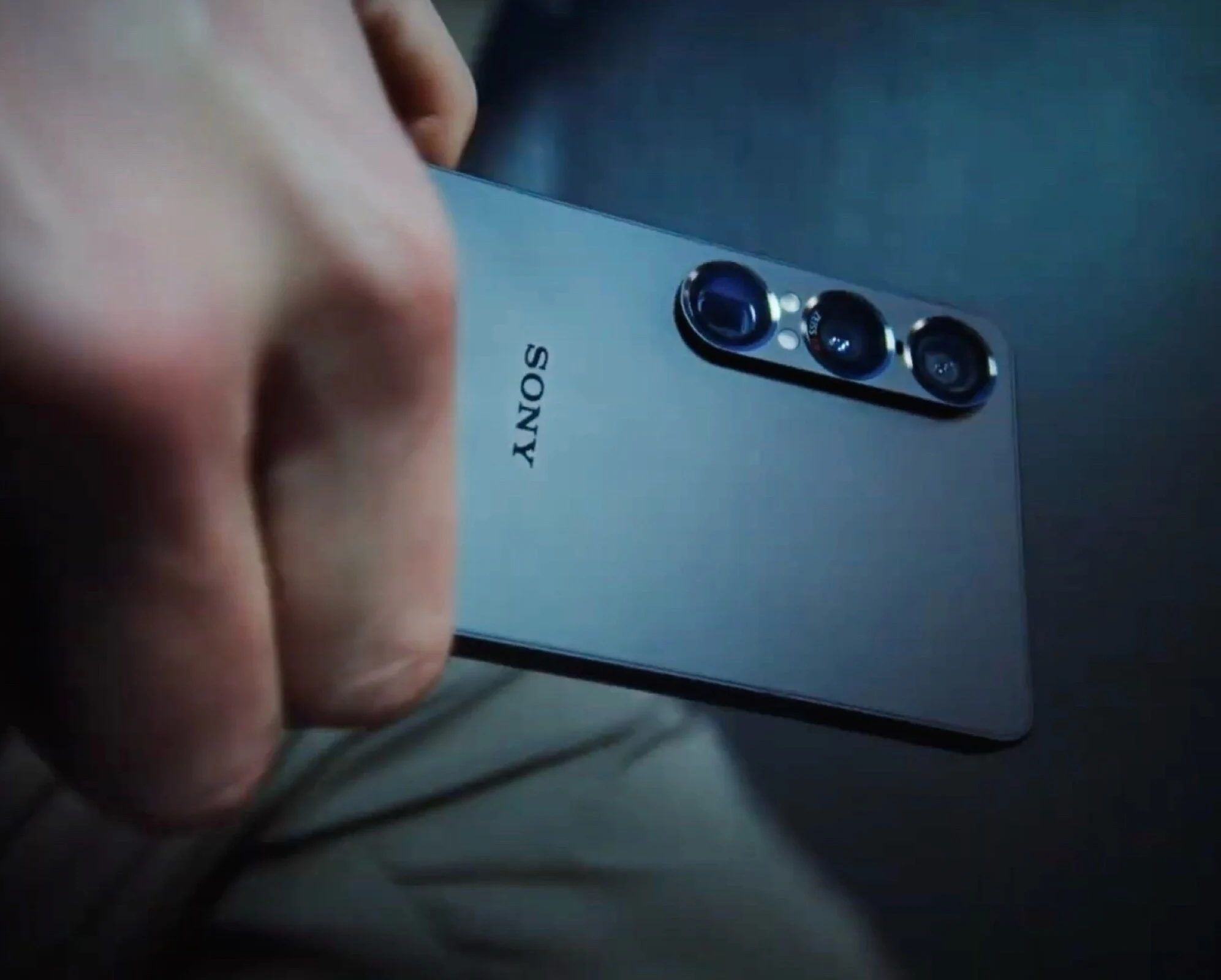
    The Sony Xperia 1 VII was unveiled on Tuesday, with shipments scheduled to begin on June 12th. In Europe, preorders are now open, starting at €1,499 for the base model with 256GB of storage. As a bonus, those who preorder will receive a pair of Sony WH-1000XM5 over-ear headphones, valued at about $348 on Amazon, for free. However, it seems the new Xperia phone will not be available in the US market.

    Key Specifications

    On the surface, the Android phone features only a handful of significant upgrades. It is powered by the latest Qualcomm Snapdragon 8 Elite chipset, and the 3.5mm headphone jack is said to provide enhanced audio quality. Furthermore, the 48MP f/2.0 ultrawide camera has a much larger 1/1.56-inch sensor. There don’t seem to be any major changes to the 48MP f/1.9 primary camera, which maintains its 1/1.31-inch sensor, or the 12MP telephoto camera with its zoom lens ranging from 85mm to 170mm. Still, the marketing materials and promotional videos for the Xperia 1 VII primarily highlight the camera features.

    Marketing Focus

    In a promotional video, the large “Powered by Alpha” logo is prominently displayed, while showcasing some new AI features, with additional details provided in separate clips. The upgrades to the display and headphone jack are mentioned but not elaborated upon.

    The design video starts by highlighting the triple-camera configuration yet also notes the presence of front-facing stereo speakers, the 5,000mAh battery, and the durable display, which is made of Gorilla Glass Victus 2.

    Camera Performance

    As anticipated, the first video in Sony’s marketing series emphasizes the camera capabilities, particularly its performance in low-light conditions. Other than the cameras, this clip only briefly touches on the display and audio quality.

    The following video introduces the “AI Camerawork Mode.” This feature is designed to keep the subject in focus, making it easier to shoot action-filled scenes involving people or moving objects. Reportedly, this function stabilizes videos more effectively than previous iterations.

    Another prominent AI feature in the Sony Xperia 1 VII is “Auto Framing.” This tool automatically adjusts the framing of images using AI, allowing users to film videos without constantly looking at the smartphone’s screen, thus creating a more relaxed filming experience. However, this feature relies on digital zoom, which may negatively affect image quality.

    In the “Xperia Intelligence” video, Sony exhibits the two AI camera features previously mentioned while also showcasing familiar options like Sony’s Eye Autofocus. It claims to offer improved white balance and exposure accuracy thanks to AI enhancements.

    Finally, in the last promotional video for the Xperia 1 VII, several Sony engineers discuss the smartphone’s camera system. They emphasize that capturing natural colors and sharp details is a priority for the company, while mostly reiterating the AI features already highlighted.

    Source:
    Link

  • Android 16 Enhances Security with Google’s Advanced Protection

    Android 16 Enhances Security with Google’s Advanced Protection

    Key Takeaways

    1. Google introduced a new design for Android 16 with enhanced features and security options.
    2. The Advanced Protection feature provides a high level of security by preventing individual security components from being turned off.
    3. Advanced Protection uses a “defense-in-depth” approach, managing key security settings across the system and Google apps.
    4. New features include intrusion logging, enhanced automatic locking, theft detection, Inactivity Reboot, and USB Protection.
    5. Inactivity Reboot restarts the device after 72 hours of inactivity, and USB Protection limits connections to charging only when the device is locked.


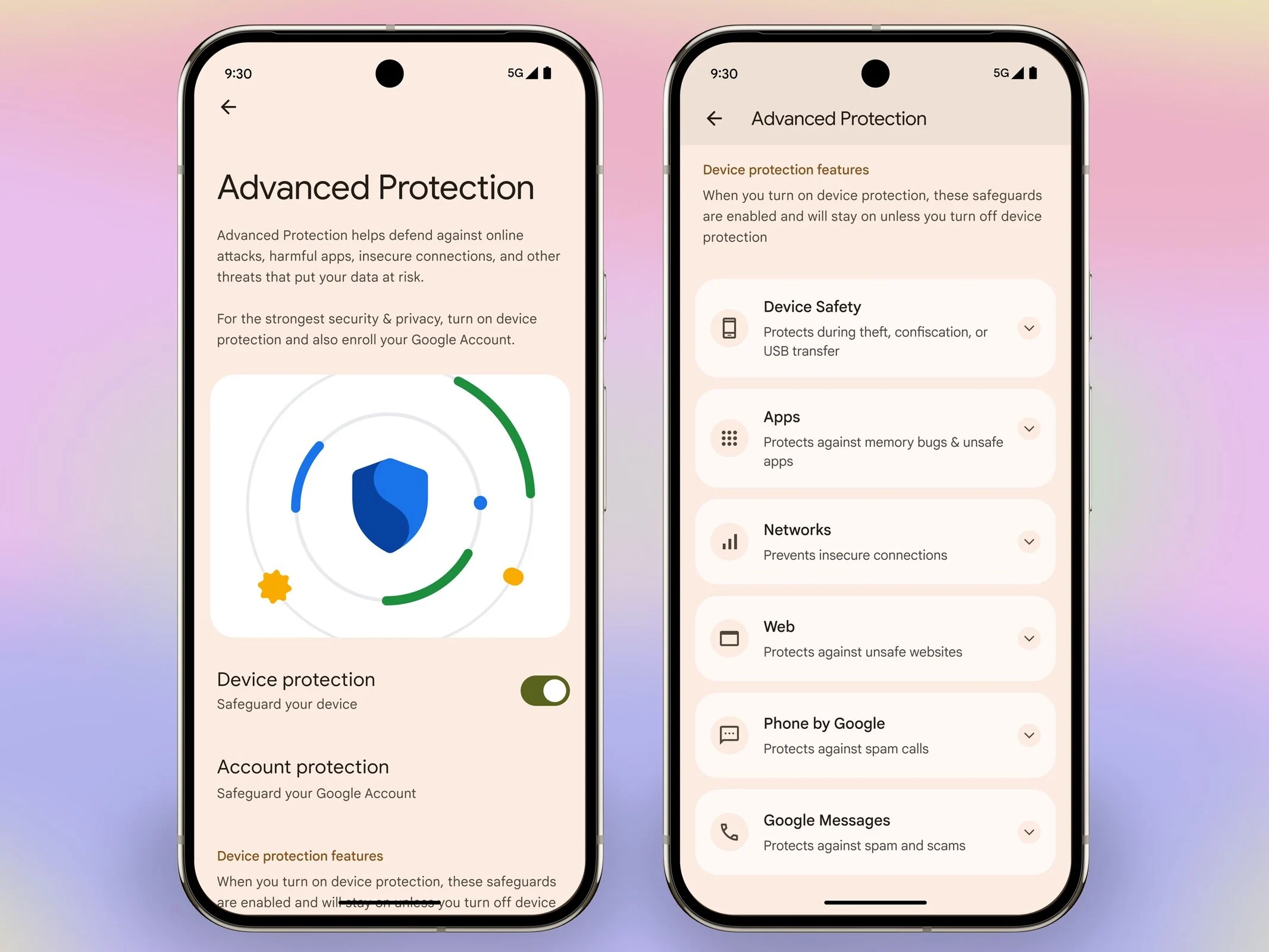
    Google has unveiled the fresh design of Android 16 just yesterday. During the announcement, various new features were showcased along with changes in design. Additionally, Google shared information about a crucial new security option on its security blog: Advanced Protection. This feature is similar to the lockdown mode that iPhones have, and it aims to elevate the security of Android devices significantly.

    A New Level of Security

    Advanced Protection serves as a primary security setting for devices. When activated, it guarantees that Android’s top security standards work in unison to offer users robust protection against online threats, harmful apps, and potential data leaks. The unique aspect of Advanced Protection is that it does not allow individual security components to be turned off, either accidentally or through malicious software. Google is implementing a clear “defense-in-depth” approach here, where multiple layers of security are interconnected. Advanced Protection functions as a central control point that manages key security settings across the system and many Google applications like Chrome, Google Messages, and the Google phone app. There are also plans to integrate it with third-party apps.

    New and Improved Features

    Some security features that operate in Advanced Protection mode have already been present in current Android versions, while others have been specifically created for this new protection mode. A key element is the new intrusion logging, which offers detailed security analyses if a compromise is suspected. Familiar security features like automatic locking and theft detection have now been enhanced with Inactivity Reboot and USB Protection. The Inactivity Reboot feature restarts the device after 72 hours of no activity while in a locked state, rendering data unreadable until it is unlocked. Meanwhile, USB Protection limits new USB connections to charging only by default when the device is locked, helping to guard against physical attacks.

    Conclusion

    For more details, you can find the full information on the Google Online Security Blog: Advanced Protection: Google’s Strongest Security for Mobile Devices.

    Source:
    Link

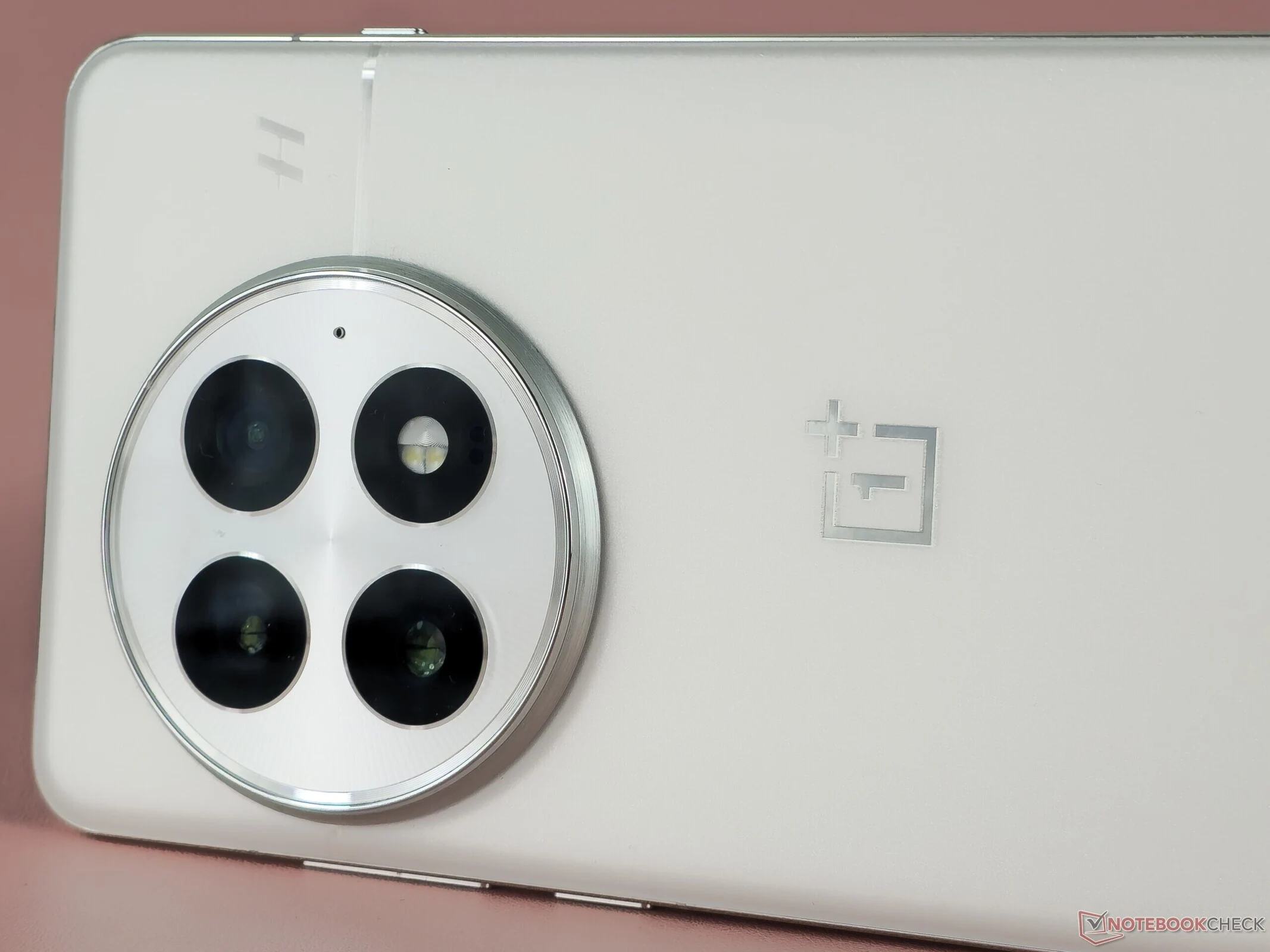
  • OnePlus 15 Launch: Snapdragon 8 Elite 2 and Slim Bezels Expected

    OnePlus 15 Launch: Snapdragon 8 Elite 2 and Slim Bezels Expected

    Key Takeaways

    1. Qualcomm will launch the Snapdragon 8 Elite 2 in late September to early October, with OnePlus planning to use this chip in its new flagship device.

    2. The upcoming OnePlus flagship, possibly named OnePlus 15, will feature a 6.78-inch flat 1.5K LTPO display.

    3. The OnePlus 15 will have a design similar to the iPhone, a 50 MP triple-camera setup, and will be lighter than its predecessor, the OnePlus 13.

    4. The change to a 1.5K display aims to improve battery life with a large 7,800 mAh battery, despite a slight decrease in resolution from the OnePlus 13.

    5. The OnePlus 15 is expected to be announced for the Chinese market in Q4 2025, followed by a global launch in January 2026.


    Qualcomm is set to unveil its top-tier Snapdragon 8 Elite 2 in the late September to early October period, with smartphone manufacturers expected to follow closely. As usual, OnePlus will be rolling out its new flagship devices that will utilize this latest SoC, as per the well-known leaker Digital Chat Station (DCS).

    Details on the OnePlus Flagship

    According to DCS’s post on Weibo, OnePlus’s next flagship will run on the Snapdragon 8 Elite 2 (SM8850). While this information is not surprising, the leaker also mentions that the smartphone will have a 6.78-inch flat 1.5K LTPO display.

    While DCS hasn’t confirmed the exact name of the phone, comments on the Weibo post suggest it could be named the OnePlus 15 — a likely choice considering Chinese manufacturers often skip the number 4.

    Design and Features

    DCS highlights that the OnePlus 15 will showcase an iPhone-like design with a 50 MP triple-camera arrangement, including a periscope lens. This device is expected to have ultra-slim bezels and even borders on all sides, and it’s rumored to be lighter than the OnePlus 13. OnePlus is also set to use a new LIPO packaging method that aims to create a more compact internal layout for the display PCB and driver components.

    The change to a 1.5K display in the OnePlus 15, down from the 2K (3168 x 1440) resolution found in the OnePlus 13, is particularly noteworthy. This slight decrease in resolution is probably due to the smaller diagonal screen size, reduced from 6.82 inches to 6.78 inches. With the anticipated massive 7,800 mAh battery in the new flagship, the lower pixel count may help to increase battery life.

    What to Expect Next

    We still have a bit of time until the OnePlus 15 is officially announced, so it’s wise to take this information with some skepticism for now. If history is any guide, OnePlus is likely to first reveal its Snapdragon 8 Elite 2-supported flagship for the Chinese market in Q4 2025, followed by a global launch in January 2026.

    In the meantime, the company is getting ready to join the compact flagship trend with the upcoming release of the 6.32-inch OnePlus 13s, which will feature the Snapdragon 8 Elite SoC in the next few weeks.

    Source:
    Link

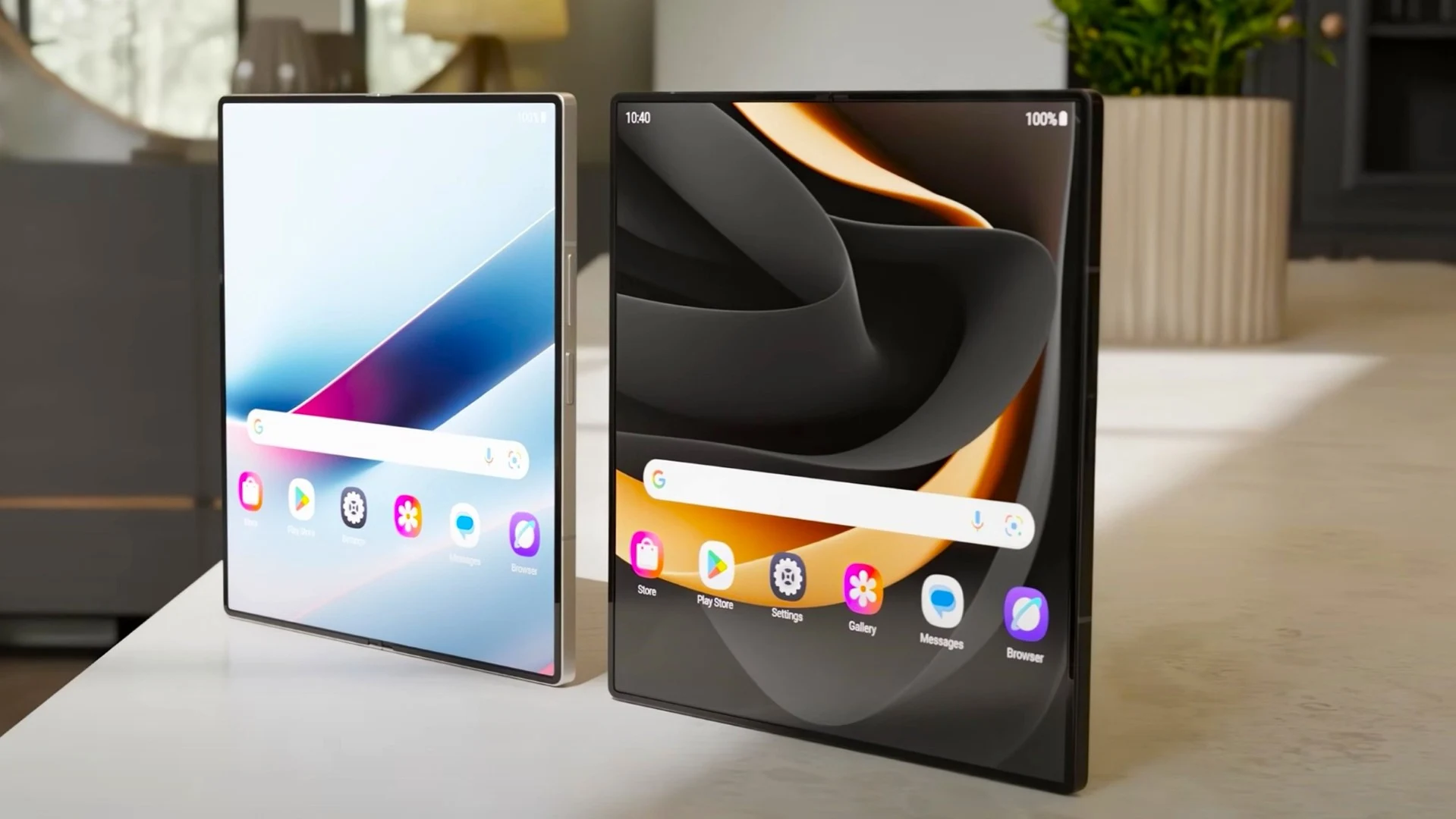
  • Galaxy Z Fold7 and Oppo Find N5 Thicker than Official Specs

    Galaxy Z Fold7 and Oppo Find N5 Thicker than Official Specs

    Key Takeaways

    1. Smartphone manufacturers, especially for foldable devices, have unique and often inconsistent methods of measuring sizes.
    2. Leakers like Steve Hemmerstoffer and Ice Universe provide more accurate measurements than official data sheets.
    3. Samsung’s measurement for the Galaxy Z Fold 7 includes a 0.5 mm bezel that affects the overall thickness when folded.
    4. Other brands, such as Oppo, also have discrepancies between listed specs and actual measurements.
    5. The significance of these measurement variations may vary among users.


    If you’re trying to find the exact sizes of a smartphone, you would typically check the data sheet for precise measurements, right? Well, that’s not entirely true. It seems like manufacturers have their own unique ways of measuring, especially for foldable devices. While these methods might make sense in some cases, they often appear quite random.

    Leakers Weigh In

    Famous French leaker Steve Hemmerstoffer, known as @OnLeaks, recently reached out to the X community to get the actual dimensions of the Galaxy Z Fold 6 (which you can find here on Amazon). He wasn’t interested in what the data sheet claims but wanted to know the real thickness of the foldable from Samsung. In February, based on a CAD model, he estimated the upcoming Galaxy Z Fold 7 to be about 4.5 mm thick, but another reliable leaker, Ice Universe, measured it at just 3.9 mm.

    Samsung’s Measurement Method

    Thanks to YouTuber Shane Craig (check out the video below), it turns out that Samsung might be bending the rules a bit with its measurements. Both leakers are indeed correct. Samsung measures the height of the unfolded device to the edge of the flexible display at 3.9 mm. But there’s a bezel of around 0.5 mm above that, designed to keep the two parts of the display from touching when the smartphone is folded. This gap explains why the Galaxy Z Fold 7 doesn’t just double the 3.9 mm when folded, but instead reaches 8.9 mm, as per the leak.

    Other Brands Have Issues Too

    It seems Samsung isn’t the only one with this strange approach to measurements. Shane Craig has pointed out that Oppo’s data is also off. Additionally, there’s a discrepancy between the specs listed and the actual measurements for the Galaxy Z Fold 6. Based on his findings:

    Whether or not these variations matter to users is a whole different question.

    Source:
    Link

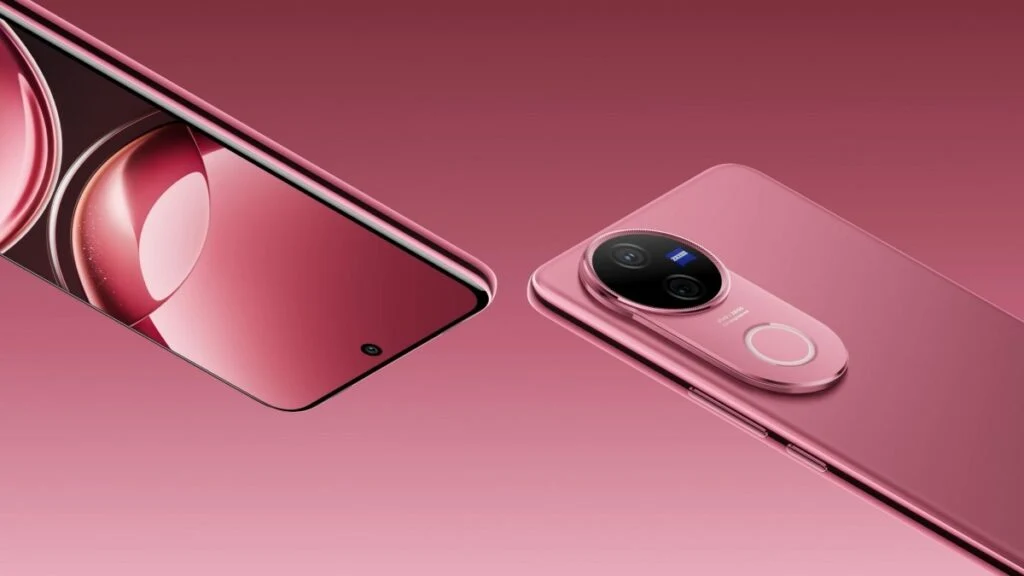
  • Vivo V50 Elite Edition Launching in India on May 15 with Upgrades

    Vivo V50 Elite Edition Launching in India on May 15 with Upgrades

    Key Takeaways

    1. The Vivo V50 Elite Edition will launch in India on May 15, 2025, enhancing the existing V50 series.
    2. It features Zeiss-co-engineered cameras and improved audio quality, focusing on portrait photography and immersive sound.
    3. The design will likely include a circular camera layout and a premium finish, while retaining original V50 specifications.
    4. The expected price for the V50 Elite Edition is around ₹40,000, targeting the mid-premium market, competing with devices like the iQOO Neo 10 and Realme GT 7.
    5. The official launch will clarify if the Elite Edition offers significant upgrades or serves primarily as a stylish version of the V50.


    Vivo is set to broaden its V50 series with the introduction of the V50 Elite Edition, which is scheduled to launch in India on May 15, 2025. This premium model, featuring Zeiss-co-engineered cameras and promising superior audio quality, will join the existing V50 and V50e, aiming to enhance portrait photography and deliver a more immersive sound experience.

    Teaser Video and Launch Announcement

    According to a post by Vivo India on X, the V50 Elite Edition will be unveiled at 12 PM IST on May 15. A teaser video highlights a circular camera design with the phrase “co-engineered with Zeiss,” indicating a strong emphasis on advanced photography. The catchy taglines “portraits that captivate” and “sound that surrounds” hint at improvements in camera and audio capabilities compared to the regular V50, which was released in February 2025.

    Specifications Reminder

    To recap, the original V50 features a 6.77-inch FHD+ quad-curved AMOLED display, boasting a 120Hz refresh rate and a peak brightness of 4,500 nits. It runs on the Snapdragon 7 Gen 3 SoC and comes with options of 8/12GB RAM and 128/256/512GB storage. The camera setup includes a 50MP main camera with optical image stabilization (OIS), a 50MP ultrawide lens with macro capabilities, and a 50MP front-facing camera. Additionally, it packs a 6,000mAh battery with 90W fast charging. The Elite Edition is anticipated to keep these specifications but may introduce a more premium design, perhaps with a new finish or a distinctive “Elite Edition” engraving.

    Pricing and Competition

    The starting price for the V50 is set at ₹34,999, while the Elite Edition is expected to be priced around ₹40,000, targeting the mid-premium market segment. With IP68/IP69 ratings and running Funtouch OS 15 based on Android 15, this phone aims to compete with devices like the iQOO Neo 10 (India), which is particularly aimed at users who value design and camera quality over sheer performance. Recent teasers suggest that the Neo 10 (India) will launch at a price “under INR 35K” and is touted as the “first 144fps gaming smartphone” in its segment.

    The V50 Elite Edition may also serve as a competitor to the Realme GT 7, another premium mid-range smartphone, which is set to launch globally on May 27.

    Will the Zeiss optics and audio improvements of the vivo V50 Elite Edition make it a standout option, or is it simply a stylish update to the V50? The official launch on May 15 will provide all the answers.

    Source:
    Link

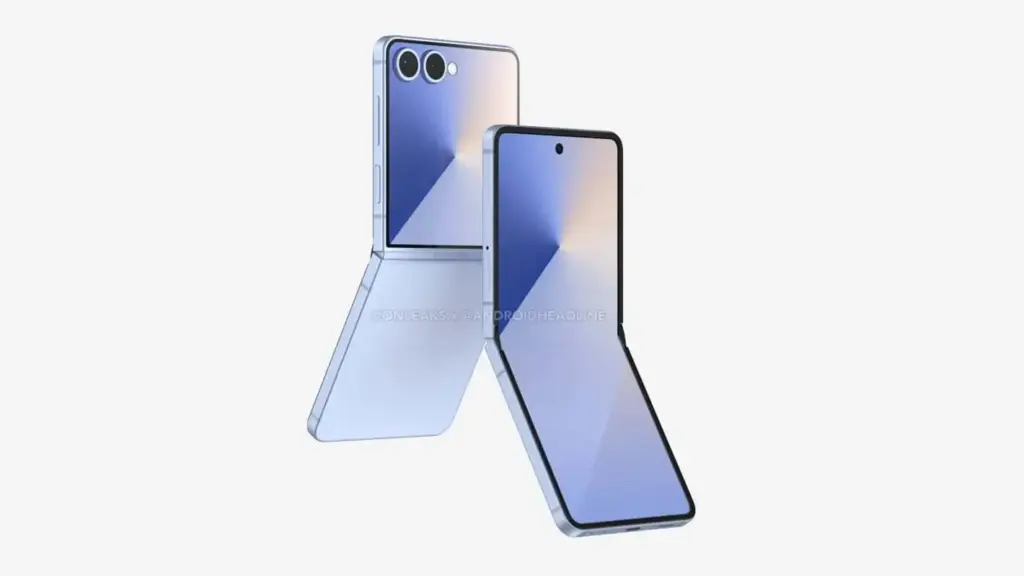
  • Galaxy Z Flip 7 Leak Reveals Larger Cover Screen in One UI 8

    Galaxy Z Flip 7 Leak Reveals Larger Cover Screen in One UI 8

    Key Takeaways

    1. The Galaxy Z Flip 7 will feature a 4-inch edge-to-edge cover screen, larger than the previous models’ 3.4-inch screen.
    2. It is scheduled for release in July 2025 alongside the Galaxy Z Fold 7, with enhancements in design and specifications.
    3. The main display will increase to 6.85 inches and have thinner 1.2mm bezels for a more elegant look.
    4. An upgraded 4,300mAh battery is expected to improve battery life, though the chipset details remain unclear.
    5. The anticipated price is around $1,099, and it will launch with One UI 8.0 (Android 16) and a 7-year OS update guarantee.


    A leak regarding One UI 8.0 has revealed that the Galaxy Z Flip 7 will feature a 4-inch edge-to-edge cover screen, confirming previous speculations. Scheduled for release in July 2025 along with the Galaxy Z Fold 7, this new device will also include a larger main display, thinner bezels, and an enhanced battery that draws some attention away from its foldable counterpart.

    Samsung Galaxy Z Flip 7 Design Insights

    The Galaxy Z Flip 7 is poised to be a highlight at the Unpacked event in July 2025, as leaks from One UI 8.0 firmware showcase significant improvements. Animation files pulled by Android Authority from leaked versions—tested on the Galaxy Z Flip 6, Z Fold 6, and S25 Ultra—validate the presence of a 4-inch OLED cover screen that extends over the dual-camera arrangement, echoing the design of the Motorola RAZR 60 Ultra. To note, both the Z Flip 5 and Flip 6 came with a 3.4-inch cover screen. The larger cover screen is likely to enhance the device’s functionality for notifications and quick tasks.

    Performance and Specifications

    The enhancements don’t end there. The Z Flip 7 is expected to sport a 6.85-inch AMOLED main display, which is an increase from the 6.7 inches in the previous model, featuring sleeker 1.2mm bezels for a more elegant appearance. An upgraded battery of 4,300mAh, compared to the Z Flip 6’s 4,000mAh, is anticipated to enhance battery life, although the chipset details remain unclear. Historically, Samsung has utilized Snapdragon processors for its foldable devices, but the Exynos 2500 appears to be on the horizon as a potential component for the Z Flip 7.

    Additional Features and Pricing

    Earlier reports suggest that the foldable’s crease might be almost invisible, and it will uphold the 7-year OS update guarantee, launching with One UI 8.0 (Android 16) alongside the Z Fold 7. While the specifications of the selfie camera—potentially remaining at 10MP or upgrading to 12MP similar to the S25 series—are not yet verified, new Galaxy AI functionalities are anticipated.

    Priced at approximately $1,099, it remains to be seen if the larger cover screen and upgraded design will outshine competitors like the Motorola Razr+ 2025, which is currently available for $999 on Amazon (also known as Razr 60 in other regions). The chipset for the Flip 7 is still not confirmed, making it one of the most critical factors to consider. As we approach the launch, it’s wise to stay alert before making any choices.

    Source:
    Link