Key Takeaways
1. The Oppo Find X9 Pro features a 200 MP periscope telephoto camera with Hasselblad branding and impressive optical capabilities.
2. An optional telephoto converter increases the camera’s focal length to 230mm, allowing for 10x optical zoom, but it reduces the effective aperture from f/2.1 to f/6.9.
3. Oppo’s marketing claims about the telephoto converter are misleading, as the aperture does not maintain its size and significantly impacts light intake.
4. The true effects of using the teleconverter lead to a loss of approximately 2.5 f-stops of light, making it less effective in low-light conditions.
5. Other camera brands, like Canon, provide clearer information about how teleconverters affect focal length and aperture, contrasting with Oppo’s ambiguous marketing practices.
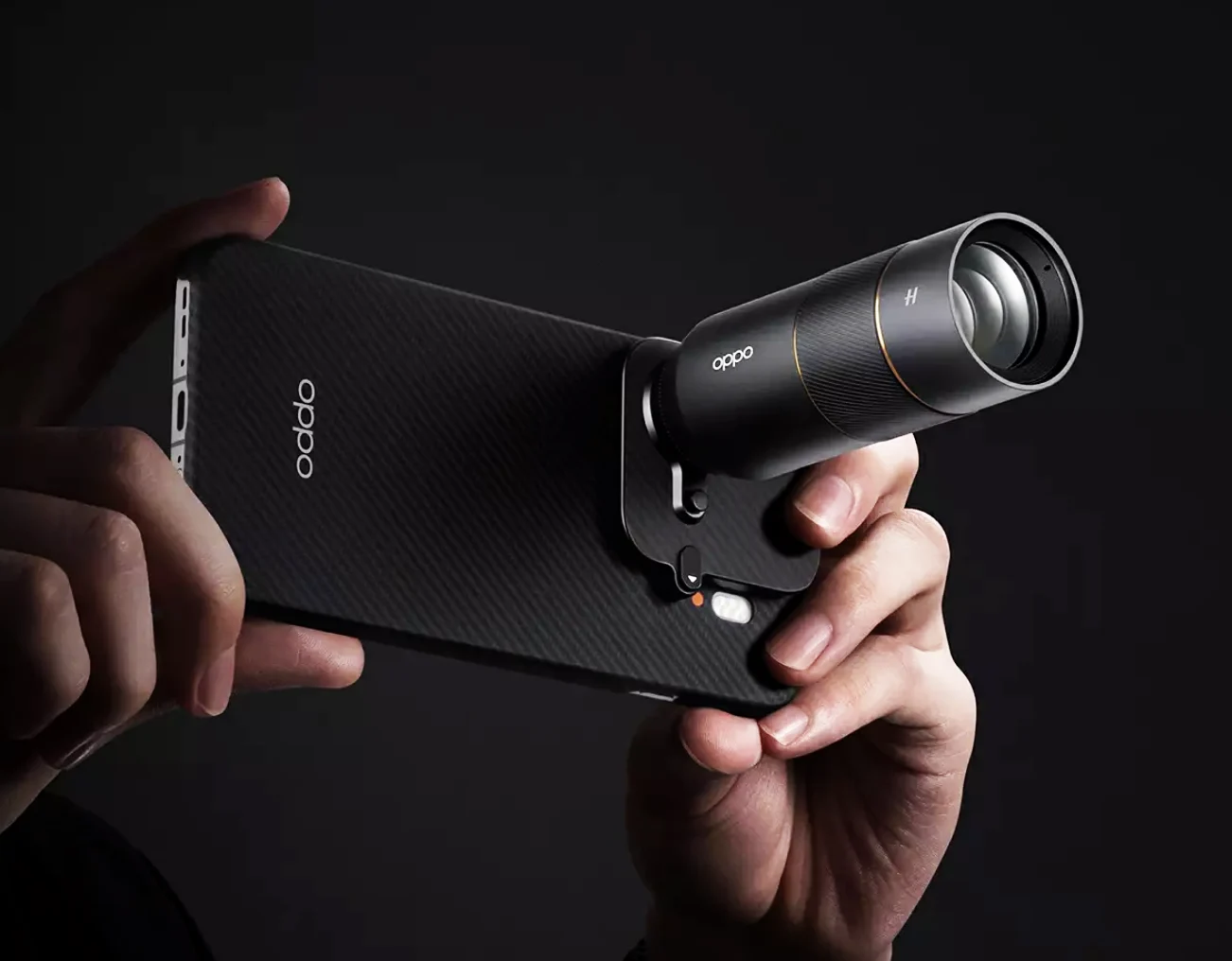
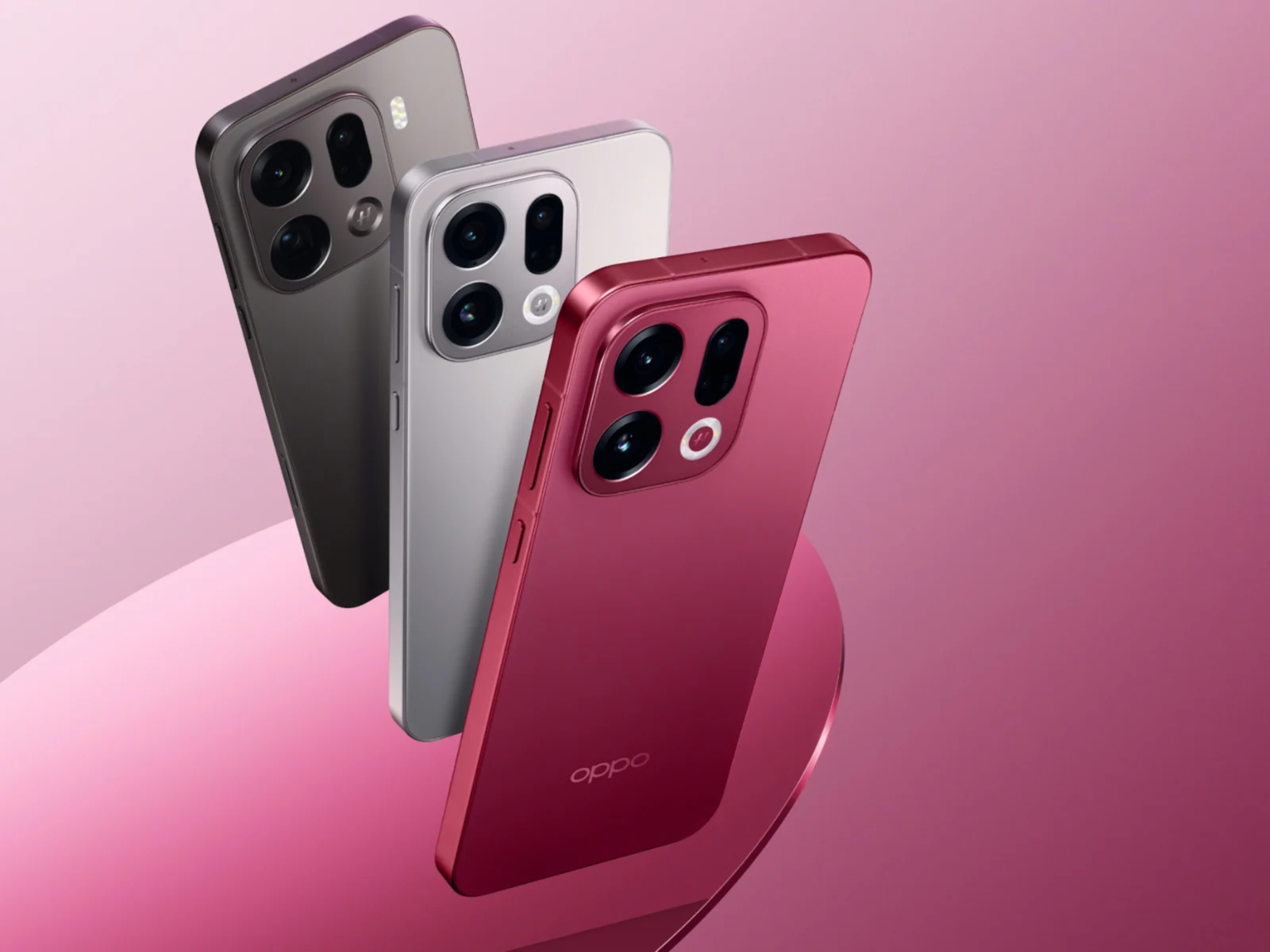
Oppo has announced that the Find X9 Pro flagship camera will be available globally. This smartphone is expected to dazzle users with its impressive 200 MP periscope telephoto camera, which features Hasselblad branding and a 1/1.56-inch sensor.
Telephoto Features
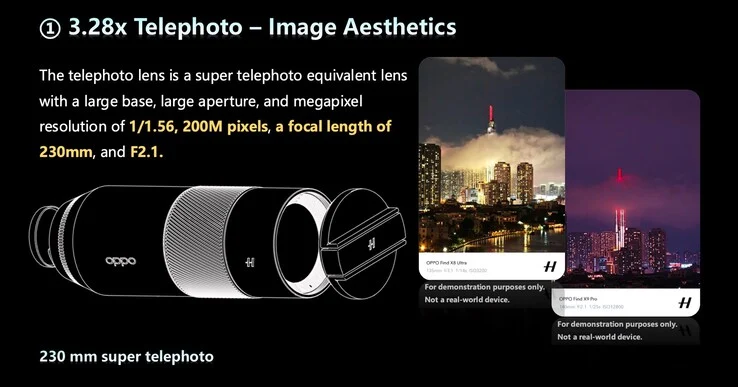
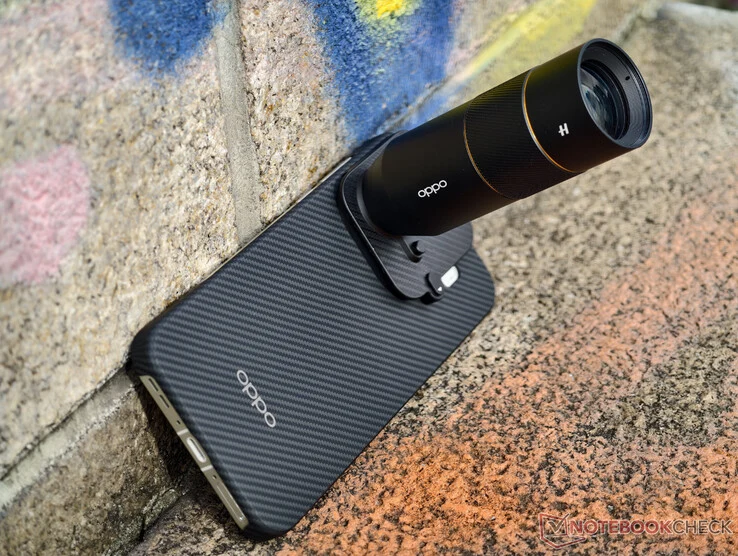
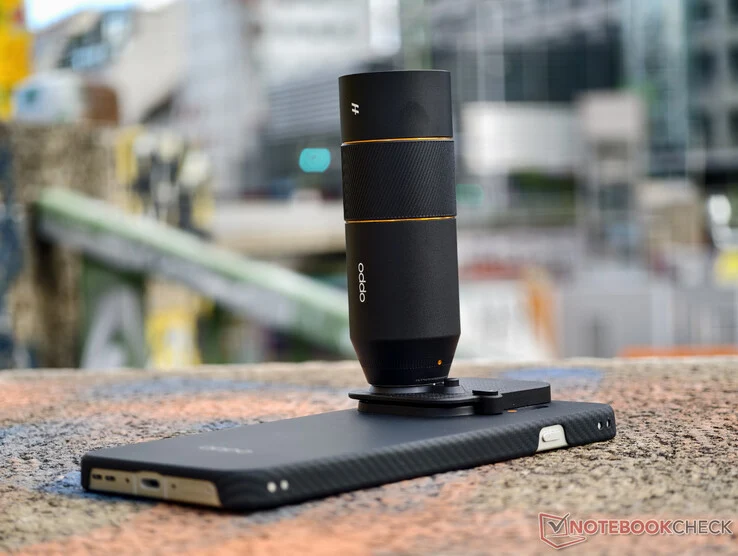
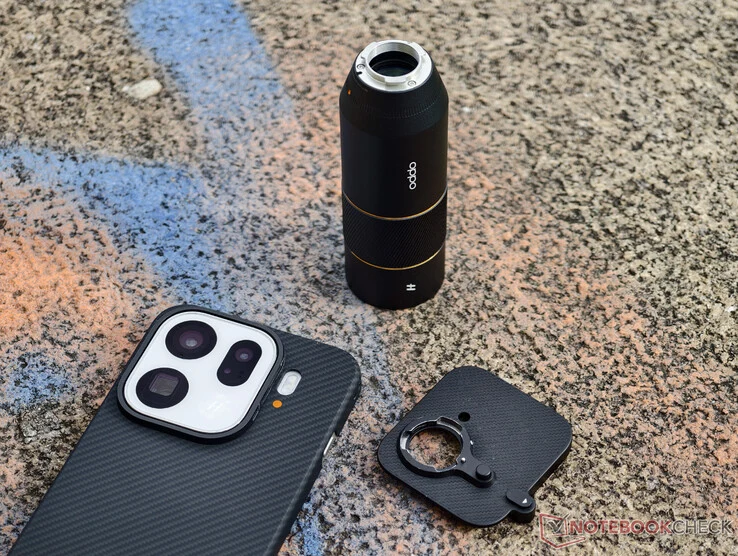
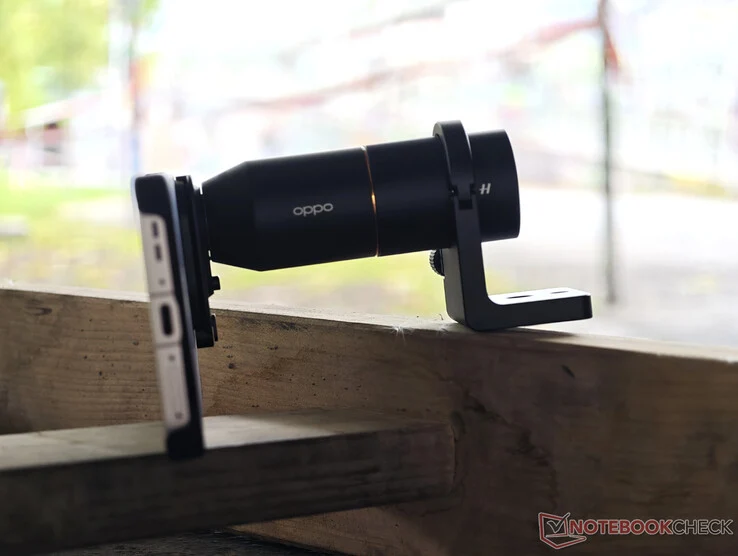
The telephoto camera boasts a 35mm equivalent focal length of 70mm and an aperture of f/2.1. If users desire additional zoom, Oppo provides an optional telephoto converter that expands the focal length of this periscope telephoto camera to 230mm (35mm equivalent), allowing for a remarkable 10x optical zoom.
Misleading Marketing Claims
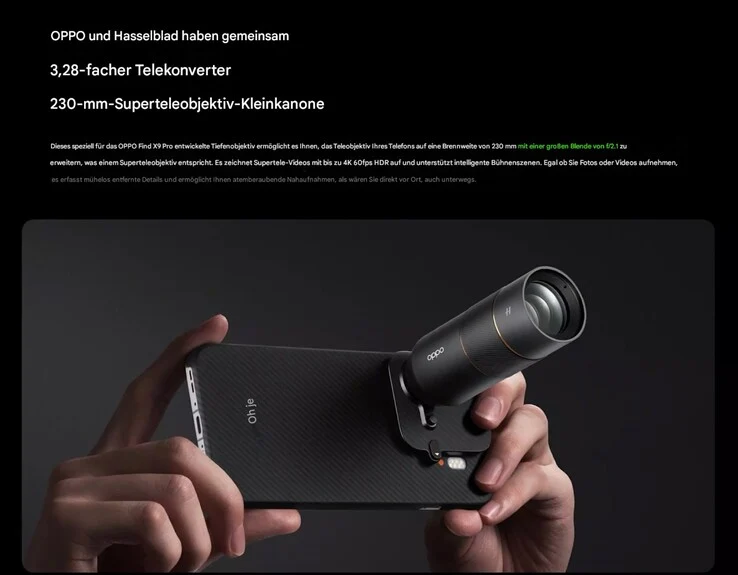
Our thorough comparison of camera performance reveals that this setup certainly enhances photo clarity during daylight. Nevertheless, Oppo’s promotional material can be somewhat misleading. Both on their product page and in the official review guide, Oppo claims that the telephoto converter upgrades the Find X9 Pro’s telephoto camera to a 230mm f/2.1 camera.
This assertion doesn’t hold up, as the telephoto converter attaches in front of the existing lens. Thus, the aperture’s diameter remains constant at about 6.85 millimeters, while the focal length is multiplied by 3.28. Even though the telephoto camera maintains an aperture of f/2.1 without the converter, it drops to f/6.9 with it.
Understanding the Numbers
To break it down mathematically, the true focal length of 14.4 mm can’t simply be divided by 2.1 for the aperture diameter. Instead, the focal length rises to 47.3 mm, but the aperture diameter stays at 6.85 mm. Consequently, the focal length needs to be divided by 6.9, resulting in an aperture of f/6.9. These calculations are derived from Oppo’s technical specifications and may have slight variations, but the core point remains unchanged.
The formula used is:
f/k = d (where f = focal length, k = aperture number, d = diameter of aperture)
Without a teleconverter:
14.4/2.1 = 6.85, simplified to f/2.1
With a teleconverter:
47.3/6.9 = 6.85, simplified to f/6.9
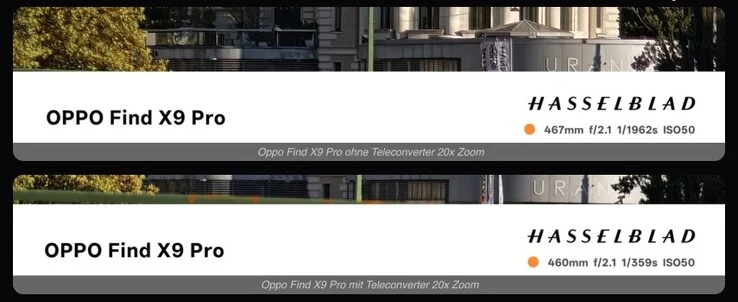
In practical terms, this indicates a significant reduction in light, as shown by our comparison images. For example, a shutter speed of 1/1.962s works without the teleconverter, but it increases to 1/359s for the same exposure with the teleconverter, even when the sensor’s light sensitivity (ISO 50) is unchanged. In this case, users lose approximately 2.5 f-stops of light when utilizing the teleconverter, making it unsuitable for low-light conditions.
Honest Marketing Practices
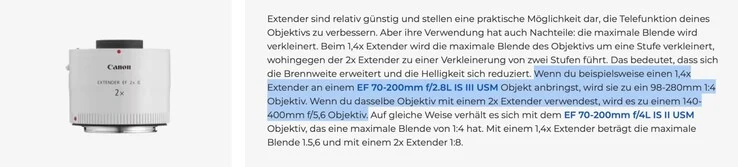
Camera brands like Canon prove that marketing can be more transparent. When discussing teleconverters for system cameras, they usually clarify how the converter impacts the focal length and aperture of a lens. For instance, a 70mm f/2.8 lens turns into a 98mm f/4 lens with a 1.4x teleconverter, and a 140mm f/5.6 lens with a 2x converter. Thus, for double zoom, users lose two full f-stops of light.
In contrast, other brands tend to ignore these issues. Vivo, for example, provides no information about the aperture on the product page for its telephoto converter, while third-party lens providers like Moment and Fotorgear don’t disclose this info either. However, since Oppo explicitly promotes an aperture that is far too large, this clearly falls into the category of misleading marketing, if not outright deceit towards consumers.
Source:
Link