Category: Home

  • Most Distant Star Ever Observed: More Than Just a Star?

    Most Distant Star Ever Observed: More Than Just a Star?

    Key Takeaways

    1. Earendel is the furthest star observed, located over 28 billion light-years away and shining for nearly 12.9 billion years.
    2. Initially classified as a single star, recent research suggests Earendel might be a globular cluster instead.
    3. Globular clusters are round groups of stars that orbit galaxy centers and can contain hundreds of thousands to millions of stars.
    4. Studying globular clusters helps scientists understand the early universe and the conditions that existed shortly after the Big Bang.
    5. Further research with the James Webb Space Telescope is planned to determine Earendel’s true nature.


    Despite the numerous discoveries made every year, space still holds many secrets. This is especially true for a particular star, which is the furthest one ever seen and might be an entirely different kind of stellar object.

    Earendel’s Location and Age

    This star, known as Earendel, is situated over 28 billion light-years away from our planet and has been shining for nearly 12.9 billion years, roughly one billion years after the Big Bang happened. It was found in 2022 by the Hubble Space Telescope and was initially classified as a single star.

    New Insights from Research

    However, a recent study in The Astrophysical Journal brings into question what this star really is. The researchers examined the light from Earendel using the James Webb Space Telescope.

    The findings suggest that Earendel might actually be a globular cluster, a structure commonly found in various regions of space. To clarify, globular clusters are round groups of stars that orbit around the center of a galaxy. It’s worth mentioning that these clusters can contain hundreds of thousands, or even millions, of stars.

    Importance of Globular Clusters

    Astronomers and scientists find these objects fascinating because they are some of the oldest formations in the universe. Their ages often date back to the early days of our cosmos, and studying them helps us understand the conditions that existed during that time. Furthermore, stars within these globular clusters usually form around the same time from the same cloud of gas or dust, making it interesting for examining the chemical makeup of the oldest stars.

    In Earendel’s case, more research will be conducted with the James Webb Space Telescope to uncover its true nature.

    Source:
    Link


  • Man Builds Viral Subway System for His Cats with Tunnels and Stations

    Man Builds Viral Subway System for His Cats with Tunnels and Stations

    Key Takeaways

    1. Xing spent 4 months creating a subway system after viewer requests inspired him.
    2. He faced challenges with syncing train and platform door operations and building a mini escalator.
    3. The finished subway model includes a welcoming message for passengers.
    4. Xing continues to enhance his cat house project with various creative builds for his pets.
    5. He has a dedicated audience due to his impressive engineering skills and innovative projects.


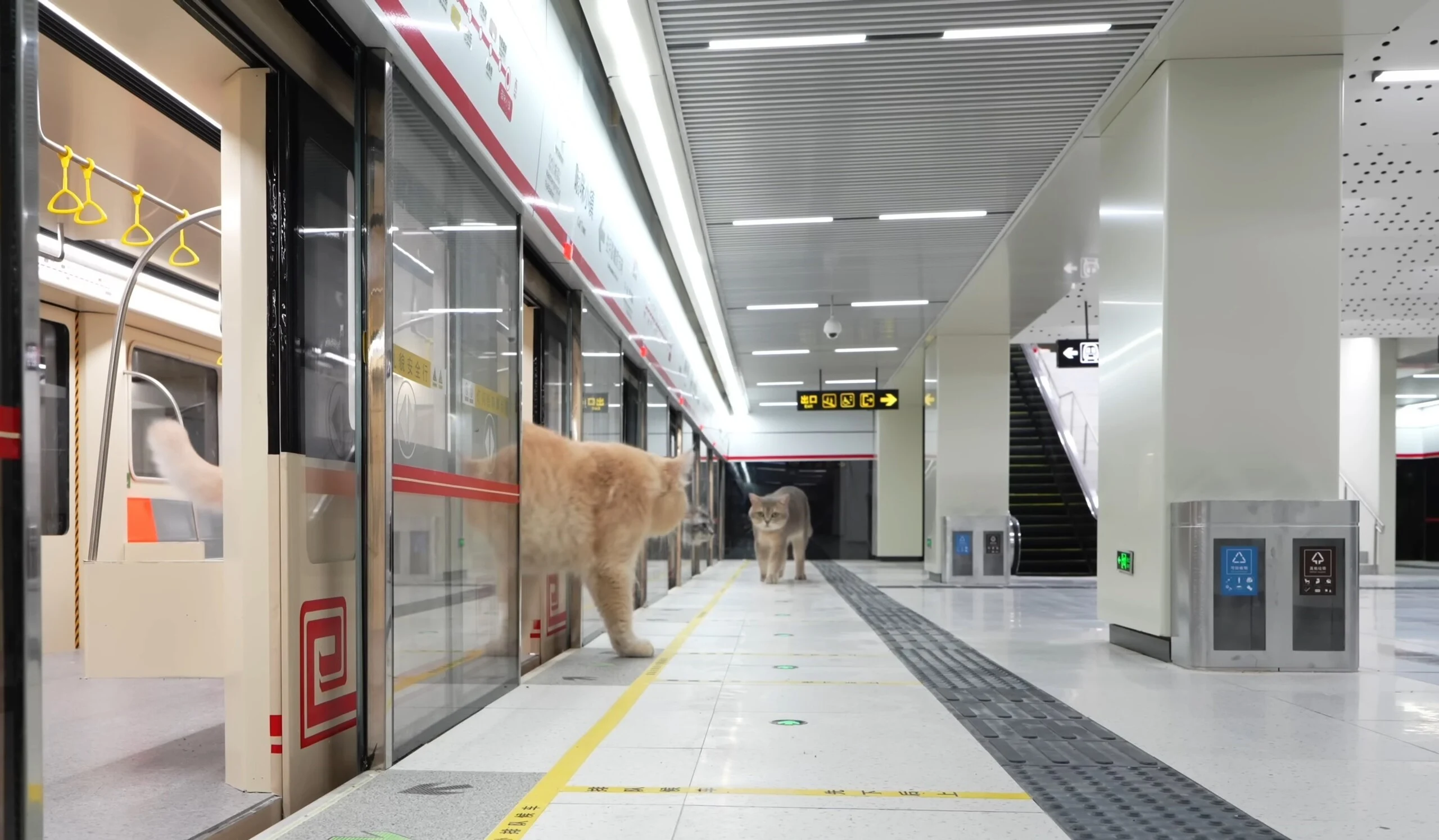
    The Chinese YouTuber, Xing, shared that he spent 4 months on his latest project. After he posted a video showcasing a cat house he built two years ago, many viewers asked him to take on something new, which inspired him to create this subway system.

    Project Challenges

    While working on the subway, he faced two main challenges that confused him for a while: figuring out how to make the train doors and platform doors operate at the same time, and how to create a functioning mini escalator. After pondering these issues, he decided to dive into the project, and ultimately, his choice proved successful. The finished model resembles the real thing, even featuring a welcoming message for the passengers who arrive.

    Ongoing Innovations

    This subway system is an addition to his cat house, a project he began some time ago. He continues to expand the tiny amenities that his cats enjoy. Previously, he has constructed various items for his pets, such as a Cybertruck, a spa, a quad bike (dubbed “Cyberquad”), a supermarket, a garage, and even a theater. In a remarkable feat, he once built 100 insulated shelters for stray cats within just 48 hours.

    Xing is not merely a pet lover; he possesses impressive engineering talents. His endeavors have cultivated a dedicated audience who eagerly await his upcoming videos. If given the chance, would you create something similar for your furry friends?

    Source:
    Link


  • VitaLink: 3-in-1 Wireless Charging Magnetic Power Bank Crowdfunding

    VitaLink: 3-in-1 Wireless Charging Magnetic Power Bank Crowdfunding

    Key Takeaways

    1. The VitaLink is a magnetic and wireless charging device available for pre-order on Kickstarter at an early-bird price of $50.
    2. It features a 1.04-inch TFT display for precise battery level and power output readings, along with wireless charging up to 15 watts and a USB-C port for 20 watts.
    3. The device can charge three devices simultaneously and has a battery capacity of 10,000 mAh.
    4. Its compact design measures 106 x 70 mm, is 16.3 mm thick, and weighs 189 grams, with built-in magnets for smartphone attachment.
    5. Buyers should be aware of crowdfunding risks, including the possibility of the product not reaching the market, with expected delivery in early November.


    As part of a Kickstarter initiative, the VitaLink, which is a magnetic and wireless charging device with multiple functions, is now up for pre-order. Backers can grab a unit for a special early-bird price of $50. It’s important for buyers to understand the risks associated with crowdfunding, like the possibility that the product may not actually make it to market. The expected delivery time is set for early November.

    Unique Features

    The VitaLink acts as a power bank, but it offers extra features that are not common in other devices. It includes a 1.04-inch TFT display that shows the battery level more precisely than traditional LED indicators, and it also reveals the current power output. The device can wirelessly deliver up to 15 watts, as long as the smartphone is able to accept that much. Additionally, there is a USB-C port capable of providing up to 20 watts. You can charge three devices simultaneously.

    Compact Design

    Measuring 106 x 70 mm and 16.3 mm in thickness, the power bank weighs 189 grams and boasts a battery capacity of 10,000 mAh. It features built-in magnets that allow it to attach to smartphones that are compatible. This also proves handy when using it as a stand for your smartphone, thanks to a fold-out holder that comes with it. Interestingly, this holder appears to function as a USB-C cable too. More details about the VitaLink and its functionalities are available on the Kickstarter page.

    Source:
    Link


  • Wind Droughts: A New Challenge for Energy Transition and Supply Stability

    Wind Droughts: A New Challenge for Energy Transition and Supply Stability

    Key Takeaways

    1. Wind energy has grown significantly but faces challenges from increasing occurrences of wind droughts, which hinder electricity generation.
    2. Wind droughts are expected to become more frequent and prolonged globally, particularly affecting countries that rely heavily on wind energy, like the UK, Germany, and Denmark.
    3. Atmospheric changes, including decreased mid-latitude cyclone frequencies and Arctic warming, are influencing wind patterns and contributing to wind droughts.
    4. Dunkelflaute events, when both wind and solar energy production are low, have led to significant price spikes in energy markets, highlighting vulnerabilities in renewable energy supply.
    5. To address supply risks, it is essential to enhance grid resilience, diversify energy sources, and ensure adequate dispatchable capacity and storage solutions.


    The decrease in prices and the necessity to fulfill worldwide obligations towards net zero have fueled the development of renewable energy sources, including solar PV, wind farms, geothermal, and even hydroelectric power. Each type of technology comes with its own unique challenges, and wind energy is no exception: wind droughts pose a risk to both the dependability and pricing of generated electricity.

    Wind Energy Growth

    Wind energy has experienced an increase in installed capacity, providing a more stable supply than options like solar power. Nevertheless, in recent years, wind droughts have emerged as a new concern that must be addressed.

    Understanding Wind Droughts

    Similar to traditional droughts, a wind drought is an extended duration with low wind speeds that hinder electricity generation. This is particularly difficult for nations that heavily depend on wind energy, like the UK, Germany, and Denmark, but this pattern appears to be a global issue.

    A recent research article, published in July 2025 in Nature Climate Change, suggests that wind droughts are on the rise after examining hourly data. The findings indicate that, both globally and regionally, wind droughts will become more frequent and prolonged across various scenarios. The length of these events is expected to increase by up to 20% under low warming conditions and 40% by the year 2100 in northern mid-latitude countries. This poses a risk to energy security in these densely populated regions, as stated in the report.

    Atmospheric Changes

    “The trends are mainly driven by falling mid-latitude cyclone frequencies and warming in the Arctic,” the report concludes. These atmospheric changes impact specific areas more than others, but their consequences can be observed worldwide.

    The International Energy Agency (IEA) has raised concerns about “Dunkelflaute” events, periods when both wind and solar energy production are significantly low, affecting supply and energy prices. During such times, thick cloud cover diminishes solar radiation in certain regions while also coinciding with low wind speeds, leading to moments when these renewable technologies fail to generate electricity.

    In 2024, “Several brief Dunkelflaute events, when wind and solar PV generation combined dropped to very low levels, caused drastic price spikes during several hours in the winter of 2024/2025 in Northern Europe,” the IEA’s Electricity 2025 report states.

    Addressing Supply Risks

    Despite the challenges these events pose to supply, the main threat lies in pricing rather than reliability, according to the Agency, as they necessitate the operation of dispatchable plants fueled by gas or coal.

    The Agency emphasizes that systems must prepare for an increase in such events. This necessitates enhancing the resilience of the grid, utilizing stabilization technologies, and diversifying energy sources, among other strategies.

    “Ensuring adequate dispatchable capacity and storage, in addition to flexibility options like demand-side response and interconnections, will be crucial for improving electricity security,” the IEA advises.

    Source:
    Link


  • Sun-Powered Levitating Saucers to Explore the Ignorosphere

    Sun-Powered Levitating Saucers to Explore the Ignorosphere

    Key Takeaways

    1. Scientists led by Ben C. Schafer developed a small solar-powered flying gadget that can levitate, aimed at exploring the mesosphere.
    2. The mesosphere, located between 50 and 85 kilometers above Earth, is largely unstudied and known as the ‘ignorosphere.’
    3. The device operates using photophoretics, where sunlight heats a bottom layer, creating upward thrust through gas molecule interactions.
    4. Successful testing demonstrated levitation of a 1-centimeter structure in a low-pressure chamber using light at 55% of real sunlight strength.
    5. A larger saucer design, measuring 6 centimeters, is expected to reach 75 kilometers altitude, potentially carrying small sensors for climate monitoring and atmospheric exploration on Mars.


    A group of scientists, under the leadership of Harvard physicist Ben C. Schafer, has created and tested a small solar-powered flying gadget that can levitate. This groundbreaking work was shared on August 13 in the journal Nature. It has the potential to help explore a part of the Earth’s atmosphere that is not well understood.

    Exploring the Mesosphere

    The gadget is made to function in the mesosphere, which is situated between 50 and 85 kilometers above the Earth. This layer is often called the ‘ignorosphere’ because it’s too high for regular planes and balloons but too low for satellites, leaving it largely unstudied. The device uses photophoretics, where light serves as the source of its movement.

    How It Works

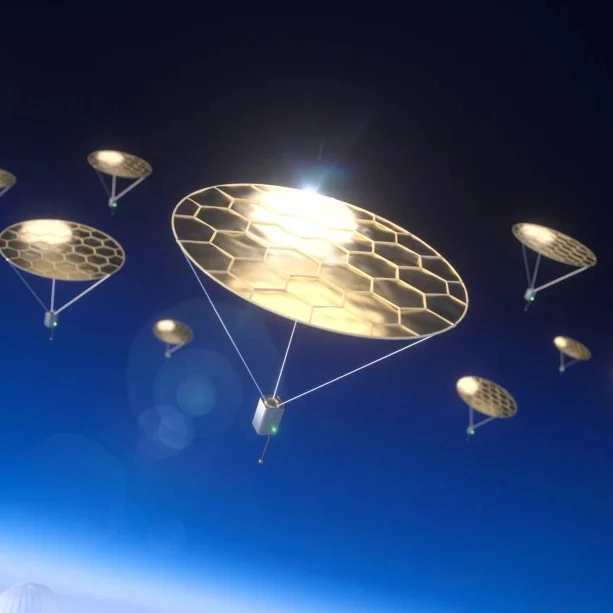
    This flying device features two layers of asymmetrically perforated wafers. In the thin air of the mesosphere, sunlight shines through the top layer, warming the bottom layer. When gas molecules hit this heated surface, they bounce off with added momentum, generating an upward thrust that allows the device to float.

    Successful Testing and Future Applications

    In a test to prove its concept, the team managed to levitate a structure that was 1 centimeter wide in a low-pressure chamber using light at about 55% of the strength of real sunlight, showing that the design works well.

    Additionally, the researchers have crafted a saucer that measures 6 centimeters across, which is expected to ascend to an altitude of 75 kilometers while carrying a payload of 10 milligrams. This weight is sufficient for a small sensor or communication device. Such technology could be beneficial for high-altitude climate monitoring and exploring the atmosphere of planets like Mars.

    Source:
    Link


  • Space Probe Launched to Search for Life on Jupiter’s Moons

    Space Probe Launched to Search for Life on Jupiter’s Moons

    Key Takeaways

    1. The Juice probe was launched in 2023 to search for signs of life on Jupiter’s moons: Ganymede, Europa, and Callisto.
    2. The probe is equipped with Rime, a radar device that can analyze soil structures up to nine kilometers deep.
    3. Ganymede has subglacial oceans beneath thick ice, raising the possibility of life in its environment.
    4. Rime was previously tested on the Moon to improve its settings and algorithms for future use.
    5. The Juice probe will reach Jupiter’s orbit in 2031 and Ganymede’s orbit in 2034.


    The thought that life might exist somewhere in the universe intrigues countless people while also causing fear for others. A number of missions have been undertaken to uncover this enigma, and one such mission is a probe launched in 2023, which aims to find signs of life on Jupiter’s moons, the biggest planet in our solar system.

    About the Juice Probe

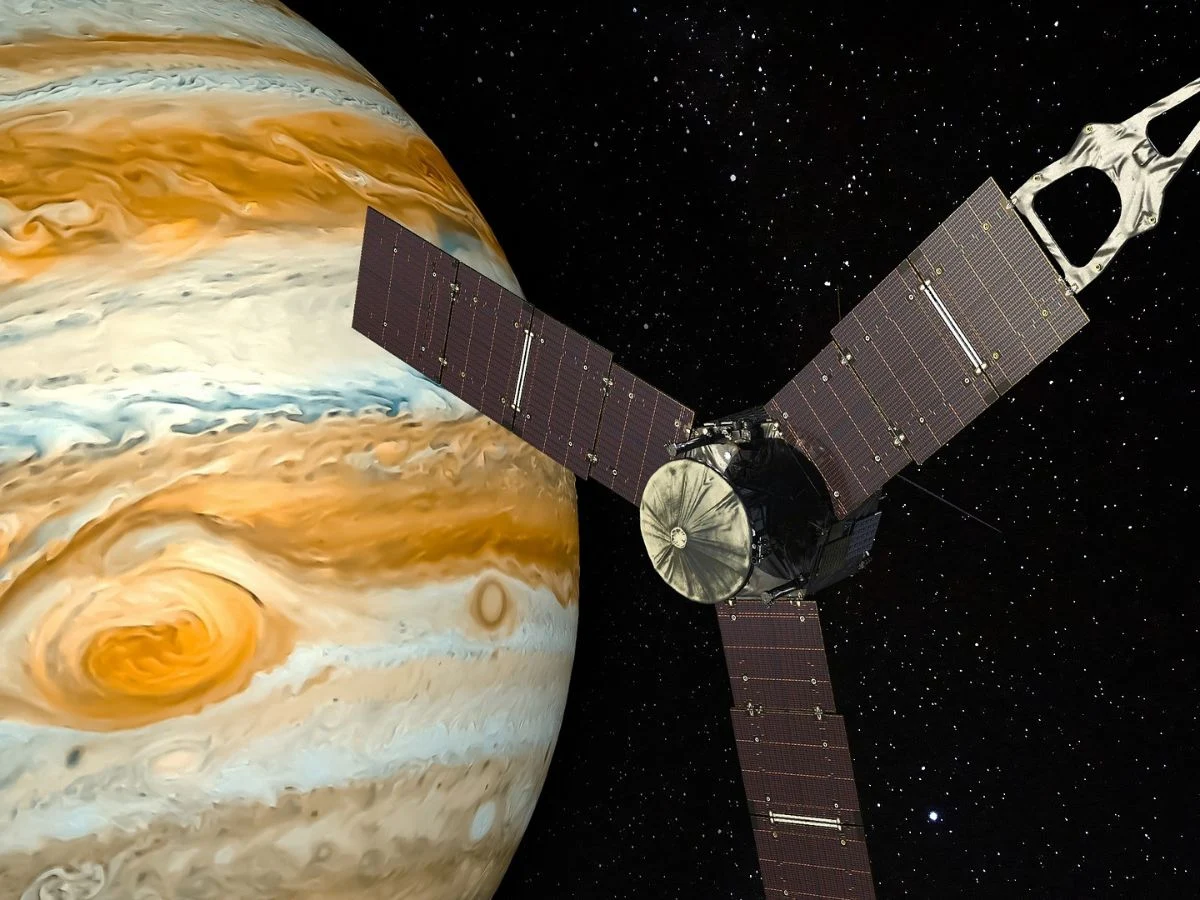
    Named Juice, this probe was created by European scientists to search for possible signs of life and habitable places on Ganymede, Europa, and Callisto, as reported by Live Science. To do this, it’s fitted with various instruments, including Rime, which stands for Radar for Icy Moon Exploration.

    Unique Capabilities of Rime

    This device is remarkable because it can examine the soil structure of moons and planets down to a depth of nine kilometers. This is particularly important for Ganymede, which is known to have several subglacial oceans beneath thick ice layers, with some evidence suggesting that life could thrive there.

    Before it was used on the moons, Rime was tested on a specific area of the Moon. This area is the Anders crater, situated on the far side of the Moon, and is famous for a photograph showing Earthrise taken by astronaut William Anders during the Apollo 8 mission.

    Preparing for Future Analysis

    During its eight-minute analysis of this lunar region, the Rime device allowed scientists to adjust the final settings and improve the algorithm. Now, it appears to be ready for examining Jupiter’s moons.

    However, it will take time before we discover if Ganymede, Europa, and Callisto have environments suitable for life. The Juice probe will first travel to Venus to use it as a slingshot before heading to Jupiter. Thus, the insertion into Jupiter’s orbit is planned for 2031, with Ganymede’s orbit insertion expected in 2034.

    Source:
    Link


  • Mijia Smart Air Purifier 6: Clean Air & Smart Controls by Xiaomi

    Mijia Smart Air Purifier 6: Clean Air & Smart Controls by Xiaomi

    Key Takeaways

    1. Xiaomi has launched the Mijia Smart Air Purifier 6, model number AC-M25-SC, available on its international website.
    2. The purifier features a five-stage filtration system that removes allergens, unpleasant smells, and formaldehyde from the air.
    3. It measures 250 x 250 mm and stands 555 mm tall, making it a sizable device.
    4. The air purifier includes various sensors to measure temperature, humidity, PM2.5, PM1, and dust levels, with a Clean Air Delivery Rate (CADR) of 443 m³ per hour.
    5. The device supports smart home integration and features a display, but pricing and availability details in the U.S. are still unknown.


    Xiaomi has a variety of air filters available and has recently added the Mijia Smart Air Purifier 6 to its lineup. This new product can be found on the company’s international website and is identified by the model number AC-M25-SC. It’s important to note that this should not be confused with the AC-M15-SC, which is the model number for the Xiaomi Smart Air Purifier 4 Pro.

    Dimensions and Features

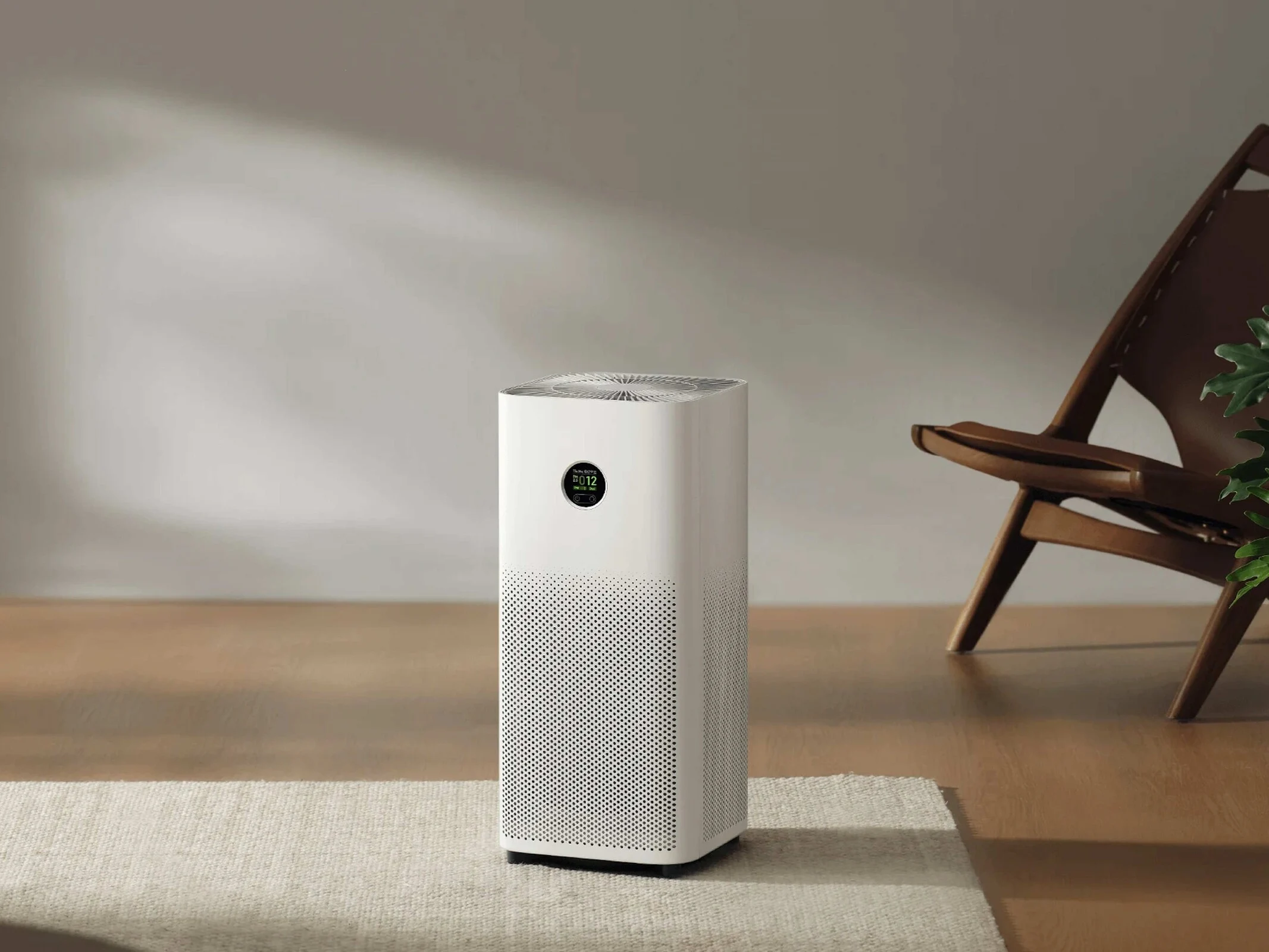
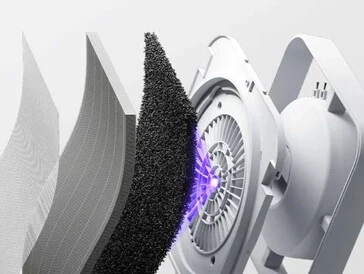
    The Mijia Smart Air Purifier 6 measures 250 x 250 millimeters and stands at a height of 555 millimeters, making it quite sizable. It’s promoted as being capable of effectively purifying the surrounding air through a five-stage process. This filtration system is designed to eliminate various allergens including pollen, as well as unpleasant smells and formaldehyde. From a health standpoint, formaldehyde is quite harmful and can be released from items like wooden furniture. Additionally, the purifier aims to remove pathogens from the air. Its filtration system includes both an activated carbon filter and UV light technology.

    Sensor Capabilities

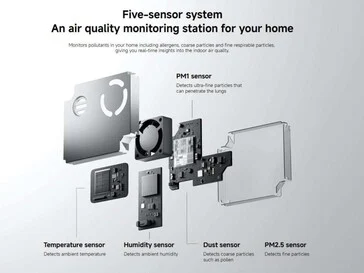
    Equipped with a diverse array of sensors, the Mijia Smart Air Purifier 6 can measure not just temperature and humidity, but also PM2.5, PM1, and dust levels. The Clean Air Delivery Rate (CADR) is rated at 443 m³ per hour, indicating the volume of air that can be filtered. The device features a display and supports smart home integration. Details regarding pricing and availability in the U.S. and other regions are still unknown.

    Source:
    Link


  • New Philips Hue Outdoor String Lights Coming Soon

    New Philips Hue Outdoor String Lights Coming Soon

    Key Takeaways

    1. Philips Hue has introduced the Festavia Globe String Lights, designed for outdoor use in gardens or balconies.
    2. The lights offer warm white and colorful lighting options, along with customizable lighting scenes and effects.
    3. They feature a unique inner tube to maintain color and brightness, and their design includes rounded bulbs in black fixtures.
    4. Specific details about string length, bulb count, and maximum brightness are still undisclosed.
    5. Pricing has not been announced, but the official presentation is expected during IFA 2025 in September.


    A new Philips Hue product has been revealed: the Festavia Globe String Lights. This product is part of a collection of smart home gadgets that were unintentionally showcased on the company’s website for a short period in August 2025. Other leaked items include the Hue Bridge Pro and the Festavia Permanent Outdoor String Lights.

    Features of the Festavia Globe String Lights

    Philips Hue claims that the Festavia Globe String Lights are perfect for your garden or balcony. They are said to provide both warm white and colorful lighting, featuring various lighting scenes and dynamic effects. Users can also create a personalized gradient along the string of lights. Additionally, the ‘unique inner tube’ guarantees that the lights maintain their color and brightness.

    Design and Specifications

    A leaked image reveals the Festavia Globe String Lights with rounded bulbs placed in black fixtures, connected to a black wire. This design differs from the slimmer Festavia String Lights (set of 250 currently priced at $214.99 on Amazon). Further information, such as the length of the string, the number of bulbs, and the maximum brightness level, has not been revealed yet. As usual with Philips Hue products, these lights are anticipated to be controllable via the Philips Hue app, and they can be connected to other compatible smart home devices.

    Pricing and Launch

    The price tag for the Philips Hue Festavia Globe String Lights has not been announced yet. This smart lighting solution is expected to be officially presented in September at IFA 2025, along with a variety of other gadgets.

    Source:
    Link


  • Xiaomi Robot Vacuum H40 with Anti-Tangle Tool Launches in Europe

    Xiaomi Robot Vacuum H40 with Anti-Tangle Tool Launches in Europe

    Key Takeaways

    1. Powerful Cleaning Modes: The Robot Vacuum H40 offers up to 10,000 Pa suction power with four modes: Quiet, Standard, Strong, and Turbo, plus anti-tangle technology for hair management.

    2. Smart Navigation and Battery Life: It features an LDS navigation system and a 5,200 mAh battery, providing up to 180 minutes of cleaning on a single charge, with automatic docking for recharging.

    3. Hands-Free Cleaning: The docking station can automatically empty the dustbin into a larger 4L capacity bin, allowing for up to 90 days of hands-free cleaning.

    4. App and Voice Control: Users can customize settings through the Xiaomi Home app and control the device using voice commands via Amazon Alexa and Google Assistant.

    5. Pricing and Availability: The Robot Vacuum H40 is available in Germany for €249.99, with plans for broader availability across Europe soon.


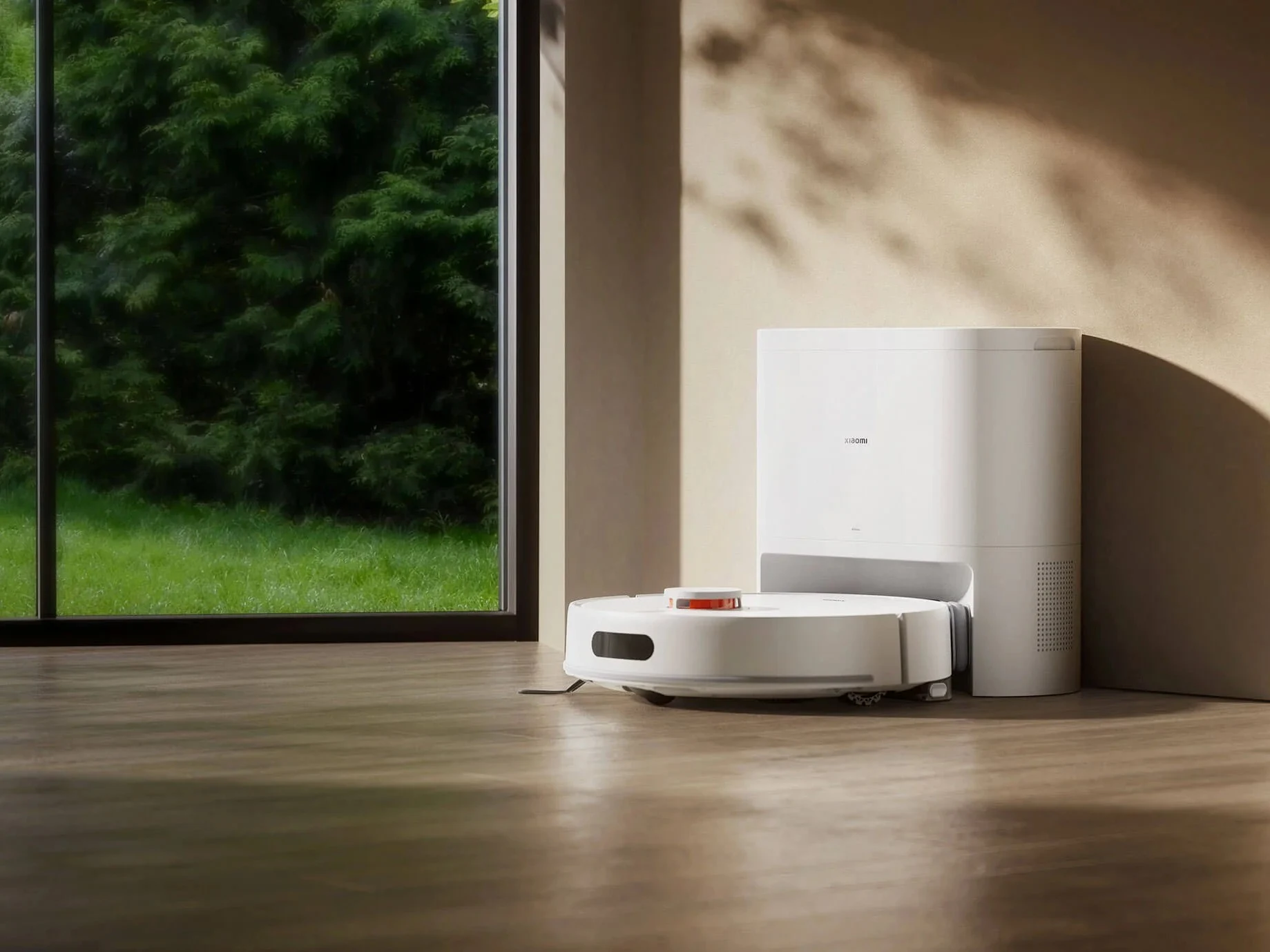
    Xiaomi has launched the Robot Vacuum H40 in Europe. At the moment, it is available in Germany, with plans to expand to other countries in the region soon. This smart home device made its debut in China in 2024 and has recently been introduced alongside the S40 in Singapore.

    Powerful Cleaning Modes

    The Robot Vacuum H40 provides suction power of up to 10,000 Pa, offering four different modes: Quiet, Standard, Strong, and Turbo. A notable feature is its anti-tangle technology, designed to keep hair from getting stuck. The system includes a comb-like attachment next to the V-shaped central roller brush. Furthermore, it has an anti-tangle side brush that helps collect hair along the room’s edges. For mopping, there is a 210 ml water tank that allows you to adjust the water flow according to your preferences. The device is capable of vacuuming and mopping at the same time, with customizable settings accessible through the Xiaomi Home app.

    Smart Navigation and Long Battery Life

    Xiaomi’s Robot Vacuum H40 utilizes an LDS navigation system for efficient movement throughout your home. The 5,200 mAh battery is claimed to provide up to 180 minutes of cleaning on a single charge. The robot will return to its docking station to recharge when needed. Additionally, the docking station has the ability to automatically empty the onboard dustbin into a larger 4L capacity bin, enabling up to 90 days of hands-free cleaning. Besides the app, users can also control the device using voice commands through Amazon Alexa and Google Assistant.

    Pricing and Availability

    You can purchase the Xiaomi Robot Vacuum H40 from the brand’s online store in Germany for €249.99, which is a reduction from the original price of €299.99. Support pages on Xiaomi’s UK website suggest that it will soon be available in that country as well. Moreover, Amazon listings in countries such as the Netherlands and Spain indicate that the product is expected to be launched more broadly across Europe in the upcoming weeks and months.

    Source:
    Link


  • Roborock P20 Ultra Plus Robot Vacuum: New Powerful Launch

    Roborock P20 Ultra Plus Robot Vacuum: New Powerful Launch

    Key Takeaways

    1. The Roborock P20 Ultra Plus features increased suction power of 25,000 Pa, up from the previous model’s 22,000 Pa.
    2. It can mop with hot water at 60°C (~140°F) and has an intelligent dock for a thorough washing process at 100°C (~212°F) and drying at 55°C (~131°F).
    3. The robot has a smart mop removal feature that allows it to vacuum carpets up to 3 cm (~1.2 inches) deep without wetting them.
    4. It includes an AdaptiLift Chassis for overcoming obstacles up to 40 mm (~1.6 inches) and features extending arm brushes and mops for better coverage.
    5. Launched at CNY 4,299 (~$590), the model offers a discount from its original price and includes a version that connects to home plumbing for CNY 4,699 (~$654).


    Roborock has launched the P20 Ultra Plus robot vacuum and mop in China. The brand had been hinting at this model through social media recently. This model is an upgrade from the P20 Ultra, which was released earlier in 2025 and is based on the original P20, also referred to as the Qrevo Curv (currently priced at $1,299.99 on Amazon).

    Powerful Features

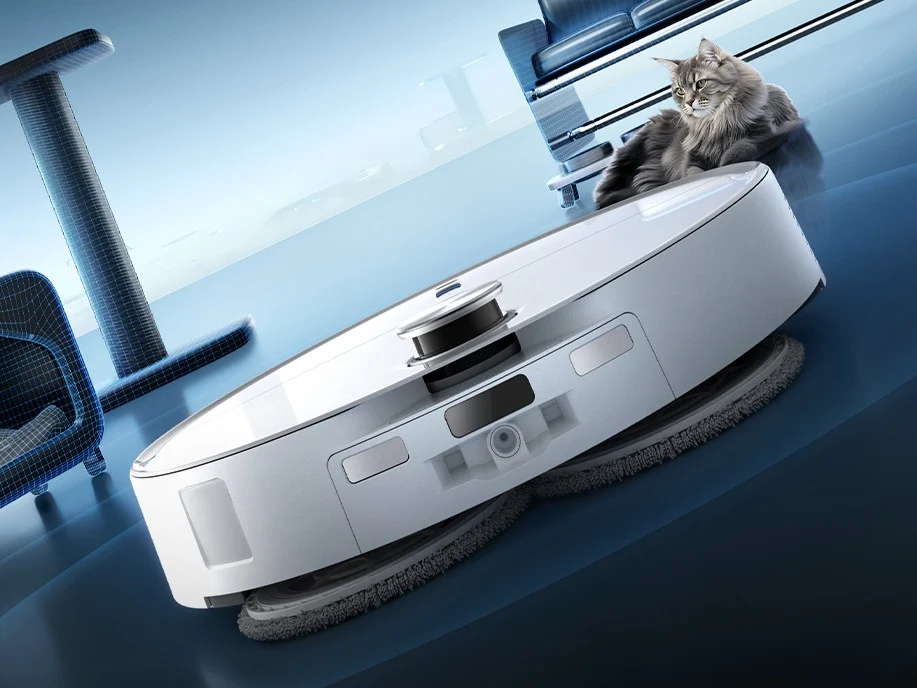
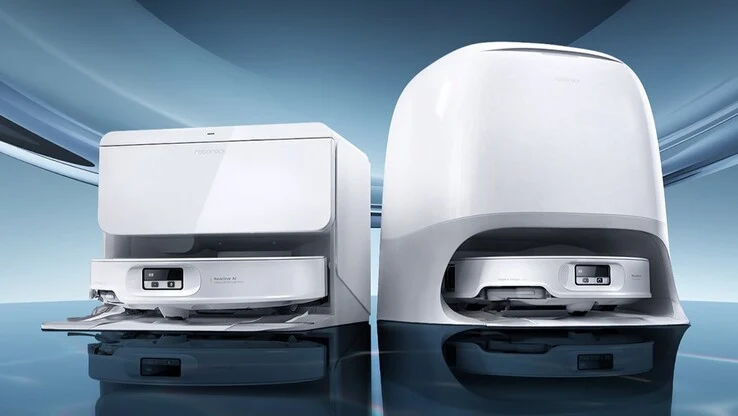
    From the updates on social media, we learned that the P20 Ultra Plus boasts an impressive suction power of up to 25,000 Pa, surpassing the Ultra’s 22,000 Pa. Another notable feature is its ability to mop with hot water at 60°C (~140°F), which helps in effectively removing dirt and stains. Additionally, the intelligent dock ensures a thorough mop washing process that includes a hot water wash at 100°C (~212°F) followed by drying with warm air at 55°C (~131°F).

    Smart Design

    We’ve also discovered that the P20 Ultra Plus includes a smart mop removal feature, allowing it to vacuum carpets up to 3 cm (~1.2 inches) deep without getting the fabric wet. The model retains the same compact retractable LDS navigation module that fits into its slim body of 7.98 cm (~3.1 inches). Moreover, it features the AdaptiLift Chassis, which allows the robot to overcome obstacles that are up to 40 mm (~1.6 inches) high, plus it has extending arm brushes and mops for better floor coverage.

    Pricing and Availability

    As mentioned earlier, the P20 Ultra Plus robot vacuum and mop is launched with a price of CNY 4,299 (~$590), which is a discount from the original retail price of CNY 5,799 (~$808). There is also a second version available, which connects to your home plumbing, currently priced at CNY 4,699 (~$654) but will retail for CNY 6,199 (~$863). So far, the company has not revealed any plans to release this model in other global markets.

    Source:
    Link