Category: Home

  • Dreame A3 AWD Robotic Lawnmower: Perfect for Small Gardens

    Dreame A3 AWD Robotic Lawnmower: Perfect for Small Gardens

    Key Takeaways

    1. Dreame showcased its new products at IFA 2025, including the A3 AWD and V1 Series robotic lawn mowers.
    2. The A3 AWD can handle lawns up to 3,500 square meters and tackle inclines of 80% using all-wheel drive and advanced navigation without RTK technology.
    3. The A3 AWD features enhanced mowing technology with EdgeMaster 2.0 for nearly edge-free mowing within 1.5 cm.
    4. The V1 Series is designed for smaller gardens, capable of managing slopes up to 40% and navigating narrow spaces of 60 cm.
    5. Both models utilize camera-based navigation with AI mapping, and further details on pricing and release dates are forthcoming.


    Dreame is making waves at IFA 2025 with its own dedicated hall and an impressive array of new products. Alongside its innovative robot vacuums and a variety of home appliances, the spotlight is on the newly unveiled Dreame A3 AWD Series and V1 Series robotic lawn mowers, perfect for the upcoming gardening season.

    Upgraded Features in the A3 AWD

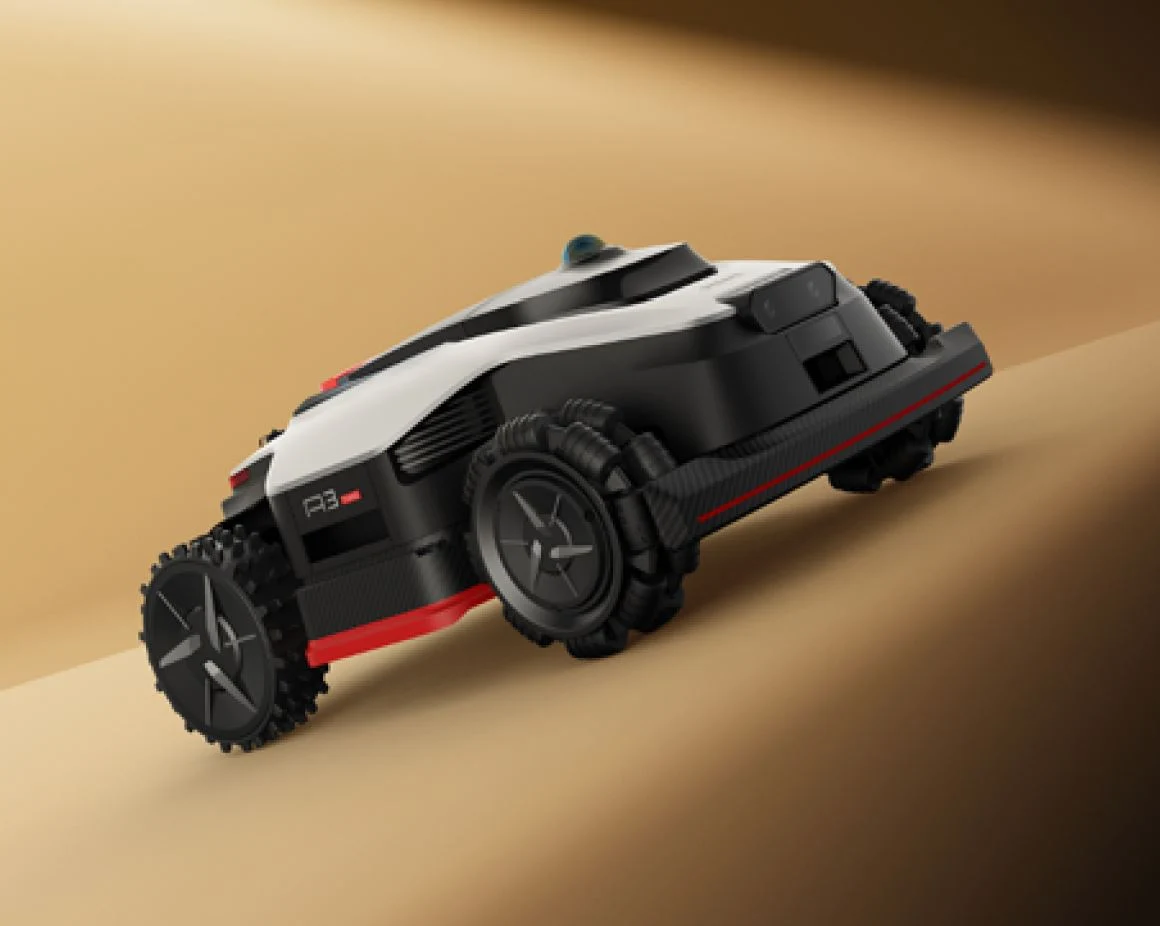
    Following the introduction of the Dreame A2 this spring, an improved version of its first robotic lawnmower, the A1, the brand is now raising the bar. The Dreame A3 AWD is set to be the new top model in their lineup, designed to handle lawns as large as 3,500 square meters.

    With all-wheel drive, it can tackle inclines of 80% (38.7 degrees) and easily navigate obstacles up to 5.5 cm high, making it suitable for uneven terrain. Navigation remains free from RTK technology; it uses 3D LiDAR and two HDR cameras for automatic AI mapping.

    Advanced Mowing Technology

    A unique aspect of the Dreame A3 AWD is its design underneath. While the A2 already featured nearly borderless mowing with its EdgeMaster and a sliding mower deck, the new model enhances this further with EdgeMaster 2.0. The A3 AWD has two sliding mower decks, crafted to achieve nearly edge-free mowing within a distance of less than 1.5 cm.

    The effectiveness of this feature will only be determined next year when the product is available. The specific release date and pricing for the Dreame A3 AWD are still unknown.

    Options for Smaller Gardens

    While the premium A3 AWD targets owners of larger or more complex properties, Dreame also offers options for smaller gardens with its V1 series. This line also avoids RTK, choosing instead a camera-based method featuring OmniEyes 1.0 dual vision with AI mapping.

    Dreame claims that the V1 series can handle slopes of up to 40% and navigate obstacles as deep as 4 cm. It is said to manage narrow spaces of just 60 cm without trouble. Additionally, the company promises a long-lasting battery life and the ability to detect over 300 objects. More information is anticipated to be released shortly.
  • Dyson Spot+Scrub AI: First Wet/Dry Robovac for Tough Stains

    Dyson Spot+Scrub AI: First Wet/Dry Robovac for Tough Stains

    Key Takeaways

    1. Smart Stain Detection: The Spot+Scrub uses an AI-driven camera and green LED to assess stains, cleaning up to 15 times until the stain is fully removed.

    2. Self-Cleaning Roller: It features a “12-point hydration system” that cleans the roller with fresh water, preventing dirty streaks during mopping.

    3. Advanced Navigation: The vacuum can identify up to 200 household items to navigate around, enhancing its cleaning efficiency.

    4. Powerful Cleaning on Carpets: It increases cleaning power by four times on carpets compared to hard surfaces.

    5. Cyclonic Dock Technology: The advanced dock empties dust, refills water, and cleans the wet scrubber using centrifugal forces, eliminating the need for bags.


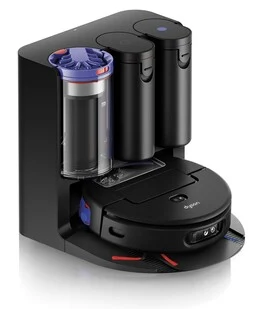
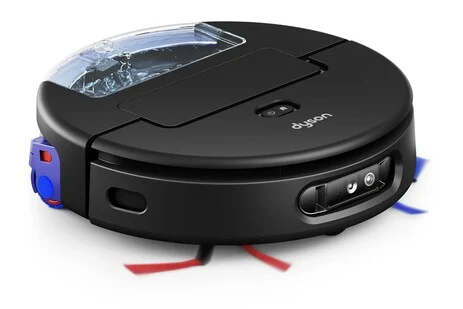
    The Spot+ Scrub Ai robot vacuum was recently revealed at the Dyson Unveiled event held in Berlin during IFA, along with the newest lineup of products, which includes the Dyson Clean+Wash Hygiene floor cleaner and the PencilVac. This is the company’s second robot vacuum released in recent years, following the Dyson 360 Vis Nav from 2023. However, it stands out as the first model to feature a mopping function. As expected, Dyson has introduced some unique and practical features to this vacuum that are not available in competing products.

    Smart Stain Detection and Cleaning

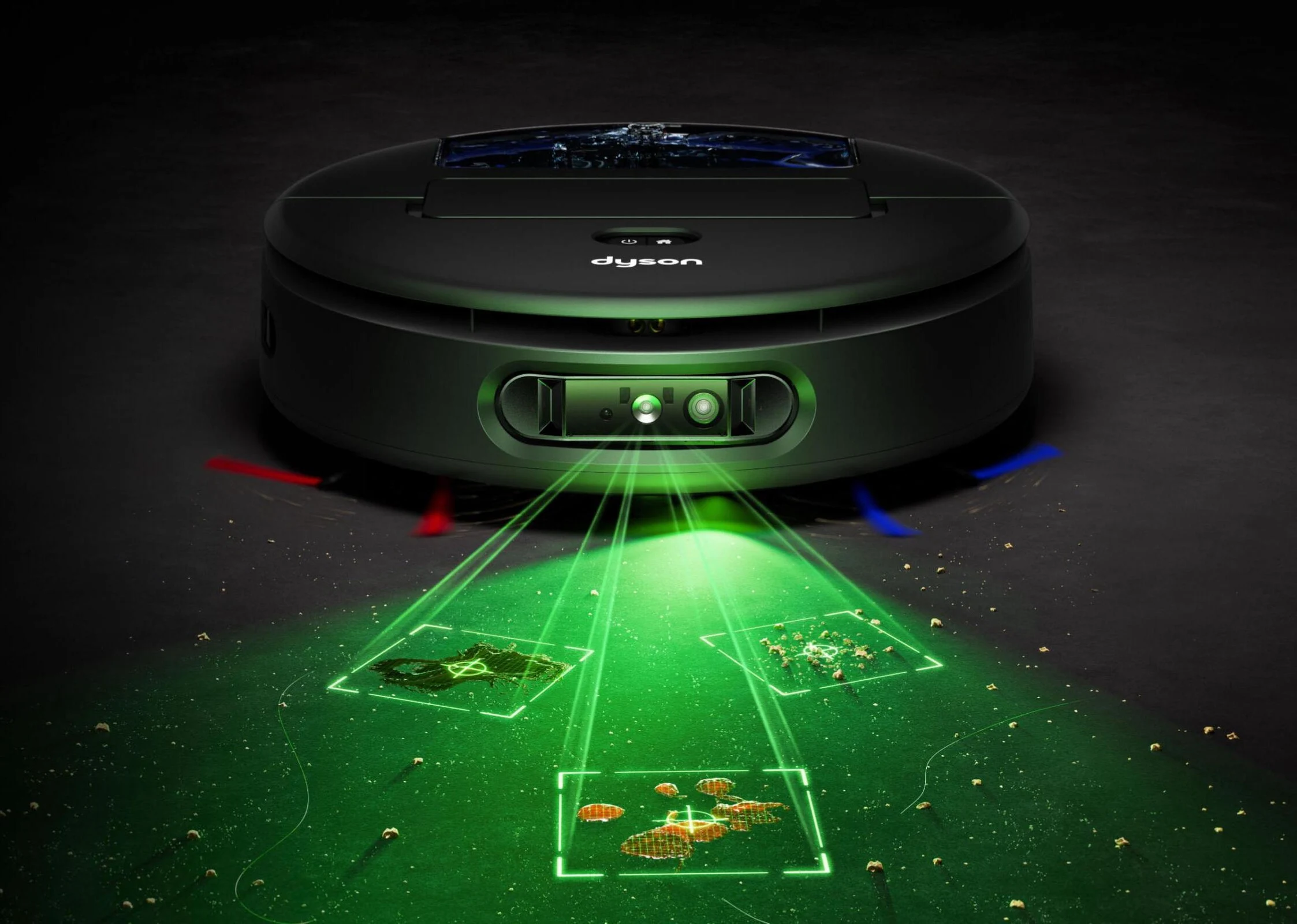
    Equipped with a green LED and an AI-driven camera, the Spot+Scrub evaluates stains before addressing them to work out how many times it needs to pass over the area for effective cleaning. After each pass, it visually checks if the stain is removed and will continue cleaning for up to 15 passes until the stain disappears entirely. This means it mimics the natural cleaning behavior of humans.

    The AI visual system also enables the vacuum to identify up to 200 household items that might obstruct its cleaning path, allowing for smooth navigation around them. Additionally, it increases its cleaning power by four times when tackling carpets as opposed to hard surfaces.

    Self-Cleaning Wet Roller Feature

    This vacuum will surely delight those who dislike seeing dirty streaks left behind by other robot vacuums. The Spot+Scrub incorporates a “12-point hydration system” that cleans the roller with fresh water each time it rotates, ensuring a consistently clean roller for mopping your floors.

    Dyson also mentions that the roller mechanism “automatically extends” by 1.6 inches, enabling it to reach edges and corners that gather more dust but are typically hard to clean.

    Advanced Cyclonic Dock

    A robot vacuum with such sophisticated features deserves an equally impressive charging dock, and Dyson delivers on that front. The dock utilizes cyclonic technology, which eliminates the need for bags by using centrifugal forces to separate dust. It not only empties the dust but also refills the robot’s water tank and cleans and dries the wet scrubber.

    You can control the Spot+Scrub through the MyDyson mobile app. While no pricing details have been disclosed yet, it’s safe to assume that it won’t fall under the ‘budget-friendly’ category. For context, the 360 Vis Nav was launched two years ago at a price of $1200 and received criticism for being overpriced without offering significant features compared to its competitors. Currently, the Dyson 360 Vis Nav is available on Amazon for $499.

    Source:
    Link


  • Google Reveals New Nest Cameras and Doorbell Before October Launch

    Google Reveals New Nest Cameras and Doorbell Before October Launch

    Key Takeaways

    1. Google unintentionally revealed new Nest devices, including the Nest Cam Indoor (3rd gen), Nest Cam Outdoor (2nd gen), and Nest Doorbell (3rd gen) through its app.
    2. The new devices are expected to record in 2K resolution, with features like digital zoom, high dynamic range support, and local video storage.
    3. Updated color options for the devices include Snow, Berry red, and Hazel, with internal codenames like “ustica,” “lionesa,” and “rhodes.”
    4. The new devices will use Google’s Gemini AI instead of Google Assistant, introducing features like Daily Summaries and a rebranded subscription service called Google Home Premium.
    5. A significant update for the Nest Cam series has been long overdue, but Google remains committed to the home security market, with more products expected to be revealed soon.


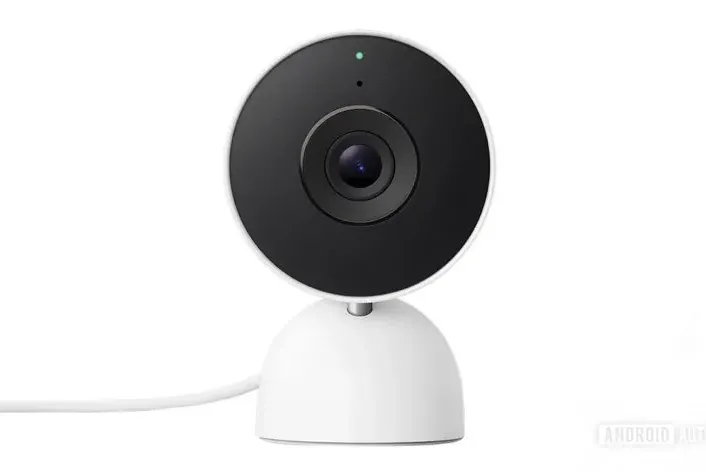
    Google has unintentionally revealed details about its upcoming Nest devices through its own application. The Google Home app briefly showcased setup options for three new wired models: the Nest Cam Indoor (3rd gen), the Nest Cam Outdoor (2nd gen), and the Nest Doorbell (3rd gen). This unintentional exposure was first noticed by Android Authority before the information was quietly removed, indicating that Google acted swiftly to correct the mistake in certain locations.

    Upgrades and Features

    The design of the new hardware doesn’t differ much from previous versions, however, earlier leaks from Android Headlines suggest a few improvements on the inside. All three devices are anticipated to record in 2K resolution, which is an upgrade from the 1080p limit seen in the current Nest products. Some of the features expected to be included are digital zoom with cropping, high dynamic range support, and enhanced three-hour video previews accessible in the Google Home app. Each device is also projected to keep at least one hour of video stored locally, providing users with a backup if the Wi-Fi goes down. These are models that require wiring, marking a change from Google’s previous focus on battery-operated devices, which might disappoint some users who liked the convenience of wireless setups.

    Color Choices and Codenames

    Google is also set to refresh the color options for the lineup. The indoor camera is rumored to come in colors like Snow, Berry red, and Hazel, while the outdoor camera might be available in Snow and Hazel. The doorbell could be released in Snow, Hazel, and Linen. The Berry color is a striking addition when compared to the more subdued colors of earlier devices. Internal codenames also came to light in the leak: “ustica” for the indoor camera, “lionesa” for the outdoor model, and “rhodes” for the doorbell.

    AI Integration and Subscription Changes

    Google’s Gemini AI will take over from Google Assistant in the new devices, marking the company’s effort to unify its smart home ecosystem under Gemini for Home. This transition includes new AI-driven features such as Daily Summaries, which can quickly summarize key events recorded during the day. The subscription service for these devices is also undergoing a change. Nest Aware is set to be rebranded as Google Home Premium, with indications that an additional “Advanced” tier might be considered, which would bundle extended recording features and Gemini capabilities.

    It has been four years since the Nest Cam series got a significant update, leading some to question Google’s dedication to home security products. However, the company’s recent actions show it is far from abandoning this market. In fact, besides the cameras and doorbell, a Gemini-powered smart speaker is also on the horizon, although it wasn’t included in this specific leak. Google has hinted at the upcoming event, posting “Gemini is coming to Google Home” on X and urging users to check back on October 1 for the complete reveal. Pricing and release dates should be confirmed at that time, but due to these leaks, the essential details are already known.

    Source:
    Link


  • Midea’s Graphene Tech Heats to 1300°C in 0.2 Seconds

    Midea’s Graphene Tech Heats to 1300°C in 0.2 Seconds

    Key Takeaways

    1. Midea’s new graphene heating tube can significantly reduce cooking times, with homemade bread ready in 25 minutes and meatloaf in 70 minutes.
    2. The technology heats up to 1300°C in just 0.2 seconds, eliminating the need for preheating traditional ovens or air fryers.
    3. This innovation not only saves time but also reduces heat loss, potentially leading to lower electricity costs.
    4. Graphene, a highly efficient conductor, enhances heat transfer, durability, and temperature handling in kitchen appliances.
    5. The new heating tubes emit strong near-infrared radiation for better cooking results, including improved browning and moisture retention.


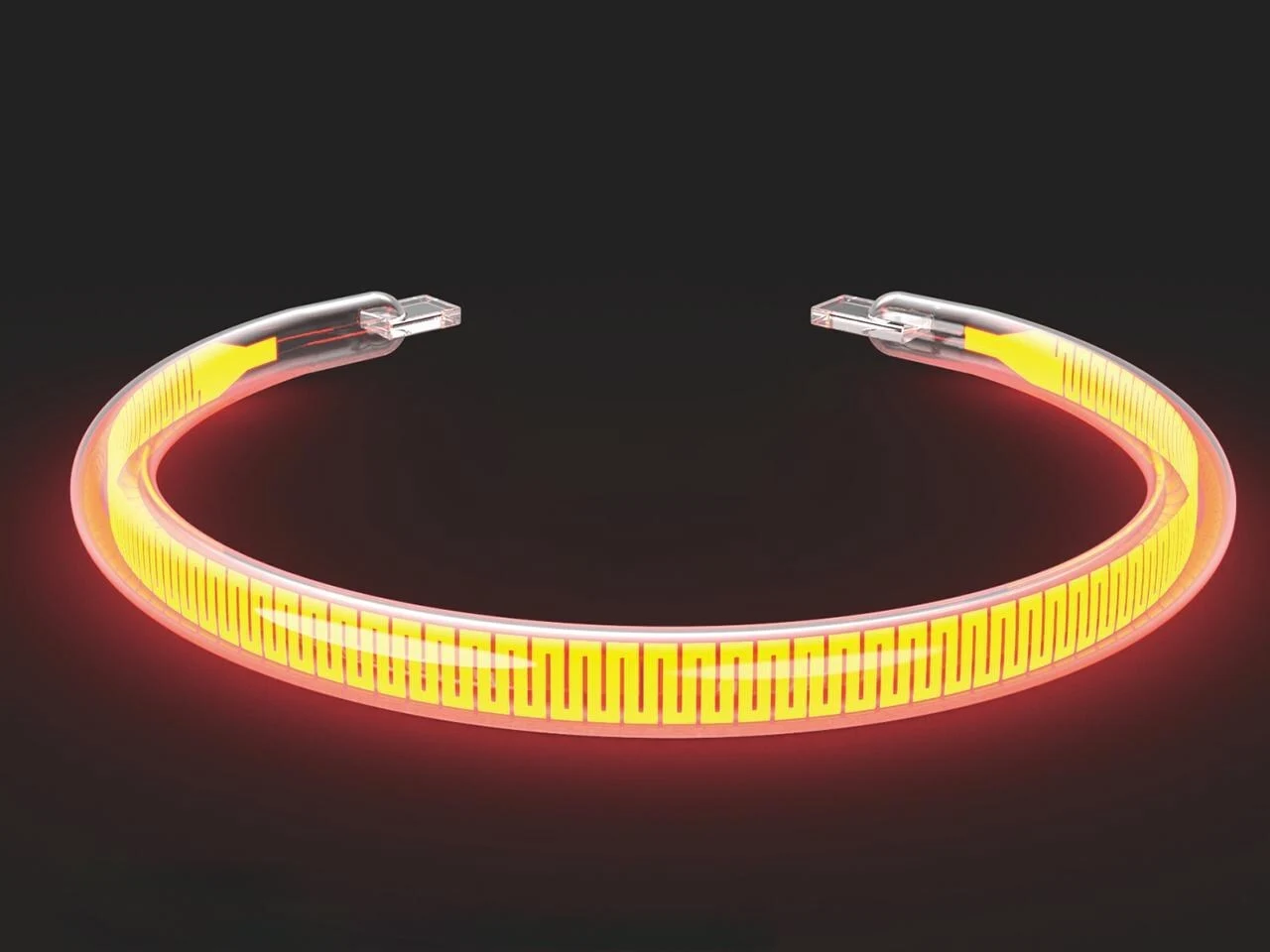
    Homemade bread can be ready in just 25 minutes, which is a big change from the usual 49 minutes, and you can prepare meatloaf in 70 minutes instead of 110. Midea claims that they can save you up to 49% of your cooking time thanks to a new graphene heating tube that heats up to very high temperatures almost immediately. The company states that it can reach 1300°C in only 0.2 seconds, which means you won’t need to preheat your air fryer or oven anymore, and your desired temperature will be achieved almost right away.

    Practical Benefits

    This innovation not only makes cooking more convenient, but it also shortens the total time spent in the kitchen. Additionally, it minimizes heat loss, which can lead to electricity savings. But what’s the science behind it?

    As of September 6, 2025, there isn’t much information about how graphene is used in heating elements for various kitchen appliances such as ovens, deep fryers, or cooktops, aside from Midea’s latest announcement. Nonetheless, it is known that graphene is a form of carbon that has a two-dimensional configuration, as mentioned on Wikipedia. This so-called “wonder material,” which is made of a single layer of carbon atoms arranged in a honeycomb shape, is an excellent conductor of electricity.

    Strengths of Graphene

    Currently, this material is more often linked to heating systems, especially in heating foils used for floor installations. In the new heating tubes from Midea, graphene is expected to show its advantages, offering not just a quicker heat transfer but also improved durability and the ability to handle higher temperatures. The new heating tubes are also claimed to emit strong near-infrared radiation, which is much more effective than the radiation from traditional quartz or metal heating elements. This is meant to create a lovely browning effect while keeping the moisture locked inside the baked goods.

    An added bonus is that graphene glows much brighter than other heating elements, providing a better view of your food as it cooks. Midea intends to implement this cutting-edge technology across its entire product range. However, only time and user feedback will tell how effective this new system truly is.

    Source:
    Link


  • NASA Resupply Mission to Boost Cancer and Semiconductor Research

    NASA Resupply Mission to Boost Cancer and Semiconductor Research

    Key Takeaways

    1. The International Space Station (ISS) is a key facility for scientific research that benefits both space and Earth applications.
    2. NASA and Northrop Grumman are sending experiments to the ISS using the Cygnus XL spacecraft.
    3. Research on microgravity aims to improve drug treatments for diseases by enhancing crystal quality for pharmaceuticals.
    4. Semiconductor crystals grown in space may lead to better-performing devices, and experiments on UV light’s effects on bacterial biofilms will be conducted.
    5. The Cygnus XL spacecraft is scheduled to launch on September 14 using a SpaceX Falcon 9 rocket.


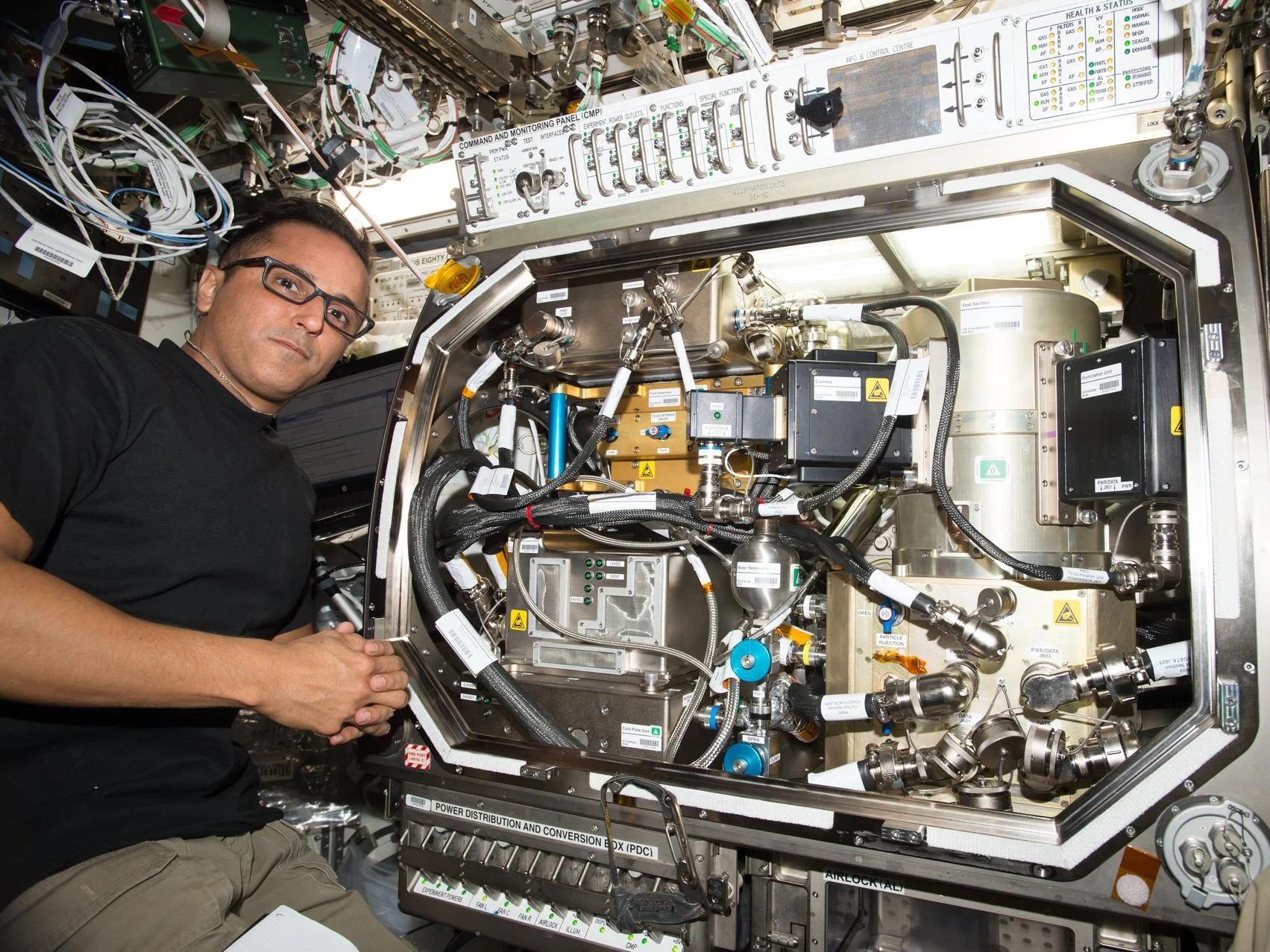
    The International Space Station (ISS) serves as a hub for scientific research beneficial for both space and terrestrial applications. NASA, in collaboration with Northrop Grumman, is gearing up to send another set of experiments to this orbiting facility. The Cygnus XL spacecraft from Northrop Grumman is set to transport the necessary supplies for these studies.

    Advancements in Medicine

    A key research initiative for this mission focuses on improving treatments for cardiovascular, immunologic, neurodegenerative diseases, and cancer. Researchers plan to explore how microgravity impacts the crystal formations of drug compounds. It’s anticipated that the unique conditions of microgravity will lead to the development of larger and more uniform crystals for pharmaceuticals.

    Having better quality crystals could enhance the effectiveness of drug therapies. The research team intends to utilize these space-grown crystals to cultivate additional crystals back on Earth. Although there have been previous studies on this, this investigation aims to evaluate the technique’s efficiency on a significantly larger scale.

    Semiconductor Research and More

    In addition to the aforementioned studies, the spacecraft will also carry out research on semiconductor crystals. Studies have indicated that semiconductor crystals grown in space yield devices with superior performance metrics.

    Moreover, the Cygnus XL spacecraft will transport experiments designed to assess how microgravity affects the ability of UV light to eliminate bacterial biofilms. Another vital experiment included in this mission is the Zero Boil-Off Tank Noncondensables (ZBOT-NC), which will explore the use of inert gases as a protective barrier in spacecraft fuel tanks. This method is expected to manage fuel tank pressure in microgravity effectively, thereby reducing unnecessary propellant loss that current methods tend to cause.

    Source:
    Link


  • Ooni Volt 2: Bake Neapolitan Pizza in 90 Seconds

    Ooni Volt 2: Bake Neapolitan Pizza in 90 Seconds

    Key Takeaways

    1. Ooni’s new Volt 2 pizza oven is a revamped version of the original Volt 12, featuring a larger viewing window and being 30% smaller for easier storage.
    2. The Volt 2 can heat up to 850°F (450°C) and reach this temperature in just 20 minutes using the “Boost” mode, allowing for Neapolitan-style pizza in 90 seconds.
    3. The oven includes a new temperature control system called Pizza Intelligence, which adjusts heating elements in real-time without using AI.
    4. The Volt 2 offers three preset options for different pizza styles, including Neapolitan, thin and crispy, and pan pizza, along with two custom presets.
    5. The Volt 2 is priced at $699 and will be available for purchase starting October 1st.


    Edinburgh’s Ooni, a pizza oven maker, has decided that its Volt 12 pizza oven needs a revamp. The refreshed model, named Volt 2, features a larger viewing window and is “30% smaller,” making it easier to store in a kitchen cupboard.

    Cooking Capabilities

    Ooni’s Volt ovens are designed for indoor use and can heat up to a scorching 850°F (450°C) or cool down to a mild 70°F (21°C). Similar to the previous model, the Volt 2 can reach its highest temperature in just 20 minutes when using the “Boost” mode. Ooni suggests that this setting allows for baking a true Neapolitan-style pizza in only 90 seconds right from your own kitchen, though Italian pizza chefs might have a different opinion.

    New Features

    The standout update in the Volt 2 is Ooni’s latest temperature control system. Dubbed Pizza Intelligence, this innovative mechanism utilizes sensor data to modify the heating elements in real-time. Pizza aficionados need not worry; Ooni doesn’t use any AI models to mess with your crust.

    User-Friendly Options

    Pizza Intelligence (or PI, if you like) also drives the three preset options available on the Volt 2. In addition to Neapolitan, novice pizza makers can create thin, crispy pizzas or even try making Pizza Hut-style pan pizza with just one touch. There are also two custom presets for those with a more refined taste in pizza.

    The Volt 2 is priced at $699, but it won’t be available until October 1st.

    Source:
    Link


  • Mova NexLawn Master X: Robotic Lawn Mower with Gripper Arm

    Mova NexLawn Master X: Robotic Lawn Mower with Gripper Arm

    Key Takeaways

    1. Mova has introduced the NexLawn Master X concept, featuring a gripper arm on a robotic lawnmower, which is a new innovation compared to existing vacuum robots.
    2. The gripper arm can extend up to 77 centimeters high and reach horizontally up to one meter, allowing it to clear obstacles like stones and branches.
    3. The arm’s functionality includes picking low-hanging fruit and tossing a ball for dogs, showcasing its versatility.
    4. The arm can be fitted with various attachments, such as a trimmer, to effectively cut grass in corners and along edges that robotic lawnmowers often miss.
    5. The NexLawn Master X is still a concept, and it remains uncertain if it will be available for purchase in the future, but it highlights advancements in robotic lawnmower technology.


    Vacuum robots with gripper arms, like the Roborock Saros Z70, have been part of the consumer market for a while now. However, this kind of feature is still new in the realm of robotic lawnmowers. Mova has introduced the NexLawn Master X concept robot, showcasing how a gripper arm might function on a robotic lawnmower. The arm is located on top of the robot and can’t be tucked away in the body, which is different from what we see in robot vacuums.

    Enhanced Reach and Functionality

    This arm is claimed to have a much longer reach: Mova states it can extend up to 77 centimeters high and reach horizontally up to one meter. This functionality allows it to clear obstacles like stones or branches that could potentially harm the blades or cause navigation issues for other robots. Additionally, Mova mentions that the robotic arm could serve various purposes, such as picking low-hanging fruit or tossing a ball for a dog.

    Innovative Attachments

    The arm can be fitted with multiple attachments, including a trimmer that provides a clean cut for grass in corners and along edges, which is a common issue with many robotic lawnmowers that leave untrimmed grass. At the moment, the NexLawn Master X remains purely a concept; it’s uncertain if a robotic lawnmower like this will ever make it to store shelves. Still, this concept indicates that Mova is actively working on advancing the technology in this field.

    Source:
    Link


  • Ecovacs Winbot W2S Omni: Multi-Mode Window Cleaner with Edge Scrubbing

    Ecovacs Winbot W2S Omni: Multi-Mode Window Cleaner with Edge Scrubbing

    Key Takeaways

    1. The Ecovacs Winbot W2S Omni features a multifunctional docking station for charging, storage, and control.
    2. It includes an upgraded WIN-SLAM system 4.0 for smarter route planning and multiple cleaning modes.
    3. The TruEdge scrubbing system effectively cleans corners at high speeds to prevent streaks.
    4. Safety features include 8,000 Pa of suction, rapid edge detection, and a safety rope for added security.
    5. The Winbot W2S Omni is priced at €599 and works on glass panes as thin as 3 mm with a minimum window size of 30 × 40 cm.


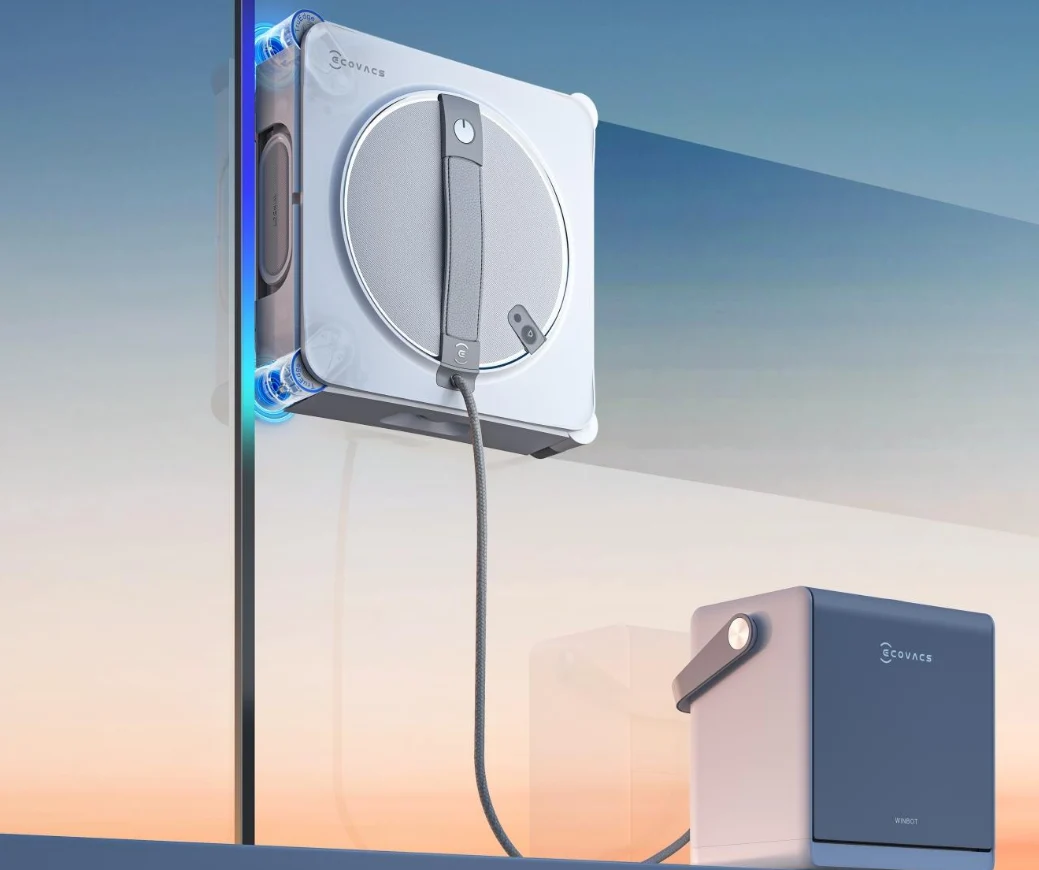
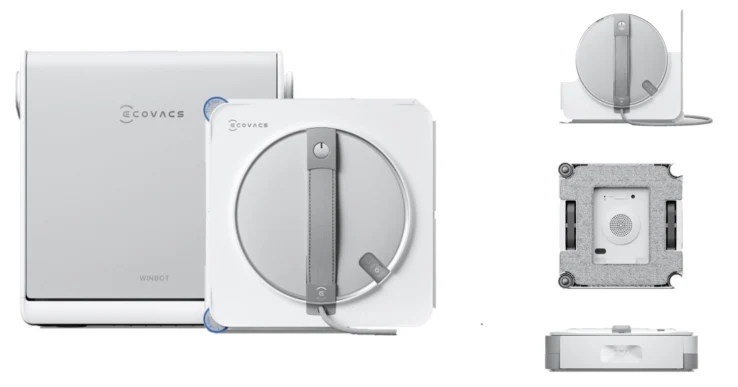
    Chinese tech company Ecovacs has recently introduced the Winbot W2S Omni, a new model in its range of robots designed for cleaning windows. This latest version is centered around a multifunctional docking station, which acts as a charger, a storage space, and a control system. The robot is powered by a 4,500 mAh battery, which is said to last for up to 110 minutes on one charge.

    Enhanced Cleaning Features

    Ecovacs has also improved its WIN-SLAM system to version 4.0, which now offers smarter route planning and various cleaning modes, including quick, deep, and zone cleaning. The TruEdge scrubbing system effectively handles corners and edges by lowering a rotating brush to speeds of up to 200 rpm to get rid of dirt, and then retracting to prevent streaks. Additionally, a new four-sided cleaning function reduces gaps to just over a centimeter from the window frame.

    Safety and Stability

    In terms of safety, the W2S Omni utilizes 8,000 Pa of suction to ensure it stays securely attached to the glass, supported by sensors that can detect movement and edges within just 0.2 seconds. If the battery begins to run low, the robot can remain in position for an additional half hour. The package comes with a safety rope, and Ecovacs provides optional coverage for any damages that may arise from rare suction failures.

    The Winbot W2S Omni is available for €599 and includes a docking station, washable cloths, cleaning solution, and other accessories. It can be used on glass panes as thin as 3 mm and windows that are at least 30 × 40 cm in size.


  • Ecovacs Deebot X11 OmniCyclone: New Bagless Floor-Cleaning Robot

    Ecovacs Deebot X11 OmniCyclone: New Bagless Floor-Cleaning Robot

    Key Takeaways

    1. Powerful Cleaning Capability: The Deebot X11 OmniCyclone features a 19,500 Pa suction and an OZMO Roller 2.0 mop, enhancing its ability to tackle tough stains and clean larger areas up to 1,000 square meters.

    2. Quick Charging Technology: It utilizes PowerBoost charging technology, restoring 6% of battery life in just three minutes, making it efficient for long cleaning sessions.

    3. Advanced Edge-Cleaning and Climbing Features: Improved edge-cleaning capability allows it to clean 1.5 cm from walls, and it can manage thresholds up to 2.4 cm and steps as high as 4 cm.

    4. Eco-Friendly Waste Management: The OmniCyclone station uses a cyclone separation system to eliminate disposable dust bags, featuring a 1.6-liter dust container that can last up to 48 days before needing to be emptied.

    5. Smart AI Assistance: The X11 includes Agent YIKO, an AI assistant that adapts to household schedules and room layouts, optimizing water flow, suction strength, and navigation.


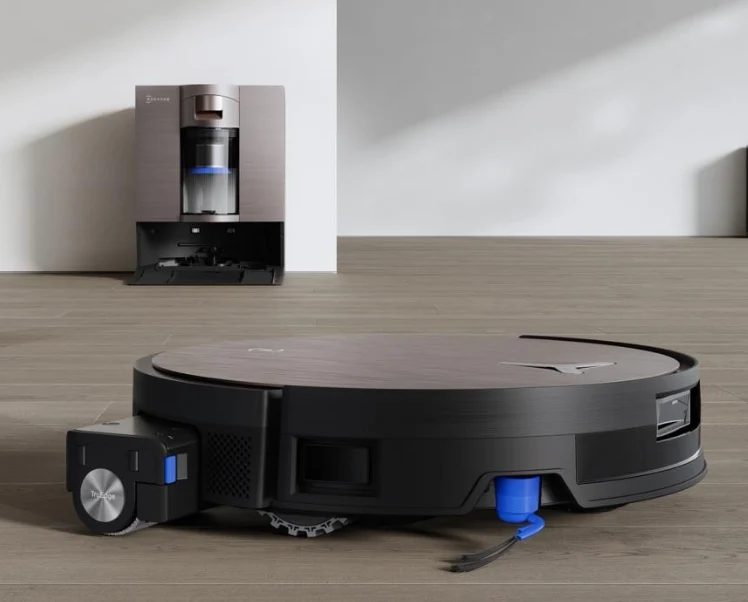
    Along with the Winbot W2S Omni, Ecovacs has recently unveiled the Deebot X11 OmniCyclone, a new floor-cleaning robot aimed at homes with larger areas. This gadget uses PowerBoost charging technology, which is said to restore 6 percent of battery life in just three minutes. Thanks to its 6,400 mAh battery, the company asserts that this robot can clean up to 1,000 square meters without needing to stop.

    Efficiency and Features

    The cleaning efficiency is enhanced by the OZMO Roller 2.0 mop and a powerful 19,500 Pa suction. The mop exerts consistent pressure at 200 rpm, and with a constant supply of water and detergent, it tackles more stubborn stains effectively. Ecovacs has improved its edge-cleaning capability, now reaching 1.5 cm from walls, and introduced a climbing feature that uses rotating levers and rubber grips to manage thresholds up to 2.4 cm and steps as high as 4 cm.

    Waste Reduction Technology

    The OmniCyclone station eliminates the need for disposable dust bags, utilizing a cyclone separation system that aims to minimize waste and simplify maintenance. With a 1.6-liter dust container, it can operate for up to 48 days before requiring emptying.

    The X11 also features Agent YIKO, the newest AI assistant from Ecovacs. It adapts to household schedules and room layouts, adjusting water flow, suction strength, and navigation as needed. Priced at €1,299, the Deebot X11 OmniCyclone comes with its docking station, mop rollers, brushes, and water tanks.


  • Anker Unveils 20K Power Bank with Dual Integrated Cables

    Anker Unveils 20K Power Bank with Dual Integrated Cables

    Key Takeaways

    1. The Zolo Power Bank (20K, 45W) features built-in dual USB-C cables and can charge four devices simultaneously.
    2. It can charge a Samsung S24 Ultra to 64% and an iPhone 16 Pro Max to 57% in just 30 minutes.
    3. The power bank has a 20,000 mAh capacity, providing about four full charges for an iPhone 16 or Samsung S24.
    4. It includes a digital screen for battery level display and supports pass-through charging.
    5. The price is $49.99, and it is currently available only in black on Amazon, with no confirmation on European availability.


    Anker has introduced the Zolo Power Bank (20K, 45W, Built-In Dual USB-C Cables) in the United States. This latest portable gadget, identified as model A1681, shares a design reminiscent of an earlier Zolo Power Bank, featuring integrated cables conveniently placed at the top of the unit.

    Charging Capabilities

    The Zolo Power Bank (20K, 45W, Built-In Dual USB-C Cables) allows you to recharge four gadgets at the same time. It includes two braided USB-C cables along with a USB-C port, each capable of delivering up to 45W of power. Anker claims that you can charge a Samsung S24 Ultra to 64% in just 30 minutes, or an iPhone 16 Pro Max to 57% in the same duration. The fourth output is a USB-A port that supports 22.5W. However, there is no information available regarding the supported fast charging protocols.

    Specifications and Features

    The Zolo Power Bank from Anker supports a 30W input through its USB-C port or cables. With a battery capacity of 20,000 mAh, it is claimed to give about four complete charges for an iPhone 16 or Samsung S24. Additionally, there’s a digital screen that displays the remaining battery level, and the device is capable of pass-through charging. The dimensions of this model are 4.7 x 2.9 x 1.2 inches (~120 x 73 x 31 mm), and it weighs 12.9 oz (~366 g).

    Availability and Pricing

    You can purchase the Anker Zolo Power Bank (20K, 45W, Built-In Dual USB-C Cables) in the United States on Amazon for $49.99. Currently, it is only offered in black, but the product list also shows colors like white, pink, and blue. It is still uncertain if or when this item will be available in Europe.