Category: Home

  • Govee Pendant Light Now CSA-Certified for Safety and Style

    Govee Pendant Light Now CSA-Certified for Safety and Style

    Key Takeaways

    1. The Govee Pendant Light is certified by the Connectivity Standards Alliance (CSA) for smart home compatibility.
    2. It supports Wi-Fi, Bluetooth, and Matter 1.3, allowing integration with various smart home systems.
    3. The light offers white and colored lighting options, controlled via the Govee Home app.
    4. It features a minimalistic design with a rounded dome shape and a clear outer layer.
    5. The official launch date and price are not yet known, but more details are expected by the third quarter of 2025.


    The Govee Pendant Light has been listed in the database for products certified by the Connectivity Standards Alliance (CSA). This organization is in charge of establishing and managing smart home standards like Zigbee and Matter.

    CES 2025 Showcase

    The new Pendant Light by Govee was displayed at CES 2025 along with other items such as the recently launched Gaming Light Bars Pro, which is currently priced at $119.99 on Amazon. The recent listing by the CSA suggests that the release of this product might be coming soon. It also confirms that the device will support both Wi-Fi and Bluetooth connectivity, along with compatibility for Matter 1.3, allowing it to connect with various smart home systems.

    Design Features

    This Pendant Light will feature both white and colored lighting options, and users will be able to control it through the Govee Home app. Images of the Govee Pendant Light reveal a rounded dome design with a clear outer layer. The inner part and the cable are finished in black, giving it a sleek and minimalistic look.

    Upcoming Launch Details

    As of now, the exact launch date and price of the Govee Pendant Light remain uncertain. Nevertheless, a report from Matter Alpha indicates that Govee is expected to provide more information about the release in the third quarter, likely between July and September 2025. Thus, it is plausible that the product will be available before the year ends.

    Sources include Govee via X and Instagram, Connectivity Standards Alliance, and Matter Alpha.

    Source:
    Link

  • Ubtech to Launch Humanoid Home Robot by 2025, Challenging Tesla

    Ubtech to Launch Humanoid Home Robot by 2025, Challenging Tesla

    Key Takeaways

    1. Ubtech Robotics is known for industrial robots used by major clients like BYD and Foxconn, with premium models costing around $100,000 and produced in limited quantities.

    2. There is a rising demand in China for household androids due to the need for elderly care and a shortage of skilled workers, prompting Ubtech to plan a humanoid household robot priced around $20,000.

    3. The upcoming household robot is expected to build on Ubtech’s existing Walker series, featuring humanoid traits, and may focus on caregiving and assistance without needing extensive new development.

    4. Initial functions of the new robot may include simple tasks like fetching items, opening doors, and sending reminders, while more complex tasks like cooking and cleaning are still beyond current technology.

    5. Ubtech faces competition from companies like Tesla, which is developing its own household robot, while leveraging China’s government support for robotics to enhance research and development in a rapidly growing market.


    Ubtech Robotics is mainly recognized for its industrial robots that are utilized in manufacturing by significant clients like BYD and Foxconn. These premium models, which are about $100,000 each, are still made in small numbers. In a discussion with Bloomberg, Chief Brand Officer Michael Tam pointed out the increasing demand in China for androids that can help in home environments. This trend is partly due to a growing need for elderly care and a lack of skilled workers. To meet this demand, Ubtech has revealed plans to introduce a humanoid household robot later this year, with a target price of around $20,000 to make it suitable for home use.

    Details on the Upcoming Robot

    Ubtech has yet to announce a specific name for its new household robot. However, it’s likely that the forthcoming device will expand upon the company’s current Walker series. These robots, showcased on Ubtech’s website, are designed with humanoid features, including arms, legs, and precise motorized grippers. Adapting this design for home use would enable Ubtech to utilize an already established tech base. A customized version of the Walker line could be fine-tuned for caregiving and assistance functions without the need for entirely new development. But for the moment, this is still just a guess.

    Expected Functions of the Robot

    The specific functions of Ubtech’s upcoming household robot have not been outlined yet. Nevertheless, it is anticipated that it will initially perform simple support tasks – like fetching items, opening doors, sending reminders, or helping with communication – especially in elder care situations. More complicated jobs like cooking, cleaning, or independently managing home appliances are still considered beyond the reach of present-day technology. Even Chief Brand Officer Michael Tam admits that a fully functional home robot will need several more years of development.

    In China, the robotics industry is receiving significant backing from the government. President Xi Jinping has marked this field as a national priority, leading to a boom in investment, research, and practical applications. Ubtech hopes to take advantage of this momentum, aiming to surpass competitors in turning prototypes into usable products. However, the company is entering a competitive arena; in the last two years, numerous start-ups have emerged in humanoid robotics. Simultaneously, swift advancements in large language models are revealing new avenues for sophisticated robot intelligence.

    Competition and Market Position

    By introducing a household robot, Ubtech would find itself in direct competition with Tesla and its Optimus robot, which is built to perform a range of domestic tasks and is projected to hit the consumer market at a price between $20,000 and $30,000. Tam sees this international competition – especially from the United States – as a positive force. While the U.S. is at the forefront of developing advanced AI algorithms, China has the edge in deploying these technologies in factories and large-scale manufacturing.

    Source:
    Link

  • Dyson Cool CF1: Enjoy Quiet, Cool Nights with Powerful Airflow

    Dyson Cool CF1: Enjoy Quiet, Cool Nights with Powerful Airflow

    Key Takeaways

    1. Dyson’s Cool CF1 fan features a blade-less design, ensuring safety for children.
    2. The fan uses Air Multiplier technology to produce 370 liters of airflow per second with 10 adjustable power levels.
    3. It is energy efficient, using only 30 watts of power even at maximum setting.
    4. The updated model is 80% quieter than traditional fans, making it suitable for nighttime use.
    5. The fan includes smart features like sleep mode and a sleep timer but lacks additional functions like heating or air purification.


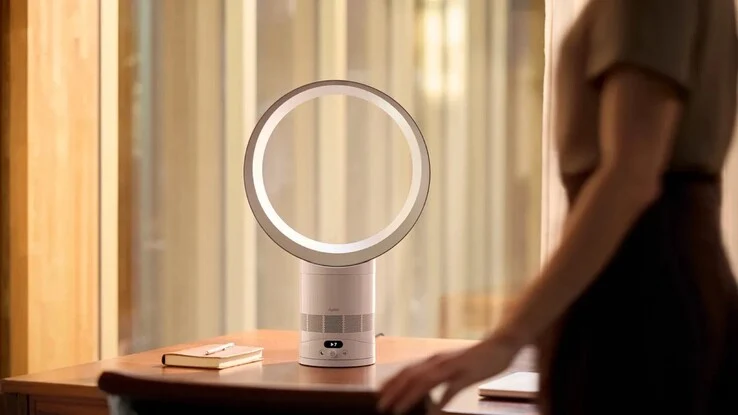
    Dyson is bringing back one of its smallest fans, the Cool CF1, with several enhancements. The design still features no fan blades, which means there is no danger of injury to kids. Using Dyson’s Air Multiplier technology, this fan is capable of producing an airflow of 370 liters per second on its highest setting, and you can adjust the power across ten different levels.

    Energy Efficiency

    Even at its maximum setting, it reportedly only uses 30 watts of power. Another significant benefit of the updated model is that Dyson claims it is as much as 80% quieter than traditional fans. This reduction in noise is partly due to the motor being silenced, making it ideal for cooling a bedroom at night without disturbing light sleepers.

    Smart Features

    The fan includes a sleep mode that dims the built-in display, and the sleep timer feature switches the fan off automatically after a set period. Unlike some of Dyson’s bigger models, the Cool CF1 does not come with extras like a heater or an air purifier. Instead, this fan is specifically designed to cool a room in the most comfortable way possible.

    The Dyson Cool CF1 will first be available in the UK, priced at £249.99 (around $337). A worldwide release is planned for 2026.

    Source:
    Link


  • First Grid-Level Sodium-Ion Battery Station Balances Wind and Solar

    First Grid-Level Sodium-Ion Battery Station Balances Wind and Solar

    Key Takeaways

    1. Hybrid Battery Project: China launched its first hybrid battery project combining sodium-ion and lithium cells to enhance energy storage capabilities.

    2. Energy Storage Capacity: The facility in Yunnan province has a capacity of 400 MWh, aimed at stabilizing energy from wind and solar farms connected to the Southern Power Grid.

    3. Improved Technology: The sodium-ion batteries used have a response speed six times faster than traditional sodium batteries, improving management of renewable energy fluctuations.

    4. Cost-Effective and Safe: Sodium batteries are less expensive, safer, and perform better in extreme temperatures compared to typical lithium iron phosphate (LFP) batteries.

    5. Significant Output: The system provides a steady output of 200 MW and can power around 270,000 homes with up to 98% renewable energy annually.


    After the successful rollout of energy storage initiatives utilizing sodium-ion batteries to stabilize the electricity grid, China has now launched its first hybrid battery project.

    Combining Battery Technologies

    This innovative project incorporates both sodium-ion and lithium cells, leveraging the unique advantages of each type. Located in Yunnan province, the energy storage facility has a remarkable capacity of 400 MWh, designed to store the fluctuating energy generated by wind and solar farms connected to the Southern Power Grid. This development aims to mitigate the kind of system strain from renewable sources that contributed to recent blackouts in Southern Europe.

    Advanced Battery Features

    The hybrid lithium-sodium energy storage system (ESS) relies on sodium-ion batteries provided by HiNa. They assert that their latest generation of high-capacity cells has a response speed that is six times quicker than traditional sodium batteries, a critical improvement for managing the unpredictable nature of renewable energy inputs.

    Typically, energy storage projects utilize lithium iron phosphate (LFP) batteries, commonly found in portable power stations like the Anker Solix C1000. In contrast, sodium batteries are not only less expensive but also safer, provide faster output, and have better capacity retention in extreme temperatures. This makes hybrid ESS systems more durable and cost-effective.

    Groundbreaking Achievement

    HiNa proudly claims that this project is the first-ever multi-power composite sodium-ion battery energy storage system in the world. They had to develop a specialized grid-level power converter tailored specifically for the unique requirements of sodium batteries as part of the project.

    The first high-capacity sodium-lithium energy storage station designed for grid use occupies a mere 0.012 square miles and has the capability to handle 580 million kWh annually. This amount of energy can power around 270,000 homes with up to 98% renewable energy all year long.

    The sodium-lithium ESS delivers a steady output of 200 MW, aimed at stabilizing the peak output fluctuations from over 30 local wind and solar facilities. The system adjusts its charging and discharging modes in real-time based on the renewable energy input. It has been undergoing grid capacity tests since March and has now received certification to operate as a large-scale hybrid ESS featuring both sodium-ion and lithium batteries.

    Source:
    Link


  • Xiaomi Smart LED Bulb: Affordable, Matter Support & 16M Colors

    Xiaomi Smart LED Bulb: Affordable, Matter Support & 16M Colors

    Key Takeaways

    1. Affordable Pricing: The Xiaomi Smart LED Bulb is priced at €12.99, making it a budget-friendly alternative to Philips Hue’s similar product priced at approximately $41.

    2. Energy Efficiency: The bulb uses only 8.5 watts while providing a brightness of up to 806 lumens.

    3. Color Variety: It can adjust color temperature from 2700K to 6500K and offers up to 16 million color options by mixing primary colors.

    4. Easy Installation: Designed for E27 sockets, the bulb fits into any standard fixture that accommodates a regular E27 bulb.

    5. User-Friendly Connectivity: It has a built-in WiFi module, eliminating the need for a separate hub, and supports Matter for integration with various smart home devices.


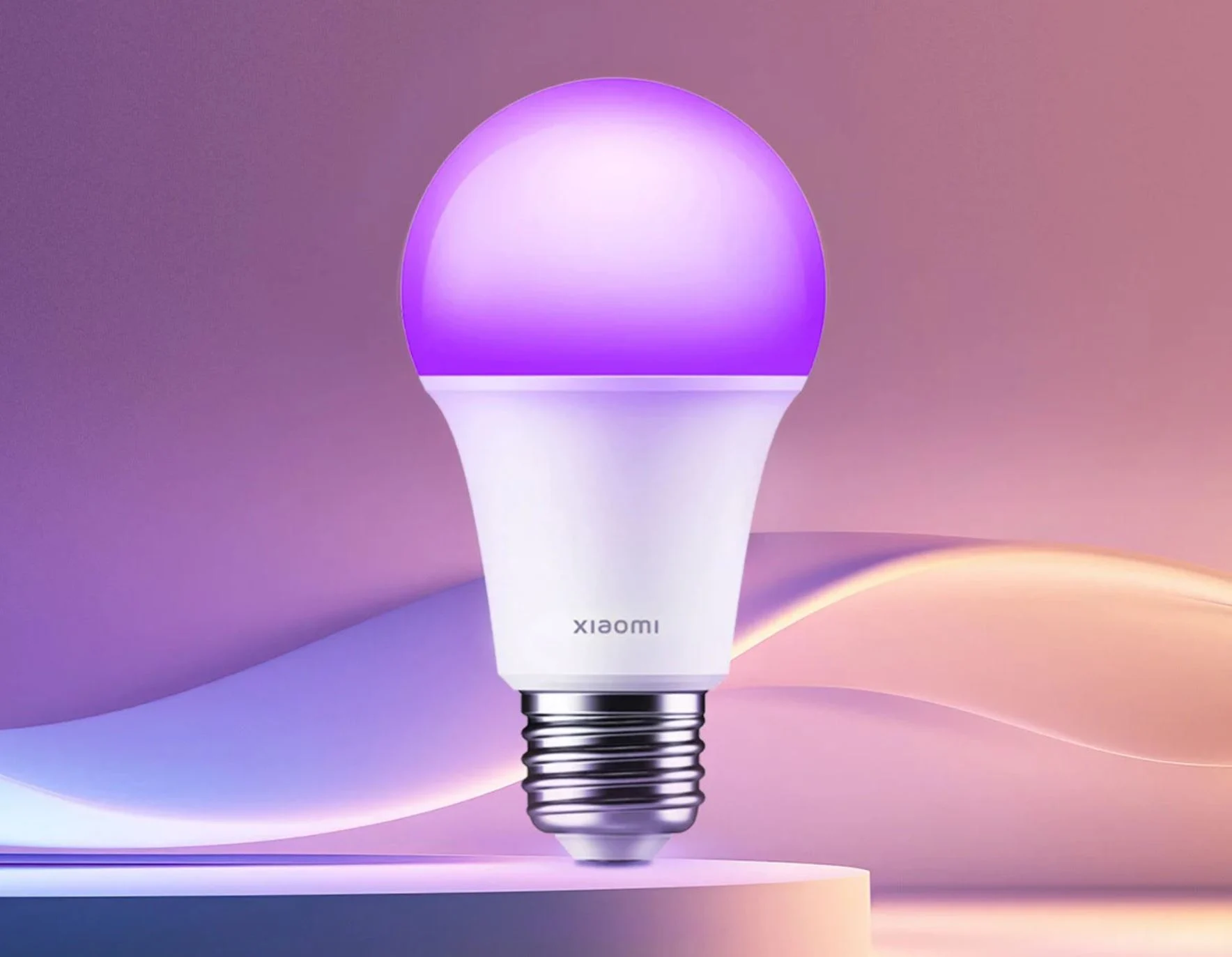
    Lighting plays a vital role in smart homes. While Philips Hue from Signify is a popular option, there are plenty of other brands providing similar lighting solutions. One of these brands is Xiaomi, who has recently introduced their new Smart LED Bulb (White and Color) in Europe.

    Pricing and Availability

    You can now purchase this new smart LED bulb from Xiaomi Germany at a suggested retail price of €12.99 (approximately $15). This makes it a much cheaper alternative compared to the Philips Hue White & Color Ambiance E27, which is currently priced at nearly $41 on Amazon. The Xiaomi smart LED is designed for E27 sockets, allowing it to fit in any fixture that can hold a regular E27 bulb. The dimensions of the LED bulb are 4.5 x 2.4 inches.

    Energy Efficiency and Features

    Xiaomi claims this energy-saving LED bulb uses only 8.5 watts while achieving a brightness of up to 806 lumens. In addition, the color temperature can be adjusted anywhere between 2700K and 6500K. By mixing its primary colors—red, green, blue, warm white, and cool white—this LED bulb can create a stunning variety of up to 16 million colors.

    User-Friendly Connectivity

    Differing from Philips Hue, the Xiaomi Smart LED Bulb (White and Color) does not need a separate hub. It features a built-in WiFi module, enabling it to connect directly with the Xiaomi Home app. Moreover, it supports Matter, which allows the Xiaomi smart LED to be integrated into a smart home ecosystem alongside devices from various other brands.

    Source:
    Link

  • Nanoleaf Launches Matter-Compatible Smart LED Rope Light

    Nanoleaf Launches Matter-Compatible Smart LED Rope Light

    Key Takeaways

    1. Nanoleaf launched the Matter Smart Multicolor Rope Light, a 16.4 ft indoor LED light strip priced at $69.99 in the US.
    2. The design is flexible and allows users to create unique shapes on walls, making it versatile for home decoration.
    3. The rope light features 420 LEDs across 70 color zones, achieving brightness up to 300 lumens and supporting animated light effects synced with music.
    4. It can sync with screen colors using Nanoleaf 4D Sync+ and is controllable through the Nanoleaf app, which will receive an update for custom designs.
    5. The product supports the Matter protocol, simplifying integration into existing smart home systems.


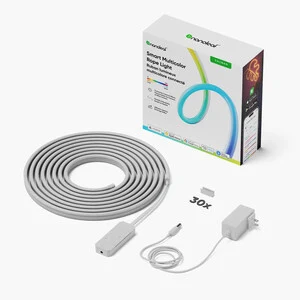
    Nanoleaf, a popular brand in smart home lighting, has launched a new product that competes with options like Philips Hue and Govee. The latest addition is the Nanoleaf Matter Smart Multicolor Rope Light, measuring 16.4 ft in length. You can find it on the manufacturer’s official online store, priced at $69.99 in the US.

    Design and Comparison

    The new LED light strip from Nanoleaf is designed primarily for indoor use, resembling the Philips Hue White & Color Ambiance Outdoor LightStrip, which is currently priced at $199 on Amazon. This smart light strip is versatile, making it suitable for various applications around the home.

    Features and Flexibility

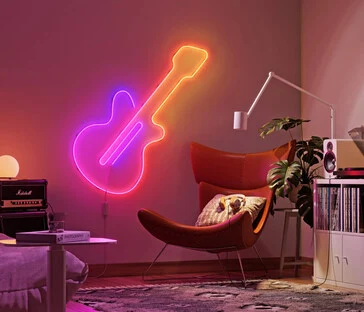
    The flexible design of the Nanoleaf rope light allows it to be easily bent and shaped, thanks to the included hooks. Creative users can design unique shapes on their walls, like a skyline or other objects, which makes it an exciting option for personalizing spaces.

    This light strip features 420 built-in LEDs, split into 70 color zones. This setup allows for vibrant color gradients throughout the Nanoleaf Matter Smart Multicolor Rope Light, reaching brightness levels up to 300 lumens. It also supports animations that can sync with music, adding a lively touch to any environment.

    Smart Integration

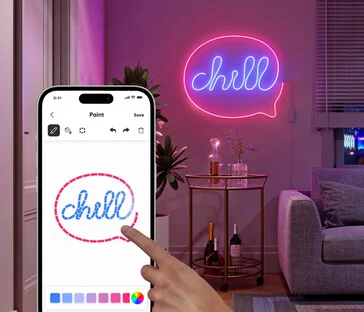
    Additionally, the LED light strip can sync with colors displayed on a screen through the Nanoleaf 4D Sync+. Users can control the Matter Smart Multicolor Rope Light using the Nanoleaf app, which is expected to get an update soon, enabling users to create custom light designs on their phones and apply them directly to the strip. Thanks to the Matter protocol, integrating this Nanoleaf light strip into smart home systems is made simple.

    Source:
    Link


  • OnePlus Launches 100W Compact GaN Charger with 10A Magnetic Cable

    OnePlus Launches 100W Compact GaN Charger with 10A Magnetic Cable

    Key Takeaways

    1. OnePlus launched a new 100W Compact SuperVOOC GaN Charger, which is one-third the size of its previous SuperVOOC 100W Power Adapter.
    2. The charger features a foldable plug, a single USB-C port, and weighs only 87 grams, making it convenient for storage and travel.
    3. It supports multiple charging protocols, including Oppo’s SuperVOOC and Power Delivery 3.0, allowing it to charge various devices, including laptops.
    4. The OnePlus charger is a rebranded version of the Oppo 100W Compact SuperVOOC GaN Charger, with the only design difference being the color of the bottom.
    5. It is priced at CNY199 (approximately $28/€24) in China, and includes a 10A braided magnetic cable to prevent tangling.


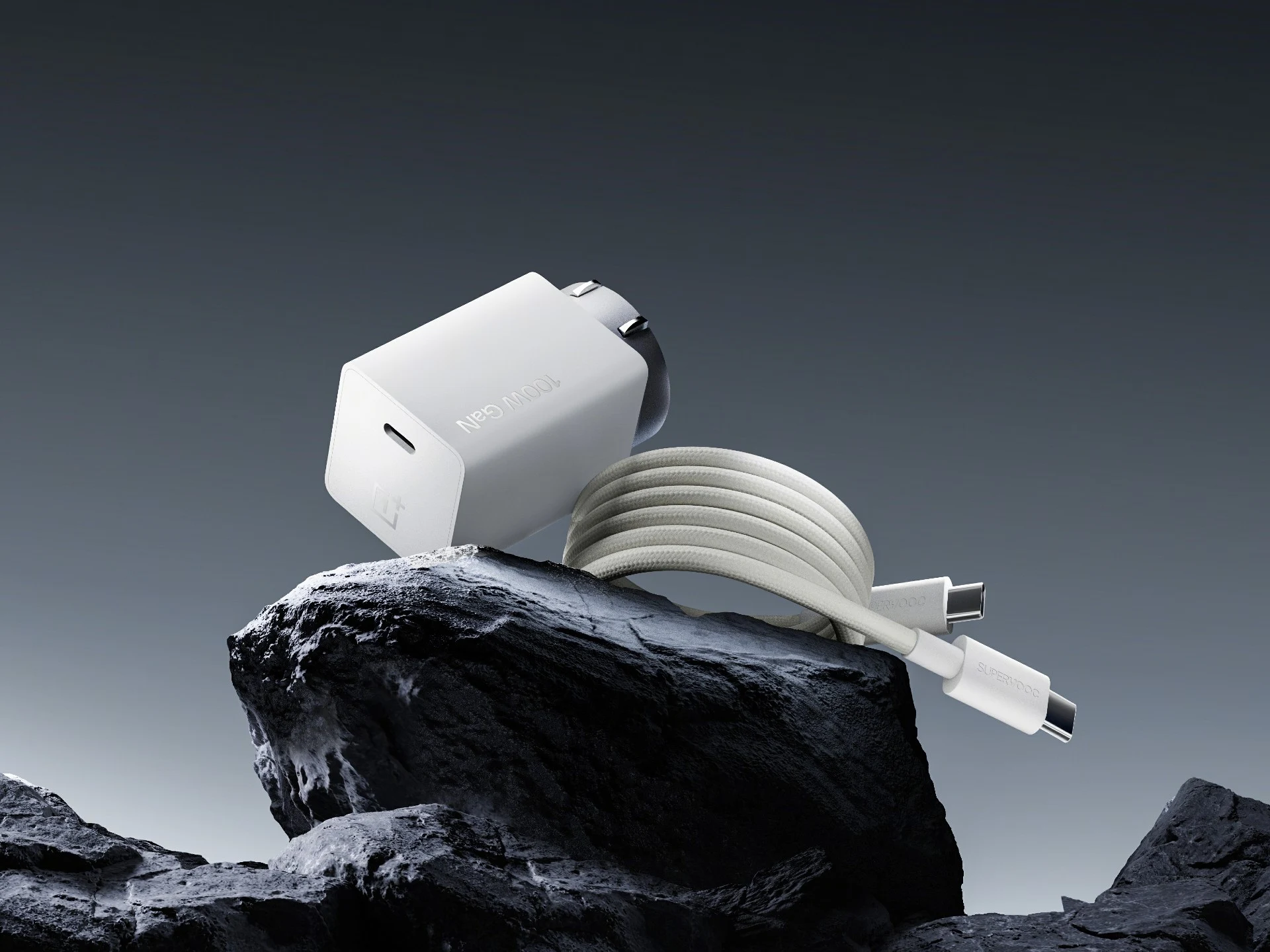
    OnePlus has unveiled a new 100W GaN charger that is much smaller compared to the OnePlus SuperVOOC 100W Power Adapter. Named the OnePlus 100W Compact SuperVOOC GaN Charger, this new charging device is now on sale in China.

    Design and Dimensions

    The OnePlus 100W Compact SuperVOOC GaN Charger features a design reminiscent of a square bottle topped with a round lid. According to OnePlus, it is one-third the size of the OnePlus SuperVOOC 100W Power Adapter, which can be found on Amazon priced at $20.98. Its dimensions are 56 x 33.5 x 33.5 millimeters and it weighs only 87 grams. On the top, there is a single USB-C port, and the plug is foldable, making it convenient for storage.

    Charging Capabilities

    This new charger is compatible with various charging protocols, including Oppo’s SuperVOOC, Power Delivery 3.0, PPS, UFCS, and Quick Charge 3.0. This means it can charge numerous devices, even high-power ones like laptops. OnePlus also notes that it boasts a power density of around 1.6W per cubic meter and a conversion efficiency of approximately 93.2%.

    Similarities with Oppo’s Charger

    The OnePlus 100W Compact SuperVOOC GaN Charger isn’t entirely new; it is essentially a rebranded version of the Oppo 100W Compact SuperVOOC GaN Charger that was released earlier alongside the Find X8 series. The only distinction is that the Oppo version features a yellow bottom while the OnePlus model has a gray bottom.

    Included Accessories

    Like its counterpart from Oppo, the OnePlus 100W Compact SuperVOOC GaN Charger comes with a 10A braided magnetic cable. The magnetic feature of the cable helps in preventing tangling and makes storage easier.

    The OnePlus 100W Compact SuperVOOC GaN Charger is currently available in China for CNY199 (approximately $28/€24), and this price includes the cable. There is no information available regarding its release in other countries, but it may be possible to purchase it through third-party sellers.

    Source:
    Link

  • Affordable Hama Item Finder: Apple AirTag Alternative for Android

    Affordable Hama Item Finder: Apple AirTag Alternative for Android

    Key Takeaways

    1. Hama Key Finder now supports both Apple and Android devices for tracking.
    2. The device operates within a 50-meter range using Bluetooth and can be located worldwide with compatible smartphones.
    3. No subscription is required; users can see the location on a map and the tracker emits a beep for easy locating.
    4. It has an IPX5 rating for rain resistance, a user-replaceable battery lasting about a year, and is priced lower than Apple AirTags.
    5. Hama products are available in select European countries, China, and the UAE, with prices starting at $15.89 for a single unit.


    The Hama Key Finder has been around since last year, but it originally only worked with Apple’s “Find My” network, limiting its use to iPhone users. However, this is about to change, as Hama has introduced a new version that is also compatible with Android devices.

    Compatibility and Functionality

    Hama now supports apps from both Apple and Google for locating the trackers. Users can utilize “Find My” on iPhones and “Find My Device” on Android phones, although the latter app may soon be renamed to Find Hub. The functioning remains largely the same: the built-in Bluetooth chip allows the Item Finder to be detected by compatible smartphones within a range of up to 50 meters. The location can then be sent to the owner, meaning the tracker can theoretically be found anywhere in the world as long as a compatible smartphone is nearby.

    Ease of Use and Features

    This service operates without a subscription. Users can see the approximate location of the Item Finder on a map, and if the tracker is close by, it emits a beep to help locate it more easily. Notably, Hama does not include a UWB chip in this device. The IPX5 rating indicates that it is resistant to rain. Additionally, the CR2032 button battery is user-replaceable and is claimed to last about a year. One of the main selling points of the Hama Item Finder is its lower price compared to an Apple AirTag.

    Availability and Pricing

    Hama products are officially sold in select countries across mainland Europe, as well as in China and the United Arab Emirates, though some items are available through third-party sellers. For instance, MaxGaming offers the Hama key finder for the Apple “Find My” network at prices of $15.89 for a single unit and $55.89 for a pack of four.

    Source:
    Link


  • Anker Launches New Magnetic Nano Wireless Car Charger with Pad

    Anker Launches New Magnetic Nano Wireless Car Charger with Pad

    Key Takeaways

    1. The Anker Nano Wireless Car Charger features a Qi2-certified wireless charging pad with a 15W output and a detachable rotating head for angle adjustment.
    2. It uses a strong magnetic force of 14N to securely hold phones and has a long, flexible body for further height and viewing angle adjustments.
    3. The charger adheres to surfaces with a strong 3M VHB adhesive and requires a 22.5W power input.
    4. Compared to the Anker MagGo Wireless Car Charger, the Nano model offers greater versatility in positioning over infotainment displays or air vents.
    5. Priced at CNY 179 (around $25) in China, the charger is expected to launch in the US, but specific details on release and pricing are not yet available.


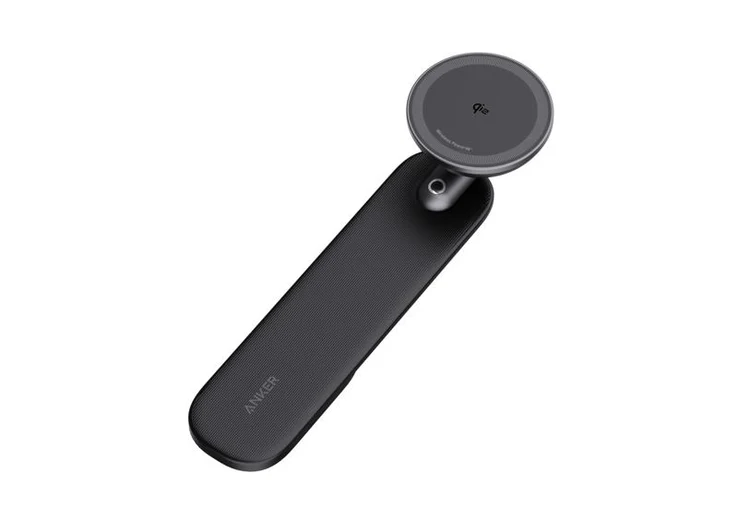
    The Anker Nano Wireless Car Charger (Magnetic, Detachable Pad) is now available in China and seems to be headed to other nations soon. Earlier this year, a similar product called the Nano Universal Magnetic Car Mount was launched in China, but it did not include the wireless charging feature.

    Key Features

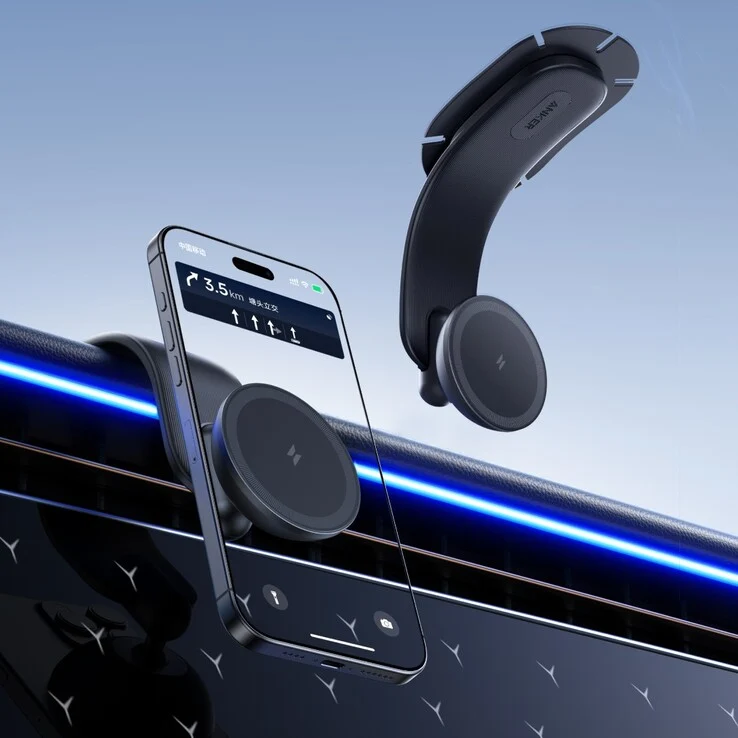
    The new Nano Wireless Car Charger is identified by the model number A2216. It features a Qi2-certified wireless charging pad that provides a 15W output. This pad is mounted on a detachable rotating head, which lets you adjust the angle, tilting it up to 45°. Your phone is securely held in place thanks to a magnetic force of 14N. Additionally, the long and flexible body allows for further adjustments in viewing angle and height. It adheres to the dashboard or windscreen using a strong 3M VHB adhesive and requires a 22.5W power input.

    Comparison with Other Models

    Compared to the Anker MagGo Wireless Car Charger (Pad, Built-in USB-C Cable) (currently priced at $59.99 on Amazon), the design of the Anker Nano Wireless Car Charger offers more versatility in positioning. It can be positioned over the car’s infotainment display or air vents. The company claims it is “stable as a rock”, with dimensions of 207.2 x 60 x 46 mm (about 8.2 x 2.4 x 1.8 inches).

    Pricing and Availability

    In China, the Anker Nano Wireless Car Charger (Magnetic, Detachable Pad) is priced at CNY 179 (around $25). There are FCC filings that suggest this accessory will also launch in the US, but the specific release date and pricing details have not been announced yet.

    Source:
    Link


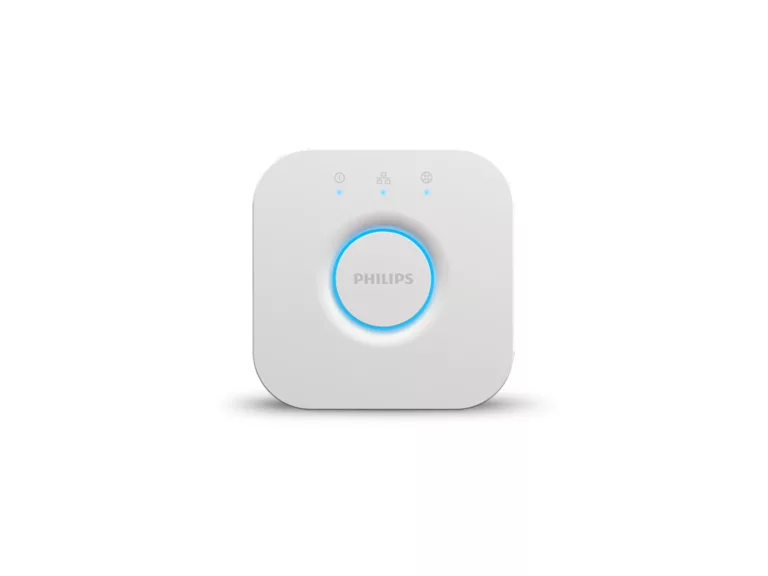
  • Philips Hue Bridge Security Improved with Latest Update

    Philips Hue Bridge Security Improved with Latest Update

    Key Takeaways

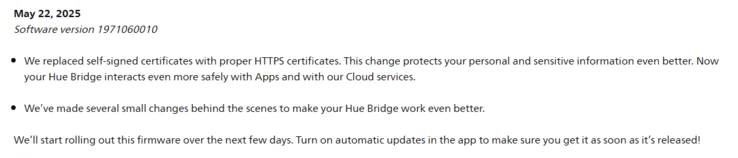
    1. The Philips Hue Bridge will receive a software update in May 2025, version 1971060010, following a monthly release pattern.
    2. The update enhances security by replacing self-signed certificates with genuine HTTPS certificates verified by a trusted Certificate Authority.
    3. Improved security measures will better protect users’ personal and sensitive data during interactions with apps and cloud services.
    4. Minor enhancements in the update are expected to improve overall performance, though specific benefits are not detailed.
    5. The update will roll out automatically on compatible devices if automatic updates are enabled in the Philips Hue app settings.


    The Philips Hue Bridge is set to receive a software update in May 2025, identified as version 1971060010. This update continues the company’s pattern of monthly releases for its smart home hub. The previous update in April 2025, which was version 1970188010, reportedly enhanced the performance and reliability of the device.

    Enhanced Security Features

    With the introduction of software version 1971060010, the Philips Hue Bridge has improved its security measures. The old self-signed certificates have been swapped out for genuine HTTPS certificates. This change means that the certificates will now be verified by a reliable Certificate Authority (CA) such as Cloudflare. As a result, users can expect better protection for their personal and sensitive data, making interactions with apps and cloud services more secure.

    Minor Improvements Noted

    Additionally, the Hue Bridge is claimed to “function even better” after some minor enhancements. Unfortunately, the release notes do not clarify exactly how customers will experience the benefits of these updates.

    The change log for the Philips Hue Bridge’s software version 1971060010 indicates that the update has begun rolling out to users. It should automatically be installed on compatible devices, provided that automatic updates are enabled in the Philips Hue app. To verify this, users can navigate to Settings > Software update > Automatic update.

    Source:
    Link