Category: Gaming

  • New GeForce RTX 5090 Leak Shows 46% Boost in Performance

    New GeForce RTX 5090 Leak Shows 46% Boost in Performance

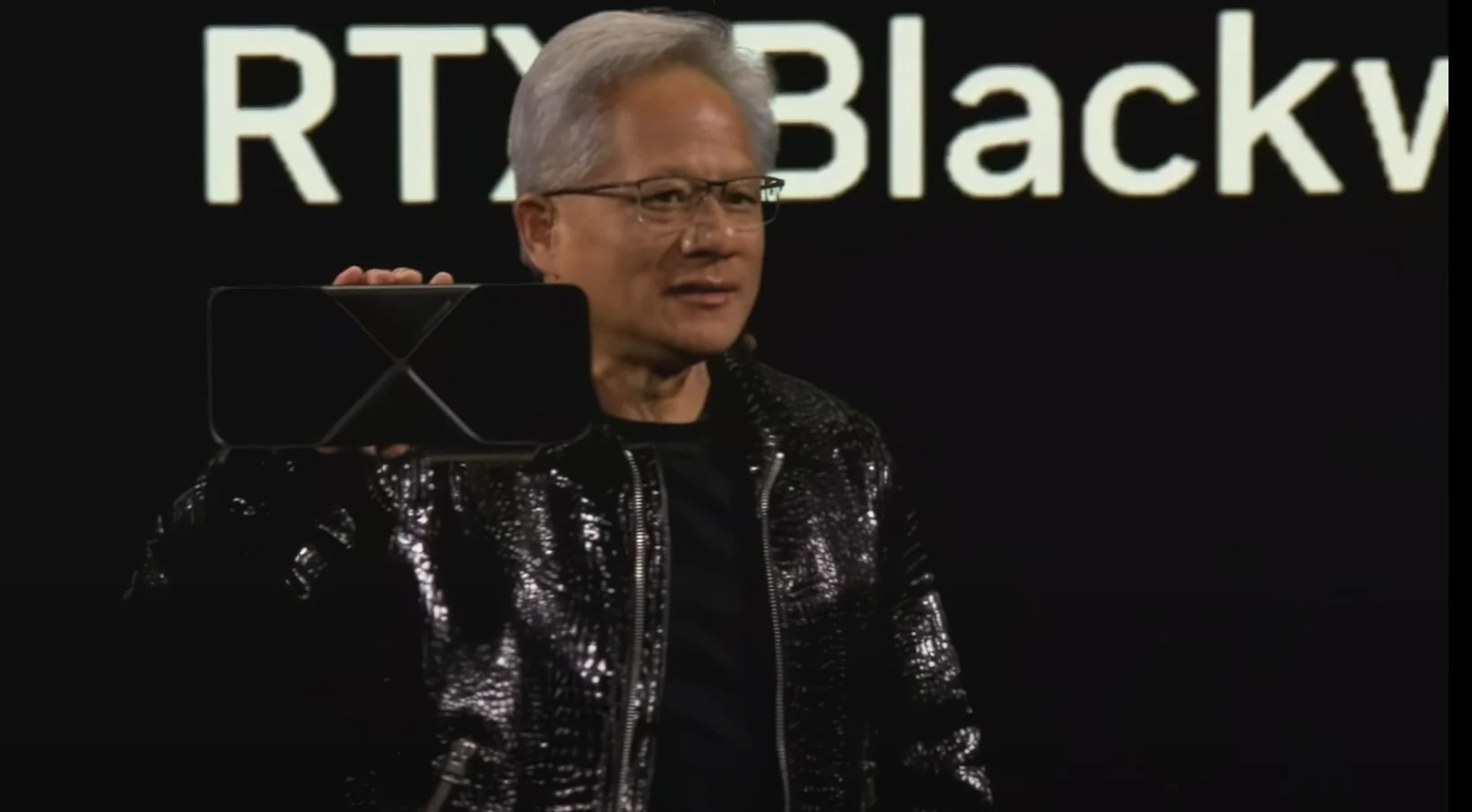
    Nvidia’s new gaming benchmarks indicate that the GeForce RTX 5090 might be about 30% quicker than the GeForce RTX 4090 regarding raw performance. This is notably seen in Cyberpunk 2077, where the Blackwell flagship needs DLSS to maintain playable frame rates when Path Tracing is turned on. Synthetic benchmarks for the graphics card have surfaced before its official launch through Videocardz.

    Performance Insights

    The findings imply that the GeForce RTX 5090 could be anywhere from 30% to 46% faster than the RTX 4090, which aligns with the expected boost in performance. Naturally, other factors like CPU and RAM play a role, but the benchmarks provide a good indication of how the graphics card performs with high-end processors from both Intel and AMD.

    Future of Gaming Graphics

    While these results might not apply to every title, the GeForce RTX 5090 will likely remain the fastest desktop graphics card available for quite some time. Competing products like AMD’s Radeon RX 9070 XT and its UDNA-based successors will struggle to surpass it, and no Intel Battlemage or Celestial SKU will be able to match its capabilities either.

    Videocardz’s analysis points to a promising future for Nvidia’s latest offering.

    Source:
    Link

  • Nintendo Switch 2 Extra Triggers Explained: Not Input Buttons

    Nintendo Switch 2 Extra Triggers Explained: Not Input Buttons

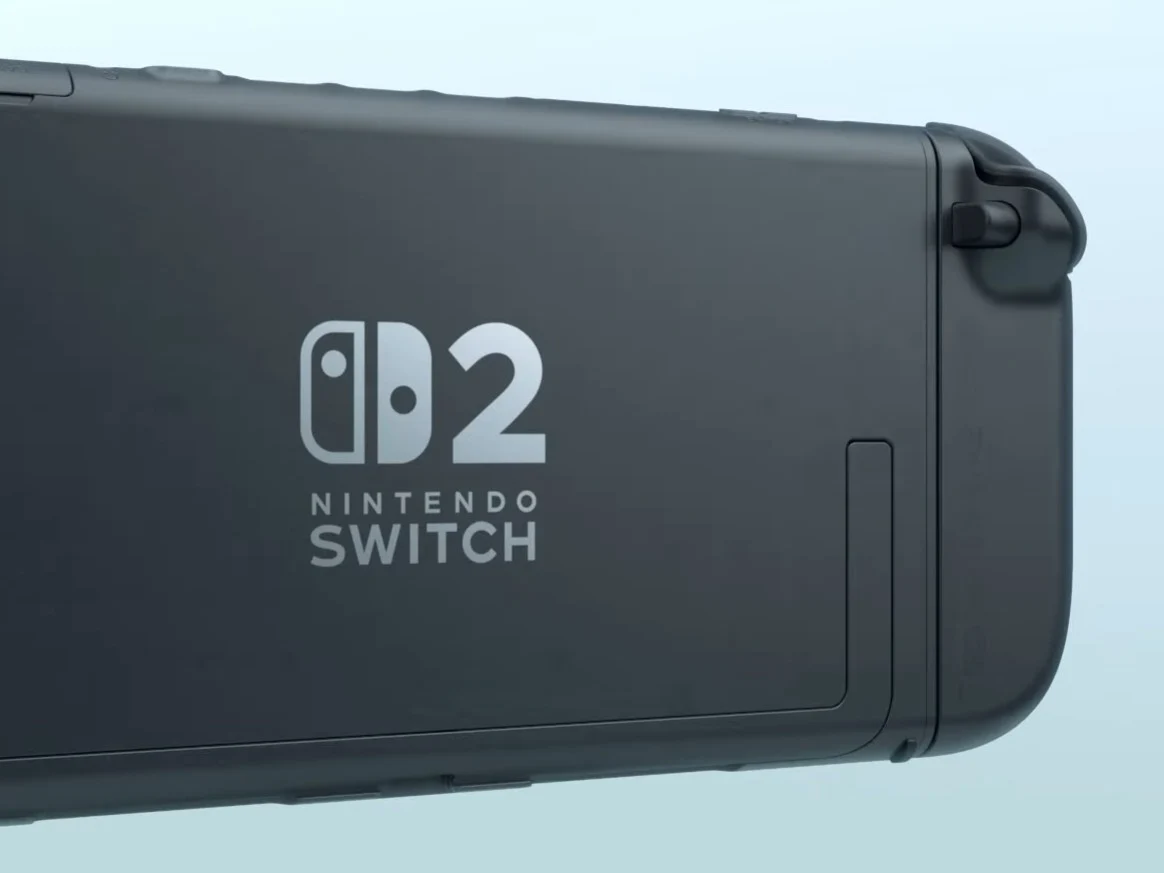
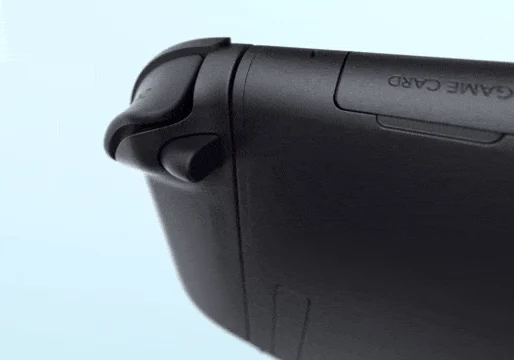
    Just like the leaked images suggested, the Nintendo Switch 2’s official unveiling video showcased a new button located next to the ZR and ZL buttons on each of the Joy-Con controllers. Many people thought these might be for extra input, but a video on Nintendo’s website clarified this misunderstanding.

    Release Mechanism Explained

    It turns out, these buttons aren’t for input at all; instead, they are actually release buttons. They let users easily disconnect the Joy-Con controllers from the Nintendo Switch 2. The original Switch, which is currently listed on Amazon for $279.99, featured similar buttons, though they were smaller and rounder. This likely led to confusion about their purpose.

    Improved Design Features

    The larger release buttons on the new model should make it simpler for users to detach the Joy-Con controllers from the Nintendo Switch 2. Alongside these new buttons, the Joy-Con controllers themselves have been made larger to fit the bigger screen. The device also includes a revamped kickstand, a USB-C port located at the top, and a redesigned dock for better functionality.

    Nintendo has announced that they will share more information during a Nintendo Direct event scheduled for April. Additionally, those interested will have the opportunity for a hands-on experience shortly after the console’s launch.

    Source:
    Link


  • Microsoft Launches Transparent Red Xbox Wireless Controller in Cipher Series

    Microsoft Launches Transparent Red Xbox Wireless Controller in Cipher Series

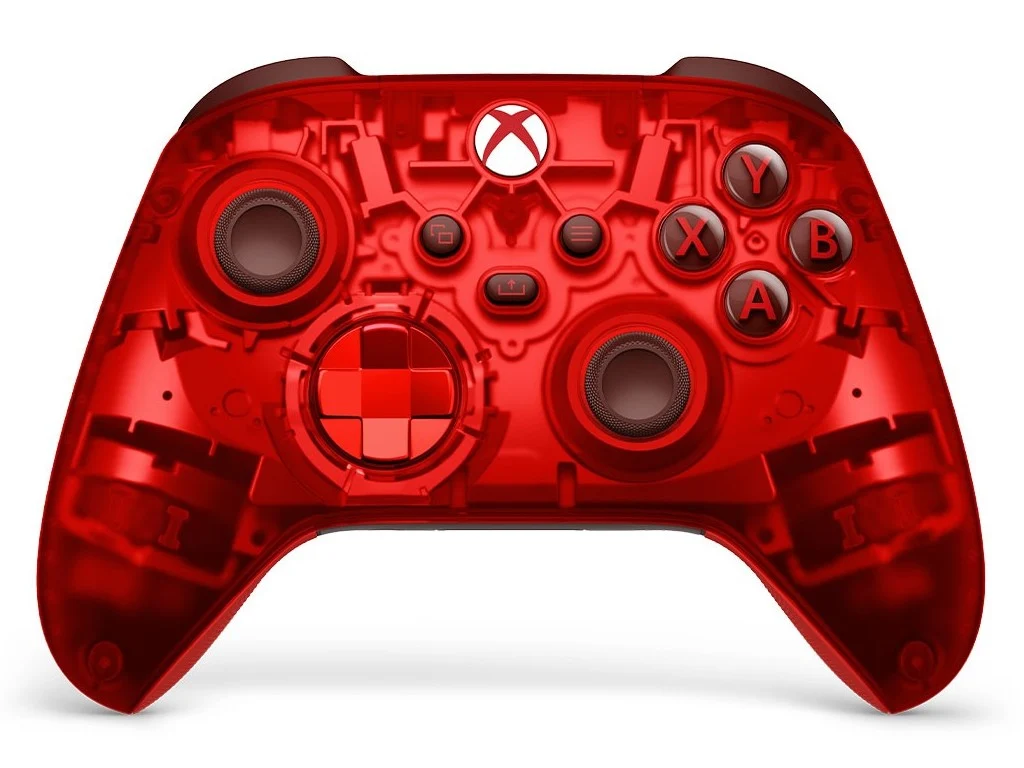
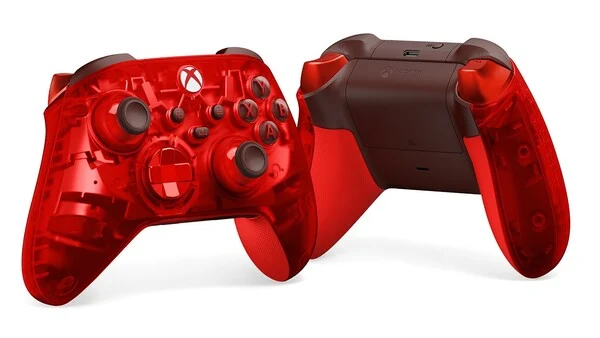
    Microsoft has broadened the color choices for its Xbox Wireless Controller Cipher series. After introducing the Sky Cipher and Ghost Cipher Special Edition controllers in 2024, the company has kicked off 2025 by launching a fresh color called the Pulse Cipher Special Edition.

    New Look and Design

    Similar to the other shades in the Cipher Special Edition range, the Pulse Cipher features a clear design. The top part is a see-through red, complemented by rubberized red grips, shiny red triggers, and a red D-pad. The action buttons display a red font, and the Xbox button stands out in red on a white background.

    Inside and Packaging

    Even though the outside showcases various red tones, the inside of the Xbox Wireless Controller Pulse Cipher Special Edition remains silver, matching the other colors in the series. It will also come in the new packaging that was introduced with the Sky Cipher variant. This retail box is more compact and lightweight, avoids single-use plastics, and replaces the paper quick start guide with a QR code.

    Features and Pricing

    As expected, the only change is in the color scheme; the Xbox Wireless Controller Pulse Cipher Special Edition maintains all the functions found in the other variants, including support for Xbox consoles through Xbox Wireless and Bluetooth connectivity with Windows 10/11 PCs, Android, and iOS devices.

    The Xbox Wireless Controller Pulse Cipher Special Edition is set at a price of $74.99, which is $5 higher than the other Cipher colors. It will be available for purchase starting February 4th, and it can already be pre-ordered through Amazon.

    Source:
    Link


  • EA to Replace Origin with EA App in April: Migration Required

    EA to Replace Origin with EA App in April: Migration Required

    If you are a fan of EA games on an older Windows version, you might want to consider an upgrade.

    EA has revealed that it will shut down its Origin game management tool on April 17, 2025. This move is due to Microsoft’s decision to stop supporting 32-bit software, according to EA’s announcement.

    Transition to the EA App

    Gamers will be required to download the EA app instead of using Origin. This new app is 64-bit and necessitates a 64-bit version of Windows. Most games should migrate smoothly to the new application once users log in, although some save files may need to be manually transferred through the file system, particularly those games that do not offer cloud saves. For those merely switching applications, games that are already installed should automatically appear in the new app.

    Checking Your Windows Version

    It’s important to note that many current EA Origin users are probably already utilizing a 64-bit version of Windows. The first version of Windows to provide 64-bit support was Windows Vista, released in 2006. Nevertheless, Windows 10 and earlier versions still had 32-bit options, which might mean some users are still on unsupported operating systems.

    To verify your Windows version, you can open the Settings app, navigate to “System,” and select the “About” option. Alternatively, pressing the Windows key and typing “winver” will show your Windows version. If you’re using Windows 8, right-click the start button and choose “PC Info” to access this information.

    Source:
    Link

  • Nvidia GeForce Now Cloud Gaming Subscriptions Sold Out Due to Demand

    Nvidia GeForce Now Cloud Gaming Subscriptions Sold Out Due to Demand

    With the upcoming launch of the RTX 50 series on January 30th, retailers are anticipating a huge surge in interest for the new GPUs. Currently, various Nvidia GeForce Now cloud gaming plans have become unavailable for purchase. As the number of complaints increased, the German tech site ComputerBase was the first to highlight these shortages. Eventually, Nvidia’s customer support provided a response, confirming that the service is experiencing unprecedented demand.

    Accessing a Vast Library of Games

    Nvidia’s cloud gaming service enables players to access a broad selection of games remotely, similar to what competitors provide. However, Nvidia is particular about the type of devices gamers will utilize. The service includes multiple tiers, such as a free plan, a Performance tier that supports 1440p resolution, and an Ultimate tier that offers 4K gaming at 240 fps. Many subscribers discover that GeForce Now gives them a gaming experience akin to having an expensive RTX graphics card at home. Players frequently encounter lengthy wait times, even before some subscriptions completely ran out.

    Current Availability and Options

    On the US GeForce Now website, both the one-month Free and Performance plans are currently listed as unavailable. The only option left is the Ultimate tier featuring the RTX 4080 GPU. Day passes, which allow users a chance to try out Nvidia’s cloud gaming without a long-term commitment, are also sold out. However, for those who can commit for six months, all tiers except the Free plan remain available for order.

    Recent Changes and Future Prospects

    In November, Nvidia declared a new 100-hour monthly limit for GeForce Now, along with a one-year grace period for existing users. This announcement caught many subscribers off guard, particularly given the high cost of the Ultimate tier. Nevertheless, these changes have not alleviated the shortages gamers are facing today. With the RTX 5080 and RTX 5090 expected to be in short supply, the demand for a more affordable gaming solution is unlikely to decrease in the near future. Nvidia is striving to enhance server capacity, but it’s uncertain how long it will take to replenish the additional tiers.

    Source:
    Link


  • Steam RTS Fest: Exciting New Multiplayer Demo Released

    Steam RTS Fest: Exciting New Multiplayer Demo Released

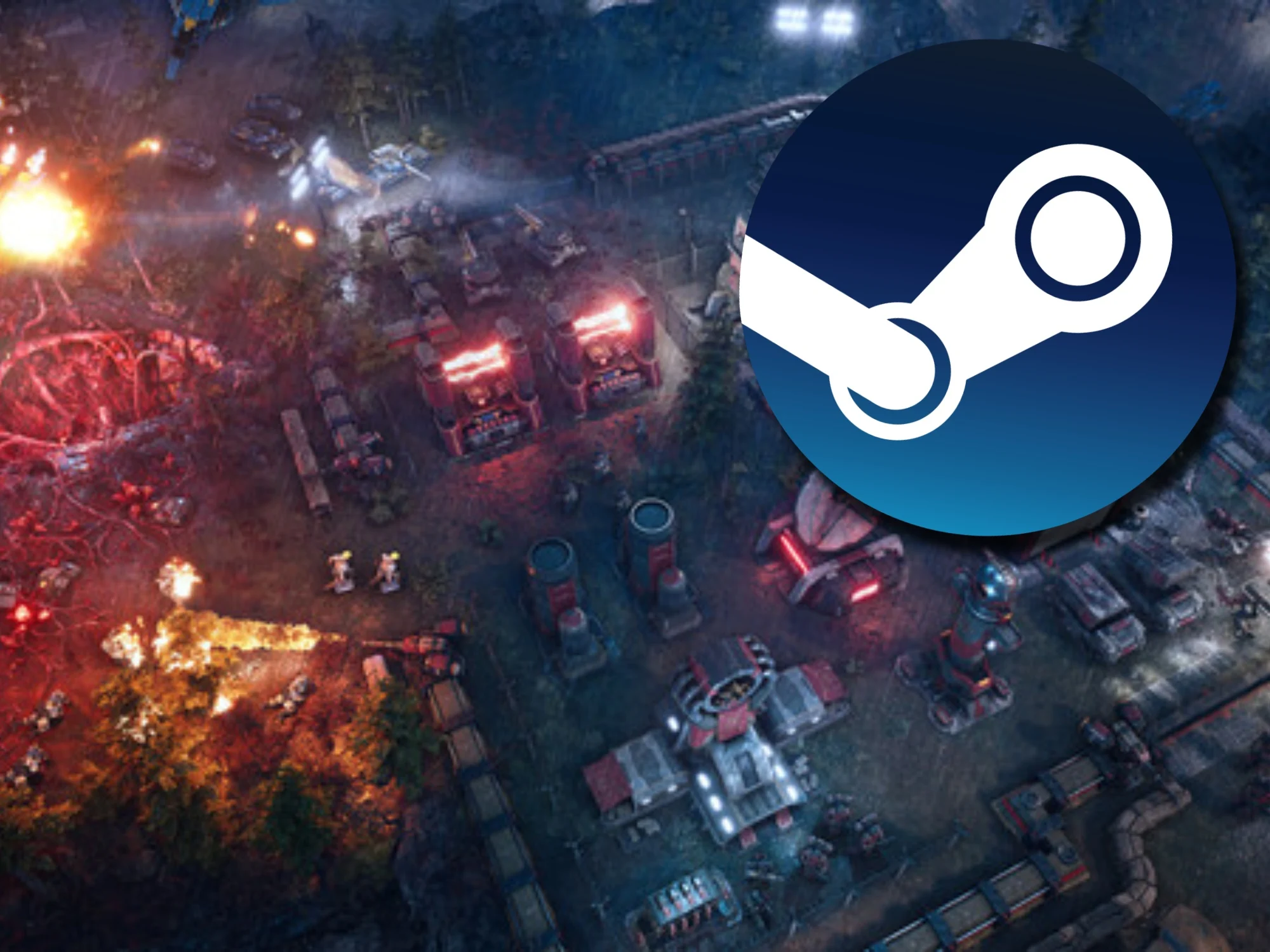
    Tempest Rising, made by Slipgate Ironworks™ with the help of publishers 3D Realms and Knights Peak, is all set to hit Steam on April 24, 2025. Many in the community see it as a spiritual successor to the Command & Conquer series, aiming to bring back the classic real-time strategy feel. Command & Conquer, which was first released by Electronic Arts in 1995, is often considered a key title in the RTS genre. Although EA’s Command & Conquer Remastered Collection, released in June 2020, was popular among fans, the company has had a hard time providing a worthy continuation of the franchise lately. Tempest Rising hopes to take on that challenge and revive the excitement for RTS players.

    Storyline and Factions

    Much like its predecessor, Tempest Rising’s plot revolves around a valuable resource, this time Tempest vines instead of Tiberium, which drives the conflict between two rival factions. Gamers can take control of the Global Defense Force (GDF) or the Tempest Dynasty, constructing bases and engaging in warfare against their opponents. The game sticks to the classic rock-paper-scissors strategy, making it crucial to have a well-rounded army to secure victory.

    Graphics and Gameplay

    With high-definition visuals and smooth animations, the creators aim to refresh the classic real-time strategy experience. Upon release, Tempest Rising will offer two campaigns, each comprising eleven missions. Moreover, a third faction is expected to be introduced in future updates, promising to deepen the game’s strategic elements as time goes on.

    Demo and Pricing

    To celebrate the Steam Real-Time Strategy Fest, a free demo of Tempest Rising has been made available, letting gamers get a sneak peek at the title and participate in multiplayer skirmishes until February 3. The game is scheduled to launch on April 24, priced at $39.99 for the standard edition. A Deluxe Edition, costing $49.99, will offer seven days of early access for those keen to get a jump on things.

    Source:
    Link

  • Elon Musk Admits Fraud in Path of Exile 2 and Diablo 4

    Elon Musk Admits Fraud in Path of Exile 2 and Diablo 4

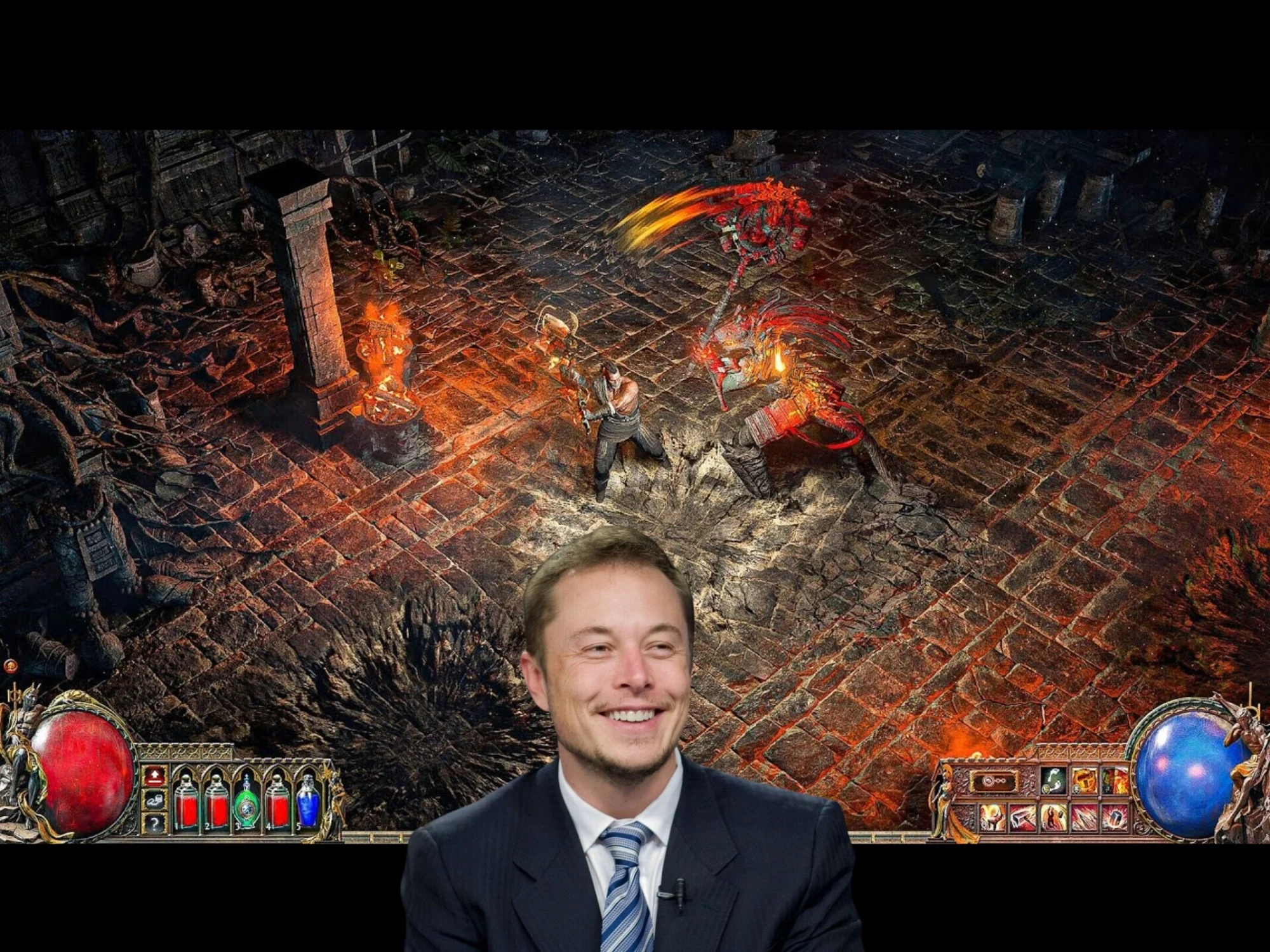
    Tech mogul Elon Musk has been in the news lately for displaying his gaming talents. He showed off his skills in Path of Exile 2 with a character that was both highly leveled and well-equipped. In addition, he claimed a world record in Diablo 4. Yet, not everyone was impressed with his accomplishments. A lot of people in the gaming community felt he didn’t reach these milestones by himself, and it turns out their doubts were justified.

    Musk’s Admission

    In a conversation on X, highlighted by YouTuber NikoWrex, Musk confessed to sharing accounts and buying in-game items using real money. In the messages that were shared, he explained that to compete on the leaderboards, which are largely dominated by players from Asia, these strategies were almost necessary. Nevertheless, he made it clear that he was the one playing the footage shown in the videos and did not want to take all the credit for his accounts’ success.

    Community Backlash

    The gaming community has reacted very negatively to this news, with many expressing anger and disappointment in the comments section on X and under NikoWrex’s YouTube video. Musk is being accused of violating the fundamental values that the gaming community stands for. Many players feel that a rich figure like him gaining an edge through financial means and outside help goes against the principles of fair play. There is now a call for the developers of both Path of Exile 2 and Diablo 4 to suspend Musk’s accounts, as both account sharing and real-money transactions break the games’ rules.

    Criticism of NikoWrex

    NikoWrex, the YouTuber who revealed this information, is also receiving harsh criticism. He claims that his video was not meant to make money or attract subscribers, but he is seen as biased by many viewers. Some fans believe that NikoWrex, who openly supports Musk, is trying to defend him. This sentiment is evident in the video’s reception, which has seen 1,524 dislikes and only 623 likes.

    Source:
    Link

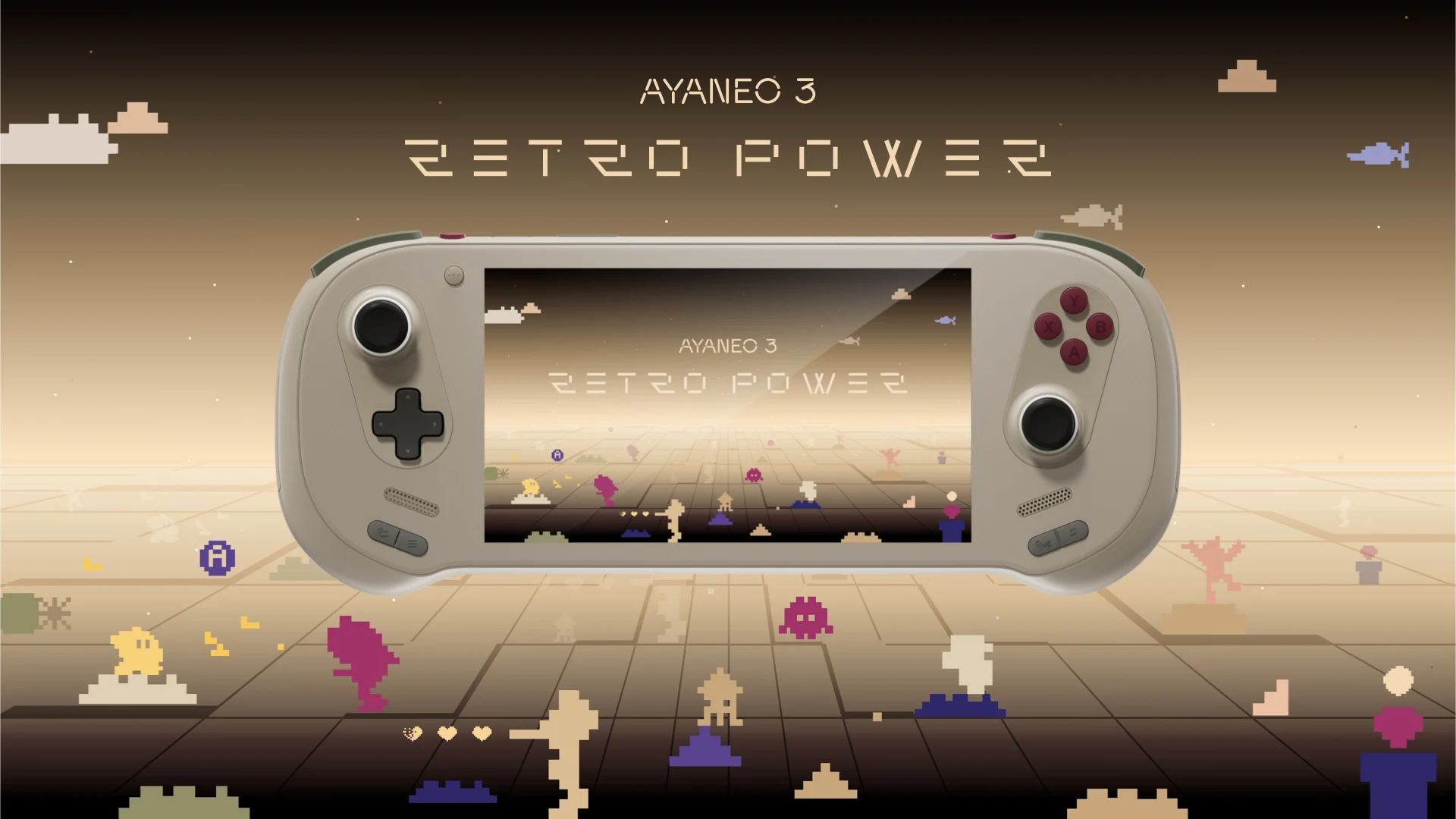
  • Ayaneo 3 Retro Power Edition Teased Before Launch

    Ayaneo 3 Retro Power Edition Teased Before Launch

    The Ayaneo 3 has been in the works for quite a while. To summarize, it was introduced before Ayaneo updated the AM01, AM02, Pocket S, and Pocket Micro. Additionally, the Ayaneo 3 was first hinted at just a few days before the AG01 Starship Graphics Dock was launched at the end of October.

    Competition in the Market

    Although the Ayaneo 3 was the first gaming handheld confirmed to feature AMD’s Ryzen AI 9 HX 370 APU, several competitors have already released similar devices. For instance, the OneXPlayer F1 Pro started shipping in November with the same APU and can come with up to 64 GB of RAM, currently priced at $1,754 on Amazon. Similarly, GPD has released the Win Mini, which offers either the Ryzen AI 9 HX 370 or the more budget-friendly Ryzen AI 9 365.

    Launch Timeline and Color Options

    In comparison, Ayaneo has only stated that they will launch the Ayaneo 3 “soon” with both Ryzen AI 9 HX 370 and Ryzen AI 9 365 variants. Initially, the device was expected to be offered in black and white colors, breaking away from previous Ayaneo gaming handhelds’ designs. However, the company has also announced a Retro Power Edition that will feature a more vibrant look. More information about the Ayaneo 3 is available on the company’s Indiegogo campaign page.

    Source:
    Link


  • Nintendo Switch 2 Launch Timeline Revealed by Game Publisher

    Nintendo Switch 2 Launch Timeline Revealed by Game Publisher

    While the reveal trailer for Nintendo Switch 2 provided a good view of the gaming handheld, it skipped over many specifics. Alongside the specifications, this initial video did not mention the launch date for the device. Some rumors are hinting at a June release, and now, Nacon, a third-party accessory manufacturer and game publisher, has shared its expectations about when the device will be available.

    Nacon’s Insights on Launch Timing

    Nacon, known for popular titles such as RoboCop: Rogue City and GreedFall 2, disclosed in its financial reports that it anticipates significant growth in the first half of the 2025/2026 fiscal year. They mention that this growth will be aided by the “compatible games and a full range of accessories” prepared for the Nintendo Switch 2.

    Fiscal Year Timeline

    For clarity, the first half of the 2025/2026 fiscal year stretches from April 2025 to September 2025. This timeline aligns with the June 2025 release suggested by several previous reports. When Nacon talks about “compatible games” being ready for the handheld, it likely suggests that the Nintendo Switch 2 will see ports for some of its recently launched titles.

    This list includes RoboCop: Rogue City, Test Drive Unlimited Solar Crown, and GreedFall 2: The Dying World. These games will join other rumored major game ports that are expected to be available when the Switch 2 debuts. It’s worth noting that none of this information has been officially confirmed by Nintendo.

    Upcoming Nintendo Direct Event

    Nonetheless, Nintendo has confirmed that it will reveal more information about the handheld during the Nintendo Direct 2025. This event is scheduled for April 2, which is just under three months from now.

    Source:
    Link

  • CheckMag: Understanding the GPU Slowdown Crisis

    CheckMag: Understanding the GPU Slowdown Crisis

    For many years, GPUs have changed the way we compute, bringing amazing improvements in performance with every new release. However, as the industry nears the physical and financial limits of making silicon, these advances have begun to slow down. This situation is leading to a change in how we measure and achieve performance. By looking at trends over the years, we can see this shift and the necessity for fresh strategies to keep pushing GPU technology forward.

    Nvidia’s Progression

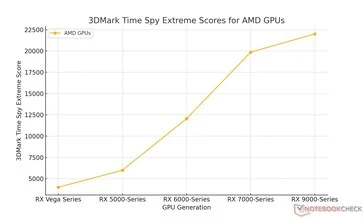
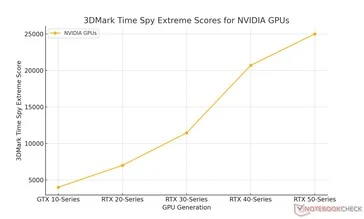
    Nvidia’s journey illustrates this evolution well. The RTX 20 series (Turing) marked a major step with the introduction of real-time ray tracing. Following that, the RTX 30 series (Ampere) and RTX 40 series (Ada Lovelace) raised computational power significantly. But, the speed of performance improvements is not as fast anymore. Monthly growth rates have dropped from around ~2.68% during the transition from RTX 20 to 30, to an estimated ~0.96% for the upcoming RTX 50 series. Similarly, AMD’s RDNA 2 (RX 6000 series) achieved a remarkable ~6.25% monthly growth, but RDNA 3 only manages about ~2.60%.

    Challenges in Scaling

    This slowdown isn’t because of lack of ambition; it’s due to increasing difficulties in scaling silicon. Process nodes like 7nm and 4nm have unlocked amazing capabilities, but pushing for even smaller sizes encounters serious technical and financial obstacles. The time of rapid hardware growth is shifting towards a focus on architectural innovation as the key driver of progress.

    Technological advancements like Nvidia’s DLSS and AMD’s multi-chip designs show this new path. These technologies utilize AI, advanced memory integration, and software-driven tweaks to boost performance in real-world use. New ideas such as chiplet architectures and 3D stacking also hold the potential to change GPU design, helping manufacturers go beyond the limits of single-chip designs and achieve better performance under existing restrictions.

    Rethinking Performance Metrics

    As hardware innovation slows down, the way we view performance needs to change too. Traditional benchmarks like teraflops and synthetic scores are still useful but often miss the mark on real-world user experiences, especially in gaming. A more relevant measurement is frame latency, which looks at the time it takes for a GPU to create and show each frame. This provides a clearer view of how smooth and responsive gameplay is.

    Different gaming genres also have unique latency needs. Fast-paced shooters (FPS) require ultra-low latency for smooth visuals and accurate controls during intense moments. Conversely, role-playing games (RPGs) focus more on rich visuals, where a bit of extra latency is acceptable. Casual games or strategy titles can handle even more latency without affecting player satisfaction. Understanding these distinctions helps developers and manufacturers fine-tune graphics cards and software for specific gaming experiences, ensuring the best performance across a range of applications.

    The Importance of Frame Latency

    Frame latency plays a crucial role in how smooth and responsive a game feels, especially during graphically demanding or high-frame-rate situations. Evaluating GPUs based on latency and stability gives a clearer picture of their real-world performance. A GPU that has moderate raw power might still outperform a higher-rated model by reducing stutters and frame drops in challenging gameplay. By focusing on these metrics, manufacturers can better meet the needs of both gamers and professionals.

    The GPU sector is at a pivotal point. With traditional silicon scaling yielding less impressive results, the way forward involves blending innovative hardware designs with more intelligent methods of measuring performance. AI-enhanced rendering, clever resource management, and advanced memory structures will drive the next phase of GPU development. By using metrics like frame latency, we can ensure that these advancements bring real, significant benefits to users.

    The future for GPUs isn’t solely about making silicon quicker or smaller. It’s about rethinking how we approach computing itself, emphasizing creativity, efficiency, and user experience to foster innovation in a time when the limits of silicon no longer define what’s possible.