Category: Gaming

  • Asus RTX 5090 Dhahab Edition GPU Launched for $7,000

    Asus RTX 5090 Dhahab Edition GPU Launched for $7,000

    Key Takeaways

    1. Luxury Gaming Hardware: Asus launched the ROG Astral RTX 5090 Dhahab Edition, a high-end graphics card featuring real 24K gold, priced at $7,000.

    2. Target Audience: The product targets gamers and collectors in the Middle East, with “Dhahab” meaning “gold” in Arabic, emphasizing its cultural significance.

    3. Launch and Pricing: Unveiled in Riyadh on February 5, 2025, the pricing varies by country, ranging approximately from $6,700 to $10,600, significantly higher than the standard RTX 5090.

    4. Cultural Design Elements: The card features a design inspired by Middle Eastern culture, with gold tones, a skyline silhouette, and Arabic calligraphy symbolizing “strength, courage, and unity.”

    5. Advanced Technical Features: It includes a quad-fan cooling system, a vapor chamber, MaxContact technology, and other high-performance components to enhance cooling and power delivery.


    Asus has taken luxury gaming hardware to new heights with the launch of its ROG Astral RTX 5090 Dhahab Edition, an elite graphics card that boasts real 24K gold, starting at a price of $7,000.

    Target Audience and Design

    This product is aimed at gamers and collectors in the Middle East, where it will be sold exclusively. The Dhahab Edition, with “Dhahab” translating to “gold” in Arabic, includes 6.5 grams of 999 fineness (24K) gold in its build. As of May 11, 2025, the estimated market value of this gold is around $696 (based on $107.15 per gram).

    Launch Details

    Unveiled at an event in Riyadh on February 5, 2025, the graphics card is now available for purchase. The price varies by country: approximately 26,000 to 30,000 SAR ($6,700–$8,000), 5,000 JOD ($7,100), and 38,800 AED ($10,600). This is significantly more than the $1,999 MSRP for Nvidia’s RTX 5090. However, considering that the regular ROG Astral RTX 5090 is currently listed on Amazon for over $4,700, the premium for the gold-plated version isn’t as outrageous as it may seem.

    Cultural Inspiration

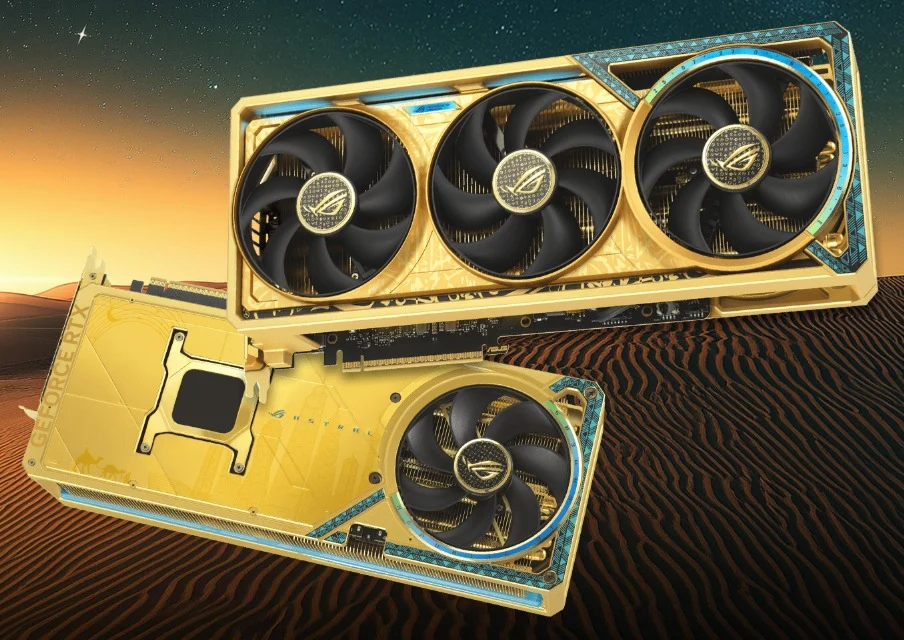
    Asus states that the design of the Dhahab Edition is themed “From Sands to Skies,” reflecting Middle Eastern culture and its evolution. The card features a gold-toned shroud, heatsink, and backplate, showcasing a skyline silhouette and Arabic calligraphy, which Asus claims symbolizes “strength, courage, and unity.”

    Technical Features

    The ROG Astral RTX 5090 Dhahab Edition comes with various specific hardware features. It employs Asus’s quad-fan cooling system (three fans upfront and one at the back), which the company asserts enhances airflow and pressure. Additional cooling components include a vapor chamber with milled pathways, specially engineered fin spacing, MaxContact technology for a larger heat spreader surface area, and phase-change thermal pads. The card also includes advanced power delivery parts, a protective PCB coating, a die-cast frame, and a sturdy metal GPU bracket.

    For those who find the RTX 5090 Dhahab Edition too pricey but still desire a hint of this golden luxury, rumors suggest that Asus might introduce an ROG Astral RTX 5080 Dhahab Edition. This model is expected to maintain a similar design and be exclusive to the same market, offering a more affordable—yet still premium—option compared to the RTX 5090 version.

    Source:
    Link
  • Nintendo Today App Highlights Switch 2 Joy-Con Mouse Mode Benefits

    Nintendo Today App Highlights Switch 2 Joy-Con Mouse Mode Benefits

    Key Takeaways

    1. The Switch 2 Joy-Con improves gameplay with a mouse mode for better aiming in games like Metroid Prime 4.
    2. The Nintendo Today app showcases how the Joy-Con can navigate menus using both analog sticks and mouse control.
    3. The user interface of the Switch 2 is designed to be simple and user-friendly, avoiding cluttered layouts found in complex systems.
    4. Some testers express concerns about the ergonomics of the Joy-Cons, finding them less comfortable compared to traditional mice.
    5. The Switch 2 controller features quick-release buttons and magnetic connections, but lacks Hall effect analog sticks, raising durability concerns.


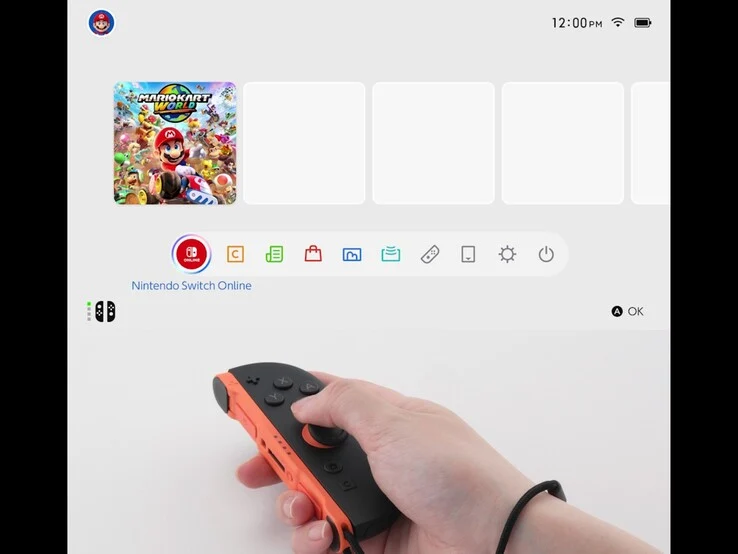
    So far, there has been a lot of attention on how the mouse mode of the Switch 2 Joy-Con improves gameplay. Gamers can more accurately aim at enemies in the thrilling action of Metroid Prime 4. Yet, a new demo from the Nintendo Today app reveals how the Switch 2 controller adjusts for navigating menus.

    Nintendo Today App Features

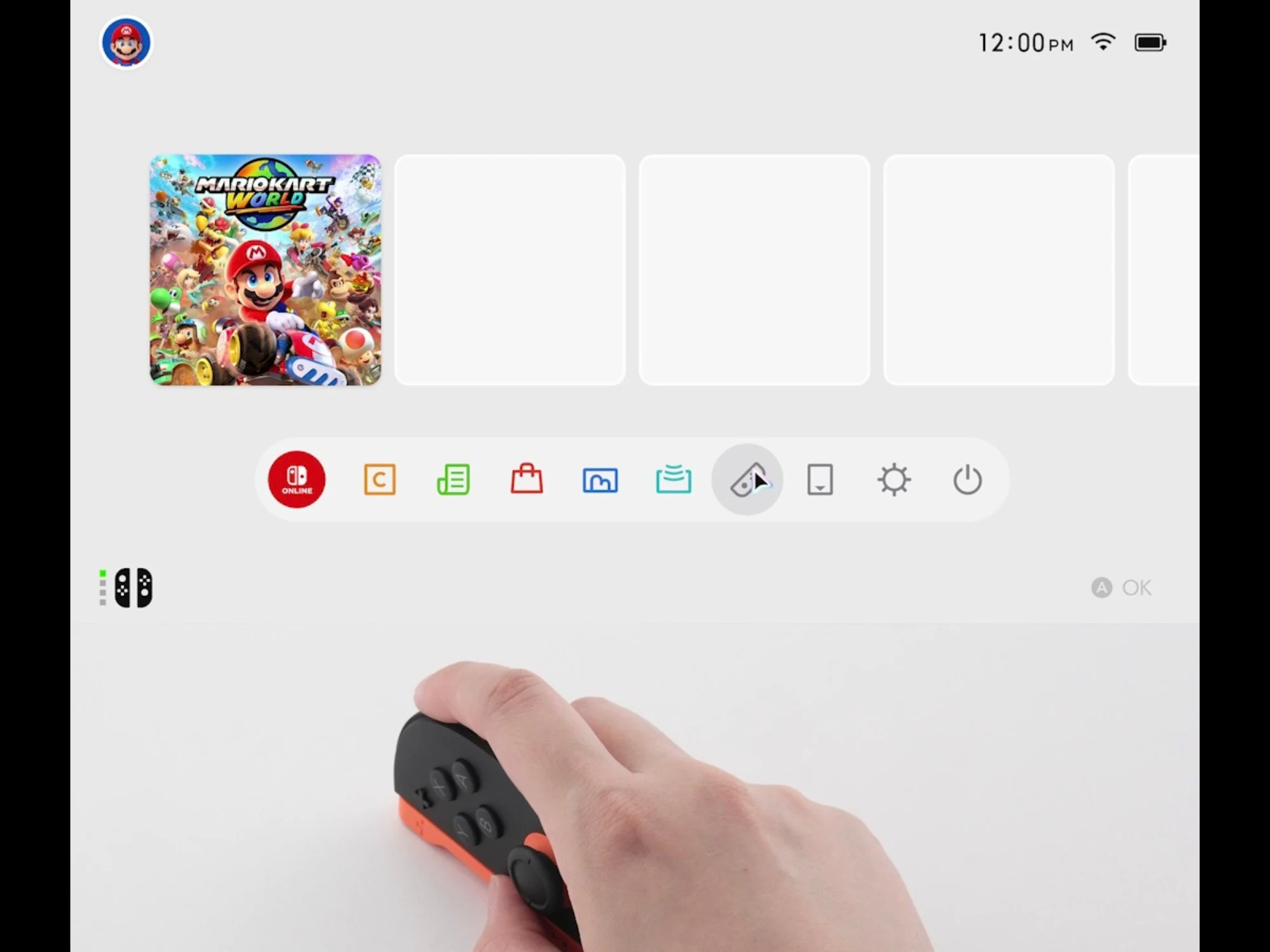
    The Nintendo Today app includes regular videos showcasing the specifications of the Switch 2. In the most recent video, viewers observe a Joy-Con maneuvering a cursor on the device’s home menu. Nintendo clearly demonstrates that the analog sticks still work and can scroll through various menus. Players can also enable mouse control by placing the Joy-Con flat on any surface. When the accessory is lifted, it switches back to the usual controller mode.

    User Interface and Game Development

    Directional controls are good enough as long as the Switch 2 home screen isn’t too cluttered. The user-friendly interface doesn’t resemble complex operating systems like Windows, which have many layers of menus. Still, the mouse control feature could be beneficial for future iterations of games such as Mario Paint. Certain Nintendo games promote creativity, merging gaming with productivity. For instance, the SNES version of Mario Paint actually came with a mouse and mouse pad.

    Mixed Reactions on Ergonomics

    While the Switch 2 Joy-Cons offer greater versatility, some individuals are not fully convinced of their benefits. During testing sessions, a few testers raised questions about their comfort. The shape of these peripherals can make it harder to reach the buttons compared to a standard mouse. Although shooters highlight the improved accuracy of mouse mode, continuous swiping in Drag x Drive can become tiring.

    Additional Features of the Switch 2 Controller

    Mouse capability isn’t the only enhancement found in the Switch 2 controller. With a quick-release button and magnetic connections, players can effortlessly detach and reattach the Joy-Cons. Despite this, the absence of Hall effect analog sticks raises doubts about Nintendo’s claims of improved durability.

    Source:
    Link


  • Virtua Fighter Returns: VF5 R.E.V.O. Expands to Consoles

    Virtua Fighter Returns: VF5 R.E.V.O. Expands to Consoles

    Key Takeaways

    1. SEGA and Ryu Ga Gotoku Studio have teased a new Virtua Fighter game focusing on storytelling and character development.
    2. Wolf Hawkfield has received a complete redesign, highlighting a modern approach to classic characters with more emotional depth.
    3. The teaser hints at familiar characters and a main storyline involving timelines and faction conflicts, inspired by wrestling storytelling.
    4. Virtua Fighter 5 R.E.V.O. will be released on PlayStation 5, Xbox Series, and Nintendo Switch 2, featuring cross-play and rollback netcode.
    5. SEGA promises more content and updates for the Virtua Fighter series in the future.


    As previously mentioned, SEGA had arranged a VF Direct 2025 Spring event and suggested that there would be significant announcements related to the Virtua Fighter series – and they certainly followed through.

    Exciting New Developments

    SEGA, along with Ryu Ga Gotoku Studio, has officially teased an entirely new Virtua Fighter game, indicating a daring new path for this well-loved fighting franchise. Although the name and release date are still under wraps, this upcoming installment will focus more on storytelling and character development, which represents a notable departure from the series’ usual gameplay-centric approach.

    Character Redesigns and Depth

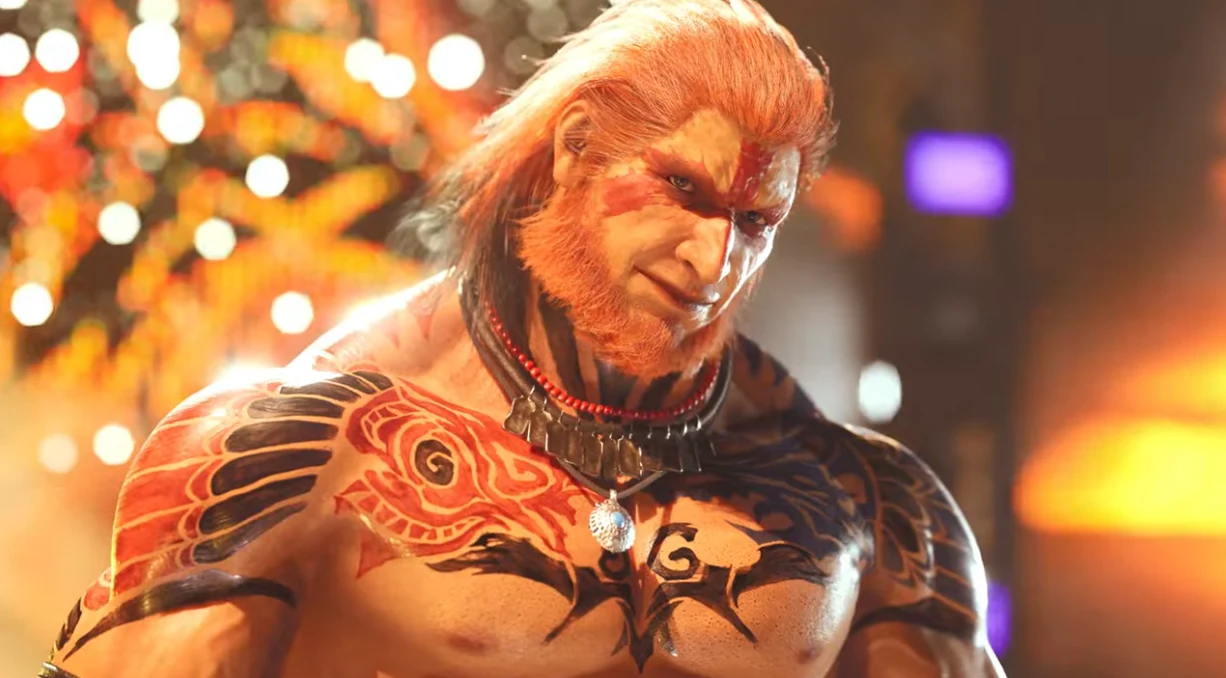
    One of the standout moments from the Virtua Fighter Direct 2025 Spring event was the introduction of the long-time fighter Wolf Hawkfield, who has undergone a complete redesign, swapping his iconic ponytail for a beard. This new look for Wolf shows the studio’s aim to modernize classic characters and infuse them with more emotional depth. Ryu Ga Gotoku Studio, famous for the Yakuza series, is utilizing its narrative abilities to develop character arcs and motivations, an aspect that Virtua Fighter has not explored much before.

    More to Come

    Moreover, the teaser provided glimpses of other familiar characters and a main storyline, with subtle clues regarding timelines and potential faction conflicts. It seems SEGA is drawing from wrestling storytelling styles and classic arcade history to spark renewed enthusiasm for the franchise.

    In addition, Virtua Fighter 5 R.E.V.O., which debuted on Steam in January 2025, is set to arrive on PlayStation 5, Xbox Series, and Nintendo Switch 2. This upgraded version will feature cross-play and rollback netcode, catering to long-standing requests from fans. Furthermore, SEGA has assured fans that more content will be available in future updates for the Virtua Fighter series.

    Source:
    Link

  • Sony’s Legacy Compatibility Patents Go Unused as PS5 Turns 5

    Sony’s Legacy Compatibility Patents Go Unused as PS5 Turns 5

    Key Takeaways

    1. PS3 Game Accessibility: As of May 2025, PS3 titles are only available through cloud streaming via PlayStation Plus, with no native support on current consoles.

    2. Ongoing Development for Backward Compatibility: Sony is actively pursuing backward compatibility for PS3 games, as indicated by recent patents and job postings for emulator engineers.

    3. Technical Solutions for Emulation: Recent patents detail solutions for timing issues in PS3 games and support for legacy accessories, showing commitment to improving backward compatibility.

    4. Industry Shift Towards Cross-Platform Availability: The release of Gears of War: Reloaded on PS5 highlights a growing trend of making older games available across different platforms, challenging traditional exclusivity.

    5. Future Potential for Native PS3 Support: Despite no official announcements regarding native PS3 compatibility, ongoing patent activity and industry trends raise questions about future support for older PlayStation titles.


    Sony’s next gen is already underway. With the PlayStation 5 Pro now available and whispers of new hardware being worked on, the focus is shifting back to a long-desired feature: true backward compatibility for PlayStation 3 games.

    Current State of PS3 Titles

    As of May 2025, PS3 games are still only accessible through cloud streaming via PlayStation Plus. Yet, Sony’s recent patents and job postings for engineers suggest they are still interested in supporting older games.

    Technical Developments

    A patent from February 2024, attributed to system architect Mark Cerny, outlines solutions for timing issues in older games, a common problem with PS3 emulation. Another patent from 2022 hints at software support for legacy accessories like the EyeToy camera. Between 2022 and 2024, Sony has also been on the lookout for emulator engineers to help fix bugs and support older titles under the PlayStation Classics program.

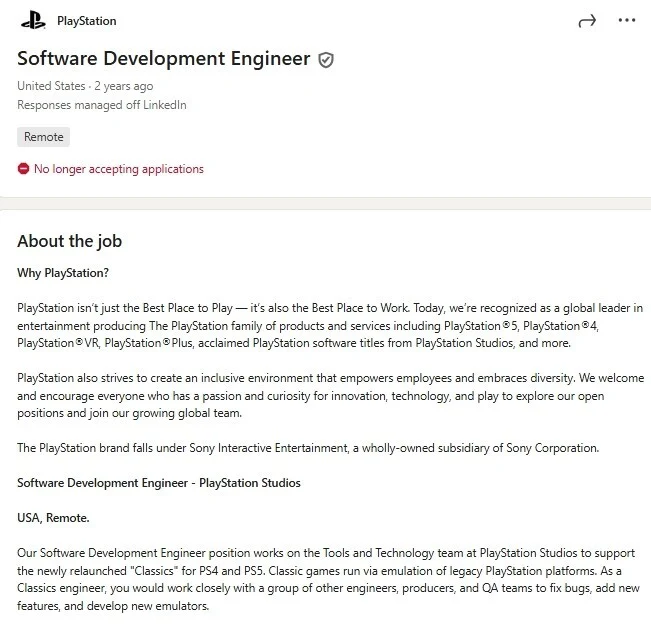
    In addition, a job post from 2022 on LinkedIn, which requires users to be logged in for access, showed that PlayStation was hiring developers to enhance emulation technology for its Classics lineup on both PS4 and PS5.

    Industry Trends

    Although Sony’s specific plans are still vague, the openness of platforms is changing elsewhere. Gears of War: Reloaded, a remastered version of the 2006 Xbox game, is set to be released on PS5 in August. Once only for Microsoft systems, its launch on Sony’s console indicates a wider industry shift. Access to older games is becoming less about strict platform boundaries and more about what is available across different systems.

    No official trailer has been released on Microsoft’s or Gears of War’s YouTube channels as of now, but credible gaming news sources have reported on the announcement. For example, IGN covered the cross-platform release of Gears of War: Reloaded in its Daily Fix segment, underscoring the importance of this franchise making its debut on PlayStation 5.

    As it stands, Sony has yet to announce any plans for native PS3 support on current or future consoles. The company’s patents are still active, and development for the next generation continues. As expectations for cross-platform play grow and emulator technology improves, one question lingers: could native PS3 compatibility still be in store for the future?

    Source:
    Link


  • Unreleased Nvidia Titan Ada GPU: The RTX 4090 That Wasn’t

    Unreleased Nvidia Titan Ada GPU: The RTX 4090 That Wasn’t

    Key Takeaways

    1. The Titan Ada was a fully developed Nvidia graphics card that was ultimately discarded before launch, intended to be the flagship of the Ada Lovelace generation.
    2. It features a fully unlocked AD102 chip with 18,432 CUDA cores and 48 GB of GDDR6X memory, surpassing the RTX 4090 in both performance and design.
    3. Benchmark tests showed the Titan Ada outperforming the RTX 4090 by 10-15% while offering better performance-per-watt, but it was less compatible with newer games due to driver limitations.
    4. Reasons for its cancellation include potential market positioning issues with the RTX 5090, its large size and complex design, and a lack of strong performance-per-dollar ratio for consumer applications.
    5. The Titan Ada represents a significant yet unrealized engineering achievement in GPU history, highlighting Nvidia’s capabilities beyond what was released to consumers.


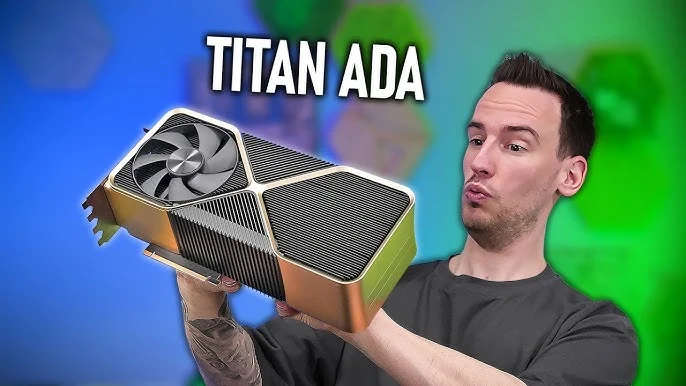
    In a surprising turn of events, the much-discussed Nvidia graphics card—the Titan Ada—has been uncovered and evaluated, revealing a GPU that was entirely developed but ultimately discarded prior to its launch. This card was intended to be the pinnacle of Nvidia’s Ada Lovelace generation, set to surpass the RTX 4090 in performance and aesthetics, giving us a peek at what could have truly represented the flagship of the RTX 40-series.

    Specifications and Features

    The Titan Ada operates on a fully unlocked AD102 chip, which is the same die found in the RTX 4090 but with additional hardware enabled. It boasts 18,432 CUDA cores—12.5% more than the 4090—and includes a whopping 48 GB of GDDR6X memory, twice as much as Nvidia’s most advanced consumer GPU to date. Despite its enormous capabilities, the design of the Titan Ada is sleek, featuring a large quad-slot cooler, two 12VHPWR connectors, and an attractive Titan-logo light. When compared to the already sizable RTX 4090, the Titan Ada is not only wider and heavier but also more imposing in every aspect.

    Benchmark Performance

    In various benchmark evaluations, such as 3DMark Time Spy Extreme and 3DMark Speedway, the Titan Ada consistently achieved remarkable scores. It outperformed the RTX 4090 by 10–15% while only consuming about 14% more power, showcasing a significant enhancement in performance-per-watt. For instance, in Remnant 2, it secured an average of 82 FPS, which is 10% above the RTX 4090’s performance, and in Cyberpunk 2077, it provided a 22% increase. Efficiency tests revealed that the Titan Ada slightly surpassed both the 4090 and even the newer RTX 5090 in terms of FPS-per-watt, a unique occurrence in high-end GPU assessments.

    Reasons for Its Cancellation

    Nonetheless, there are some concerns. The GPU was assessed with a 2023 driver, which restricts compatibility with newer games—numerous titles either failed to start or showed performance issues. Furthermore, while the RTX 5090 still outperformed the Titan Ada in absolute terms (by 11–26% based on the test), the Titan Ada’s impressive performance highlighted a surprisingly small difference between the two generations.

    So, what caused this monster to never hit the shelves?

    There are several plausible explanations. Firstly, from a product positioning perspective, launching a Titan Ada too close to the 5090—especially with only minor improvements—could have undermined Nvidia’s next-gen flagship. The success of the RTX 5090 might have been harder to defend had the Titan Ada been released first. Secondly, the card’s large size and complex design, particularly its substantial quad-slot cooler, would have presented challenges for both system builders and end users. The Titan Ada is physically daunting and not practical for many setups.

    Lastly, and possibly most importantly, Nvidia might have concluded that the performance-per-dollar ratio wasn’t strong enough to warrant a commercial release. The card seemed better suited for high-end professional or workstation applications, but would have likely needed specialized drivers and support infrastructure that Nvidia wasn’t prepared to provide for a single product launch.

    While the Titan Ada may never grace retail shelves, its existence illustrates that Nvidia had taken Ada Lovelace further than consumers ever expected. It remains an intriguing “what-if” scenario in GPU history—an engineering feat crafted to conquer, yet ultimately left unexploited.

    Expect more teardown videos and in-depth analysis of the Titan Ada’s internals and cooling systems in the future. For now, this insight into the card-that-never-came gives fans a rare glimpse at a phantom within Nvidia’s realm.

    Source:
    Link

  • Tekken 8 Season 2 Roadmap: Fahkumram, Karate Kid, Pac-Man

    Tekken 8 Season 2 Roadmap: Fahkumram, Karate Kid, Pac-Man

    Key Takeaways

    1. Fahkumram returns as a new character in Tekken 8 Season 2, launching alongside multiple updates.
    2. Version 2.01, releasing on May 13, includes the free Tekken Ghost Showdown mode and two purchasable cosmetic packs.
    3. Version 2.02, scheduled for June 3, features a collaboration with Karate Kid: Legends, offering themed items and classic costumes.
    4. Version 2.03 celebrates Pac-Man’s 45th anniversary with a new stage and cosmetic items as part of Fight Pass Round 6.
    5. Two additional characters will join Season 2, with a returning fighter in Autumn and a new character in Winter 2025, along with balance changes for the roster.


    Bandai Namco has shared its exciting plans for Tekken 8 Season 2 at EVO Japan 2025. This new update brings back the fighter Fahkumram, along with numerous game improvements and collaborations with pop culture, aiming to spark renewed interest among players. This update comes after a dip in player activity, even with the recent introduction of Anna Williams.

    New Character and Content

    Fahkumram, a fierce Muay Thai fighter from Tekken 7, is set to join the Tekken 8 lineup this summer as part of the Season 2 Character & Stage Pass. His debut will be accompanied by a series of fresh content rolled out over three updates.

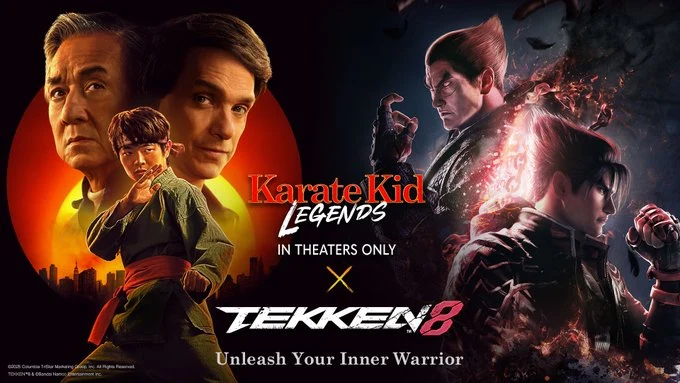
    The first update, Version 2.01, will be released on May 13. It will introduce the free Tekken Ghost Showdown mode along with two cosmetic packs for purchase: Cyber Phantom and Vigilante Tech. Following this, Version 2.02 is scheduled for June 3 and will feature a collaboration with Karate Kid: Legends, which includes themed hoodies, a Vision Takeover function, and classic costumes for characters like Kuma, Panda, and Dragunov.

    Exciting Collaborations Ahead

    Later in the summer, Version 2.03 will celebrate Pac-Man’s 45th anniversary with a crossover event. This update will offer a new battle stage called “Pac-Pixels,” a range of cosmetic items such as the Pac-Man Head and Ghost plushie, and new hit effects. All these features will be part of Fight Pass Round 6.

    In addition, two more characters are set to join Season 2: a returning fighter in Autumn and a brand-new challenger in Winter 2025. Each of these updates will also address balance changes across the character roster.

    Tekken 8 is now available on PlayStation 5 (curr. $39.99 on Amazon), Xbox Series X and S (curr. $35 on Amazon), and PC (via Steam).

    Source:
    Link

  • Magic: The Gathering Final Fantasy Set Releases in June, Pre-Order Now

    Magic: The Gathering Final Fantasy Set Releases in June, Pre-Order Now

    Key Takeaways

    1. The Magic: The Gathering x Final Fantasy collaboration set will be released worldwide on June 13, 2025, featuring characters and themes from all 16 mainline Final Fantasy titles.
    2. The set includes over 100 legendary creature cards, with borderless versions of iconic characters like Cloud Strife and Sephiroth, along with new card types for famous summons.
    3. Renowned artists Yoshitaka Amano and Tetsuya Nomura contributed artwork, making this the largest collection of Final Fantasy artwork in a single game.
    4. Collectors can find rare items such as serialised Golden Chocobo cards and double-faced transformation cards like Sephiroth’s One-Winged Angel form.
    5. Fans can pre-order the set on the official MTG website and Amazon ahead of its release.


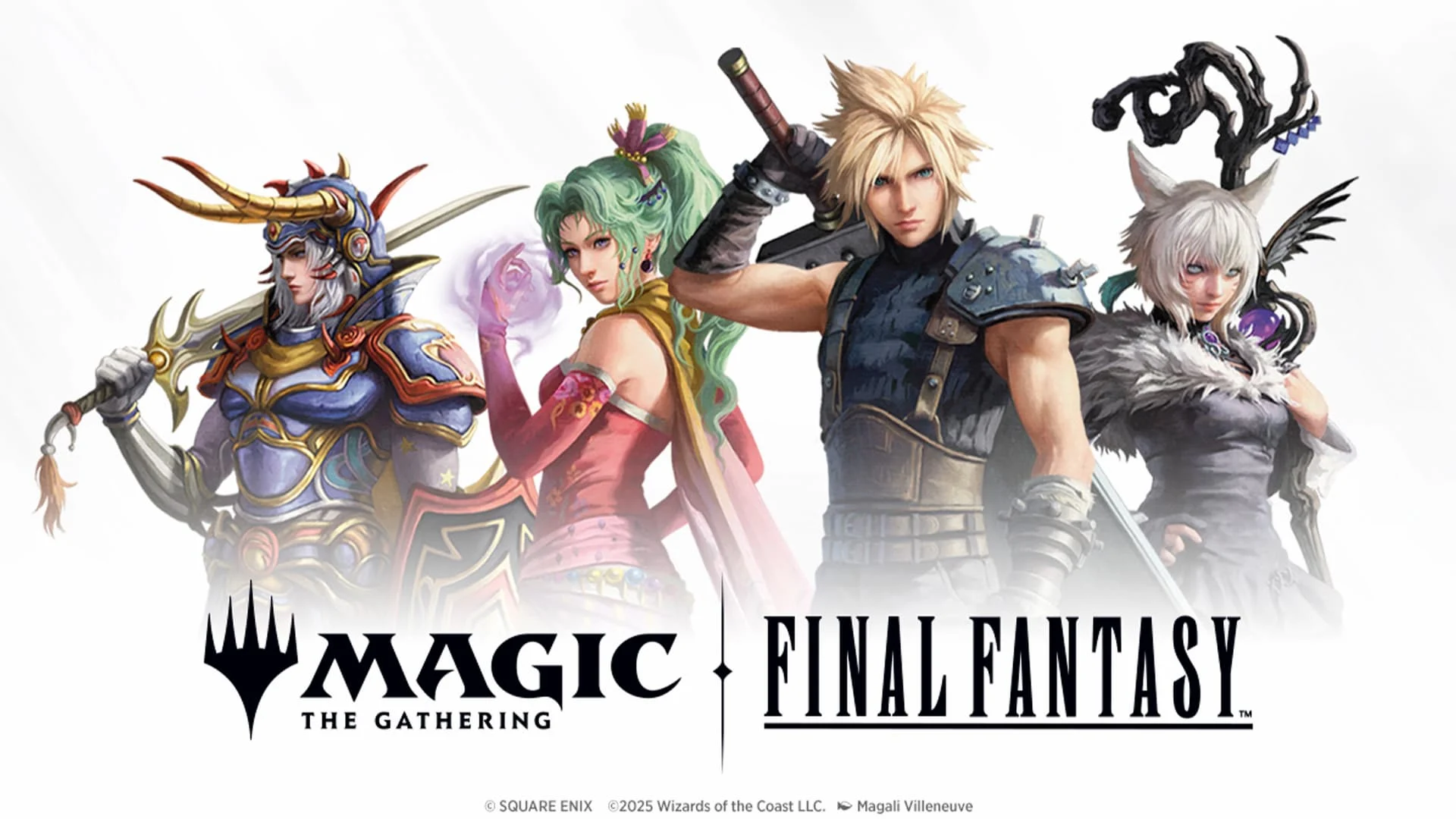
    Wizards of the Coast has announced its eagerly awaited Magic: The Gathering x Final Fantasy collaboration set, which is set to be released worldwide on June 13, 2025. A new trailer accompanying a detailed hour-long presentation showcases an extensive card collection that features characters, monsters, locations, and themes from all 16 mainline Final Fantasy titles.

    Card Highlights

    According to official sources, this collaboration includes over 100 legendary creature cards, with borderless versions of well-known characters like Cloud Strife, Sephiroth, Yuna, Lightning, and Emet-Selch. Additionally, beloved summons such as Bahamut, Shiva, and Leviathan are featured through a new card type that captures their lore-accurate presence on the battlefield using lore counters and transformative mechanics.

    Artistic Contributions

    Art is a key focus, with Yoshitaka Amano and Tetsuya Nomura among the artists involved. Amano shared a heartfelt message during the reveal, expressing his joy about blending Final Fantasy’s rich history with Magic’s engaging gameplay. This set claims to have the “largest collection of Final Fantasy artwork ever in a single game,” showcasing ten borderless artist cards illustrated in their unique styles.

    Rare Finds

    In this upcoming card set, collectors can look forward to rare items like the serialised Golden Chocobo cards, black and neon Colourful Chocobo variants, as well as double-faced transformation cards, including Sephiroth’s transformation into his famous One-Winged Angel form.

    As it stands, the Magic: The Gathering x Final Fantasy collection is dropping on June 13th, just a few weeks away. In the meantime, fans can pre-order it on the official MTG website and also through Amazon.

    Source:
    Link

  • GTA 6 Leak: Development Likely Started in 2018, Ex-Rockstar Artist

    GTA 6 Leak: Development Likely Started in 2018, Ex-Rockstar Artist

    Key Takeaways

    1. GTA 6 development began around 2014, but significant progress didn’t start until 2018 after Red Dead Redemption 2’s release.
    2. The game’s codename was Project Americas, with initial plans for a storyline set in Vice City and South America.
    3. Development faced delays due to the COVID pandemic and changes in company leadership.
    4. Rockstar Games is focused on creating expansive maps, which requires a detailed and careful development process.
    5. If GTA 6 is released in May 2026, it will have been at least eight years in development, raising high expectations from gamers.


    The delay in the release date for GTA 6 has left many gamers feeling upset as they wait for the next crime-themed adventure. Various reports suggest that the development of this title kicked off back in 2014. However, despite the time that has passed since GTA 5, Rockstar Games still isn’t ready to launch the sequel. Interestingly, former artist David O’Reilly shared that he only began his work on the game in 2018 after the new GTA 6 trailer was released.

    Development Timeline

    It’s worth noting that gamers shouldn’t jump to conclusions about Rockstar Games planning GTA 6 for the last seven years. It’s likely that ideas for the game started to develop soon after the previous installment. However, before designers can create assets, they need a more concrete concept to work with.

    Project Americas

    In 2018, there was a leak regarding GTA 6, known as Project Americas, which was the codename for the game. Initially, the storyline was planned to unfold in Vice City and South America, with a female character resembling Lucia at the center. This period aligns with when O’Reilly began contributing to the project. In his video, he also mentioned that Rockstar Games didn’t fully dedicate their resources to GTA 6 until after the release of Red Dead Redemption 2.

    Even though development might not have picked up speed until 2018, that still marks at least eight years before the potential release of GTA 6. Various factors have contributed to the title’s gradual development. The studio has committed to creating expansive maps, which require a meticulous process to bring to life. Like many developers, Rockstar Games faced delays due to the COVID pandemic. Around this time, Bloomberg also reported that the company let go of abusive executives and reduced working hours for employees.

    Expectations for the Future

    O’Reilly’s insights underscore that the process of game development involves multiple cycles. It could have taken four years for designers to start modeling the new Vice City. If GTA 6 is finally released in May 2026, gamers can only wish that it lives up to their high hopes and expectations.

    Source:
    Link

  • Star Wars The Old Republic Dynamic Worlds: New Storylines and PvP

    Star Wars The Old Republic Dynamic Worlds: New Storylines and PvP

    Key Takeaways

    1. Game Update 7.7, titled “Dynamic Worlds,” will be released between late May and early June, featuring a new PvP season and story expansions.
    2. The update introduces dynamic, time-sensitive encounters on seven main planets, enhancing replayability based on character progression.
    3. Two new story chapters, Galactic Threads and Master’s Enigma, will deepen the Legacy of the Sith saga and explore new plot elements involving Darth Malgus and Darth Nul.
    4. The Eras Window UI redesign will help organize the game’s narrative and assist returning players in navigating the storyline.
    5. Visual enhancements, combat rebalancing, and the return of the Relentless Replication Master Mode will improve gameplay and overall experience for both new and veteran players.


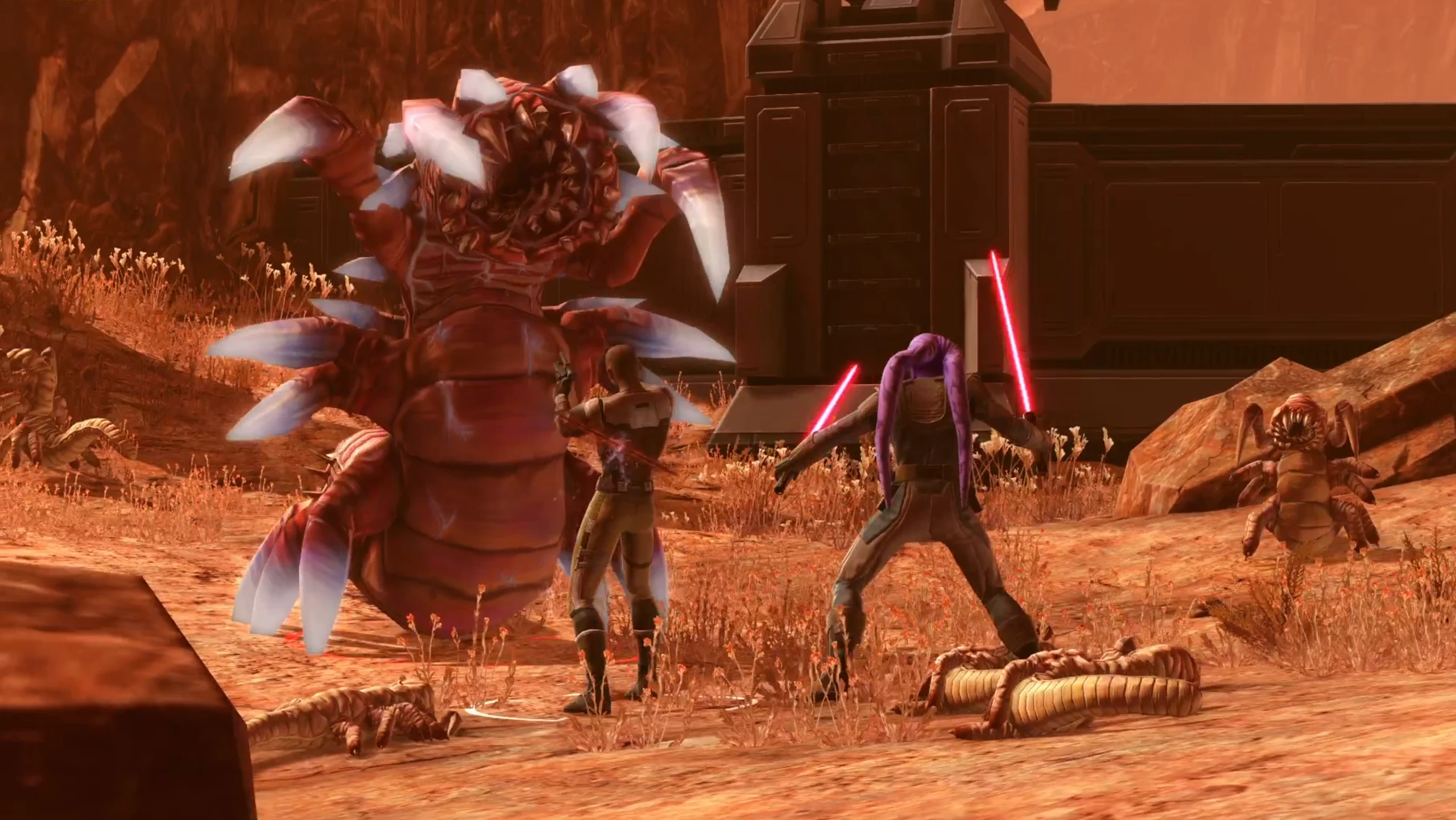
    Star Wars: The Old Republic is set to release Game Update 7.7, titled “Dynamic Worlds,” sometime between late May and early June. This new update will bring a fresh PvP season, expansions to the story, character updates, and other exciting features. Players can already check out the new content on the Public Test Server (PTS).

    New Features and Enhancements

    This update introduces significant improvements, including dynamic, time-sensitive encounters on seven main planets: Tython, Korriban, Ord Mantell, Hutta, Dromund Kaas, Coruscant, and Ilum. These encounters will change based on a character’s progress in the storyline, offering more flexibility and replay value.

    Story Expansion

    Regarding the story, Update 7.7 continues the Legacy of the Sith saga with two new chapters – Galactic Threads and Master’s Enigma. Players will dive deeper into the enigmatic schemes of Darth Malgus, look into Darth Nul’s holocron, and expose a hidden puppet master affecting recent galactic happenings.

    User Interface Improvements

    A standout feature is the Eras Window, a UI redesign that neatly organizes the game’s narrative into separate eras. This tool serves as a progress tracker and a helpful resource for returning players, making it easier to connect with the extensive SWTOR storyline.

    In terms of visuals, Update 7.7 builds upon Broadsword’s modernization efforts with better textures, improved lighting consistency between the preview window and in-game characters, and enhanced customization. Additionally, seven species, including Chiss, Togruta, and Twi’lek, now feature more skin tone options. Gameplay improvements include rebalancing combat across multiple Disciplines, updated default talent choices, and better navigation for missions and maps. The update also reintroduces the Relentless Replication Master Mode, offering high-level players another chance to face the XR-53 boss with new legendary augments. Along with this, a new PvP season and the Nar Shaddaa Nightlife event are also on the way.

    Broadsword has emphasized that Update 7.7 isn’t solely focused on new quests; it aims to revitalize the SWTOR experience for long-time fans while also making it more welcoming for newcomers. As previously mentioned, early access is now available, and players can download the Public Test Server through Steam.

    Source:
    Link

  • Doom: The Dark Ages Performs Great on Steam Deck

    Doom: The Dark Ages Performs Great on Steam Deck

    Key Takeaways

    1. Initial Compatibility Issues: Doom: The Dark Ages wasn’t initially verified for the Steam Deck due to performance concerns, but updates have improved its playability.

    2. Game Settings Optimization: The best performance on the Steam Deck was achieved by setting the resolution to 1,280 x 720, disabling Depth of Field and Chromatic Aberration, and using FSR Quality for upscaling.

    3. Performance Metrics: The game generally runs at around 30 FPS, with occasional peaks of 42 FPS, but performance can drop below 30 FPS during intense battles.

    4. Consistent Performance in Mech Combat: Mech combat maintained a steady 30 FPS, indicating some areas of the game perform better than others.

    5. Gameplay Recommendations: Players may need to lower difficulty settings for a smoother experience, especially in later levels where enemy density increases.


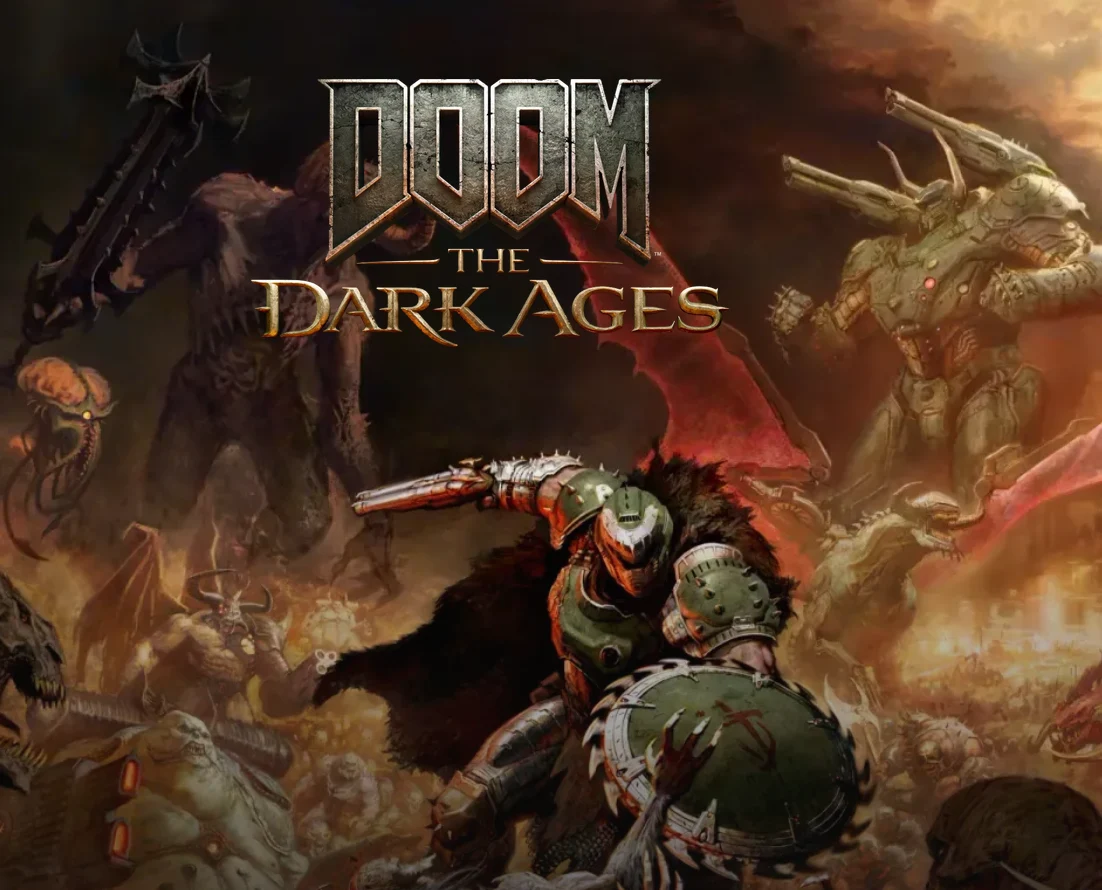
    Doom: The Dark Ages isn’t verified for the Steam Deck, and a quick look at its system requirements suggests that the handheld may lack the necessary power to run the game. During my initial review, it wouldn’t even launch on my Deck OLED, but now things have changed. Thanks to an update (H/T Cary Golomb) for the Steam Deck preview channel (SteamOS 3.7.6), we can now get past the Bugsplat error and see how the game performs.

    Setting Up the Game

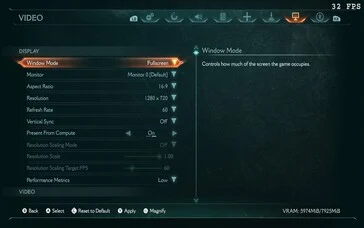
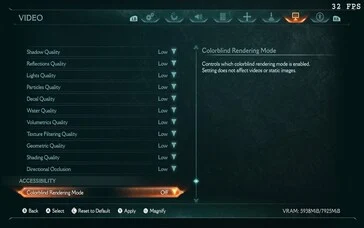
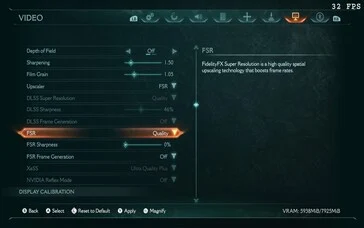
    Getting Doom: The Dark Ages to work on the Steam Deck is pretty straightforward. We adjusted the resolution to 1,280 x 720, turned off Depth of Field and Chromatic Aberration. For upscaling, we opted for FSR Quality. Switching to Balanced didn’t show much of a performance change, so either one will work fine. It’s important to disable Frame Gen as it significantly hurt performance. Everything else was set to low. We kept the game’s UI elements the same for a fair comparison with the PC.

    Performance Insights

    With these settings, we achieved a solid 30 FPS in most areas, with peaks of up to 42 FPS in less populated sections with fewer textures. However, the 30 FPS didn’t hold up during some later battles due to the high number of projectiles and monsters on screen. There were some noticeable frame drops, but it never fell below 20 FPS. Mech combat was similar, staying at a consistent 30 FPS. Switching to XeSS didn’t seem to improve things, but that’s likely due to the limited capabilities of the Steam Deck itself.

    Conclusion

    In general, Doom: The Dark Ages is somewhat playable on the Steam Deck. You might breeze through the early parts, but as you advance, expect more challenges as the density of enemies increases. If you really want to play this on the Deck, it might be a good idea to lower some difficulty settings to enhance your experience. Save the no-hit Ultra Nightmare run for a proper PC with a keyboard and mouse.