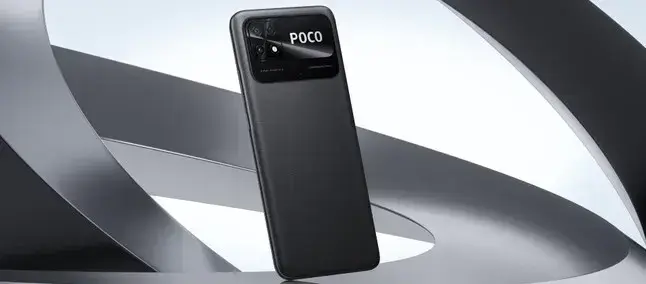
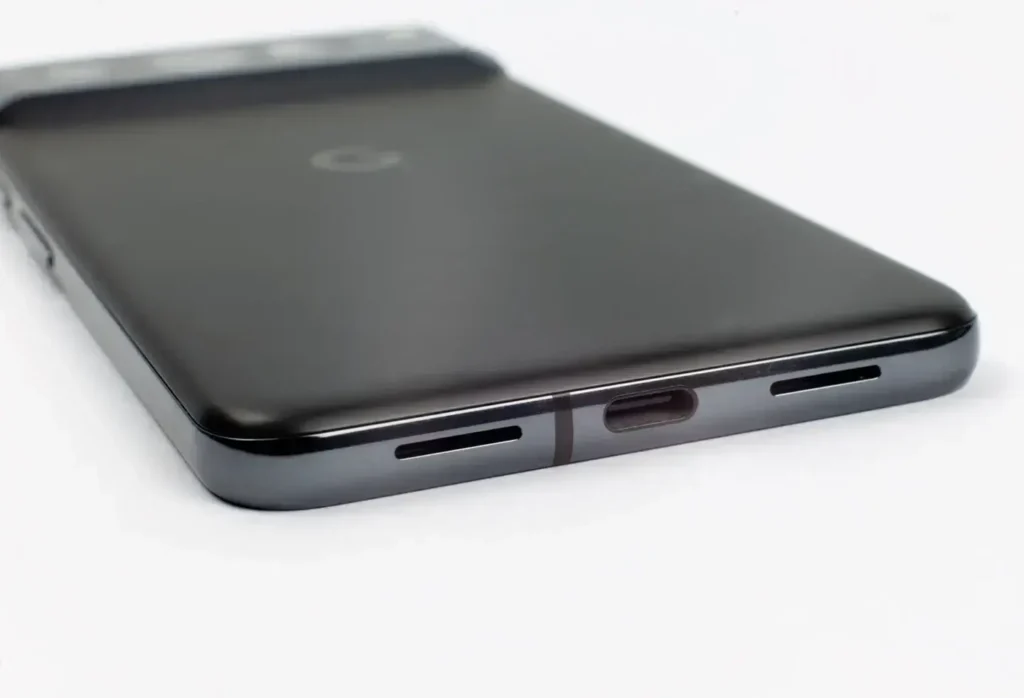
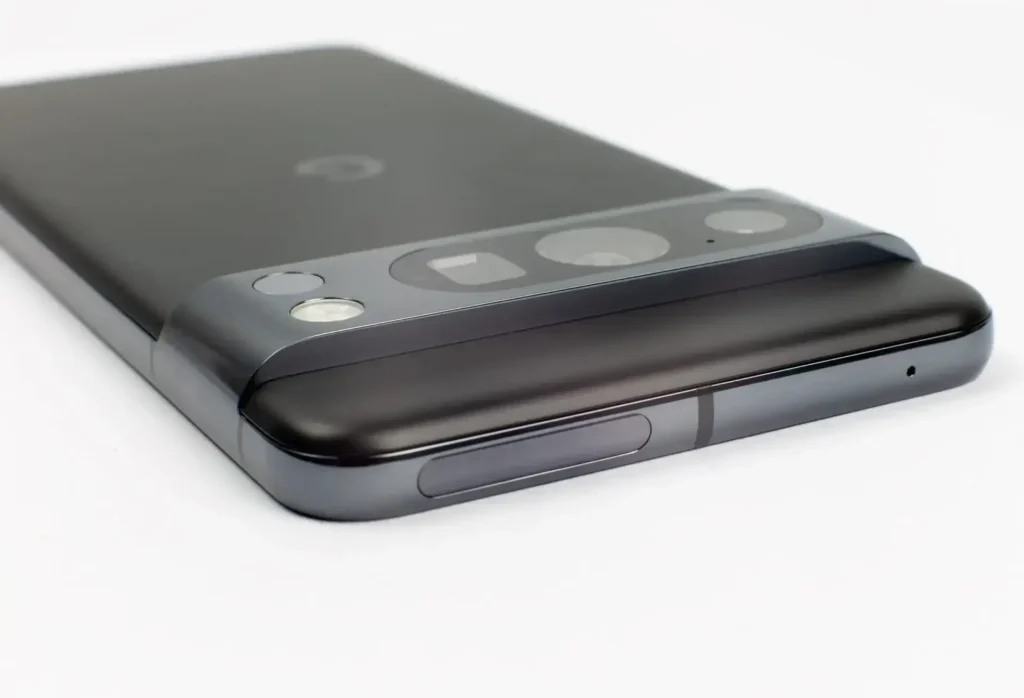
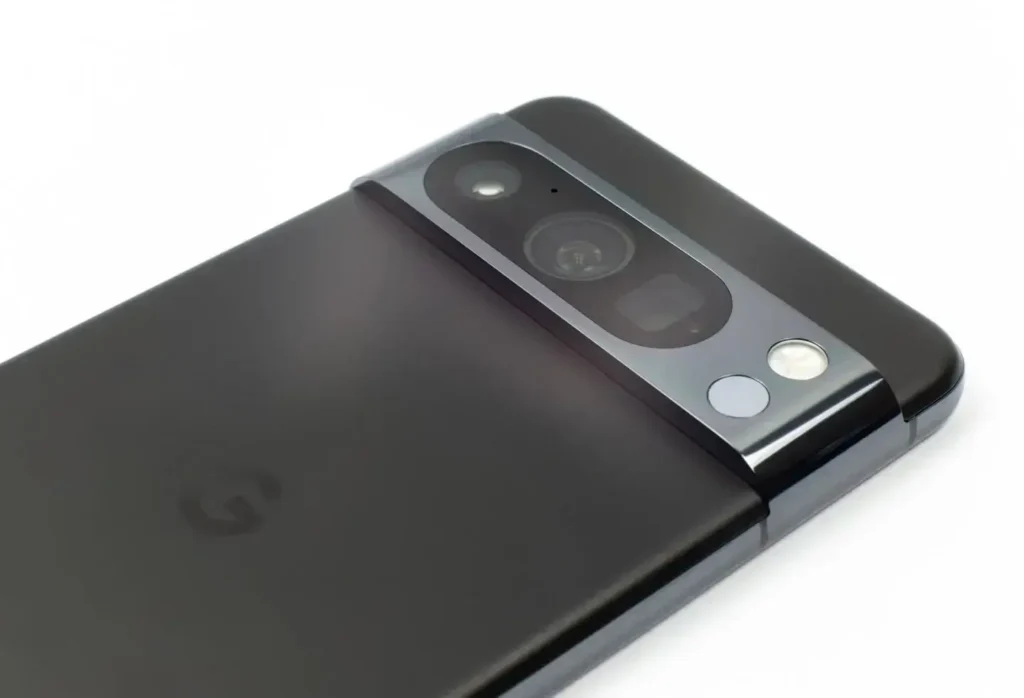
The upcoming Poco C65 is creating waves in the smartphone market, with its appearance on various certification websites hinting at an imminent launch. This smartphone is anticipated to be a rebrand of the Redmi 13C but with its unique touches. Here’s a deep dive into the specifications and features that are currently known about this intriguing device.
Core Specifications
The Poco C65, like its counterpart Redmi 13C, is expected to be powered by the MediaTek Helio G85 chipset. It’s likely to come with at least 6GB of RAM and 128GB of storage, providing a smooth performance for daily tasks and ample space for your files and apps1.
Camera and Display
Photography enthusiasts will appreciate the Poco C65’s expected 50 MP primary camera, part of a triple-rear camera setup, which promises to capture high-resolution, crisp images. Coupled with an LED flash, low-light photography might also be commendable2.
The smartphone is likely to feature a 6.7-inch IPS LCD display with HD+ resolution. Although the refresh rate hasn’t been confirmed, it might follow its predecessor Poco C55’s footsteps, which had a 90Hz refresh rate, offering a smooth scrolling experience2.
Connectivity and Battery Life
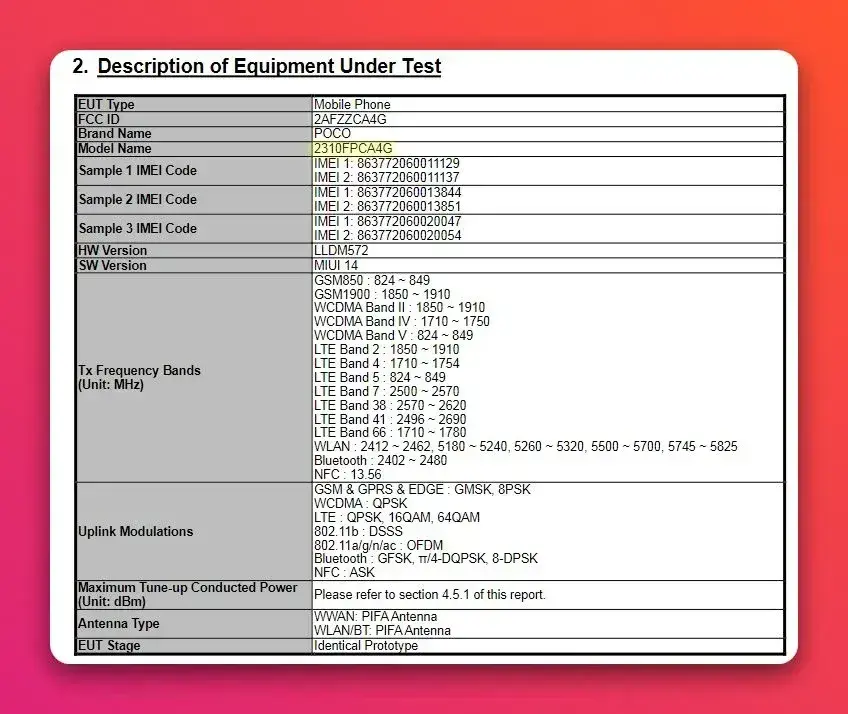
Although the Poco C65 doesn’t support 5G connectivity, it compensates with robust 4G LTE connectivity, ensuring fast internet access for streaming and browsing. Other connectivity features include Bluetooth, Wi-Fi, and NFC, which facilitates contactless payments13.
A robust 5000 mAh battery is expected to back these features, providing a long-lasting battery life. The device might also support 10W wired charging, ensuring a quick recharge when needed1.
Operating System and Additional Features
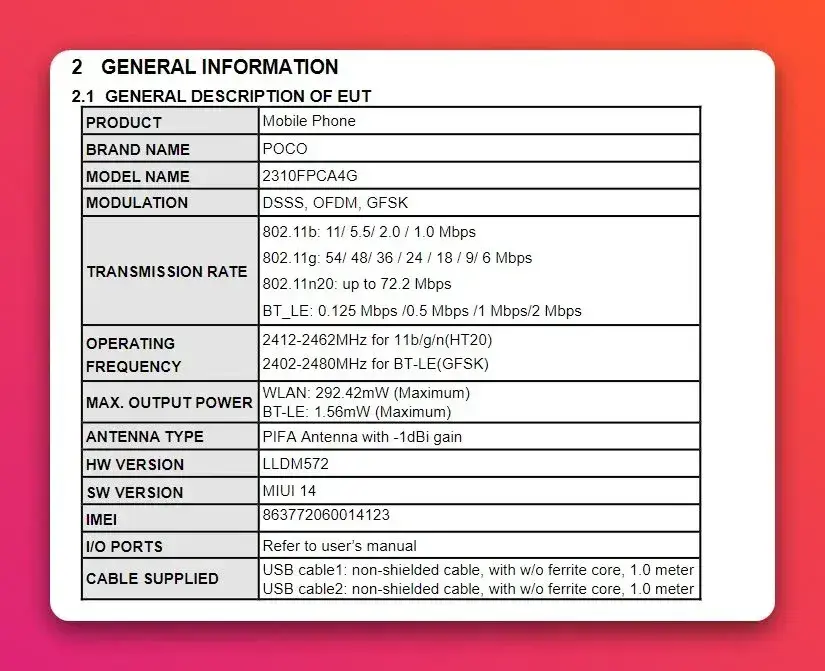
The smartphone is expected to run on Android 13 with MIUI 14 skin on top, providing a user-friendly interface with additional features and customization options. Moreover, it’s speculated to house a USB Type-C port, replacing the micro USB port seen in its predecessor, Poco C552.
Global Availability
The Poco C65 is expected to have a global variant alongside an Indian variant, as indicated by its model numbers 2310FPCA4G (Global) and 2310FPCA4I (India) appearing on the IMEI database. This suggests a wider availability for consumers across different regions4.
In conclusion, the Poco C65 is shaping up to be a feature-packed mid-range smartphone. Its combination of a powerful camera setup, robust battery, and other enhanced features, all likely housed in a sleek design, makes it a highly anticipated device in the smartphone market.
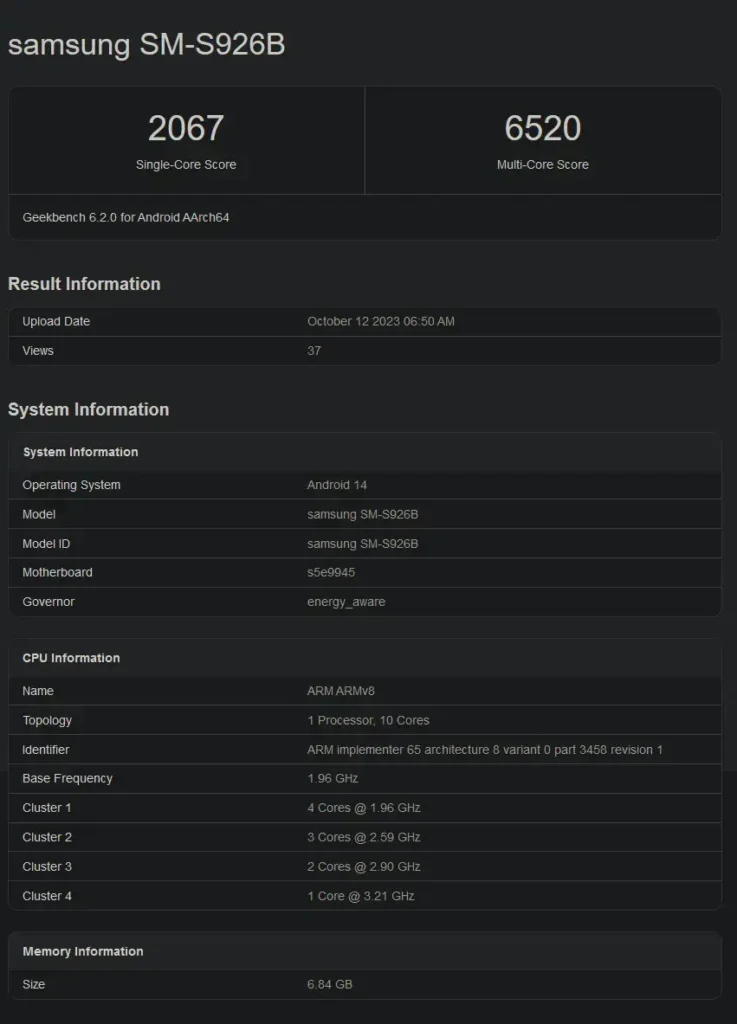
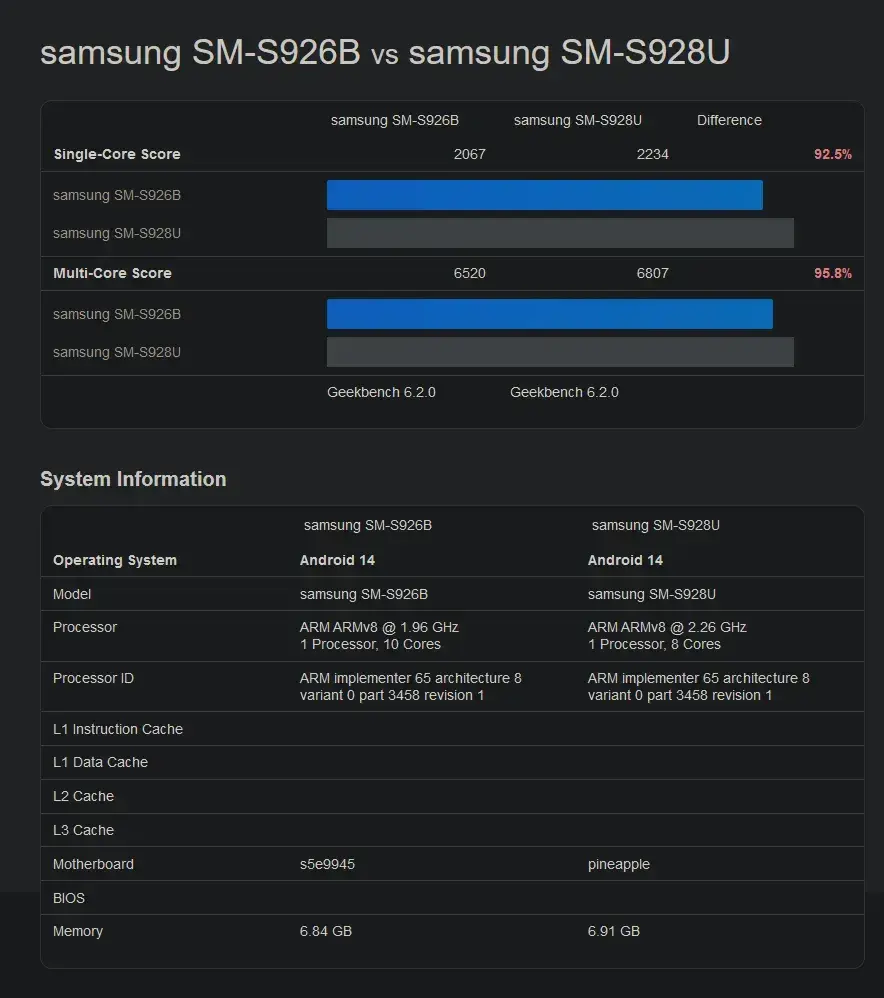
Samsung’s latest foray into the chipset market, the Exynos 2400, shows promising potential, affirming its robust capability and marking it as a credible competitor against the Qualcomm Snapdragon 8 Gen 3. The recent benchmarking stats from Geekbench provide tech enthusiasts and potential users a sneak peek into the performance metrics of this new chipset. Garnering attention for its commendable performance, the Exynos 2400 positions itself as a powerhouse that could notably influence the future dynamics of mobile chipsets.
Performative Parity: Exynos 2400 vs. Snapdragon 8 Gen 3
In its maiden Geekbench run, the Exynos 2400 has exhibited a compelling performance, aligning closely with its contemporary, the Snapdragon 8 Gen 3. Samsung’s newest chipset posted a single-core score of 1,205 and a multi-core score of 3,454, showcasing its potent computational and multitasking capabilities. The scores reveal a chipset that does not merely adhere to the established standards but seeks to push the boundaries of mobile computing further.
When pitted against the Snapdragon 8 Gen 3 – a renowned chipset for its superior performance in various smartphones – the Exynos 2400 doesn’t merely linger in its shadow but stands tall, demonstrating equivalent, if not superior, performative potential. The comparable Geekbench scores of both chipsets spotlight Samsung’s intentional strides in scaling its chipset’s performance to meet the globally recognized standards set by Qualcomm’s flagship processors.
Enhancing Mobile Experiences with Powerful Processing
The potency of the Exynos 2400 signals more than just technological proficiency; it stands as a testament to Samsung’s commitment to enhancing mobile user experiences. With this chipset, Samsung is poised to facilitate smoother, more responsive, and highly efficient mobile operations across various applications and gaming experiences. For the everyday user, this translates into swift application loading times, seamless multitasking, and fluid gaming experiences, devoid of lags and stutters.
The incorporation of the Exynos 2400 in future mobile devices promises an optimized utilization of resources, ensuring that battery life is judiciously used without compromising the device’s operational effectiveness. It is anticipated to support enhanced AI processing, elevated gaming experiences, and superior camera functionalities, thereby promising a well-rounded, rich user experience.
Looking Forward: Market Implications and User Expectations
The introduction of the Exynos 2400 brings with it expectations and speculations about its incorporation into upcoming Samsung devices. The chipset not only presents potential enhancements in device performance but also possibly impacts the pricing dynamics of future Samsung devices. Though specific pricing details related to the Exynos 2400 or devices employing it remain undisclosed, the competitive performance may potentially influence the market, posing a direct challenge to devices powered by Snapdragon 8 Gen 3.
In a nutshell, the Exynos 2400 has confidently stepped into the arena, demonstrating that it can hold its own against established players. As additional details regarding its full capabilities, utilization in devices, and market pricing unfold, it will be engrossing to observe how Samsung leverages this potent chipset to carve its niche and potentially reshape market dynamics.
The highly anticipated iPhone 15 series has been making headlines not only for its advanced features but also for a slew of issues that users have been facing. This article delves into some of the major problems encountered by iPhone 15 users, and the steps Apple has taken or is taking to rectify them.
Overheating Woes
One of the most prominent issues was the overheating problem, particularly on the iPhone 15 Pro and Pro Max models. Users reported their devices becoming excessively hot, especially during gaming, video recording, or charging. The problem seemed to be stemming from the iPhone 15’s thermal design. However, Apple addressed this issue through a software update. With the release of iOS 17.0.3, many users found their devices to be less prone to overheating, thereby improving the user experience significantly【25†(PhoneArena)】.
Battery Drain Dilemma
Battery drain was another headache for iPhone 15 series users. Initially, it was believed that the iPhone 15 Pro was the primary culprit, but the problem was widespread across other models as well. It was discovered that if an Apple Watch running the latest beta software was paired with an iPhone, it could lead to increased power consumption, causing the battery to deplete faster and potentially causing the iPhone to heat up. Apple acknowledged this issue and mentioned that it had been addressed in the beta version of iOS 17.1, which was expected to hit general release soon【29†(Forbes)】.
Lastly, a peculiar issue of iPhones mysteriously shutting down overnight and restarting right before alarms go off was reported. This problem wasn’t exclusive to the iPhone 15 series but was also seen in iPhone 13, iPhone 14 Pro, and even earlier models. The devices, mostly running on iOS 17, would shut down after reaching a 100% charge and restart a few hours later. Users could check if their device faced this issue by examining the battery level graph in the settings. However, the cause of this issue remained unclear, with Apple yet to provide a concrete solution【35†(Business Today)】.
Apple’s journey towards rectifying these issues showcases a prompt response to user complaints, albeit with some solutions still in the pipeline. The anticipation is high among the user base for further updates that will hopefully resolve the ongoing issues and improve the overall iPhone experience.
Some solutions to try:
Issue
Affected Models
Description
Possible Solutions
Overheating
iPhone 15 Pro and Pro Max
Phones getting excessively hot, especially during gaming or video recording.
Update to iOS 17.0.3, which addresses overheating issues.
Battery Drain
All iPhone 15 Models
Reports of battery life falling short of expectations.
Ensure you’re on the latest iOS version, consider disabling features like Background App Refresh and Location Services.
In a world where smartphones have become an indispensable part of our daily lives, the quest for the perfect device continues. The Google Pixel 8 and 8 Pro, the latest offerings from tech giant Google, aim to carve out a space in the fiercely competitive smartphone market with their array of remarkable features and a few noticeable drawbacks. Drawing insights from various expert reviews, this article will delve into the intricate details, assessing the pros and cons of the devices, and exploring whether they live up to the expectations set by their predecessors.
Unparalleled Software Support: A Future-Proof Investment
Pros: Longevity and Enhanced Security
One of the standout features of the Google Pixel 8 series is its commendable software support, offering 7 years of updates. This unprecedented move by Google not only ensures that the device stays relevant with the latest features and security updates but also underscores a commitment to reducing electronic waste, thereby contributing to sustainability. Users are assured of a device that will not only stand the test of time but also adapt and evolve, providing a future-proof user experience.
Cons: Initial Cost Implications
However, with longevity comes an upfront cost. The pricing of the Pixel 8 and 8 Pro is a notable increment from their predecessors, which might deter budget-conscious consumers. While the extended software support does provide long-term value, the initial investment is undoubtedly hefty, and users might be torn between opting for a premium current-gen device or exploring alternatives with a lower entry point.
New temperature measuring feature:
Google Pixel 8 Camera: Capturing Moments with Precision and Clarity
Pros: Superior Photographic Capabilities
The Pixel 8 Pro especially has been lauded for its camera capabilities, cementing Google’s reputation for delivering stellar photography experiences. With a more significant sensor, faster apertures across all camera modules, and enhanced computational photography, users can expect sharp, vibrant, and dynamically balanced photos across various lighting conditions. The advancements in the ultra-wide camera and the overall improved imaging department stand out prominently, offering photographers, both amateur and professional, a tool that captures moments with utmost precision and clarity.
Cons: Incremental Upgrades
However, critics argue that the upgrades, while noticeable, are incremental. Users of the Pixel 7 Pro might find the enhancements in the Pixel 8 Pro’s camera department subtle, especially if photography isn’t their paramount concern. The question looms: Is the camera upgrade compelling enough to warrant the transition from its predecessor, especially considering the price bump?
Here are some photos we found taken with Pixel 8 phones:
Design and Display: A Nod to Ergonomics and Aesthetics
Pros: Ergonomic Design and Display Quality
The flat display of the Pixel 8 Pro has been highlighted as a welcome move towards ergonomic and common-sense phone design. The absence of curved edges means reduced accidental touches, providing a more seamless and frustration-free user experience. The display quality, with its vibrant colors and sharp contrasts, enhances various user interactions, whether it be media consumption, gaming, or general usage.
Cons: Conservative Design Language
On the flip side, some might argue that the design language of the Pixel 8 series is somewhat conservative. In an era where smartphone manufacturers are exploring bold and innovative designs, the Pixel 8 and 8 Pro, while elegant, do not necessarily stand out in a crowded market in terms of aesthetic innovation.
Artificial Intelligence: Powering a Smart User Experience
Pros: Generative AI Features
The incorporation of generative AI features in the Pixel 8 series adds a layer of intelligent functionality that aims to enhance user experience across various facets of the device. These AI-driven features not only facilitate smarter interactions but also pave the way for a more intuitive and personalized user experience, learning, and adapting to the user’s habits and preferences over time.
Cons: Learning Curve and Privacy Concerns
However, the integration of AI also introduces a learning curve for users who might be new to such intelligent interactions. Additionally, concerns regarding data privacy and how the AI processes and learns from user interactions might be a point of contention, necessitating clear communication from Google about data handling and user privacy assurance.
Conclusion: Striking a Balance between Innovation and Practicality
The Google Pixel 8 and 8 Pro, with their array of features and a few drawbacks, present a compelling option for users seeking a blend of innovative technology and practical usability. The extended software support, enhanced camera capabilities, and intelligent AI features position these devices as noteworthy contenders in the premium smartphone market. However, the price point, incremental upgrades, and conservative design might give potential buyers pause, urging them to weigh these factors against the undeniable pros.
In the dynamic and ever-evolving smartphone landscape, the Pixel 8 series strikes a balance, offering users a glimpse into the future of mobile technology while maintaining a firm grip on the practicalities of present-day usage. Whether the devices are worth the investment largely depends on user priorities, making the Pixel 8 and 8 Pro excellent options for some, but perhaps not for all.
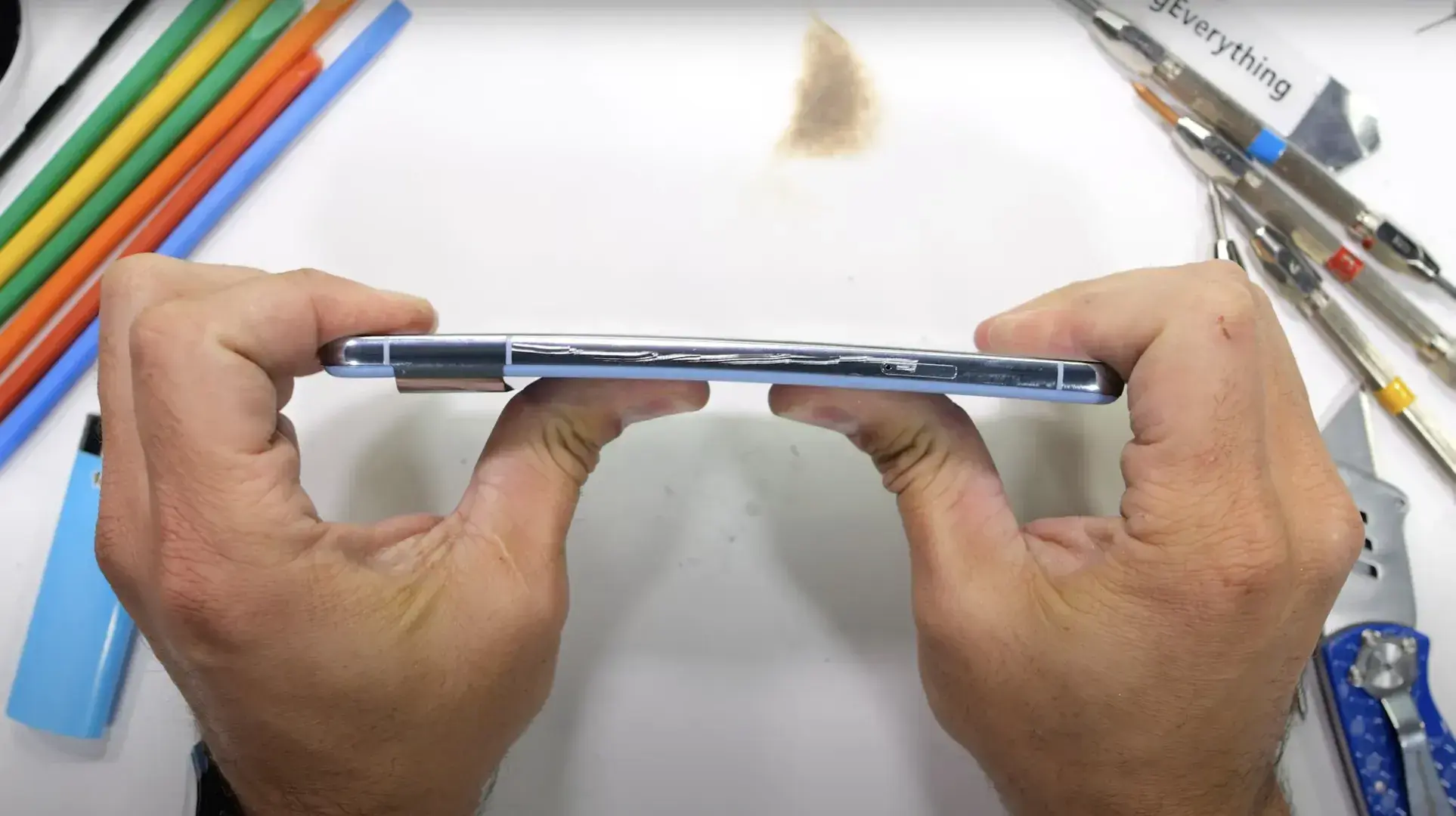
In a world inundated with fragile smartphones that succumb to the slightest mishaps, the Google Pixel 8 Pro emerges as a beacon of durability. The recent scratch, burn, and bend tests performed on this gadget affirm its robustness, making it a worthy contender for those seeking a sturdy, reliable smartphone.
Exceptional Scratch Resistance
One of the critical aspects contributing to the Pixel 8 Pro’s durability is its remarkable scratch resistance. The phone’s screen remained unscathed even when subjected to rigorous scratching attempts, showcasing its superior quality. The back panel also exhibited a high level of scratch resistance, making the Pixel 8 Pro an ideal choice for individuals who prioritize longevity in their smartphones. This sturdy build does not compromise the sleek design that the Pixel line is known for, which is an added advantage.
Impressive Heat Withstandability
Moreover, the Google Pixel 8 Pro impressed with its ability to withstand exposure to heat. During the burn test, the smartphone’s display sustained a flame for a considerable amount of time before showing signs of damage. Even then, the affected area recovered swiftly once the heat source was removed. This test is a testament to the Pixel 8 Pro’s resilience, reassuring potential buyers about its performance under extreme conditions.
Bend Test Triumph
Perhaps the most noteworthy testament to the Pixel 8 Pro’s durability came from the bend test. Unlike many contemporary smartphones that bend or snap under pressure, the Pixel 8 Pro remained intact even when substantial force was applied. Its structural integrity remained unimpaired, further solidifying its place as a reliable and robust smartphone choice in the market.
The Google Pixel 8 Pro not only boasts a sophisticated design but also stands tall when it comes to durability. These qualities make it a lucrative option for consumers seeking a blend of aesthetics and reliability in a smartphone. The recent tests have significantly bolstered the Pixel 8 Pro’s reputation, making it a much-talked-about gadget in tech circles. The Pixel 8 Pro is not just a smartphone; it’s a statement of durability melded with elegance. Its price starts at $899, which is a competitive pricing point given its robust features.
The meticulous tests that the Pixel 8 Pro underwent and triumphed are well-documented in recent articles published on Notebookcheck, GSM Arena, and 9to5Google, which provide a detailed analysis of the smartphone’s performance in scratch, burn, and bend tests.
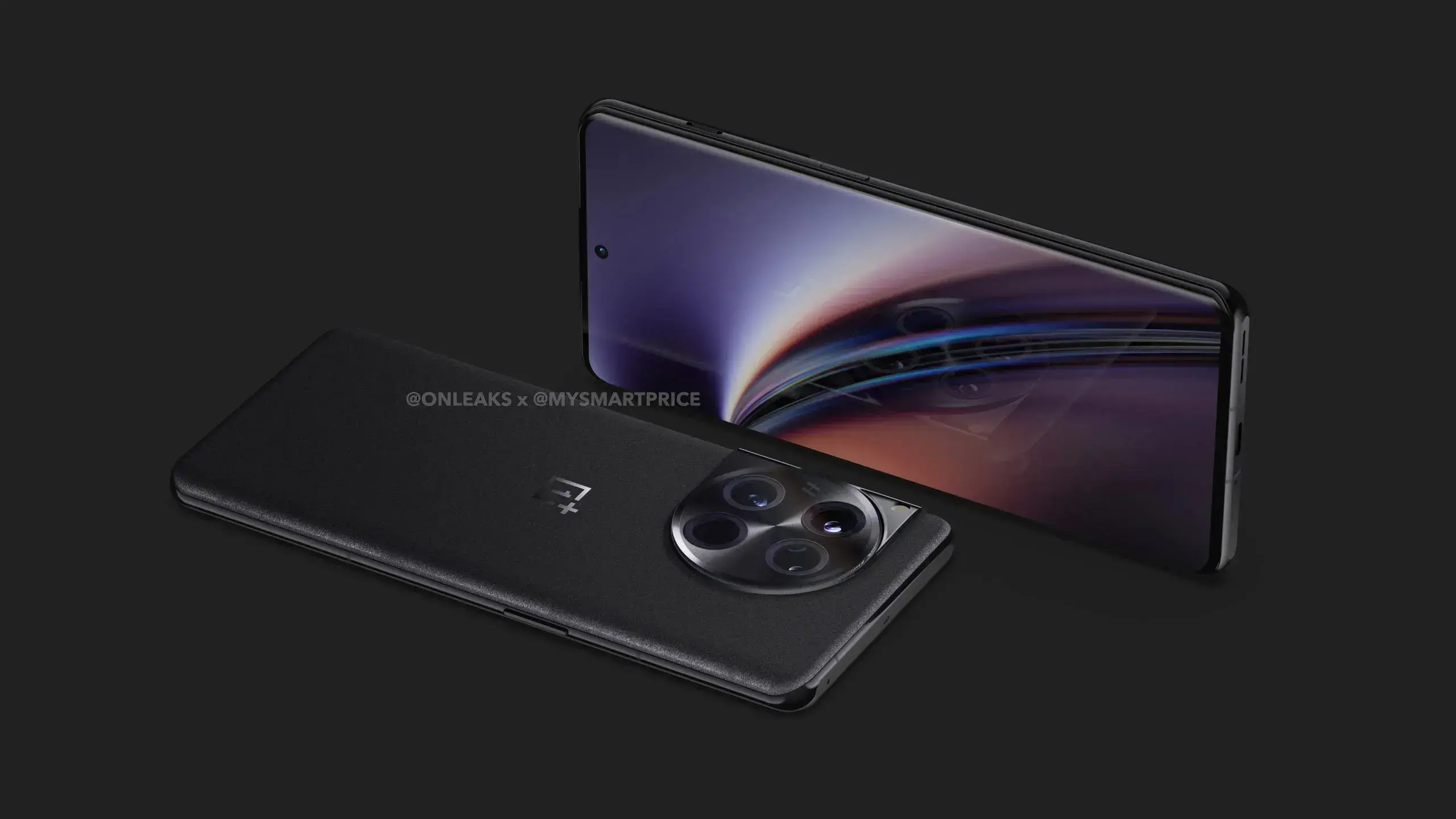
In the competitive world of smartphones, innovation is a constant. Companies vie for the spotlight, offering groundbreaking features to lure tech enthusiasts. A name that has consistently hit the mark is OnePlus. The upcoming OnePlus 12 is all set to continue this tradition, bringing a plethora of upgrades that are bound to excite the tech community.
Outstanding Display Enhancements
The OnePlus 12 comes with a display that pushes the boundaries. Leaks suggest a robust QHD+ resolution that promises crystal clear visuals. The display size is speculated to be a substantial 6.7 inches with LTPO technology ensuring a fluid 120Hz refresh rate. This feature not only makes scrolling smoother but also enhances the gaming experience. Furthermore, the device is expected to have an adaptive refresh rate, lowering it to save battery when higher refresh rates aren’t necessary.
Camera Upgrades: A Leap Forward
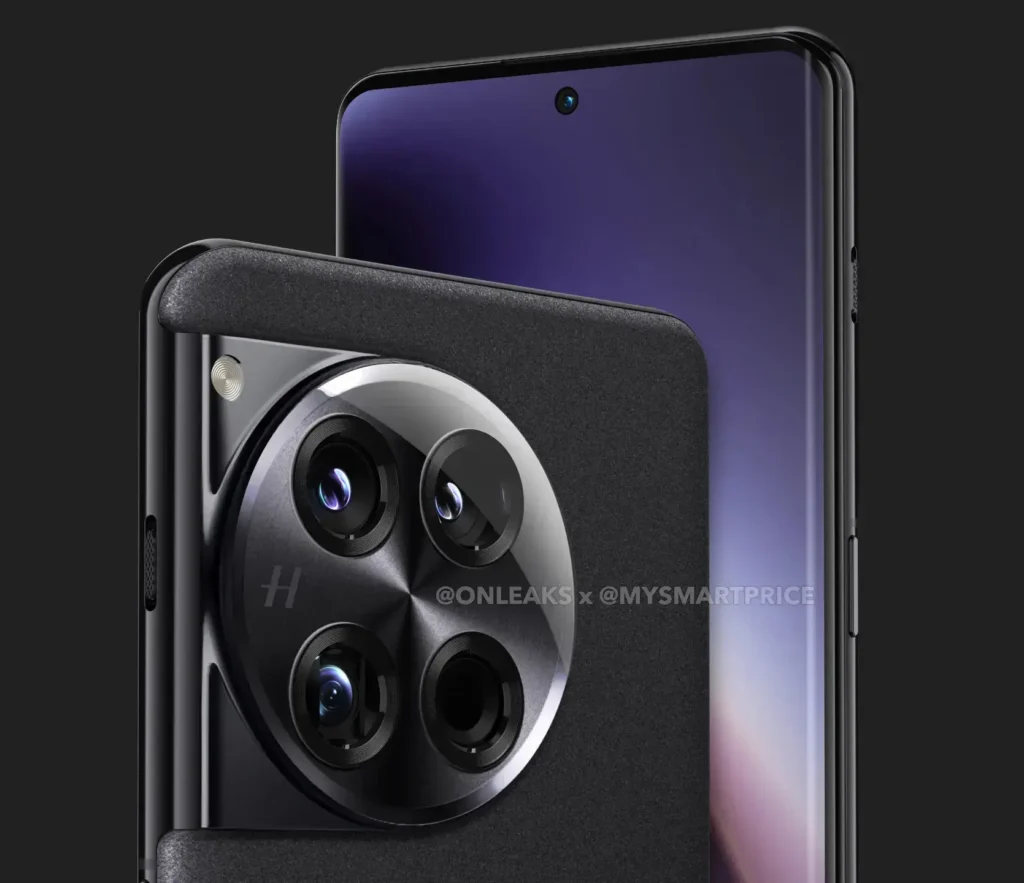
OnePlus is taking photography to new heights with the OnePlus 12. Rumors indicate the inclusion of a new Sony IMX966 sensor for the 64 MP telephoto lens, a significant upgrade ensuring sharper images even from a distance. The front-facing camera isn’t left behind; a 32 MP sensor is expected to cater to selfie enthusiasts, making sure every snapshot is worth sharing.
The camera setup also purportedly includes advanced features like a dedicated night mode for better low-light photography and an enhanced stabilization system for jitter-free videos. These upgrades aim to provide a professional photography experience to users.
Performance: The Heart of OnePlus 12
While much of the focus is on the display and camera, the OnePlus 12 is not shying away from providing a powerful performance. Though specifics about the processor and other internals remain under wraps, given OnePlus’s history, a top-tier chipset and ample RAM are expected. The device will ensure smooth multitasking and fast app loading times, living up to the expectations set by its predecessors.
With an exciting blend of groundbreaking display, camera, and performance features, the OnePlus 12 is shaping up to be a strong contender in the smartphone market. As tech aficionados await the official release, the leaked specifications have surely stirred the pot, making the OnePlus 12 one of the most anticipated smartphones of the year.
In a world where 3D printing is revolutionizing the manufacturing sector, Chromatic 3D Materials has introduced a groundbreaking material, ChromaMotive D65. This rigid Shore D thermoset polyurethane is meticulously designed for Reactive Extrusion Additive Manufacturing (RX-AM), leveraging the company’s RX-AM platform. The new material stands out for its remarkable performance across a spectrum of temperatures, ranging from -30°C to 120°C, making it a versatile choice for various industries123.
Unmatched Performance Across Temperature Extremes
ChromaMotive D65 is engineered to excel in extreme cold to elevated temperatures. This characteristic makes it an unparalleled material for winter sports equipment including ski boots, snowshoes, and snowmobile parts. The material doesn’t just stop at winter sports; its application extends to aerospace, automotive, and agriculture sectors where components often require operation in varying temperature environments123.
Superior Mechanical Properties
One of the salient features of ChromaMotive D65 is its mechanical performance that parallels injection-molded TPU, HDPE, and PP. Its high resistance to impact, hydrolysis, and abrasion, along with its ability to withstand repeated friction, wear, and tear, place it a notch above other materials in the market. Moreover, the isotropic tensile properties of ChromaMotive D65 ensure that the 3D-printed parts are uniformly resilient, making it a reliable material for manufacturers1243.
Expanding the Horizons of 3D Printing
With ChromaMotive D65, the realm of 3D printing expands further, enabling manufacturers to produce rigid plastic components swiftly. The RX-AM platform facilitates fast print speeds, and the versatility of ChromaMotive D65 allows printing on textiles, plastics, and metals. This propels 3D printing into a new era where rigid parts can be printed at industrial volumes for a myriad of applications, from winter recreational equipment to aircraft interiors23.
The unveiling of ChromaMotive D65 isn’t just a milestone for Chromatic 3D Materials, but a leap forward for the additive manufacturing industry. As Chromatic showcases components printed with ChromaMotive D65 at the International Elastomer Conference in Cleveland, Ohio, from October 16-19, the industry awaits with bated breath to witness the transformations this material will bring to the table3.
Chromatic’s venture into rigid 3D printing materials with ChromaMotive D65 highlights the continuous evolution in additive manufacturing, promising a future where the boundaries between traditional manufacturing and 3D printing blur, opening up a world of possibilities.
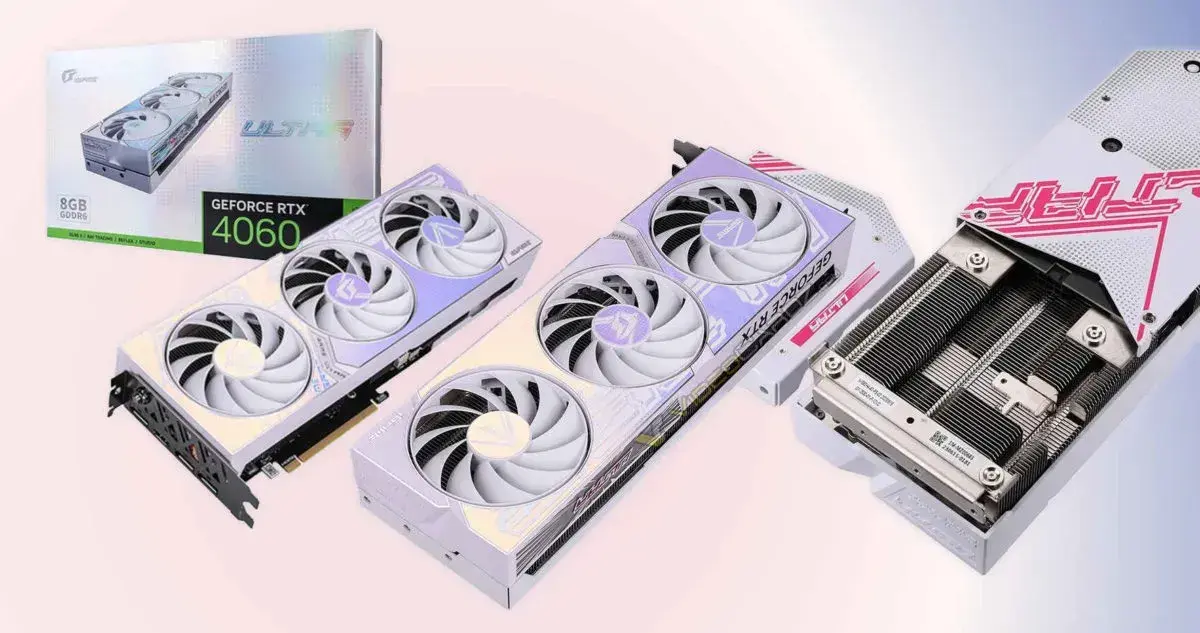
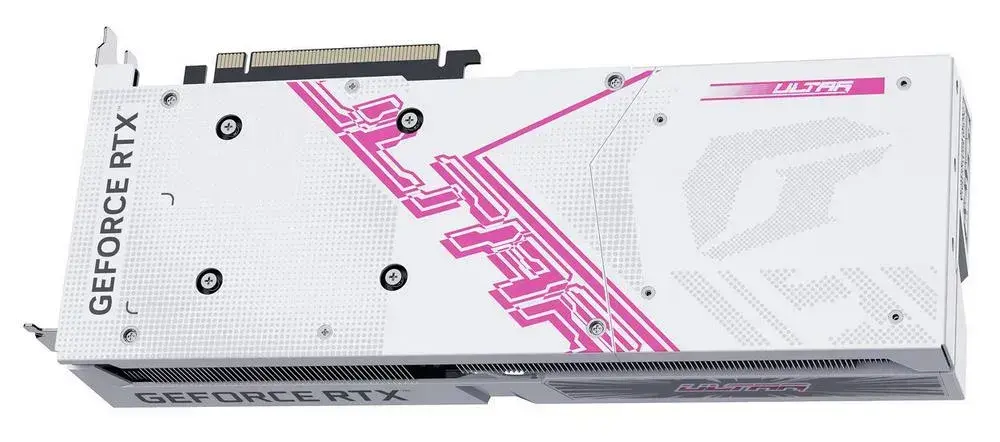
Colorful has extended its iGame Ultra Z series with the introduction of the GeForce RTX 4060 and RTX 4060 Ti models, following the earlier release of the RTX 4070 iGame Ultra Z variant. The hallmark feature of this series is the concealed power connector, which is neatly tucked beneath a metallic backplate, eliminating the usually visible cable clutter. This innovative design not only preserves the aesthetic appeal but also maintains a clean look inside the gaming rig, aligning with the modern trend of sleek and tidy setups123.
Hidden Power Connectors: A Sleek Innovation
The iGame Ultra Z series revolutionizes cable management with its hidden power connector design. The power connector, traditionally positioned on the side, has been ingeniously relocated underneath the backplate in the Ultra Z series. This backplate is securely held in place with magnets, granting easy access to the cable when needed. The cable is cleverly routed to the side facing the motherboard, achieving complete cable concealment. Moreover, the space allocated for the power cable is sufficient to allow it to bend at an acceptable angle, reducing the risk associated with cable bending and overheating12.
Performance and Specifications
The new additions to the iGame Ultra Z series, RTX 4060 and RTX 4060 Ti, come with factory overclocking, pushing the GPU to 2580 MHz, which is 1.8% and 4.9% above the reference value for the 4060 Ti and 4060 models respectively. This overclocking augments the performance, delivering better frame rates and smoother gameplay. Additionally, these models are outfitted with standard 8-pin power connectors, which are a tried-and-tested solution, ensuring reliable power delivery without the theoretical risk of overheating associated with higher wattage connectors. All models in the Ultra Z series share the same triple-fan cooling system, ensuring optimal thermal performance during intense gaming sessions2.
The Ultra Z series models have a unique PCB design and a modified cooling system that facilitates the hidden power cable feature. They all feature a triple-fan cooler design with dimensions measuring 31.3 x 18.9 cm, and the graphics cards vary in thickness (ranging between 48 and 50.5 mm) and weight (ranging between 0.98 and 1.12 kg), depending on the specific SKU. These variations allow gamers to choose a model that fits their specific needs and preferences, all while enjoying the sleek design and high performance that the iGame Ultra Z series offers12.
Although the RTX 4060 and 4060 Ti Ultra Z models are not yet available for purchase, they have been officially listed on Colorful’s website, signaling an imminent launch. As Colorful continues to innovate within the gaming hardware landscape, the iGame Ultra Z series stands as a testament to its commitment to delivering aesthetically pleasing and high-performance solutions to gamers.
In a remarkable alliance, global semiconductor frontrunner MediaTek, smartphone technology powerhouse OPPO, and the robust operating system ColorOS have intertwined their expertise to foster a lightweight large model end-side AI deployment agenda. This pioneering consortium aspires to pioneer the seamless assimilation of large language model proficiencies right at the device’s terminus, heralding a new era of On-device Generative AI.
Pioneering a Comprehensive Terminal-Side AI Ecosystem
MediaTek, revered for its commanding stance in semiconductor technology infused with AI, in conjunction with OPPO’s avant-garde smartphone tech, are on the verge of reshaping the contours of artificial intelligence deployment. At the heart of this novel ecosystem is MediaTek’s stellar AI processor APU and its AI development platform, NeuroPilot. These technological assets lay down the infrastructure for an exhaustive terminal-side AI and generative AI computing arena. The resultant ecosystem is not just a giant leap towards accelerating the development and enactment of edge AI computing, but it also amplifies the performance metrics of large language models and generative AI applications.
AndesGPT: A Formidable Contender in Large Language Model Sphere
One of the standout deliverables of this synergy is the unveiling of AndesGPT, an OPPO’s autonomous training generative large language model. In a striking accomplishment, AndesGPT clinched a coveted spot in the SuperCLUE top ten basic ability list, scoring an impressive 98.33 in the “knowledge and encyclopedia” niche. This score propels it to a strong second position, trailing only behind the illustrious GPT-4.
Advancing Smartphone Interaction through Generative AI
The alliance doesn’t stop here. OPPO has propelled the collaboration into a new dimension by initiating a fresh round of public beta testing for their AI Assistant Boo 1.0 Beta, a brainchild of the AndesGPT large model. To dip into this testing phase, users are required to have ColorOS 13 or above. The revamped AI Assistant, christened Boo, promises a superior semantic comprehension and the prowess to concoct responses based on user prompts. Furthermore, summarization along with other AI capabilities are set to receive a significant boost.
This partnership underscores a burgeoning trend in the smartphone domain, where an array of manufacturers are engaged in a fierce competition to embed generative AI voice assistants as a cornerstone feature in their gadgets. The in-device integration of large language models, accentuating efficiency and precision, is predicted to overhaul our interaction paradigms with smartphones, rendering them more intelligent and user-friendly. With the consolidated acumen of MediaTek, OPPO, and ColorOS, the horizon of end-side AI computing is beaming with immense potential.
This collaborative venture between MediaTek and OPPO is a testament to the boundless possibilities that lie in the confluence of semiconductor and smartphone technology, setting a precedent for others in the industry to follow suit.
To reach a broader audience and tackle limitations of its original FT3 headphones, FiiO has introduced a new variant, the FT3 32Ω Edition. This updated version brings several enhancements aimed at significantly improving the user experience, particularly for individuals using lower-powered audio devices.
Reduced Impedance for Enhanced Experience
The key feature of the FT3 32Ω Edition is its decreased impedance, addressing a common user concern with the original FT3 headphones. Initially sporting a 350-ohm impedance, the FT3 faced compatibility issues with lower-powered Digital Audio Players (DAPs) or smartphones, demanding more power to drive, potentially deterring some buyers.
FiiO responded to this feedback by crafting the FT3 32Ω Edition with a substantially lower impedance of 32 ohms. This impedance reduction is a remarkable achievement, especially considering the driver size remaining at an impressive 60mm. The shift in driver diaphragm material plays a crucial role in this adjustment, with the new model utilizing an LCP aluminium-plated and aluminium metal composite diaphragm instead of the original’s diamond-like carbon (DLC) diaphragm with a beryllium-coated gasket. This alteration ensures easier drivability, even with less potent equipment, while maintaining the renowned audio quality associated with FiiO.
Sensitivity Enhancement and Cable Upgrade
In addition to the lowered impedance, the FT3 32Ω Edition witnesses a slight sensitivity boost, now at 110dB (1Vrms) @1kHz. This heightened sensitivity furthers the ease of driving these headphones with lower-powered devices, guaranteeing crisp and clear audio output even at reduced power inputs.
The cable has also undergone a transformation. Initially equipped with a 3m Furukawa Monocrystalline Copper cable, the FT3 now adopts a 1.5m 392 wire high-purity silver-plated monocrystalline copper cable due to the discontinuation of the former cable. This change not only signifies a pragmatic adjustment but also a quality upgrade, promising superior audio transmission.
Unchanging Accessory Package
The accessory bundle remains consistent between the original FT3 and the FT3 32Ω Edition. Users will discover interchangeable connector plugs for 3.5mm single-ended and 4.4mm balanced terminations, a 6.35mm single-ended adapter, and an XLR-4 balanced adapter in the package. Furthermore, two sets of ear pads (leather and suede) and the same hard-sided leather storage case are included. This uniformity in accessories underscores FiiO’s dedication to delivering a top-tier user experience throughout its headphone range.
Final Thoughts
The FiiO FT3 32Ω Edition exemplifies FiiO’s receptiveness to user input and its relentless pursuit of excellence. Priced at £289/ €299 RRP, this new offering is now available for purchase, expanding the headphones’ appeal and solidifying FiiO’s standing in the high-fidelity audio market.