Category: All News

  • OnePlus Watch 4 Titanium Smartwatch Launches with 16 Days Battery Life

    OnePlus Watch 4 Titanium Smartwatch Launches with 16 Days Battery Life

    Key Takeaway

    1. The OnePlus Watch 4 features a titanium body, sapphire crystal protection, and water resistance up to 50 meters.
    2. Powered by a Qualcomm Snapdragon W5 Gen 1 processor with 2 GB RAM and 32 GB storage, it offers up to 16 days of battery life in power-saving mode.
    3. It runs on Wear OS, supporting third-party apps, Google Assistant, and contactless payments via NFC.
    4. Equipped with multiple sensors, including ECG (region-specific), heart rate, SpO2, and skin temperature, supporting over 100 sports modes.
    5. Available on AliExpress for $342, with limited regional availability of the ECG feature.

    Design and Build

    The new OnePlus Watch 4 is believed to take design cues from the Oppo Watch X3, but with some tweak to the bezels and watch bands. The body is made from titanium which give it a premium feel and it’s water resistant up to 50 meters. The screen itself has a sapphire crystal overlay keeping it safe from scratches and small damage. Overall, it’s a sleek and sturdy design that promises durability and style.

    Performance and Hardware

    Under the hood, the watch features a Qualcomm Snapdragon W5 Gen 1 ARM processor teamed with a BES 2800 co-processor, giving enough power for smooth operation. It has 2 GB of RAM and 32 GB of storage, which means enough room for apps and media. For powering all this, a 646 mAh battery is used, promising battery life for about 16 days if you switch to power-saving mode. During normal use, you can expect it to last around five days, which is pretty good for a smartwatch with Google Wear OS.

    Health and Features

    Health tracking is a highlight, with features like ECG (though only available in China), heart rate monitor, SpO2 sensor, and skin temperature sensor included. Each blood or heart data collection takes about a minute where sensors gather info all at once. The device supports over 100 different sports modes, perfect for fitness enthusiasts or those who want varied exercise options. Despite the ECG being limited to China, other sensors work worldwide so you can still track your vitals globally.

    Connectivity and Pricing

    It runs on Wear OS, providing easy access to Google’s ecosystem — including third-party apps, Google Assistant, and Google Wallet for contactless payments. Currently, it is listed on the OnePlus official site but without any official prices yet. However, you can already find it on AliExpress for roughly $342, indicating its expected retail range. The listing confirms its availability, but interested buyers should stay tuned for the official release info and pricing updates.



  • Lenovo Launches Compact Mini PC with Intel Lunar Lake Processor

    Lenovo Launches Compact Mini PC with Intel Lunar Lake Processor

    Key Takeaway

    1. The Lenovo Lecoo AI Mini Pro is a compact mini PC available in China with three CPU options from the Lunar Lake lineup, featuring integrated Intel Arc iGPUs suitable for gaming at 1080p.
    2. The system supports eGPU via USB4, but lacks more advanced external GPU interfaces like OCuLink or Lenovo’s TGX.
    3. It has a design similar to the Mac mini with a metallic finish and efficient cooling, with prices ranging from approximately $586 to $880.
    4. No clear plans are announced for international availability outside China.

    Introduction to the New Lecoo AI Mini Pro

    Lenovo has recently announced a new mini PC called the AI Mini Pro, branded under Lecoo. This small but mighty computer has been teased for sometime now and is finally available for purchase in China. While Lenovo’s also released a Panther Lake mini PC, this Lecoo model uses the older Lunar Lake architecture, bringing a different set of features and options to users who are looking for compact computing solutions.

    Hardware Options and Performance

    The AI Mini Pro offers three different CPU configurations, catering to a range of needs. The lowest tier features the Intel Core Ultra 5 226V processor, paired with an Intel Arc 130V iGPU, which offers decent graphics performance for everyday tasks. Moving up, the middle variant is equipped with the Core Ultra 5 228V, which comes with 32GB of RAM compared to 16GB in the base model, enhancing multitasking abilities.

    The highest-end version packs the Intel Core Ultra 7 258V CPU, also with 32GB RAM, and includes the more powerful Arc 140V iGPU. This setup is designed to manage many AAA games at 1080p resolution, making it suitable for gaming enthusiasts or content creators seeking portability.

    Connectivity and Design

    This mini PC allows eGPU support through USB4, which can be extended via an Aoostar AG02 dock that costs around $229, though this could be better if it had OCuLink or Lenovo’s proprietary TGX interfaces. The system provides a variety of ports for connectivity, ensuring versatility for different external devices.

    Design-wise, the Lenovo Lecoo AI Mini Pro has a look similar to the Mac mini, particularly from the bottom. It features a metallic finish, giving it a sleek and premium appearance. Lenovo emphasizes its efficient cooling system that can keep the internals cool without making excessive noise, with noise levels staying below 35dB.

    Pricing and Market Availability

    Pricing for this mini PC starts at CNY 3,999 ($586), with the high-end configuration priced at CNY 5,999 ($880). It remains uncertain whether Lenovo will expand its availability beyond China, as Lecoo products tend to have limited international reach. For those interested, it looks like an affordable option for compact computing needs with multiple CPU and GPU configurations.

    Sources
  • Honor 600 Launch: 7,000mAh Battery & 8,000 Nits AMOLED Screen

    Honor 600 Launch: 7,000mAh Battery & 8,000 Nits AMOLED Screen

    Key Takeaway

    1. The Honor 600 features a large 7,000 mAh battery with fast wired charging, but lacks wireless charging support.
    2. It is powered by a Qualcomm Snapdragon 7 Gen 4 processor with up to 12 GB RAM and 512 GB storage.
    3. The smartphone offers a high-end camera setup with a 200 MP main sensor and a 50 MP front camera.
    4. It includes IP68/IP69/IP69K ingress protection, dual stereo speakers, and a matte metal frame.
    5. Pre-orders come with a limited-time gift bundle, with availability starting April 30, 2026.

    Introducing the New Honor 600

    Honor has announced their new mid-range phone called the Honor 600. This device, from what they say, seem to pack quite a punch for its price point. It features a large battery, good cameras, a bright display, and a fast processor all in a stylish design. The company makes it clear that this is for folks who want solid performance without breaking the bank. The phone’s been designed to impress with both looks and features suitable for everyday use.

    Specs and Camera Details

    The vanilla version of the Honor 600 is quite close to the Pro, but with some small differences. For example, the Pro has three rear cameras, but the standard model only has two. Both have the impressive 200 MP main camera that uses OIS technology, giving steady shots. The main camera is 1/1.40-inch and offers exceptional image quality. Meanwhile, the Honor 600 replaces the telephoto lens of the Pro with a 12 MP ultrawide camera, which also functions as a macro lens. Up front, a 50 MP camera ensures high-quality selfies and portraits, similar to the Pro version.

    Battery and Physical Features

    The Honor 600 boasts a massive 7,000 mAh battery. This is paired with 80 W wired fast charging and 27 W reverse charging, allowing you to power other devices. Unlike the Pro, wireless charging isn’t supported here. Despite its large battery, it remains quite sleek, measuring just 7.8 mm in thickness with a weight of around 185 grams. Interestingly, the EU version comes with a slightly smaller 6,400 mAh battery. The overall design includes a matte metal frame, which gives it a premium feel, and is rated for durability with multiple certifications including IP68, IP69, and IP69K.

    Processing Power and Software Features

    Under the hood, the Honor 600 uses a Qualcomm Snapdragon 7 Gen 4 processor with an Adreno 722 GPU. It offers options of up to 12 GB of RAM and 512 GB of storage, with no space for expansion. The device runs on MagicOS 10 based on Android 16, promising long-term software support. In fact, it will get six years of major Android updates, potentially up to Android 22, plus security patches until 2032. This guarantees users future-proof software performance along with the latest enhancements.

    Additional Features and Price

    The smartphone also includes dual stereo speakers, AI Image to Video 2.0, dual microphones with noise reduction, a customizable AI button, and multiple drop and ingress protection ratings. The starting price is RM 2,599 for the high-end 12 GB + 512 GB model. Color options include black, golden white, and orange, giving buyers a good range of choices. It’s already ready for pre-order in Malaysia via various stores, including the authorized online shops and physical outlets. Special offers include a limited-time free gift bundle worth up to RM 1,496, which includes a RM 200 instant rebate, a Honor Choice Watch Epic, extended warranty, and liquid damage protection for those who preorder the Honor 600 Pro. The pre-orders are open until 29 April 2026 and the official sale begins from 30 April 2026 across the country.


    Sources

    • Union: MindsEye Studio Build A Rocket Boy Used Keyloggers, Violating Data Laws

      Union: MindsEye Studio Build A Rocket Boy Used Keyloggers, Violating Data Laws

      Key Takeaway

      1. Build A Rocket Boy employees have unionized and are taking legal action over alleged unauthorized installation of surveillance software, including keyloggers, on their work and home systems.
      2. The company allegedly used the software, Teramind, to monitor employee activity without consent, and refused to disclose data collection details after its removal.
      3. The union claims the surveillance violates data protection laws and employee dignity, amidst ongoing disputes over layoffs and workplace culture.

      Build A Rocket Boy faces serious allegations over privacy violations

      The developers and employees at the studio seem to be having a rough time lately, with accusations flying about illegal spying practices. The employees claim that the management secretly put surveillance programs on their work computers without telling them. These programs, especially a tool called Teramind, allegedly tracked their actions and even recorded them at home, which is causing a big outrage among the staff.

      Details about the surveillance practices and employee reactions

      People working there mention that the management installed Teramind secretly without getting approval beforehand. This software was used to monitor keystrokes, capture what employees see on their screens, and even record sounds through microphones during their work hours. After a wave of complaints, the company was said to have removed the software in March, but the employees are still angry because they don’t know where the data collected is stored or why it was even installed in the first place.

      Union steps in amid growing concerns

      The union representing the workers, the IWGB Game Workers Union, is now taking action. They claim that the company’s secretiveness and illegal monitoring break the laws meant to protect workers’ privacy and dignity. The union criticizes that the surveillance went beyond normal security measures, intruding into employees’ personal space at home without their permission, which is a huge violation.

      Legal actions and broader workplace issues

      Besides the privacy issues, the union filed a separate claim in April, accusing BARB of unfairly handling layoffs last summer. According to them, 300 workers were terminated improperly, and the company is also accused of blacklisting some employees unlawfully and not talking properly during the consultation process. If these claims hold up in court, they could cost Build A Rocket Boy a lot of money, potentially in the millions.

      Workplace culture and employee testimonies

      One of the visual artists working at BARB shared some insights about the working environment, describing it as extremely toxic, filled with secrecy and micromanagement. He said that such a culture is among the worst he has seen in his two decades working in the game industry, highlighting the serious problems employees face.

      Sources
    • iQoo 16 Leak Shows Major Upgrades from iQoo 15

      iQoo 16 Leak Shows Major Upgrades from iQoo 15

      Key Takeaway

      – The iQoo 16 will feature the new Snapdragon 8 Elite Gen 6 Pro chipset, built on a 2nm process and supporting faster memory.
      – It is expected to have a 6.85-inch 2K display with a 165Hz refresh rate, an upgrade from the iQoo 15’s 144Hz screen.
      – The camera system may include a 50MP or 200MP primary sensor and a mid-segment periscope telephoto lens with 3x optical zoom.

      Upcoming iQoo 16 Smartphone: What We Know So Far

      So, the iQoo 16 is getting closer, and lots of folks are speakin about what its gonna be like. The phone is rumored to replace the current flagship, iQoo 15, which saw a pretty good run since its launch in October 2025. Anyway, leaks have been surfacing from a tipster named Digital Chat Station, and it’s quite interesting to see what might be coming next.

      New Chipset and Performance Enhancements

      People are talking about the new Snapdragon 8 Elite Gen 6 Pro chip that supposed to power this new thing. The rumor states that it will be a huge upgrade in comparison to the Snapdragon 8 Elite Gen 5 in the iQoo 15. The main thing is that the new chipset is gunna be built on a 2nm process, which is better than the 3nm of the Gen 5. This means faster speeds and more memory support, like the LPDDR6, which could hit a 5GHz clock speed.

      Display and Camera Features

      Moving on to the screen, the iQoo 16 might come with a 6.85-inch display, boasting a 2K resolution and a smooth 165Hz refresh rate. That’s a bump from the 144Hz on the iQoo 15. The camera setup might include either a 50MP or a 200MP main sensor, and there’s talk about a “mid-segment” periscope telephoto lens too. Just as a reference, the iQoo 15 had a 50MP periscope lens with 3x optical zoom, so it makes sense that the new one could follow along with some improvements.

      Final Thoughts and Waiting Game

      But also keep in mind, iQoo hasn’t officially confirmed anything yet about the 16, so all these details are just rumors for now. We’ll need to wait for official announcements to know for sure what this phone will be like. Still, these leaks give us good clues on what to expect from the next flagship. Just a matter of time before we see if it lives up to the hype.


      Sources

    • Redmi Pad 2 Pro Learning Edition with AI Teacher and Homework Grader

      Redmi Pad 2 Pro Learning Edition with AI Teacher and Homework Grader

      Key Takeaway

      1. The Redmi Pad 2 Pro Learning Edition features a 12.1-inch 120Hz 2.5K display, powered by Snapdragon 7s Gen 4, with 8GB RAM and 128GB storage.
      2. It includes a rugged case, stylus, AI teacher, AI homework grading, and access to Xiaomi Education Center resources.
      3. The device is priced at approximately $396/€337, with no confirmed global release yet.

      Introduction of the Redmi Pad 2 Pro Learning Edition

      Released in early September 2025, the Redmi Pad 2 Pro has been bringing some notable improvements from the previous models. And then in January 2026, they announced a special Harry Potter Edition which is only sold in China. Reuters reports that just shortly after, Xiaomi unveiled another version of this tablet, targeted mainly for kids and also exclusively available in China.

      Technical Specs and Key Features

      Deep dive into the specs shows that the new Learning Edition maintains the core features of the normal version, which can be found on Amazon.de for €214.99. The device sports a large 12.1-inch display with a 120Hz refresh rate and a 2.5K resolution, offering an visual experience that’s clear and smooth. A matte glass layer is added over the screen which cuts down reflections and helps to lessen the eye strain during long usage.

      Design and Accessories

      This version comes with a rugged, colorful case designed for durability and fun, perfect for young users. This protective case includes a latch, a dedicated slot for the stylus, and its cover can fold into a kickstand, making kids’ usage easier and more versatile. Xiaomi adds more value with a smart stylus that works seamlessly with the device, especially suitable for educational activities.

      Performance and Battery Life

      The powerhouse under the hood is a Snapdragon 7s Gen 4 processor, paired with 8GB RAM and 128GB of storage inside. Powering all these features is a sizable 12,000mAh battery that supports 33W fast wired charging and 27W reverse charging—meaning the tablet can charge other gadgets too, quite handy for busy kids.

      Educational AI Features and Subscription

      One of the most interesting parts is the integrated AI education tools. The tablet includes an AI teacher module that mimics the interactive experience of classroom teaching, with real-time Q&A sessions. It also has an AI-powered homework grading feature, which can evaluate assignments instantly and give detailed feedback. Besides these, Xiaomi provides a three-year subscription to its dedicated Xiaomi Education Center, loaded with textbooks, lessons, and study plans to aid kids in learning effectively.

      Pricing and Market Availability

      The price of this kids-focused tablet is set at CNY 2699 (~$396/€337), which is notably more expensive compared to the basic version that costs about CNY 1799 (~$264/€225). As of now, there has been no statement from Xiaomi regarding its release outside China, but given the previous success of a similar kids version in Europe, it might not be long before we see this model available globally.

      Sources
    • Xbox Game Pass Price Drop Could Make First-Party and Cloud Gaming Optional

      Xbox Game Pass Price Drop Could Make First-Party and Cloud Gaming Optional

      Key Takeaway

      1. Microsoft is considering a more personalized Xbox Game Pass, allowing users to customize plans based on their preferences.
      2. The company has reduced the price of the Xbox Game Pass Ultimate and PC tiers to attract more subscribers and address affordability.
      3. Removing day-one Call of Duty releases aims to balance revenue and subscription growth, with a shift toward offering more tailored options.
      4. Future plans may include bundling subscriptions, such as Netflix, and allowing more flexible, à la carte content options for players.
      5. Implementing a highly customizable model could be complex given existing tier structures, but Microsoft acknowledges that no single approach suits all users.

      Microsoft’s New Pricing Strategy for Xbox Game Pass

      To solve the problem of affordability, Microsoft has cut the cost of the Xbox Game Pass Ultimate to just $22.99 per month. The price for the PC version is also cheaper now, which suggests that the company might be planning some more changes in the near future. According to Jez Corden, who was right in predicting this news, there’s a possibility that the subscription might soon offer a “pick your own plan” approach.

      Potential for Personalized Subscription Plans

      , as described in a recent article of Windows Central, Corden’s insiders have leaked out information pointing to a more custom made Game Pass. Gamers could be able to choose which types of content they want, such as prioritizing Xbox’s first-party games or cloud gaming options. Subscriptions for games like World of Warcraft or Minecraft Realms are considered likely options. Also, there’s talk about bundles that include Netflix or other services, which was hinted at in past leaks.

      Debate Over Value and Customization

      While many users have praised the lower price of the Ultimate plan, some critics argue that it’s still not offering enough value. The idea is that with an à la carte style, players could put together a cheaper plan with only the content they love. On the other hand, serious gamers might want to pay more to get all available options bundled together for a complete experience.

      Changes in Content Strategy and Sales Impact

      Corden’s report sheds some light about why Microsoft decided not to include the early-release Call of Duty games in the subscription. It seems that releasing them on day one was actually hurting sales of the games and not attracting enough new subscribers either. Hence, removing these first-party titles from the service allows Microsoft to protect its revenue and make the subscription price more attractive to users.

      Future of Customization and Subscription Tiers

      The plan is to let Activision fans and other gamers pay full price for certain titles until they become available on specific tiers later on. Besides, it looks like Microsoft recognizes the need for more tailored options: “Our players cover a wide breadth of geographies, preferences, and tastes,” the company mentioned. Also, they openly said that “there isn’t a single model that’s best for everyone.”

      Implementing Flexible Options

      Although offering more flexible choices sounds good, it’s not easy to put into place. Currently, Game Pass offers several tiers—Essential, Premium, and Ultimate—and there’s talk about perhaps merging the PC plan with one of these. Making it easier by turning individual perks like cloud gaming on or off may end up complicating the service instead of simplifying it for users.

    • Lenovo Legion Go S Handheld Price Hike Exceeds $1500

      Lenovo Legion Go S Handheld Price Hike Exceeds $1500

      Key Takeaway

      1. Prices for Lenovo Legion Go S variants with AMD Ryzen Z1 Extreme and Z2 Go APUs have surged significantly, with increases of up to $680.
      2. The AMD Ryzen Z1 Extreme offers over twice the multi-core performance of the Ryzen Z2 Go but only about a 10% gaming performance improvement.
      3. The higher-end variant also includes double the RAM and storage compared to the lower-end models.

      Recent Price Surges in Gaming Handheld Devices

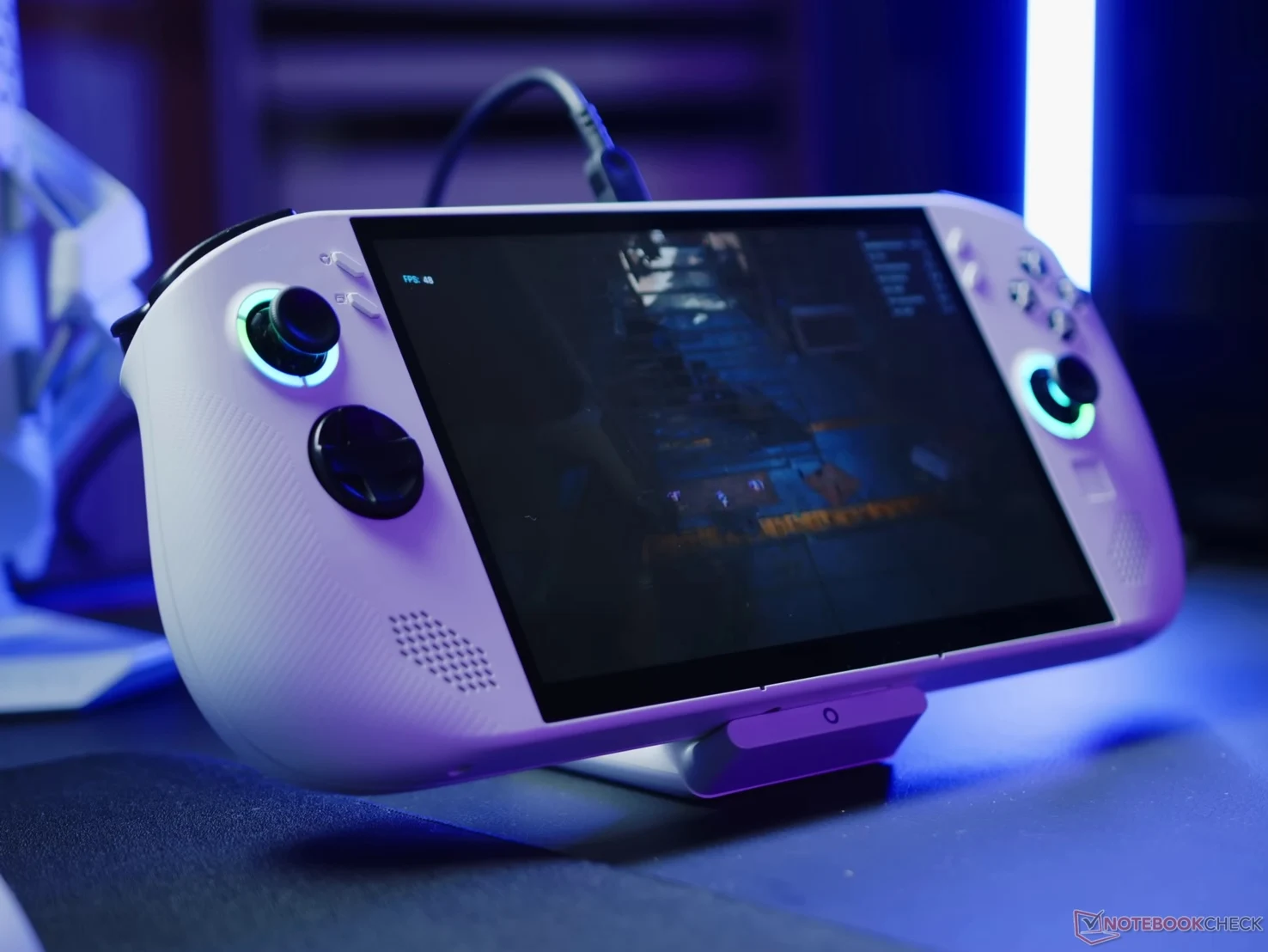
      The ongoing shortages seem to be driving prices for popular gaming handhelds higher and higher. Only a week ago, Lenovo made headlines for hiking up the cost of its AMD Ryzen Z2 Go powered Legion Go S by an astonishing $450. Now, the same story appears to be unfolding with the Z1 Extreme model, which is now facing a similar jump in retail price. Customers who had been eyeing this device are now faced with a much steeper entry point.

      Price Increase of Legion Go S Variants

      Previously, the Legion Go S with the AMD Ryzen Z1 Extreme APU, boasting 32 GB of LPDDR5X RAM and a 1 TB SSD, was valued at just under $900 on Best Buy. But the latest revision with SteamOS now reaches a hefty $1,580, representing an approx. $680 surge. This drastic hike marks a significant strain for budget-conscious gamers looking to purchase the device. The Windows version with the same specifications is now priced just under $1,680, which is really stretching the limits of affordability for many consumers.

      Differences Between Variants and Performance Expectations

      • SteamOS model with AMD Z1 Extreme: now costs nearly $1,580
      • Windows edition with AMD Z1 Extreme: borders on $1,680
      • Lower-spec variant with Z2 Go, reduced RAM and storage, priced at ~$990

      In terms of hardware performance, the AMD Ryzen Z1 Extreme, which has 8 cores, outperforms the 4-core Ryzen Z2 Go by over two times in synthetic multi-core tests. When it comes to gaming performance, the GPU differences are less dramatic — the Radeon 780M (Z1 Extreme) roughly edges out the Radeon 680M (Z2 Go) by about 10%, depending on the game. Additionally, it’s critical to remember that the higher-tier model also offers doubled RAM and storage compared to its lower-end siblings.

      Market Impact and Consumer Concerns

      As these prices skyrocket, it’s clear that current supply chain issues are taking a toll on the gaming community. The steep premium for updated hardware may push many potential buyers away, especially those who had previously considered these devices affordable options. The rising costs also raise questions about the future accessibility of such portable gaming systems in an economy where prices are increasingly unpredictable.


      Sources

      • Panasonic Launches 144g Full-Frame Lens for $399

        Panasonic Launches 144g Full-Frame Lens for $399

        Key Takeaway

        1. The Panasonic Lumix S 40 mm f/2.0 is highly compact and lightweight, making it suitable for smaller full-frame cameras and portable use.
        2. It features water splash protection, a focus ring that can be adjusted on compatible Lumix cameras, and a programmable function button.
        3. The lens has a simple optical design with seven elements in six groups, including three with aspherical surfaces, and offers a minimum focus distance of 0.3 meters.
        4. It is exclusively available for the L mount, compatible with Panasonic Lumix, Leica SL, and Sigma BF cameras.
        5. The lens is priced at approximately $399 and expected to be available by mid-May.

        Compactness Meets High Speed

        The latest Panasonic Lumix S 40 mm f/2.0 is a compact and lightweight lens, measuring just 40.9 mm long and weighing only 144 grams. This makes it is very portable and easy to carry around, even in a small jacket pocket, especially a camera like the Lumix S9. The lens’s compact size doesn’t mean sacrificing performance, featuring a simple yet durable design with protection against water splashes, and a focus ring that can be customized through compatible Lumix cameras.

        Optical Design and Compatibility

        Designed with precision, the lens employs a group of seven lens elements spread across six groups, including three with aspherical surfaces to help deliver sharp, high-quality images. It focuses as close as 0.3 meters, offering a maximum magnification of 0.17, which is quite decent for a standard prime lens. Its 62 mm filter thread allows users to attach various filters easily, making it versatile for different shooting needs. This lens is exclusively made for the L mount, meaning it’s compatible not just with Panasonic Lumix cameras but also with Leica SL and Sigma BF models, broadening its usability for many photographers.

        Pricing, Availability, and Additional Features

        The Panasonic Lumix S 40 mm f/2.0 (S-S40) is scheduled to come out around mid-May, with a suggested retail price of $399. The lens is particularly suited for photographers seeking a balance between portability, speed, and image quality. For those interested, more details can be found on the official product page, giving potential buyers a full rundown of its capabilities and specifications.


        Sources

      • Framework Aims to Surpass Logitech K400 with Improved Trackpad

        Framework Aims to Surpass Logitech K400 with Improved Trackpad

        Key Takeaway

        1. The wireless keyboard features a membrane key switch with 1.5mm travel, aiming for a high-quality typing experience.
        2. It includes a large, portrait-oriented multi-touch trackpad, deemed advantageous over competitors like the Logitech K400 Plus.
        3. The combination of keyboard and trackpad is designed for portable use, such as on a couch, with multiple connectivity options (USB, Bluetooth, USB-A dongle).
        4. The keyboard supports multi-device pairing (up to four devices) with easy switching via a key combination, and customizable keys via a web interface.
        5. Launch details and pricing for the Wireless Touchpad Keyboard remain unspecified.

        Introduction of the New Wireless Keyboard

        Today, the makers of the Framework Laptop 13 Pro unveiled a new product, a wireless keyboard with an integrated trackpad. This device is modeled based on the same keyboard that was used in the Framework Laptop 12, which features a membrane mechanism and a key travel of 1.5 millimeters. This design aims to combine portability with functionality, making it an interesting addition to the Framework lineup.

        Design and Features

        The keyboard’s key feature appears to be its first-class typing experience, which Framework claims is particularly good for laptops. Located to the right of the keys is a large multi-touch trackpad, recently modelled from the core of the Framework Laptop. Interestingly, the trackpad has been rotated into a portrait format, providing a different ergonomic feel. Framework states their trackpad offers significant advantages over other popular keyboards like the Logitech K400 Plus, which is a common choice but often criticized for its performance and feel.

        Practical Usage and Connectivity

        The compact combo of a function key-enabled keyboard along with a large trackpad is especially practical for usage on a couch or when space is limited, where traditional mice are not really usable. Users can connect this keyboard to various devices via USB cable, a USB-A dongle, or Bluetooth. It can connect to up to four devices simultaneously, allowing users to switch between them effortlessly with a dedicated key combination. The device’s microcontroller, the Nordic nRF54L20, combined with ZMK firmware, makes this possible because every key can be customized via a user-friendly web interface.

        Additional Information and Availability

        At this moment, the company has not announced when or how much the wireless keyboard with trackpad will cost. For further updates and detailed specifications, interested individuals are encouraged to visit the official Framework website. Though the release date remains a secret, anticipation is high for this innovative accessory that aims to enhance portable device interaction.


        Sources