Category: All News

  • Affordable Compact Camera with 4-Inch Touchscreen Resembles Leica

    Affordable Compact Camera with 4-Inch Touchscreen Resembles Leica

    Key Takeaway

    1. The Saeda Beck’s B-Quest BQ1 has a simple, toy-like design reminiscent of premium cameras but features basic hardware, including an 8 MP main camera and a secondary 5 MP selfie camera.
    2. It offers 4K video recording at 30 fps and a 4-inch touchscreen, but its photographic capabilities are inferior to inexpensive smartphones.
    3. Priced at around $119, the camera also functions as a digital music player, with limited battery life suitable for approximately 130 photos.

    Introduction to Beck’s B-Quest BQ1

    Looking at first glance, Beck’s B-Quest BQ1 look quite similar to some high-end cameras like the Leica D-Lux 8. You can spot a “10x” mark inside a red circle that kinda gives off the vibe of the iconic red Leica logo. The design and hardware are very simple, and this isn’t really surprising considering the price, which is just about $119, making this a super affordable camera option.

    Camera Specifications and Features

    Saeda has equipped this little device with an 8 MP f/1.8 camera built on a 1/2.9 inch sensor. Plus, on the back, there’s a secondary 5 MP camera with a 1/3.2 inch sensor mainly for selfies. Honestly, both the main and selfie cameras are kinda basic and not as good as what you’d find in cheap smartphones, so calling this more of a toy than a real camera might be fair. To spice things up, it also has 15 filters so that users can customize their photos more creatively.

    Video and Display Features

    Recording videos in 4K at up to 30 fps is possible with this device. Despite its low price, it sports a decent 4-inch touchscreen display with a resolution of 854 x 480 pixels. An interesting thing is that Saeda also promotes this as a digital music player, but there’s no info about supported Bluetooth standards, which makes things a bit uncertain.

    Battery and Pricing

    The built-in battery capacity is 1,200 mAh, and the manufacturer claims it can handle about 130 photos on a single charge. Charging is supported through USB-C, an appreciated feature even in this budget segment.

    If you’re in Japan, you can buy the Saeda Becks B-Quest BQ1 for ¥18,800, which is roughly $119, directly from the company’s online shop. For folks elsewhere, the camera is currently only obtainable through import services like ZenMarket, so be prepared for that extra hassle and possibly higher costs.


    Sources

  • Beelink Mate Pro Dock with 80Gbps USB4 and 32TB Storage

    Beelink Mate Pro Dock with 80Gbps USB4 and 32TB Storage

    Key Takeaway

    1. The Beelink Mate Pro dock features dual USB4 v2 ports with 80Gbps transfer speeds and daisy-chaining capability, including eGPU connectivity.
    2. It offers four PCIe 4.0 x1 M.2 slots, supporting up to 32TB of storage with high read/write speeds.
    3. The dock supports 96W PD for fast charging of the host device and peripherals, powered by a 140W PSU.
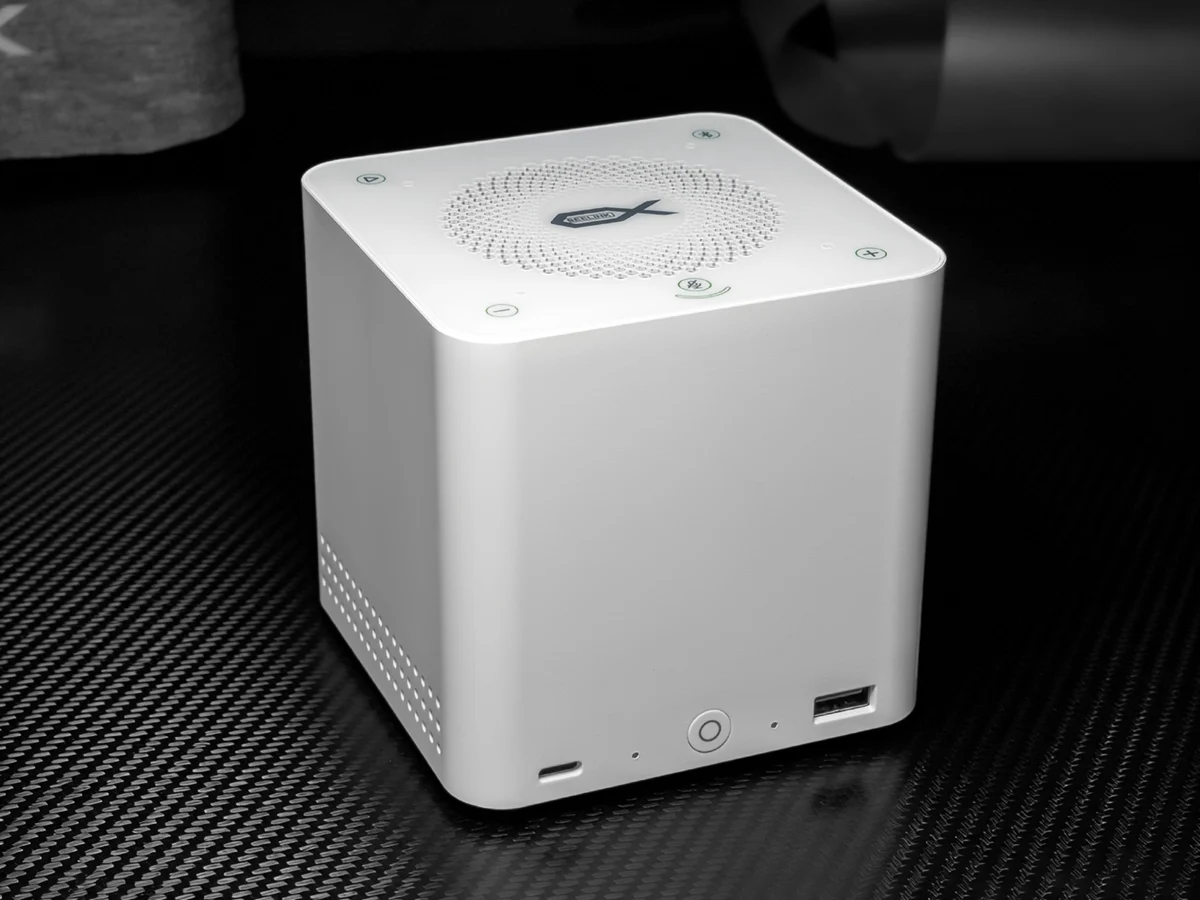
    4. Additional features include Bluetooth connectivity, a built-in speaker with DSP and amplifier, and a cooling fan.
    5. Launched at approximately $155 in China, it is expected to be available internationally soon.

    Beelink’s Latest Performance Dock: The Mate Pro

    In China, Beelink rolled out a new performance-oriented docking station called the Mate Pro. One of the main attractions of this dock is the inclusion of the two USB4 v2 ports, which boasts impressive transfer speeds of up to 80Gbps. The design supports daisy-chaining, allowing developers to connect an eGPU on one port while still maintaining a connection to a host PC on the other. This feature makes it very flexible for high-end gaming, editing, and professional workstations.

    Enhanced Storage and Speed

    Another major focus of the Mate Pro is its storage capacity. The dock features four M.2 slots, capable of holding up to 32TB total storage, which is perfect if you need large extra space for files, games, or software. These slots are PCIe 4.0 x1, promising a speedy read performance of about 1,655MB/sec and write speeds around 1,586MB/sec. This makes data transfer quick and efficient, especially useful for demanding tasks.

    Power Delivery and Connectivity

    This device supports 96W Power Delivery (PD), so it can charge your connected laptop or PC while you’re using other connected peripherals. The charging power comes from a 140W built-in PSU and requires connection to AC power. The dock also comes with a 6-feet Anker Nano cable, which is suitable for fast charging, priced at around $16.99. Connecting to power and peripherals simultaneously ensures seamless work or entertainment workflows without interruptions.

    Additional Features and Audio

    Beyond the USB4 ports, the Mate Pro boasts Bluetooth connectivity designed to support its built-in speakers. Beelink has included a built-in DSP and amplifier to deliver quality audio for meetings or playing music. You can also connect audio devices via wired connections through the PC, although direct speaker connections through Bluetooth enhance convenience. The dock has a built-in fan system meant to keep internal components cool, avoiding overheating during intensive use.

    Pricing and Availability

    The price point for Beelink’s Mate Pro in China is set at CNY 1,059, roughly equivalent to $155. Although specifically launched there, the company’s global market presence suggests that this powerful dock will likely make its international debut shortly. Tech enthusiasts and professionals can look forward to this affordable yet highly capable docking solution.


    Sources

  • Affordable Casio MRW-230H Watch with Timer Bezel Now in Europe

    Affordable Casio MRW-230H Watch with Timer Bezel Now in Europe

    Key Takeaway

    1. The Casio MRW-230H-1E4V is now available in the UK for £40, featuring a black and orange design and water resistance up to 100 meters.
    2. The model offers core features including a rotating bezel, date and day displays, and approximately three years of battery life.
    3. The watch is priced lower than previous models like the MRW-230H-1E3V and is part of Casio’s expanded European rollout.

    Introduction to the New Casio MRW-230H-1E4V

    Casio has rollin’ out their latest wristwatch model in Europe, particularly in the UK. The new MRW-230H-1E4V is a fresh addition to their lineup, which was first rumored back in March 2026. Now, it is officially listed on the company’s international website, exciting fans of the brand. The watch’s price in the UK is set at £40.00, making it a tad more affordable than previous models such as the MRW-230H-1E3V, which usually retail around £44.90.

    Design and Display Features

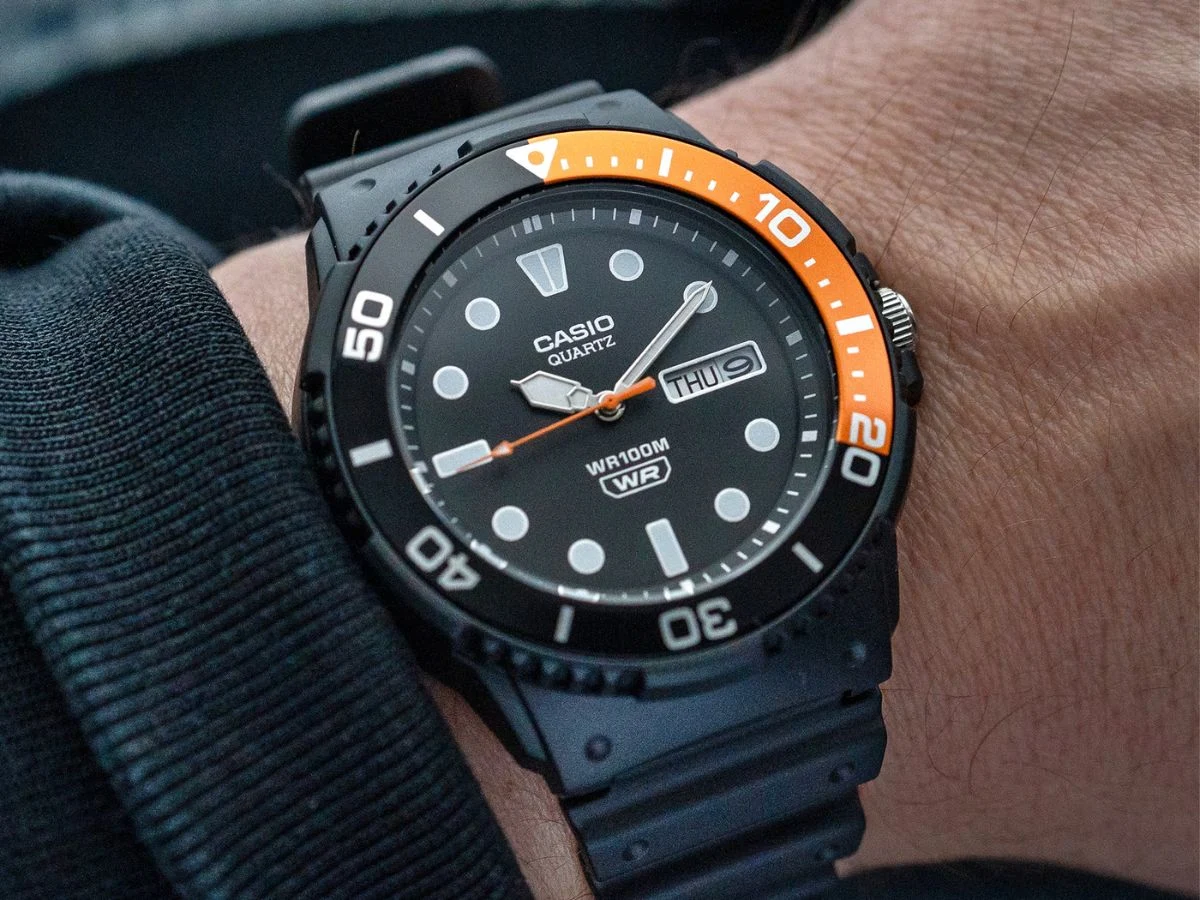
    This watch grabs attention with its bold black and orange theme. The dial, primarily black, shows white indexes and hands for hours and minutes, along with an orange seconds hand that gives it a sporty vibe. The rotating aluminum bezel is divided into two distinct colors: two-thirds in black and the remaining third in bright orange. The case measures 47.9 x 44.6 x 12.3 mm and is made from black resin, accompanied by a matching strap for a cohesive look. The bold colors and sharp design make it suitable for casual and sporty occasions alike.

    Functions and Specifications

    The MRW-230H-1E4V is programmed to stay accurate within 20 seconds each month, ensuring reliable timekeeping. It features a bezel that can be used as a one-hour timer by rotating it to mark the starting point. The watch also displays the date and day of the week at the 3 o’clock position. It boasts a water resistance of up to 100 meters, so it can handle swimming and shallow diving. Powered by a SR626SW battery, it promises around three years of operation before needing a replacement. As of now, it’s uncertain when this model will appear in other European nations or markets like North America, where Casio already offers various MRW-230 series watches, including the MRW-230H-1E2V, which is priced at about $34.92.

    Sources
  • Xiaomi Launches Compact Tablet with Cellular Connectivity Globally

    Xiaomi Launches Compact Tablet with Cellular Connectivity Globally

    Key Takeaway

    1. Xiaomi launched the Redmi Pad 2 SE and Redmi K Pad in China, with both expected to have global releases later in the year.
    2. The Redmi Pad 2 SE will likely replace the Redmi Pad SE 8.7 globally and may be released around July or August.
    3. Different international model names include Poco C Pad, Redmi Pad 2 9.7, and Redmi Pad 9.7 4G, with specific release dates still unannounced.
    4. The cellular version of the Redmi Pad 2 SE has not yet been launched in China, despite being listed on the website.

    New Xiaomi Tablet Launches in China

    Yesterday, Xiaomi introduced the Redmi Pad 2 SE alongside the more feature-packed Redmi K Pad 2. Both of these models, at this stage, are only available in China. Yet, based on previous trends, they are likely to have global releases later this year. The company often rebrands its products when they come to international markets, as seen with previous models like the Redmi K Pad being changed into the Pad Mini for other regions.

    Insights from Software Code

    Recent changes in HyperOS’s software code have brought some clues about Xiaomi’s plans to release these tablets globally. It’s been noted that the Wi-Fi version launched yesterday in China might be marketed elsewhere as the Poco C Pad and Redmi Pad 2 9.7. The model numbers linked to these devices are 2603APC14G and 2603ARP14G. Additionally, Xiaomi appears to be working on a cellular version, named the Redmi Pad 9.7 4G.

    Global Market Expectations

    The Redmi Pad 2 SE is expected to succeed the Redmi Pad SE 8.7, which is sold internationally in Wi-Fi and 4G models (currently priced around $189.99). Unfortunately, the specific model numbers do not give clear indications on when Xiaomi will roll out the Poco C Pad, Redmi Pad 2 9.7, or the Redmi Pad 9.7 4G globally. It’s likely they could arrive in the late summer, probably by July or August, similar to the unveiling schedule of past models like the Redmi Pad SE 8.7, which took some time before being introduced worldwide.

    Current Status and Future Release

    Despite the Chinese website listing the cellular version of the Redmi Pad 2 SE, Xiaomi has yet to put it up for sale in China. This hints that the company might be planning to release it later, possibly alongside or after the tablet’s global rollout. As for now, we keep an eye on official announcements and software signals for more updates on release dates and pricing.


  • Steam Deal: Legendary Game Remaster at Lowest Price in Rare Sale

    Steam Deal: Legendary Game Remaster at Lowest Price in Rare Sale

    Key Takeaway

    1. Soulslikes are characterized by challenging combat that rewards skill and mastery.
    2. Dark Souls: Remastered is a recommended starting point for players interested in the genre, featuring improved performance and gameplay quality.
    3. The game emphasizes tactical combat, exploration, and experimentation with character builds, with story playing a secondary role.

    Introduction to Soulslikes

    Soulslikes are really known for their super tough combat that makes victory feel all the more satisfying. The whole thing kicked off back in 2009 with FromSoftware’s action RPG Demon’s Souls, which showed the world what a challenging game could be. It majorly exploded, though, with Dark Souls in 2011, shaping the genre into what it is today. In 2018, a remastered version came out and is now available at a discount that’s pretty rare for such titles, especially on Steam, where it had only been on sale four times last year. In contrast, other big titles like Mass Effect Legendary Edition are often discounted monthly.

    Popular With Fans

    Games like Lies of P, Lords of the Fallen, and Sifu are drawing heavily on that Souls formula, and players really love them. For folks looking to see what the hype is all about, Dark Souls: Remastered is a perfect starting point. Its storyline is fairly simple but tough to perfect, following an undead outcast who keeps dying and coming back until he’s left wandering as a hollow. The adventure begins in the Undead Asylum and leads to Lordran, seeking the First Flame. But let’s be honest, the story isn’t the main thing here—it’s all about the combat itself.

    Gameplay Mechanics & Challenge

    While going through the game, you’ll find enemies lurking everywhere, and big boss fights are a common challenge. Each foes has their own attack pattern—so you gotta learn to block, dodge, and punch back at just the right times. It’s all about good timing and tactical planning. Dying often is pretty normal, but that’s part of the experience. Different starting classes give players options—from heavily armored knights to quick thieves or spellcasters at a distance, and all the stats and gear can grow and change over time. The weapons, armor, and shields vary in weight, range, and sensation, making experimenting with different types of builds highly recommended.

    The Remastered Version

    Although the visual upgrades are kinda moderate, Dark Souls: Remastered is still considered a successful upgrade. It has near 150,000 reviews with a positive 92% rating, showing how well it’s been received. The remaster offers better performance stability, higher resolutions, and smarter quality-of-life updates. It’s also playable on Steam Deck, making it a good choice for handheld gamers. But, a word of warning: the game doesn’t explain much on its own, so if you want to keep some of the frustration on the combat and not the story, checking YouTube guides is a smart move for new players.

    Price and Availability

    Disclaimer: The price can change depending on retailer offers. The deal or discount mentioned here was available at the time of writing but might be limited or have restrictions or stock shortages. It’s always good to double-check before purchasing.


    Sources

  • CEO John Ternus’ first iPhone may feature 200MP zoom camera like Oppo Find X9 Ultra

    CEO John Ternus’ first iPhone may feature 200MP zoom camera like Oppo Find X9 Ultra

    Key Takeaway

    1. Apple is reportedly considering a 200MP camera sensor for future iPhone Pro models, possibly launching around 2028 with the iPhone 21.
    2. The move to 200MP is seen as a generational leap, potentially marking a special milestone like the iPhone’s 20th anniversary.
    3. Apple tends to adopt new camera technology gradually, preferring refined, mature solutions rather than rushing into high-resolution sensors.
    4. The first 200MP iPhone may be the first flagship developed entirely under new CEO John Ternus’s supervision.

    Future Photography Enhancements

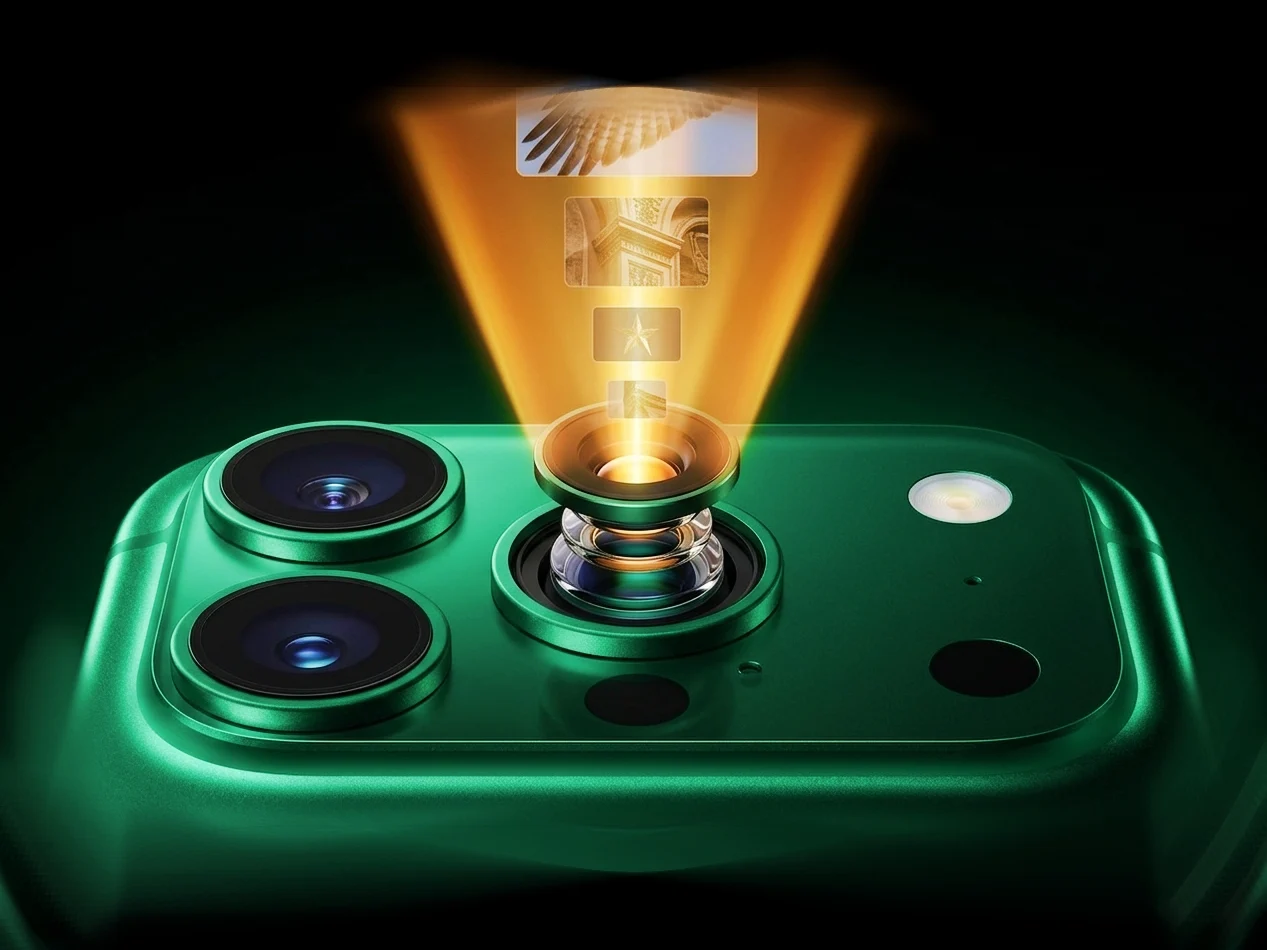
    Apple’s stance on camera technology usually leans towards perfection rather than pushing pixel numbers just to brag. The latest intel from China points towards a 200MP sensor for the upcoming iPhone Pro models, which is a huge leap from their existing models.

    Expected Release Timeline and Market Positioning

    Although such a high-res camera sounds straight out of Android flagship territory, Apple’s planning timeline suggests we might not see this until around 2028, probably in the iPhone 21 or even later models. Investors and insiders are hinting that it could be the iPhone 21, given the usual product cycles.

    Technological Trends and Apple’s Strategy

    It would be quite uncharacteristic for Apple to jump straight to a 200MP sensor from other brands without proper testing, but they usually wait until a technology is fully refined before adopting it. Expect them to take their time, refining each element.

    Speculation on Model Naming and Anniversary Celebrations

    Since Apple skipped the iPhone 9 entirely, launching the iPhone X for their 10-year milestone, it’s entirely possible they might skip some numbers again and go straight to the iPhone 20 or even a numbered “XX” series for their 20th anniversary. That would be a fitting landmark for such a significant upgrade.

    Potential Impact on Camera Technology

    This could mean a decisive step forward, not just catching up to Android devices but making a significant generational leap in mobile photography. The first iPhone with a 200MP camera might also be the first flagship developed after Apple’s new CEO John Ternus took the helm, marking a new era.

    Upcoming iPhone 18 Pro Expectations

    The iPhone 18 Pro, expected to debut in September, might stick to the familiar triple 48MP camera setup from the iPhone 17 Pro, but with improvements like a variable aperture for the main lens, to enhance photo quality in different lighting conditions.


    Sources

  • Oppo Launches Luxury Smartwatch with 1000 Nit AMOLED Display

    Oppo Launches Luxury Smartwatch with 1000 Nit AMOLED Display

    Key Takeaway

    1. Oppo’s Watch X3 is launched at €379 but lacks eSIM and blood pressure monitoring outside China.
    2. The new Watch X3 Mini features a 43 mm case, a 1.32-inch AMOLED display, and retains similar hardware to the larger model.
    3. The Watch X3 Mini offers GPS, NFC, eSIM, and skin temperature monitoring, with a battery life of approximately 1.5 to 2.5 days.
    4. Pricing for the Watch X3 Mini is CNY 1,999 (~$292) in China, with no confirmed international release date.

    Introduction to Oppo’s Latest Smartwatches

    Oppo has recently announced their new Watch X3 for global markets, with a pricing of €379. But not all features are available everywhere; for example, outside China, it doesn’t support eSIM or blood pressure monitoring. For a deeper dive on the specifications and features, you might want to check out the detailed launch article about its Wear OS platform.

    The Smaller Watch X3 Mini

    Alongside the main model, Oppo has introduced the Watch X3 Mini, which is smaller in size but still packs a punch. Just like the OnePlus Watch 3, the Mini retains many hardware features from the larger 47 mm version but comes in a compact 43 mm case. Its display is a 1.32-inch AMOLED screen with 466 x 466 pixel resolution and a peak brightness of 600 nits, ensuring visibility even in bright sunlight or outdoor settings.

    Hardware and Battery Life

    Interestingly, Oppo decided to keep the same 354 mAh battery from last year’s model, which might seem small but is apparently enough for around 1.5 days when the always-on display is used. To power all these features, it uses Qualcomm’s Snapdragon W5 Gen 1 chipset combined with 2 GB of RAM. This setup helps the watch provide functionalities like GPS, NFC, eSIM, and skin temperature monitoring, making it quite a versatile wearable.

    Pricing and Availability

    In China, the Watch X3 Mini is priced at CNY 1,999, approximately $292, and there’s a luxury gold version costing CNY 2,499 or roughly $366. The company has hinted that it’s planning for a worldwide launch but hasn’t specified exactly when. Meanwhile, the Watch X2 Mini remains available outside China, pointing to a potential global release scheduled later this year, giving consumers worldwide something to look forward too.

    Summary

    Thus, Oppo continues to expand its smartwatch lineup, offering options that cater to different preferences and requirements. Whether you opt for the full-sized Watch X3 or the more compact Mini version, both devices seem to bring a good mix of hardware, design, and functionality. If you’re on the hunt for a modern smartwatch with solid features and decent battery life, Oppo’s newest offerings are definitely worth considering.


    Sources

  • Zendure SolarFlow Mix: 50 kWh Storage & 4 kW PV System Expansion

    Zendure SolarFlow Mix: 50 kWh Storage & 4 kW PV System Expansion

    Key Takeaway

    1. The SolarFlow Mix series includes three models designed for different household energy needs, supporting advanced AI and energy management features.
    2. The SolarFlow 4000 Mix Pro offers high capacity (8 kWh, expandable to 50 kWh), robust PV input (up to 13 kW), and is suitable for larger households.
    3. The SolarFlow 4000 Mix AC+ and SolarFlow 3000 Mix AC+ are retrofit solutions for existing PV systems, with capacities of 8 kWh and 3,680 W off-grid, but only the 4000 Mix AC+ supports expansion.
    4. All models are built for outdoor use, operate quietly, and are available immediately from the manufacturer.

    Introducing Zendure’s New SolarFlow Mix Series

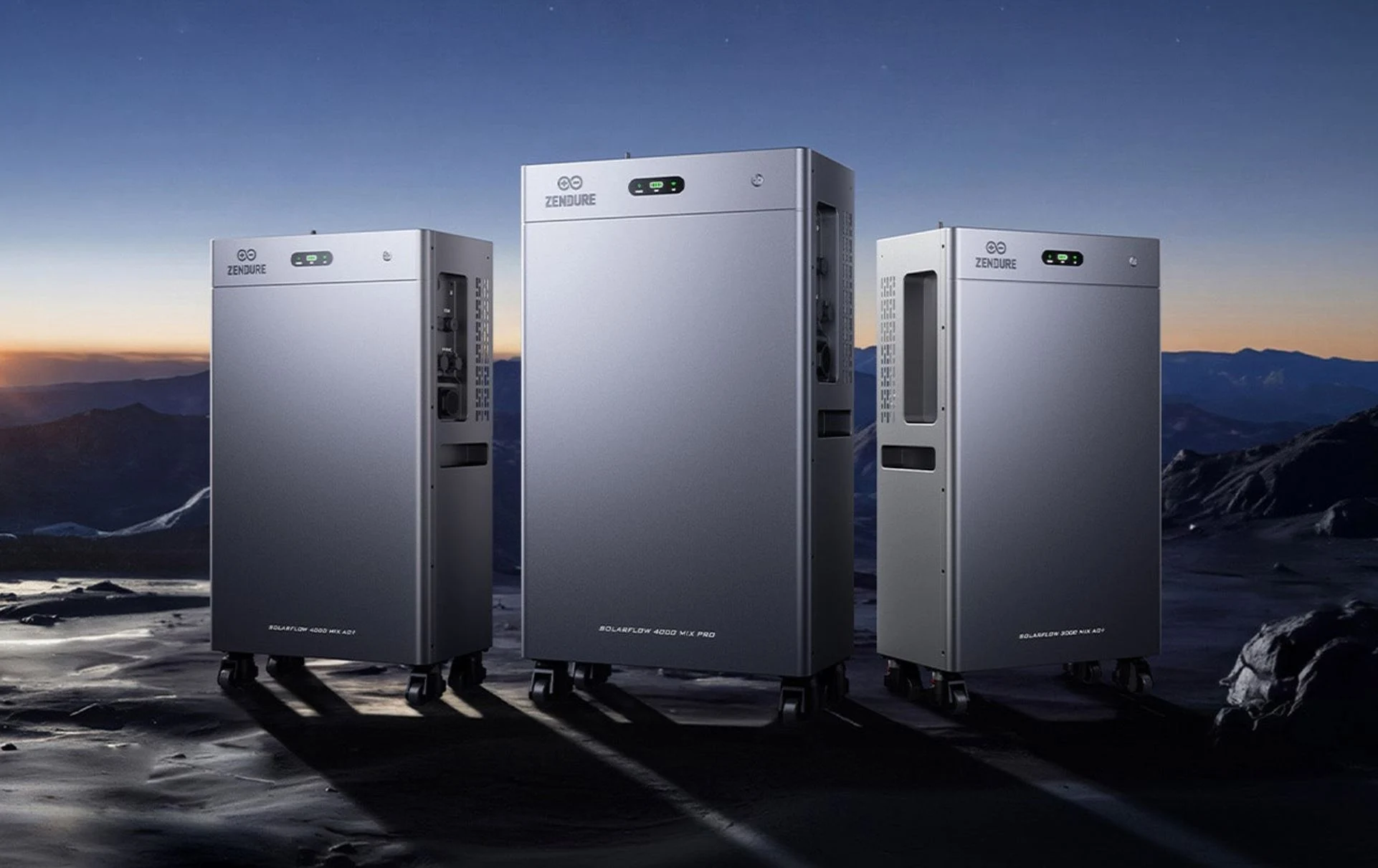
    Exciting news today from Zendure! They launch a new lineup called the SolarFlow Mix series, which brings three different models to the market for a range of energy needs. The models are the SolarFlow 4000 Mix Pro, SolarFlow 4000 Mix AC+, and SolarFlow 3000 Mix AC+—each tailored for different household sizes and energy demands.

    Core Features Shared Across All Models

    All these new systems got some common features such as the Zendure’s Home Energy Management System (HEMS 2.0). Like, they also include the Zenki AI mode, which makes smart decisions about charging and discharging by looking at electricity tariffs, weather, and household or PV (photovoltaic) forecast data. They even support dynamic rate plans like ZenWave, making them pretty advanced and adaptable for modern energy management.

    Powerful PV Storage with the SolarFlow 4000 Mix Pro

    This model is the top of the line really, designed for homes needing lots of power. It can deliver bidirectional AC power of 4 kW meaning it can both supply and take energy from the house without problem. In standalone or off-grid mode, it supplies up to 3,680 W. It’s flexible too, with two MPPTs (Maximum Power Point Trackers), supporting PV systems up to 8 kW, plus it can accept a maximum of 5 kW from an AC inverter. This means a total PV input of up to 13 kW, making it very suitable for big solar setups. The battery storage size is 8 kWh but can be increased all the way up to 50 kWh if you wish to scale up your energy storage.

    Upgrade Made Easy with the SolarFlow 4000 Mix AC+

    The SolarFlow 4000 Mix AC+ is more like a retrofit device, made to work with older PV installations. It features a 5 kW AC input port which is compatible with common inverters, and it allows 4 kW of continuously available charging and discharging power. Similar to the Pro version, it can be expanded up to 50 kWh in battery capacity, offering flexibility for upgrading older systems without replacing the entire setup.

    Designed for Smaller Homes – SolarFlow 3000 Mix AC+

    This model targets homes that require less energy storage and power output. It supplies 3,000 W of continuous power on the AC side and can operate off-grid at up to 3,680 W. Its storage capacity is fixed at 8 kWh, and unlike the other models, you cannot expand it further. Like its siblings, it is certified IP65 for outdoor environment durability, functions within a −20 °C to +55 °C temperature range, and is noted for operating very quietly at 25 dB. It is housed robustly in all-metal enclosures, perfect for various weather conditions.

    Availability and Pricing

    • The SolarFlow 4000 Mix Pro comes at a recommended retail price of 2,399 euros.
    • The SolarFlow 4000 Mix AC+ is priced at 1,999 euros.
    • The SolarFlow 3000 Mix AC+ has a retail price of 1,699 euros.

    All three models can be purchased directly from Zendure starting today, offering versatile solutions for residential solar energy needs.


    Sources

  • Robot Vacuum and Mop with Dual Roller System – Launch Offer

    Robot Vacuum and Mop with Dual Roller System – Launch Offer

    Key Takeaway

    1. The xLean TR1 is a versatile cleaning device combining a robot vacuum, mop, and manual wet-dry vacuum, with gamepad control support.
    2. It features two rotating roller mops at 400 rpm and a powerful suction of 17,000 Pa, promising faster and more thorough cleaning.
    3. The device includes advanced navigation with 360-degree LiDAR and AI stain detection, along with a self-cleaning docking station.
    4. Available on Kickstarter at a discounted starting price of $899, with shipping beginning in September 2026.

    Exciting Launch at CES 2026

    The xLean TR1 was a big highlight at CES 2026, catching people’s eyes because it’s not just a regular robot vacuum or mop, but a combination of both. It’s a smart device that can handle cleaning floors automatically and even be used manually when needed. Just recently, this innovative cleaner became available through a Kickstarter campaign, and many are curious about how it performs in real life.

    Pricing and Crowdfunding Details

    For early supporters on Kickstarter, the xLean TR1 is now offered at discounts of up to 47%. Prices start at $899 or €852, but once it hits the retail market, expected to be around twice as much. Shipping for those who back the project is set to begin in September 2026, reaching numerous countries across Europe and beyond. The campaign accepts the typical risks of crowdfunding, but offers a chance to grab this device at a lower cost first.

    Innovative Features and Design

    This floor-cleaning device is quite unique because it can switch between a robot vacuum and a handheld wet-dry vacuum. To convert it to manual mode, just attach a wand, which makes it versatile for different cleaning tasks. Additionally, users can control it with a gamepad, adding another layer of convenience. The design aims to give users more flexibility, whether they want autonomous cleaning or detailed manual work.

    Superior Cleaning Technology

    Unlike many robot vacuums that use a single roller mop, the xLean TR1 is equipped with two rotating mops, moving at 400 rpm. This setup is supposed to clean floors more thoroughly and faster than typical models like the Mova Z60 Ultra or Ecovacs Deebot T90 Pro Omni, which also cost around $899. Moreover, the vacuum packs a powerful 17,000 Pa suction force, ensuring dirt and debris are removed efficiently. Navigation involves 360-degree LiDAR and a front-facing camera, which can even detect stains with AI, making sure the cleaning process is precise and effective.

    Additional Accessories and Features

    The package includes not only the main unit but also a station for cleaning and drying the mop rollers. The station cleans the rollers with hot water at 75°C and then dries them to keep everything hygienic. This feature helps maintain the device’s performance over time and reduces manual cleaning efforts. Overall, the xLean TR1 appears to be a highly modern and adaptable cleaning solution that integrates smart technologies for better home maintenance.

    Disclaimer: The price details and availability are based on the latest updates at the time of writing and are subject to change. The product’s final retail price might be higher, and shipping times could vary depending on the region and campaign status.


  • CheckMag: 5-Year Review of an $80 Chinese Android Car Stereo

    CheckMag: 5-Year Review of an $80 Chinese Android Car Stereo

    Key Takeaway

    1. Cheap Chinese car stereos offer comparable features to branded units at a significantly lower price, but come with risks such as limited warranty and potential quality issues.
    2. These units generally have modest hardware specs, which can lead to slow performance over time, especially with apps like Google Maps.
    3. While hardware quality and durability can vary, basic functionalities like Apple CarPlay, Android Auto, and sound quality are usually acceptable for the price paid.
    4. Integration with existing vehicle systems may be problematic, potentially causing loss of features or compatibility issues.
    5. Despite potential drawbacks, these units can be a cost-effective upgrade and can last several years if used with awareness of their limitations.

    Affordable Car Stereo Options

    Car stereos, often called head units, are not cheap especially when you’re shopping from known brands like Kenwood, Pioneer, or Sony. These brands provide modern features like Apple CarPlay and Android Auto that can be added to cars that are a bit older. For example, a 7-inch Kenwood stereo with a 6.8-inch display, support for Apple CarPlay, Android Auto, and reversing camera can easily cost around $250 or more. But, you might find similar features on cheaper units from China, often under $100, which makes you wonder if they’re worth the gamble.

    Specifications and Warnings

    • Most budget units run on Android, giving access to the Play Store which is not offered by most mainstream brands.
    • They come with processors at the bottom of the barrel, usually between 2GB and 4GB RAM, with storage options from 32GB to 64GB, and various screen sizes.
    • If you buy from Amazon, a 12-month warranty is usual, but buying one is still a risk. After 5 years of use, some units develop issues like vertical lines on the screen that sometimes appear and disappear, which can be annoying but not deal-breaking.

    Performance and Longevity Considerations

    My own unit, a 9-inch display, was not super clear at 720p but was acceptable. Touchscreen remained responsive, but after about four years, the screen developed faint vertical lines that randomly appeared. These don’t ruin the experience, and considering the cost of around $80, they are manageable but still something to keep in mind. The device shipped with 4GB RAM and an unspecified processor, probably Rockchip or Allwinner, which was slow from the beginning and worsened over time. Even with a minimalist launcher, apps like Google Maps can take a long time to load, sometimes a full minute, which can be frustrating especially in navigation. While you can install media players like VLC, the main advantage of these units is that the processing is offloaded to your phone, making Android Auto and Apple CarPlay work pretty well.

    Physical Design and Sound Quality

    The slim profile of these units, often just over an inch thick, is a stark contrast to bigger, branded units that take up more space. The sound quality, surprisingly, is comparable to stock units, mainly because it just powers the factory speakers. If you want better sound with multiple high-power speakers, an external amplifier might be necessary, and wiring harnesses often support this upgrade. Additional USB ports are great for connecting CarPlay dongles or adding extra music storage without hassle. WiFi and Bluetooth connectivity are also functional for updating apps or tethering to hotspots, though the native Google Maps app can be painfully slow sometimes.

    Additional Features and Durability

    The reversing camera that comes with these units is usually adequate though not designed for harsh weather conditions. Over time, the steel bracket began to rust, and the camera lens started to separate after about six months, risking falling out. Weatherproofing was minimal—necessitating some electrical tape to keep things together which surprisingly held up for years. The camera does not have infrared lights for night reversing, but it captures enough light from reverse lights to be somewhat effective in the dark. The image quality remains decent, but the longevity of these parts isn’t guaranteed, and replacements might be needed down the line.

    Risks and Rewards

    Investing in these units means accepting several risks. There are many stories online about their failure, no long-term warranties, and limited after-sales support. Software updates and security can also be issues. Compatibility with existing vehicle features such as steering wheel controls or additional cameras may suffer, sometimes resulting in loss of functionality. Nevertheless, if your vehicle setup is simple, you could potentially save a lot of money by opting for these units, possibly even buying two for the price of a branded one that might last only a fraction of that time. Personally, upgrading from an old CD player was worth it, and despite some concerns, many of these units do last longer than expected, your experience might vary.