Category: All News

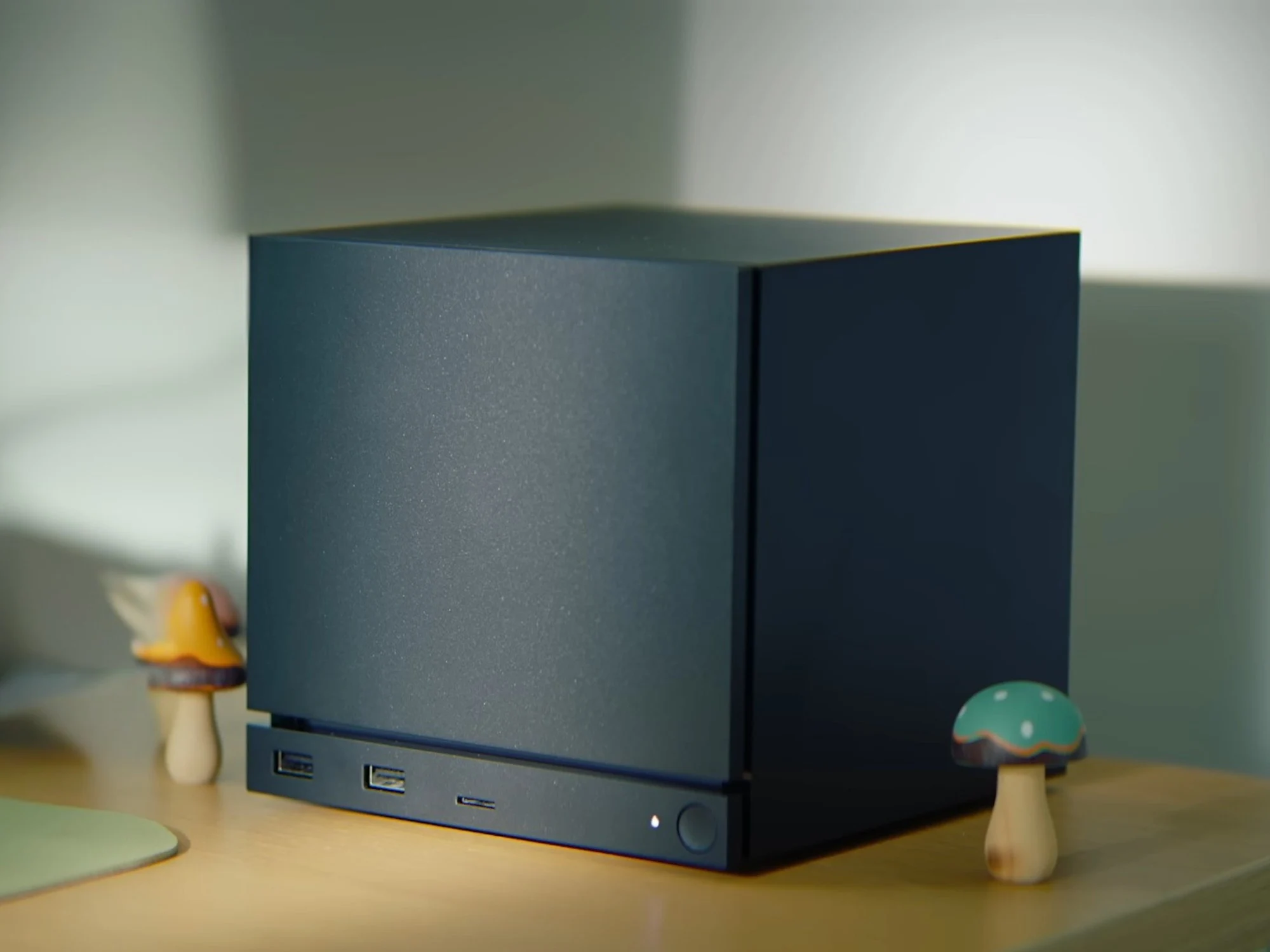
  • Steam Machine Release Date and Price Announced Soon

    Steam Machine Release Date and Price Announced Soon

    Key Takeaway

    1. Valve is close to confirming the release of its Steam Machine, with ongoing internal debates over pricing and potential short-term losses.
    2. The product faces challenges due to heightened memory shortages and high component costs, delaying its anticipated launch to sometime in 2026.
    3. While positioned as an alternative to high-end consoles like the PS5 Pro, its performance may be limited by hardware constraints such as 8GB VRAM and reliance on upscaling.
    4. The system is aimed at a more premium market, indicated by features like the $100 Steam Controller, but details about separate shipping for the Steam Machine and VR headset remain unclear.

    Leaks hinting at a new Steam Controller and possible Steam Machine release

    Recently, a leak about the Steam Controller along with its pricing has gotten a lot of attention that suggests a new Steam Machine release date might not be far away. According to insider reports by Mike Straw, the company appears to be getting ready to confirm the release details soon. The delay in making an official announcement seems to be tied to internal debates over how much to charge for the new mini PC.

    Pricing disputes and market challenges

    In an article, Straw explained that Valve has been having a back-and-forth internally over the pricing strategy, including the possibility of absorbing some costs to make it more attractive at launch. This approach is surprising because Valve previously stated they wouldn’t be subsidizing the device like traditional consoles. Instead, the idea was to offer a product with good value, but at a price comparable to a gaming PC with similar features.

    Impact of market shortages and consumer expectations

    The challenge for Valve is growing due to ongoing shortages in memory and components since their November 2025 reveal. High costs for storage and DDR5 RAM have made sourcing parts for a comparable alternative more difficult. Fans who expected the Steam Machine earlier this year have been awaiting its arrival, but the shortage pushed the release window to sometime in 2026.

    Design similarities and consumer interest

    While Valve has tried to avoid calling it a console, it’s hard not to compare the Steam Machine to traditional gaming consoles. Its dual trackpads and extensive game library make it appealing for living room setups. Some PlayStation and Xbox fans are eager for more news, showing strong interest especially as console prices rise.

    Price considerations and performance expectations

    The new PS5 and PS5 Pro consoles are more expensive, making a higher-priced Steam Machine seem more acceptable. Still, there are questions about whether its performance will match Sony’s flagship, which costs around $900. One key concern is the 8GB of VRAM; recent game releases like Pragmata have shown that GPUs with the same memory size sometimes require compromises at 1440p resolution.

    Specs, upscaling, and TV compatibility

    Valve says that most games available on its marketplace should run at 4K/60fps on the mini PC. It will likely rely on upscaling, similar to the PS5 Pro, but will use an older version of FSR (FidelityFX Super Resolution). How well the device’s specs work with modern TVs could influence its market success, especially if prices are similar.

    Target market and additional hardware

    The $100 Steam Controller suggests the system is aimed at somewhat premium buyers. It remains unclear whether the Steam Machine and Frame VR headset will be launched together or separately, leaving some questions about their future availability.


    Sources
  • Lenovo Yoga Slim 7i Ultra Aura Beats Dell XPS 14 with $300+ Savings and Double RAM

    Lenovo Yoga Slim 7i Ultra Aura Beats Dell XPS 14 with $300+ Savings and Double RAM

    Key Takeaway

    1. The Lenovo Yoga Slim 7i Ultra Aura Edition offers similar specifications and performance to the Dell XPS 14 but at a lower price and lighter weight.
    2. Lenovo’s model provides better value by including twice the RAM at a similar or lower cost compared to Dell, except for the highest-end CPU configurations.
    3. While the Lenovo has notable advantages, the Dell XPS 14 still maintains some key benefits worth considering.

    Introduction to the Competitors

    The new Dell XPS 14 and Lenovo Yoga Slim 7i Ultra Aura Edition both are now out in the market with comparable Panther Lake CPU options and display choices to pick from. Both of these models are direct rivals, making comparing their features and prices quite interesting for consumers. Today we’ll break down how they stack up against each other with the details on specifications and costs.

    Pricing and Configuration Comparison

    The Lenovo Yoga Slim 7i Ultra Aura Edition is generally more affordable when setup with similar specs to the Dell XPS 14. When you match the CPU, display size, SSD capacity, and even the amount of RAM, the Lenovo option costs less by a notable margin. It even comes with twice the RAM in some configurations. For example, if you look at the table, Lenovo provides a better deal for roughly the same hardware setup.

    While Dell does offer options with up to 32 GB of RAM, that feature is only available with their higher-end Core Ultra X7 processor, making the base models more comparable at lower RAM levels. In comparison, the Lenovo delivers comparable performance and display quality but is lighter by over 500 grams — it definitely offers an attractive value while saving more than $300. The Yoga Slim 7i Ultra Aura is regarded as one of the best 14-inch Lenovo laptops in recent years, blending performance with portability.

    Price Fluctuations and Market Uncertainty

    It is important for buyers to keep in mind that prices might change in the near future due to ongoing supply chain instability and market fluctuations. Regardless of what happens, for now, the Lenovo system offers some big benefits, especially in terms of savings and weight, that shoppers should consider before making a purchase decision. These advantages make the Yoga Slim 7i Ultra Aura an appealing alternative to the Dell XPS.

    Notable Features of Each Laptop

    However, the Dell XPS 14 still holds some key advantages that might make it more appealing for certain users. Features like build quality, brand reputation, and additional hardware options are part of the reasons to consider this device. For a thorough understanding of both models’ capabilities and differences, it’s a good idea to check out detailed reviews on the Yoga Slim 7i Ultra Aura.

    Sources
  • How Tech Companies Deceive Consumers: The Truth Revealed

    How Tech Companies Deceive Consumers: The Truth Revealed

    Key Takeaway

    1. Tech companies increasingly use deceptive marketing tactics to exaggerate product improvements.
    2. Marketing claims often inflate minor upgrades to appear as significant advancements.
    3. Reviewing and verifying manufacturer promises is crucial to separate fact from marketing fiction.

    Understanding the Tricks Behind Tech Marketing

    All of us have become kinda used to the over-the-top claims made by big tech firms. But it still feel important sometimes to peek behind the curtain and see what they really doing. Long time ago, it was a tradition for review sites to test these claims—like, do they really deliver what they say? Now, with ad pitches coming faster than ever, we gotta ask: whats really true? That’s what the reviews and behind-Scenes look aim to find out, to see if the promises are worth believing or just fancy marketing talk.

    Creative Claims and Everyday Deception

    Every day, we see new gadgets boasting about incredible features, but often these claims is kinda exaggerated or misleading. Tech companies, eager to hype their latest products, come up with more and more inventive ways to make their stuff look better than it really is. Readers of tech blogs and fans of gadgets already know, many marketing tricks are used in the background. You might be surprised how much of it is just smoke and mirrors, with the real product sometimes falling short of the hype.

    Video Insights from Popular Tech YouTubers

    Recently, a video from Arun Maini, aka MrWhosetheboss, teamed up with Marques Brownlee (MKBHD), highlight some of these sneaky tactics. The duo’s video was both fun and educational, revealing how companies are now more than ever, stretching the truth just to make tiny upgrades look revolutionary. They went through several common strategies used to deceive consumers, making it clear that not everything you hear about new tech is as groundbreaking as they claim.

    Most Common Marketing Strategies Exposed

    According to Maini, companies are lying more than ever before, trying to spin even the smallest upgrades into major leaps forward. Some of the tactics they highlight include overstated battery life claims, misleading performance benchmarks, and exaggerated camera capabilities. These strategies are designed to impress consumers who might not be fully aware of how marketing tricks work, and sometimes, just to trick us into thinking we’re getting a much better deal or innovation than what is actually delivered.

    Sources
  • New OnePlus Flagship Phone with Enhanced Battery and Smooth Gaming

    New OnePlus Flagship Phone with Enhanced Battery and Smooth Gaming

    Key Takeaway

    1. The OnePlus Ace 6 Ultra features an 8,600mAh battery with 120W fast charging, enabling up to 2 hours of gaming with just 10 minutes of charge.
    2. It is equipped with the “Glacier Battery” chipset for improved power efficiency and performance at low battery levels, alongside the G2 Pro gaming chip.
    3. The phone boasts advanced connectivity features, including lower WiFi latency and better signal reception.
    4. Camera-wise, it has a 50MP primary sensor with OIS and a flagship ISP from Oppo, supporting detailed daylight shots.
    5. Additional features include a 3D ultrasonic fingerprint sensor, dual speakers, and high IP ratings (IP66/68/69/69K).

    Upcoming Launch of OnePlus Ace 6 Ultra in China

    OnePlus gonna introduce their new gaming phone—the Ace 6 Ultra—on April 28, 2026, in China. The company has already reveal some features like a gaming accessory that can turn into a handheld, which is pretty cool. Fans are eagerly waiting for the official release, as more specifications getting leaked out. It looks like OnePlus really focusing on longer battery life and better connectivity for this model.

    Battery and Charging Capabilities

    The phone is gonna sport a mighty 8600mAh battery, which is quite bigger than the Redmi K90 Max, promising up to 7 hours of continuous gaming. An impressive feat, especially for mobile gamers who need long-lasting power. This device supports a rapid 120W charging system, and fast enough that just ten minutes of charge can give around two hours of playing time. But interestingly, there’s no clear mention about bypass charging, unlike some competitors like the Redmi K90 Max or RedMagic 11 Pro that support it for better gaming sessions.

    Processor and Connectivity Features

    Moving to the internals, the Ace 6 Ultra is expected to contain the “Glacier Battery” chipset – a name hinting at high efficiency. This chip ensures smooth game performance even as the battery levels drop, which is crucial for gamers. Furthermore, the device is confirmed to include the G2 Pro gaming chip, aiming to deliver more powerful connectivity. Users should experience stronger signals, decreased WiFi latency, and better handling in low-network zones, making gaming smooth everywhere.

    Camera and Design Details

    The teaser images revealing the cameras show that the Ace 6 Ultra will feature a 50MP primary sensor, which is notably large at 1/1.55 inches, and it supports Optical Image Stabilization (OIS). While details about the secondary sensor are still not disclosed, it’s confirmed that the camera system will leverage a flagship ISP from Oppo. Early sample shots indicate it can shoot detailed photos especially in daylight, but people should view them cautiously as these might not fully represent the final camera quality. Additional features include a 3D ultrasonic fingerprint scanner, dual stereo speakers, and impressive IP66/68/69/69K ratings for water and dust resistance. It is likely more specs will be unveiled closer to the launch date.


  • Core Ultra 9 290HX Plus: Warmest Mobile CPU Over 100°C Under Load

    Core Ultra 9 290HX Plus: Warmest Mobile CPU Over 100°C Under Load

    Key Takeaway

    1. The Core Ultra 9 290HX Plus is an overclocked, higher-performance variant of the Core Ultra 9 275HX, which results in higher temperatures and power demands.
    2. Under maximum load, the Core Ultra 9 Plus CPU in Alienware 16 reaches near its maximum junction temperature (~103°C), significantly warmer than other gaming laptops.
    3. In real-world gaming scenarios, core temperatures for the Core Ultra 9 Plus typically hover in the low 80°C range, which is higher than regular models but generally manageable for most users.

    Introduction of Core Ultra 9 290HX Plus

    The Core Ultra 9 290HX Plus has been recently introduced and is now available on some high-end gaming laptops such as the Alienware 16 Area-51 and the Acer Predator PHN18. This chip shares the same platform as the Core Ultra 9 275HX but is an overclocked version, which means it demands moar power to achieve faster speeds and better performance. Because of this, it tends to run hotter than its less powerful counterpart.

    Performance and Temperature Comparison

    In the tests, two Alienware 16 SKUs were examined—one equipped with the Core Ultra 9 275HX and the other with the Core Ultra 9 290HX Plus. Both were tested under the same Prime95 load in Overdrive mode, which maxes out fan speed. The 275HX CPU hit 3.8 GHz at 92°C, but the 290HX Plus CPU pushed further to 4.1 GHz and reached around 103°C. Since many mobile CPUs max out around 105°C, 103°C is pretty much the limit, showing how hot it gets.

    Comparison to Other Gaming Laptops

    Most other gaming laptops tend to keep their CPU temperatures lower, but the Alienware PC’s temps are notably higher. For example, the CPUs in the MSI Vector 16 HX or Lenovo Legion 7 16IAX10 typically stop at around 82°C when subjected to similar loads, which is nearly 20°C cooler than the Alienware with the Core Ultra 9 Plus.

    Real-World Usage and Temperature Management

    Luckily, during everyday gaming or general use, the core temperatures of the Core Ultra 9 Plus in Alienware 16 stay in the low 80s Celsius rather than soaring past 100°C. Although still somewhat warm compared to the 275HX model, reaching 100°C is unlikely unless the CPU is running at full load constantly. So, while it runs warmer, it’s not too concerning for most gamers who don’t push their CPUs to the absolute max all the time.

    Further Insights and Benchmarks

    Additional detailed benchmarks and more in-depth comparisons are available in our review of the Core Ultra 9 Plus Alienware 16, providing users with a comprehensive look at its performance and thermal behavior.


    Sources

    • LincPlus Launches Affordable 76TB NAS with Compact 4-Bay Design

      LincPlus Launches Affordable 76TB NAS with Compact 4-Bay Design

      Key Takeaway

      1. LincPlus’s LincStation E1 is an affordable, compact NAS with a super-early bird crowdfunding price of $129, expected to retail around $219.
      2. It features support for two HDDs and two NVMe SSDs, offering up to 76TB of total storage, in a size approximately 30% smaller than traditional NAS models.
      3. Powered by the Rockchip RK3568 processor and 4GB of RAM, it runs LincOS, which provides ample features for most users without the need for OS modifications.
      4. The NAS includes essential connectivity options like Bluetooth 5, WiFi 5, 4K video decoding, active cooling, and tool-free drive access.

      Introduction to the New LincPlus NAS

      LincPlus just released a new NAS named the LincStation E1. This device is different from their older models because it comes at a lower price point. Currently, they are in the crowdfunding stage of its launch, offering an introductory price of just $129 for those who pledge early. This super-early bird offer is limited, and customers should act fast to avoid missing out. After this limited deal ends, the price will go up to $149, and in retail, it is expected to cost about $219.

      Design and Storage Capabilities

      Design wise, the LincStation E1 is super small and easy to carry around. It’s about 219mm tall and only 88mm thick, making it around 30% smaller than most traditional NAS boxes that support similar storage options. The compact size makes it perfect for limited spaces or for users who need portability. In terms of storage, it has places for two HDDs and two NVMe SSDs, allowing for a total storage capacity of 76TB. That makes it a pretty good choice for home or small business use. Though it is quite affordable, don’t expect top-tier processing power—inside, it runs on the Rockchip RK3568 chip.

      Performance and Software Features

      The chosen processor makes installing different operating systems a bit challenging, but the accompanying LincOS system that comes pre-installed is quite rich in features. Most users probably won’t need to switch to other OS options like TrueNAS or Unraid because LincOS covers most basic needs. The device has only 4GB of RAM, which isn’t much if you’re thinking about AI-based features or heavy multitasking. However, since LincOS doesn’t support advanced functions like local transcription or machine learning, this memory size should be satisfactory for the target audience, mostly home users or small business owners.

      Connectivity and Additional Features

      • It includes essential ports for connectivity, making it versatile for various setups.
      • The cooling system uses active cooling to keep the system temperature down.
      • The NAS features Bluetooth 5 and WiFi 5 for wireless connectivity.
      • It supports 4K video decoding, suitable for media streaming.
      • Design allows tool-free access to drives, making maintenance a breeze.

      Additional perks of the LincStation E1 include its compact form factor, built-in WiFi 5, Bluetooth 5, and support for high-definition video playback. Look at the images below to see more details about this sleek device.

      Summary

      Overall, the LincPlus LincStation E1 is an affordable, small, and functional NAS that appeals mainly to casual users and small offices. With a decent amount of storage, basic connectivity, and user-friendly features, it’s a good budget choice—especially for those who can snag the early bird deal. But for advanced multimedia or AI tasks, users might want to consider more powerful options in the future.


      Sources

    • Top Mid-Range Smartphone of 2026 Review

      Top Mid-Range Smartphone of 2026 Review

      Key Takeaway

      1. The Poco X8 Pro offers strong gaming performance, a bright AMOLED display, and a durable build with IP68 rating.
      2. It features a large 6,500mAh battery with 100W fast charging and comes with long-term software support (4 years OS updates, 6 years security patches).
      3. Its main 50MP camera performs well in daylight but shows limitations in low-light conditions due to sensor size.
      4. The phone has some connectivity drawbacks, including USB 2.0 port, lack of wireless charging, WiFi 7, and eSIM, reducing future-proofing.

      Introduction to the Poco X8 Pro

      With the Poco X8 Pro, Xiaomi been able to deliver one of the best smartphones within its affordable mid-range segment. The device demonstrates an interesting combination of pros and cons, enough to make potential buyers think twice before splurging on a premium flagship.

      Performance and Display Features

      This phone excelled notably in gaming performance and other areas. It boasts a very bright, crisp 120Hz AMOLED display that rivals high-end Android phones such as the Samsung Galaxy S26 Plus. The inclusion of high-frequency PWM dimming further enhances user comfort, especially during prolonged use, making it an attractive choice for enthusiasts seeking excellent visual quality without breaking the bank.

      Battery and Software Support

      The Xiaomi Poco X8 Pro comes equipped with a hefty 6,500mAh lithium-polymer battery, which ensures long-lasting usage. Coupled with 100-watt fast charging, users will spend less time waiting to recharge. Out of the box, it runs on Android 16 with HyperOS 3.0, and it impresses with a commendable update policy of four years of OS updates and six years of security patches—an important aspect for longevity and security.

      Camera Performance

      The main camera, with a 50MP sensor and OIS, along with pixel binning technology, captured sharp, vibrant images in daylight conditions during our tests. Even in low light, its performance is respectable, although the sensor’s small size limits its capabilities in such scenarios an issue many will notice. Nevertheless, for its category, it offers impressive photo quality that meets general expectations.

      Connectivity and Missing Features

      Drawbacks become apparent mainly in the realm of connectivity and premium features. The USB port is limited to USB 2.0, leading to slower data transfer speeds and lacking support for wired video output or a desktop mode, which might be disappointing for power users. Also, the device does not support eSIM or wireless charging, features increasingly standard in higher-end smartphones, and it lack WiFi 7 and WiFi 6E 6GHz band, indicating less future-proofing.

      Final Thoughts and Value for Money

      Despite these omissions, the Poco X8 Pro offers very good value, serving as an affordable alternative for those who do not require the latest premium features. The device appeals to users looking for solid performance, good build quality, and long-term software support, making it a compelling choice within its price range, especially for budget-conscious buyers.

    • Latest PlayStation Update Introduces DRM Issues in Digital Games

      Latest PlayStation Update Introduces DRM Issues in Digital Games

      Key Takeaway

      1. The latest PS4 and PS5 updates introduce a new DRM feature that limits offline play to 30 days, requiring internet connection to renew licenses.
      2. Older digital titles purchased before the update are unaffected, but the impact on future or reinstalled games remains uncertain.
      3. This change raises concerns about accessibility for users in remote areas and the potential for future loss of game access if PSN servers are shut down.
      4. Sony’s move aims to improve privacy and curb piracy but threatens to undermine user ownership and the jailbreaking scene.
      5. The shift emphasizes the value of physical game copies amid increasing digital and cloud-based distribution.

      New DRM Implementation on PlayStation 4

      Recently, theres been some buzz about a new update on PS4 that apparently adds a kinda restrictive DRM system to digital games. A YouTuber called Modded Warfare, noticed this when he checked out a game bought on April 14, and it showed a ‘Valid Period’ with start and end times in the info tab. Basically, if you buy a digital game on a PS4 with the March 2026 firmware update, you are only able to play it offline for around 30 days. Games that were instlled before this update are not affected, but nobody knows if uninstalling and reinstalling these older titles will change anything. This change, along with new age verification rules for some PSN features, kinda makes Sony look a little bad in the eye of gamers.

      License Verification and Connection Requirements

      The main problem comes from the fact that after that 30-day offline period, you gotta connect your console to the internet again to ‘renew’ your licenses. A user on Twitter named DoesItPlay1 pointed out that PS5 games are also impacted, but in a different way. Instead of seeing a start and end date in the info, the game just throws an error and refuses to load, which is really frustrating. Trying to mark the console as ‘Primary’ doesn’t seem to make a difference either, which means you basically need to go online every month just to keep playing games you own, kinda like renting, but you paid for ownership. A lot of users are suspicious about this, with some saying they haven’t seen these changes yet. The YouTuber promises more investigation, so hopefully we get more details soon.

      Effect on Players in Remote Areas & Future Outlook

      While many players won’t be affected much, those who live far from reliable internet connections are kinda out of luck. The real worry is about Sony’s PSN servers, because at some point, they might decide to turn off these online services to save costs, leaving gamers with no way to play their digital games anymore. This approach feels like it’s trying to lock down ownership too much, making it dependent on constant internet access, which is not always feasible in remote places.

      Implications for Privacy and Modding

      From Sony’s perspective, this move might be about controlling piracy better. Malicious folks could load up game copies on multiple consoles and then take these offline, letting numerous users play one downloaded game for free. It also risks making jailbreaking tougher because offline content might be key for finding vulnerabilities. Nevertheless, groups like ‘Stop Killing Games’ are fighting against this trend, aiming to keep physical copies relevant because they give you real ownership, instead of just renting. This whole situation pushes players to think about physical media more than ever, especially since many new titles come with huge day-one patches or are not fully on disc anymore.


      Sources

      • Xiaomi Redmi Wireless Over-Ear Headphones Launching Globally

        Xiaomi Redmi Wireless Over-Ear Headphones Launching Globally

        Key Takeaway

        1. Xiaomi is launching the Redmi Headphones Neo, a budget over-ear headphone with 40 mm titanium-coated drivers and active noise cancellation up to 42 dB.
        2. The headphones feature Bluetooth 5.4 and offer up to 72 hours of battery life without ANC.
        3. Retail pricing suggests the headphones will be affordable, around $36–$55, with expected release in the coming months.
        4. Two color options (Obsidian Black and Sand White) are confirmed, with a Mist Blue variant arriving later.

        Introduction to Xiaomi’s New Wireless Headphones

        Xiaomi has long been a major player in the audio device market, especially with their wireless earbuds lineup. The company recently launched models like Redmi Buds 8, Redmi Buds 8 Active, and Redmi Buds 8 Pro. And now, it seems that Xiaomi is gearing up to enter a new segment with their latest product, the Redmi Headphones Neo. This over-ear headphone model aims to offer an affordable audio experience for everyday users.

        Features and Specifications

        The Redmi Headphones Neo are equipped with substantial 40 mm titanium-coated drivers, promising a wide frequency response range from 20 Hz to 40 kHz. Moreover, these headphones are said to provide up to 42 dB of active noise cancellation (ANC), a feature many expect in modern headsets. Connectivity is handled via Bluetooth 5.4, which ensures reliable wireless pairing and low latency. When ANC is turned off, users can enjoy an impressive 72 hours of battery life, suitable for extended listening sessions.

        Availability and Pricing Details

        The initial launch will include two color options: Obsidian Black and Sand White. According to listings from Lazada in the Philippines, the Redmi Headphones Neo are priced at PHP 3,299 (roughly $55), marked down from PHP 4,299 (~$70). Another listing from Diglex Electronics in the US shows a price of $36.70, but to purchase, a minimum order of 100 pieces is needed. Because of these variations, exact pricing remains uncertain for now. That said, the price points suggest that Xiaomi’s first over-ear headphones will be a budget-friendly model, unlike premium competitors such as the Sony WH-1000XM6 which retails for around $428 on some sites.

        Upcoming Launch and Future Colors

        While there is no official date for the launch yet, both Lazada and Diglex Electronics mention a Mist Blue variant that should become available later in September 2026. It is expected that the initial models in Obsidian Black and Sand White will hit the shelves in the upcoming months, giving consumers more color options. As of now, Xiaomi’s next move remains a topic of speculation, but excitement already builds around what could be another inexpensive yet decent headphones option from the tech giant.


      • Genshin Impact 7.0 Release Date August 12 with Snezhnaya Region

        Genshin Impact 7.0 Release Date August 12 with Snezhnaya Region

        Key Takeaway

        1. Genshin Impact Version 7.0 will launch on August 12, 2026, skipping Version 6.8.
        2. Snezhnaya is the final nation, inspired by Eastern Europe and the Arctic, featuring heavy industrialization and a train-based gameplay area.
        3. The update introduces new Cryo elemental reactions, a new Traveler exploration mechanic, and a visual upgrade across the game.

        Genshin Impact Version 7.0 Release Details

        HoYoverse announced during their special video called “To Snezhnaya and the Future” that the new version (7.0) of Genshin Impact will be out on August 12, 2026. The reveal was part of a streaming event on April 24. Unfortunetly, the release date was hidden inside a special code, Snezhnaya20260812, which players can still use until April 27 to get 200 Primogems. Interestingly, the developers are skipping version 6.8 entirely, jumping straight from 6.7 to 7.0 – a move that surprised many fans.

        The Region of Snezhnaya

        Snezhnaya is the last nation the game will explore, and it’s home to important factions and characters like the Fatui, the Tsaritsa, and a mysterious ancient Fae race that includes Linnea and Flins. This region is very cold and industrial, designed with a train system that acts both as transportation and as part of dynamic gameplay. the capital city, Snezhnograd, has a key building called Kresnik’s Torch, which keeps the whole area warm during harsh winters.

        Location Inspiration and Cultural Influence

        The developers said they took inspiration from places in Eastern Europe and the Arctic, which gives Snezhnaya its icy, gritty feel. The comparison to the Snowpiercer movie is quite fitting, and the music reflects traditional Slavic styles combined with classical symphony vibes, aiming to create a rich, immersive atmosphere.

        Gameplay Updates and New Mechanics

        In the new update, there will be fresh Cryo-based Elemental Reactions, but no detailed information was shared about what exactly they will do. A special exploration mechanic, only for the Traveler character, was hinted at, and it might be even bigger and better than the underwater exploration in Fontaine. Additionally, characters and enemies everywhere in Teyvat are getting a big overhaul, with patrol guards now actively participating in fights based on faction loyalties. Enemies will now coordinate actions based on their surroundings and group strategies instead of just reacting to the player.

        Visual and Character Customization Enhancements

        Version 7.0 will feature a complete visual upgrade, improving cinematic sequences, battle animations, and overall rendering quality. During the stream, design ideas for new Traveler skins were shown, though no info about how to get them was provided. Fans can expect these changes to make the game look even more stunning and lively in the new update.

        The Fatui and Gnosis Lore

        The Fatui currently possess six Gnosis, with the Pyro Gnosis being the last one missing and expected to be obtained in version 6.6 before players enter Snezhnaya. The upcoming version is anticipated to reveal the full plans of the Tsaritsa and explain the reason why the Archons willingly handed over their Gnosis to Snezhnaya. For gamers interested in new free-to-play RPG options, Square Enix and KLabGames recently launched Dragon Quest Smash/Grow on both iOS and Android platforms.