
Key Takeaways
1. Bambu Lab has launched the H2C, the latest model in its H2 series, following the release of the H2D Pro.
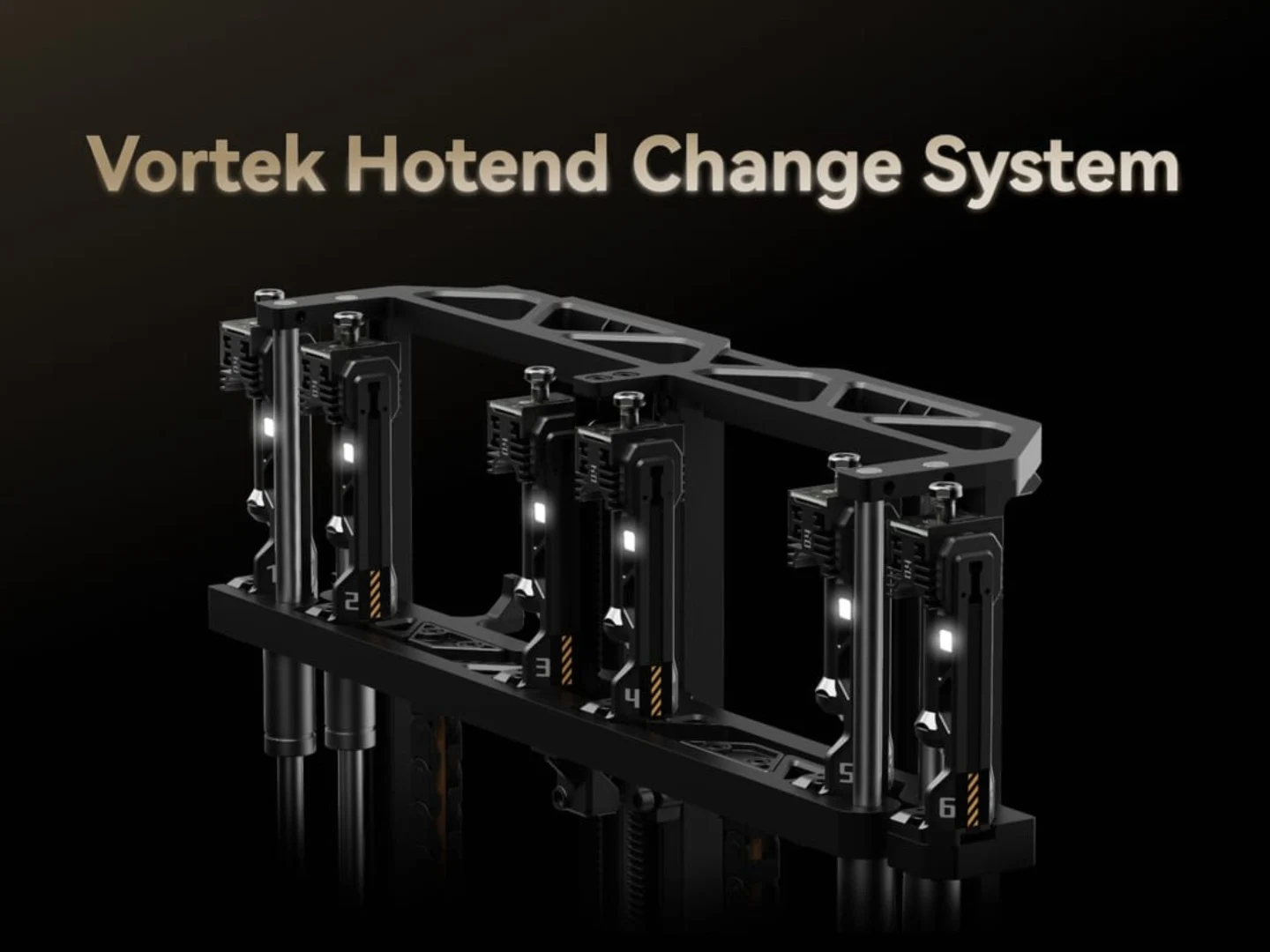
2. The H2C features the Vortek hotend change system, allowing users to switch hotends during printing for seamless multicolor 3D printing.
3. This system reduces filament waste (known as “poop”) and shortens print times, making the printing process more efficient.
4. The Vortek system utilizes a custom microcircuit for wireless communication and quick heating, achieving desired temperatures in just eight seconds.
5. The H2C will ship by the end of 2025, and existing H2D and pre-ordered H2S owners can upgrade to the H2C with DIY instructions from Bambu Lab.
Bambu Lab, a top name in the 3D printer world, has just introduced the H2S, the newest model in its H2 series. This announcement comes just weeks after the quiet release of the H2D Pro, which is an enhanced version of the H2D. The latest printer in the H2 series boasts a feature that might change the game for multicolor 3D printing.
Innovative Hotend Change System
The new 3D printer, dubbed the H2C, includes a technology called the Vortek hotend change system. According to the Bambu Lab blog, this system allows users to switch hotends during printing to change colors seamlessly. This innovation aims to get rid of what’s known as “poop,” which refers to the wasted filament that must be extruded when changing colors. By eliminating this waste, the process not only conserves filament but also shortens print times, leading to a more efficient workflow.
Design Choices Behind Vortek
In a video released by Bambu Lab, they delve into the creative thought process behind the Vortek hotend change system. Instead of using multiple toolheads like competitors such as Prusa XL or the upcoming Snapmaker U1, or even multiple nozzles on a single toolhead, Bambu Lab opted for a hotend swapping approach. The swappable hotends are designed without cables or pogo pins that might degrade over time, relying instead on a chip for wireless communication with the printer and induction heating to warm the nozzle.
“Our solution was to design a custom microcircuit on the hotend that receives power, measures temperature, and communicates wirelessly with the toolhead,” the blog details. Bambu Lab asserts that the nozzle can achieve the desired temperature in just eight seconds and that the chip relays critical information about temperature, filament type, and color.
Shipping and Upgrade Options
The H2C is expected to be available for shipping by the end of 2025. An exciting aspect of this release is that current owners of the H2D or those who have pre-ordered the H2S will have the opportunity to upgrade their devices to the H2C with some DIY expertise. Bambu Lab plans to provide instructions on how to accomplish this upgrade.
Source:
Link
Leave a Reply