Author: GizNews

  • Casio Launches New Monochrome G-Shock Watch with Metallic Dial

    Casio Launches New Monochrome G-Shock Watch with Metallic Dial

    Key Takeaways

    1. The Casio G-Shock GMAP2126W-8A watch honors International Women’s Day 2026 and is available globally.
    2. The pricing is $145 in the U.S. and €129 in select European countries.
    3. It features an analog-digital design, accurate within 15 seconds monthly, with a hands shift feature for visibility.
    4. The watch includes functions like a countdown timer, stopwatch, alarms, and can set time zones for 48 cities.
    5. It has a dark gray resin case, dimensions of 46.0 x 40.5 x 11.3 mm, and is water resistant up to 200 m.


    The Casio G-Shock GMAP2126W-8A watch is now available globally. Known also as model GMA-P2126W-8A, it honors International Women’s Day 2026 and was introduced earlier this year.

    Pricing and Availability

    You can purchase the Casio G-Shock GMAP2126W-8A from the company’s online store in the United States for $145. Likewise, in European nations such as the Netherlands, Spain, and Germany, this hybrid model can be bought directly from the brand for €129.

    Features and Specifications

    The Casio G-Shock GMAP2126W-8A features an analog-digital design, showcasing two analog hands on a dark gray metallic dial adorned with golden accents. It’s reported to maintain accuracy within 15 seconds monthly, and a hands shift feature keeps the digital display visible. The screen provides date and day of the week info. Additionally, this model includes functions like a countdown timer, a stopwatch accurate to 1/100th of a second, alarms, and hourly chimes. Users can select from 48 cities to set the time zone. Importantly, the watch is water resistant up to 200 m.

    Design and Size

    The G-Shock GMAP2126W-8A’s face is framed by a dark gray resin case and comes with a matching strap. Its dimensions are 46.0 x 40.5 x 11.3 mm (~1.81 x 1.59 x 0.44 inches), and it has a weight of 41 g (~1.45 oz). It remains uncertain if or when the Casio G-Shock GMAP2126W-8A will officially launch in the UK.

    Casio’s

    Source:
    Link
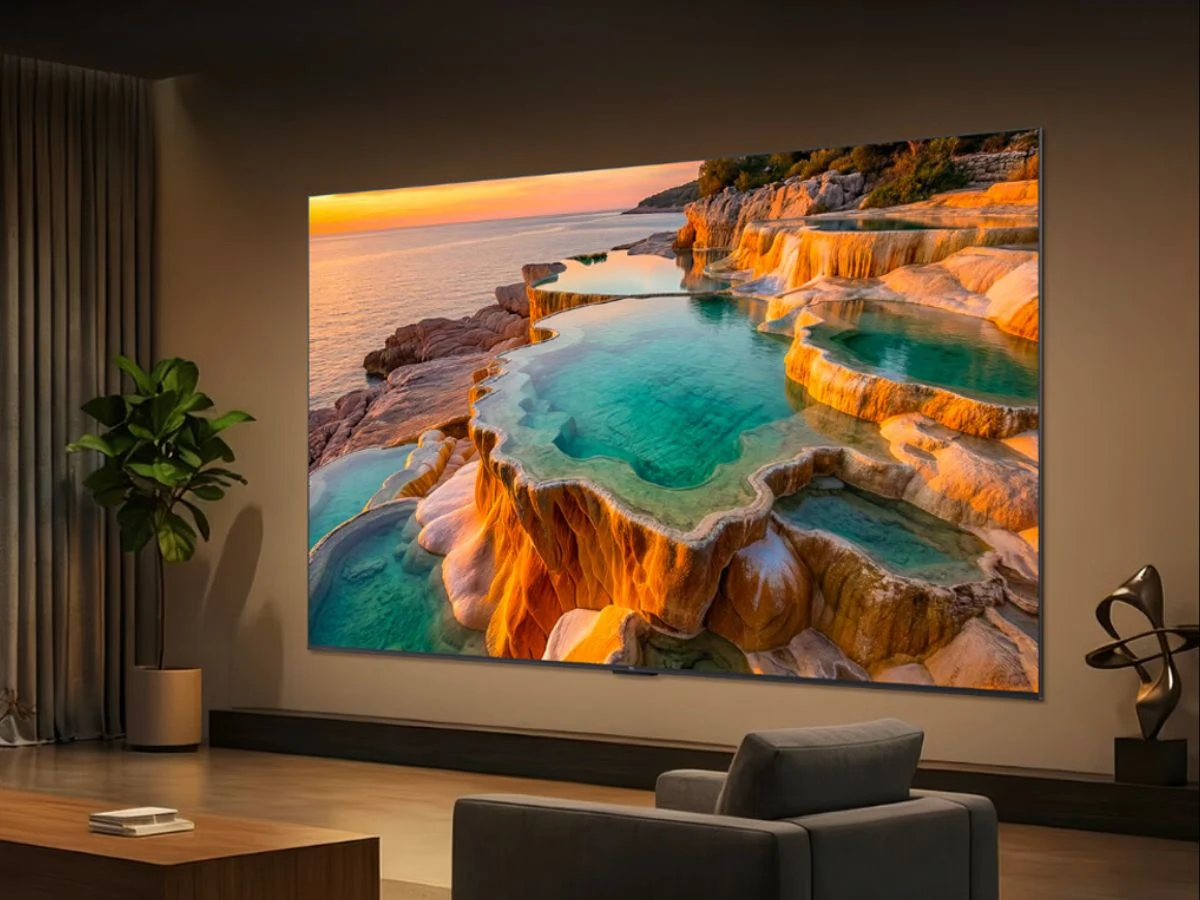


  • New TCL Q9M Pro SQD-Mini LED TV with 300Hz Refresh Rate Released

    New TCL Q9M Pro SQD-Mini LED TV with 300Hz Refresh Rate Released

    Key Takeaways

    1. The TCL Q9M Pro SQD-Mini LED TV has been launched in China, available in five sizes: 55”, 65”, 75”, 85”, and 98”.
    2. It features a 4K resolution with a native refresh rate of 150 Hz, upgradeable to 300 Hz, and achieves 100% coverage of the BT.2020 color range.
    3. The 98” model offers impressive peak brightness of 5,000 nits (XDR) and has 3,552 dimming zones, enhancing picture quality compared to its predecessor.
    4. The TV includes four HDMI 2.1 ports, Wi-Fi 6 compatibility, and retains the integrated 2.2.1 sound system from Onkyo.
    5. Pricing starts at CNY 6,199 (~$891) for the 55” model, reaching CNY 19,999 (~$2,875) for the 98” version, with no current plans for release in markets like the US.


    The TCL Q9M Pro SQD-Mini LED TV has been officially introduced in China. This fresh model comes out alongside the Max163M and Max163M Pro TV models. It serves as an upgrade to the earlier Q9L Pro QD-Mini LED TV, which made its debut in the market in 2025. Buyers can select from five different sizes: 55”, 65”, 75”, 85” and 98”.

    Specifications and Features

    The Q9M Pro from TCL is a 4K television that boasts a native refresh rate of 150 Hz, which can be enhanced to 300 Hz. When comparing it to the Q9L Pro, the newer Q9M Pro provides improved color performance, achieving 100% coverage of the BT.2020 color range. The 55” version features 800 dimming zones, while the 98” model impressively has 3,552 zones. The peak brightness for this larger model reaches 5,000 nits (XDR), surpassing the predecessor’s 4,500 nits (XDR). Additional features include MEMC motion smoothing, as well as compatibility with Dolby Vision, HDR10+, and AMD FreeSync Premium Pro.

    Connectivity and Sound

    As per the product details, the TCL Q9M Pro incorporates the brand’s Spirit Control System 3.0. Furthermore, it retains the same integrated 2.2.1 sound system from Onkyo found in the Q9L Pro. In terms of connections, it includes four HDMI 2.1 ports and is compatible with Wi-Fi 6.

    In the Chinese market, the starting price for the TCL Q9M Pro SQD-Mini LED TV is CNY 6,199 (~$891) for the 55” model, while the price escalates to CNY 19,999 (~$2,875) for the 98” version. The company has not yet revealed any intentions to extend this model to other regions, such as the US, where they are currently offering the 2026 X11L QD-Mini LED TV (85” priced at $7,998 on Amazon).

    Market Release

    JD.com and ITHome have provided listings for the new TV, generating interest among consumers seeking the latest technology. The enhancements in the Q9M Pro suggest a strong competition in the LED TV market, promising a great viewing experience for potential buyers.

    Source:
    Link


  • Nvidia Targets Tesla and SpaceX with Uber BYD Robotaxi AI Chips

    Nvidia Targets Tesla and SpaceX with Uber BYD Robotaxi AI Chips

    Key Takeaways

    1. Nvidia has expanded its Drive Hyperion platform, attracting major clients like Uber, BYD, Hyundai, and Kia, challenging Tesla’s dominance in the autonomous vehicle market.

    2. The Alpamayo 1.5 system utilizes a Vision-Language-Action model to enhance autonomous driving capabilities, differing from Tesla’s fully integrated FSD stack.

    3. Nvidia’s growing influence in the autonomous driving sector may impact Tesla’s market valuation, which heavily relies on its leadership in this area.

    4. Nvidia plans to produce chips for orbital data centers, potentially competing with SpaceX’s ambitions in space-based AI infrastructure.

    5. The Vera Rubin Space-1 chips by Nvidia aim to process data in orbit, addressing challenges like cooling systems in space, similar to hurdles SpaceX may face.


    While Elon Musk has claimed he isn’t overly concerned about Nvidia’s plug-and-play self-driving system, Alpamayo, the tech behemoth has recently secured some of the biggest names in the EV and ride-sharing industries as clients.

    Nvidia’s Bold Move

    During GTC 2026, Nvidia’s CEO Jensen Huang revealed a broadened list of collaborators for the Drive Hyperion platform, indicating a clear challenge to Tesla’s supremacy in the robotaxi market. Leading this initiative is Uber, which plans to roll out 100,000 Level 4 autonomous vehicles across 28 global cities on four continents, kicking off with San Francisco and Los Angeles in early 2027.

    A New Approach to Autonomous Driving

    While Tesla depends on its fully integrated FSD stack, Nvidia is countering with Alpamayo 1.5, a public “Physical AI” ecosystem. Instead of directly linking sensors to commands, Alpamayo uses a Vision-Language-Action (VLA) model that Nvidia asserts has 10 billion parameters and can “think out loud.” At the event, Nvidia showcased Alpamayo 1.5, enhancing the system’s functionality “with an interactive, steerable reasoning model,” and announced it has attracted several clients for the Hyperion autonomous driving platform, including the largest EV manufacturer, BYD, along with Hyundai and Kia.

    Impact on Tesla’s Market Position

    A significant portion of Tesla’s lofty market capitalization depends on its ability to maintain leadership in autonomous driving and robotaxi sectors. Nvidia’s strategy to make these fields more accessible, especially with clients like Uber and BYD, could potentially influence Tesla’s market valuation.

    Nvidia also declared plans to produce chips for orbital data centers, which may intrude on SpaceX’s territory. Just recently, Elon Musk’s company hinted at its intention to deploy AI data center infrastructure in space to harness solar energy without overtaxing Earth’s power grids.

    Advancements in Space Technology

    Nvidia’s “Vera Rubin Space-1” chips are designed to process data directly in orbit, cutting out the delay of transmitting raw data back to Earth. While Musk envisions vertical integration between Starlink and xAI, Nvidia is positioning itself as the “brains” for various other orbital startups, including Planet Labs and NASA.

    “Of course, in space there’s no conduction, no convection; there’s just radiation, so we have to figure out how to cool these systems in space, but we’ve got loads of amazing engineers working on it,” joked Huang. These hurdles are the same ones SpaceX will encounter, so it will either need to compete with Nvidia in AI chip creation or become a client for its Vera Rubin Space-1 chips.

    Source:
    Link


  • Study Reveals Little Red Dots as Hosts for Early Organic Chemistry

    Study Reveals Little Red Dots as Hosts for Early Organic Chemistry

    Key Takeaways

    1. The James Webb Space Telescope discovered tiny red objects called LRDs, which are small proto-galaxies from the early universe.
    2. Many LRDs contain massive black holes, potentially millions of times heavier than the Sun, despite their small size.
    3. LRDs exhibit weak radiation and maintain calm, dust-rich environments, unlike typical energetic galaxies with strong black holes.
    4. The Central Molecular Zone (CMZ) around the Milky Way’s center is similar to LRDs, with dense gas clouds and low radiation levels.
    5. Scientists believe LRDs might contain complex organic molecules, hinting at similar chemistry to that found in our solar system.


    The James Webb Space Telescope has uncovered puzzling tiny red objects in its images of the early universe, showcasing its skill to look back in time. These red objects, known as LRDs, are small proto-galaxies that existed when the universe was still young. They are incredibly small, measuring only a few hundred light-years across, and appear as tiny reddish dots in the photographs.

    Surprising Black Holes

    Interestingly, many LRDs harbor massive black holes, potentially millions of times heavier than the Sun. This is unexpected because the galaxies themselves are so small, and the central black hole makes up just a tiny part of the galaxy’s overall mass. A prime example would be Sagittarius A*, which hosts a black hole that weighs 4 million solar masses.

    Calm and Dusty Environments

    These proto-galaxies are anticipated to be highly energetic due to their large black holes, which typically emit strong X-rays, powerful jets, and intense radiation. However, they surprisingly exhibit weak high radiation and maintain a tranquil, dust-rich environment. This resembles the center of the Milky Way, where Sagittarius A-star is located.

    A region known as the Central Molecular Zone (CMZ) encircles the galactic center. It is home to dense gas clouds, significant amounts of cosmic dust, and cold molecular materials. This environment is particularly favorable for chemical reactions due to the low levels of radiation. Complex organic molecules, like nitriles, have also been found in the G+0.693-0.027 cloud.

    Scientists think that many organic molecules in our solar system formed in interstellar clouds, suggesting that LRDs might also possess similar chemistry. This makes their surroundings a prime location for the creation of complex organic molecules.

  • Samsung Unveils Entry-Level Smartphone with 6000mAh Battery

    Samsung Unveils Entry-Level Smartphone with 6000mAh Battery

    Key Takeaways

    1. Samsung launched the budget-friendly Galaxy M17e smartphone in India with a MediaTek Dimensity 6300 chipset.
    2. The device offers up to 6 GB of RAM, 128 GB of internal storage, and expandable storage up to 1 TB via microSD.
    3. It runs on Android 16-based One UI 8.0 and promises 6 years of major OS updates and security updates until 2032.
    4. The Galaxy M17e features a dual rear camera system (50 MP main and 2 MP depth sensor) and an 8 MP front camera, with a 6,000 mAh battery supporting 25 W charging.
    5. The smartphone is priced at INR 12,999 ($140) for the 4 GB model and INR 14,499 ($160) for the 6 GB model, available in Vibe Violet and Blitz Blue colors.


    Samsung has introduced a new budget-friendly smartphone to the M-series lineup, named the Galaxy M17e, in India. Even though it comes at a low cost, this new device offers a compelling range of features. Specifically, the Galaxy M17e utilizes a MediaTek Dimensity 6300 chipset, which is coupled with up to 6 GB of RAM and 128 GB of internal storage. Users can also expand storage by an extra 1 TB via a microSD card slot.

    Software and Updates

    On the software front, the smartphone is equipped with Android 16-based One UI 8.0 right out of the box. Samsung has committed to providing 6 years of major Android OS updates (up to Android 22) and security updates until the year 2032. This approach is quite similar to what Xiaomi offered with its new Xiaomi 17 Ultra camera phone. This time, Samsung has included an LCD display in the Galaxy M17e, which boasts an HD+ resolution and a refresh rate of up to 120 Hz.

    Design and Camera Features

    In terms of dimensions, the smartphone has a thickness of 8.2 mm and comes with an IP54 rating for water resistance. Additionally, it features a dual rear camera system that includes a 50 MP main camera and a 2 MP depth sensor. On the front, there’s an 8 MP camera for selfies and video calls.

    The Galaxy M17e also comes loaded with a side-mounted fingerprint sensor, a 3.5 mm headphone jack, WiFi, Bluetooth 5.3, GPS, and a substantial 6,000 mAh battery that supports 25 W wired charging.

    Pricing and Availability

    The Samsung Galaxy M17e 5G is available in two stylish colors, Vibe Violet and Blitz Blue. The starting price for the base model with 4 GB of RAM and 128 GB of storage is INR 12,999 ($140), while the 6 GB of RAM and 128 GB storage variant is priced at INR 14,499 ($160).

    Source:
    Link


  • Oppo Find X9 Ultra Specs Leak: Everything You Need to Know

    Oppo Find X9 Ultra Specs Leak: Everything You Need to Know

    Key Takeaways

    1. Oppo’s new Find X9 Ultra will feature the Snapdragon 8 Elite Gen 5 SoC, moving away from the Dimensity 9500 used in previous models.
    2. The phone is expected to have a 6.82-inch LTPO AMOLED ProXDR display with a resolution of 3,120 x 1,440, a 144 Hz refresh rate, and peak brightness of 3,600 nits.
    3. Camera specifications include a 200 MP main camera, a 200 MP periscope lens with 3x optical zoom, a 50 MP periscope camera with 10x optical zoom, and a 50 MP ultra-wide lens, developed in collaboration with Hasselblad.
    4. The device will come with 16 GB of RAM, 512 GB of storage, and a 7,050 mAh battery with 100W fast charging and 50W wireless charging.
    5. The Find X9 Ultra is set to launch in April and will be available globally, featuring an IP66/IP68/IP69 rating for dust and water resistance.


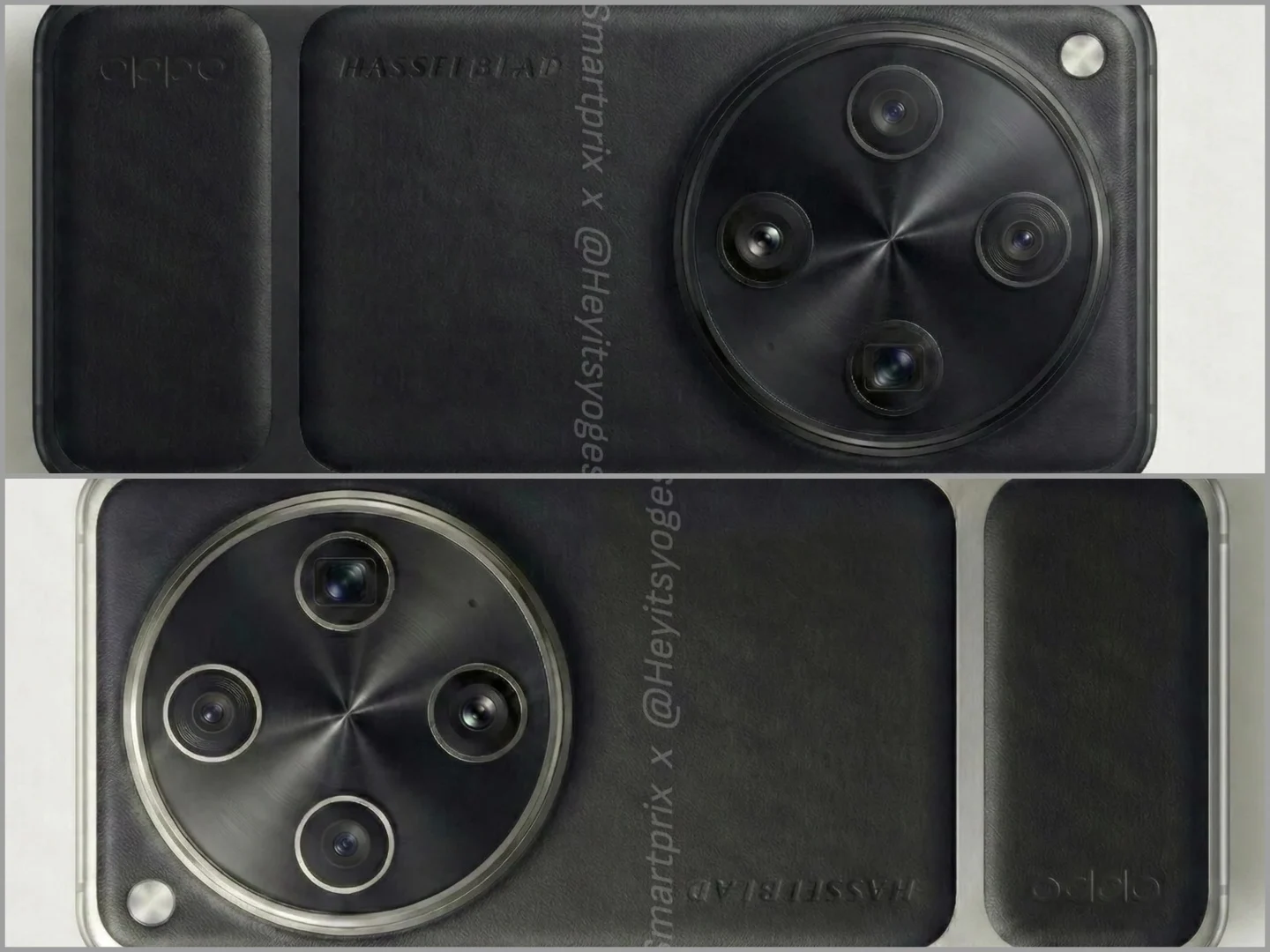
    Oppo has recently expanded its lineup of foldable devices with the new “creaseless” Find N6, but that isn’t the only flagship model the company is developing. The Find X9 series will see the addition of two new variants, including the premium Find X9 Ultra, which has just had its main features revealed. This phone is projected to launch next month (April) and, similar to the Find N6, will be available worldwide.

    Key Specifications Unveiled

    According to a Bulgarian site named Nixanbal, the Find X9 Ultra is expected to run on the Snapdragon 8 Elite Gen 5 SoC. This was anticipated for the Ultra variant, which will move away from the Dimensity 9500 used in the Find X9 and Find X9 Pro. It is rumored to boast a 6.82-inch LTPO AMOLED ProXDR display, offering a resolution of 3,120 x 1,440, a maximum refresh rate of 144 Hz, and peak brightness reaching 3,600 nits, all safeguarded by NanoCrystal Glass.

    Impressive Camera Features

    Earlier reports have highlighted the camera system, and the recent leak confirms several details. The phone will come with a 200 MP main camera, a 200 MP periscope lens with 3x optical zoom, a 50 MP periscope camera featuring 10x optical zoom, and a 50 MP ultra-wide lens. Additionally, there will be a color sensor nestled within the large circular camera setup. The cameras on the Find X9 Ultra have been created in collaboration with Hasselblad and will include an enhanced Hasselblad Master Mode. For selfies, there is expected to be a 50 MP front-facing camera.

    Memory and Battery Specs

    The report also mentions that the phone will have 16 GB of RAM and 512 GB of storage, although it’s uncertain if this will be the sole configuration available. The device will be powered by a robust 7,050 mAh battery, supporting 100W fast wired charging and 50W wireless charging. Regarding its size and weight, the phone is anticipated to be relatively thick by modern standards, with a thickness ranging from 8.65 mm to 9.1 mm depending on the variant, and a weight of either 235 grams or 236 grams. It will also boast an IP66/IP68/IP69 rating for dust and water resistance.

    As previously mentioned, the Find X9 Ultra is set to be launched in April and will be accessible in markets outside of China as well.

    Source:
    Link


  • Marshall Bromley 450: 360° Sound, Stage Lighting, 40+ Hour Battery

    Marshall Bromley 450: 360° Sound, Stage Lighting, 40+ Hour Battery

    Key Takeaways

    1. The Bromley 450 is a new battery-operated Bluetooth speaker from Marshall, priced at €649 (about $746), launching on March 17, with general sales starting March 31.

    2. The speaker features a classic amplifier-style design with brass details, intuitive control knobs, and a metal grille with lighting effects inspired by 1970s concert stage lighting.

    3. It offers a “True Stereophonic” 360-degree sound system with two 6.5-inch woofers and four 2-inch full-range drivers, achieving a maximum sound pressure level of around 100 dB.

    4. Connectivity options include Bluetooth 5.3, AUX, RCA, and USB-C, with two combo XLR/6.3 mm inputs for microphones or instruments, making it suitable for karaoke or small performances.

    5. The Bromley 450 boasts over 40 hours of battery life on a single charge, with a quick 20-minute charge providing six hours, and features a removable battery that is interchangeable with the larger Bromley 750.


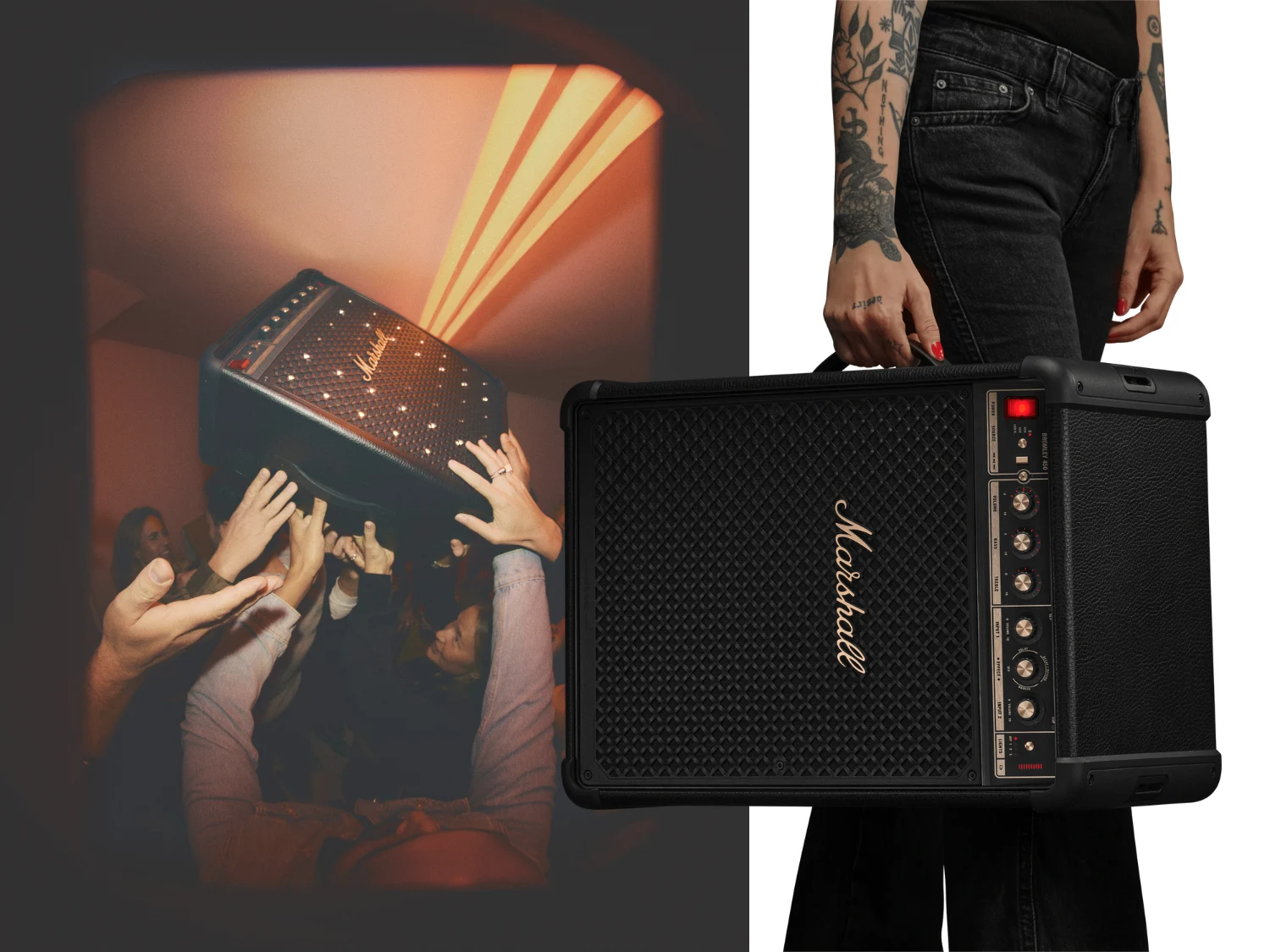
    Marshall has introduced a new addition to its expanding range of party speakers, called the Bromley 450. This is a battery-operated Bluetooth speaker that’s advertised as perfect for lengthy indoor get-togethers, backyard celebrations, and intimate occasions. The Bromley 450 is a smaller version of the larger Bromley 750, which is currently priced at $1,300 on Amazon. The new speaker starts at €649 (about $746) and will be available on March 17 through Marshall’s website, with general retail sales beginning on March 31.

    Design and Features

    The Bromley 450 showcases the brand’s classic amplifier-style aesthetics, featuring brass details, intuitive control knobs, and a metal grille that includes lighting effects. As noted in the promotional materials, the lights take inspiration from stage lighting of 1970s concerts and can function in three preset modes: ambient light, along with two options that react to music.

    Audio Performance

    For audio, the speaker employs Marshall’s “True Stereophonic” 360-degree sound system, which positions drivers around the cabinet to allow sound to radiate in every direction instead of just forward. The setup contains two 6.5-inch woofers, four 2-inch full-range drivers, and two passive radiators, all powered by six Class-D amplifiers. It has a frequency range from 42 Hz to 20 kHz and can achieve a maximum sound pressure level of around 100 dB at a distance of one meter.

    Connectivity and Usage

    In terms of connectivity, the device supports Bluetooth 5.3 with Auracast and multipoint pairing. Additionally, you can connect through AUX, RCA, or USB-C ports. It features two combo XLR/6.3 mm inputs, allowing microphones or instruments to be connected, which means the Bromley 450 could also serve as a karaoke or small performance speaker.

    Battery Life and Specifications

    One of the standout features is its battery life. Marshall claims that the speaker can deliver over 40 hours of playback on a single charge, and a quick 20-minute charge provides about six hours of usage. The removable lithium-iron-phosphate battery is interchangeable with the larger Bromley 750, enabling users to swap batteries during extended events. The speaker dimensions are 360 × 261 × 492 mm, weighing in at 12.2 kg, and it has an IP55 rating for dust and splash resistance.

    Competition in the Market

    The Bromley 450 faces competition from several similar-priced speakers, including the JBL PartyBox 710, JBL PartyBox 310, Sony SRS-XV800, and LG XBOOM XL7S, all of which promise party-centric audio and lighting effects in the €500-€700 price range. While the Bromley 450 excels in battery performance, its 100 dB output makes it more suitable for medium-sized gatherings than for larger events.

  • ASRock Launches AI BOX-A395 Mini Workstation with Ryzen AI Max+ 395

    ASRock Launches AI BOX-A395 Mini Workstation with Ryzen AI Max+ 395

    Key Takeaways

    1. ASRock’s new AI BOX-A395 marks a renewed collaboration with AMD, featuring the Ryzen AI Max+ 395 on the Strix Halo platform for AI inference tasks.
    2. The AI BOX-A395 includes 16 Zen 5 cores, 32 threads, and an advanced XDNA 2 NPU, providing 50 TOPS for inference and performance comparable to an Nvidia RTX 4070 for rendering and gaming.
    3. Its unique design features a sleek aluminum body with a handle for portability and a six-heatpipe cooling system for optimal airflow, along with a dual BIOS setup for enhanced security.
    4. The device offers extensive connectivity options, including multiple USB ports, HDMI, DisplayPort outputs, and advanced networking capabilities with 2.5 Gbps and 10 Gbps NICs.
    5. The expected price for the AI BOX-A395 configuration with up to 128 GB LPDDR5X RAM and 2 to 4 TB NVMe SSD storage is around $4,000, though ASRock has not confirmed pricing or availability.


    ASRock has been one of the few mini PC manufacturers that didn’t reveal any small form-factor (SFF) models with AMD’s Ryzen AI Max+ 395 last year. This can be attributed to their strong partnership with Intel. However, this year marks a new beginning as ASRock’s Industrial division is re-establishing its collaboration with AMD, announcing a new product called the AI BOX-A395.

    Compact Workstation for AI Tasks

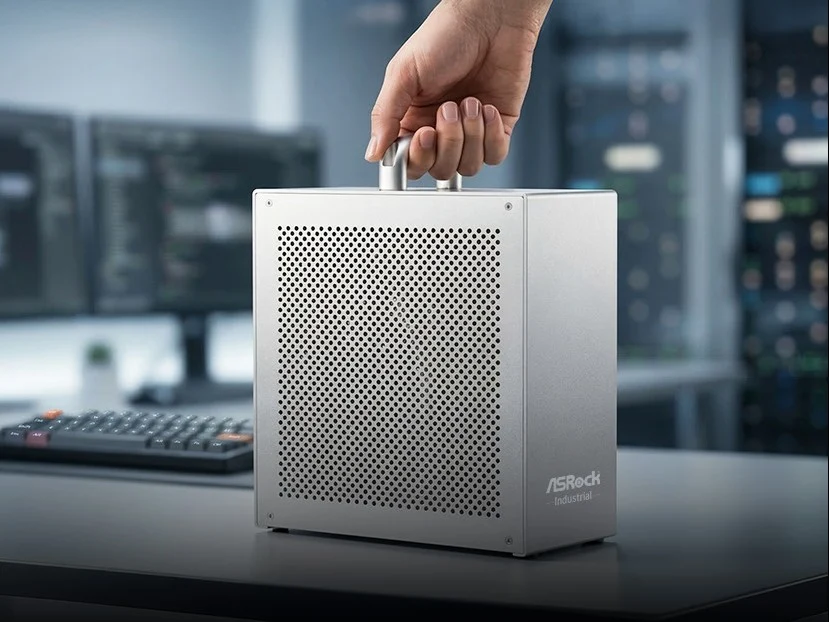
    The AI BOX-A395 is promoted as a portable workstation-class small form-factor PC which is built on AMD’s Strix Halo platform, specifically aimed at AI inference applications. It boasts 16 Zen 5 cores along with 32 threads, and the advanced XDNA 2 NPU that provides an impressive 50 TOPS for inference tasks. Additionally, the Ryzen AI Max+ 395 is equipped with a Radeon 8060S integrated GPU, which matches the performance of an Nvidia RTX 4070 laptop GPU, proving to be an excellent option for rendering and can also serve as a dependable GPU for 1080p gaming.

    Unique Design and Features

    What makes the AI BOX-A395 unique compared to other Strix Halo mini PCs is its sleek aluminum body, which includes a convenient handle for easy portability. The aluminum casing dimensions are 200 x 100 x 232 mm (7.87 x 3.94 x 9.13 inches). Inside, it features a six-heatpipe cooling system with a copper foundation, designed for optimal airflow. ASRock has also included an internal power supply. A standout feature usually seen in business and enterprise systems is the dual BIOS setup, which adds an extra layer of security and stability with a backup BIOS.

    Connectivity Options and Pricing Estimates

    The connectivity options offered are comparable to other similar devices, featuring 2x USB4, 1x USB-C 3.2 Gen 2, 2x USB-A 3.2 Gen 2, and 2x USB 2.0 ports. It also has 2x HDMI 2.1 and 3x DP 2.1 video outputs, along with mic-in and audio-out jacks. Networking capabilities are supported by 2.5 Gbps and 10 Gbps NICs, plus a Wi-Fi 7 + BT 5.4 M.2 card.

    Given the ongoing RAM and storage shortages, the expected price for this model is around $4,000. This is for the configuration that comes with a maximum of 128 GB LPDDR5X-8000 RAM and between 2 to 4 TB of PCIe 4.0 NVMe SSD storage arranged in a RAID 0/1 setup, even though ASRock hasn’t shared details about pricing or availability yet.

    Source:
    Link


  • Glowing Crimson Desert Review: Stable Performance, High Difficulty

    Glowing Crimson Desert Review: Stable Performance, High Difficulty

    Key Takeaways

    1. Time Commitment: Completing the main story requires a significant time investment, with players spending around 10 hours daily and potentially skipping many bosses.

    2. Learning Curve: The combat system has a challenging learning curve, necessitating trial and error, and certain areas of the open world are more difficult.

    3. Inventory Management: Managing inventory is easier than expected; completing side quests can increase loot space.

    4. Character Switching: Players can switch between multiple playable characters, similar to GTA 5, allowing for strategic combat against different foes.

    5. Console Performance Uncertainty: There are doubts about console performance, as only PC review codes were provided, but PC performance appears stable with high frame rates.


    With the review embargo for Crimson Desert lifting on March 18th, fresh impressions are starting to come in. A Korean streamer who has completed the vast open-world game shared some insights that haven’t been widely discussed. He also shed light on how Pearl Abyss has optimized the game’s performance for PC users (spoilers ahead).

    Time Commitment for Players

    For those looking to wrap up the main story, a significant time investment is necessary. The YouTuber mentioned that he dedicated about 10 hours daily to exploring Pywel, while skipping approximately 50% of the bosses. He compared the game’s size to that of Red Dead Redemption 2, which he invested around 600 hours into.

    Learning Curve and Combat System

    Even with some challenges avoided, players may face a difficult learning curve. An earlier leaked review of Crimson Desert highlighted that the combat system requires a bit of trial and error. Certain areas in the open world are also more challenging than others. It seems that enhancing Kliff’s abilities and stats will be crucial for surviving in the game.

    Inventory Management Made Easy

    On a positive note, managing inventories might not be as tough as some players worried it would be. The YouTuber disclosed that by finishing side quests, players can gain extra space for loot collection.

    While one main character leads the Crimson Desert narrative, there are other playable characters as well. Similar to GTA 5, players can experience cinematic shifts when switching between these characters. This allows gamers to select different fighters who are better suited to overcoming specific foes.

    Uncertainty in Console Performance

    There are speculations that Pearl Abyss only provided review codes for PC versions, leaving console performance for PS5 and Xbox in question. Nonetheless, the streamer indicated that with an RTX 5080, the frame rates were consistent at 1440p. While this might not sound too remarkable, he had the particularly demanding cinematic mode enabled.

    Because of the embargo, the Korean streamer could not share extensive details about the story. Nevertheless, without forecasting a Metacritic score for Crimson Desert, he described it as the “game of his life.” A comparison was made to The Legend of Zelda: Ocarina of Time, which is celebrated for its captivating 3D world.

    Source:
    Link


  • Oppo Launches 50W Wireless Magnetic Charger for Fast Charging

    Oppo Launches 50W Wireless Magnetic Charger for Fast Charging

    Key Takeaways

    1. Oppo launched the Magnetic Turbo 2 50W Wireless Charger alongside the Find N6 foldable and Watch X3.
    2. The new charger can charge the Find N6 to 50% in about 34 minutes.
    3. It is compatible with various Android devices and iPhones that support MagSafe.
    4. The charger includes a desktop stand and can function as a magnetic cooler with charging options.
    5. The launch price is reduced to CNY 319 (around $46), with no information on global availability.


    Oppo has updated its magnetic wireless charger to align with the launch of the Find N6 foldable today. The Watch X3 also made its debut along with this pair during the same event.

    Details on the New Charger

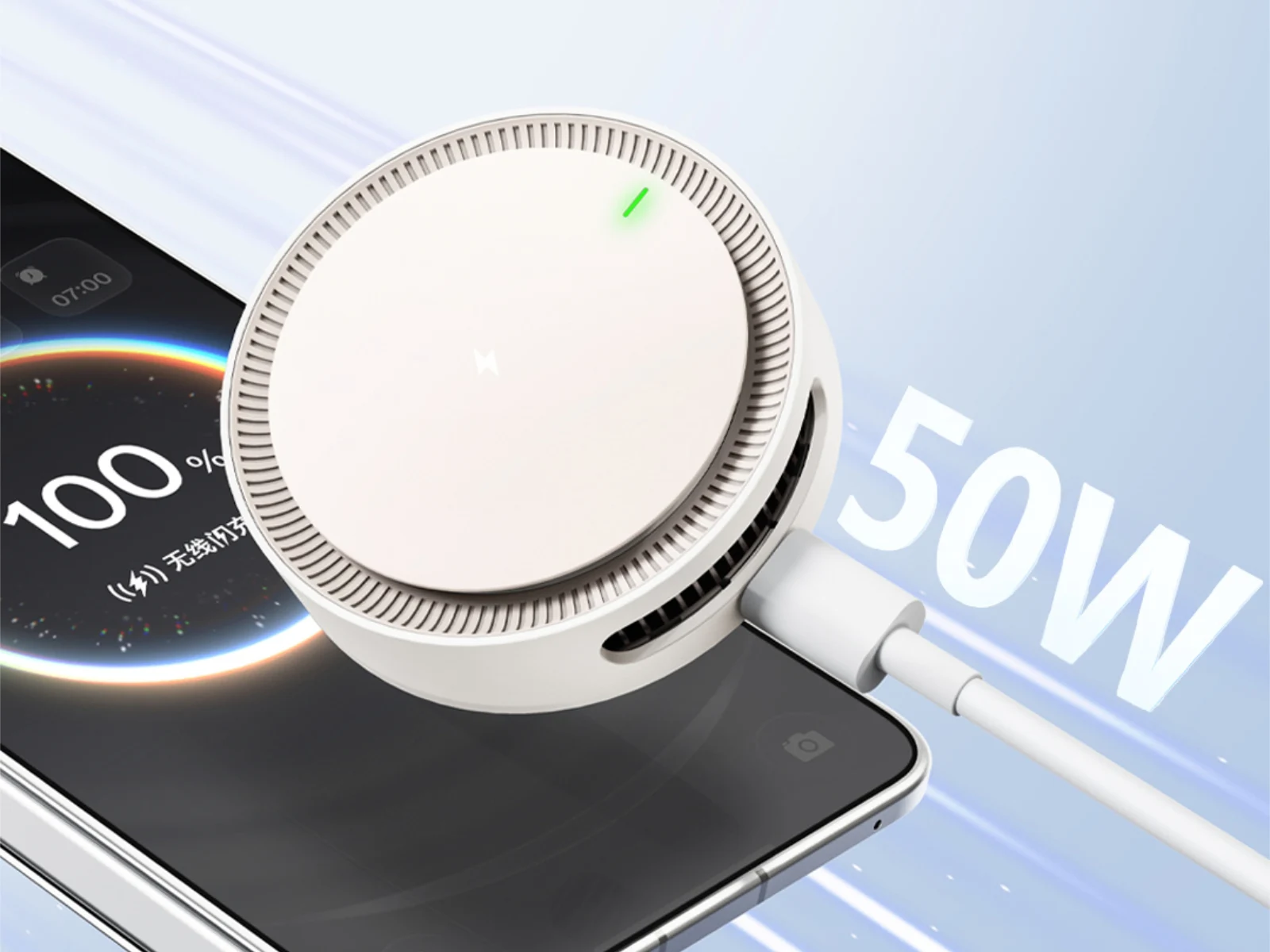
    The Magnetic Turbo 2 50W Wireless Charger is set to take the place of the AirVOOC Magnetic Charger, which was introduced globally in late 2024. Reportedly, this new charger can power the Find N6 from empty to 50% in approximately 34 minutes. This means that in that timeframe, it can provide nearly the same battery capacity as an iPhone Air.

    Compatibility and Features

    Oppo promotes the new charger as compatible with various Android devices and iPhones that support MagSafe. Users can utilize the Magnetic Turbo 2 with or without the included desktop stand. Additionally, this charger can also act as a magnetic cooler, allowing charging to be turned on or off.

    Pricing Information

    The Magnetic Turbo 2 is priced at CNY 349 (around $50) in China. However, an introductory offer has reduced the launch price to CNY 319 (which is about $46). Sadly, there is currently no information available regarding its global release.

    Source:
    Link