Author: GizNews

  • Xiaomi UltraThin Magnetic Power Bank with 45W Fast Charging Debuts

    Xiaomi UltraThin Magnetic Power Bank with 45W Fast Charging Debuts

    Key Takeaway

    1. The new 10,000mAh Xiaomi UltraThin Magnetic Power Bank offers double the capacity of the previous 5,000mAh model, with increased thickness but still remaining thinner than most comparable power banks.
    2. It features upgraded fast charging capabilities with a maximum wired output of 45W and wireless up to 20W.
    3. The power bank maintains a single USB-C port supporting broad protocols like PD 3.0, QC 3.0, and FCP, capable of charging two devices simultaneously.
    4. Additional features include 30W fast recharge support, multiple safety features, and strong magnets for enhanced usability.
    5. Priced at CNY 349 (~$51), it is available on Xiaomi’s crowdfunding platform and is expected to be released internationally.

    Introduction to Xiaomi’s Latest Power Bank

    Xiaomi comes back with a new UltraThin Magnetic Power Bank, and this one is loaded with more juice than its earlier version from January 2026. This charger now sports a 10,000mAh battery, doubling the capacity of the last model. But, with the bigger battery, it’s gotten thicker, which is kinda expected. Xiaomi emphasizes that the new power bank is 13.2mm thick, which is noticeably thicker than the old 5,000mAh version that’s only 6mm. Despite that, it’s still thinner than most other power banks with the same capacity. The weight is pretty manageable, coming in at about 195 grams, making it portable enough for everyday carry.

    Power Output and Charging Features

    • Maximum wired fast charging is now up to 45W, allowing quick recharges for compatible devices.
    • Wireless charging has also gotten better, topping out at 20W.
    • Comparatively, the older 5,000mAh model offered 15W wireless and 22.5W wired charging capacities.

    Considering the port options, the new model keeps it simple with just a single USB-C port. This means you can recharge two devices at the same time, but with limited ports, it’s a straightforward setup. The power bank supports multiple protocols, including PD 3.0, QC 3.0, Apple 2.4A, and FCP, which helps it work with a wide range of gadgets. So, even with just one port, the compatibility is broad enough for most users.

    Design and Price Details

    Additionally, this power bank features 30W fast recharge support, making it quicker to refill. Safety is also highlighted, with several built-in features to prevent overcharging, overheating, and short circuits. The magnets hold devices securely during wireless charging, providing stability and ease of use. Currently, Xiaomi offers the 45W UltraThin Magnetic Power Bank on their crowdfunding platform, Youpin, at a price of CNY 349, which is roughly $51. Since Xiaomi has already introduced the 5,000mAh model into the global market, it’s quite likely that this enhanced version will also be making its way internationally soon. This makes it a pretty attractive option for people looking for a sleek, powerful portable charger.

    Sources
  • Ninkear S13 2-in-1 Tablet and Laptop for Mobile Working

    Ninkear S13 2-in-1 Tablet and Laptop for Mobile Working

    Key Takeaway

    1. The Ninkear S13 offers a versatile 2-in-1 design with a kickstand and magnetic keyboard, suitable for both tablet and laptop use.
    2. Equipped with a modern Intel Core Ultra 5 115U, 16 GB RAM, and SSD, it provides sufficient performance for daily tasks and multitasking.
    3. The 13-inch IPS display delivers sharp visuals with wide viewing angles, but has limitations in brightness, contrast, and color fidelity.
    4. Build quality features a sturdy metal casing, though speakers and shallow keyboard keys may affect user experience.
    5. Priced at 859 euros, it presents a competitive option in the Windows convertible market, pending further price adjustments.

    Introduction to the Ninkear S13

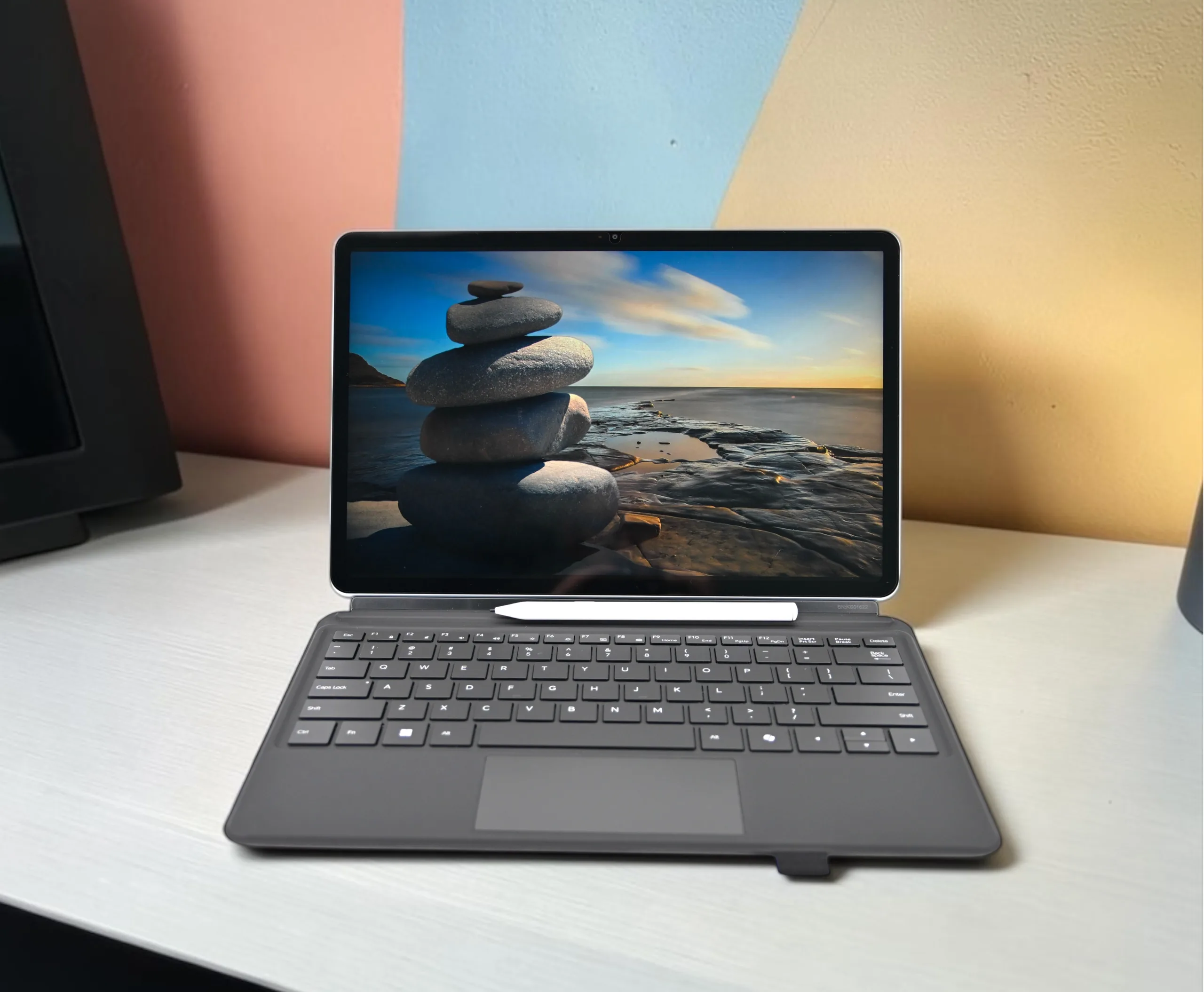
    This new Windows tablet from a lesser known brand, Ninkear, is thinkin’ of making a name for itself with designs inspired heavily by the well-known Surface Pro. The device looks modern and slick, with a 13-inch IPS display and a sturdy metal body, promising a premium feel that might appeal to users searching for a compact, flexible work device. It runs on an Intel Core Ultra 5 115U with 16 GB RAM and features a fast SSD, making it suitable for various demanding tasks. The device’s appearance, especially the 2-in-1 functionality with keyboard and kickstand, aims to attract folks who wants a portable solution that doubles as a tablet or a laptop. The price point, sitting at 859 euros, positions it as an affordable alternative to high-end models, though real value needs to be assessed in real use.

    Display Quality and Visuals

    The display on this tablet, in a 16:10 aspect ratio, gives crisp visuals thanks to its high resolution. Although the panel performs well for general use like working, browsing, or streaming videos, it falls slightly behind more expensive options in terms of brightness, contrast, and colour accuracy. The viewing angles are decent which means you won’t face major issues seeing the screen from different angles, but in dark content, some halos might appear, which could be distracting. Overall, the screen’s performance is acceptable for everyday tasks, but if you’re particular about colour vibrancy and brightness, it might not completely satisfy.

    Performance and Hardware

    The Intel Core Ultra 5 115U processor, built on a sleek hybrid architecture, offers enough power for your daily chores and multitasking. The integrated Intel Graphics chip works fine for simple image editing or older games but struggles with more intensive graphical tasks. The SSD boosts overall system speed with quick load times and smooth operation. It’s clear that the device is designed for general multirole use, but don’t expect it to handle the high-end or specialized tasks easily. The performance is decent, but may not match premium devices.

    Design, Build Quality & Connectivity

    Constructed with a metal shell, this tablet looks and feels quite premium and robust, deflecting daily stresses and twisting. Its versatility is the key highlight—thanks to the kickstand and magnetic keyboard cover, users can switch from tablet mode to a lightweight notebook seamlessly. The keyboard has backlit keys but shallow key travel, which may not be ideal for prolonged typing sessions. The keyboard layout is primarily English, and it doesn’t come with other language options by default. Stylus support is included, but the stylus cannot attach directly to the device, which is a slight inconvenience. Its ports include USB-C and USB-A, making connectivity fairly straightforward for everyday use, though the sound system doesn’t impress with loud or rich audio.

    Conclusion and Final Thoughts

    On the whole, the Ninkear S13 offers a well-rounded package for those looking for a functional Windows-based 2-in-1 device. Versatility, solid build quality, and respectable performance are its main selling points. However, given the current price, only time will tell if it’s a better buy than more established brands, especially considering the sound quality and display performance. Once the price drops a little, it could be a smart choice for budget-conscious buyers seeking a convertible device that can handle everyday tasks with ease.


    Sources

    • Prestige 16 2026 Runs Cyberpunk 2077 1080p Ultra at 45+ FPS Without Gaming Laptop

      Prestige 16 2026 Runs Cyberpunk 2077 1080p Ultra at 45+ FPS Without Gaming Laptop

      Key Takeaway

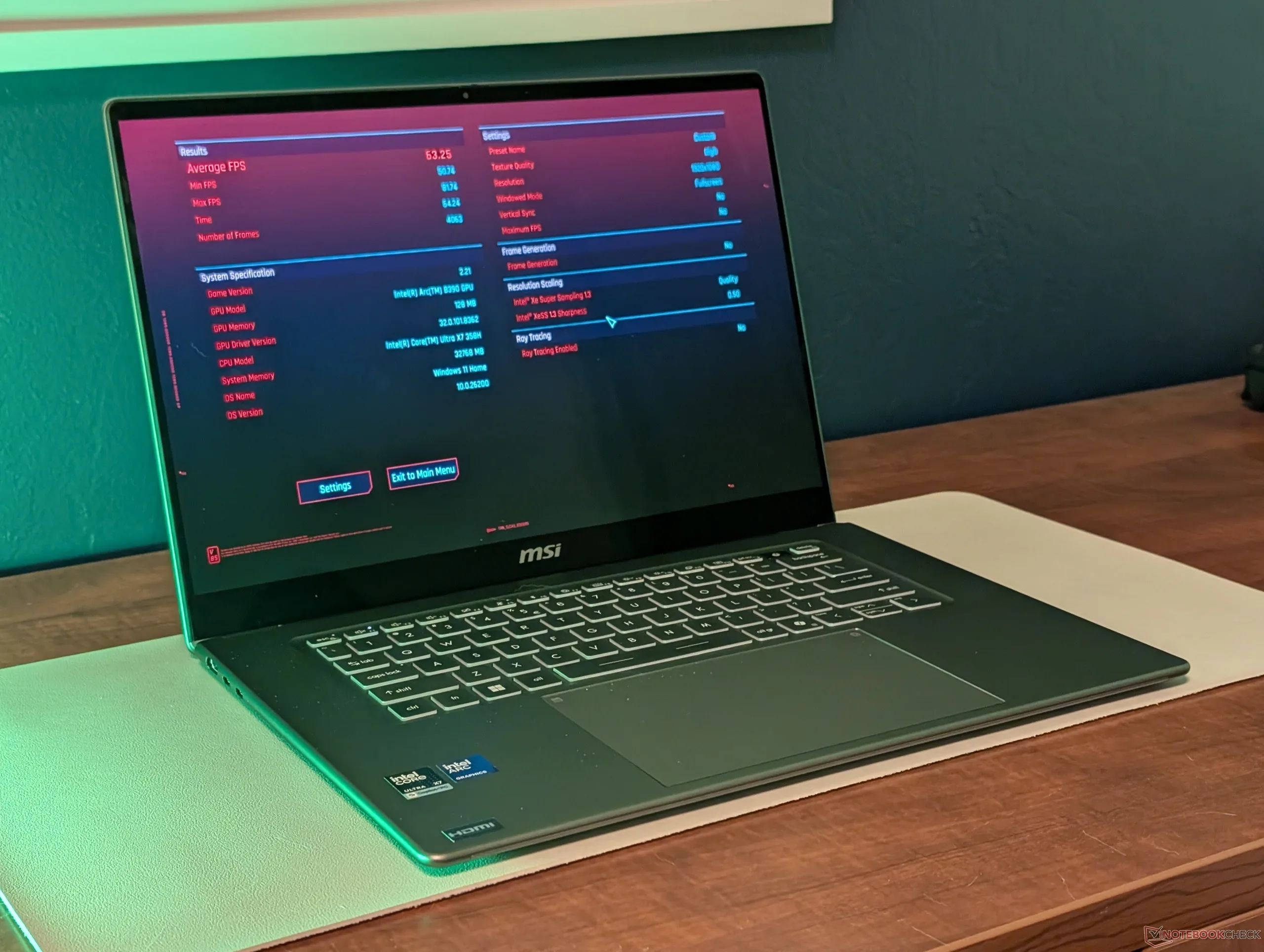
      1. The new Arc B390 GPU in the 2026 MSI Prestige 16 AI+ C3MTG significantly outperforms the previous year’s Arc 140T, with up to 80% gains in gaming performance.
      2. The Arc B390 enables modern titles to run at 1080p with most settings on High, showcasing impressive integrated GPU capability.
      3. Enabled XeSS upscaling can further boost gaming performance, such as increasing Cyberpunk 2077 FPS from 45 to 63.
      4. Both the 2025 and 2026 models operate under similar power envelopes (~60W), despite large performance differences.

      Upgrading Graphics Performance: From Arc 140T to Arc B390

      Last year’s Prestige 16 2025, equipped with the Arc 140T GPU, was already decent, but the new Arc B390 in the latest Panther Lake processors really makes a big difference, performance wise. This new integrated GPU allows gamers to enjoy modern titles at 1080p with high settings most of the time, which is quite remarkable for integrated graphics chips.

      Performance Leap in the 2026 Prestige 16 AI+ C3MTG

      The newest MSI Prestige 16 AI+ C3MTG for 2026 features the latest Arc B390 graphics, replacing the previous Arrow Lake options. When compared, the newer model easily beat the older 2025 version by up to 80%, depending on the game. That’s a big step up considering the Arc 140T is only about a year old. Our comparison graphs clearly illustrate how much more powerful the new GPU is, making it a compelling choice for users.

      Enhanced Gaming With XeSS Upscaling

      If the games support XeSS upscaling technology, the performance gets even better. For instance, in Cyberpunk 2077 on 1080p Ultra settings with XeSS Quality enabled, the average frame rate jumps from 45 to 63 FPS. That’s a significant improvement and makes gameplay much smoother, providing a better gaming experience overall.

      Power Consumption and Efficiency

      Interestingly, despite the performance gap, both the 2025 and 2026 models run under similar power limits. Playing Cyberpunk 2077 on both systems would use just over 60 W of power, demonstrating that the newer model’s increased performance doesn’t come with higher power demands. This balance between power and performance is important for users wanting efficiency without sacrificing performance.

      Sources
      • New Humble Bundle Offers 10 Steam Deck Games for Under $1

        New Humble Bundle Offers 10 Steam Deck Games for Under $1

        Key Takeaway

        1. The Heavenly Bullets bundle includes 10 autoshooter games and 1 DLC, all for a flat price of $10.
        2. The bundle is a non-tiered deal, meaning all items cost the same regardless of purchase amount.
        3. The offer expires on May 30, 2026.

        Exciting New Humble Bundle – Heavenly Bullets

        The latest offering from Humble Bundle is called Heavenly Bullets, and it features a total of 11 items, including 10 games, plus a downloadable content (DLC). All these games are autoshooters, which makes it perfect for players who love fast-paced action. This package will be available till May 30th, 2026, so there’s plenty of time to grab it.

        Price and Purchase Details

        What makes this bundle special is that it is a flat rate deal. Unlike other collections that have different tiers for different tiers of content, you just pay $10 for everything listed. No matter if you want just a few or all the items, it all costs the same. Keep in mind though, each retailer might change prices over time so check before buying.

        Contents of the Bundle

        • 10 different autoshooter games
        • One DLC for added gameplay content

        In total, this bundle provides a variety of titles for fans of shooter games, all with different features but united by the shoot-‘em-up gameplay style. Whether you’re a seasoned gamer or new to the genre, you this package has something to offer.

        Important Information and Final Notes

        If you’re considerring purchasing, take note that the deals and prices reflected here were valid at the time of writing. Other discounts or stock limitations might apply later, so stay updated and act fast if you’re interested. This bundle is a deal worth exploring for shooter fans or anyone wanting to expand their gaming collection.

        Sources
      • Nintendo Legend Behind Mario, Zelda, and Yoshi Retires

        Nintendo Legend Behind Mario, Zelda, and Yoshi Retires

        Key Takeaway

        1. Takashi Tezuka, a key Nintendo game designer and director, is retiring after 42 years, marking the end of an era from Nintendo’s golden age.
        2. He contributed significantly to iconic franchises such as Super Mario Bros., The Legend of Zelda, and Yoshi, shaping Nintendo’s early gaming successes.
        3. Tezuka played a vital behind-the-scenes role, collaborating closely with Shigeru Miyamoto and transitioning from sprite creation to directing major titles.
        4. Beyond gaming, he was an executive producer for Nintendo’s Super Mario movies and continued to influence recent titles like Pikmin 4 and Super Mario Bros. Wonder.
        5. Known as a dedicated and reliable collaborator, Tezuka’s work profoundly impacted Nintendo’s legacy and the childhoods of gamers worldwide.

        Takashi Tezuka’s Journey and Contributions at Nintendo

        Takashi Tezuka’s been with Nintendo for **42 years** and during that span, he’s been a major influence in shaping the world of gaming. Starting off creating characters and sprites for games like Punch-Out!!, he climbed up the ranks to become an integral part of Nintendo’s creative team. His work on groundbreaking titles, especially during Nintendo’s early years, helped lay down the foundation for the company’s success in the gaming universe.

        Impact on Classic Franchises

        As a close partner of Shigeru Miyamoto, Tezuka played a vital role in developing some legendary games such as the first Super Mario Bros. and The Legend of Zelda. These games didn’t just sell millions but also defined an era of gaming that fans still cherish today. His involvement ranged from sprite design to directing key sequels, ensuring that each game retained its innovative spirit and fun factor.

        Major Titles and Creative Achievements

        Over the years, Tezuka directed some of the most beloved Nintendo titles, including Super Mario Bros. 3, Super Mario World, and A Link to the Past. His work on these games helped introduce gameplay mechanics and storytelling elements that continue to influence game design. Moreover, he is credited as the co-creator of Yoshi, and he directed the successful Yoshi’s Island, adding a new character and gameplay style that fans adored.

        Recent Work and Role Beyond Games

        In more recent years, Tezuka served as a producer on Super Mario Maker and its sequel, alongside working on titles like Super Mario Bros. Wonder and Pikmin 4. His talents weren’t limited just to games; he also was an executive director for both Super Mario Bros. movies, helping bring Nintendo’s beloved mascot to cinemas worldwide. This diversity showcased his wide-ranging influence within Nintendo.

        Retirement Announcement and Legacy

        It was announced on May 8, 2026, through Nintendo’s earnings report that Tezuka will retire on June 26, 2026. Many consider this moment the end of a significant era in Nintendo’s history, as Tezuka’s steady work helped shape the company’s legacy. His dedication as a quietly reliable collaborator complemented Miyamoto’s more public persona, creating many of the childhood memories shared by gamers from the late 80s to present day.

        Sources
      • FCC Grants Update Waiver for TP-Link, DJI, and Other Foreign Devices

        FCC Grants Update Waiver for TP-Link, DJI, and Other Foreign Devices

        Key Takeaway

        1. The FCC has extended the deadline for firmware and software updates for certain foreign-made routers and drones in the U.S. until January 1, 2029, citing public safety reasons.
        2. The extension applies mainly to devices from companies like TP-Link, Huawei, and DJI, amidst ongoing concerns over national security risks associated with foreign-made technology.
        3. The U.S. government has added foreign-made consumer routers and drones to a “Covered List” due to perceived security threats, limiting the import of newer DJI drones and similar devices.
        4. Companies like TP-Link are actively contesting these restrictions, emphasizing investments in U.S. manufacturing, while DJI is challenging the rules in court and advocating for its products’ importance.

        Recent Updates on Device Support Extentions

        If you are a user or fan of TP-Link’s Archer series, Asus’s latest Wi-Fi gear, Huawei’s 5G CPE units, or drones made by DJI, especially those made abroad or in China, then good news just came your way. The FCC has decided to relax its previously strict ban and now extend the support deadlines for millions of existing devices. And this includes some of the current Wi-Fi 7 routers in the USA.

        Extended Software Support Timeline

        Instead of ending support in early 2027, the FCC’s Office of Engineering and Technology (OET) announced last Friday that all those “foreign-made” devices, including routers and drones, will continue to get vital updates until January 1, 2029. This means they will still get security patches to fix vulnerabilities, bug fixes, and updates to keep the network running smoothly. The decision was influenced by the Consumer Technology Association, which manages CES, asking the FCC to extend support period citing public safety concerns.

        Rationale Behind the Decision

        The official statement from the OET said that “special circumstances warrant a deviation from the general rules” and that extending this support helps serve the public interest better. They also pointed out that keeping the support period limited but extended allows them to review and possibly change these rules in future. The waiver was even allowed to include some bigger changes, as long as they protect consumers and safety.

        Why These Restrictions Exist

        The main reason for the restrictions is national security. Both the White House and the FCC have added foreign-made consumer routers and drones to the “Covered List” because these devices are believed to represent risks to U.S. networks and infrastructure. Since then, newer DJI drones and drones from similar companies have been banned from import into the US. Under certain conditions, some companies can get short-term permissions called conditional approvals, usually for special reasons, from security agencies like the Department of Defense or Homeland Security.

        How Major Brands Are Affected

        At the moment, only a handful of devices from companies such as Netgear and Amazon have been approved to operate. However, giant firms like TP-Link and DJI haven’t yet met the high standards needed for approval. TP-Link is actively trying to stay in the U.S. market, claiming to have invested hundreds of millions of dollars in manufacturing and R&D of its routers here, aligning with FCC’s policies.

        Legal Challenges and Industry Response

        Meanwhile, DJI is fighting the rules in court. The company encourages loyal customers across America to file comments supporting its products and emphasizing their importance, from daily use to emergency services. This ongoing legal battle and regulatory environment highlight the tension between security concerns and the interests of tech companies and consumers alike.

        Sources
      • Lao Zhang’s Yoo Y1: Premium Retro Gaming Console Innovation

        Lao Zhang’s Yoo Y1: Premium Retro Gaming Console Innovation

        Key Takeaway

        1. The Yoo Y1 is a sleek, premium retro handheld featuring high-quality controls and a modern minimalist design.
        2. It has a 4.5-inch IPS display with a 1620 x 1080 resolution, suitable for both retro and modern game aspect ratios.
        3. The device is equipped with a 6,000mAh battery, dual TMR analog sticks, Hall-Effect shoulder buttons, and potentially a powerful processor like Qualcomm Snapdragon 8 Elite.
        4. The Yoo Y1 has generated excitement in the retro gaming community and could compete with other premium handhelds if it includes Wi-Fi, Bluetooth, and strong emulation capabilities.

        Chinese Handheld Designer Sparks Excitement

        A talented Chinese designer who known for his retro gaming devices has once again stirred the community with his latest ambitious project. The new device that he working on might well be his most refined and user-friendly handheld to date. Many fans of retro gaming have started to take notice, eagerly anticipating what might be coming next.

        Previous Notable Projects

        In the past, Zhang gain fame for his innovative work on the GKD Pixel series and also for creating the LG Wing handheld back in 2022. Recently, he appeared on a popular Chinese social media platform, which can be accessed through Baidu, to showcase his new retro handheld called Yoo Y1. The device has quickly gained attention among retro gaming enthusiasts from around the world.

        Yoo Y1 Design and Features

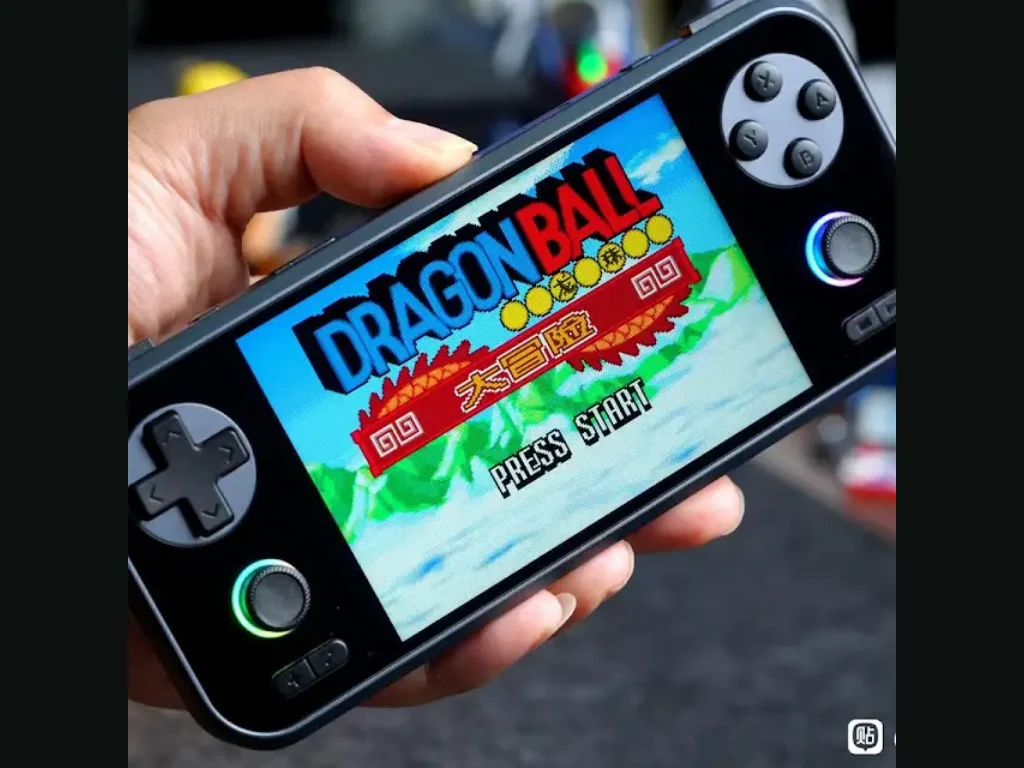
        The Yoo Y1 is a beautifully designed, sleek Android-based portable gaming device that boasts a high-end finish. The device features a minimalistic, glass front display, which makes it look modern and stylish. It also includes dual TMR analog sticks, Hall-Effect shoulder buttons, and a sturdy frame that elevates it above many affordable handhelds that are currently available.

        Community Response and Specifications

        The reception from the retro community has been incredibly positive. Retro Gaming With Dreadfred shared his thoughts on the Yoo Y1 via X (formerly Twitter), expressing excitement about the device’s potential. Additionally, Zhang, known for his work on the Snowcake handheld and part of the GKD team, highlighted the following known specifications:

        • 3:2, 4.5-inch IPS display with 1620 x 1080 resolution, suitable for both retro 4:3 and modern 16:9 games
        • TMR joysticks offering more precise controls and reduced stick drift risk
        • Powerful 6,000mAh battery capable of hours of gaming across consoles like SNES, N64, PlayStation, and more

        Expected Hardware and Competition

        The processor details for Yoo Y1 haven’t been officially confirmed yet. If the final version includes Wi-Fi, Bluetooth connectivity, and a Qualcomm Snapdragon 8 Elite processor, it could really shake up the handheld market. Such features would make it a serious competitor to existing devices like Retroid’s Pocket series, the Ayn Thor, and the GKD 350H, providing gamers with a more versatile retro gaming experience.

        Sources
      • Switch 2 GameChat Improves Performance in Capcom RE Engine Titles like Pragmata

        Switch 2 GameChat Improves Performance in Capcom RE Engine Titles like Pragmata

        Key Takeaway

        1. Switch 2 GameChat can improve performance in some titles, particularly those using Capcom’s RE Engine, by increasing frame rates with smaller chat window sizes.
        2. In certain games like Pragmata, enabling GameChat may cause a slight drop in frame rates, but smaller chat windows generally lead to smoother gameplay.
        3. The size of the GameChat window affects both performance and resolution, with smaller windows boosting frame rates and slightly reducing resolution.

        Switch 2 GameChat and its impact on performance

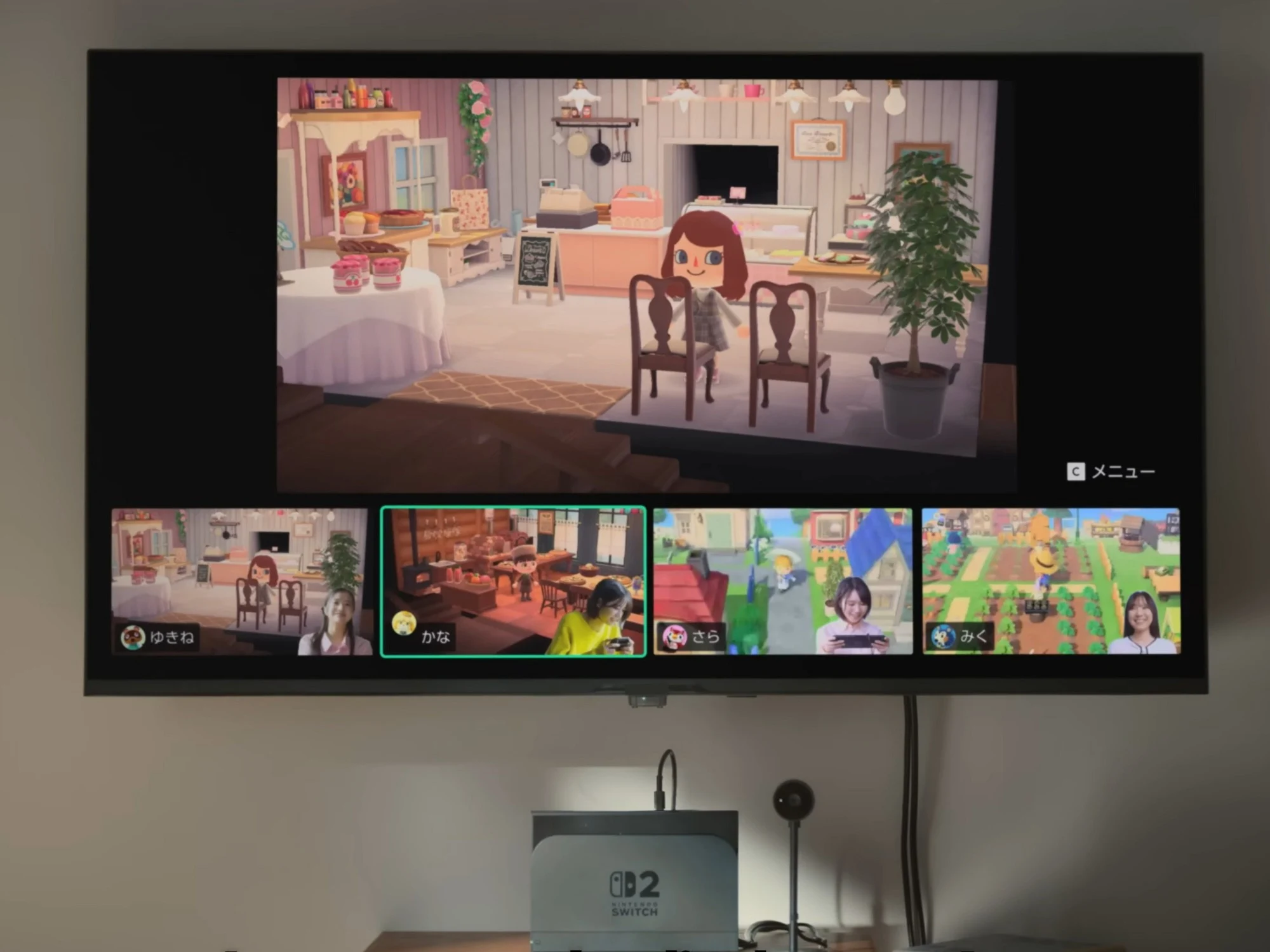
        While the new GameChat feature on Switch 2 makes it easier for users to talk with friends during gameplay, it also causes some reductions in system performance. In some games, including those tested by Digital Foundry, this results in lower frame rates because multiple browser windows are running at the same time. But interestingly, several Capcom titles, such as Pragmata, seem not to suffer from this issue.

        Initial concerns and advancements in gameplay

        The first time Nintendo previewed this feature, players immediately pointed out that the live camera feeds appeared choppy. Since live chat features take up extra system resources, game developers decided to prioritize the gameplay experience. As explained in a recent podcast only accessible to Patreon supporters, Digital Foundry observed that in the game Layers of Fear, frame rates dipped by about 7.5%. Apart from this, games made with Capcom’s RE Engine notably maintain better performance levels.

        Capcom’s RE Engine and its effect on Frame Rates

        Capcom’s custom-built RE Engine has become renowned for its flexibility, originally tailored to the Resident Evil series, but now used in other titles as well. For Pragmata, on the handheld port, it isn’t perfect and experiences slight frame rate dips from 50 fps down to the 30s during detailed exploration. However, enabling GameChat might even offer some improvement in performance by freeing up system resources.

        Adjusting layout settings for better visuals

        • Nintendo provides three different size options for the chat window. In tests with RE engine-based games, the smaller window option resulted in better, smoother frame rates. For example, the Pragmata version on Switch 2 showed an increase from 54 fps to 60 fps, reaching a challenging target for consoles.
        • When the window is enlarged to medium or large, the benefits become less significant. In another scenario, frame rates shifted slightly from 47 fps to 46 fps when chat was maximized. Conversely, when setting the window to medium or small, performance improved significantly—up to 58 fps and 60 fps respectively.

        Other titles and resolution trade-offs

        This performance trend isn’t limited to Pragmata. In Kunitsu-Gami: Path of the Goddess, frame rates rose from 50 fps to 60 fps when adjusting the chat window. Nevertheless, this enhancement comes at a cost of resolution quality. For example, in docked mode, Pragmata normally outputs at 540p. When using the smallest GameChat setting, the resolution drops drastically to about 360p but can be increased to 432p with a medium setup.

        Ongoing investigations and conclusions

        Researchers are still trying to determine why certain Switch 2 games are unaffected by these performance issues. Still, this approach to manipulating the chat window size appears to be an unusual yet effective method of reducing stutter in games built with Capcom’s RE Engine, especially during demanding moments.

        Sources
      • Forza Horizon 6 leak confirms gameplay 9 days before release on Steam

        Forza Horizon 6 leak confirms gameplay 9 days before release on Steam

        Key Takeaway

        1. A playable build of Forza Horizon 6 leaked early through an accidental upload of unencrypted files on Steam.
        2. The leak includes the entire game files, totaling over 155GB, ahead of the official release dates.
        3. The early leak has led to gameplay footage surfacing and piracy support, but online features like multiplayer and seasonal events remain unavailable.
        4. Developers have not confirmed if hackers can enable online functionalities, but previous efforts in similar games suggest restrictions may persist.
        5. The leak may impact Microsoft’s plans for surprise announcements and release strategies for Forza Horizon 6.

        Leak of Forza Horizon 6 Files Shocks Fans

        The much anticipated open-world racing game, Forza Horizon 6, has unsurprisingly managed to leak ahead of its official release, causing quite a stir among enthusiasts. Despite the game not being officially available until May 19th, a significant portion of its files have already been accessible for some days now. This leak was tied to an unintentional upload of hundreds of gigabytes of data to Steam, which includes the entire game content. It seems that the developers made a big mistake, and fans are now getting a glimpse into the game’s world before its scheduled release.

        What’s Inside the Leak

        The leaked files, which amount to over 155GB, include everything from car models to scenery details. This kind of leak creates an unfair advantage for players who can access the content early. The early access for the PC and Xbox is still scheduled for May 15th, but the leak complicates things. The contents include the full game build, and some users are already sharing gameplay footage online, revealing the initial list of cars and racing scenarios. It’s a real blow for those looking forward to the surprises set for launch day.

        Impact on Online Features and Future Plans

        The leak impacts more than just players’ expectations; it could influence the game’s online features. Forza Horizon heavily relies on internet connection for multiplayer modes and online seasonal events. At present, it is unclear if hackers or pirates can turn on these online features or if they’ll restrict any content that is meant to be locked behind server authentication. Historically, previous versions like Forza Horizon 5 faced similar issues with server-side protections where piracy groups couldn’t always bypass the security measures. It’s a wait and see situation, but for now, the leak might spoil a lot about the upcoming game.

        Sources
      • Final Fantasy Tactics Composer Hitoshi Sakimoto Calls FFT a Rock Classic

        Final Fantasy Tactics Composer Hitoshi Sakimoto Calls FFT a Rock Classic

        Key Takeaway

        1. Hitoshi Sakimoto’s music seamlessly blends orchestral and rock elements, creating a unique, emotionally engaging sound that connects deeply with fans.
        2. The “The Colors of Harmony” concert in June 2026 will showcase four decades of Sakimoto’s work, highlighting his diverse musical style across various titles, including Final Fantasy and Vanillaware games.
        3. The festival emphasizes the importance of live performance in conveying pure emotion and offering fans a profound, immersive experience of game music.

        Hitoshi Sakimoto’s Musical Journey

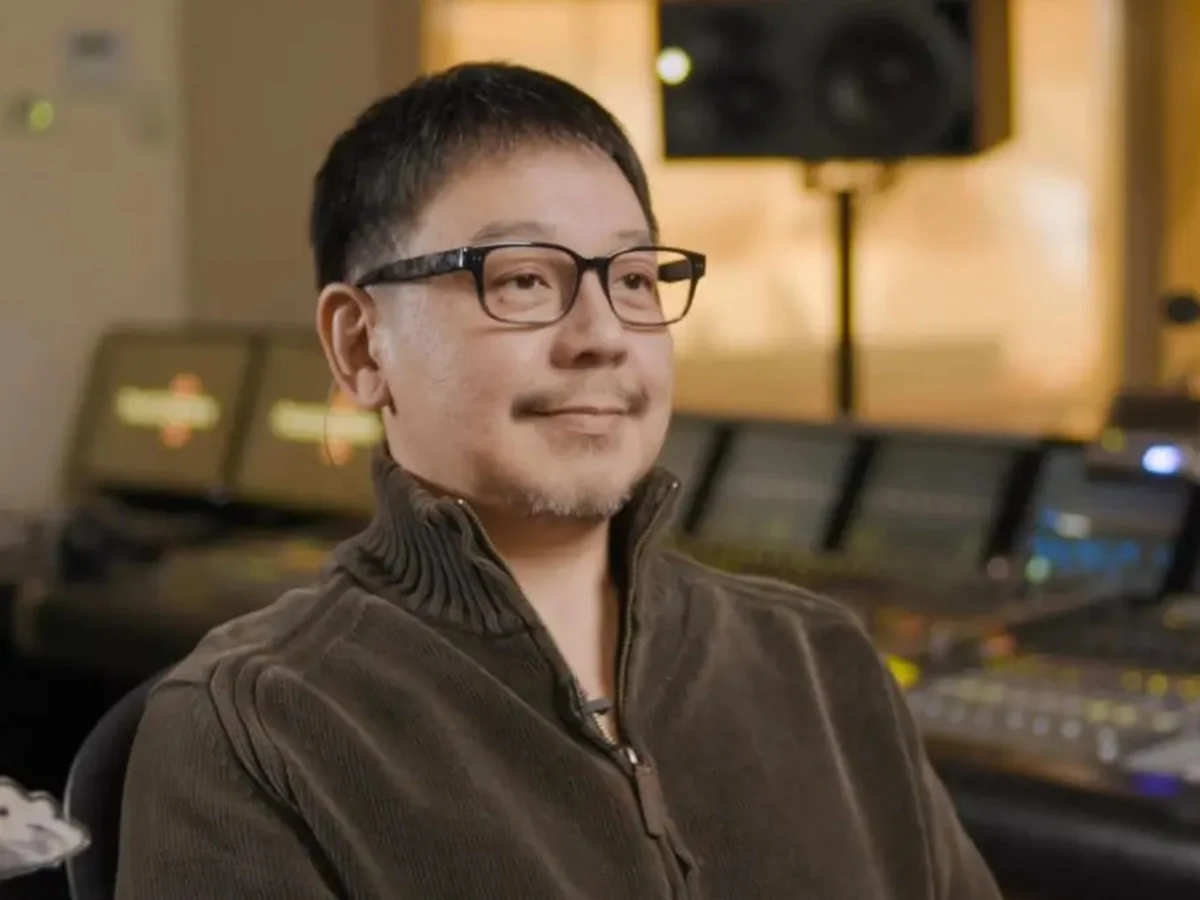
        Hitoshi Sakimoto has been making music for four decades now, most of us first got to know it through our TVs, often in the privacy of our bedrooms when it was dark. This year marks a big change as he prepares to make a special appearance in London, at an event that celebrates his career and diverse body of work. Known widely for the epic orchestral scores in popular games like Final Fantasy Tactics and Final Fantasy XII, Sakimoto’s presence is a rare treat for fans and newcomers alike.

        Event Details and Artistic Vision

        The concert, called “The Colors of Harmony,” scheduled for June 13, 2026, at Fairfield Halls in Croydon, is part of a lineup of five live orchestral shows in London during June. It brings together music from Sakimoto’s famed Final Fantasy projects along with compositions from Vanillaware games like 13 Sentinels: Aegis Rim and Odin Sphere Leifthrasir. The London Mozart Players will be performing, with Sakimoto himself present to give more life to the show.

        The Inspiration Behind the Festival

        The festival was born from the efforts of Mat and Marta Pawlak, who lead the Game Music Foundation based in Poland. Since 2018, this group has been working hard to elevate video game music to a concert hall art form, hosting events with official licenses and even bringing orchestras like the Philharmonia to top venues like the Royal Festival Hall.

        Reflecting on Final Fantasy Tactics

        After nearly three decades since FFT was released, we had a chat with Sakimoto and the Pawlaks to finally crack the question that’s long lingered: is FFT secretly a rock record? With its dynamic orchestration, it sure sounds like it, especially with instruments mimicking drum parts, guitars, and vocals woven into the mix. Sakimoto humorously notes how the tuba and trombone carry the bass, similar to a rock band’s rhythm section.

        Bringing the Venue Closer to Fans

        The decision to bring the festival to London was driven largely by the vibrant local game community. It was an opportunity to connect more intimately with fans and industry professionals, making the event accessible and meaningful. Engaging with the local scene, especially after collaborating with composers like Gareth Coker for the Ori concert series, has expanded Sakimoto’s reach and deepened the concert experience.

        Composing Without Limits

        Sakimoto shared how, during his composing days, he was completely immersed, often unaware of how his work was received until after the game was released and the response was felt. While happy about the appreciation, mixed feelings often arose—wondering if the music he created could stand alone as a soundtrack. For dedicated fans, though, the power of music as an emotional bridge makes live performances particularly special, allowing them to relive the game’s moments in a new and profound way.

        The Emotional Power of Live Performance

        He emphasizes that live shows are about raw emotion, contrasting with the more calculated approach in studio recordings. Conference moments like Final Fantasy XII evoke strong feelings, sometimes making him feel the pressure of his role, yet he approaches each piece with fresh eyes, trying not to let his fandom biases interfere with his creative process. The contrast between his works—FFT’s wartime emotional tension and FFXII’s hopefulness—reflects the different messages the games wanted to convey.

        Orchestration and the Use of Instruments

        Sakimoto prefers traditional orchestral sounds, striving to keep that purity alive. His orchestration style is unconventional but rooted in ideals of authenticity, avoiding overuse of synthesizers and heavy mixing. The aim is to replicate in live performance what he envisioned for game hardware, a challenge that continues to improve thanks to talented musicians willing to take on complex pieces.

        Creative Approach to Music Composition

        As a math nerd, Sakimoto hilariously admits that a logical approach didn’t help his music; instead, he relies on intuition and experience to evoke surprises and emotions. Live performances, he notes, are far from the realm of pure logic—they tap into pure emotion, creating new, often unexpected interpretations that enhance the understanding of his compositions.

        The Rock Element & Concert Experience

        Sakimoto confidently describes FFT as a rock-inspired piece, with the orchestra mimicking band instruments, layered with electronic beats and even hints of vocals. The concert features a mix of traditional ORCHESTRA sounds and electronic influences, creating a full, energetic soundscape. As he puts it, “FFT is rock,” showing its hybrid nature.

        Challenges and Opportunities in Production

        Starting his own company was initially to streamline processes, but it brought its own set of challenges. Still, collaborating with diverse talents and exploring different styles has been a crucial part of his growth. For soundtrack creation, he emphasizes leveraging the unique strengths of orchestral music—long-term emotion guiding and evoking universal drama—aiming for clarity without unnecessary embellishments.

        Audience Connection and Personal Reflection

        Sakimoto loves witnessing how deeply the audience connects with the music, especially with Final Fantasy. These concerts activate powerful emotions and create unforgettable moments. During rehearsals, he stays focused on the music, while during the performance, he secretly enjoys watching the audience’s faces filled with feeling, which energizes him further.

        Final Fantasy’s Unique Impact

        The series’ music is exceptional in its emotional impact, challenging listeners with expectations and memories tied to the games. Every concert requires meticulous attention to detail to honor those memories and create new ones. The music’s depth often elicits a sense of being above the usual game score, reaching a status all its own, as described by Mat Pawlak.

        Looking to the Future

        For Sakimoto, seeing fans enjoy his music fuels his motivation, giving him courage and purpose to continue composing. Although the concert’s title—”The Colors of Harmony”—was not his idea, he feels it captures the essence of his career, blending his varied styles and inspirations into one evening. Fans are in for a treat: a comprehensive overview of his artistic journey, from the underground rock vibes lurking in FFT to the lush, painterly worlds of Vanillaware’s titles.

        Special Notes on Collaboration & Production

        Organizing such a concert involves careful planning and teamwork. It requires approval from game developers and composers, but more than that, creating a welcoming atmosphere for performers to express themselves freely is key for a successful show. The dream of releasing a concert series compilation someday remains alive, and excitingly, there are hints of upcoming projects related to Sakimoto’s incredible music collection.

        The Legacy of Game Music

        Each game and its music reflect themes of humanity, hope, and creative vision. Even within the same director’s works, each piece offers a distinct perspective. If audiences can feel this depth during the concert, Sakimoto would be more than happy. The event on June 13 aims to show all these aspects: from rock elements and orchestral beauty to the emotional stories embedded in his compositions, making it a historic night for all game music lovers.