Author: GizNews

  • Nintendo stock rises on Switch 2 price hike news, investors rotate into AI shares

    Nintendo stock rises on Switch 2 price hike news, investors rotate into AI shares

    Key Takeaway

    – Nintendo’s stock faced a drop after May 8 announcement amid price-increase talk, but has shown an upward turn for several days as AI concerns ease and rotation into lagging names occurs.
    – Despite 2026 declines from a 2025 peak, shares recovered from May 14 lows, with AI-driven demand shifts cited as a factor in the rebound.
    – Investor questions remain on sustainability of the rally given higher Switch 2 prices driven by AI data center cost pressures; further price increases to protect profits are possible.
    – Market interest in Nintendo rebounded alongside other Japanese game makers as investors rotate away from AI tech toward beaten-up, proven performers, with potential holiday season catalysts like upcoming Switch 2 games and a Zelda remake.


    Despite some investors calling for the Switch 2 price increase, Nintendo stock dropped following the May 8th announcement.

    Despite some investors calling for the Switch 2 price increase, Nintendo stock dropped following the May 8th announcement. Supporters believe that the higher cost will limit console sales. However, more recently, the stock price has climbed for several consecutive days. Bloomberg explains how doubts over the AI boom have benefited the gaming giant.

    The Stock Narrative Shifts

    The Nintendo stock has declined by more than 28% since the start of 2026. It was initially bolstered by the rapid adoption of the handheld after its June 2025 release date. Sales slowed as the memory shortage intensified with growing skepticism about Switch 2 profits.

    Momentum and Skepticism

    While still down considerably from its 2025 peak, shares have risen by as much as 11 percent from their May 14th low. Bloomberg’s Alice French quoted a Japanese equity strategist who commented on the recovery. Amir Anvarzadeh said, “This is all part of the rotation out of AI tech and into beaten-up names.”

    AI Trends and Investor Behavior

    With “massive gains in AI tech which cannot be sustainable”, some investors have rebuffed the chipmakers benefiting from this surge. Higher-priced options have become less appealing, prompting a return to more affordable proven performers. Other Japanese gaming companies like Capcom, Bandai Namco, and Konami have seen similar renewed interest.

    Outlook and Costs

    Whether the Nintendo stock can sustain this newfound momentum is debatable. AI data center demand has driven up storage and memory prices, a major factor in the Switch 2 price increase. Unfortunately, the components may not become more affordable in the near term. President Shuntaro Furukawa hinted that further increases to protect profits were possible.

    Forecasts and Game Lineup

    Supporters also want to see more console-selling Switch 2 games debut. Pokémon Pokopia and Tomodachi Life: Living the Dream were highlights of the company’s latest fiscal report. Yet, the outlook for the critical holiday season looks more uncertain. A rumored The Legend of Zelda: Ocarina of Time remake may convince more buyers to upgrade to the handheld.


    Sources

  • Lenovo Legion Y70 (2026) Gaming Phone Launch

    Lenovo Legion Y70 (2026) Gaming Phone Launch

    Key Takeaway

    – Legion Y70 (2026) pairs a 6.8″ 144Hz LTPO OLED with a Snapdragon 8 Gen 5, up to 16GB RAM and 1TB storage, plus a massive 8,000mAh battery with 90W charging.
    – Notable gaming features include optimized antenna design for stable signal, a 500Hz gyroscope for precise aim, Legion Zone PC integration for cloud-accelerated PC graphics, and an AI game assistant that preloads games and records moments.
    – Durability and ruggedness are highlighted with a triple IP rating (IP66/68/69) and wide temperature tolerance (-20°C to 60°C), plus drop resistance up to 1.8 meters.


    Lenovo brings back the Legion line with the Y70 (2026)

    After a stretch of four years, the Legion name returns to the gaming smartphone arena with the Legion Y70 (2026). The model retains the general identity of its 2022 predecessor, yet for clarity it will be referred to as the Legion Y70 (2026) throughout this piece. The launch marks a deliberate revival rather than a mere refresh, and it sets expectations around performance and features that appeal to mobile gamers.

    Design cues and color options

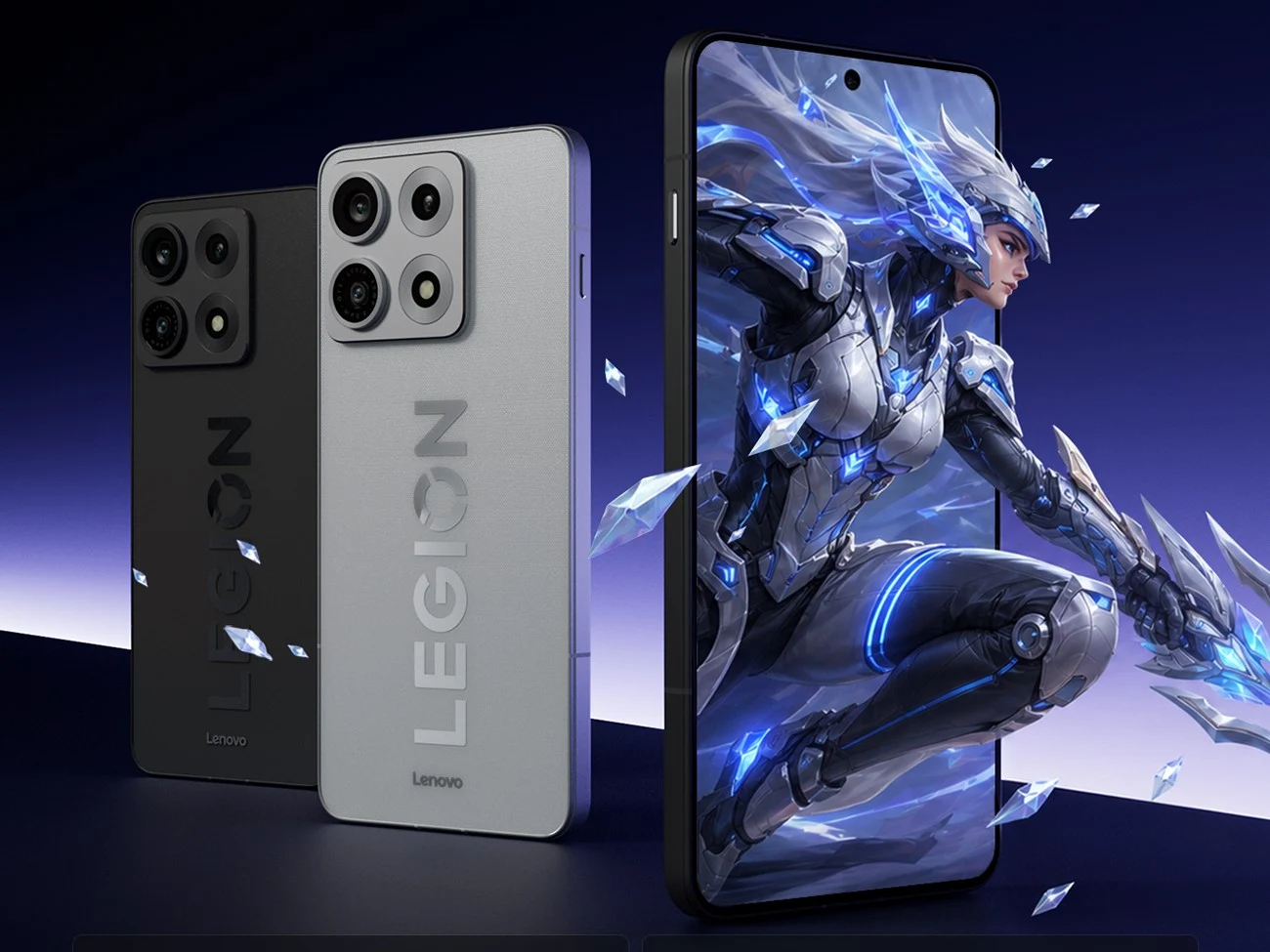
    The Y70 (2026) borrows design cues from current Motorola devices, presenting a looking that marries familiar silhouettes with Lenovo’s own flair. Not a perfect clone, but the squircle camera island and flat edges are noticeable touches. Availability is offered in Ice Soul White and Carbon Black, catering to two distinct aesthetics for collectors and daily users alike.

    Display, performance, and storage

    On the front, the phone sports a 6.8-inch LTPO AMOLED display from BOE (Q10) with a 144Hz refresh rate, a dense 510 PPI, and an impressive peak brightness of 7,000 nits. It also includes Dolby Vision, DC dimming, and SGS eye protection, aiming to balance vivid visuals with comfortable viewing over long sessions. Under the hood, the Snapdragon 8 Gen 5 chip is paired with up to 16GB of LPDDR5X RAM and up to 1TB UFS 4.1 storage for ample headroom and speedy loads.

    Battery life is central to gaming phones, and Lenovo equips the Y70 (2026) with a large 8,000mAh cell that supports 90W fast charging. Lenovo claims durability across up to 1,200 recharge cycles and notes strong endurance for more than two days with moderate use. Bypass charging is also supported, which is a niche that may appeal to power users who want uninterrupted gameplay.

    Cameras and imaging

    The camera setup includes a 32MP front-facing sensor with f/2.2, while the rear houses a 50MP f/1.8 Sony LYT-710 main camera with OIS and PDAF, complemented by an 8MP f/2.2 ultrawide unit. Additional modules include an anti-flicker sensor and the LED flash. These components are tuned to deliver solid daytime captures and reliable night performance, though the emphasis remains on gaming-centric features rather than photographic novelty.

    Gaming features and software enhancements

    Real-time gaming performance is aided by the antenna arrangement Lenovo claims maintains stable connectivity no matter how you hold the device or even when traveling in crowded spaces like subways. A gyroscope with a 500Hz sampling rate is included to ensure precise aiming in shooting titles, a detail that can translate to quicker and more accurate in-game movements.

    Additionally, when paired with a Legion PC via Legion Zone, the Y70 (2026) can leverage the PC’s graphics power to run AAA titles without relying on an emulator. Lenovo also introduces an AI game assistant that preloads games to cut waiting times and can automatically record up to 30 seconds of key moments during gameplay. The assistant helps keep games running in the background even when switching between apps, potentially smoothing multitasking during long sessions.

    Durability and specifications

    The Legion Y70 (2026) is not pitched as a rugged phone, yet it carries a triple IP protection rating (IP66 + IP68 + IP69) and is specified to withstand extreme temperatures from -20°C to 60°C. It can survive drops from up to 1.8 meters and includes dual-SIM support including eSIM, stereo speakers, and a cooling system built around VC for thermal management during extended gaming sessions.

    Pricing and configurations

    Pricing for the Legion Y70 (2026) begins at ¥3099 (roughly $456 or €393) for the base model with 12GB of RAM and 256GB of storage. The 12GB/512GB variant sits at ¥3699 (about $544 or €469), while the 16GB/512GB option is ¥4099 (around $603 or €519). The top configuration combines 16GB of RAM with 1TB of storage at ¥4899 (approximately $720 or €621).


    Sources
  • Lenovo Gaming Tablet Debuts with Sub-Flagship SoC

    Lenovo Gaming Tablet Debuts with Sub-Flagship SoC

    Key Takeaway

    – 11.1-inch Legion Y900 2026 uses Dimensity 9500S with up to 16GB LPDDR5X RAM and 512GB UFS 4.1, plus a 11,000mAh battery with 68W charging.
    – Display: 11.1″ IPS, 3840×2560, 144Hz, 1,110 nits peak brightness, Dolby Vision.
    – Design and audio: lightweight at 480g, 5.99mm thin, quad speakers with Dolby Atmos, 13MP rear camera, RGB ring light.
    – Price (China): starting CNY 3,099 (~$456), launch price discounted to CNY 2,699 (~$397); global details to be announced.


    Lenovo unveils 2026 Legion Y900 gaming tablets with two sizes

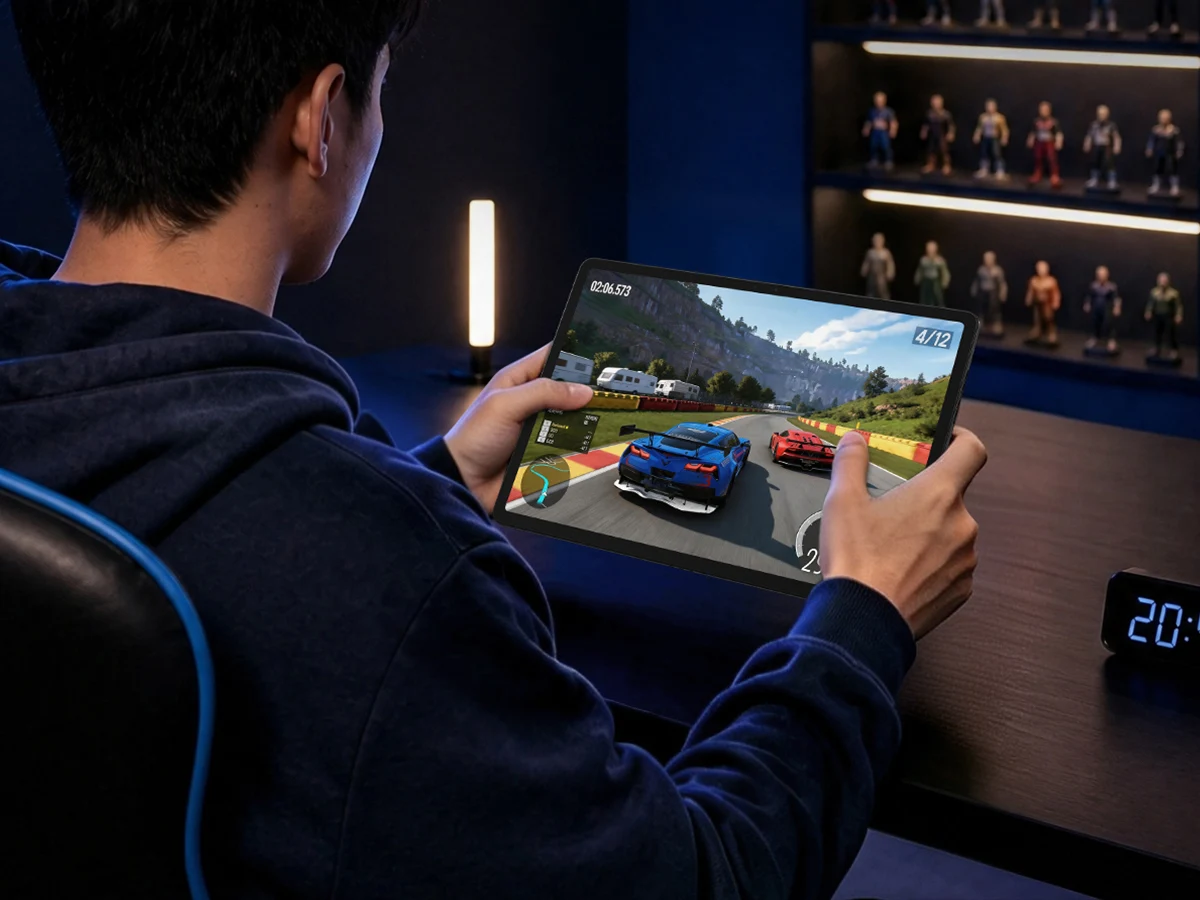
    Lenovo has launched the 2026 Legion Y900 gaming tablet lineup, and the series brings two new tablets. One of them features an 11.1-inch display, while the other comes with a 13-inch screen. Among the two, the former comes with a rather unexpected SoC, the Dimensity 9500S. The information sticks to what was announced, and the details are presented with a focus on spec then price in China, while hints at global rollout remain cautious.

    SoC and performance expectations described

    This sub-flagship SoC sits below the regular Dimensity 9500 and above the last-gen Dimensity 9400. Lenovo didn’t hint at a MediaTek chipset in its recent teaser posts about the 2026 Legion Y900 gaming tablet series, but this isn’t a completely surprising move from the company. The tablet is pitched as a performance oriented model, and the Dimensity 9500S is presented as a key spec, though there is no confirmation of benchmarking beyond the numbers supplied by Lenovo.

    Memory, storage, and battery highlights

    While the recent Legion-branded tablets feature a Qualcomm flagship SoC, the 2023 Legion Y900 was powered by the Dimensity 9200. As Lenovo highlights, the Dimensity 9500S inside the 2026 Y900 11 gaming tablet can achieve 3,109,111 points on AnTuTu, which is a respectable benchmark score. The device is paired with up to 16GB of LPDDR5X RAM and 512GB of UFS 4.1 storage, according to Lenovo’s notes for this model.

    Display and design particulars

    The 11,000mAh battery is another highlight of this Legion gaming tablet, and it brings 68W fast charging support. Regarding the display, the smaller 2026 Legion Y900 has an 11.1-inch IPS display with a resolution of 3840×2560 pixels and a 144Hz refresh rate. There’s support for Dolby Vision, and Lenovo says that the panel has a peak brightness rating of 1,110 nits. Design-wise, Lenovo notes that the tablet has a lightweight build, weighing 480 grams, and it’s as thin as 5.99. It comes with the same camera island as the Y700 2026, which launched in the global market as the Legion Tab Gen 5. A quad-speaker setup with Dolby Atmos, a 13MP camera on the back, and an RGB ring light are among the other highlights.

    Price and availability

    In China, the starting retail price of the 2026 Legion Y900 11 is CNY 3,099, around $456, while the discounted launch price is CNY 2,699, $397. Lenovo is expected to share details on the global launch and availability soon. The information provided is focused on the Chinese market and the launch cadence of the Y900 11 model, with expectations that global details will follow in due course.

    Sources
  • 27 Potential Exoplanets Found in Binary Star Systems

    27 Potential Exoplanets Found in Binary Star Systems

    Key Takeaway

    – 27 potential exoplanets detected in binary star systems among 1,590 studied binaries using TESS data and apsidal precession.
    – Exoplanets in these systems may orbit two stars, with estimated masses from ~12 Earth masses to ~10 Jupiter masses.
    – Discovery relies on transit/eclipse methods not constrained by orbital orientation, aided by TESS’s rapid three-minute imaging cadence; further studies needed to confirm existence and assess composition, distance, and habitability.


    Launched on April 18, 2018, TESS is a satellite designed to observe 200,000 stars across the universe in search of exoplanets.

    Launched on april 18, 2018, tess is a satelite created to watch two hundred thousand stars all through the universe to find exoplanets. Recently, a study by astronomers led to discovery of 27 potential exoplanets in binary star systems. In other words, each of these exoplanets orbits two stars.

    To find these new worlds, researchers used a method known as apsidal precession, as explained by Margo Thornton, a doctoral candidate at the University of New South Wales in Sydney and lead author of the study:

    To locate these worlds new researchers used a trick called apsidal precession, as explained by Margo Thornton, who is a doctor candidate at the University of New South Wales in Sydney and the lead writer of the study.

    “We developed a survey to search for planets using stellar eclipses that is not limited to the orientation of the planet’s orbit.”

    “We made a survey to search planets using eclipses of stars that is not limited by how the planet orbits.”

    As a result, thanks to the cameras aboard the TESS satellite, which capture images of space every three minutes, researchers were able to detect new celestial objects.

    As a result, because the cameras on board tess take space images every three minutes, researchers could spot new celestial items.

    Indeed, among the 1,590 binary systems, 27 appear to contain exoplanets.

    In truth, inside the 1,590 binary systems, 27 seems to have exoplanets.

    According to scientists’ estimates, the smallest could be 12 times more massive than Earth, while the largest could have a mass of about 10 times that of Jupiter.

    According to scientist estimates, the smallest might be twelve times heavier than earth, while the biggest could weigh around ten times Jupiter.

    However, these estimates could change.

    Yet, these numbers could alter later.

    It must be said that astronomers do not know the composition of these planets or their distance from their stars.

    It must be said that space researchers dont know what these worlds are made of or how far they sit from their stars.

    In other words, no one knows if any of these new worlds could potentially harbor life.

    In other words, nobody knows if any of these new worlds could possibly hold life.

    Therefore, further studies must be conducted to confirm their existence, but also to better understand them.

    So, more studies have to be done to prove they exist, but also to learn more about them.


    Sources

  • Final Fantasy VI AI Remake Stuns Creator as Devs Push Back

    Final Fantasy VI AI Remake Stuns Creator as Devs Push Back

    Key Takeaway

    – The viral clip envisions a modern FFVI remake in realistic 3D, using AI-generated footage and sparking debate over its feasibility and quality.
    – Reactions split: some praise the visual ambition, while others criticise AI flaws (unrealistic Terra scaling, rigid faces, loss of warmth).
    – Sakaguchi reacted with enthusiasm, fueling further discussion about whether he realized it was AI-generated, and drawing in other FF veterans like Akitoshi Kawazu, who urged caution.


    Fan-made AI FFVI remake clip goes viral but sparks debate

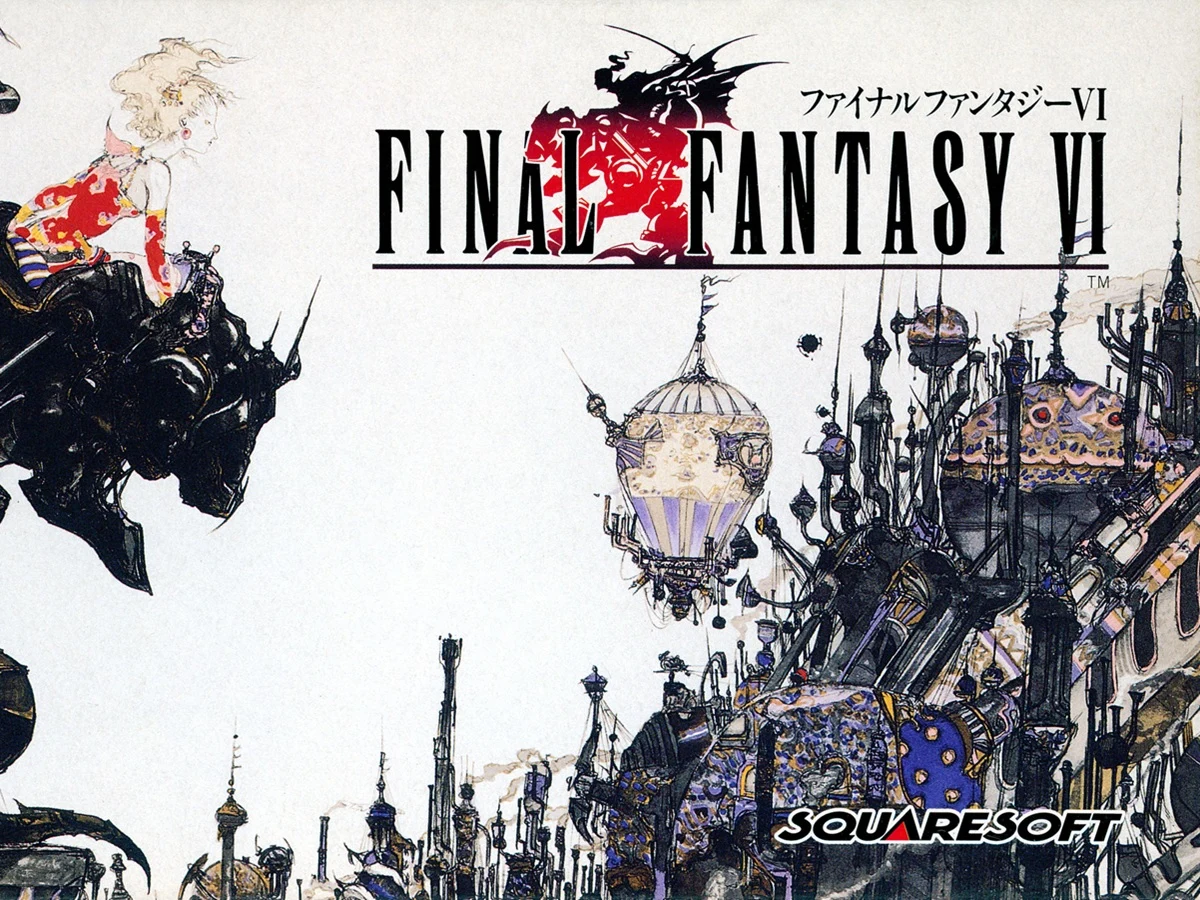
    A fan-made AI video showing what a modern Final Fantasy VI remake might look like went viral on May 17 after series creator Hironobu Sakaguchi reacted with enthusiasm on X. The clip, posted by @auuo, recreates several of the game’s most iconic sequences in realistic 3D, including Sabin suplexing the Phantom Train and the Opera House scene where Celes takes Maria’s place to deceive Setzer. It has since surpassed 600,000 views.

    Mixed reactions from the FF community

    Sakaguchi’s reaction was brief and unguarded. “What is this!?” he wrote on his X profile. “That’s amazing!” He shared the clip to his own timeline, which gave it a second wave of attention. Whether Sakaguchi immediately understood he was watching AI-generated footage rather than a fan-built render is not clear. The response suggests that he may not have done something. Either way, his name being attached to the video was enough to spark a full debate.

    Direct replies and speculative thoughts

    Akitoshi Kawazu replied directly to Sakaguchi. Kawazu worked as a combat designer on the original Final Fantasy and Final Fantasy II and later created the SaGa series. His response: “No, Sakaguchi-san, please stop at the first line.” He did not leave it there. In the same post, Kawazu said that he had recently spoken to an American tourist at a sushi restaurant in Shimokitazawa who said he loves Final Fantasy VI and the character Mash and that the conversation reminded him of how well the game would translate to a 3D remake, even if the AI video itself is not the way to do it.

    Divided fan sentiment and visual critique

    Fan reaction split cleanly along familiar lines. Some viewers praised the visual ambition and said the clip finally showed what a modern FF6 could look like in capable hands. Others pointed out what capable hands the AI notably lacked: the character Terra towering over NPCs at an implausible scale, faces that looked rigid and expressionless, and a metallic visual texture that stripped the its original warmth. “Faces that look like dead husks with no semblance of character or soul,” wrote one reviewer at Nintendo Life.

    Legacy and ongoing interest in a remake

    Final Fantasy VI was released in 1994 on the Super Nintendo and remains one of the most requested games for a modern remake. Square Enix has not announced one. The director of the Final Fantasy VII Remake trilogy, Naoki Hamaguchi, has said he would prefer to support a new creator rather than lead another remake himself if such a project were to happen. For more on the legacy of classic Final Fantasy games, Notebookcheck recently spoke with Final Fantasy Tactics composer Hitoshi Sakimoto, who revealed that the FFT soundtrack is rooted in rock.

    Sources
  • Modular Power Bank with Replaceable 21700 Batteries

    Modular Power Bank with Replaceable 21700 Batteries

    Key Takeaway

    – Modular power bank design allows swapping in fresh batteries to extend life and potentially reduce bulk compared to multiple standalone units.
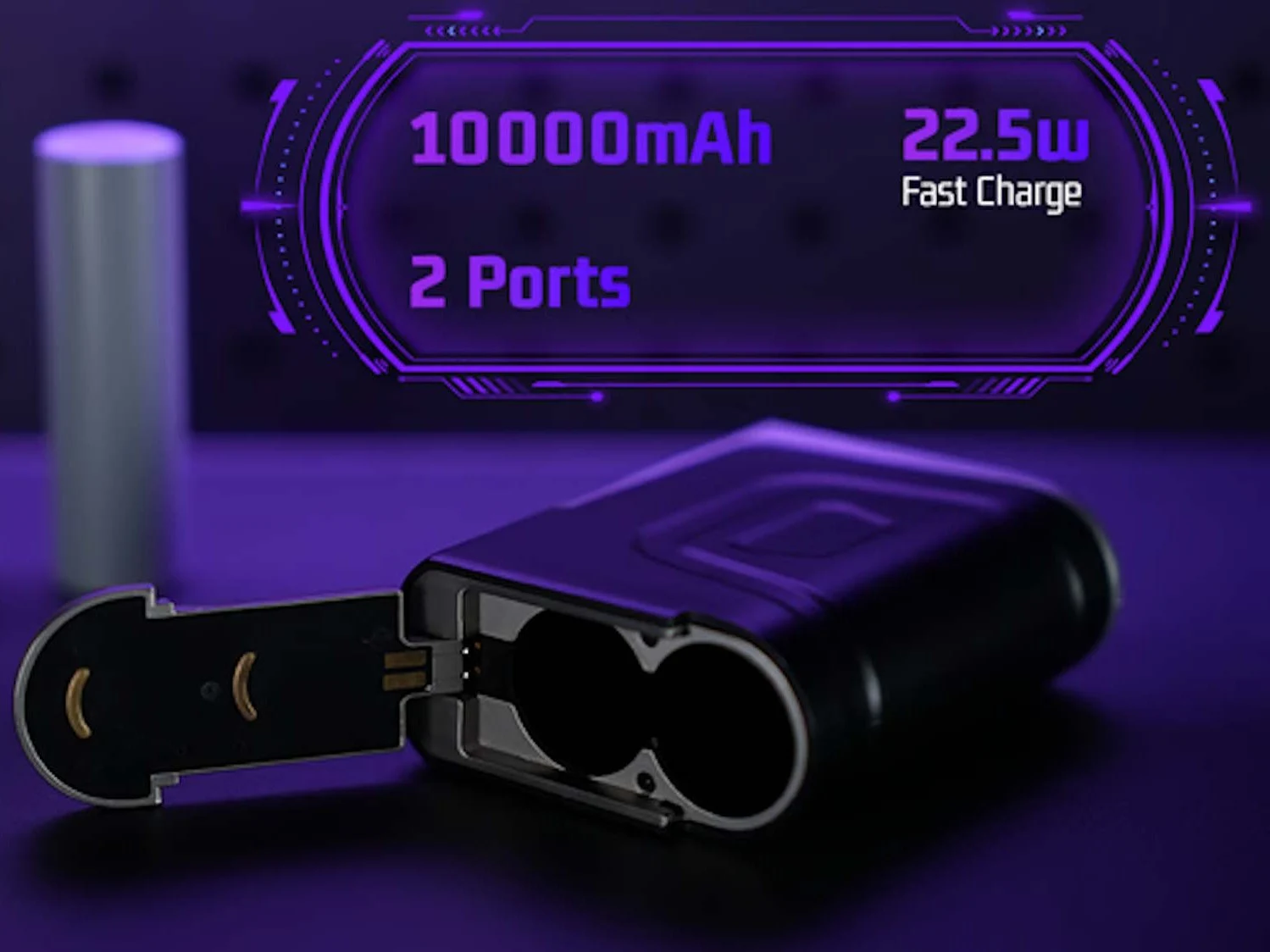
    – Includes two 21700 batteries (10,000mAh total, ~37Wh) and dual USB ports (USB-A and USB-C) with up to 22.5W total output, enabling two devices to charge simultaneously.
    – Available via crowdfunding (Kickstarter) with a $36 base price and $50 tier including a four-cell charger; shipping expected August, with inherent crowdfunding risks.


    The new power bank is effectively modular and can therefore be fitted with fresh batteries when it runs out of power. How practical that is will depend on the specific use case, but in principle, several batteries can be kept in reserve. Compared with carrying around several power banks, this could offer a clear advantage in terms of space and weight. That being said, the Ampax is definitely not the first product in its category. Similar modular power banks are also available from AliExpress and Amazon, for example.

    Modular design and practicality

    The 21700 batteries are found in many flashlights and some other devices these days, so it is possible that tech enthusiasts already own a pair or more. According to the manufacturer, the two batteries offer a capacity of 10,000mAh. At a nominal voltage of 3.7 volts, this should result in a capacity of 37 Wh, which is usually more than enough to charge a typical smartphone. The Ampax power bank has one USB Type-A port and one USB-C port, allowing two devices to be charged at the same time. Both ports can be used simultaneously, with the maximum output rated at 22.5 watts.

    Battery specs and ports

    As part of the crowdfunding campaign, the power bank itself is currently available for $36, with shipping expected to begin in August. As usual with crowdfunding campaigns, there is a financial risk that should not be underestimated. Supporters who pledge $50 will also receive a compatible battery charger for four cells.

    • Current price: $36
    • Shipping start: August
    • Support tier: $50 includes charger for four cells


    Sources

  • Foldable iPhone Ultra with iPhone 18 Pro on Track for Mass Production

    Foldable iPhone Ultra with iPhone 18 Pro on Track for Mass Production

    Key Takeaway

    – The iPhone Ultra foldable faces hinge durability issues despite a crease-free display; production bottlenecks risk delaying launch.
    – Foxconn is reportedly set to begin mass production in July, aiming for a September debut if hinge wear can be resolved.
    – Potential delays could push the launch into late-2026 or 2027, with crease-free tech possibly impacting a foldable iPad as well.


    Overview

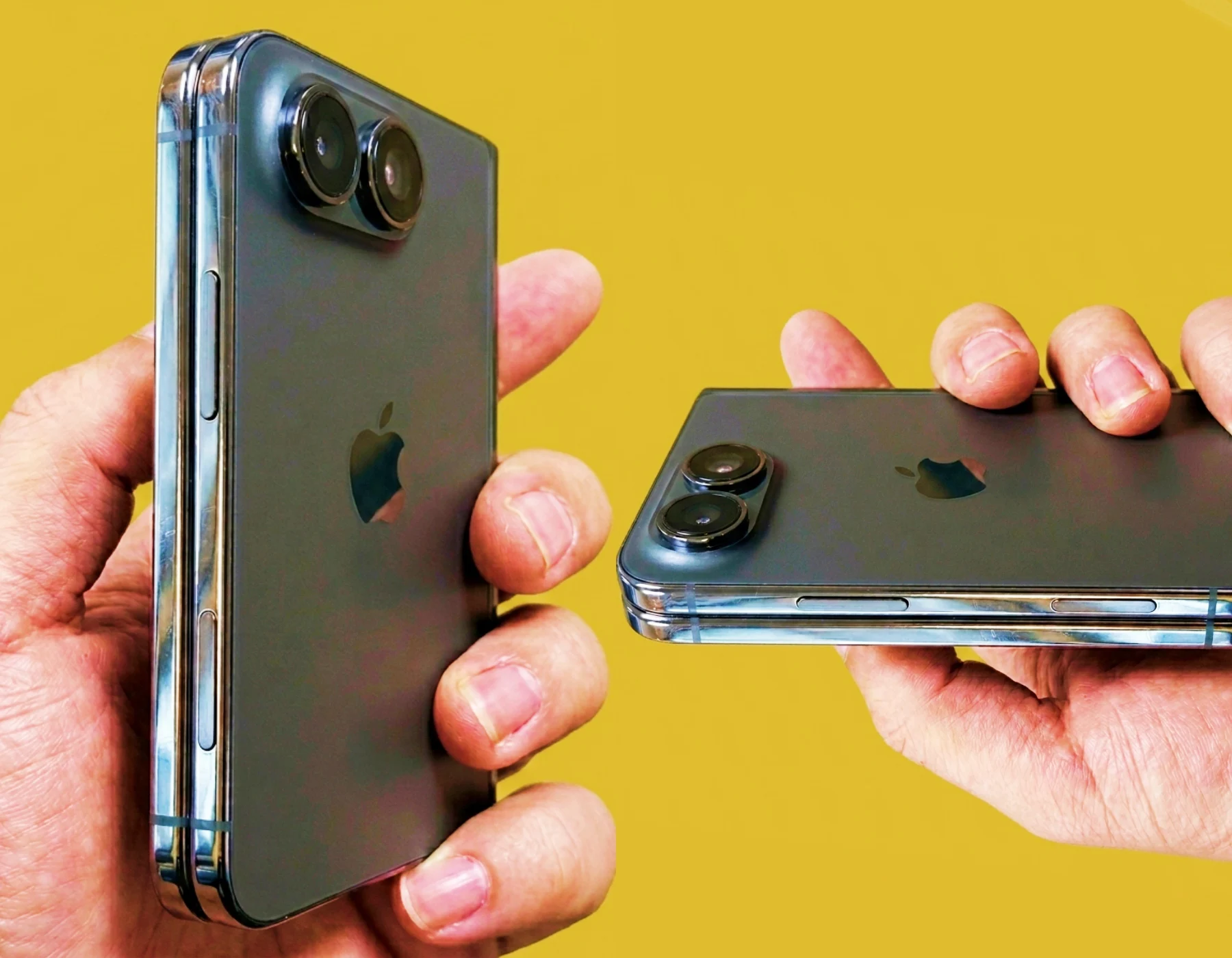
    Apple’s highly anticipated entry into the foldable market, rumored to be the iPhone Ultra, was recently said to hit a roadblock in its trial production phase. While the phone’s display has reportedly achieved a “visually creaseless” finish, the mechanical hinge mechanism was/is failing to meet Apple’s durability standards, which raises questions about the timeline and overall feasibility for a September debut.

    Production News

    However, the latest info says that, despite these engineering bottlenecks, Foxconn is still slated to begin mass production in July, mirroring the timeline of the upcoming iPhone 18 Pro. If Apple’s engineers can resolve the hinge’s mechanical wear and reported issues in time, the foldable is expected to debut this September. The optimism contrasts with persistent concerns about the hinge design, suggesting a delicate balance between schedule and reliability that could affect the final product quality at launch.

    Launch Outlook

    That said, with the design currently “hindered,” any further delays could push the launch into a staggered late-2026 release or even 2027. In related news, another top tipster just told the tech world that the iPhone Ultra/Fold has indeed achieved a crease-free display, expected to trickle down to the rumored foldable iPad, signaling potential cross-device engineering wins if proven true.

    Instant Digital

    Sources
  • Sony WH-1000XM6: New Version of Popular Wireless Headphones Released

    Sony WH-1000XM6: New Version of Popular Wireless Headphones Released

    Key Takeaway

    – Sony adds a Sandstone color variant to the WH-1000XM6 lineup without major hardware changes; software/feel remains the same (QN3, 30 mm drivers, up to 30 hours battery).
    – The Sandstone option is a visual refresh priced at $399 (or $398 on Amazon with a $30 gift card).
    – The launch underscores ongoing expansion of the WH-1000XM6 family with new colorways, alongside existing Black, Midnight Blue, Platinum Silver, and Sand Pink options.


    Yesterday, The Walkman Blog shared an image of Sony’s long-rumoured WH-1000XM6 refresh. While the release was seemingly officially teased shortly afterwards, Sony decided against revealing what was in store during today’s The ColleXion launch event. Ultimately, the company’s new pair of WH-1000X headphones will undoubtedly be the star of the show.

    Branding and Visual Refresh

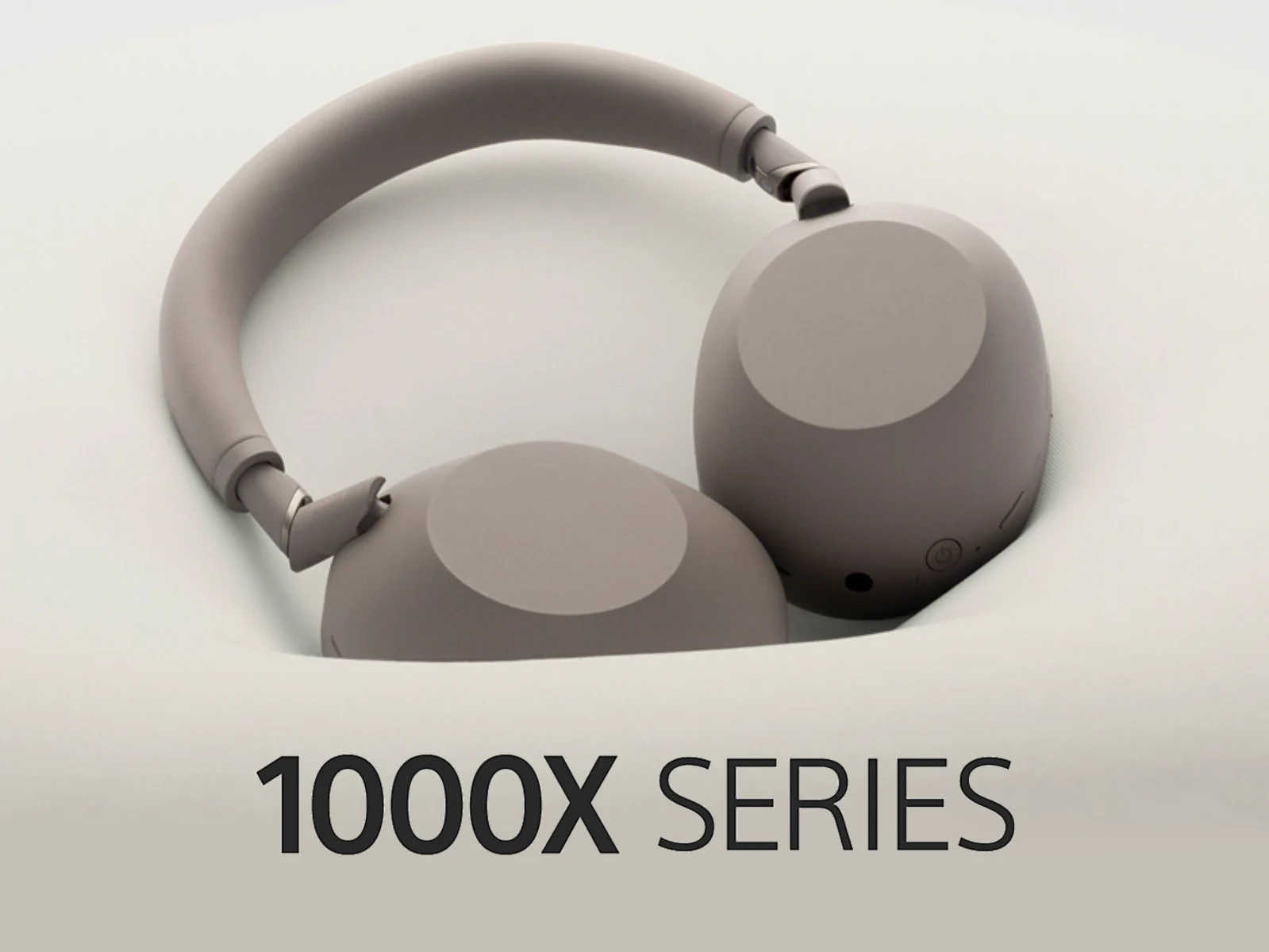
    Nonetheless, Sony has started selling its new pair of WH-1000XM6 globally too. To recap, the company unveiled a Sand Pink variant in February. Now, it has complemented its Black, Midnight Blue, Platinum Silver and Sand Pink versions with a Sandstone alternative. Far yellower in tone than Sony’s existing WH-1000XM6 releases, Sandstone is arguably closer to the Platinum Silver or Silver versions of older WH-1000X generations than the existing Platinum Silver version of the WH-1000XM6.

    Design Focused Yet Subtle

    Setting that aside, Sandstone is another visual refresh of the WH-1000XM6 rather than a hardware-focused one. As such, the headphones still contain Sony’s QN3 processor, as well as 30 mm drivers and up to 30 hours of battery life. However, Sandstone has started out life priced at $399 to match the rest of the WH-1000XM6 range or $398 on Amazon with a $30 gift card included. Please see Sony’s website for more details.

    Sources
  • Galaxy Z Fold 8 Wide, Fold 8 miss Galaxy S26 Ultra features (leak)

    Galaxy Z Fold 8 Wide, Fold 8 miss Galaxy S26 Ultra features (leak)

    Key Takeaway

    – Galaxy Z Fold 8 series reportedly ships without S Pen support, continuing the stylus-free approach.
    – Fold 8 and Fold 8 Wide maintain a thinner profile, prioritizing design over pen usability.
    – Entire Fold 8 lineup reportedly lacks privacy screen technology found on the Galaxy S26 Ultra.


    Bad news for some Samsung fans on the horizon. In a latest whisper from a tipster, the South Korean giant seems to be doubling down on its vaunted “vanity-over-utility” design language for the upcoming Galaxy Z Fold 8 series of foldables, at least according to the leak. The stance here is that form may trump function again, and that could irk those who prize practical features over flashy aesthetics.

    Design direction and S Pen question

    According to the fresh leak, the Galaxy Z Fold 8 will officially continue the trend set by its predecessor, launching without S Pen support, and so will the Galaxy Z Fold 8 Wide. The report hints at a continued absence of stylus compatibility, which could disappoint long-time users who value note taking and precision input. The shift appears to be part of a broader design philosophy rather than a one-off experiment, suggesting Samsung is betting on a slimmer, cleaner silhouette rather than pen-based utility.

    Hardware slimming and competition

    Samsung famously stripped away the stylus digitizer and under-display camera from the Galaxy Z Fold 7 to achieve a 4.2mm thinness. While many power users hoped for a “pro” return of the stylus this year, the leak indicates that the Fold 8 will stick to a thinner profile to better compete with rivals. This move might appeal to buyers who prioritize sleekness and pocketability over extra input methods, even if it reduces some capabilities.

    Privacy features and market positioning

    In related news, the inside info also notes that the entire Galaxy Z Fold 8 lineup will lack the privacy screen technology of the Galaxy S26 Ultra, which was advertised as one of the main selling points of Samsung’s slab flagship. If true, this decision could influence buyer choices, especially among those who value privacy overlays and secure viewing angles in bright environments. It also signals a possible blurring of lines between premium flagships and foldables in Samsung’s lineup.

    Sources
  • Microsoft launches cheaper Surface Laptop later this year

    Microsoft launches cheaper Surface Laptop later this year

    Key Takeaway

    – Three new Surface PCs based on Intel Panther Lake: Surface Laptop 8 (optional Core Ultra X7 368H with Arc B390), Surface Pro 12 (up to Core Ultra 7 366H), and updated Surface Laptop 13-inch (Core Ultra 5 325; starts at $1,499 with 16 GB RAM; up to 24 GB RAM; 25% brighter display vs. predecessor).
    – A cheaper Surface Laptop variant is coming to the 13-inch model, with 8 GB RAM, launching later this year at $1,299 (not a standalone Surface Laptop SE).


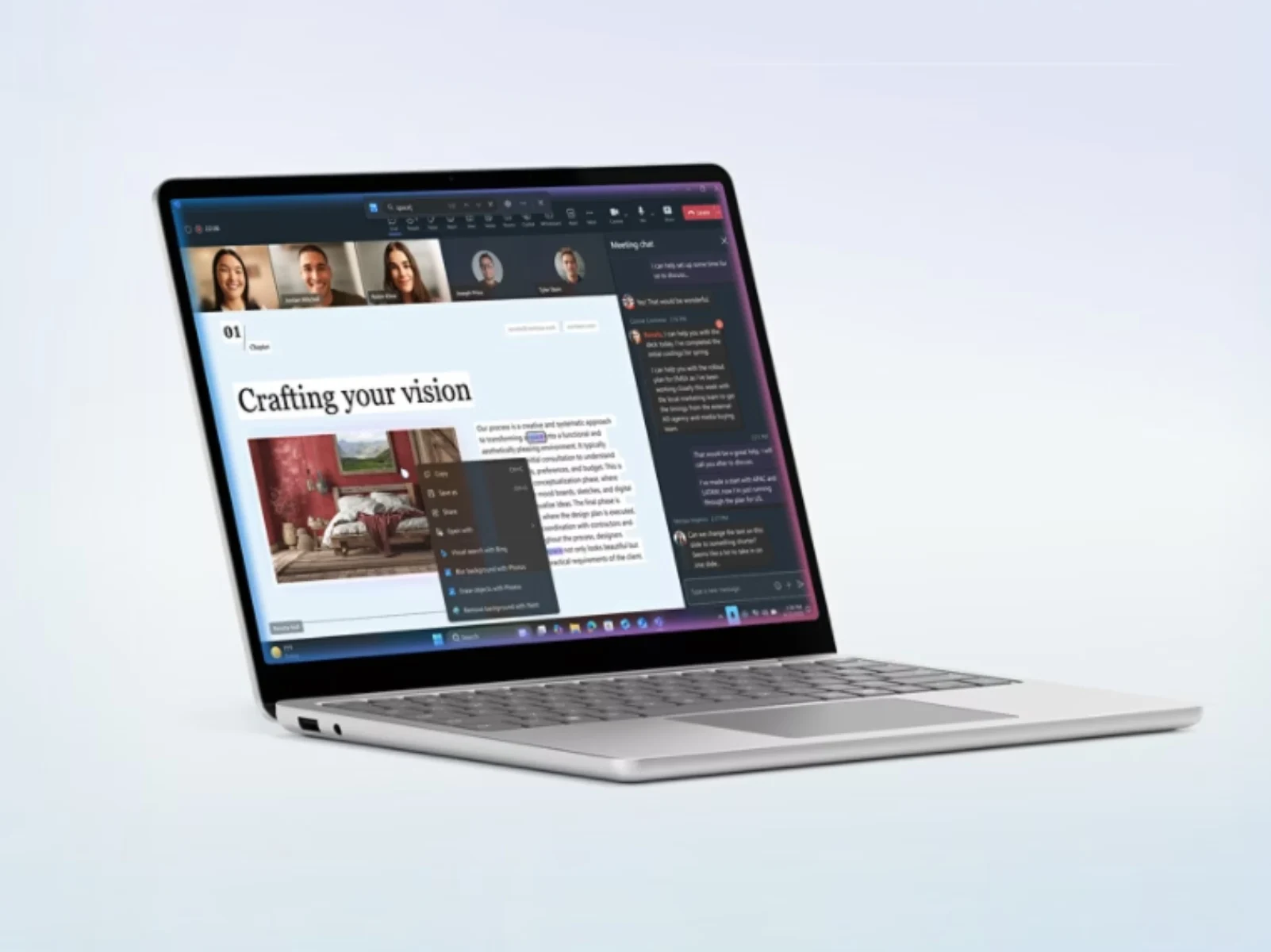
    Microsoft released three new Surface PCs today. All based around Intel’s Panther Lake platform, the Surface Laptop 8 is the most powerful of the three thanks to its optional Core Ultra X7 368H processor and its Arc B390 graphics.

    In this paragraph the writer shifts tone and uses a more casual cadence, aiming to describe the lineup with a focus on performance hardware. The Surface Laptop 8 purportedly leads the trio, boasting an optional Core Ultra X7 368H chip paired with Arc B390 graphics. While the prose tries to capture excitement, it also sweeps in a few specs that readers may glance over quickly, like the Panther Lake branding and the idea of being the top spec option, leaving other models slightly in the background.

    Next up is the Surface Pro 12, which Microsoft offers with up to the Core Ultra 7 366H.

    The next paragraph changes voice, leaning into a brisk, report-like delivery that highlights the Pro 12’s flexibility. It mentions the Core Ultra 7 366H as a maximum configuration, hinting at performance but not dwelling on the broader ecosystem. The writing keeps a practical edge, underscoring the product tier while keeping the prose grounded with a few nearly technical phrases that a general reader can skim.

    Additionally, Microsoft has updated the smaller Surface Laptop 13-inch with the Core Ultra 5 325. For the time being, the new Surface Laptop 13-inch starts at $1,499 with 16 GB of RAM.

    This paragraph switches to a more promotional style, delivering concrete price and memory figures to anchor expectations. The 13-inch model is pitched with a Core Ultra 5 325, a starting price of $1,499, and a 16 GB RAM baseline. The tone attempts to balance enthusiasm with clear numeric details, while the sentence structure wobbles slightly to keep the reader attentive across a longer thought, giving a sense of the pricing landscape without overloading the reader with too many numbers at once.

    Considerably more expensive than its predecessor, the new Surface Laptop also distinguishes itself from its Snapdragon-based sibling with a 25% brighter display and up to 24 GB of RAM.

    In this paragraph, the style veers toward evaluative commentary, contrasting the new Laptop with its predecessor and with a Snapdragon sibling. It asserts a brighter display by about 25% and RAM capacity up to 24 GB. The sentence construction attempts to weave in comparative metrics while preserving a narrative flow that helps readers gauge the upgrade without becoming a hard spec list, though it still relies on specific figures to anchor the claim.

    In a blog post, Microsoft clarifies that a cheaper Surface Laptop is coming too. However, this will not be a dedicated device like the Surface Laptop SE before it. Instead, Microsoft will be updating the Surface Laptop 13-inch with a cheaper variant.

    The structure here adopts an explanatory voice, explaining that a more affordable option is on the horizon but clarifying it won’t be a standalone device. The paragraph uses careful qualifiers to describe how the cheaper variant will come as an update to the existing 13-inch model, maintaining a balanced, informative tone that seeks to temper expectations while delivering the essential plan.

    Specifically, the company plans to start selling a configuration with a mere 8 GB of RAM. While this follows in the footsteps of the MacBook Neo, its pricing does not.

    The writing shifts to a slightly contrarian angle, noting the 8 GB RAM SKU and drawing a comparison to a rival model. It hints that the pricing diverges from the implied affordability path, suggesting tension between capacity and price. The sentence structure emphasizes the anomaly, nudging readers to question whether the strategy makes sense in the current market context.

    Inexplicably, Microsoft will sell this 8 GB model for $1,299, making it over 100% more expensive than the MacBook Neo (curr. $589 on Amazon). Microsoft will begin selling the Surface Laptop 13-inch ‘later this year’ with 8 GB of RAM. Please see our launch article for more details.

    Here the tone becomes skeptical and slightly incredulous, presenting a stark price delta versus a rival model. The paragraph weaves in a quip about the timing and references an external launch article for more context, while keeping the core price figure intact and the necessary timeline hint confined to a forecast rather than a confirmed date.

    Microsoft

    Concluding in a concise, almost minimal fashion, this paragraph presents a simple sign-off style that lightly trails off. The single word acts as a closing tag, leaving the reader with a crisp reminder of the brand and the topic, while avoiding any overly final statements, thereby inviting readers to seek more information elsewhere if they wish.


    Sources