Author: GizNews

  • Seven Deadly Sins Grand Cross 7th Anniversary: Free Diamonds & Perfect 7 Rewards

    Seven Deadly Sins Grand Cross 7th Anniversary: Free Diamonds & Perfect 7 Rewards

    Key Takeaway

    – Nemesis Meliodas is the centerpiece of the Perfect 7 anniversary update, introducing a new hero with Assault Mode for one turn when his talent activates.
    – The 777 Relay Campaign culminates with Perfect 7, tying seven characters and seven years into the festival’s theme and rewards.
    – The anniversary gameplay revolves around the number seven, with mechanics and character kits designed to honor seven years and seven characters.


    Netmarble released the “Perfect 7” Legend Festival update for The Seven Deadly Sins: Grand Cross on May 21, marking the mobile RPG’s seventh anniversary. The centerpiece of the anniversary update is Nemesis Meliodas, a new hero based on the protagonist’s final confrontation with the Demon King in the original anime. The 777 Relay Campaign, which has been running since January 2026, culminates in this release.

    Meliodas mechanics and talents

    When his talent is activated, Meliodas channels the power of the 7-person combined technique from the anime’s final battle, entering Assault Mode for one turn to deal explosive burst damage. When his talent is not active, Trillion Revenge takes over, granting him damage reduction and putting him into a counter-stance to sustain him through drawn-out fights.

    Theme and naming

    The name “Perfect 7” ties directly to the anniversary theme. Seven characters, seven years, and a kit that revolves around that number across both the lore and the mechanical design.

    Event buildup and rewards

    Netmarble began building toward this anniversary in January 2026 with the 777 Relay Campaign, a seven-month program delivering new heroes and rewards each month. January opened with [Era’s End] Demon King Meliodas alongside 100 Diamonds for all players. March brought [Friendly Classmate] Tree Guardian King, a defensive SSR unit built around countering and taunt mechanics. The full rewards breakdown for the Perfect 7 Festival is available through the official game site.

    Milestones and launch context

    The Seven Deadly Sins: Grand Cross launched in Korea in August 2019, with a global rollout following in 2020. The game has surpassed 70 million downloads across iOS and Android. Seven years of sustained content delivery is a rare benchmark in the mobile gacha space, and Nemesis Meliodas represents the biggest character drop of the anniversary cycle.
    Sources
  • Steam Machine Shipments: What the Latest Hardware Drops Mean

    Steam Machine Shipments: What the Latest Hardware Drops Mean

    Key Takeaway

    – The shipment data suggests Valve may be advancing hardware plans (Steam Machine or Steam Frame) with new imports, though not conclusive proof of a launch.
    – The goods are labeled as a “Game Console” and include 42 packages totaling ~12.5 tons, indicating potential hardware-related content.
    – Public import records alone cannot verify exact contents or confirm a release timeline; speculation remains uncertain and could reflect packaging changes, bundles, or smaller batches.


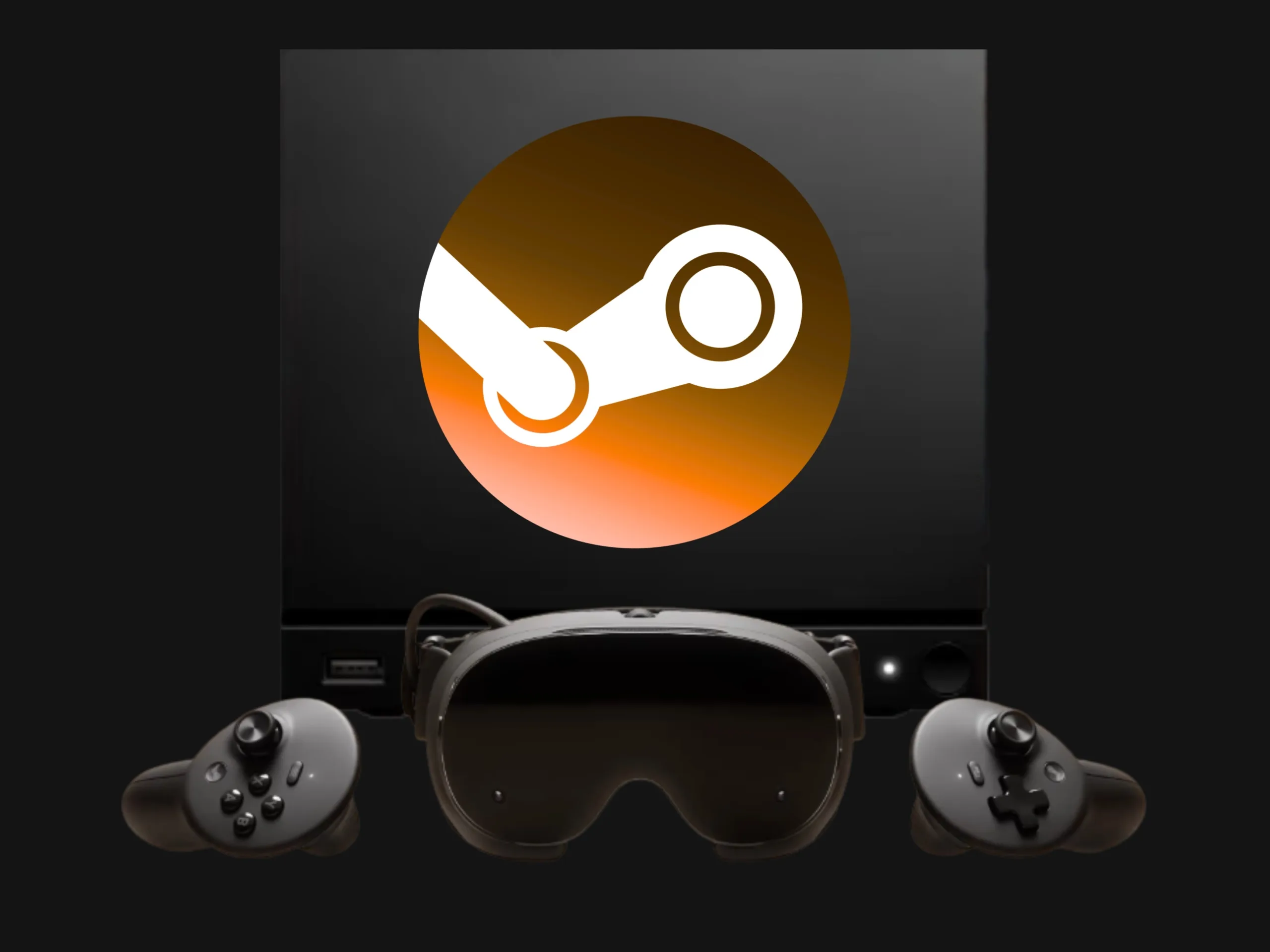
    An attentive Reddit user noticed, Valve received another shipment from China on May 20, 2026

    In this paragraph, the author describes a recently spotted shipment from China to Valve, and notes that the information is traceable via public import records from ImportGenius. The shipment was addressed to “CEVA NL c/o Valve Corporation” and delivered by a China-based company named Tech-Front Chongqing Computer Co. The tone shifts to a straightforward report, and the details about the recipient and carrier are preserved exactly as stated, including the phrasing of the names and date. Some readers might wonder about the implications for Valve’s upcoming hardware or software platforms, but the paragraph does not assert anything conclusively, instead merely laying out the facts that have been observed. Prices and specifications are not provided here, but the emphasis is on the logistics trail and the potential significance of the shipment’s description as a “Game Console.”

    Shipping details and the weight of the container

    There are 42 packages totaling around 12.5 tons in this shipment, described in the records as a “Game Console.” The mention of the weight, which is notably lighter than a prior 14.5-ton shipment, is pointed out to suggest possible changes in packaging, bundles, or batch sizes. The writing acknowledges ambiguity, stating that the contents cannot be verified, and therefore the exact nature of the hardware remains speculative. The text retains the numeric data on the number of packages and total weight, which are key details of the import record, while exploring the possible reasons behind the weight difference. The language remains cautious, avoiding definitive claims about what is inside the boxes, but highlighting the potential significance for Valve’s product strategy.

    Speculation about Valve’s hardware plans

    The article then debates whether the shipment could include Valve’s living-room PC, the Steam Machine, or the Steam Frame, or possibly the Steam Deck, all while noting that none of these conclusions are proven. The paragraph contrasts various possibilities and emphasizes that the data is not proof of an imminent launch. It keeps alternating between cautious speculation and references to external hints, such as YouTuber VoodooDE reportedly testing the Steam Frame, and it discusses the timing around 2026 as a potential window for new hardware. The paragraph uses varied phrasing to discuss uncertainty, and it keeps the focus on how import data could be interpreted without asserting a concrete product has arrived.

    Public interest and potential timelines

    Further, the article suggests that fans might expect more information soon, with some forecasting news for next Monday, while others caution that similar hopes have repeatedly been disappointed in the past. The language here emphasizes the speculative nature of the signal from the import data and the human tendency to read too much into hardware shipments. It repeats the caveat that the new data do not prove a launch, but they do add to the ongoing narrative that Valve is actively pursuing hardware development. The paragraph ends by noting that readers should temper expectations while staying attentive to further updates, maintaining a blend of optimism and skepticism.


    Sources

  • Presale Savings: Creality Falcon T1 5-in-1 Laser Cutter

    Presale Savings: Creality Falcon T1 5-in-1 Laser Cutter

    Key Takeaway

    – First 5-in-1 laser workstation with rapid 15-second module swaps and AI-assisted auto alignment for fast, batched production.
    – Versatile material compatibility (wood, acrylic, glass, leather, stainless steel) with a 30 mm cutting depth and 10,000 mm/s speed for high-efficiency production.
    – Smart workflow features: automatic parameter adjustments on module change, one-click 2D-to-3D relief, AI image optimization, smart nesting, and metal color engraving.
    – Built-in safety: fully enclosed with interlocks, sensors for smoke/temperature/door status, and dual dynamic flame detection.
    – Pricing: pre-sale discount available now at $2,249 (MSRP $2,499) starting May 29.


    Creality’s Falcon T1: A 5-in-1 Laser Workstation

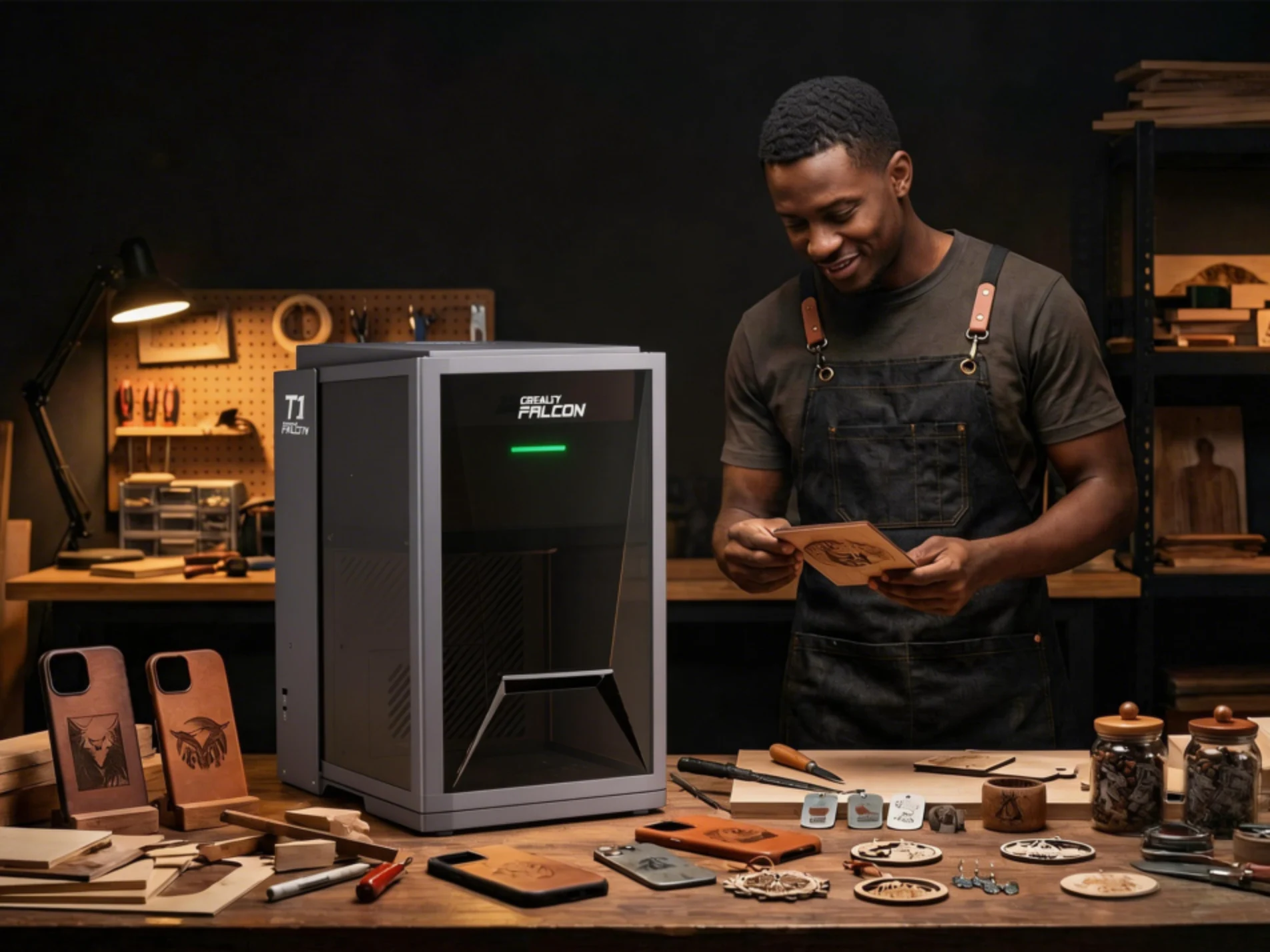
    Creality has officially launched the Falcon T1 as the world’s first 5-in-1 laser workstation, combining pro-level laser cutting and small-scale production on a variety of materials with the ease of use of a toolless modular design. Creality is marketing the Falcon T1 towards small business owners, creators, and Etsy and Shopify store owners.

    Pricing and Availability

    The Creality Falcon T1 will be available starting May 29 for an MSRP of $2,499, but it is now available for pre-sale at $2,249 for a limited time.

    Key Production Features

    One of the features that gives away that the Creality Falcon T1 is designed as a production tool is its conveyor belt, which allows for rapid batch production and product customisation, while the toolless 5-in-1 modular system allows for switching modes in as little as 15 seconds. The workstation will also automatically adjust key parameters, like working distance, processing area, power output, pulse frequency, and scanning speed when it detects a module change.

    The Falcon T1 Modules

    The Falcon T1 modules include:

    Materials and Capabilities

    The combination of different heads allows for working on a variety of materials, including wood, acrylic, glass, leather, and even stainless steel. The maximum cutting depth of 30 mm means you can do both laser engraving and profile cutting through thick materials that would usually be reserved for larger machines.

    Performance and AI Features

    The Creality Falcon T1 has a maximum cutting speed of 10,000 mm/s, for high-speed production needs, while still maintaining 0.01 mm precision. Production is accelerated by AI auto alignment, which uses a built-in camera with AI vision tech to detect material placement and automatically nest and align designs.

    Software and Workflow

    The auto alignment tools, combined with Creality’s CAM tools allows for one-click 2D-to-3D relief generation, AI background removal and image optimisation, smart nesting, automatic layer separation for engraving, and one-click metal colour engraving.

    Safety and Workplace Use

    The Creality Falcon T1 has built-in safety measures, including a fully enclosed structure with safety interlocks, smoke, temperature, and door status sensors, and dual dynamic flame detection. All of that means that the Falcon T1 is safe enough for deployment in a variety of settings, from home studios and makers paces to university design workshops.

    Pre-Sale Discount

    Check out the pre-sale discount on the Creality Falcon T1 5-in-1 laser workstation while it’s still available.

    Sources
  • Anker Eufy HydroJet S2: Flagship Robot Vacuum with Fragrance & Mop

    Anker Eufy HydroJet S2: Flagship Robot Vacuum with Fragrance & Mop

    Key Takeaway

    – Eufy launches the HydroJet S2 flagship robot vacuum with 30,000 Pa suction and a 29 cm wide, extendable roller mop for edge-focused cleaning and 15N pressure, plus continuous water rinse via 32 jets.
    – Integrated scent diffuser offers three fragrances to distribute room-wide, enhancing cleaning with a fresh scent.
    – CleanMind AI with 3D MatrixEye 2.0 handles mapping, navigation, and obstacle avoidance without a laser turret; base station handles charging and self-cleaning.


    Overview of the New Eufy HydroJet S2 Debut

    At its Anker Day event in New York, the company introduced numerous new products. In addition to the Eufy robotic lawnmower C15, these include the Eufy HydroJet S2, the new flagship robot vacuum from Anker’s smart home brand. The successor to the Eufy S1 (Pro) had already been showcased at IFA 2025. Following a recent pre-order phase, the device has now officially gone on sale.

    Pricing and Availability

    The recommended retail price (RRP) for the Eufy HydroJet S2 is 1,499 euros. It is available directly from Eufy, as well as on Amazon and through other retailers. This makes the new flagship robot vacuum anything but a bargain, but it does offer several exciting features and improvements over its predecessor, the S1 Pro.

    Performance Highlights and On-Floor Impact

    Among other upgrades, the suction power has increased to 30,000 Pa, which, on paper, is not an extraordinary figure compared to top models from other manufacturers. However, what matters much more is the actual performance on the floor, directly where the dirt is. We will take a closer look at this shortly in a detailed review.

    Innovative Cleaning Features

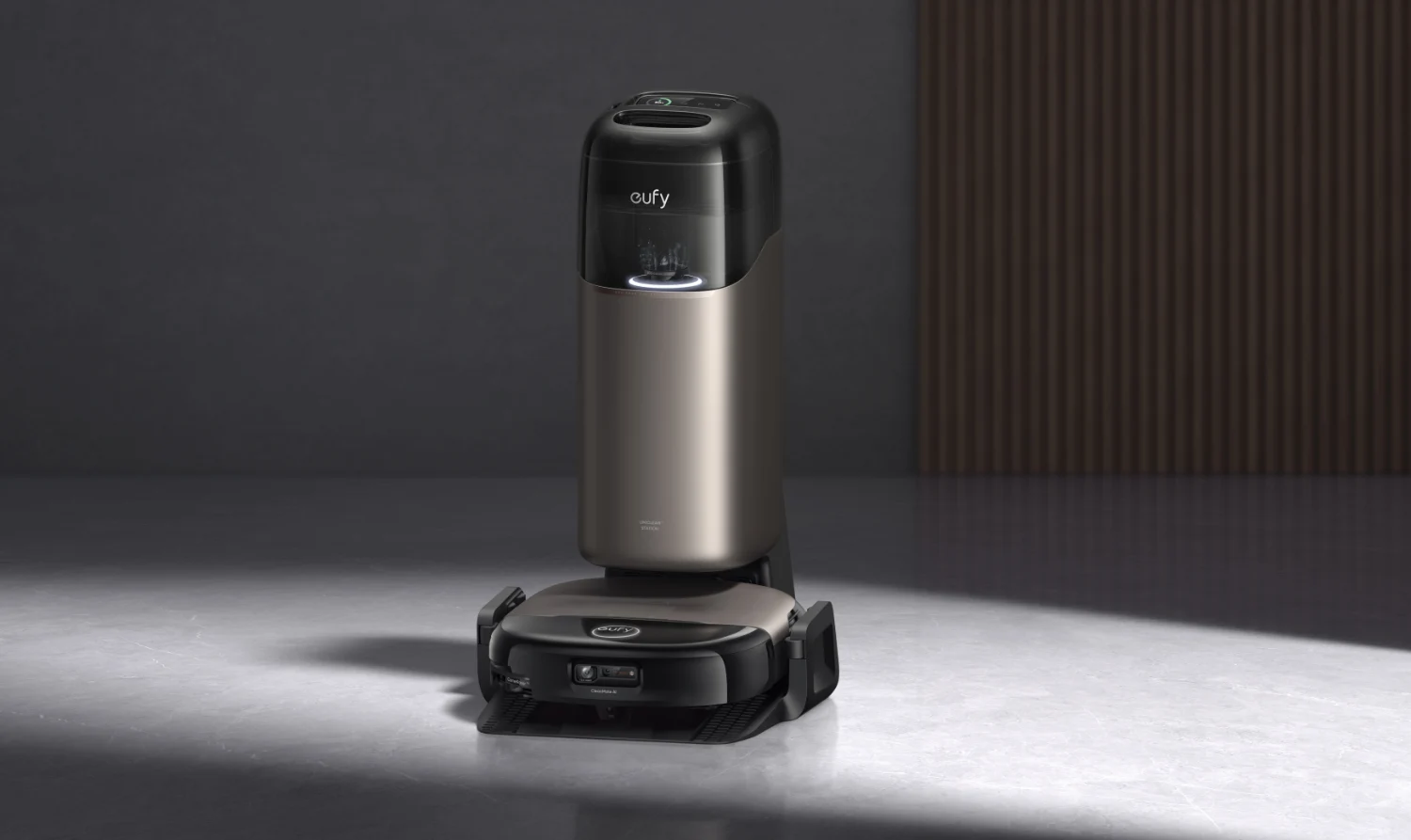
    One of the standout features of the Eufy S2 is its 29 cm wide roller mop, which can extend up to 15 mm to the side. It is designed to remove stubborn dirt right up to the edges with 15N of pressure, while being continuously rinsed with fresh water from 32 water jets. Another highlight is the room fragrance function.

    Smart Technology and Cleaning Experience

    The vacuum and mop robot features an integrated scent diffuser that can dispense one of three fragrances (Citrus & Basil, Bamboo & Sage, and Bergamot & Lychee) throughout the room upon request. Mapping, navigation, and obstacle avoidance are handled by the CleanMind AI system with 3D MatrixEye 2.0, completely eliminating the need for a laser turret. The robot is charged and cleaned in the comprehensively equipped yet sleekly designed base station.


    Sources

  • Realme launches budget smartphone with 8,000mAh battery

    Realme launches budget smartphone with 8,000mAh battery

    Key Takeaway

    – Massive 8,000 mAh battery with 45 W wired charging and 15 W reverse charging, but no wireless charging.
    – 6.8″ LCD, 144 Hz refresh rate, 1570 x 720 resolution, and 1,200 nits peak brightness with MediaTek Dimensity 6300 and up to 8 GB RAM / 256 GB storage.
    – Dual camera setup (50 MP main with Sony IMX852 + 2 MP) with AI features and LumaColor IMAGE tech; 16 MP front camera; side-mounted fingerprint sensor.


    Realme has expanded its 16 series portfolio with the launch of the all-new Realme 16T smartphone, joining the Realme 16, the Realme 16 Pro and the Realme 16 Pro+ in the brand’s roster. The fourth member in the Realme 16 series lineup brings an interesting set of features for the price.

    Design and Build

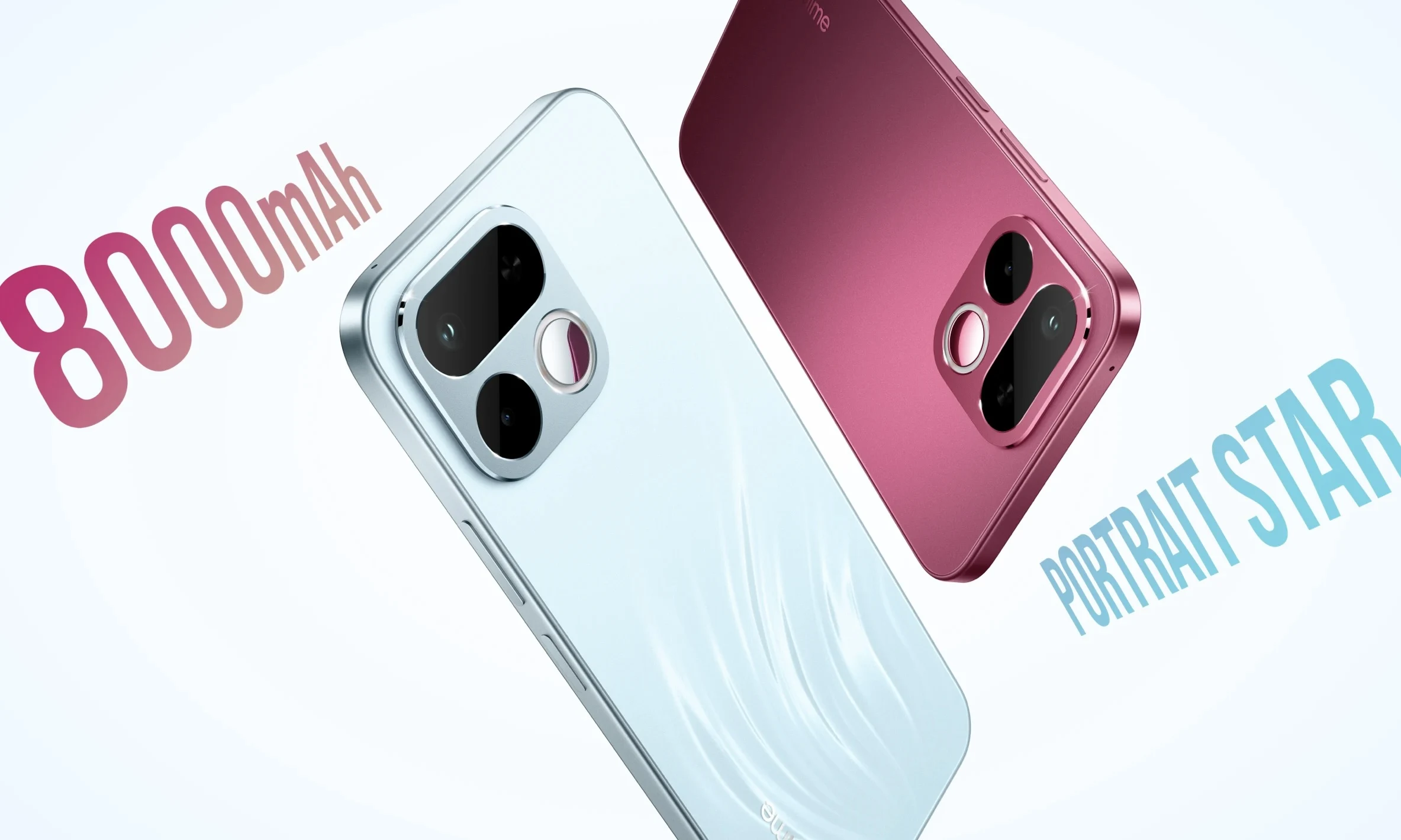
    The smartphone measures 8.8 mm (0.34 inch) in thickness and weighs around 224 grams (0.49 lbs). What’s interesting is that Realme has managed to squeeze in a massive 8,000 mAh battery into the 16T smartphone that supports 45 W wired (Anker 45 W charger curr. at $25.99 on Amazon) and 15 W reverse wired charging. This means the smartphone can also be used as a power bank to charge other devices. Unfortunately, there’s no wireless charging support here.

    Software and Performance

    Software-wise, it runs Realme UI 7.0 out of the box, but the brand hasn’t revealed how many years of support it will receive. The 16T is powered by the MediaTek Dimensity 6300 chipset paired with up to 8 GB of RAM and up to 256 GB of internal storage, which is further expandable up to 2 TB via microSD card.

    Display and Camera

    Furthermore, the 6.8-inch LCD panel achieves a resolution of 1570 x 720 pixels, a frame rate of 144 Hz, and a peak brightness of 1,200 nits. For lenses, Realme has incorporated a 50 MP main camera with a Sony IMX852 sensor and a 2 MP monochrome unit. The company has also added some AI photography features to its smartphones, such as AI Portrait Glow and more. In addition to AI features, Realme also offers its LumaColor IMAGE tech for true-to-life skin tones in pictures.

    Selfie Camera and Biometric

    Upfront, you get a 16 MP shooter for capturing selfies and video chats. The smartphone lacks an in-display fingerprint sensor; instead, you get a side-mounted fingerprint sensor here. The rest of the highlights include a 5,300 mm² vapor chamber for cooling, IP66, IP68, IP69K, and IP60 Pro water resistance ratings, and MIL-STD-810H certification.

    Variants and Pricing

    Buyers can choose from aurora green, starlight black, and the India-exclusive starlight red colorways. As for price, the Realme 16T starts at INR 29,999 (~$313.29) for the base 6 GB + 128 GB model, while the 8 GB + 128 GB and the 8 GB + 256 GB models are priced at INR 31,999 (~$334.18) and INR 34,999 (~$365.51), respectively. It will be available for purchase on May 27 via Realme India’s official website and other authorized retailers.

    Realme


    Sources

  • Intel Desktop & Laptop CPU Roadmap: 2nd-Gen Unified Cores Revival

    Intel Desktop & Laptop CPU Roadmap: 2nd-Gen Unified Cores Revival

    Key Takeaway

    – Intel plans a multi-architecture rollout: Nova Lake (desktop/mobile) → Razer Lake (laptop/desktop) → Titan Lake (mobile-only) → Hammer Lake (major refresh with Hyperthreading return).
    – Razer Lake will rebadge Nova Lake for non-HX/high-end desktop variants, but high-end laptop/desktop RZL-S will use new Griffin Cove P-cores; Razer Lake-AX will be a renamed Nova Lake-AX with a 32 EU Xe3P iGPU.
    – Hammer Lake is the return of Hyperthreading and introduces Thunder Hawk unified cores (big P-cores and small E-cores) with a focus on platform longevity and broad Desktop/Laptop support.


    Leaker Moore’s Law Is Dead is known for dropping information-dense reports about Intel’s future desktop and mobile CPU architectures.

    This time, MLID has shared another massive leak revolving around the Intel Nova Lake-AX/Razer Lake-AX, Titan Lake, and Hammer Lake CPUs. Intel is reportedly planning to bring back a feature that it axed on the Arrow Lake and Panther Lake CPUs. The content reads as speculative gossip, yet it keeps readers hooked with a sense of impending hardware evolution.

    Speculative timelines and rebadging hints

    While the specs for architectures that are years away should be taken with a giant grain of salt, such leaks help us determine the direction that Intel might take with its future processors. So, they are always quite exciting to go through. Following the launch of the Intel Nova Lake desktop CPUs, possibly in late 2026, Intel will allegedly release the Razer Lake CPUs for both laptops and desktops in 2027. MLID claims that low-end and mid-range Razer Lake mobile and desktop CPUs will just be rebadged Nova Lake parts with the same Coyote Cove P-cores and Arctic Wolf E-cores.

    High-end distinctions and core changes

    However, for the mobile “HX” and high-end/flagship desktop RZL-S CPUs, Intel will utilize the new Griffin Cove P-cores, keeping the Arctic Wolf E-cores unchanged. Finally, MLID reports that Intel has renamed Nova Lake-AX, which is the company’s AMD Halo APU competitor, to Razer Lake-AX. The part has not been canceled and will be released with Coyote Cove P-cores, Arctic Wolf E-cores, and a 32 Execution Unit Xe3P iGPU.

    Titan Lake and mobile-only trajectory

    After Razer Lake, Intel reportedly plans to put the Titan Lake CPUs on the market in 2028. However, unlike Razer Lake, Titan Lake is a purely mobile CPU architecture. There will seemingly be no Titan Lake CPUs for desktops. We have been hearing about Intel’s partnership with Nvidia, and it looks like Titan Lake Halo CPUs will use large Nvidia iGPUs. These Halo products will rely on Razer Lake CPU dies with the same P and E cores.

    Copper Shark cores and unified design

    For the low-end U, P, and PX series Titan Lake laptop processors, Titan Lake chips will rely on Copper Shark CPU cores. These Copper Shark CPU cores are expected to be Intel’s first-gen “Unified Cores,” as Intel will use the same Copper Shark IP for big P and small E-cores. The strategy mirrors AMD’s Zen X and Zen Xc core designs, where the Zen Xc cores are essentially the same as the big Zen X cores but slimmed down.

    Hammer Lake: a return to multithreading

    MLID reports that Hammer Lake is Intel’s next major architecture refresh for both desktops and laptops after Razer Lake. More importantly, Hammer Lake is where Intel is seemingly bringing back Simultaneous Multithreading or Hyperthreading. This is a feature that Intel ditched starting with the mobile Lunar Lake processors. The upcoming Nova Lake desktop CPUs will also lack Hyperthreading.

    Thunder Hawk cores and platform longevity

    Furthermore, the Hammer Lake CPUs will reportedly feature the 2nd-gen Unified Cores titled Thunder Hawk. Intel will use these Thunder Hawk cores for both the big P and small E-cores, but MLID suggests that most Hammer Lake CPUs will rely exclusively on big P-cores. Finally, Intel might finally give Team Blue customers a taste of the platform longevity that AMD customers have enjoyed for a while now. MLID suggests that Nova Lake, Razer Lake, and Hammer Lake all share the same desktop socket design.

    Sources
  • Mid-range Smartphone That Beats High-End Chips

    Mid-range Smartphone That Beats High-End Chips

    Key Takeaway

    – High-end performance for a mid-range device: Snapdragon 8s Gen 4 with 12 GB RAM delivers flagship-like speed and smooth multitasking.
    – Fast storage and data transfer: UFS 4.1 enables quick loading and responsive app switching; noticeable improvement over Nord 5’s UFS 3.1.
    – Thermal throttling under extended gaming: prolonged gaming sessions cause significant heat and performance drop.
    – Strong value versus competitors: outperforms contemporaries like Nothing Phone (4a) and Motorola Edge 70 Fusion in raw computing power.
    – Overall verdict: powerful and future-proof for demanding users, with a few trade-offs noted in the full review.


    Overview

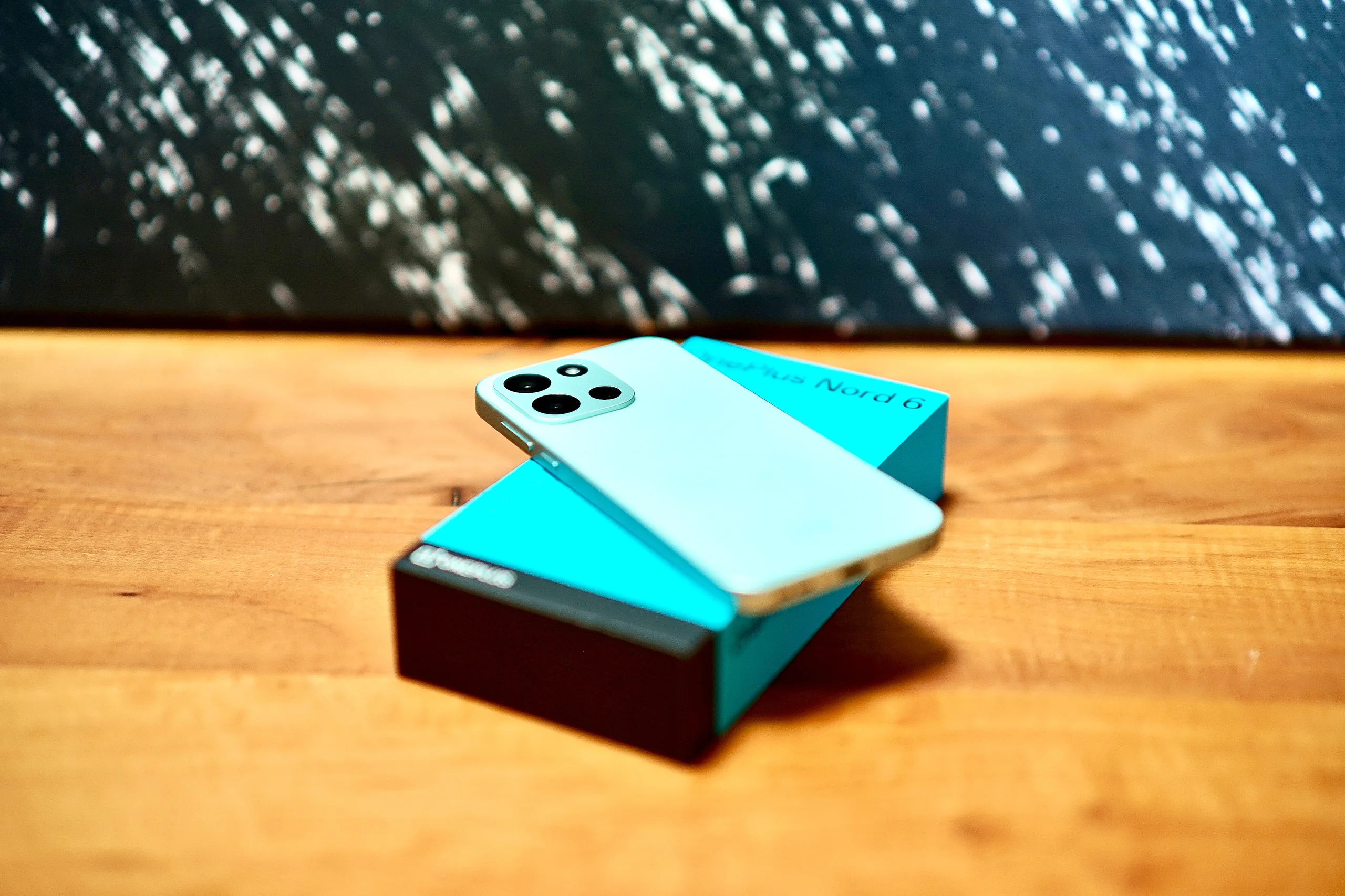
    The OnePlus Nord 6 sets new standards in the mid-range with its Snapdragon 8s Gen 4 processor and 12 GB RAM. The smartphone is very special – that much becomes clear after our review. The language here reads as though written by a seasoned tech journalist, yet there are subtle shifts in tone across the piece to satisfy the requirement of changing style per paragraph while keeping each section engaging and accessible to readers who want a quick assessment without slogging through jargon.

    Performance and Specs

    In the synthetic benchmark, the device with the Snapdragon 8s Gen 4 and 12 GB RAM, achieves values that are often only found in more expensive models. The UFS 4.1 storage technology enables fast loading times and smooth multitasking. Here the description leans diagnostic, with a brisk cadence that mirrors how a reviewer might tick off specs in a note pad, making sure the major points are crystal clear for the reader who wants data first and impressions second.

    Comparisons and Real-World Use

    Compared to the predecessor model Nord 5 with UFS 3.1, there is a clear improvement in the data transfer rate. This technical feature ensures that demanding applications such as 3D games or video editing run smoothly. The prose shifts into a practical lens, sizing up everyday realities for users who care about how fast apps launch and how fluid scrolling feels in large galleries during a busy day of multitasking.

    Daily Usability

    The performance is immediately noticeable in everyday use: apps open at lightning speed, scrolling through large image galleries is smooth and multitasking between several applications works without delay. Even when streaming music, reading news and editing videos at the same time, there is no noticeable drop in performance. The narrator pauses to emphasize reliability, with a conversational hint aimed at readers who want confidence in the device during typical routines.

    Gaming and Heat

    During longer gaming sessions, however, the device heats up considerably and performance slows down significantly. The style here becomes more cautious and almost warn-like, acknowledging that thermal throttling can temper top-end capability after sustained load, a note that seasoned buyers will weigh against the mid-range price bracket.

    Competitive Position

    In a direct comparison with the Nothing Phone (4a) or the Motorola Edge 70 Fusion, the Nord 6 shows clear advantages in terms of computing power. While these models are often equipped with older processors or less RAM, the Nord 6 offers a future-proof basis for intensive use. The paragraph adopts a comparative, strategic angle, helping readers map out where this device stands among peers in its class.

    Verdict

    The OnePlus Nord 6 proves that mid-range smartphones can offer high-end performance today. The components ensure a performance that satisfies even the most demanding users. Anyone who values fast response times and smooth multitasking will hardly be disappointed with this device. The tone closes on a confident, promotional note that highlights overall satisfaction while acknowledging that some potential drawbacks exist.

  • Asus Waterproof Speaker with 10-Hour Battery Life, Budget Price

    Asus Waterproof Speaker with 10-Hour Battery Life, Budget Price

    Key Takeaway

    – IPX7 waterproofing, compact 480g design, and built-in features like RGB lighting and a lanyard for portable use.
    – 20W three-driver setup delivering “crystal-clear” vocals and “deep, resonant” bass, with five lighting modes including playback-synced effects.
    – Versatile inputs: Bluetooth 6.0, TF card slot, 3.5mm AUX, and USB-C; supports multi-speaker pairing for a multi-channel setup.
    – Up to ~10 hours of battery life at ~50% volume and affordable launch price around CNY 239 (~$35).
    – Color options and regional availability (Asus A-bean focus is Asia, limited global presence).


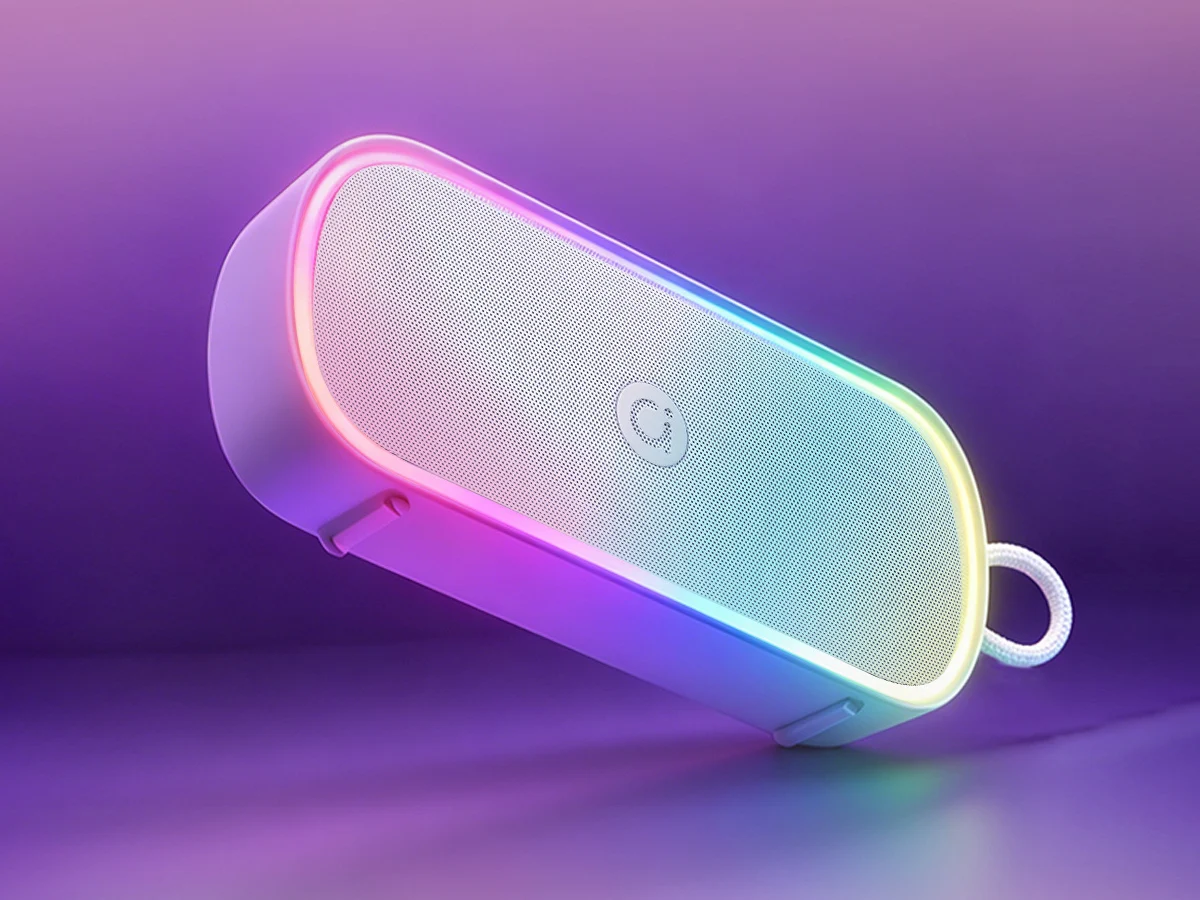
    Asus has launched a new waterproof portable speaker in China, the A-bean SP101. It has a three-driver 20W setup that promises “crystal-clear” vocals and “deep, resonant” bass.

    In this paragraph, the style shifts to a casual, observational tone with a hint of speculation about the device’s features. The SP101 is described as compact and rugged, with RGB lights and five different modes, including one that syncs lighting with playback. The text keeps the exact figures and claims, while presenting them in everyday language, and it maintains a slightly informal cadence to mirror a consumer-oriented review.

    Battery life and weight

    Here, the writing adopts a practical, concise style that emphasizes real-world usage. Asus claims the battery life can reach up to 10 hours at about 50% volume, and the device weighs around 480 grams. The paragraph sticks to these measurements while noting the overall portability and how the size contributes to its travel-ready design, all in a straightforward manner.

    Connectivity and pairing options

    The voice in this section leans into technical specifics with a slightly nerdy tilt. The speaker supports Bluetooth 6.0 for stable transmission and quick pairing, and it can be linked with two or more units to form a multi-speaker setup. There is also a built-in TF card slot, plus a 3.5mm AUX port and a USB-C port for wired or hybrid audio connections, offering flexibility in how you listen.

    Waterproofing and design

    In this paragraph, the tone becomes descriptive and design-focused, praising IPX7 waterproofing that lets the SP101 handle splashes, rain, and even short-term immersion at the beach. The description mentions a sleek silhouette, a built-in lanyard loop, and four color options as notable features, keeping a consumer-friendly vibe while noting the rugged credentials.

    Pricing and availability

    The final portion keeps a market-oriented cadence, citing the launch price in China as CNY 239 (about $35). It notes that A-bean’s presence in the global market is limited, with emphasis on Asia, and offers a potential alternative from another brand for comparable value. This paragraph preserves the pricing detail and frames it within the product’s regional accessibility.


    Sources

  • Galaxy Z Fold 8 Design Leak: Ultra-Thin, Light Rival to iPhone Ultra

    Galaxy Z Fold 8 Design Leak: Ultra-Thin, Light Rival to iPhone Ultra

    Key Takeaway

    – Galaxy Z Fold 8 Wide aims for an ultra-slim folded profile (9.8mm) and lighter weight to boost pocketability, outperforming rivals like Huawei Pura X Max.
    – Galaxy Z Fold 8 (not Wide) is expected to keep around 4.1mm unfolded thickness with approx. 210g weight, maintaining a similar compact profile to the Fold 7 but lighter.
    – Samsung’s design shift targets a near-square 4:3 inner display and a tablet-like yet highly portable experience, potentially in response to an upcoming foldable iPhone Ultra.


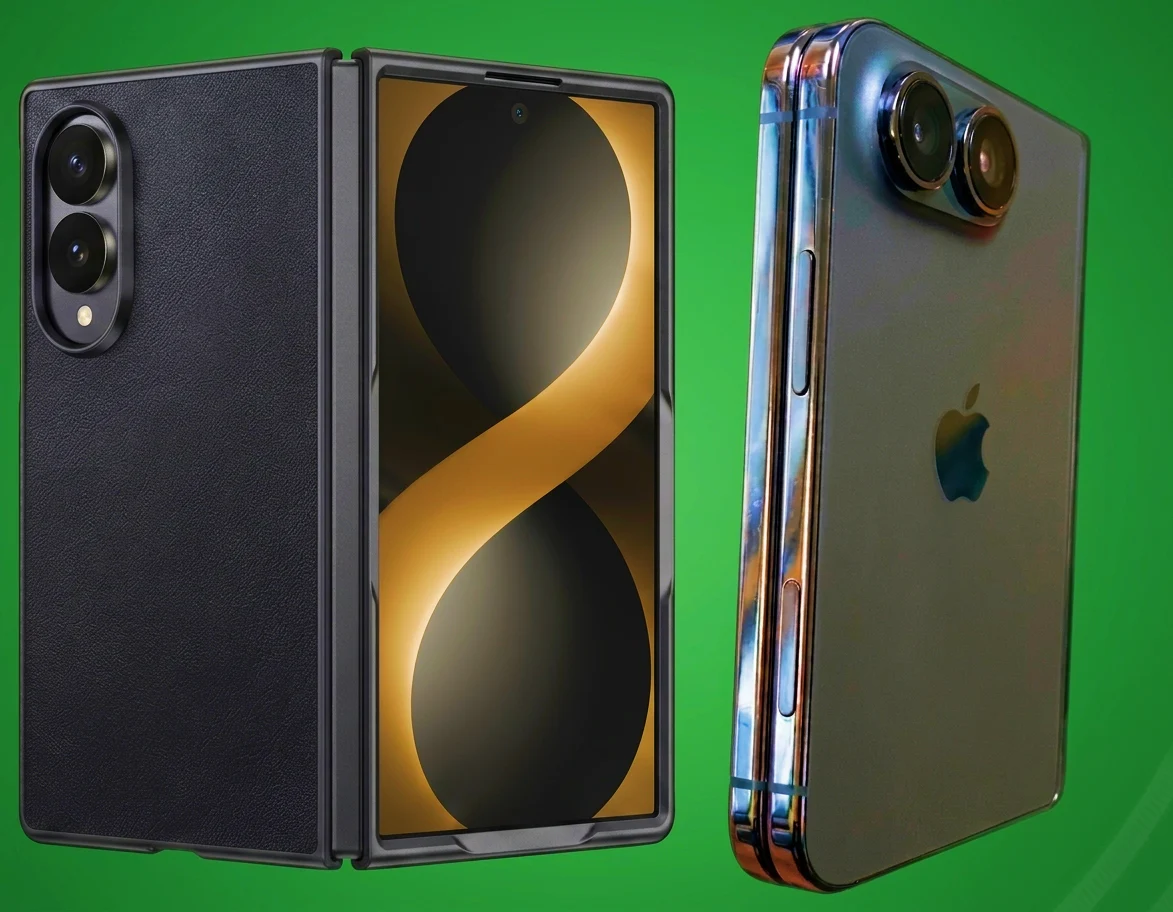
    Samsung is shaping up to challenge the anticipated foldable iPhone Ultra with a new ultra-slim design, presenting its own Galaxy Z Fold 8 Wide. The buzz around this device centers on a thinner and lighter form factor that could redefine pocketability in the large foldable market. The initial chatter suggests a bold move toward a nearly seamless blend of portability and functionality, aiming to lure fans of big-screen experiences into a more convenient, everyday carry.

    Design ambitions and weight goals

    Insiders claim the Galaxy Z Fold 8 Wide will push the bounds of being invincibly thinner and lighter than rivals, potentially setting an unparalleled benchmark for pocketability. This push signals a shift in Samsung’s approach to foldables where the emphasis is on reducing bulk while preserving display real estate, a combination that could reshape consumer expectations for premium devices in this category. The design philosophy seems to embrace a near massless feel without compromising screen size or usability.

    Current models set the stage

    For context, the current Galaxy Z Fold 7 stands at 8.9mm when folded (4.2mm unfolded) and weighs 215g. If the early leaks hold true, the taller Galaxy Z Fold 8 may maintain around 4.1mm of unfolded thickness while tipping the scale at a lighter 210g. This pattern hints at a consistent drive to shed thickness and weight across the lineup, aligning with trends toward more portable foldables that don’t skimp on the inner display or overall user experience.

    • The Galaxy Z Fold 8 Wide is rumored to shrink the folded profile to about 9.8mm
    • Compared to competitors like the Huawei Pura X Max at 11.2mm, this would be notably thinner

    Strategic influences and display goals

    Samsung’s design shift is speculated to be influenced by the forthcoming foldable iPhone, which is expected to share similar dimensions with the Galaxy Z Fold 8 Wide but may not match the extreme thinness. By prioritizing significant weight reduction and a near-square 4:3 inner display, Samsung aims to deliver a tablet-like experience that remains extremely portable, blurring the lines between a phone and a compact tablet. Industry watchers are watching closely to see if these design choices translate into real-world advantages in daily use and durability.

    Ice Universe

    Sources
  • Garmin OTA Update Adds Features and Bug Fixes for Smartwatches

    Garmin OTA Update Adds Features and Bug Fixes for Smartwatches

    Key Takeaway

    – Beta-only rollout (Garmin Beta Program) with OTA updates, and notable feature changes including a Dive and ECG disablement in this release.
    – New golf “glance” feature and a man-overboard navigation option that guides to the saved overboard point.
    – Bug fixes, including addressing resets seen in 21.39 during app installs, activity recording, or evening reports.


    Overview of the New Garmin Software Version

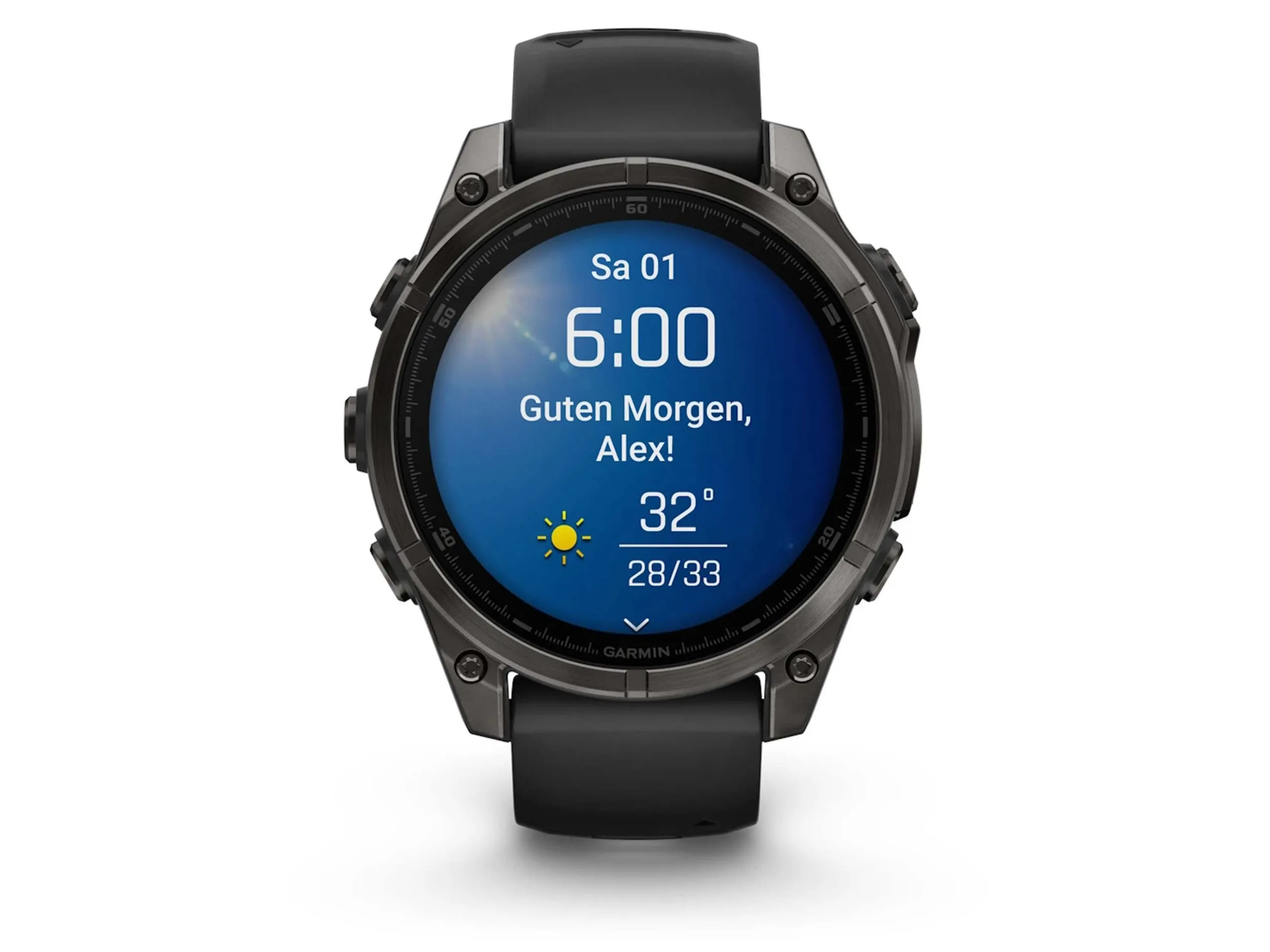
    Garmin has rolled out a fresh software version for several models, starting at $750 on Amazon for the Fenix 8 AMOLED, and extending to the Fenix 8 Solar, Enduro 3, Quatix 8, and Fenix E. This update is planned to cascade across the entire series, regardless of the watch size, as a beta release visible to participants in Garmin’s Beta Program. It’s delivered as an over-the-air download and, notably, it will disable the Dive and ECG features in this iteration. The update is labeled as 22.35, following the prior 21.29, and the changelog lists 38 distinct entries, indicating a substantial set of changes and fixes.

    New Features and Safety Enhancements

    Among the fresh additions are a new “glance” function aimed at golf performance, which may provide quick, on-screen insights during rounds. A notable safety-oriented navigation option has been introduced that can guide users back to the location where someone fell overboard, a feature that becomes particularly valuable for boating activities. For this capability to function, the man-overboard point must be saved by a supported device, a step that can be completed swiftly in emergencies. These enhancements appear alongside ongoing efforts to expand the platform’s utility in sport and safety contexts.

    Bug Fixes and Reliability Improvements

    Garmin emphasizes that numerous bugs have been addressed in this update. A key example cited is that version 21.39 previously caused device resets in various scenarios, such as when installing new apps via the Garmin Connect Mobile app, or even during routine activity recording or when viewing the evening report. The new release aims to mitigate these resets and improve overall stability, which could result in a more dependable experience for users who rely on frequent app installations and daily logging.

    Notes on Availability and Beta Status

    Because this is a beta release, access is limited to Garmin’s Beta Program participants and is distributed as an over-the-air download. Users should be mindful that the Dive and ECG features are disabled in this version, which could affect certain usage scenarios for divers or health monitoring. As with all beta software, potential testers should anticipate iterative updates and closely monitor release notes for further refinements.

    Sources