Author: GizNews

  • AGM G3 Pro Rugged Phone: Pros, Cons, Review

    AGM G3 Pro Rugged Phone: Pros, Cons, Review

    Key Takeaway

    – Built for durability with MIL-STD-810H rating, extreme temperature tolerance, and long battery life, but at the expense of sophisticated multimedia and modern features.
    – Thermal imaging camera provides point measurement and hot/cold area detection, though temperature readings are only approximate.
    – Camera system is a major weak point (poor rear image quality, no stabilization, digital zoom, subpar videos; front camera only mediocre), while other strengths include an extremely loud speaker and a programmable function key.
    – Hybrid SIM/microSD slot offers flexible storage/connection options but lacks DRM certification and overall connectivity is average (single-band GNSS, Wi‑Fi 5, limited noise cancellation in calls).
    – Display is bright but basic (TFT-LCD with cool color tone; no OLED), and the device uses a mid-range MediaTek Dimensity 7300 with solid everyday performance but not flagship power.


    Overview of the AGM G3 Pro

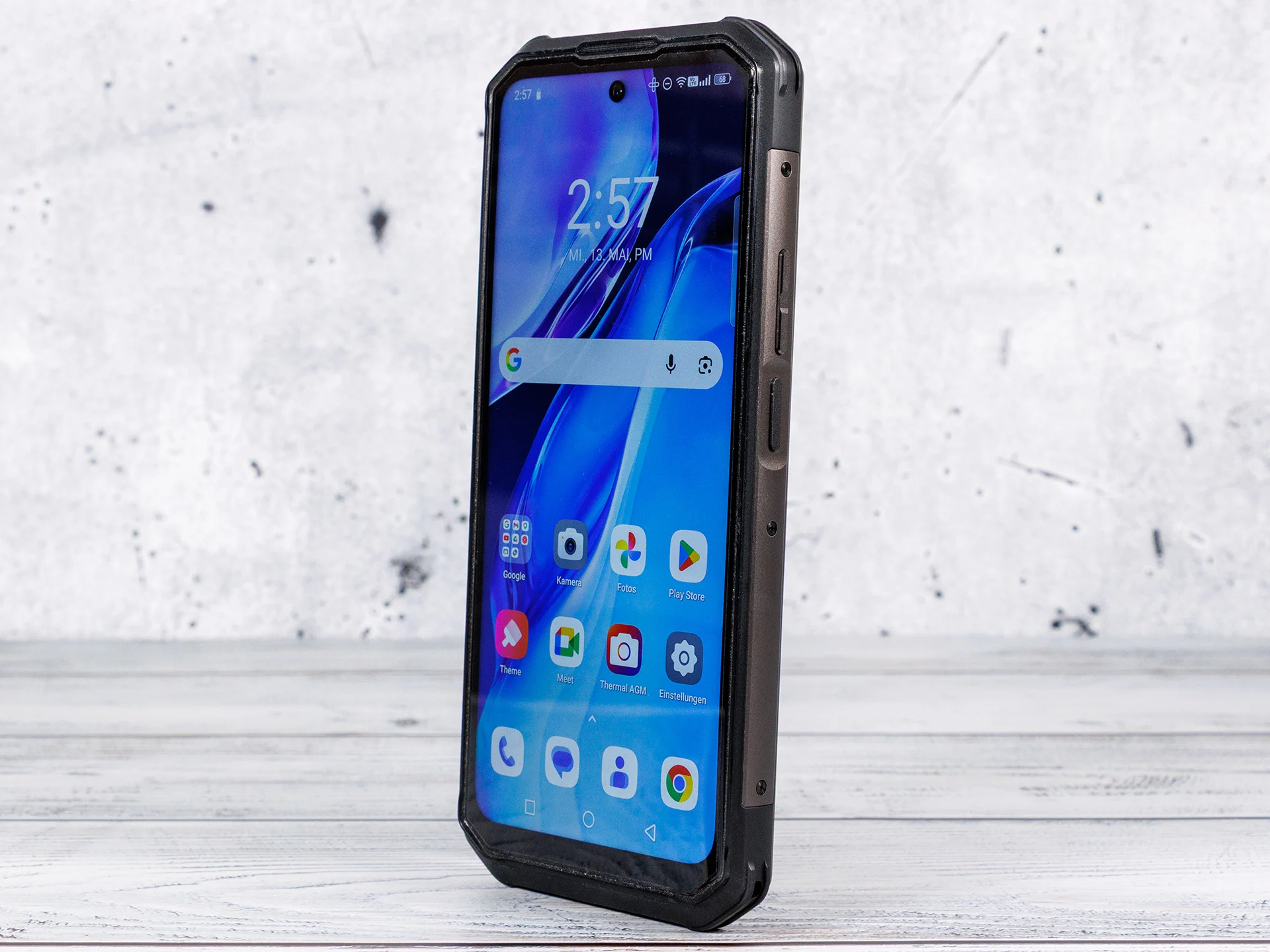
    The AGM G3 Pro is a rugged smartphone built primarily for durability rather than sleek style, and it really shows in its construction. Its MIL-STD-810H certification suggests it can handle drops from up to 1.5 meters, dust and water resistance, and it even tolerates temperatures from -20 °C to +60 °C, making it a tough pick for outdoor use and demanding work environments. The device feels solid in the hand, and the design choices emphasize resilience over polish, which might appeal to users who need reliability in harsh conditions.

    Key rugged features and unusual capabilities

    Among its standout traits are a very bright camping light on the back and an integrated thermal imaging camera. This camera can mark individual measurement points and automatically highlight the hottest and coldest spots in a scene. In real-world use, though, temperature readings tend to be only approximate, often running a bit higher than reference measurements. A programmable function key and an built-in FM radio round out some of the practical extras, adding convenience for field work and outdoor activities.

    Storage, connectivity, and performance notes

    The device includes a hybrid SIM/microSD slot that supports either two SIMs or one SIM plus memory expansion, which is a handy flexibility feature. However, DRM certification is absent, which could limit higher-quality streaming on certain services. Connectivity is middle-of-the-road: single-band GNSS can affect location accuracy, Wi‑Fi 5 has limited performance, and voice quality is decent but lacks strong noise cancellation. The vibration motor falls short of expectations as well, contributing to a less premium-feeling tactile experience.

    Camera and display impressions

    Camera performance is a notable weakness. The front camera is passable but images tend to look overly sharpened, while the rear cameras disappoint with poor detail, no stabilization, and digital zoom-only capabilities. Video recording tops out at 30 FPS. The TFT-LCD display is sufficiently bright but cannot rival OLEDs and skew toward a cooler color temperature, impacting overall image quality and viewing comfort.

    Performance, battery, and long-term durability

    Under the hood sits a MediaTek Dimensity 7300 that provides solid everyday performance without venturing into high-end territory. The speaker is exceptionally loud, and the large battery supports lengthy use between charges, which are strong points for outdoor work or prolonged field sessions. On the downside, the manufacturer estimates the battery life may endure around 800 charge cycles, which could influence long-term durability expectations and total cost of ownership.

    Bottom line and target audience

    The AGM G3 Pro stands as a specialized outdoor device prioritizing ruggedness, extended battery life, and thermal imaging over camera quality, multimedia capabilities, and some modern features. If your needs lean toward harsh environments, durability, and functions like thermal imaging or long-lasting battery life, this model could be a fit, albeit with clear trade-offs in camera performance and streaming capabilities.


    Sources
    • Is 3500 nits too bright for daily smartphone use?

      Is 3500 nits too bright for daily smartphone use?

      Key Takeaway

      – Extremely bright display for direct sunlight, with superior peak brightness versus competitors like the Samsung Galaxy A57.
      – High energy demand leads to shorter battery life and more frequent charging under intensive use.
      – Indoor/ shaded use can feel excessively intense, and automatic brightness reacts sluggishly, causing brightness jumps.
      – Continuous (average) brightness is notably lower than peak specs, affecting consistency in real-world viewing.
      – Overall, while the display is top-tier for mid-range, energy efficiency and auto-adjustment drawbacks temper everyday appeal.


      The Motorola Moto G87 sets standards in the mid-range with its 6.78-inch extreme AMOLED display: With a peak brightness of up to 3,500 nits in our test (up to 5,000 nits according to the manufacturer) and a 1.5K resolution at 120 Hz refresh rate, it outperforms many competitors at a price of around 450 US$.

      Introduction

      However, this technical superiority also comes with challenges that are noticeable in everyday life. The lab measurements confirm an exceptional brightness that guarantees perfect readability even in direct sunlight. Indoors, however, the panel sometimes appears too intense, which can quickly tire the eyes. The high peak brightness is only achieved under certain conditions, while the continuous brightness is significantly lower. The battery life suffers from this high energy requirement, which leads to more frequent charging cycles during intensive use.

      Real-World Performance

      In a direct comparison with the Samsung Galaxy A57, the Moto G87 shows superior brightness, while the competitor’s display loses legibility in the same lighting conditions. Nevertheless, the Samsung device remains competitive in terms of color accuracy and viewing angle stability. For everyday use, this means that the Moto G87 shines in extreme lighting conditions, but often has to be dimmed in the shade or under artificial lighting. The automatic brightness control reacts somewhat sluggishly from time to time, which can lead to unpleasant jumps.

      Display and Efficiency

      The Moto G87 offers a display that is at the forefront of the mid-range in terms of brightness. However, there are drawbacks in terms of energy efficiency and automatic adjustment. You can find out why we cannot recommend the phone without hesitation despite its great display in our detailed test report.

    • Boox Note X6 E Ink Notebook Chipset Revealed

      Boox Note X6 E Ink Notebook Chipset Revealed

      Key Takeaway

      – Boox Note X6 teaser confirms a Snapdragon-class 4nm processor (Dragonwing Q-6690) with claimed ~78% performance uplift over the X5.
      – The Dragonwing Q-6690 is pitched as an enterprise mobile chip with integrated UHF RFID (RAIN) capabilities, targeting POS, electronic cash registers, tablets, and smart displays.
      – Expected official reveal around May 27, with additional teasers likely before launch.


      Boox is teasing something new again, and the buzz around the Note X6 keeps growing as days pass. The company previously gave fans a first look at a device that’s expected to arrive soon, and now they’ve dropped details about the brain inside the Note X6. The cadence of tiny hints feels like a riddle, yet it keeps folks intrigued and curious about what this ePaper notebook could actually deliver. The tone here tilts toward cautious optimism, as enthusiasts wait to see how the final product stacks up next to its peers in the realm of digital notetaking.

      Processor hints and performance chatter

      According to a fresh teaser on its Weibo page, the Note X6 is said to be powered by a Snapdragon-class chip much like its elder sibling, the Note X5. This new rumor describes a 4nm silicon dubbed the Snapdragon 6690, with a CPU cruising at 2.9GHz. Boox claims the chip brings a hefty 78% leap in performance over the prior generation, which sounds impressive on paper, though the exact real-world gains can vary depending on the workload and software optimization. People are watching closely to see if this translates into smoother multitasking and snappier note taking on an ePaper canvas.

      Different naming, conflicting claims

      Yet another perspective from Qualcomm counters that the processor is actually known as the Dragonwing Q-6690, marking it as a pioneering enterprise mobile processor with fully integrated UHF (RAIN) RFID capabilities. This version of the rumor introduces technical specifics: eight Kryo 7-series CPUs, an Adreno GPU capped at 1.15GHz, and a 6 TOPS NPU for on-device AI tasks. It also supposedly adds Wi-Fi 7 and Bluetooth 6.0, while the product page positions it for special-use contexts like electronic cash registers, POS terminals, tablets, and smart displays. The discrepancy in naming leaves readers unsure which path Boox is truly pursuing, or whether both labels exist in some form of regional or partnership variant.

      What to expect and when to expect it

      The landscape around the Note X6 remains partly hazy, with multiple teasers likely to roll out before the official reveal on May 27. The mixed signals about the processor’s identity, features, and intended market may fuel more questions than answers in the short term, yet they also build a narrative of anticipation. If Boox sticks to its pattern, the final device may surprise with refinements in display tech, software features tailored for note taking on ePaper, and improved battery life—though only hands-on impressions will confirm such claims.

      Sources
    • Moss: The Forgotten Relic – Coming to Consoles and PC This Summer

      Moss: The Forgotten Relic – Coming to Consoles and PC This Summer

      Key Takeaway

      – Moss: The Forgotten Relic brings the Moss series to flat-screen PC and all major consoles, including Switch, PS5, Xbox, and Steam for the first time, with a reimagined, non-VR experience.
      – The game includes the full Moss: Book II, Twilight Garden DLC, and enhanced visuals, new cutscenes, a redesigned camera, and an optional skip-combat accessibility feature.
      – It introduces a two-layer gameplay core called “Twofold,” allowing players to control Quill directly and interact with the world as the Reader from outside the storybook, with VR-era mechanics adapted for flat screens.


      Announcement and Platforms

      Polyarc has officially announced Moss: The Forgotten Relic, bringing the critically acclaimed VR franchise to flat-screen PC and consoles for the first time this summer. The game launches on PC via Steam, PlayStation 5, Xbox Series X|S, Xbox One, and Nintendo Switch 1 and 2, with no exact release date or pricing confirmed yet.

      Definitive Collection and Reimagining

      Moss: The Forgotten Relic combines the original Moss, Moss: Book II, and the Twilight Garden DLC into a single definitive adventure. Both previous entries required a VR headset to play. Xbox and Nintendo players are getting their first chance at Quill’s story, while PC players who skipped the SteamVR versions can now experience it on a flat screen for the first time. Polyarc describes the release as a full reimagining rather than a straight port, with enhanced visuals and performance, new handcrafted cutscenes, and a redesigned smart follow camera built for flat screens.

      Accessibility and Music

      The Twilight Garden DLC is included at no additional cost. An optional skip-combat accessibility feature is also new to this version, letting players who prefer puzzles and exploration bypass combat encounters entirely. Jason Graves, who composed the orchestral soundtracks for both original games, returns for the score.

      Twofold Gameplay and Camera Rethink

      The core mechanic Polyarc calls “Twofold” puts players in two roles simultaneously. They control Quill directly through a fallen kingdom being reclaimed by nature, solving diorama-style environmental puzzles and fighting enemies, while also interacting with the world as the Reader, Quill’s unseen guardian who can move objects and clear paths from outside the storybook frame. The VR originals built that second layer of presence through the headset itself. Polyarc has redesigned the camera and interaction systems to make it work without one.

      Cross-Gen Reach and Audience Growth

      The cross-gen Nintendo release means the game reaches both Switch and Switch 2 owners in the same window, broadening the audience considerably beyond what a Switch 2 exclusive would reach. For a series that earned its reputation almost entirely within the VR space, landing on Xbox and both Nintendo platforms simultaneously is a notable expansion.


      Sources
    • Acemagic Teases Compact PC With Dual-Slot GPU Support

      Acemagic Teases Compact PC With Dual-Slot GPU Support

      Key Takeaway

      – Compact LGA 1700-based mini PC (G3A) with (optional) dGPU support and up to 135W cooling headroom.
      – Supports half-height, dual-slot desktop GPUs and professional GPUs (e.g., RTX Pro 4000 Blackwell SFF, RTX 2000 Ada) plus consumer low-profile GPUs.
      – Unusual SO-DIMM DDR5 RAM slots, two PCIe Gen4x4 M.2 slots, and one 2.5″ SATA slot for storage.
      – 3.46-liter chassis with WiFi 6E and robust connectivity for a small form factor.
      – Launch in China on May 30, 2026; price not announced yet.


      Acemagic G3A Teases a Compact LGA 1700 PC with dGPU Support

      Acemagic has teased a new compact PC that’s based on the LGA 1700 platform, the G3A. That means it has support for the desktop Intel 13th and 14th generation processors, and the company has further confirmed that there’s dGPU support. The reveal promises a flexible build, yet the exact pricing remains unannounced, adding a hint of anticipation for enthusiasts awaiting a compact powerhouse. The information provided keeps things direct and focused on the core specs and potential expansion paths.

      GPU Options and Build Philosophy

      Users will have the option to equip the computer with a half-height, dual-slot GPU. Acemagic notes support for professional GPUs, such as the RTX Pro 4000 Blackwell SFF and the RTX 2000 Ada. However, consumer-grade options like the low-profile RTX 5060 should also work (Gigabyte OC curr. $417.54 on Amazon). This paragraph blends professional-grade possibilities with consumer-friendly choices, showing a flexible approach that could attract a broad range of buyers. The tone shifts toward practical viability and pricing context, though the exact street price remains unspecified.

      RAM, Storage, and Internal Layout

      Now, while the mini PC features a LGA 1700 motherboard, weirdly, there are SO-DIMM DDR5 RAM slots instead of the regular ones. For storage, the Acemagic G3A brings two M.2 slots that can hold PCIe Gen 4×4 SSDs, and there’s one SATA III slot available for a 2.5-inch drive. This unusual RAM slot choice might aim for compact cooling and simplified module compatibility, yet it also suggests a potential trade-off in terms of upgrade convenience and availability of SO-DIMM modules for desktop-like performance. The description emphasizes practical storage flexibility and a compact DIMM strategy.

      Chassis, Cooling, and Connectivity

      The chassis of the PC is said to be around 3.46 liters in volume, and for the size, there are a good number of connectivity ports. Specifically, the port configuration is as follows: There’s WiFi 6E for wireless internet, and Acemagic highlights that the cooling setup of the PC allows it to offer up to 135W of performance. The company hasn’t shared anything on the price yet, but it’s set to launch in China on May 30, 2026, which is around the corner. The paragraph reads like a briefing aimed at giving readers a sense of capability, cooling efficiency, and portable footprint while acknowledging that cost details are still pending.


      Sources

    • HP launches 15-inch compact gaming laptop with 180 Hz display

      HP launches 15-inch compact gaming laptop with 180 Hz display

      Key Takeaway

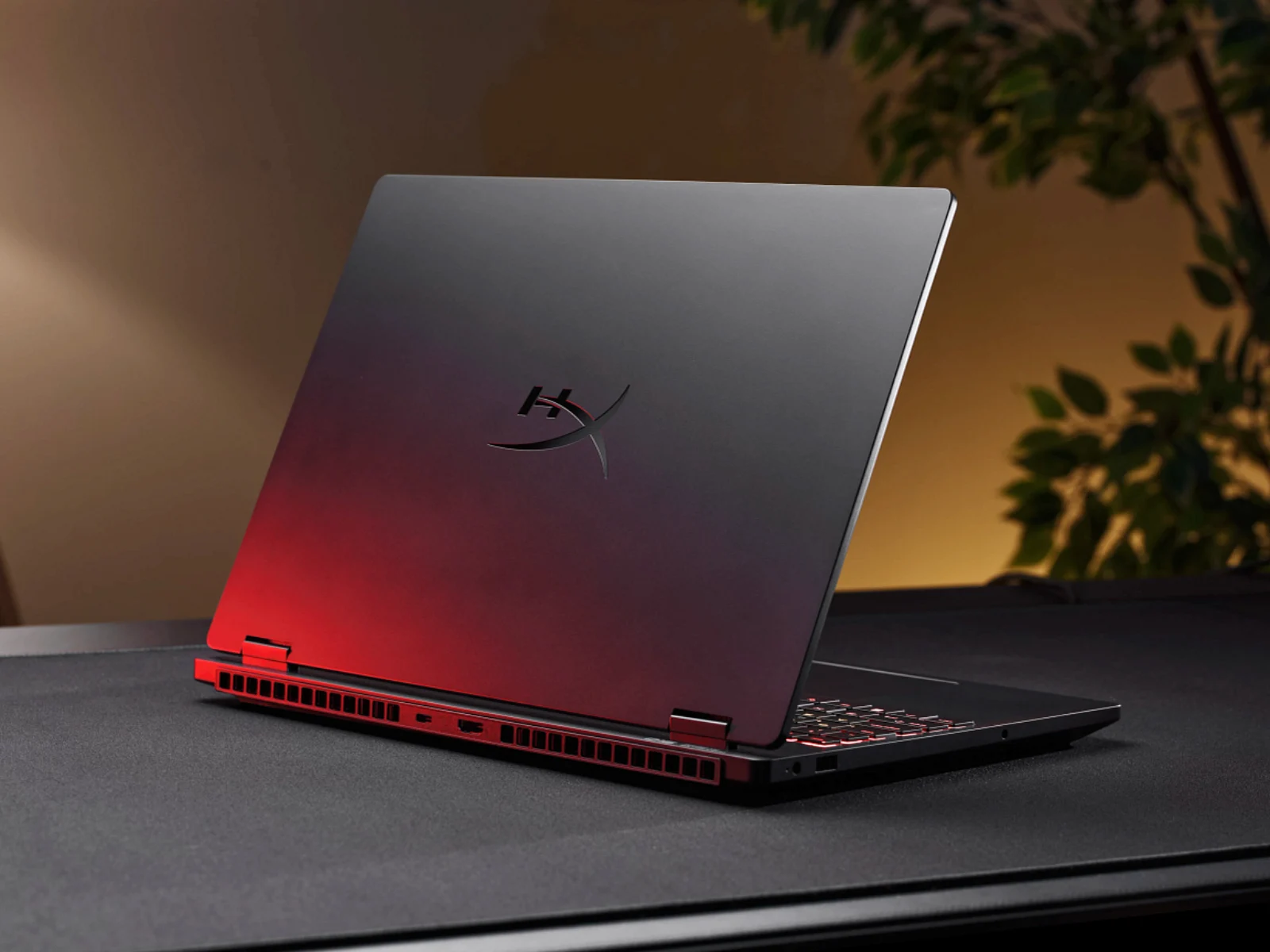
      – HP’s HyperX Omen 15 is now starting to ship in North America with Ryzen 7 8745HX (Zen 4) and Core Ultra 7 356H options; Core Ultra 9 386H stock to arrive later (late May–early June).
      – GPU race-cat: RTX 5070 (8 GB) laptop GPU with a 70 Wh battery, plus a 15.3″ 2.5K (1600p) 16:10 IPS display at 180 Hz; OLED 2.8K option at 120 Hz with higher brightness.
      – Availability timeline: Core Ultra 7 356H and Ryzen 7 8745HX shipments begin July 3; Core Ultra 9 386H variants expected in stock May 27–June 1.


      HP’s Omen 15 launch and availability

      HP has finally started selling its latest 15-inch gaming laptop in some capacity. To recap, the company announced the HyperX Omen 15 over four months ago during CES 2026 in Las Vegas. A smaller alternative to the Omen 16 (curr. $1,679 on Amazon), the Omen 15 appears to be exclusive to North America for now.

      Processor variants and specs

      In January, HP claimed that the Omen 15 would be available with the Core Ultra 9 386H alongside other ‘next-gen’ AMD Ryzen and Intel processors. Now, the company has clarified that these are the Ryzen 7 8745HX with Zen 4 cores and the Core Ultra 7 356H featuring Cougar Cove and Darkmont cores. According to our benchmarks, the Ryzen 7 8745HX sits at the bottom of the pile. Whether newer AMD options will be available remains to be seen at this stage.

      Graphics, battery, and display details

      Setting that aside, the Omen 15 currently features a GeForce RTX 5070 (8 GB) laptop GPU and a 70 Wh battery. Also, includes a 15.3-inch IPS display that outputs at 1600p (2.5K) with a 16:10 aspect ratio, 500 nits peak brightness and a 180 Hz refresh rate. However, a 1800p (2.8K) OLED alternative will be available with a 120 Hz refresh rate and 500 nits SDR/1,100 nits HDR peak brightness.

      Launch timing and stock expectations

      HyperX Omen 15 orders with the Core Ultra 7 356H and Ryzen 7 8745HX should start shipping on July 3. Meanwhile, HP anticipates having stock of Core Ultra 9 386H variants between May 27 and June 1. Please see the company’s website and our launch article for more details.


    • Asus 16-Inch Gaming Laptop US Release: 140W GPU & 1100-Nit OLED Display

      Asus 16-Inch Gaming Laptop US Release: 140W GPU & 1100-Nit OLED Display

      Key Takeaway

      – The 2026 ROG Zephyrus G16 uses Intel Panther Lake and an upgraded 1,100-nit OLED display, preserving 1600p/240 Hz and a 90 Wh battery.
      – RTX 5070 Ti variant starts at $3,699 (up from $2,799 in 2025), offering about 20 W more GPU power than its predecessor.
      – New 250 W power adapter supports the 140 W GPU, with potential RTX 5080/5090 configurations (5090 not confirmed). Lego Batman Lego promo for pre-July 31 orders.


      Asus refreshes the ROG Zephyrus G16 with new specs and pricing

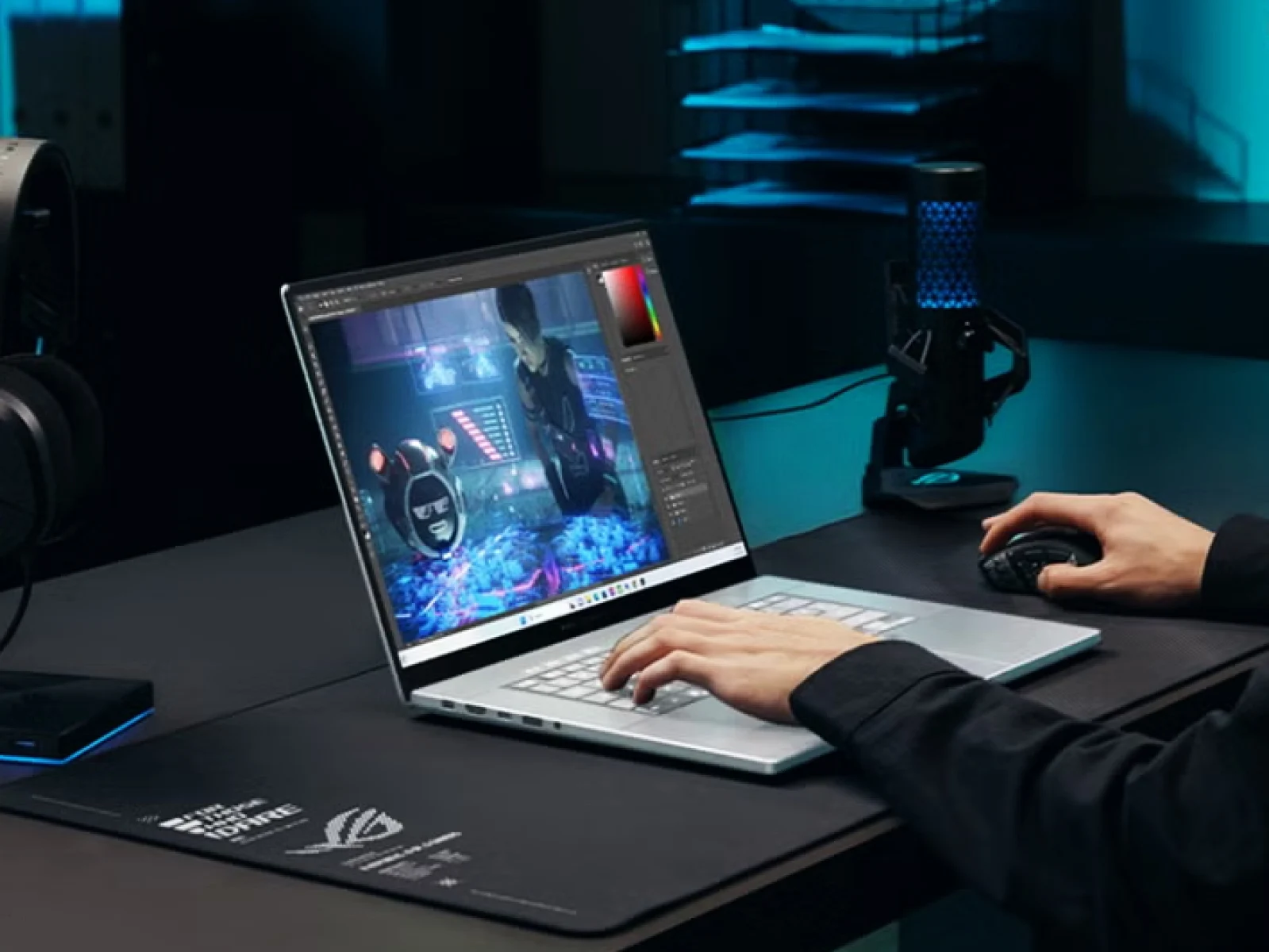
      Four and a half months have passed since Asus refreshed the ROG Zephyrus G16 with Intel Panther Lake processors. Announced in January during CES 2026, the new ROG Zephyrus G16 also surpassed its 2025 predecessor (curr. $2,329 on Amazon) with a 1,100-nit OLED display. Core features like a 1600p and 240 Hz refresh rate remain unchanged though, as did the 90 Wh battery found in older models.

      Pricing and the latest variants emerge in the market

      Initially, Asus did not reveal how much its new 16-inch gaming laptop would cost. However, the GeForce RTX 5070 Ti variant has now gone on sale in the US. Equipped with a Core Ultra 9 386H processor, the entry-level SKU also features 32 GB of RAM and 1 TB of storage. While a GeForce RTX 5080 model with 64 GB of RAM should be available, it seems that a GeForce RTX 5090 equivalent may not.

      Cost comparison with last year’s model

      To recap, Asus’ 2025 edition started at $2,799 with the same GPU and a Core Ultra 9 285H processor. By contrast, this year’s model costs $3,699. For that $900 uplift, the ROG Zephyrus G16 can now deliver 20 W more to its GeForce RTX 5070 Ti laptop GPU than its predecessor.

      Power, adapters, and a promotional perk

      Moreover, Asus supports this 140 W GPU with a new 250 W power adapter. Orders placed before July 31 are eligble to claim a copy of Lego Batman: Legacy of the Dark Knight, too. Please see the company’s website for more details.

      Asus


      Sources

    • China’s Flagship GPU Lisuan LX 7G100 vs Nvidia RTX 3060: New Test

      China’s Flagship GPU Lisuan LX 7G100 vs Nvidia RTX 3060: New Test

      Key Takeaway

      – The Lisuan LX 7G100 sits at about 65% of RTX 3060 performance on average (1080p, with RT off, no SR, no Reflex), showing steady but incomplete parity with Nvidia’s mid-range GPU.
      – In several titles (e.g., Monster Hunter Rise, Shadow of the Tomb Raider, Dota 2), the RTX 3060 substantially outperforms the LX 7G100 by over 40%, highlighting remaining gaps for newer/AAA games.
      – At its ~$485 launch price, the LX 7G100 is generally not a strong value for 1080p+ gaming compared to the RTX 3060, especially for future titles.


      Overview and context

      The Lisuan LX 7G100 is currently the most capable domestically produced GPU that China has to offer. While it’s a proper improvement over the past Chinese models, it still has a long way to go to beat GPUs from other big players, and a detailed review from Chao Wan Ke has shown exactly that.

      Comparative testing focus

      Now, another review from a Chinese reviewer has popped up, and this one puts the LX 7G100 against the RTX 3060 desktop GPU, the mid-range offering from Nvidia that was released in late 2021. In some games, the Chinese GPU comes surprisingly close, which is rather impressive.

      Overall performance trend

      However, in most of the other games, there’s a big performance difference between the two. To be precise, on average, the Lisuan LX 7G100 was able to offer 65% of the performance of the Nvidia RTX 3060. It’s worth noting that this test, which was done by a BiliBili user called Ancient PC Builder, specifically targets 1080p gaming.

      Testing specifics

      All the games were tested with Ray Tracing, Super Resolution, and Nvidia Reflex turned off, and the test build had the AMD Ryzen 9 9800X3D as the CPU. In titles like Final Fantasy VII Remake, Where Winds Meet, and Marvel’s Spider-Man, there was a small difference between the two.

      Varying results across titles

      On the other hand, in other games like Monster Hunter Rise, Shadow of the Tomb Raider, and Dota 2, the 5+ year-old Nvidia RTX 3060 had an over 40% advantage. This means Lisuan LX 7G100 wouldn’t be a good pick for those who want to run upcoming games at anything above 1080p, especially for its ~$485 launch price. Still, these results suggest that China’s domestic GPU efforts are making steady progress.


      Sources

    • Casio Edifice Stainless-Steel Watches 40% Off on Amazon – $72 Each

      Casio Edifice Stainless-Steel Watches 40% Off on Amazon – $72 Each

      Key Takeaway

      – All three Casio Edifice watches discounted to $72 (from $120), a $48 saving each.
      – EFV620D-1A4V and EFV620D-1A2V share a 48 mm case with chronograph; both not at their all-time lows yet.
      – EFV160D-1AV is the standout: 40 mm three-hand model with Clous de Paris dial, at its all-time low of $72.


      Amazon has knocked 40% off three Casio Edifice stainless-steel watches, bringing all of them down from $120 to $72, which amounts to a $48 saving across the board. The models on deal are the EFV620D-1A4V, the EFV620D-1A2V, and the EFV160D-1AV. Of the three, only the EFV160D-1AV is currently at its lowest-ever recorded Amazon price.

      EFV620D-1A4V and EFV620D-1A2V — $72 each (was $120)

      The EFV620D pair shares the same platform: a 48 mm stainless steel case running Casio’s Caliber 5579 quartz movement with a full chronograph. The black dial carries sub-dials at 6 o’clock (seconds) and 9 o’clock (minutes), plus a date display at 4 o’clock. The chronograph measures elapsed time, split time, and 1st/2nd place times to 1/10-second precision. Both models feature mineral crystal glass, Neobrite luminous hands and indices, a screwed case back, deployment clasp bracelet, and 100m water resistance. The 1A4V has an all-silver look with a black dial; the 1A2V is the same watch with blue accents on the bezel and dial details.

      Deal context and price history

      It is worth noting that neither is at a record low. The 1A4V has previously dropped to $58.45, and the 1A2V to $55.42. Both long-run averages sit above $94, so $72 is a still a pretty good deal — just not the best these models have ever been.

      Casio Edifice EFV160D-1AV — $72 (was $120) — Lowest price ever

      The EFV160D-1AV is the most interesting buy of the three. It’s a three-hand analog rather than a chronograph — 40 mm wide and just 10 mm thin, making it way more versatile than the other two models. The standout feature is the Clous de Paris dial: a raised pyramid guilloche texture borrowed from high-end European watchmaking. It gives the watch a premium look well above its price class. Inside sits Casio’s Caliber 5340 quartz movement with a date window at 3 o’clock. It shares the same 100 m water resistance, Neobrite lume, and screw-lock case back as the EFV620D models. Amazon has been tracking this watch for around seven months, and $72 is its all-time low.


      Sources

      • Casio Vintage Metal Strap Watches Now Available Outside Japan

        Casio Vintage Metal Strap Watches Now Available Outside Japan

        Key Takeaway

        – Three Casio A140WE variants (A140WE-2A, A140WE-8A, A140WEG-9A) launched in UK with £75 RRP each.
        – Retro digital design: chrome-plated resin case, multi-row stainless steel strap, sunray dial, 39.0 x 36.8 x 10.4 mm, 60 g.
        – Features: 12/24h display, date, day, electro-luminescent backlight, 1/100s stopwatch, daily alarm, hourly signals, automatic calendar; water resistant; ~7-year battery life (CR2016).


        Casio Vintage A140WE Series in the UK

        these three digital timepieces were officially unveiled at the start of May 2026 in Japan and now they are available in the UK through Casio’s online store. the news is that the A140WE-2A, A140WE-8A, and A140WEG-9A are listed with a consistent price tag of £75, mirroring the chrome-plated resin casing paired with a multi-row stainless steel strap. the details stay crisp, the price stays fixed, and the style stays retro, which is exactly what fans might expect from Casio today.

        Overview of Model Variants and Build

        each version in this trio presents a retro vibe with a sunray dial embracing the digital display, but the colorways differ to suit various tastes. the A140WE-2A sports a dark blue dial with silver tone strap, the A140WE-8A follows suit with a dark gray dial, also paired with silver tone strap, and the A140WEG-9A goes gold on both dial and bracelet for a bolder look. all models share the same compact measurements at 39.0 x 36.8 x 10.4 mm and collectively weigh around 60 g, which gives them a light yet sturdy feel on the wrist.

        Functional Features Packed In Each Watch

        the A140WE watches can display time in 12 or 24 hour formats and will show the date and day of the week as part of the digital readout. illumination comes via an electro-luminescent backlight that makes the display legible in low light, while the calendar updates automatically. practical on-watch tools include a 1/100th second stopwatch, a daily alarm, and hourly time signals, all designed for everyday convenience. these models are water resistant for typical daily use and are estimated to run about seven years on a CR2016 battery, offering low-maintenance operation for the long haul.


        Sources