
Key Takeaways
1. Exclusive Launch: Ghost of Yotei will launch exclusively for PlayStation 5 on October 2, 2025, continuing the franchise’s focus on Japanese culture.
2. Commitment to Japanese Heritage: Sucker Punch Studios emphasizes that the series will remain rooted in feudal Japan, with the katana as a central element of the gameplay.
3. New Protagonist: The game introduces a new female character, Atsu, whose story revolves around revenge during a significant historical period following the Battle of Sekigahara.
4. Dynamic Environments: The development team visited Hokkaido to capture its landscapes, making the game’s combat and exploration feel more alive and unpredictable compared to previous titles.
5. Future Series Direction: The franchise will continue to explore the samurai period in Japan, with potential new settings and time periods, but will maintain certain boundaries to preserve its essence.
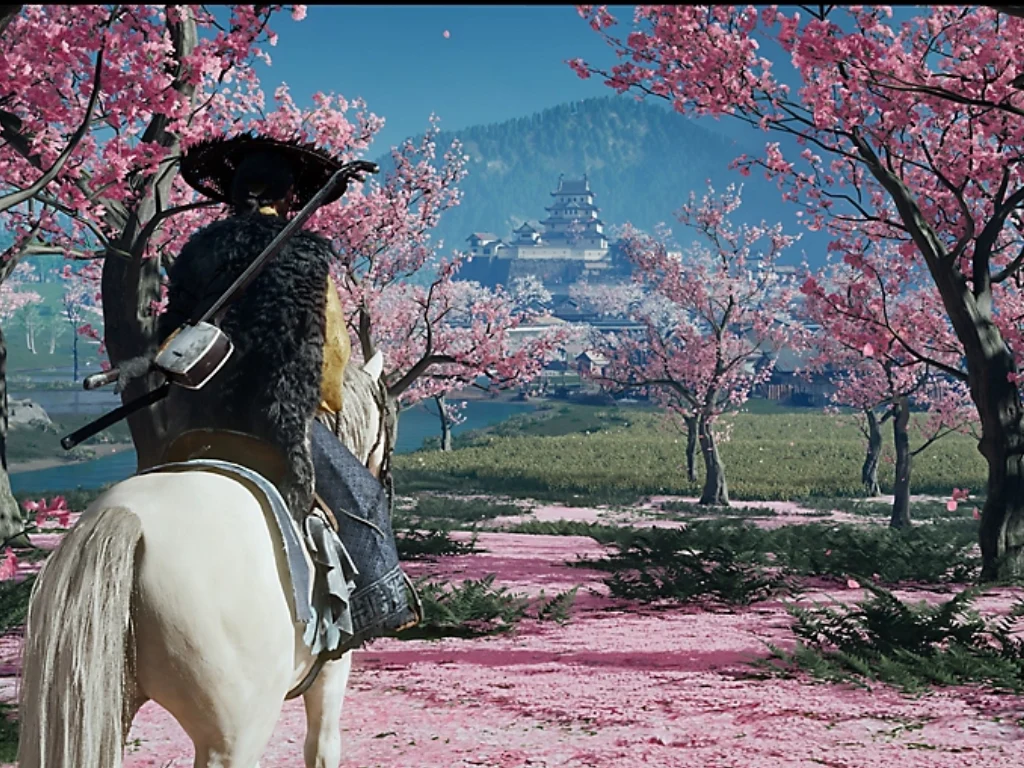
Ghost of Yotei is set to launch exclusively for the PlayStation 5 on October 2, 2025. Sucker Punch Studios has made it clear that the series will stay true to its Japanese heritage and its well-known weaponry. This commitment ensures that future editions will continue to focus on the cultural aspects of the land of the rising sun.
Commitment to Japanese Roots
In a recent interview with the Filipino news site Ungeek, Brian Fleming, the studio head and founder, spoke about the rumors surrounding potential expansions of the series. He emphasized that moving away from feudal Japan would compromise the essence of the game. Fleming remarked:
“We believe the core of Ghost is someone wielding a katana, that’s part of the essence. We can’t imagine a Ghost game set in, say, Feudal Europe. That doesn’t make sense. There are plenty of games set there, but that’s not what a Ghost game is.”
The Beauty of Japan
He also pointed out how essential Japan’s landscapes are to the game, saying, “For us, the natural beauty of Japan is part of the essence of a Ghost game. I gave this answer on stage at Tokyo Game Show, and I think the fans in Japan really appreciated that. That’s the way we see it. It will always have that core, open-world katana adventure of some kind.”
These statements from Sucker Punch Studios’ leader come just a few days before the game’s launch, which takes players to the rugged northern frontier of Ezo in 1603, now known as modern-day Hokkaido. Ghost of Yotei leads gamers to the base of Mount Yotei, also called Ezo Fuji.
A New Protagonist
In contrast to the previous installment, which was set during the 1274 Mongol Invasion of Tsushima Island in the late Kamakura period, Yotei introduces a new female character, Atsu. She is motivated by revenge during a time of changing power dynamics after the Battle of Sekigahara.
The development team from Sucker Punch made several trips to Hokkaido and visited Shiretoko National Park to capture the region’s “alive” and “dangerous” environments. These visits have influenced the game’s combat and exploration, making them feel more dynamic and unpredictable compared to Tsushima.
Future of the Series
As for Fleming’s insights on the series, it looks like players can expect more games in the Ghost franchise, all set in the Japanese samurai period. This period spans from the late 12th century, with the rise of the Kamakura shogunate, to the late 1870s, when the Meiji Restoration ended the samurai era and ushered in modernization.
With Tsushima setting the timeline in 1274 and Yotei moving forward to 1603, there is still a lot of historical ground left to cover. The series could venture into the tumultuous Sengoku period’s civil wars or the stable yet fascinating Edo era.
Boundaries of Exploration
However, Fleming did mention some self-imposed limitations for the series. He suggested that while the game might explore different areas like central Honshu or Kyushu, it will never expand into a multi-era saga like Assassin’s Creed. He added, “Now, we may change time periods, we may explore different settings, but I think there are some boundaries we probably won’t cross.”
Source:
Link

Leave a Reply