
Key Takeaways
1. Xiaomi has launched the Redmi Turbo 5 and Turbo 5 Max in China, which may be released globally as Poco X8 Pro and Poco X8 Pro Max.
2. The Poco X8 Pro models have been mentioned in recent HyperOS code updates, revealing details about their battery and charging features.
3. The Xiaomi 17T and 17T Pro are under development, with model numbers found in IMEI databases after the Xiaomi 15T series.
4. The Xiaomi 17T will feature a 6,500 mAh battery and maintain 67 W wired charging, while using the Dimensity 9500s chipset.
5. Camera specifications for the Xiaomi 17T will remain the same as its predecessor, with no upgrades in sensor technology.
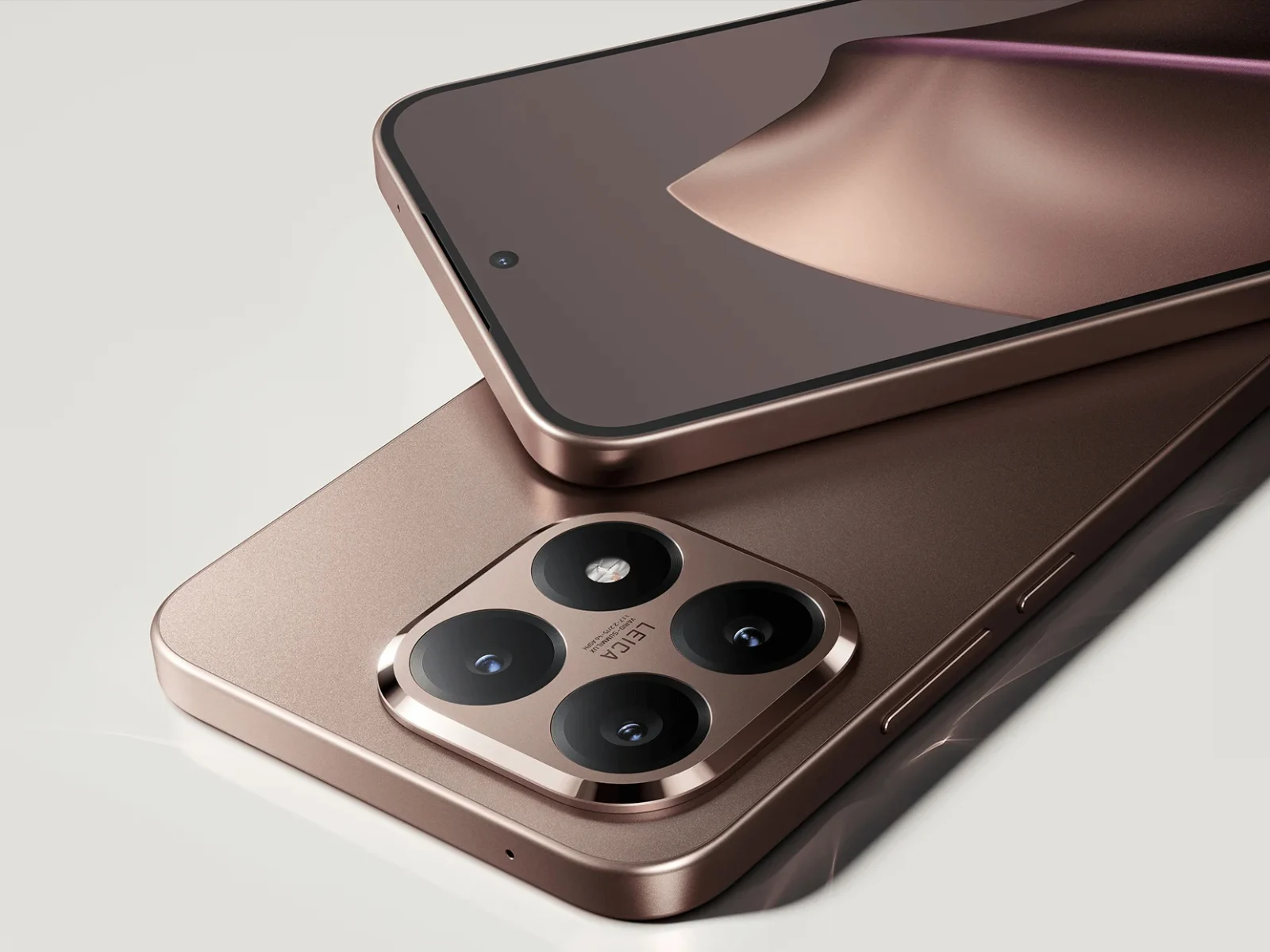
Xiaomi has recently introduced the Redmi Turbo 5 and Redmi Turbo 5 Max in China. These new smartphones are likely to be launched globally as the Poco X8 Pro and Poco X8 Pro Max, respectively. In line with this, the Poco X8 Pro and Poco X8 Pro Max have appeared in the latest HyperOS code updates, which have disclosed details about their battery and charging features.
Xiaomi 17T Developments
Moreover, it appears that the Xiaomi 17T is also in the works. To summarize, both the Xiaomi 17T and Xiaomi 17T Pro were spotted in IMEI databases shortly after the Xiaomi 15T and Xiaomi 15T Pro were revealed (currently priced at $835 on Amazon). While that leak pointed out model numbers, PaperKing13 has shared some key specifications for the Xiaomi 17T.
Specifications and Features
For example, HyperOS indicates that the Xiaomi 17T will keep the 67 W wired charging from its predecessor. Known internally by the codename P12A, the Xiaomi 17T upgrades to a 6,500 mAh battery, compared to the 5,500 mAh battery found in the Xiaomi 15T. Additionally, it is expected to include the Dimensity 9500s chipset.
Interestingly, the Dimensity 8500 Ultra would have been a more fitting option, given that Xiaomi has previously used the Dimensity 8300 Ultra and Dimensity 8400 Ultra in the Xiaomi 14T and Xiaomi 15T, respectively. Sadly, the camera specs will not see any upgrades between the generations, featuring the same OmniVision OV50E, OmniVision OV13B, Samsung ISOCELL JN5, and Samsung ISOCELL S5KKDS sensors for the main, ultra-wide-angle, telephoto, and selfie cameras. As for the release date, that is still uncertain at this point.
PaperKing13 (1) (2)
Source:
Link


Leave a Reply