
Key Takeaways
1. Tablet materials must be strong, heat-resistant, and affordable, with metal unibody designs being popularized by Apple’s iPads.
2. Internal components require protection and must communicate effectively, using antennas for connectivity.
3. Metal and glass can disrupt radio signals, prompting Apple to use printed antennas on metal casings as a solution.
4. Not all manufacturers adopt printed antennas due to the specialized and costly processes involved, along with simpler alternatives.
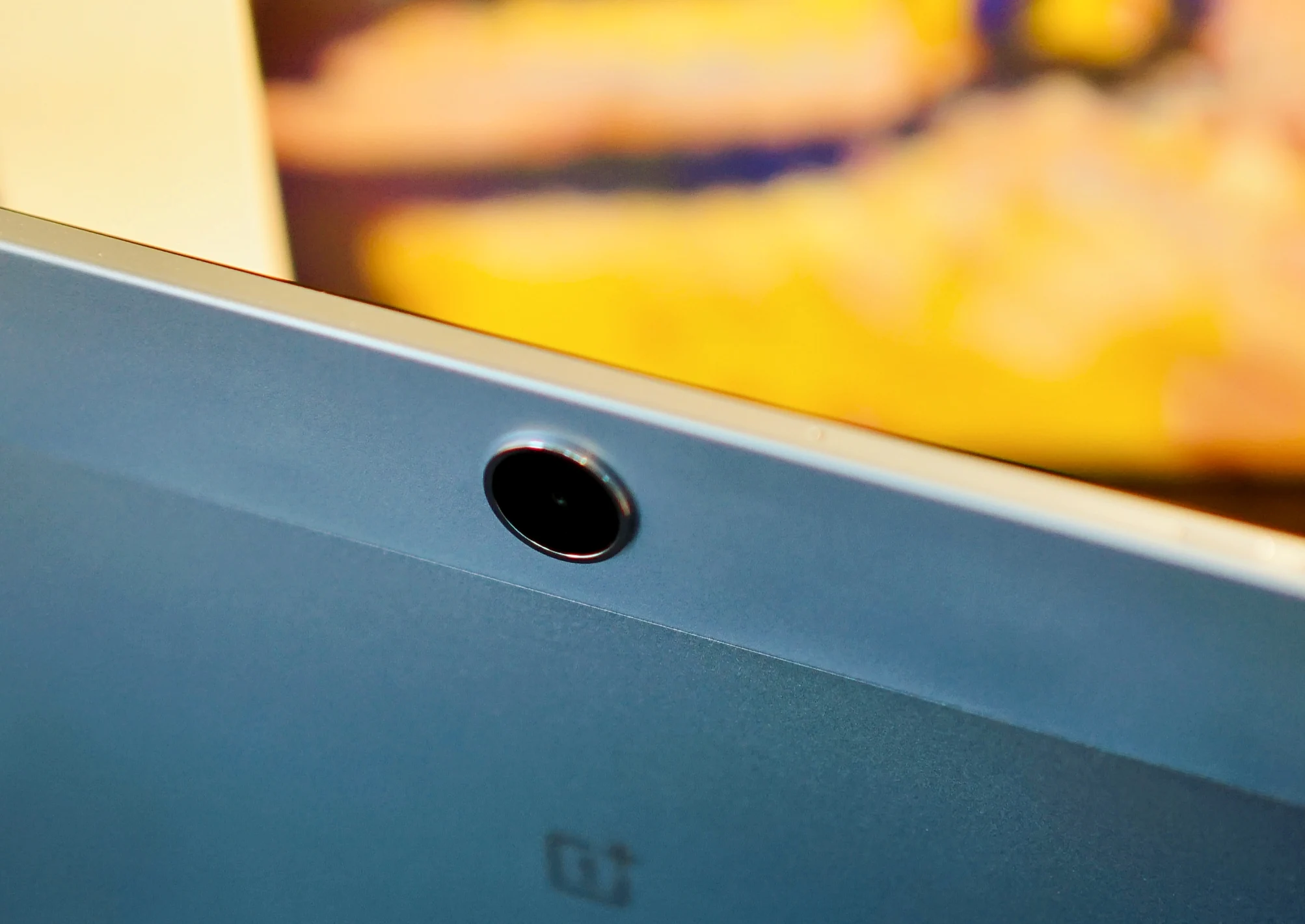
5. The OnePlus Pad Lite uses a plastic section in its design to reduce costs while maintaining functionality, offering excellent value, especially in battery life.
Every tablet creator dreams of crafting their device using top-notch materials. However, there are limits, as the chosen material needs to endure heat, be strong, and safeguard the delicate parts inside. It should be manageable to work with and, naturally, not too expensive.
Common Materials Used
Typically, plastic, glass, and metal are favored for tablet construction. A metal unibody is often seen as the best option for encasing a tablet, largely due to the influence of Apple’s iPads, which popularized this design.
Internal Components
Inside a tablet, not only must the components be shielded from damage, but they also need to communicate with the outside. Along with the tracking module, which connects to satellites, there are antennas for Wi-Fi and, sometimes, mobile reception.
Signal Issues with Metal and Glass
The challenge with metal and glass is that they can disrupt these radio signals, which can impair the tablet’s key functions.
Apple has come up with a clever workaround by attaching printed antennas to the exterior of the metal casing. Interestingly, this approach is now gaining traction in the automotive industry too.
Why Not Everyone Follows Suit?
So, why doesn’t every tablet manufacturer use this method? Printed antennas necessitate specialized processes and can be quite costly, plus there are simpler alternatives available.
OnePlus Pad Lite Overview
We recently examined the OnePlus Pad Lite, a fairly budget-friendly tablet priced at around $230.
Given the high cost of printable antennas, OnePlus has chosen a different route by substituting the top fifth of the metal casing with plastic. This alteration minimally affects the internal antennas and adds a design feature with its slightly different color and texture.
Unique Design Choices
While other tablets may implement similar strategies more subtly, OnePlus has opted for a noticeable plastic section, likely to cut costs on the pricier metal.
Nonetheless, our comprehensive review reveals that the OnePlus Pad Lite is a device that offers excellent value for its price. Its battery life, in particular, stands out as remarkable.
Concluding Thoughts on OnePlus Pad Lite
In summary, the OnePlus Pad Lite showcases how innovative design can balance quality and affordability in the tablet market.
Source:
Link
Leave a Reply