
Key Takeaways
1. A massive asteroid impact 66 million years ago caused the extinction of 75% of Earth’s species, including dinosaurs.
2. Dinosaurs faced numerous challenges during their reign, such as climate fluctuations, rising sea levels, and volcanic eruptions.
3. Some dinosaurs had remarkable adaptability, with features like feathers and warm-bloodedness aiding their survival in changing environments.
4. There was speculation that certain dinosaur species could have developed intelligence similar to humans, though this idea is debated.
5. The extinction event allowed mammals to evolve, suggesting that humans likely would not exist if dinosaurs had continued to dominate the planet.
As you might be aware, around 66 million years ago, a gigantic asteroid over 10 km in length collided with our planet, specifically the Yucatán Peninsula. This event led to the extinction of the dinosaurs and opened the door for life to take a different route in evolution, leading us to our current state.
A Major Shift in Earth’s History
This mass extinction event eliminated 75% of the species that were present on Earth at that time, marking a significant change in the history of life on our planet. It’s important to note that at the time of this event, dinosaurs were at their most powerful, dominating the entire Earth.
Challenges Faced by Dinosaurs
Throughout their existence, these creatures encountered several challenges, including steep increases in sea levels, significant climate fluctuations that resulted in heavy rains followed by severe droughts, as well as drastic alterations in ecosystems and intense volcanic eruptions.
If we envision a scenario where the asteroid had missed Earth, it’s likely that dinosaurs would have continued to evolve, adjusting to various environmental changes. The same applies to ice ages that led to the extinction of certain species.
Adaptability of Dinosaurs
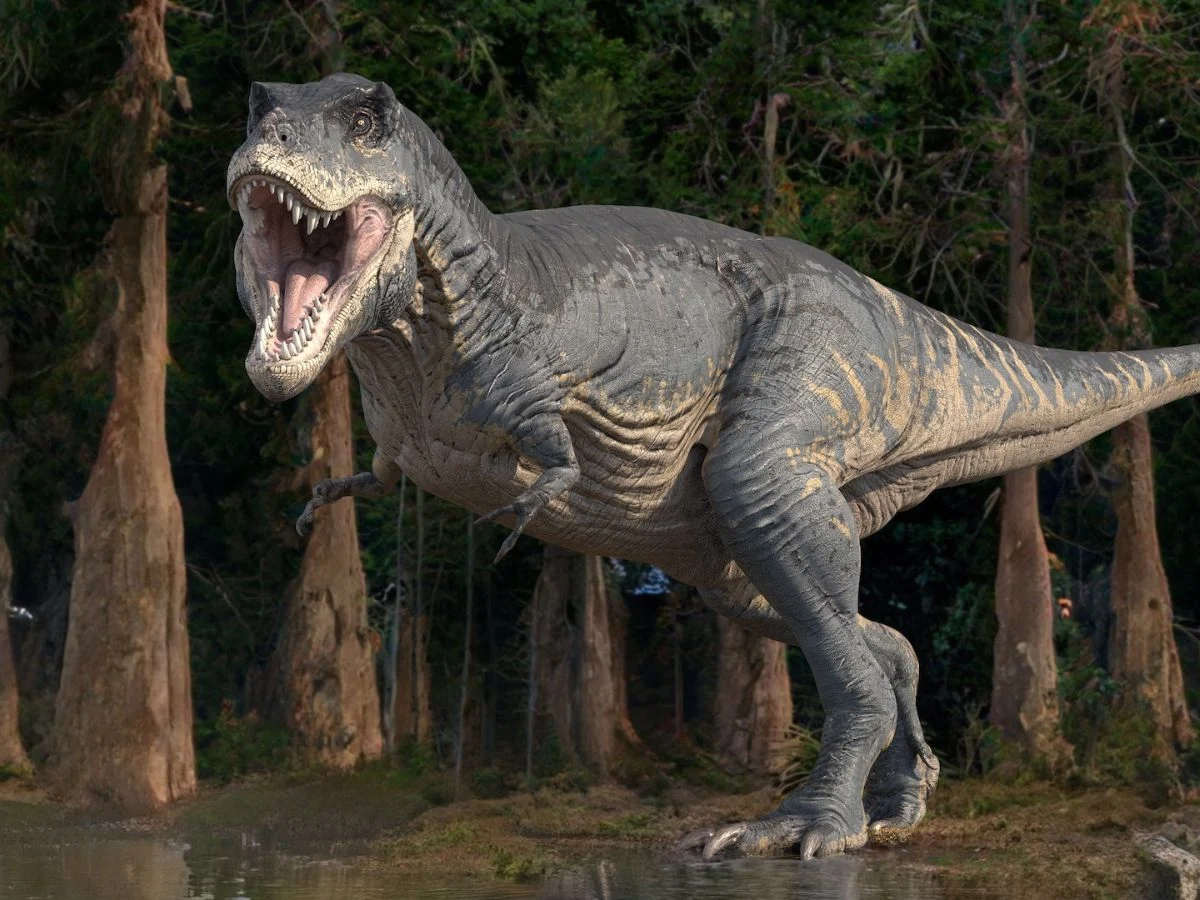
Given the remarkable adaptability of these creatures, it’s plausible that some would have managed to cope with such changes. This is especially true considering that many dinosaurs had feathers, which helped them survive in harsh climates. Additionally, research has recently shown that the Tyrannosaurus rex was warm-blooded, providing it with an advantage against temperature shifts.
On the topic of intelligence, paleontologist Dale Russel estimated in 1962 that members of the Troodontidae family might have developed intelligence akin to humans. Nevertheless, this claim has been challenged by a newer study published in the Journal of Comparative Neurology in 2023. Even so, some modern birds, which are direct descendants of dinosaurs, display similarities to humans in terms of intelligence.
The Impact of Extinction on Human Existence
It is quite likely that if this catastrophic event had not transpired, humans would not be present on Earth today. Dinosaurs were the dominant species, and mammals could not have evolved in the same way. In relation to this, paleontologist Paul Sereno from the University of Chicago states: “We evolved in a world of mammals that would have been impossible to conceive with large non-avian dinosaurs around. We are not inevitable.”
Source:
Link
Leave a Reply