
Key Takeaways
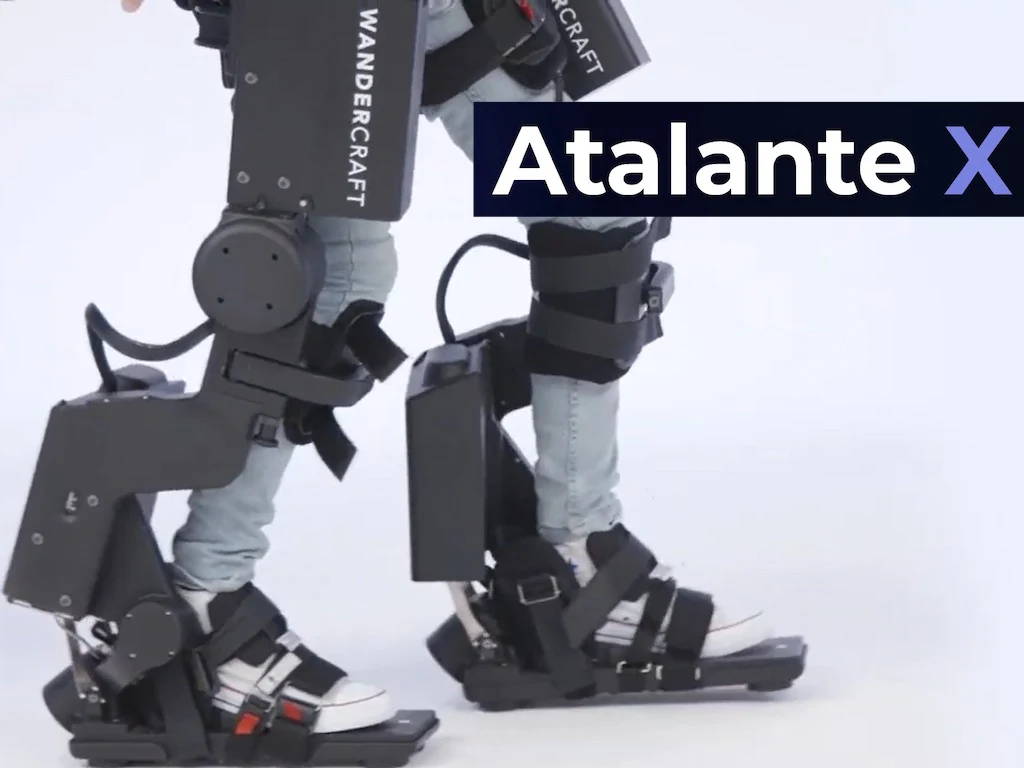
1. Wandercraft’s Atalante X exoskeleton showed improvements in walking for a 64-year-old stroke survivor after just one month of use.
2. Strokes are a leading cause of death in the US, and survivors often face long-lasting effects like paralysis, making early rehabilitation crucial.
3. The exoskeleton reduces fall risks, allowing rehabilitation to focus on improving muscle control and walking abilities.
4. Significant improvements in stride length and walking speed were observed even seven years post-stroke, contrary to typical rehabilitation expectations.
5. Individuals with spinal cord injuries can participate in Wandercraft’s new clinical trial, promoting mobility and independence.
Wandercraft has shared findings from their recent research indicating improvements in walking after just a month of using the Atalante X exoskeleton. The study focused on a 64-year-old woman who experienced paralysis on her left side due to a stroke that occurred seven years prior.
Impact of Stroke in the US
According to the CDC, strokes are responsible for 1 in 6 deaths in America. Those who survive often face long-lasting effects like paralysis. To achieve meaningful recovery, rehabilitation usually needs to start within the first six months after a stroke; after a year, the chances of recovery diminish significantly. Traditional rehab poses challenges for patients, including the high risk of falls due to poor muscle control, which makes it tough for therapists to keep patients stable during sessions.
The Role of the Exoskeleton
The Wandercraft exoskeleton, powered by Nvidia technology, is a self-balancing device designed for patients to navigate freely without the fear of falling. This innovation significantly reduces fall risks, allowing the focus of rehabilitation to shift towards enhancing muscle control and walking abilities instead of merely maintaining balance.
Positive Results Seven Years After Stroke
In the case of the 64-year-old participant, both her stride length and walking speed improved, while the difference in movement between her right (non-paralyzed) and left (paralyzed) sides lessened. Notably, these improvements occurred seven years after her stroke, a time when physical therapists typically would not expect further progress in rehabilitation.
Individuals in the US who are eager to take part in Wandercraft’s new clinical trial involving the exoskeleton for people with spinal cord injuries (SCI) can reach out through [email protected]. Even if there’s no physical improvement, those with disabilities using the Wandercraft exoskeleton can still enjoy walking around the city, just like Kevin Piette did while carrying the 2024 Olympics torch.
Source:
Link
Leave a Reply