
Key Takeaways
1. The Steam Frame is an independent VR headset that can run games on its own and supports wireless streaming from other devices using a 6 GHz dongle.
2. It features LCD technology with pancake lenses, offering a resolution of 2160 x 2160 pixels, a refresh rate of up to 144 Hz, and a 110-degree field of view.
3. The headset is powered by a Snapdragon 8 Gen 3 processor, has 16 GB of RAM, and comes with storage options of 256 GB or 1 TB, running on SteamOS.
4. The Steam Frame incorporates foveated streaming technology for efficient GPU usage by rendering only the areas users are looking at.
5. The controllers include 6 degrees of freedom tracking, capacitive finger tracking, and weigh 130 grams, while the headset weighs 440 grams (185 grams without the battery pack).
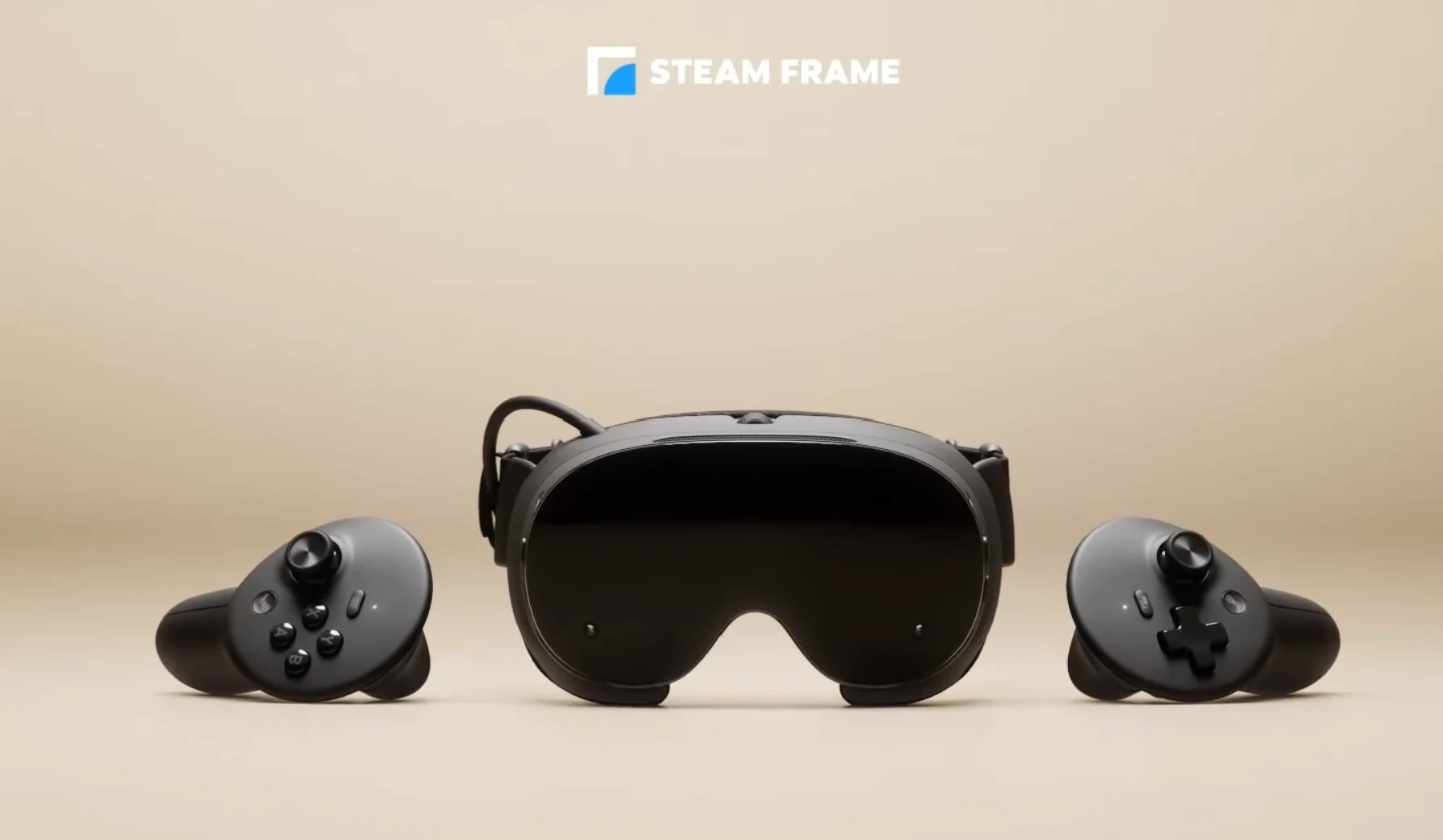
Valve has just released its latest VR headset, previously referred to as Deckard. Although it serves as a successor to the Valve Index, the Steam Frame stands out as an independent device capable of running games on its own. Users also have the option to play games from another device, streaming them wirelessly to the headset using a 6 GHz dongle. Additionally, it features a battery pack that is cleverly mounted on the back of the headset.
Display and Specifications
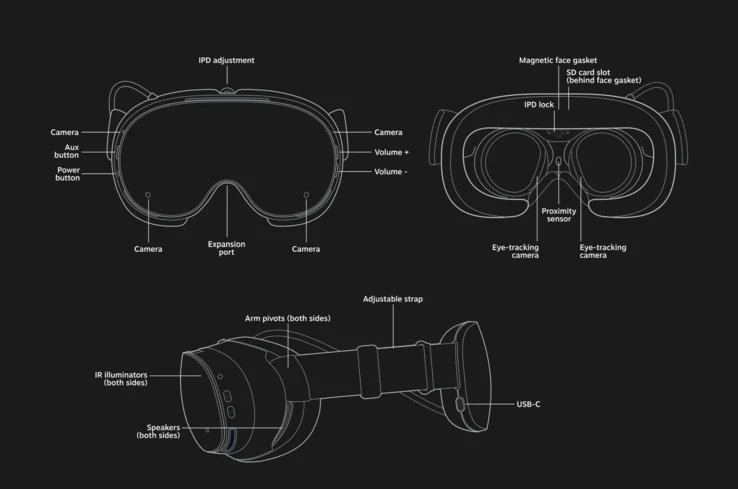
In contrast to various VR headsets (such as the Apple Vision Pro) that utilize OLED screens, Valve has opted for LCD technology paired with pancake lenses. The lenses each boast a resolution of 2160 x 2160 pixels and support a refresh rate of up to 144 Hz. With a field of view of 110 degrees, these lenses can accommodate eyeglasses up to 140 mm in width.
One standout element of the Steam Frame is its foveated streaming capability. This technology tracks your eye movements and only renders the areas you are currently looking at. This feature helps to save GPU power while providing enhanced visual fidelity in the areas that are being rendered.
Performance and Features
Beneath its sleek exterior, the Steam Frame is powered by a Snapdragon 8 Gen 3 processor, complemented by 16 GB of LPDDR5X RAM and storage options of either 256 GB or 1 TB. It runs on SteamOS right out of the box and employs a translation layer to allow for the running of mainly x86 Steam games on an Arm-based system-on-chip (SoC). The Snapdragon SoC theoretically enables users to access Arm-based VR titles as well.
The included battery has a capacity of 21.6 Wh and can charge at a rate of up to 45 Watts via USB-C. For tracking, Valve has equipped the headset with four outward-facing monochrome cameras for both the headset and controller, two internal cameras for eye tracking and foveated streaming, along with infrared illuminators for use in dimly lit spaces. A Wi-Fi 7 antenna allows the Steam Frame to connect directly to the internet.
Controller Design and Weight
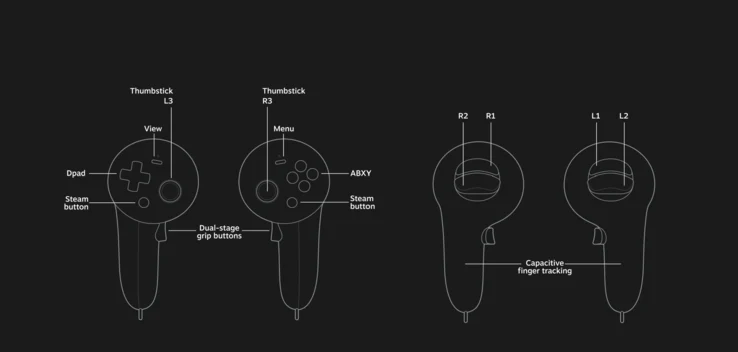
When it comes to the controllers, the Steam Frame features a mostly conventional design that includes 6 degrees of freedom (DOF) tracking, capacitive finger tracking, and a standard layout of A B X Y/D-Pad on each controller. The thumbsticks are equipped with TMR modules, effectively removing the chance of stick drift. Weighing in at just 130 grams with a single AA battery, they are quite lightweight.
The headset itself, however, is a bit heavier at 440 grams, although this drops to 185 grams when the battery pack is detached. The Steam Frame also includes an additional vertical head strap for extra support. Unfortunately, as it was with the Steam Machine, there is still no information on pricing or a release date.
Source:
Link
Leave a Reply