
Key Takeaways
1. The main asteroid belt is located between Mars and Jupiter and is slowly fading away.
2. It was originally intended to form a planet, but Jupiter’s gravity prevented this.
3. Research shows the asteroid belt loses about 0.0088% of its mass every million years.
4. Approximately 80% of asteroids collide with each other, turning into dust, while others are ejected into less stable areas of the solar system.
5. The gradual decline of the asteroid belt may reduce collision chances with planets like Earth, but the process will take millions of years.
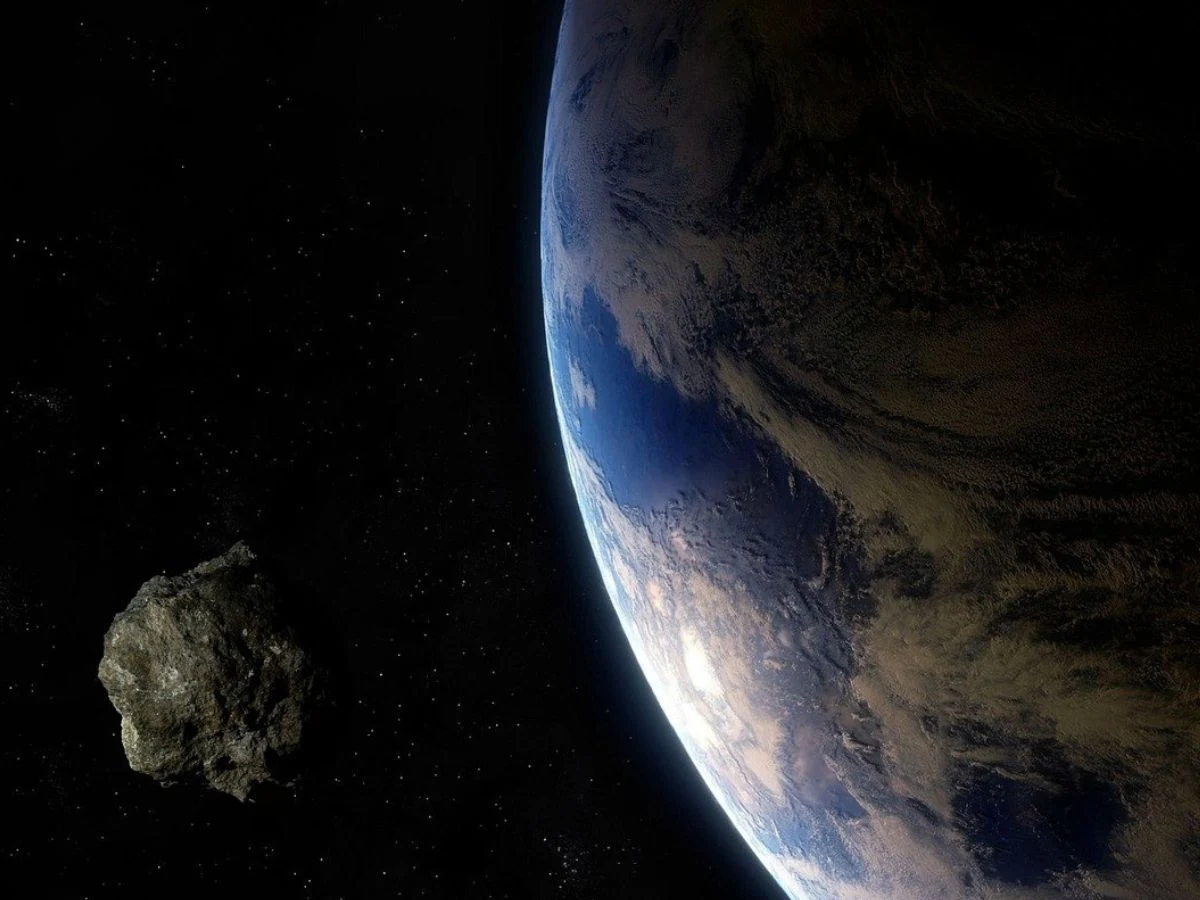
The main asteroid belt in our solar system sits between Mars and Jupiter. While it’s generally thought to be a stable structure, this condition may soon change. In fact, it appears to be slowly fading away, leading to various potential impacts.
Formation of the Asteroid Belt
It’s worth mentioning that this belt was intended to become a planet during the solar system’s formation. However, Jupiter’s strong gravitational pull prevented this from happening. Even though the asteroid belt is quite large, it’s gradually losing its mass over time.
Research Findings
A group of scientists from the astronomy department of the Universidad de la República in Uruguay aimed to determine how fast this structure is disappearing. After conducting several calculations, the astronomers found out that the asteroid belt loses about 0.0088% of its active mass every million years.
Reasons Behind the Mass Loss
There are two primary factors that account for this occurrence. First, it should be noted that around 80% of asteroids collide with one another, turning into dust due to the impact’s force. The remainder gets ejected towards areas of the solar system where gravity is less stable, and some even head toward planets like Earth, Mercury, Mars, or Jupiter.
Interestingly, the slow decline of the asteroid belt might lower the chances of collisions between celestial bodies and planets such as Earth. Nonetheless, this process is happening at a very gradual pace, meaning it will take millions of years for the belt to vanish entirely.
Arxiv
Source:
Link
Leave a Reply