Vivo is gearing up to unveil its X200 series smartphone on October 14 in China. Anticipation surrounds three models in this lineup — the Vivo X200, X200 Pro mini, and X200 Pro.
Pricing Insights
Design visuals for all three devices have already emerged, accompanied by various leaks and teasers that disclose important specifications. Thanks to a tip-off on Weibo from the renowned tech insider Digital Chat Station (DCS), we may also have an indication of the pricing.
DCS did not provide exact figures for the X200, X200 Pro mini, and X200 Pro. Instead, they suggested that the prices would likely be in the range of 4,000 yuan to 5,000 yuan (approximately USD 570 to USD 712). This is just the starting point, however.
Updated Price Range
Later, DCS modified the Weibo post, refining the price range to 4,000 yuan to about 4,XXX yuan (around USD 570 to an unspecified USD amount). The source mentioned that this reduction was due to “executives have been persuaded” to make adjustments.
While the revised range remains a bit unclear, it’s reasonable to expect the Vivo X200 to kick off at 4,000 yuan. If this is accurate, it means the phone will cost the same as its older version, even with potential rises in component costs.
Component Cost Considerations
Particularly noteworthy is the upcoming flagship MediaTek Dimensity 9400 chipset, which is rumored to see a price increase, potentially affecting the final price for consumers. Recently, a Vivo representative even acknowledged that increased chipset costs are a possibility. However, if Vivo can keep last year’s pricing in spite of these challenges, it would be a substantial victory for buyers.
Vivo X200 Ultra Speculation
While the adjusted Weibo post clarifies the pricing for the previously mentioned Vivo X200 series, DCS also hinted at the price of a larger model in the original message. Although DCS did not specifically name this model, it is likely they were talking about the Vivo X200 Ultra. According to DCS, this premium model could push the price even higher to around 5,500 yuan (roughly USD 770).
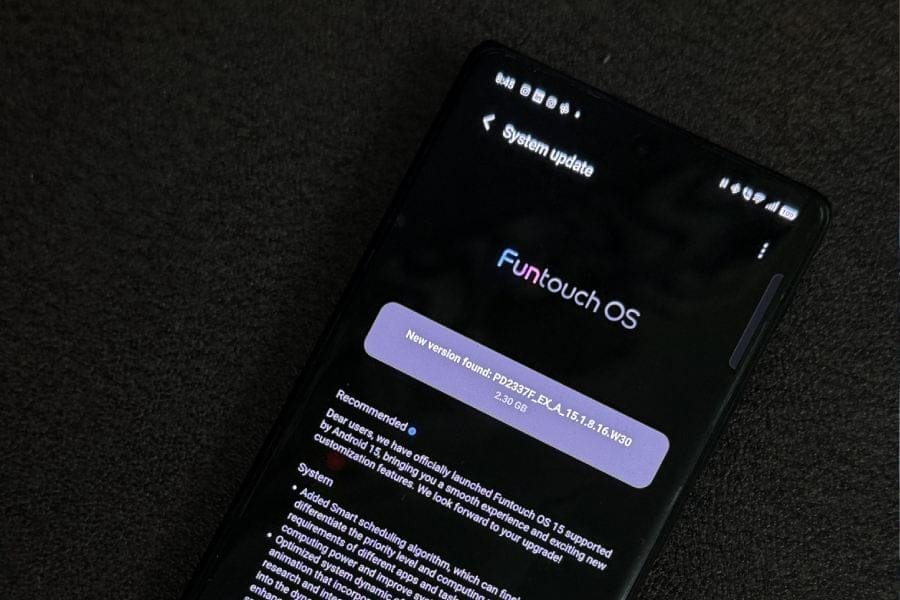
Vivo has introduced Funtouch OS 15, a significant update built on Android 15, which aims to enhance user experience by making it smoother and more tailored. This new version comes packed with performance improvements, fresh customization options, and better productivity features.
Enhancements in Performance and Fluidity
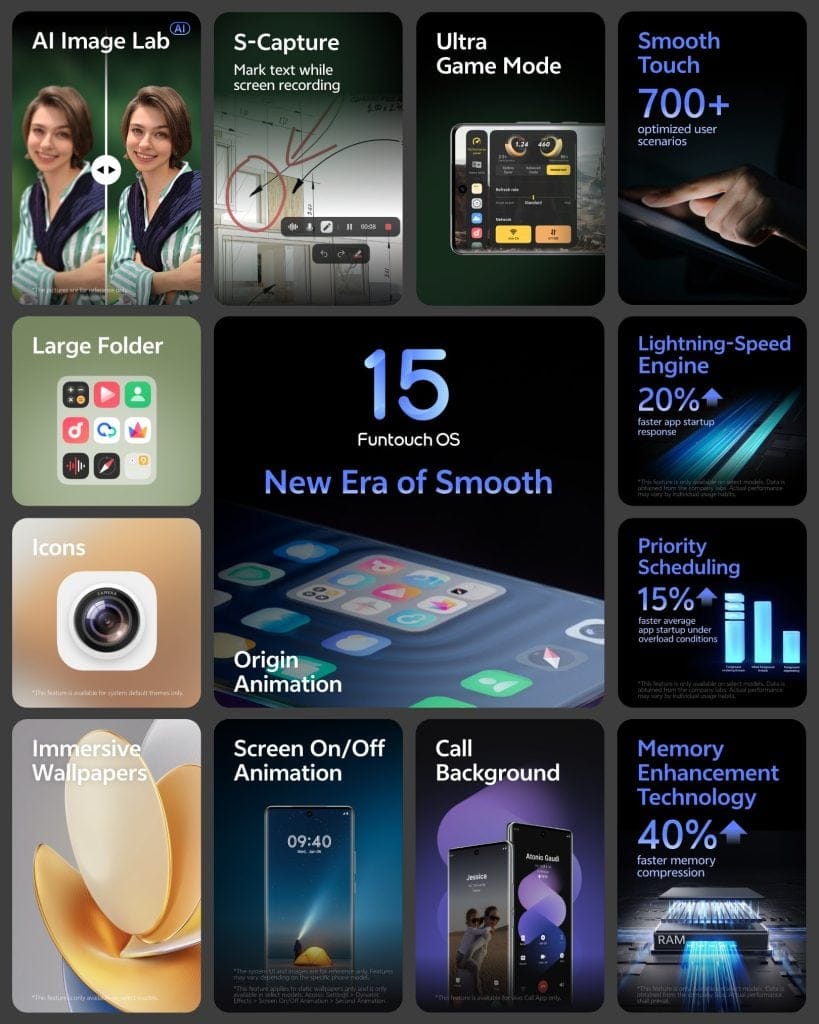
Funtouch OS 15 is designed to prioritize speed and seamless operation. It integrates a Priority Scheduling model that accelerates app launches by 15% by focusing on tasks running in the foreground. Additionally, the update includes Memory Enhancement Technology that employs an optimized zRAM compression method, enhancing compression speed by 40% and reducing GPU memory usage for background applications, leading to improved multitasking capabilities.
Moreover, the update enhances animations, with the Origin Animation feature contributing to a more fluid interface. The Lightning-Speed Engine also aims to increase app launch speeds by an additional 20%. To enhance visual appeal, the Aqua Dynamic Effect draws inspiration from natural movements, providing a fresh interaction experience.
Customization Options for Users
With Funtouch OS 15, users gain access to over 3,800 redesigned elements for device personalization. This includes new system themes, wallpapers (static, immersive, and video), and options to alter the style and size of app icons. Users can select from nine different system themes to give their phones a new appearance.
In addition, new fingerprint recognition animations have been introduced, enabling users to customize the look of their devices further.
Productivity Features for Enhanced Efficiency
The newly added AI Image Lab offers tools for automatic photo enhancement and shadow removal from document scans, streamlining the editing process. It also features the Memory Movie capability for improved management of photos and videos.
For gaming enthusiasts, the Ultra Game Mode allows effortless access to game settings without disrupting gameplay. The Link to Windows feature facilitates an easy connection between a Vivo device and a PC, supporting real-time content synchronization and file sharing.
Timeline for Funtouch OS 15 Rollout
The Beta version of Funtouch OS 15 will first be available for the iQOO 12 in India. Other Vivo models are set to receive the update starting in mid-October 2024, continuing until June 2025. Vivo has provided a detailed rollout schedule for each device.
Here’s the rollout schedule for the Android 15 Beta update:
Vivo Smartphones
Mid-October 2024: X Fold3 Pro, X100 Pro, X100.
Mid-November 2024: X90 Pro, X90.
Mid-December 2024: V40 series, V30 series, Y200 Pro 5G, T3 Ultra, and more.
Mid-January 2025: X80 series, V27 series, T3 Pro 5G, T3 5G.
Vivo has made headlines by becoming the first brand to roll out Android 15 to its users. Their customized interface, Funtouch OS 15, is being distributed to select flagship models ahead of updates from both Google and Samsung. Although the official release is set for September 30, some fortunate Vivo users are already enjoying the features of Android 15.
Vivo Leads the Update Rollout
Historically, Google and Samsung have been the frontrunners in delivering significant Android updates through their Pixel and Galaxy devices. For instance, the Pixel 9 series is still anticipating its Android 15 update, which is expected to start in mid-October. Meanwhile, Samsung has not disclosed its update timeline, making it evident that they are currently lagging behind Vivo.
Eligible Vivo Devices
So, which Vivo devices are getting early access to Android 15? The update is being rolled out to the Vivo X100 series, Vivo X Fold 3 Pro, and the iQOO 12.
New Features in Funtouch OS 15
For users of these devices, Funtouch OS 15 introduces several new features in addition to what Android 15 offers. One standout feature is an AI-driven “Eraser” tool in the Gallery app, similar to the Magic Eraser found in Google Photos. Photo editing fans will also appreciate the shadow removal tool.
Moreover, Funtouch OS 15 comes with a Live Transcribe feature that shows spoken words on the screen, enhancing accessibility for those who are deaf or hard of hearing. Android 15 itself includes useful functionalities like Private Space for managing personal applications—a feature that Vivo already provides—and the ability to share a portion of the screen for secure collaboration.
A New Chapter in Android Updates
The most significant aspect of this update is Vivo’s impressive lead in the update race. This marks a notable occasion where an Android update has reached non-Pixel devices before Google’s own flagship series.
While it’s still early in this update cycle, it will be interesting to see if Vivo can sustain this lead in future updates. For now, users of compatible Vivo devices can take pride in being among the first to experience the benefits of Android 15.
OnePlus Nord 4 is a robust mid-range smartphone that boasts a strong Qualcomm Snapdragon chipset, a dual rear camera with a 50MP main sensor, and an impressive 5,000mAh battery— the largest seen on a OnePlus device— which supports 100W superfast charging.
The entry-level model of the OnePlus Nord 4, featuring 8GB RAM and 128GB storage, is priced at Rs. 29,999. The 8GB + 256GB option is available for Rs. 32,999, while the premium 12GB + 256GB variant comes in at Rs. 35,999. Though the OnePlus Nord 4 offers great value, there are several competitors in the same price bracket that may provide enhanced features and performance.
Alternative Options Available
I have compiled a list of 7 smartphones that may outperform the OnePlus Nord 4 in various areas. Be sure to check these out before making your next smartphone purchase.
First, let’s quickly review the specifications of the OnePlus Nord 4:
Connectivity: 5G/4G/3G/2G, Bluetooth 5.4, Wi-Fi 6, NFC, USB Type-C 2.0
The Xiaomi 14 Civi is a premium mid-range option and arguably the best competitor to the OnePlus Nord 4. This compact phone features enhanced resolution and brightness, along with Corning Gorilla Glass Victus 2 for added durability. The Snapdragon 8s Gen 3 offers better gaming performance compared to the Snapdragon 7+ Gen 3 in the Nord 4.
In terms of camera quality, the Xiaomi 14 Civi excels with a triple rear camera setup and dual 32MP selfie cameras, allowing for 4K recording, unlike the Nord 4. However, the Nord 4 has a slight edge in battery capacity and charging speed, and it provides better software support with an extra Android upgrade and two additional years of security patches.
Connectivity: 5G/4G/3G/2G, Bluetooth 5.3, Wi-Fi 802.11 a/b/g/n/ac, USB Type-C 2.0
The Vivo T3 Ultra features a larger display with higher resolution and brightness, plus better outdoor visibility due to Schott Xensation Alpha protection. The Dimensity 9200+ chip outperforms the Snapdragon 7+ Gen 3, and the camera setup offers impressive performance. However, the Vivo phone has a less favorable software update policy compared to the OnePlus Nord 4.
Connectivity: 5G/4G/3G/2G, Wi-Fi 802.11 a/b/g/n/ac/6, Bluetooth 5.4, NFC, USB Type-C 2.0
If performance is your top priority, the Poco F6 is a noteworthy option. While it shares a similar display size and resolution with the Nord 4, the Snapdragon 8s Gen 3 chip enhances gaming and processing tasks. Both smartphones offer comparable camera setups, but the Poco F6 has a higher resolution front camera. The Nord 4, however, has a superior battery capacity and charging speed.
Connectivity: 5G/4G/3G/2G, Bluetooth 5.4, Wi-Fi 6, NFC, USB Type-C 2.0
For photography enthusiasts, the Vivo V30 Pro stands out with its impressive camera system. It features three 50MP cameras that excel in various conditions. Although the Dimensity 8200 chip isn’t as powerful as the Snapdragon 7+ Gen 3, it still performs well for casual tasks.
Connectivity: 5G/4G/3G/2G, Bluetooth 5.4, Wi-Fi 6, NFC, USB Type-C 2.0
The Realme GT 6 is a strong competitor, offering a bigger display and higher brightness levels. It is powered by the Snapdragon 8s Gen 3 and features a versatile camera setup. The Realme device also supports faster charging compared to the Nord 4, making it an attractive option.
Connectivity: 5G/4G/3G/2G, Wi-Fi 7, NFC, Bluetooth 5.3, USB Type-C 2.0
For those considering an upgrade, the OnePlus 11 presents superior display quality, enhanced performance, and a more capable camera system. It is powered by the Snapdragon 8 Gen 2, making it a more stable option for gaming and media consumption.
Connectivity: 5G/4G/3G/2G, Wi-Fi 6, NFC, Bluetooth 5.3, USB Type-C 2.0
The Nothing Phone 2 features a unique design with its innovative Glyph UI. It offers a solid performance with its Snapdragon 8+ Gen 1 chip and decent camera capabilities. While it lacks some features like wireless charging speed and battery capacity compared to the Nord 4, it presents a compelling option for those interested in a distinctive smartphone experience.
In conclusion, these are the 7 best alternatives to the OnePlus Nord 4. Are you still inclined towards the Nord 4, or would you consider any of these alternatives for your next smartphone upgrade?
Vivo is reportedly set to expand its T3 series, which already includes devices such as the Vivo T3 Lite 5G, Vivo T3x 5G, Vivo T3 5G, and Vivo T3 Pro 5G. Speculations suggest that the company is gearing up to launch the Vivo T3 Ultra in India. A report from 91mobiles has disclosed numerous details about this Ultra model.
Vivo T3 Ultra Specs (Rumored)
According to the report, the Vivo T3 Ultra is expected to feature the Dimensity 9200 Plus chipset. With an AnTuTu benchmark score of approximately 160K+, the Ultra is anticipated to outperform the Vivo T3 Pro, which is powered by the Snapdragon 7 Gen 3. Considering that the Pro version is priced at Rs 24,999 ($300), the Ultra model is likely to be priced around Rs 30,000 ($360).
The report also indicates that the T3 Ultra will boast an IP68-certified body and a curved-edge AMOLED display offering a 1.5K resolution and peak brightness of 4500 nits. On the rear, it will have a primary camera featuring a Sony IMX921 sensor with OIS capability.
Additional Features and Expected Launch
Moreover, a device with the model number V2426 has been spotted on Geekbench. This not only confirms the presence of the D9200+ chipset but also reveals that the smartphone comes with 12 GB of RAM and runs on Android 14.
Interestingly, these specifications are also seen on the Vivo V40 Pro. It appears that the T3 Ultra might lack Zeiss optics, which are available on the camera-centric V40 Pro.
The report suggests that the Vivo T3 Ultra was slated for an early September launch. However, since the month is already underway, this seems improbable. It’s more likely that the device will be teased for about a week before it officially launches.
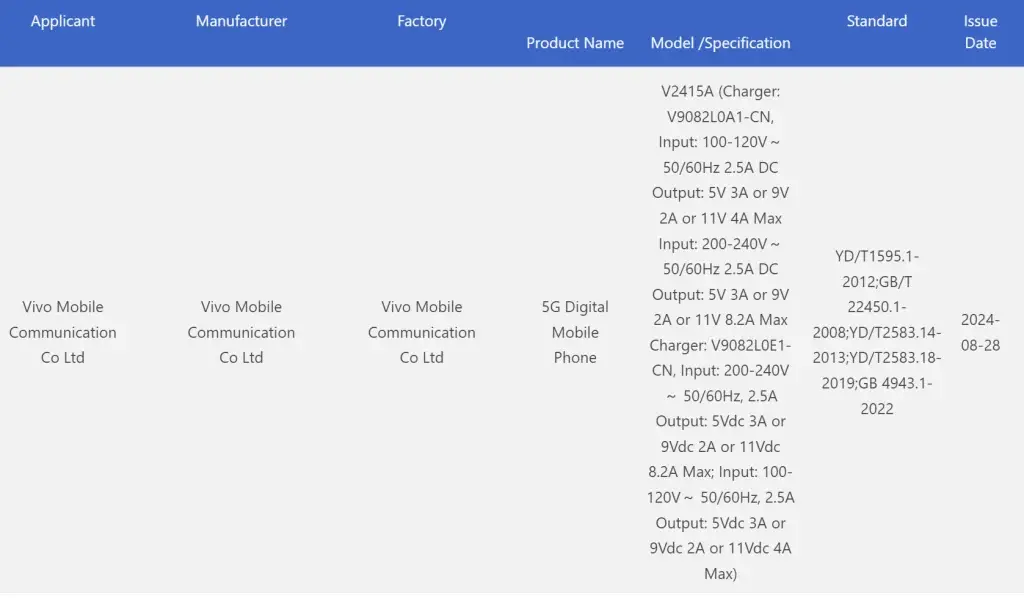
A Vivo phone, identified by the model number V2415A, recently received approval from China’s radio certification platform. This device has now also gained approval from China’s 3C certification platform, suggesting that it might soon be launched. It is speculated to be part of the Vivo X200 series smartphones.
Vivo X200 Series Rumors
The screenshot above shows that the Vivo V2415 has been listed in the 3C database. This model is associated with a V9082L0A1-CN / V9082L0E1-CN charger that supports up to 90W fast charging. Given the 90W charging capability, this phone is likely to be a forthcoming flagship model from Vivo.
There’s also a chance that the Vivo V2415, without the "A" suffix, noted in the IMEI database, could represent the global version of the Vivo V2415A. According to the IMEI listing, the model number V2415 is linked to the Vivo X200. However, it’s wise to take the phone’s naming with a grain of salt, as more details about the V2415A’s identity are anticipated shortly.
Expected Features and Launch
Current reports indicate that the X200 series will include at least three versions: the Vivo X200, X200+, and X200 Pro. These models are expected to feature the Dimensity 9400 chip and could be unveiled in the third week of October. Meanwhile, the Vivo X200 Ultra is projected to launch in early 2024, potentially boasting the Snapdragon 8 Gen 4 chip.
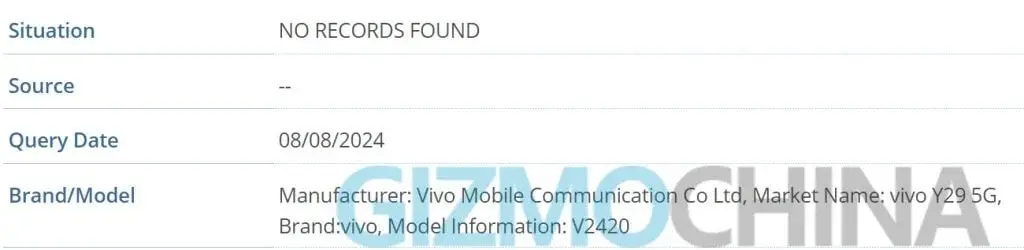
Vivo has initiated development on its new budget-friendly Vivo Y29 series. Gizmochina has identified the Vivo Y29 5G and Vivo Y29e 5G in the IMEI database. The company appears to have experienced considerable success with both the Y300 series and the Y29 series smartphones.
Vivo Y29 Series: Y29 5G and Y29e 5G
Vivo aims to heighten competition within the affordable smartphone market. The forthcoming launch of the Vivo Y29 5G and Vivo Y29e 5G is anticipated. Gizmochina has detected two smartphones from the Vivo Y29 series in the IMEI database.
Detailed information about these smartphones is currently unavailable. Nonetheless, the Vivo Y29 and Vivo Y29e 5G models are expected to be slightly enhanced versions compared to their predecessor, the Vivo Y28 5G. The Vivo Y29 5G bears the model number V2420, while the Y29e 5G is identified with the model number V2421. To gain an understanding of these two new smartphones, let’s review the features of the Vivo Y28 5G.
Vivo Y28 5G Features
The Vivo Y28 5G is equipped with a 6.56-inch HD+ (720×1612) resolution 90Hz LCD display, boasting a brightness of 840 nits. Its fingerprint reader is positioned on the side. This device is powered by MediaTek’s mid-range Dimensity 6300 processor. It includes 8 GB of RAM and 256 GB of storage, expandable up to 1 TB via an SD card.
Awaiting More Information
Currently, there is no information regarding the launch date of the Vivo Y29 series. However, it is expected that more details will surface in the future. These smartphones are likely to be popular among budget-conscious consumers. We are eagerly awaiting what these new devices will bring. Stay tuned for further updates on all developments.
Vivo is gearing up to expand its mid-range lineup with the anticipated release of the Vivo Y300 series. Although the official announcement is still pending, the Vivo Y300 5G has been identified in the IMEI database by Gizmochina.
Building on the success of the Vivo Y200, it is expected that the Vivo Y300 5G will come with improved features. This new series aims to capture attention in the mid-range smartphone market by offering advanced functionalities and high performance.
Vivo Y300 Series
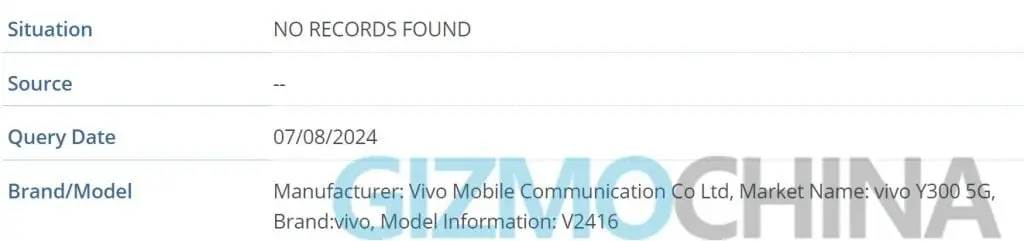
The flagship model, the Vivo Y300 Pro 5G, was first noticed a few months back, and an article has already covered its details. Recently, the standard model, the Vivo Y300 5G, has been unveiled with the model number V2416, according to Gizmochina. Although specific details about the Vivo Y300 5G are not yet available, some educated guesses can be made based on its predecessor, the Vivo Y200.
What to Expect
The Vivo Y200 is a well-regarded mid-range smartphone, featuring a Snapdragon 4 Gen 1 processor, 8GB of RAM, and 128GB of internal storage. It also sports a 6.67-inch AMOLED display, which includes an in-display fingerprint scanner and a 16MP selfie camera. Given these specs, it’s reasonable to anticipate that the Vivo Y300 5G will offer similar or enhanced features.
As we await more details and the official launch date, it’s evident that the Vivo Y300 series is set to make a notable impact in the market. Further information will provide a clearer picture of the features and release schedule. For now, we look forward to the innovations Vivo will bring with this new addition to their lineup.
Vivo recently hosted an event in China, focusing on the future of mobile imaging. Details of their vision can be found in a separate story.
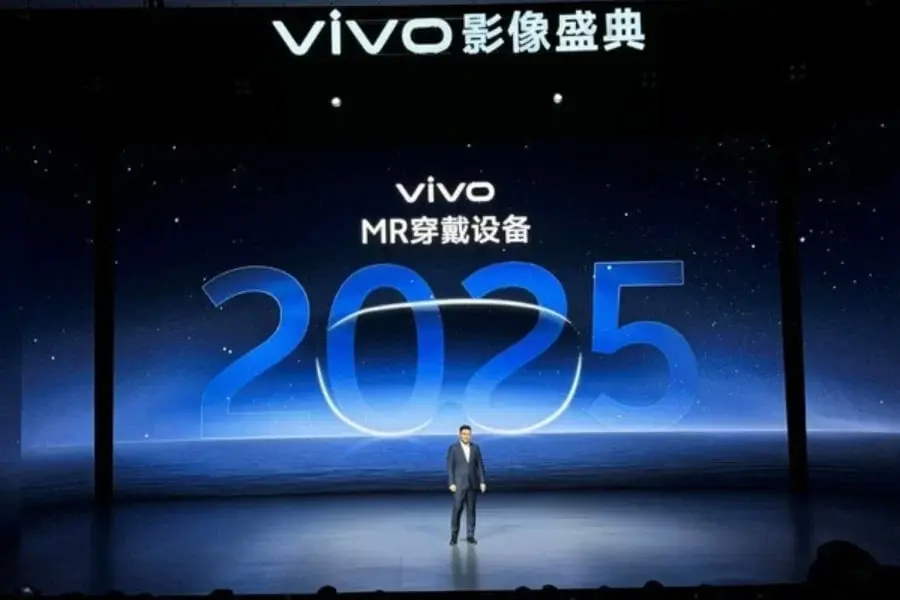
In addition to imaging, Vivo confirmed its plans to enter the mixed reality (MR) market. The company announced that it will release an MR wearable headset in 2025.
Confirmation of MR Plans
Earlier this year, Vivo’s executive vice president, Hu Baishan, hinted at the company's interest in MR technology during the Boao Forum for Asia. At that time, Baishan described MR as the next significant advancement in mobile technology. Now, Vivo has officially confirmed these plans.
Vivo is not entirely new to Extended Reality (XR). The company launched its first AR smart glasses in 2019, although these required pairing with a 5G smartphone to function.
Standalone MR Device?
There is hope that the new MR device will provide a more immersive, standalone experience similar to Apple’s Vision Pro, but no specific details have been confirmed yet.
Vivo’s innovation comes during a period of strong market performance. According to Canalys, Vivo is the top smartphone brand in China, with a 19% market share. The high-end Vivo X series has also seen sustained growth, reinforcing the company’s position in the premium consumer device market.
Competition and Market Position
Competitors such as Huawei and Oppo are rumored to be working on similar MR products, though no official announcements have been made.
The Imaging Festival was also an opportunity for Vivo to highlight its technological advancements. The company revealed that its next flagship smartphones, likely the Vivo X200 series, will incorporate an in-house Blueprint image sensor, Blueprint Algorithm Matrix, and Blueprint Imaging chip.
Vivo’s move into the mixed reality (MR) space marks a notable development in the wearable device market. The company’s success in the smartphone industry will likely influence its approach to this new technology.
China Telecom has introduced a new initiative, offering a one-year complimentary trial of its satellite service to users of certain smartphone models. This program is aimed at owners of Huawei, Honor, Xiaomi, OPPO, and Vivo devices.
According to reports from users (via Huawei Central), China Telecom is informing customers about the offer through SMS. The message states, “Experience satellite calls, free for a whole year!”
Details of the Free Plan
The free plan grants users 2 minutes of satellite talk time each month without charge. Normally, standard satellite calls on China Telecom cost 9 yuan per month.
To subscribe to this 12-month free plan, users need to respond to the SMS with a specific code. This triggers a process to gather user information and activate the service.
Eligible Smartphones
Here are the smartphones currently eligible for the free satellite service trial:
Huawei Pura 70 Ultra
Huawei Pura 70 Pro+
Huawei Mate 60 Pro
Honor Magic 6 Ultimate
Honor Magic 6 Pro
Xiaomi 14 Ultra
OPPO Find X7 Ultra
Vivo X100 Ultra
This free trial enables users to make or receive satellite calls in areas with poor or no cellular network coverage.
Additional Service Information
While the trial includes voice calls, it’s important to remember that text messaging is a separate service with a monthly fee of 10 yuan. Users who do not wish to continue the text messaging service after the trial period ends will need to cancel it manually.
China Telecom launched its direct smartphone-to-satellite service in September 2023. This service allows users with compatible phones and a China Telecom SIM card to activate satellite features for SMS and voice calls, even without cellular network access.
The standard service is priced at 10 yuan per month, but there are tiered packages offering various call minutes. For 200 yuan, users get 50 minutes; 300 yuan provides 100 minutes; and 500 yuan allows for 200 minutes of satellite talk time.