Tag: software updates

  • Realme Phones Eligible for Realme UI 6.0 (Android 15) Update

    Realme Phones Eligible for Realme UI 6.0 (Android 15) Update

    Android 15 is currently under active development, with various developer previews and beta versions already available for testing. These early releases have unveiled several exciting features of the new operating system, including satellite connectivity, Find My Device network, and App Archiving. As Google continues to release more beta builds, we can anticipate the introduction of additional new features in Android 15.

    Realme Phones Eligible for Android 15 Update

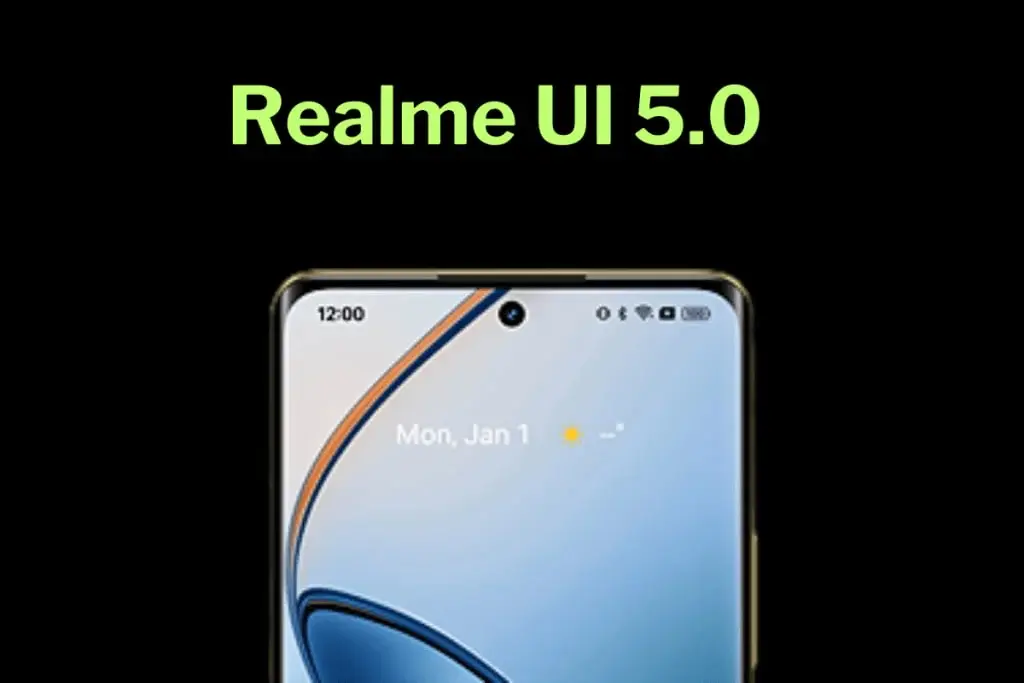
    Realme is gearing up to provide the Android 15-based Realme UI 6.0 update for a range of its smartphones. The list of Realme phones eligible for the update includes models like Realme GT 5, Realme GT 2 Pro, Realme Narzo 70, and many more. This list is not final and is subject to updates as the brand announces the complete roster of devices that will support Android 15.

    Realme UI 5.0 Rollout Details

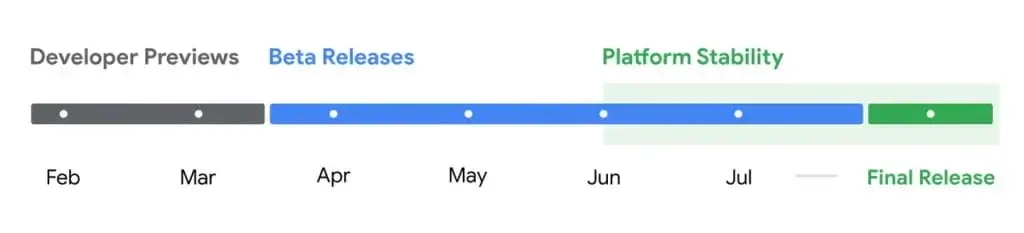
    The rollout of Realme UI 5.0, based on Android 15, is expected to commence after the stable release of the new OS. Google's official timeline indicates that the beta phase for Android 15 will continue until June 2024, with a probable stable release around October. Following the stable release, smartphone manufacturers like Realme will refine their custom skins, which could take a few weeks before users can experience the latest Android features.

    Notable Features of Android 15

    Android 15 introduces several significant changes, such as enhancements to the Find My Phone Network, satellite connectivity support, App Archiving, Battery Health monitoring, Notification Cooldown, and Partial Screen Sharing. These features aim to enhance user experience, improve functionality, and provide greater control over device usage.

    For a more detailed overview of the top 10 features coming to Android 15, users are encouraged to explore the comprehensive list. Individuals are also encouraged to share their thoughts on their Realme smartphones and expectations for Android 15 in the comments section.

    [[Image Here: If Available]]

    For more information on Android 15, users can explore additional features like audio sharing, satellite connectivity support at the OS level, finding smartphones even when powered off, and the Notification Cooldown feature.
  • Motorola Phones Getting Android 15 Update – Check the List

    Motorola Phones Getting Android 15 Update – Check the List

    Android 15 testing is currently underway, with numerous developer previews and beta versions released for testing purposes. Google is continuously working on making changes and addressing known issues until the Android 15 stable release is finalized. Motorola users are eager to know if their devices will receive the Android 15 update.

    Exciting Android 15 Features

    The upcoming Android 15 update is anticipated to be a significant upgrade compared to Android 13 and 14. Early builds have showcased various exciting features of the OS. While specifics will be delved into later, let’s first explore which Motorola devices are expected to be eligible for the Android 15 upgrade.

    Eligible Motorola Devices

    • Edge series: Motorola Edge 50 Ultra, Motorola Edge 50 Pro, Motorola Edge 50 Fusion, Motorola Edge 40 Pro, Motorola Edge 40 Neo, Motorola Edge 40, Motorola Edge 30 Ultra, Motorola Edge+ (2023), Motorola Edge (2023)
    • Moto G series: Motorola Moto G84, Motorola Moto G73, Motorola Moto G64, Motorola Moto G54, Motorola Moto G Power (2024), Motorola Moto G (2024)
    • Razr series: Motorola Razr 40 Ultra, Motorola Razr 40
    • Lenovo phones: Motorola Lenovo ThinkPhone

    Motorola has not yet released an official list of devices slated for the Android 15 upgrade. Typically, the brand offers three major Android updates for select mid-range and flagship devices, while entry-level phones usually receive only one significant OS update. The list provided above includes Motorola devices expected to receive the Android 15 update, subject to updates based on the latest Android 14 information.

    Anticipated Rollout Timeline

    Google is expected to wrap up the Android 15 beta phase by June 2024, during which new features are tested and existing issues are addressed. Following this phase, the OS enters the platform stability phase for further refinements and bug fixes in preparation for the final release.

    In 2023, Google released Android 14 in October alongside the Pixel 8 series, leading many to anticipate a similar timeline for Android 15. The new OS release may coincide with the introduction of Google’s next flagship smartphone series, Pixel 9, potentially being the first devices to feature Android 15 out of the box.

    While Motorola has faced challenges with timely software updates in the past, the brand initiated the stable Android 14 rollout earlier this year. However, compared to competitors like Samsung and OnePlus, Motorola’s update process has been relatively slower. It is hoped that Motorola will improve its update pace with Android 15, although it is unlikely that the stable rollout will commence immediately after the Android 15 release, possibly not until December.


    Motorola Phones Getting Android 15 Update - Check the List
  • Google Pixel Devices Eligible for Android 15 Update

    Google Pixel Devices Eligible for Android 15 Update

    Android 15 is set to launch later this year, with a sneak peek at new features and enhancements already available through developer previews and beta versions. The official release is highly anticipated, particularly for Google Pixel users, as they will be among the first to receive the Android 15 update, although it will be limited to select devices.

    Google Pixel Devices Eligible for Android 15 Upgrade

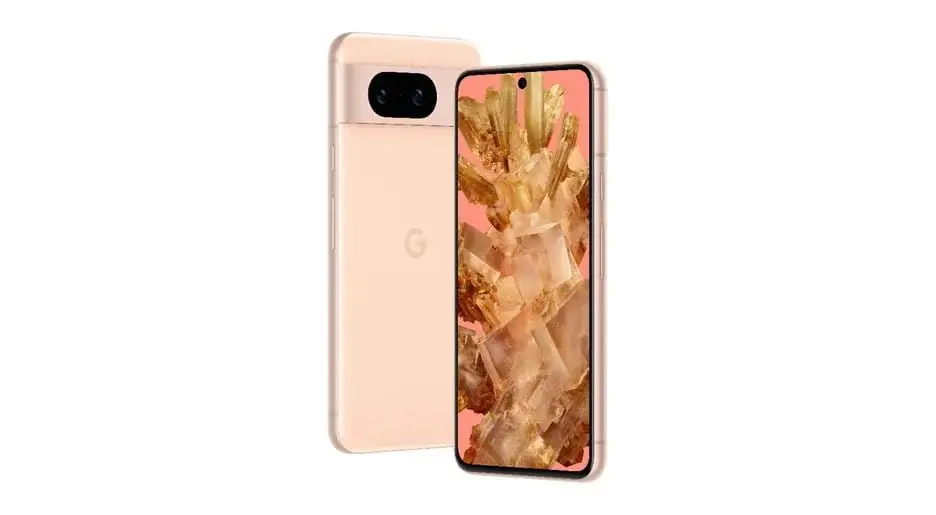
    When it comes to software updates, Android smartphone brands vary in their policies. However, Google Pixels stand out due to their consistent update approach. The Pixel 6 and Pixel 6 Pro are the oldest models confirmed to receive the Android 15 upgrade. This also extends to future releases like the Pixel 6a, Pixel 7 series, Pixel 8 series, Pixel Fold, and Pixel Tablet. While the Pixel 8 series and upcoming models are promised seven years of updates, older devices like the Pixel 5a will only have three years of support.

    List of eligible Google Pixel devices for Android 15 upgrade:

    • Google Pixel 8 Pro
    • Google Pixel 8
    • Google Pixel 7 Pro
    • Google Pixel 7
    • Google Pixel 7a
    • Google Pixel 6 Pro
    • Google Pixel 6
    • Google Pixel 6a
    • Google Pixel Fold
    • Google Pixel Tablet

    Android 15 Release Timeline

    The exact release date for Android 15 is yet to be announced, but the official timeline indicates that the beta phase will run until June. Following this, the new OS will move into the platform stability phase, where final adjustments and bug fixes will be made before the public launch. Given the precedent set by Android 14's release alongside the Pixel 8 series in October last year, it is likely that Android 15 will follow a similar schedule, possibly coinciding with the launch of the Pixel 9 series.

    Android 15: Top Features Known So Far

    • Satellite Connectivity Support: Android 15 introduces satellite connectivity for devices, enabling apps to detect satellite connections. This feature expands beyond emergency use, supporting SMS and RCS apps for messaging.
    • Partial Screen Sharing: Enhancing screen sharing capabilities, Android 15 allows users to share or record a single app instead of the entire screen.
    • Notification Cooldown: Addressing notification overload, the "Notification cooldown" feature reduces the volume of consecutive notifications from the same app.
    • Sensitive Notifications: Introducing enhanced security measures, Android 15 safeguards OTPs from malicious apps, offering protection against OTP fraud.
    • High-Quality Webcam: Android 15 enhances webcam functionality by adding a high-quality mode that disables power optimizations, improving output quality.
    • Universal Keyboard Vibration Control: Users can now globally disable keyboard vibrations with a toggle in Android 15, overriding individual app settings while still allowing control over haptics for each keyboard app.
  • Huawei Watch D Receives HarmonyOS Update

    Huawei Watch D Receives HarmonyOS Update

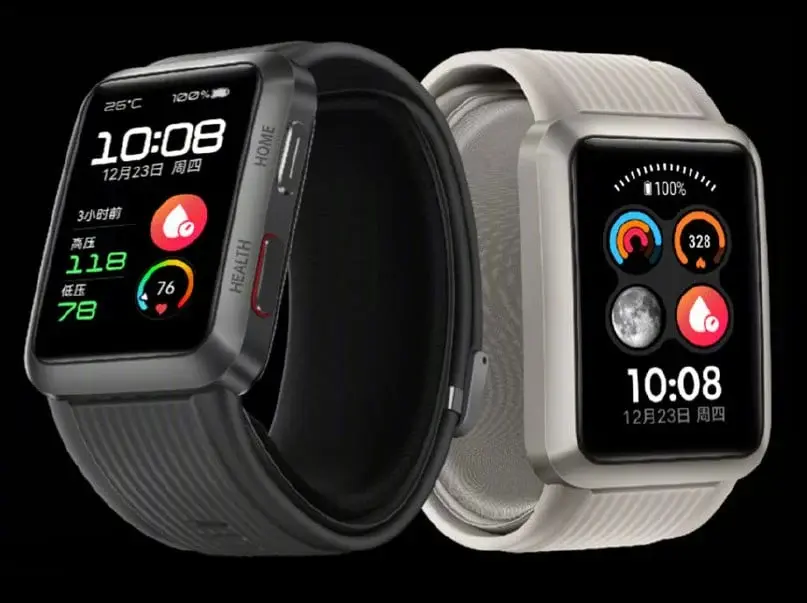
    Back in December 2021, the Huawei Watch D was unveiled in China, featuring capabilities to monitor blood pressure and ECG. Speculation has circulated about a potential successor to the Watch D, although Huawei has not confirmed anything officially.

    New Software Update for Huawei Watch D

    A recent software update (HarmonyOS 2.1.0.399) has been released for the Watch D, introducing fresh features and optimization improvements. Below is a summary of the changes included in this update:

    Huawei Watch D HarmonyOS 2.1.0.399 Changelog:

    New Features

    • Introduces a new Sleep Mode: Disables raise-to-wake functionality.
    • Long-press app icons in the quick access menu to open the respective app.
    • Alarm clock feature can now intelligently skip weekends and holidays.
    • Addition of a new 'Show notification when screen is on' toggle under Settings > Notifications, illuminating the watch upon notification receipt.

    Optimizations

    • Do Not Disturb mode: Raise-to-wake function restored to normal operation.
    • Alarm clock function has been optimized allowing users to set up to 10 alarms.
    • Improved organization for the 'Show notifications only when watch is worn' toggle, now located under Settings > Notifications for enhanced user experience.
    • Enhanced content display on various screens.
    • System stability enhancements in specific scenarios.

    This update is presently accessible only in China. However, given the widespread availability of the Huawei Watch D in global markets, a comparable update for international variants can be anticipated soon.

  • OnePlus 8 & 8 Pro: End of Life with OxygenOS 13.1.0.587 Update

    OnePlus 8 & 8 Pro: End of Life with OxygenOS 13.1.0.587 Update

    OnePlus has recently released the final software update for its OnePlus 8 and OnePlus 8 Pro smartphones, officially concluding their support period. These models, introduced in April 2020, were promised four years of security updates and three significant Android OS upgrades, a commitment that OnePlus has now honored.

    Software Update Details

    The latest update, OxygenOS 13.1.0.587, includes the April 2024 Android security patch and is currently being rolled out to users in India, with a plan to expand its availability to other regions shortly. This update focuses on enhancing system security and overall stability.

    OnePlus 8 Series Journey

    Expressing gratitude for the journey of the OnePlus 8 series over the past four years, OnePlus acknowledged the valuable contributions of users through active participation and feedback, which played a vital role in refining the OxygenOS experience. The company emphasized how user feedback has been instrumental in developing stable and optimized software versions.

    Update Rollout Process

    The update is being distributed in phases to ensure a seamless transition for all users. If you have not yet received the Over-the-Air (OTA) notification on your device, you can manually check for the update’s availability by navigating to Settings > About device > OxygenOS > Check for update.

    This final software update marks the culmination of OnePlus 8 and OnePlus 8 Pro’s support timeline, reflecting the brand’s commitment to providing consistent software support and security updates for its users.


    OnePlus 8 & 8 Pro: End of Life with OxygenOS 13.1.0.587 Update
  • Realme UI 5.0 Update Available for These Devices in India

    Realme UI 5.0 Update Available for These Devices in India

    Realme’s software, Realme UI, continues to offer users an exceptional user experience with new and cutting-edge features. Realme 5.0 marks their latest iteration as their most robust user experience yet; boasting exciting upgrades that pique our interest, prompting us to explore it promptly.

    Realme UI 5.0 Rollout Progress

    Realme’s pace in rolling out software updates, including Realme UI 5.0, has been gradual yet consistent. Over time, more devices are receiving this stable Android 14 update of Realme UI 5.0 in India and we list those already equipped. In addition, this article includes information regarding its rollout schedule as well as key features within it that deserve your consideration.

    Realme UI 5.0 Adoption

    Many Realme smartphones such as Realme 11 Pro+ 5G, 11 Pro 5G and Realme 11 5G in India have successfully been updated to Realme UI 5.0 in response to Android 14-based software’s advancements.

    Are You Eagerly Awaiting an Important Upgrade? Before becoming too excited about its arrival, it is vitally important that your device qualifies and that the rollout timeline can be understood.

    Realme UI 5.0 Eligibility And Upgrade Roadmap

    Realme has officially unveiled their list of devices set to receive Realme UI 5.0 updates, from the Realme GT 2 Pro through various Narzo and C-series models. Devices not listed will likely not receive this upgrade.

    Users eager to upgrade can consult the Realme UI 5.0 Early Access Roadmap to understand when their update may arrive, with months and quarters listed for an expected rollout schedule.

    While early access programs do not typically last forever, typically they last several weeks so as to collect user feedback and address any reported issues before the final build is released to the general public.

    Notable Realme UI 5.0 Features

    Realme UI 5.0 introduces several standout features, including:

    1. File Dock: Simplifies the process of copying frequently used media files and sharing them swiftly.
    2. Gallery Enhancements: Enhances the Gallery app with AI capabilities for smart editing and background removal.
    3. Dynamic Island: A feature akin to Apple’s Dynamic Island, currently limited to select apps such as Clock and screen recording.
    4. Interval Shooting: Catering to photography enthusiasts, this feature enables users to set intervals for capturing a series of shots.

    If you own a Realme device, have you received the Realme UI 5.0 update yet? Share your device model and update status in the comments below.

  • Redmi K40 and K40 Pro Plus Receive Android 14-based HyperOS Update

    Redmi K40 and K40 Pro Plus Receive Android 14-based HyperOS Update

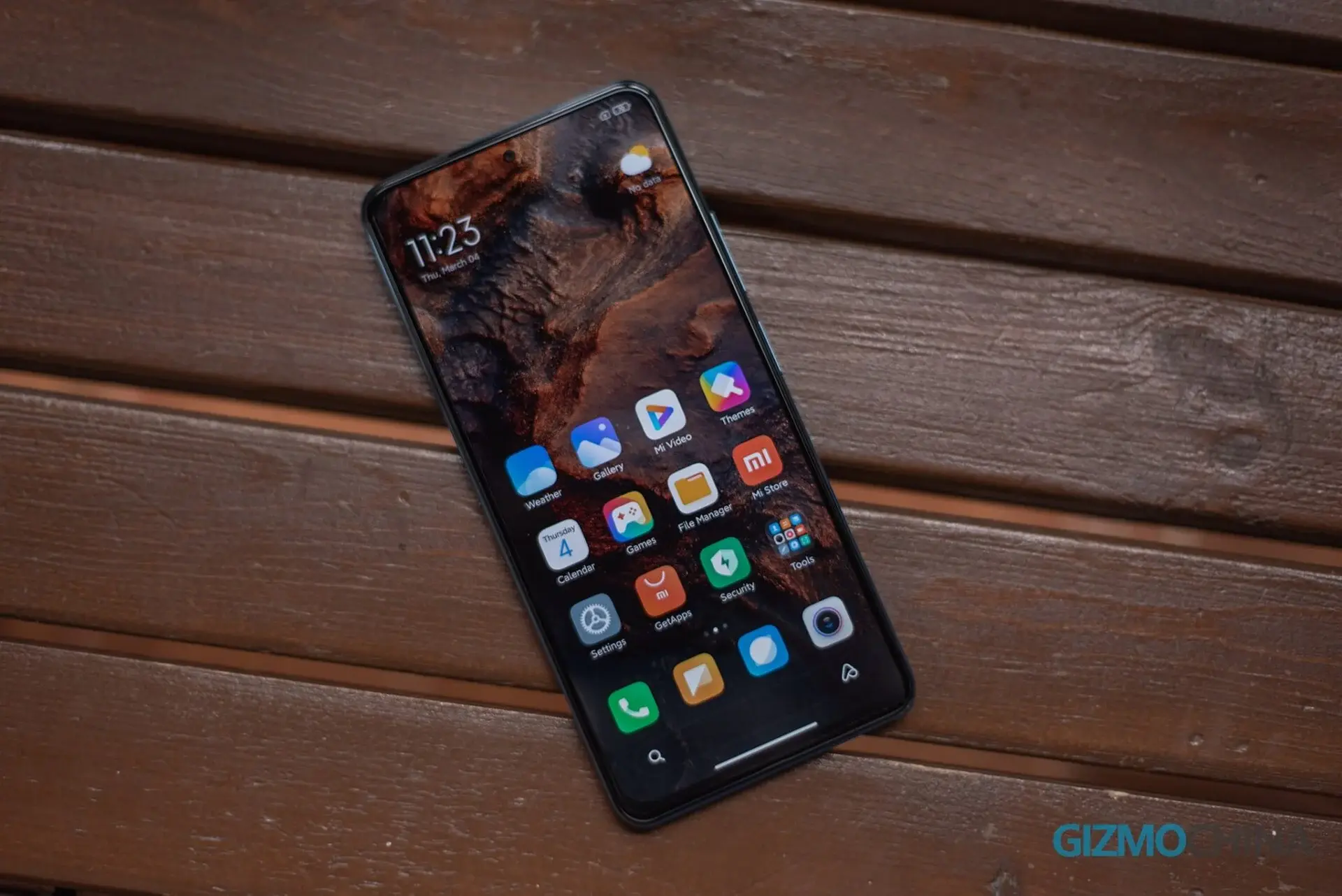
    Xiaomi has initiated the deployment of its latest skin update, HyperOS, on the Redmi K40 and K40 Pro Plus smartphones, according to reports from ITHome. This update, based on Android 14, is currently being rolled out in China, starting with an internal testing version, likely a beta. The stable version is expected to be released to the wider audience after some time.

    Update Details

    The HyperOS update for the Redmi K40 and K40 Pro Plus is substantial, weighing in at 5.2GB and incorporates the April security patch. Here is a breakdown of the changes included in the update:

    Xiaomi HyperOS Features

    The HyperOS by Xiaomi introduces a comprehensive operating system ecosystem for individuals, vehicles, and households, offering a range of enhancements and optimizations:

    System Enhancements

    • Update of Google security patch (2024#04) to enhance system security
    • Low-level reconstruction for improved hardware performance

    Cross-Device Connectivity

    • Integration of Xiaomi HyperConnect framework for seamless device connectivity and collaboration
    • Enhanced cross-device experience supporting various hardware capabilities sharing

    Security and Privacy

    • Robust security architecture for device interconnection
    • Cross-terminal privacy system including internet behavior management

    Aesthetic Enhancements

    • Globalized life aesthetics for a refined visual experience
    • New motion language for a coherent global motion feel
    • Refreshed color system for a vibrant interface appearance
    • Unified system fonts and new weather design for an immersive experience
    • Artistic lock screen and upgraded desktop icon design for a visually appealing interface

    User Experience

    • Improved multi-task window management for enhanced interaction and ease of use

    To update to the latest firmware, users can navigate to Device Settings > About > Software Update > Check for Update on their smartphones. It is advisable to ensure sufficient storage and battery capacity before initiating the update process to avoid potential issues, including data corruption.

  • Oppo Find X7 Ultra ColorOS Introduces New Features

    Oppo Find X7 Ultra ColorOS Introduces New Features

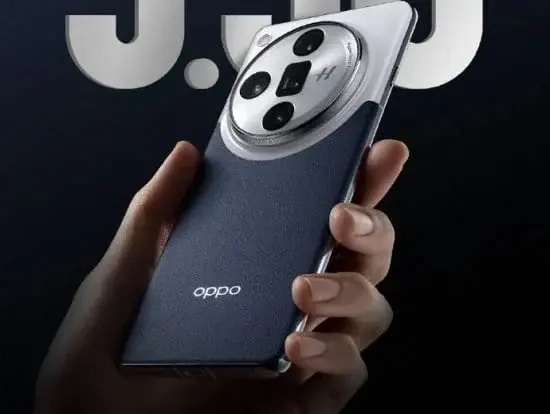
    Oppo recently introduced a satellite communication variant of the Find X7 Ultra, which received 5.5G capabilities via a recent software update (PHY110_14.0.1.512/CN01), following China Mobile's official 5.5G launch in late March. This update positioned the device as the first to support this advanced connectivity feature. Subsequently, a new update (1.17GB) for the Find X7 Ultra, featuring ColorOS version PHY110 14.0.1.86(CN01), has been released, introducing a host of fresh animations and controls.

    Oppo Find X7 Ultra Update Enhancements

    The latest update brings several improvements to the Find X7 Ultra:

    New Visual Effects

    • Enhanced visual effects include wallpaper zooming during startup and exit, seamless icon deformation, and more.
    • Updated notification and control center pull-down animation, along with new icon and card layering effects.
    • Added wallpaper scaling and screen brightness gradient effects during screen activation and deactivation.
    • Customizable background color and Gaussian blur effect options.
    • Improved disappearing animation for elements during unlocking.
    • Enhanced startup and exit animation for global search, offering a softer and more consistent experience.

    Feature Updates

    • Inclusion of a volume bar in the control center for quick volume adjustments.
    • Added support for over 200 application clones.
    • Support for lock screen pattern unlocking and hidden unlocking tracks.
    • Free-floating window now allows resizing by dragging the bottom and closing in mini mode with a sliding up gesture.

    Other Improvements

    • Introduced support for large folders with an icon sinking gesture for easier one-handed application access.
    • Improved response speed for clicking and sliding operations, enhancing stability during multitasking and timely blocking.
    • Enhanced application startup and exit, as well as multi-tasking start and end animation effects.
    • Improved animation for large folders, providing a smoother app drag and drop experience.

    The standard version of the Oppo Find X7 Ultra, launched in January this year, is powered by the Snapdragon 8 Gen 3 chipset and boasts a quad 50MP camera setup on the back with a 1" main sensor.

    If you wish to delve deeper into the camera capabilities of this flagship device, you can explore our camera test featuring the vivo X100 Pro and the Xiaomi 13 Ultra.

  • HyperOS Update Now Available in India

    HyperOS Update Now Available in India

    Software updates can bring with them exciting new features and changes to user experiences – especially a major one like HyperOS that promises significant upgrades across various areas of their phones. Xiaomi fans in particular look forward to this development and are usually delighted when announced!

    HyperOS Update Brings Exciting New Features and Enhancements

    HyperOS’ latest update brings with it many exciting new features and enhancements designed to give users the best overall experience possible.

    Are You Waiting for HyperOS Upgrade? – Here’s How You Know When! If you own one of Xiaomi’s Redmi or Poco devices and eagerly anticipate an upgrade to HyperOS, we have all of the details on which devices have received it so far and when its official rollout schedule begins. Here’s everything we know: features of HyperOS; eligible devices eligible to receive updates; standout features of HyperOS; rollout roadmap.

    Devices Updated with HyperOS

    Xiaomi:

    • Xiaomi 13 Pro
    • Xiaomi 12 Pro
    • Xiaomi Pad 6

    Redmi:

    • Redmi 12 5G
    • Redmi 12C
    • Redmi Pad
    • Redmi 11 Prime
    • Redmi Note 12 5G
    • Redmi Note 12 Pro 5G
    • Redmi Note 12 Pro+ 5G
    • Redmi Note 13 5G
    • Redmi Note 13 Pro 5G
    • Redmi Note 13 Pro+ 5G

    Poco:

    • Poco M6 Pro
    • Poco X6
    • Poco C55
    • Poco X5
    • Poco X5 Pro
    • Poco M5
    • Poco M4 5G
    • Poco F5

    The list of devices receiving the HyperOS update will be continuously updated as new Xiaomi, Redmi, or Poco devices join the lineup.

    Eligible Devices for HyperOS

    Xiaomi:

    • Various Xiaomi models including the 13, 12, 11 series, Mix Fold series, Civi series, and Pad series

    Poco:

    • Poco models such as F5, F4, F3, X6, X5, M6, M5, and C55

    Redmi:

    • Redmi devices including K series, Note series, and others

    HyperOS Rollout Roadmap

    The HyperOS update is scheduled to roll out in Q2 2024 (April – June) for the following devices in India:

    Xiaomi:

    • Xiaomi 11 Ultra
    • Xiaomi 11T Pro
    • Xiaomi Mi 11X
    • Xiaomi 11i HyperCharge
    • Xiaomi 11 Lite
    • Xiaomi 11i
    • Xiaomi Mi 10
    • Xiaomi Pad 5

    Redmi:

    • Redmi K50i
    • Redmi 13C series
    • Redmi 12
    • Redmi 11 Prime 5G
    • Redmi Note 11 series

    Poco:

    • Poco X6 Neo
    • Poco M6
    • Poco C65
    • Poco M4 Pro
    • Poco F4

    Best HyperOS Features to Explore

    Here are some of the standout features of HyperOS that users should not miss out on:

    1. Lock Screen Customisations: HyperOS offers extensive options for customizing the lock screen, allowing users to choose from various styles, fonts, and colors.
    2. Improved Control Center: The new Control Center in HyperOS features a minimalist design with enhanced functionality, including a music player widget and streamlined icon visibility.

    3. Dynamic Notch: An innovative feature inspired by iOS, the Dynamic Notch adds visual flair to the device based on specific actions like charging or enabling Do Not Disturb mode.

    1. Improved Gallery App: The Gallery app in HyperOS includes a smart cutout feature for isolating subjects in images and editing backgrounds.

    2. Bloatware Removal: Users can now easily remove pre-installed bloatware from their HyperOS devices to free up storage and system resources.

    If you are a Xiaomi user, which HyperOS feature are you most looking forward to experiencing?

  • Google’s rationale for 7-year Pixel phone update pledge

    Google’s rationale for 7-year Pixel phone update pledge

    Google has taken a significant step with its Pixel 8 series by committing to providing seven years of software updates for the phones. This promise ensures that users will enjoy extended security, new features, and a device that remains up-to-date well into the future.

    Collaboration for Success

    In a recent podcast, Google’s VP of Devices & Services Software, Seang Chau, highlighted the extensive collaboration necessary to fulfill this ambitious pledge. The involvement of partners such as chip suppliers, the Android team, and even carriers from the early stages ensures consistent testing and seamless updates.

    Streamlined Processes

    Google’s utilization of its Tensor chip across different Pixel generations streamlines the update process, with optimizations primarily focused on this specific hardware component. Additionally, the shift to year-round beta programs and Quarterly Platform Releases (QPRs) allows for more thorough feedback before updates are rolled out widely.

    Strategic Approach

    Google’s decision to offer seven years of updates was not arbitrary. Extensive analysis revealed that users continue to actively use older Pixel devices for an extended period, prompting this commitment to keep devices secure and relevant throughout their lifespan.

    While not every feature will be available on older devices after the initial years, Google plans to prioritize software-based additions that do not strain the hardware significantly. Older Pixel models will still benefit from features introduced on newer devices whenever feasible.

    The introduction of Gemini Nano, an AI language model, to the Pixel 8 exemplifies Google’s careful consideration of hardware limitations, particularly related to RAM constraints. By evaluating potential impacts, Google aims to prevent performance issues on both the Pixel 8 and 8 Pro.

    Google’s promise of seven years of updates marks a substantial victory for users, ensuring that their Pixel phones remain secure and functional for many years to come.


    Google's rationale for 7-year Pixel phone update pledge