Key Takeaways
1. SoftBank plans to acquire $2 billion in Intel shares, aiming for a 2% ownership stake, and is exploring potential partnerships related to Intel’s contract chipmaking division.
2. The US government is considering converting some CHIPS Act grants into a 10% non-voting equity stake in Intel, but this proposal faces skepticism regarding its legality.
3. Intel has struggled to utilize its manufacturing capacity effectively since opening its fabs to external clients in 2021, leading to concerns about its advanced process technologies.
4. SoftBank’s broader strategy focuses on developing AI infrastructure, with past collaborations and investments in companies like OpenAI and Nvidia, while shifting from Intel to TSMC for AI accelerator projects.
5. Despite SoftBank’s investment signaling confidence in Intel’s leadership, the company still faces challenges in the competitive AI market and continues to lose ground to AMD in PCs and servers.
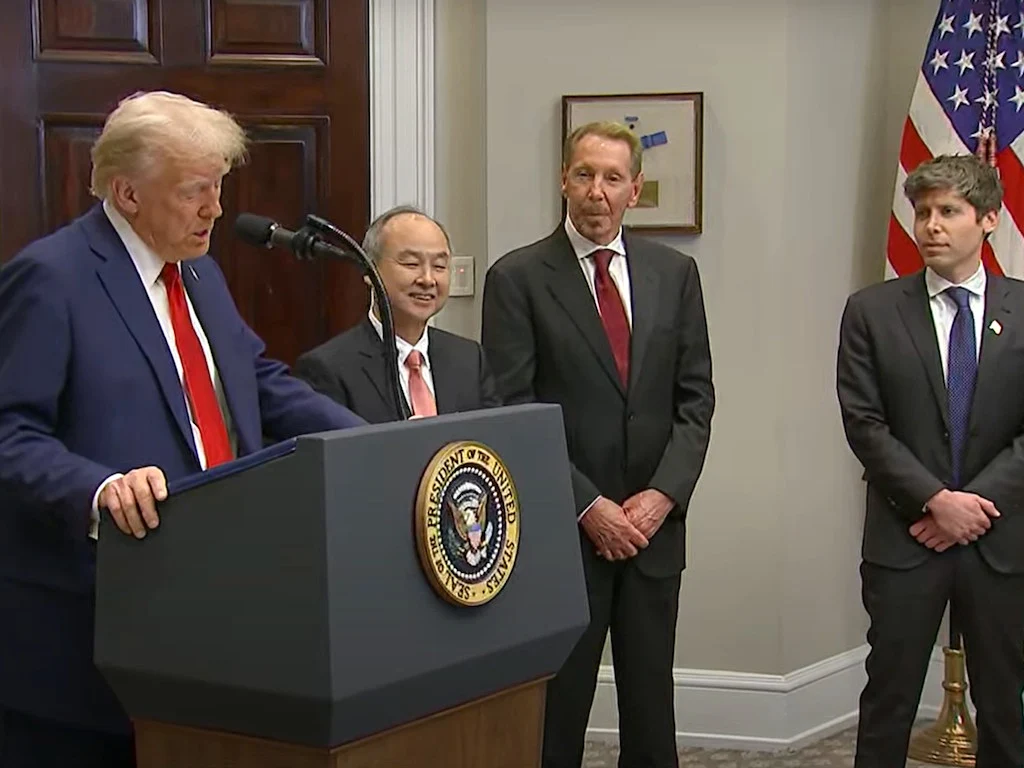
SoftBank is looking to acquire approximately $2 billion worth of Intel shares, which represents around a 2 percent ownership stake. This comes after Masayoshi Son had discussions with chief executive Lip-Bu Tan about the potential purchase of the US company’s contract chipmaking division. According to sources with knowledge of the situation, discussions included possibilities ranging from joint ventures to minority investments, leaving the door open for a future agreement regarding Intel Foundry.
CHIPS Act Evaluations
In a separate development, Washington is reviewing the possibility of turning some CHIPS Act grants into a 10 percent, non-voting equity stake in Intel. Analysts have responded to this proposal with skepticism, raising questions regarding its legality. Commerce Secretary Howard Lutnick stated that this plan aligns with President Trump’s perspective that taxpayers deserve equity in exchange for federal assistance.
Intel’s Manufacturing Challenges
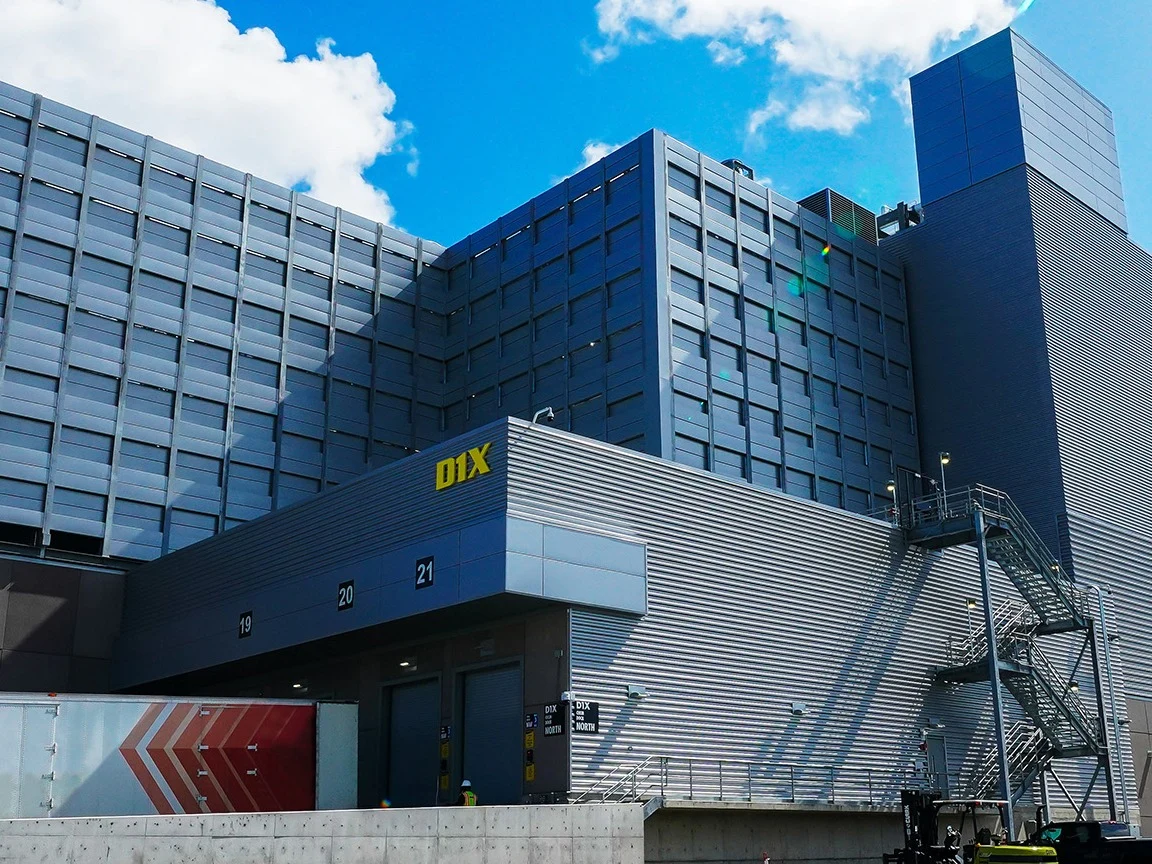
Since opening its fabs to external clients in 2021, Intel has faced difficulty in utilizing its capacity, despite significant capital expenditures. The expenses associated with new facilities and financial struggles have led Tan to caution that Intel might pull back from its most advanced process technologies. Internally, the company remains its own largest customer, and the success of technologies like 18A and 14A depends on securing outside contracts.
SoftBank’s Broader Strategy
For Son, forming a foundry partnership fits into a larger strategy aimed at creating comprehensive AI infrastructure. SoftBank has investments in OpenAI and Nvidia, owns Arm, and is spearheading the $500 billion Stargate data-center initiative in the US. The group considered collaborating with Intel on an AI accelerator in 2024 but switched to TSMC after losing confidence in Intel’s output and performance. Additionally, SoftBank acquired Graphcore for its accelerator technology. TSMC continues to lead in cutting-edge production and is increasing output in Arizona for clients like Nvidia and Apple.
SoftBank presents its investment in Intel as a sign of faith in Tan’s ability to turn the company around. “Masa and I have been working together for a long time, and I value the trust he has in Intel,” Tan remarked. However, Intel still lags behind Nvidia in the AI sector and continues to lose market share to AMD in both PCs and servers, which puts ongoing pressure on its performance.
Source:
Link