Tag: Smartphone Updates

  • Apple iPhone 18 Pro and iPhone 18 Begin Trial Production Early

    Apple iPhone 18 Pro and iPhone 18 Begin Trial Production Early

    Key Takeaways

    1. The iPhone 18 Pro is in the first phase of production, with its final design nearly finalized.
    2. The exterior design of the iPhone 18 Pro closely resembles the iPhone 17 Pro, with new color options and a smaller Dynamic Island.
    3. Significant internal upgrades for the iPhone 18 Pro are expected, including an enhanced selfie camera and under-display FaceID.
    4. The iPhone 18 Pro will feature a better rear camera system, a larger battery (up to 5,200 mAh), and the new 2 nm A20 Pro SoC.
    5. The standard iPhone 18 has also begun trial production, maintaining a similar design to the iPhone 17, with modest updates like a brighter display and improved front camera.


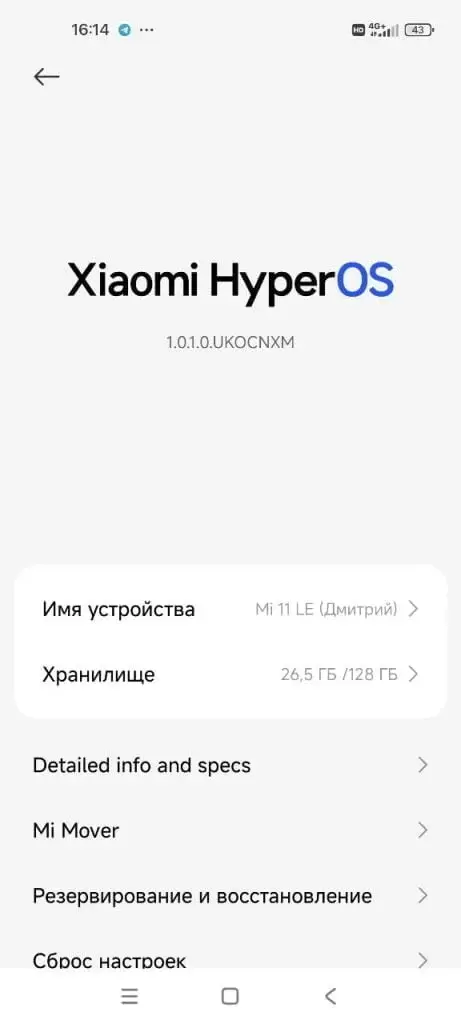
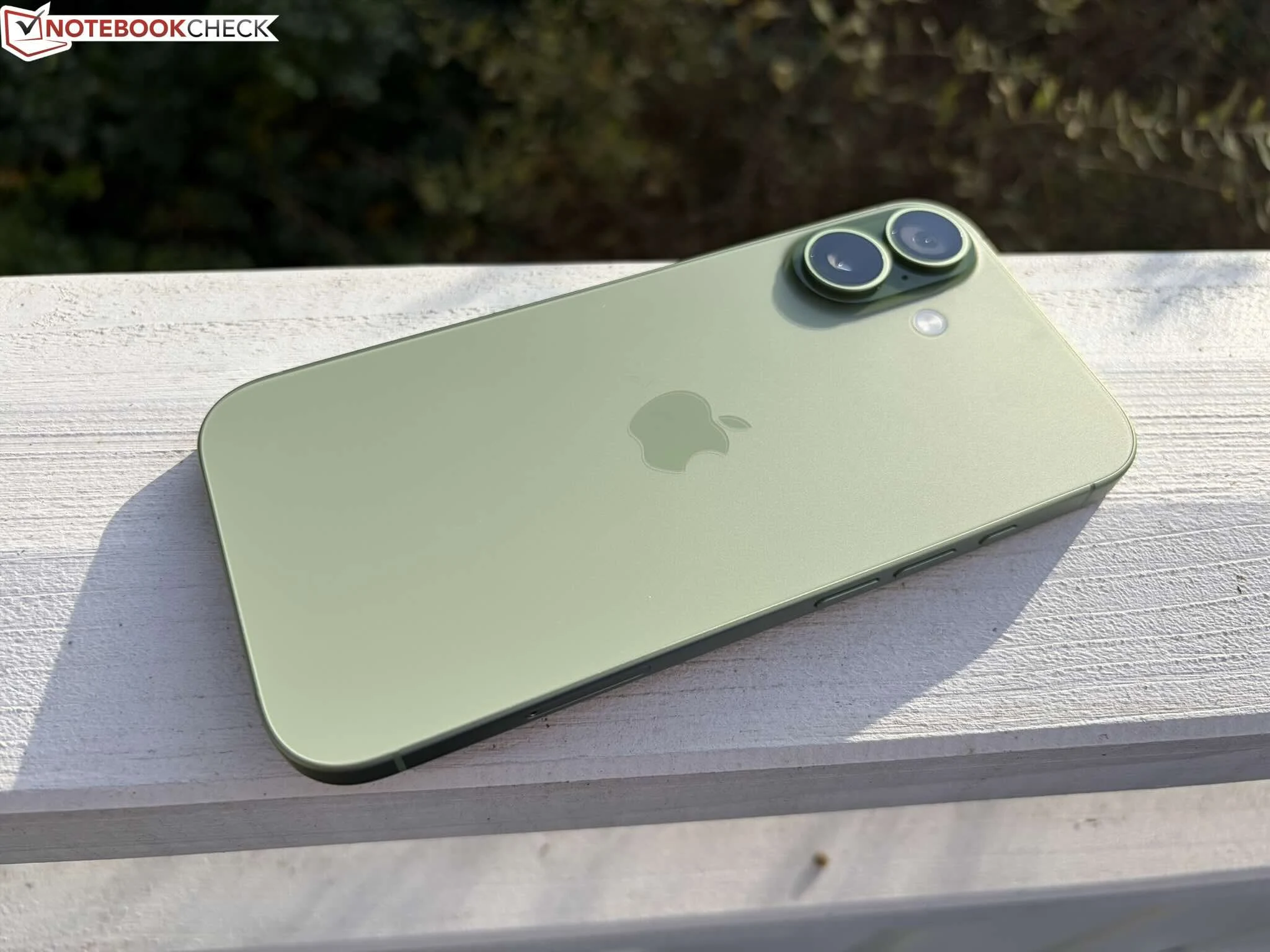
    Apple’s new top-of-the-line smartphone family, the iPhone 18 Pro, is said to be in the first phase of production. Although mass production is still a while away, the current progress suggests that the final design for the iPhone 18 Pro lineup is nearly finalized.

    Design Similarities

    A source, Fixed Focus Digital on Weibo, claims that the exterior design of the iPhone 18 Pro in trial production closely resembles that of the iPhone 17 Pro family, which aligns with previous rumors.

    Latest and earlier leaks have pointed to new color options—including a red variant—and a smaller Dynamic Island, which will be the only external modifications on Apple’s next Pro model.

    Internal Upgrades

    On the inside, the Apple iPhone 18 Pro is anticipated to feature several significant upgrades, as one would expect from a yearly refresh.

    This includes, but is not limited too, a greatly enhanced selfie camera, under-display FaceID, an upgraded rear camera system with variable aperture, a stacked image sensor, a battery of up to 5,200 mAh, and 2 nm A20 Pro SoCs.

    Standard Model Production

    The standard iPhone 18, which is not likely to be launched this year at all, has also begun its trial production phase. Similar to the iPhone 18 Pro, the design of the standard model will remain quite similar to the existing iPhone 17.

    Other updates are also expected to be rather modest, with ongoing rumors suggesting a brighter display, an improved front camera, and, naturally, the next-gen A20 SoC.

    Source:
    Link


  • Xiaomi Offers 6 Years of Updates for Budget Smartphones like Samsung

    Xiaomi Offers 6 Years of Updates for Budget Smartphones like Samsung

    Key Takeaways

    1. The EU requires smartphone makers to provide software updates for all devices, even those no longer sold.
    2. Creating software updates is a lengthy process, particularly challenging for budget-friendly smartphones priced under $200.
    3. Compatibility issues between Android and chip manufacturers have mostly been resolved, allowing for better update support.
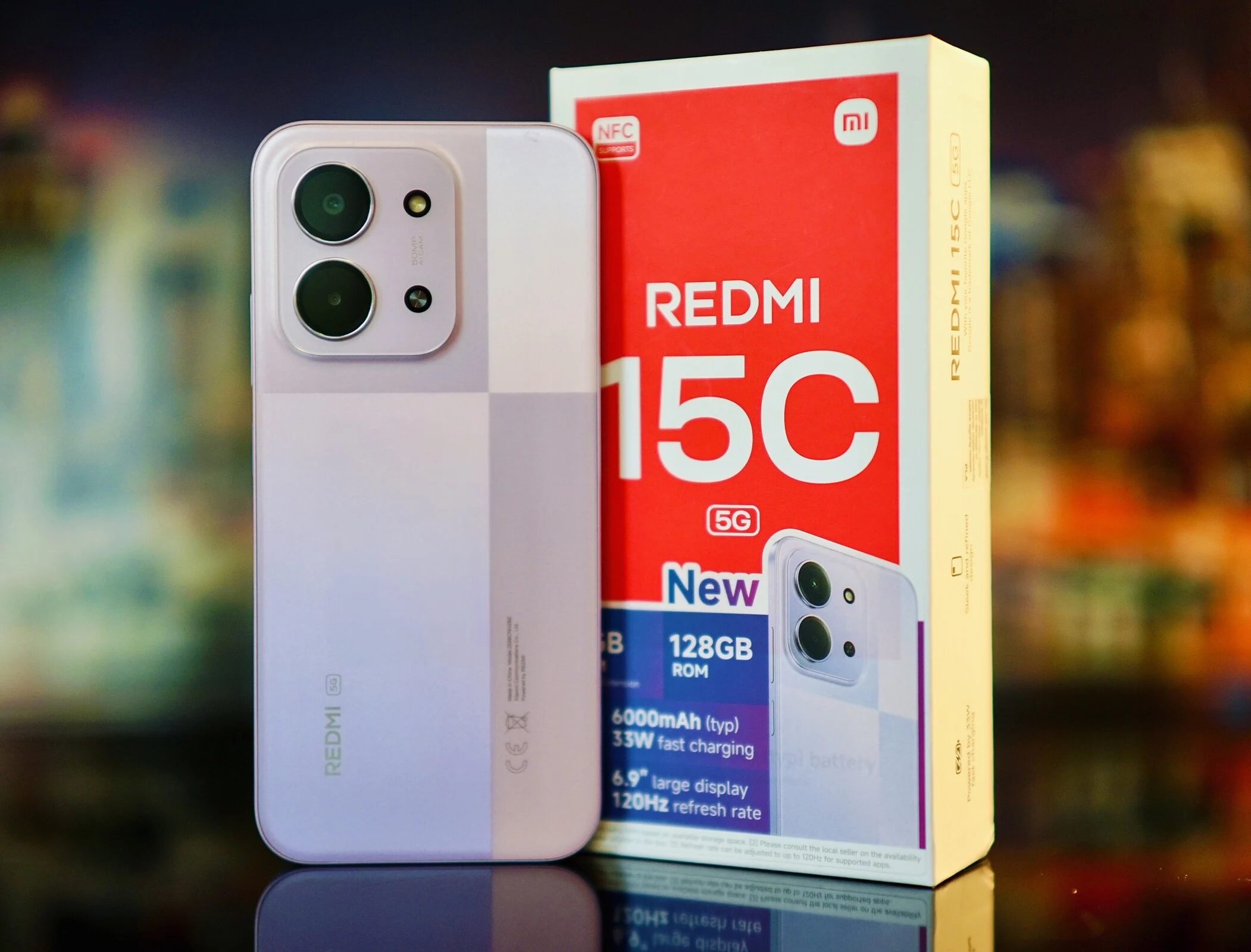
    4. Xiaomi’s Redmi 15C 5G offers six years of security updates, showcasing a strong long-term commitment to software support.
    5. Samsung claims similar update promises for its budget models, but reliability may vary, unlike Xiaomi’s more straightforward commitment.


    The EU has been enforcing a new rule for several months: all smartphone makers must provide software updates, even for phones no longer sold in stores. However, many brands are finding this challenging, especially when it comes to budget-friendly models.

    Reasons Behind the Struggle

    One main reason is that creating these updates is a lengthy process. Each update must be tailored to fit the specific hardware of each device, ensuring that drivers work properly. This becomes an issue for smartphones priced below $200, as manufacturers often find it not worth the effort.

    Concerns About Compatibility

    For a long time, there was uncertainty about whether Google’s Android and certain chip manufacturers could maintain compatibility over the years. However, many of these issues seem to have been addressed, and Xiaomi is making a significant move with an affordable smartphone that promises six years of security updates, extending until 2031. The device in question is the Xiaomi Redmi 15C 5G, which retails for just under $200 in various regions.

    Update Promises and Reliability

    While it’s true that Samsung also claims to offer six years of security and OS updates for its budget models, our review of the Galaxy A17 5G highlights why this claim might not be as solid as it seems. Xiaomi, on the other hand, makes no limitations on its update promise, which gives users confidence in the long-term update commitment. Other brands like Fairphone have shown that long-term support is indeed achievable.

    Source:
    Link


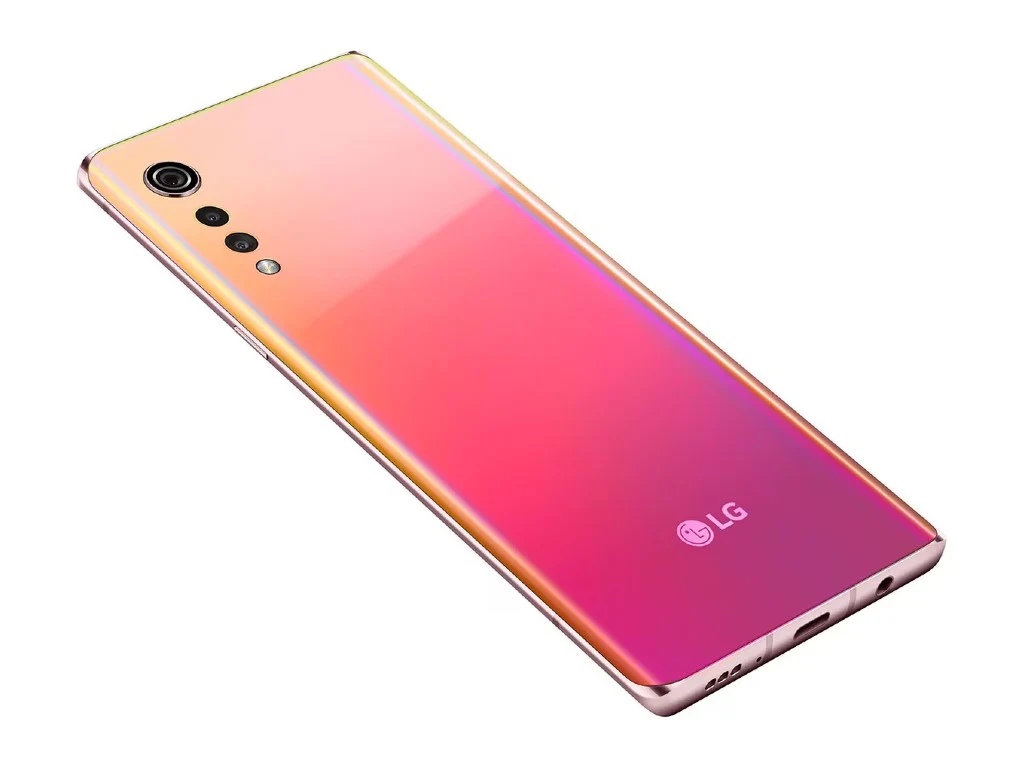
  • LG to Shut Down Smartphone Update Servers and PC Software Next Month

    LG to Shut Down Smartphone Update Servers and PC Software Next Month

    Key Takeaways

    1. LG will close its update servers and PC application by June 30, 2025, ending support for eligible devices.
    2. Users will no longer be able to download software updates for their LG smartphones after the servers go offline.
    3. The LG Bridge software, used for backups and software upgrades via USB, will also be discontinued.
    4. The shutdown of servers and applications signals the end of LG’s mobile division support.
    5. LG device owners are urged to take action and complete updates before the deadline.


    LG has exited the smartphone market since 2021, but they had pledged to keep supporting eligible devices for a few more years. Now, as time has gone by since the last updates for devices like the LG Wing, LG has revealed that it will close its update servers and PC application by the end of June 2025.

    Update Servers Closing Soon

    These update servers let users download the latest software for their phones. Once these servers go offline, users won’t be able to get updates anymore. This is basically a final reminder for LG device owners who have been delaying updates to take action, since the servers will cease operations on June 30, 2025.

    LG Bridge Software Discontinued

    Additionally, LG is discontinuing the LG Bridge PC software which lets users connect their LG smartphones to their computers to make or restore backups using USB. This program, compatible with both Windows and Mac, also facilitates software upgrades for phones through USB. With the update servers shutting down, the LG Bridge program will no longer be able to download and install updates on connected devices.

    End of an Era

    The move to shut down the servers and the PC application marks a significant closure for LG’s mobile division.

    Source:
    Link

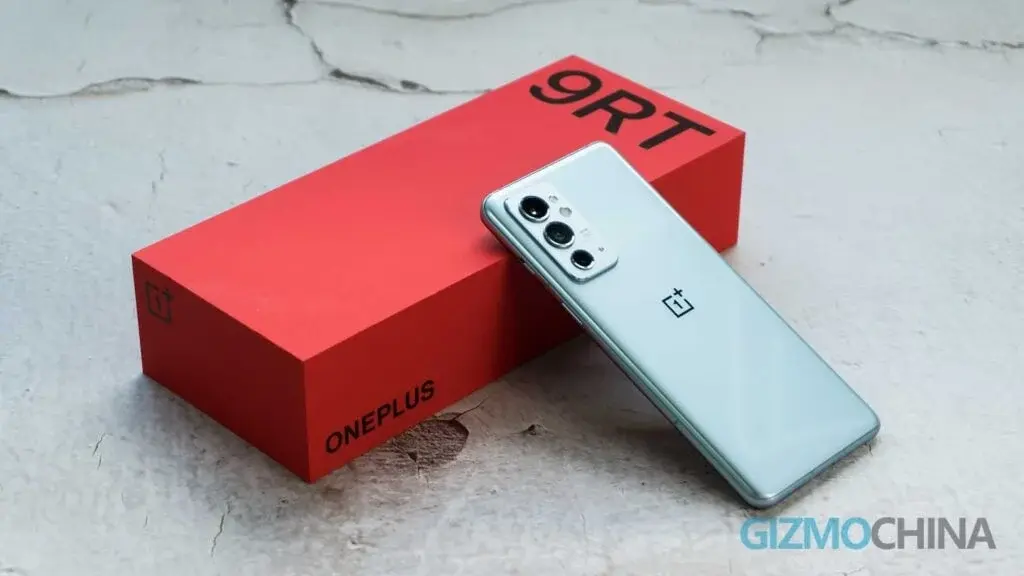
  • OnePlus 9RT OxygenOS Update: Partial Screenshots, Flashlight Shortcut

    OnePlus 9RT OxygenOS Update: Partial Screenshots, Flashlight Shortcut

    OnePlus has recently rolled out a new software update for OnePlus 9RT smartphones in India. This latest version, OxygenOS 14.0.0.600, not only brings the April 2024 Android security patch but also introduces various enhancements aimed at enhancing the user experience.

    New Functionalities Introduced

    The update brings forth a range of new features to enrich the user experience and functionality:

    • App-Specific Volume: Users can now adjust the volume for each app individually.
    • Frameless Photo Collages: The Photos app now allows users to create frameless photo collages seamlessly.
    • Partial Screenshot: A new feature added to the Smart Sidebar offers more flexibility in capturing screen content.
    • Torch Shortcut: Users can now easily turn on the torch by holding the Volume Down button when the screen is off.
    • Enhanced App Searching: Improved app searching capabilities in the taskbar allow users to search for apps by typing the first letter of the app's name.

    System Enhancements

    Apart from these new features, the update also focuses on enhancing system stability and overall performance, ensuring a smoother user experience.

    The update currently is being rolled out to select devices initially but will be made available more widely in the near future. If you have not received the update notification yet, you can manually check for it by navigating to Settings, then About Device, tapping on OxygenOS, and selecting Check for Update. OnePlus has also simplified the bug reporting process through the Google Dialer by dialing *#800#.

  • Oppo ColorOS 14 Update Expansion: List of Eligible Devices

    Oppo ColorOS 14 Update Expansion: List of Eligible Devices

    Oppo is preparing to introduce the latest ColorOS 14 update for a range of older smartphone models. The rollout of the ColorOS 14 custom skin started with certain devices and is now expanding to include more smartphone models by the end of this month.

    Oppo ColorOS 14 Update Rollout

    The global release timeline for ColorOS 14 was initially set for March 2024, and now, Oppo has revealed the list of devices scheduled to receive the update in April 2024. The update schedule is as follows:

    Ongoing

    • Find N3
    • Find N3 Flip
    • Find N2 Flip
    • Find X5 Pro
    • Find X5
    • Find X3 Pro
    • Reno 10 Pro+ 5G
    • Reno 10 Pro 5G
    • Reno 10 5G
    • Reno 8 Pro 5G
    • Reno 8 5G
    • Reno 8
    • Reno 8T 5G
    • Reno 8T
    • Reno 7
    • F23 5G
    • F21s Pro
    • F21 Pro
    • K10 5G
    • A98 5G
    • A78 5G
    • A77 5G
    • A77s
    • A77
    • A58
    • A57
    • A38
    • A18

    April 18

    • Reno 8 Z 5G (Thailand)
    • F21s Pro 5G (India)
    • A78 (India)

    April 25

    • A79 5G (India)

    April 29

    • A59 5G (India)

    It is important to bear in mind that while these dates are targeted for the ColorOS 14 release, not all devices will receive the update simultaneously. Some devices may experience a staggered release. As implied by the name, the latest software update is a significant one, introducing the Android 14 operating system to these smartphones.

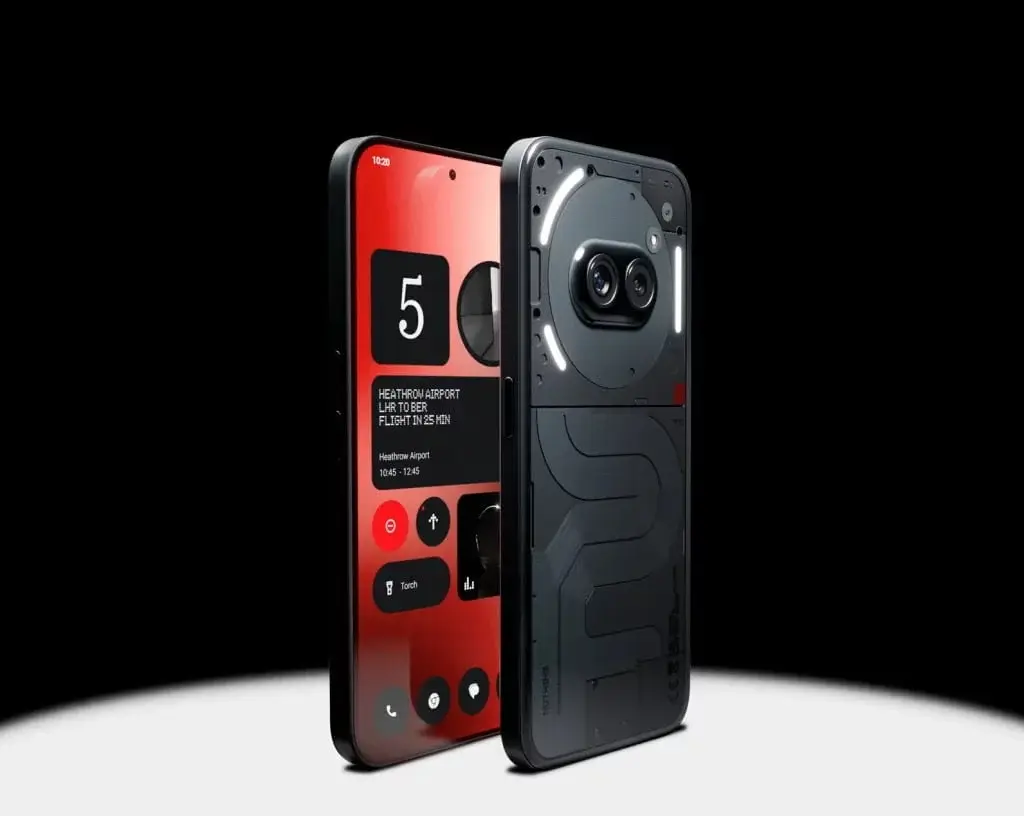
  • Nothing Phone (2a) Receives Nothing OS 2.5.4.a Update with Camera Enhancements

    Nothing Phone (2a) Receives Nothing OS 2.5.4.a Update with Camera Enhancements

    Nothing has recently released an update for the Nothing Phone (2a) known as Nothing OS 2.5.4.a. This update, following the previous 2.5.4 version, primarily focuses on bug fixes and performance enhancements.

    Camera and Performance Improvements

    The latest update brings enhancements to the camera performance, specifically targeting improvements in Portrait Mode and color quality in photos. Additionally, it ensures better compatibility with various charging adapters and enhances the connectivity experience with Bluetooth devices.

    Bug Fixes and Stabilization

    Several bugs have been addressed in this update, including issues related to the functionality of “Hey Google,” inaccuracies with fingerprint unlocking, and the presence of static noise during calls. These fixes are aimed at enhancing the reliability of the phone.

    Changelog for Nothing Phone (2a) NothingOS 2.5.4.a

    • Camera Enhancements: Enhanced overall camera performance, improved Portrait Mode, and enhanced camera saturation and tone.
    • General Improvements: Optimized compatibility with specific charging adapters, and improved stability and compatibility of Bluetooth connections.
    • Bug Fixes: Addressed problems with using “Hey Google,” fixed fingerprint unlock failures, eliminated occasional static noise during calls, and optimized overall system stability.

    The Nothing Phone (2a) boasts impressive features, powered by a MediaTek Dimensity 7200 Pro processor with configurations of up to 12GB RAM and 256GB storage. It sports a large 6.7-inch screen with FHD+ resolution and a 120Hz refresh rate. In terms of photography, it is equipped with two 50MP rear cameras and a 32MP front camera. The device is backed by a 5000mAh battery that supports fast charging.

  • Nothing Phone (2a) Update: Nothing OS 2.5.4 Released with Numerous Bug Fixes

    Nothing Phone (2a) Update: Nothing OS 2.5.4 Released with Numerous Bug Fixes

    The recent release of the Nothing Phone (2a) brought with it an initial update aimed at improving user experience and addressing bugs. However, some issues persisted, prompting Nothing to roll out another significant software update called Nothing OS 2.5.4. This latest update, although relatively small at 77.92MB, targets various problems that users have encountered.

    Camera Enhancements

    One of the key aspects of this update is the enhancement of the camera functionalities. Users can expect improvements in color accuracy, saturation, and optimized brightness in Ultra HDR photos. Notably, the update aims to deliver better portrait mode effects and ensure consistency between the main and ultra-wide cameras, thus enhancing the overall photography experience.

    Performance Boosts

    Apart from camera improvements, the update focuses on enhancing the phone's performance, particularly benefiting gamers with optimizations for popular games. Additionally, users can experience smoother animations when launching or closing applications. The Recorder widget has also been updated with improved animations for a more seamless experience.

    Bug Fixes

    In the realm of bug fixes, the update tackles a range of issues that have been reported by users. Problems such as flickering when launching apps from the lock screen, abnormal wallpaper display, incorrect representation of Wi-Fi or cellular data in Quick Settings, and a black screen during incoming calls under specific conditions have been addressed.

    Nothing Phone (2a) owners are encouraged to promptly download and install this latest update by navigating to Settings > System > System update. This update aims to enhance the overall functionality and user experience of the Nothing Phone (2a) by addressing various issues and introducing improvements across different aspects of the device.

  • Xiaomi expands HyperOS update rollout to additional devices

    Xiaomi expands HyperOS update rollout to additional devices

    Xiaomi HyperOS Update: Expansion to More Devices

    Xiaomi has been proactive in extending the HyperOS update to a broader range of devices, ensuring that users across different models can benefit from the latest features and enhancements. Among the latest devices to receive the HyperOS update are the Xiaomi 12 Pro and Xiaomi 11 Lite 5G NE, both of which have garnered significant attention for their performance and popularity. Additionally, the update for the Redmi Note 11 Pro 4G, rolled out a few hours ago, is now making its way to other compatible models.

    HyperOS Update Details

    The HyperOS update, which is based on Android 14, brings a host of improvements and optimizations to the Xiaomi 12 Pro and Xiaomi 11 Lite 5G NE smartphones. Notably, the Xiaomi 11 Lite 5G NE received its most recent major update alongside the HyperOS rollout, while the Xiaomi 12 Pro is slated to receive one more major update in the future. The build numbers for the HyperOS updates are OS1.0.1.0.ULBMIXM for the Xiaomi 12 Pro in the Global market and OS1.0.1.0.UKOCNXM for the Xiaomi 11 Lite 5G NE in the Chinese market.

    Global Rollout and Security Patch

    While the Xiaomi 12 Pro update is being deployed in the Global market, the Xiaomi 11 Lite 5G NE update is initially available in the Chinese market. However, it is anticipated that the HyperOS update for the Xiaomi 11 Lite 5G NE will be expanded to other markets in the near future. Presently, the update is being distributed to Mi Pilots, with plans to make it accessible to all users in the coming days. Alongside the HyperOS update, the smartphones are also receiving the February 2024 security patch, which enhances device security by addressing known vulnerabilities.

    Conclusion

    The ongoing expansion of the HyperOS update to more Xiaomi devices underscores the company’s commitment to providing users with a seamless and up-to-date experience. With the latest enhancements and security patches, Xiaomi users can expect improved performance, functionality, and security across a range of devices.