Tag: Samsung

  • Samsung Explains Exynos Struggles Against Qualcomm and Apple

    Samsung Explains Exynos Struggles Against Qualcomm and Apple

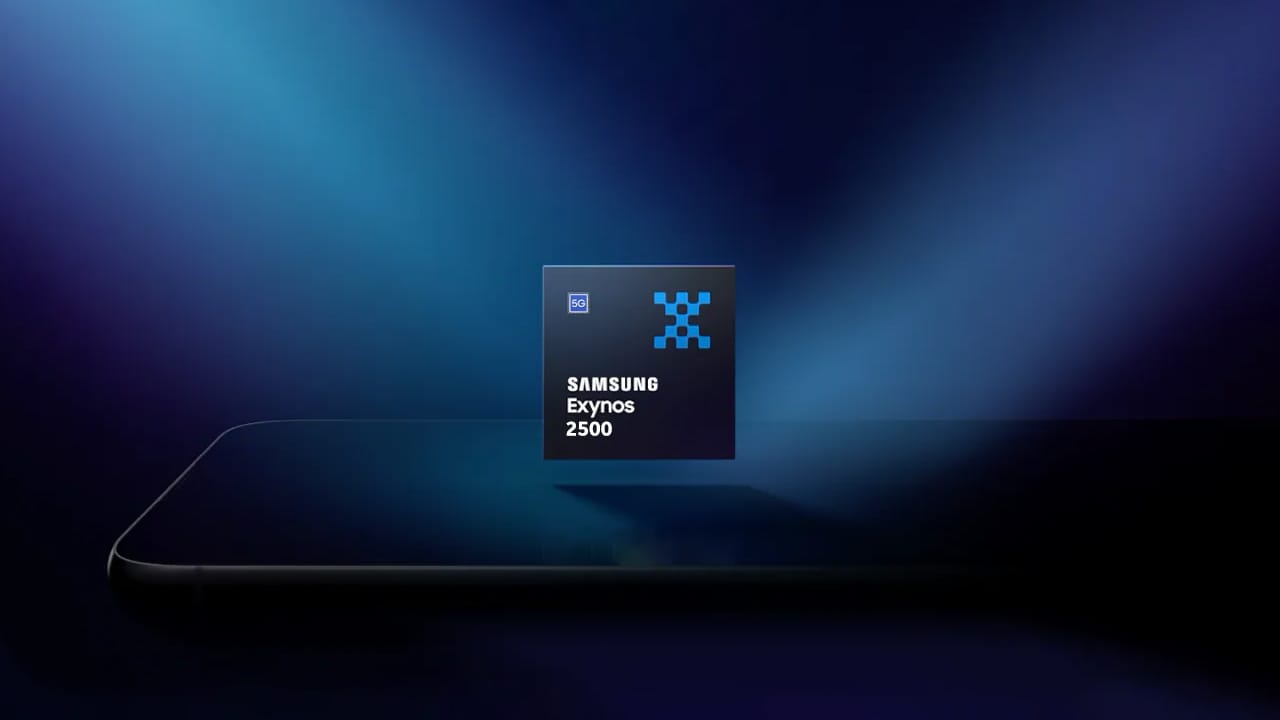
    Samsung is facing hurdles in its chip development for the upcoming Galaxy S25 series. New reports from the industry indicate that South Korea’s 52-hour workweek limit is creating difficulties for the company in meeting crucial deadlines. A recent article highlights that Samsung is experiencing production delays in the Exynos 2500 processor development.

    Shift in Plans

    Initially, Samsung aimed to launch its next-generation Exynos 2500 processor on a global scale. However, the tech powerhouse has now decided to equip the Galaxy S25 Ultra with Qualcomm’s Snapdragon 8 Elite worldwide. This shift suggests that the performance of the Exynos has not reached the necessary standards for the flagship devices slated for 2025.

    Workweek Concerns

    The regulation on the 52-hour workweek, which permits a maximum of 12 hours of overtime, has been identified by Samsung as a major limitation for its Exynos development team. Due to these restrictions, engineers at Samsung may have to stop working during critical development stages, leading to incomplete projects.

    According to sources cited by The Chosun Daily, some employees are reportedly doing unpaid overtime to manage their heavy workloads. The publication also noted that Samsung’s management has been in talks with South Korean lawmakers about potentially seeking an exemption to these rules, as they assess the impact on their competitiveness in the market.

    Global Context

    Interestingly, the 52-hour workweek isn’t unique to South Korea. Similar regulations apply in other tech manufacturing regions. For instance, Taiwan’s TSMC, a prominent rival of Samsung, follows a 48-hour workweek limit (which includes 40 regular hours and an additional 36 hours of overtime each month).

    Critics point out that other South Korean companies, like SK Hynix, are still competitive despite facing similar restrictions. However, Samsung’s operations extend beyond memory chips, involving custom semiconductor designs and specific foundry projects for clients.

    Implications for the Galaxy S25 Series

    As for the Galaxy S25 series, it appears that while the Galaxy S25 Ultra will utilize the Snapdragon, the Galaxy S25 and Galaxy S25+ might feature either the Exynos 2500 or the Dimensity 9400 chip. This decision could be influenced by the fact that the Snapdragon 8 Elite is almost $200, which is reportedly much higher than what Samsung is willing to spend on the base and Plus models. It will be intriguing to observe how the performance of these two models compares to that of the Ultra variant.

    Source: Link
  • Samsung May Outsource Exynos Production to TSMC: Key Details

    Samsung May Outsource Exynos Production to TSMC: Key Details

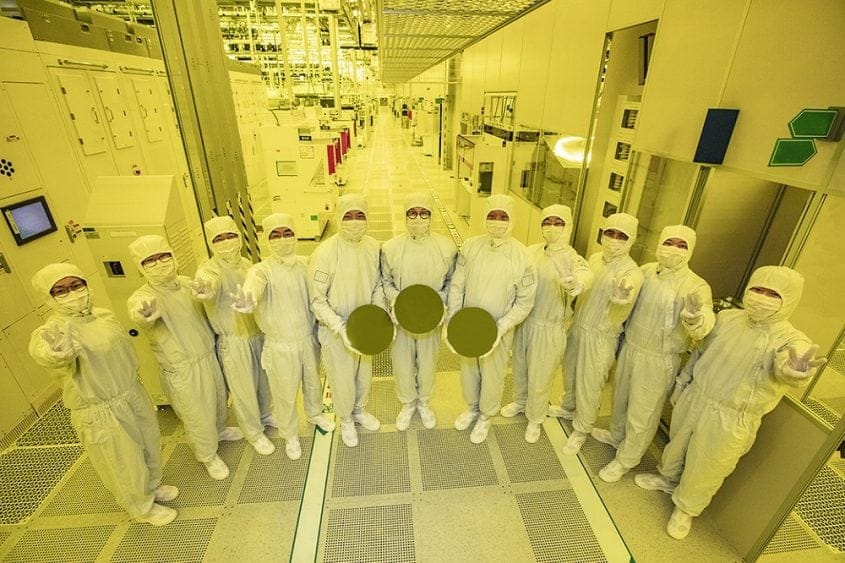
    Samsung is said to be looking into a partnership with TSMC (Taiwan Semiconductor Manufacturing Company) for the mass production of its Exynos processors, as noted by user Jukanlosreve on X. This indicates a possible change in Samsung’s strategy as the company aims to improve the performance and efficiency of its in-house Exynos chips, which have fallen short compared to leaders like Apple and Qualcomm in recent years.

    A New Era for Exynos?

    Currently, Samsung’s Exynos chips lag behind MediaTek’s recent improvements in various important areas. A common thread among Exynos’ competitors is their collaboration with TSMC, a major player in semiconductor manufacturing praised for its efficient and high-performance production techniques.

    TSMC’s Advantage

    The advanced process nodes from TSMC have given fabless manufacturers a significant edge in enhancing chip performance and efficiency, something that Samsung Foundry has found challenging to replicate. This lack of efficiency, together with lower yield rates from Samsung Foundry, has played a role in Exynos’ relative stagnation in the market.

    Yield rate is a crucial measure in semiconductor production, representing the proportion of fully functional chips generated from a wafer against the total possible chip amount. A higher yield rate leads to fewer defective chips, thus improving production efficiency. Samsung’s yield rate has been problematic, particularly with its advanced 3nm nodes. Reports suggest that Samsung’s yield for 3nm is still under 20%, while TSMC boasts a yield rate comfortably above 80%, nearing 90%. These statistics make TSMC a more attractive choice for producing Exynos chips at scale with better reliability.

    Implications for Galaxy Users

    Samsung’s System LSI division, the team responsible for designing Exynos chips, is distinct from Samsung Foundry, which handles manufacturing. This separation could enable a shift towards outsourcing the fabrication of Exynos chips to TSMC.

    However, there are further factors to consider in this potential transition. Samsung initially planned to lower manufacturing costs for its Galaxy devices by using Exynos processors, aiming to cut production expenses while creating a chip that could appeal to other smartphone manufacturers. Despite the performance gap, Samsung has continued to use Exynos processors in its flagship devices mainly to keep costs down. If production moves to TSMC, it might enhance chip performance and efficiency; however, this could lead to increased production costs, impacting Samsung’s pricing strategy for its Galaxy devices.

    Should Samsung decide to transfer Exynos manufacturing to TSMC, it could mean a significant improvement in the processor’s performance, although likely at a greater expense. Whether Samsung will prioritize performance over cost savings is yet to be determined, but this transition could alter the future landscape of Exynos processors and Samsung’s competitive chip production strategy.

    Source: Link


    Image 1
  • First One UI 7 Beta Update Available for New Samsung Galaxy Phones

    First One UI 7 Beta Update Available for New Samsung Galaxy Phones

    It appears that Samsung is gearing up to showcase One UI 7.0 to the public, which it might abbreviate to One UI 7 when it officially launches. Although the company has yet to announce a release date for the beta versions, there have been many leaks about its Android 15 interface in recent weeks.

    Beta Participation Insights

    This week, a well-known leaker, Ice Universe, suggested that Samsung is set to begin One UI 7 beta participation next week. Now, it looks like the firm has completed the first public beta of One UI 7 for the Galaxy S24 Ultra, which is currently priced at $930 on Amazon. The screenshot below indicates that Samsung has uploaded ‘ZXKB’ to its testing servers.

    Device Compatibility

    Moreover, this software is connected to the SM-S928B model, suggesting that the One UI 7 beta will soon be available for Galaxy S24 Ultra devices in Europe and South Korea. It’s important to note that the screenshot provided only pertains to a single Galaxy S24 device, but the One UI 7 beta is expected to be accessible not only for the Galaxy S24 series but also for several other recent Samsung smartphones. Interestingly, Samsung detailed its preliminary One UI 7 release schedule last month, which we have covered in another article.


    Image 1
  • Rumor: Future Exynos Chip May Be Made by TSMC

    Rumor: Future Exynos Chip May Be Made by TSMC

    Recent news from South Korea indicates that Samsung’s Foundry division is facing some difficulties. Reports claim that the company has closed down parts of its older chip production lines due to a lack of demand. Furthermore, even their advanced 3GAP technology is experiencing disappointing yields, reported to be around 20%. As a result, Samsung might need to explore alternative options for producing high-end Exynos processors. A leaker known as @Jukanlosreve has mentioned that Samsung might have to reach out to its main competitor, TSMC.

    Future Prospects for Exynos Chips

    At this point, that’s about the extent of the information available. If a partnership does come to fruition, it’ll likely take some time. The Exynos 2500, which is set for release in 2025, has already completed its initial development phase, with some early samples already seen in circulation. This leaves us looking forward to its next version, the Exynos 2600, codenamed Thetis, which has also started its developmental journey. It remains unclear whether this chip will utilize Samsung’s 2 nm SF2 technology.

    Speculation and Reality

    Naturally, there’s a good chance that this rumor could be mere speculation. However, considering the current situation of Samsung Foundry, it doesn’t seem entirely out of the question. It’s not likely this will happen anytime soon, especially since Samsung Foundry is still part of Samsung Electronics, which creates potential conflicts. Nonetheless, the scenario could shift if it were to become a separate entity in the future.

    @Jukanlosreve on X

  • Galaxy S25 Series Launch Date Expected Sooner Than Anticipated

    Galaxy S25 Series Launch Date Expected Sooner Than Anticipated

    Samsung has revealed its Galaxy S24 series in late January this year, which was highly awaited. New information indicates that the Galaxy S25 series might launch even sooner—possibly within the first week of January 2025. If this turns out to be true, Samsung could be planning a pre-CES 2025 launch, a unique strategy that may provide an edge in the competitive smartphone industry.

    Retailer Survey Points to Early Release

    A recent online survey from a Vietnamese retailer suggests that pre-orders for the Galaxy S25 lineup could begin as early as January 5. This survey, which was translated by machine and circulated widely, implies that Samsung might unveil its new flagship series, which includes the Galaxy S25, Galaxy S25 Plus, and Galaxy S25 Ultra, earlier than the previous year’s offerings.

    In comparison, the Galaxy S24 series was revealed on January 17 and became available a week later. The survey also mentioned discount vouchers for the S25 models, further supporting the possibility of an early January launch. Interestingly, there are rumors that the Galaxy S25 Slim will be introduced later in the year.

    Launch Dates Still Uncertain

    It’s important to remember that the date mentioned in the survey does not ensure a January 5 launch, and Samsung might announce the exact date formally at a later time.

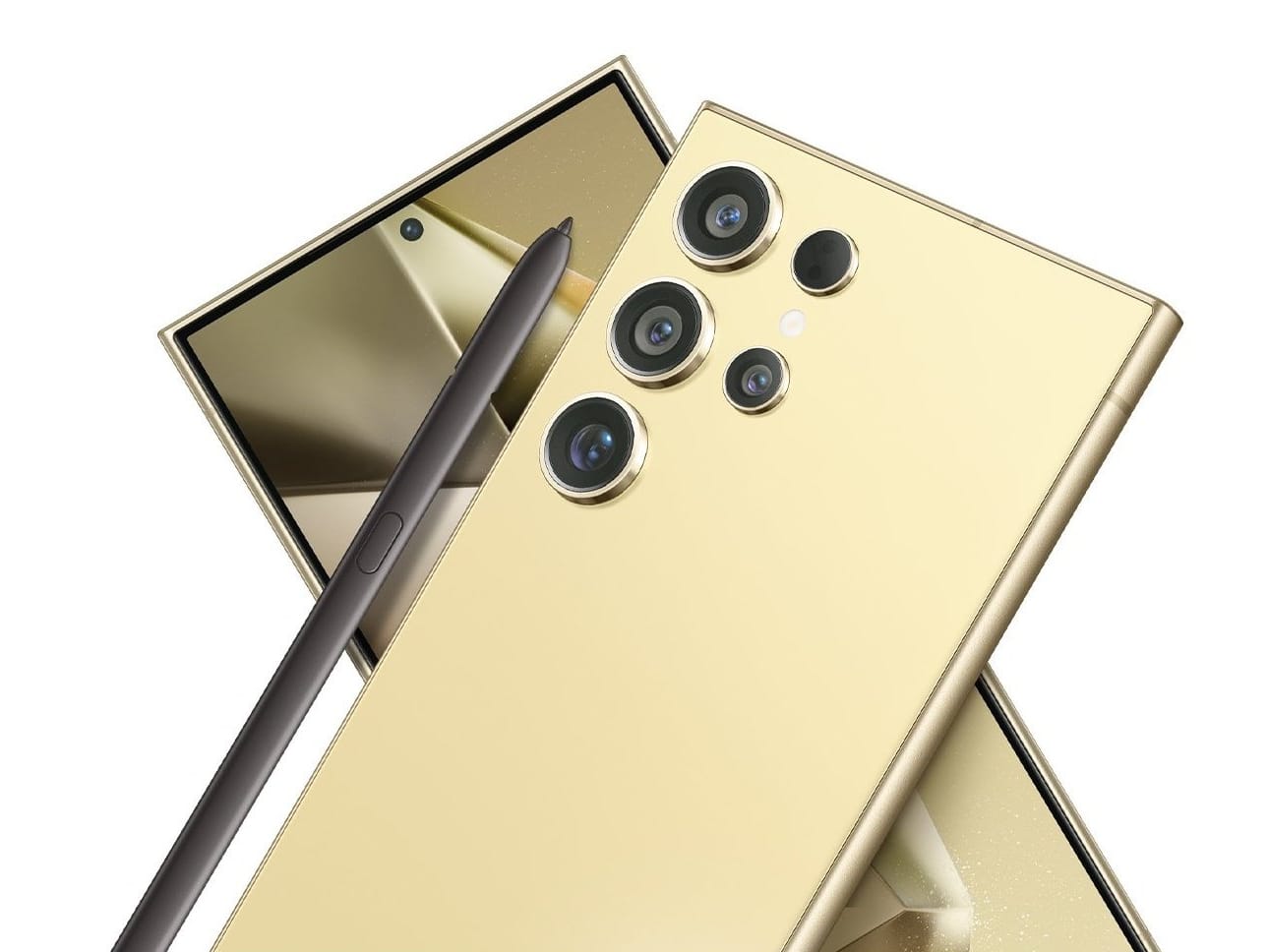
    For those curious about what’s new, leaked details have already shed light on the design and performance enhancements of the S25 series. Dummy units made of aluminum show thinner profiles for each model in the lineup. You can check out more about the sizes here. Close-up images of the Ultra model also display its new design and potential color choices.

    Performance Enhancements Expected

    On the performance front, the Galaxy S25 Ultra is likely to feature Qualcomm’s Snapdragon 8 Elite chipset globally, promising substantial upgrades. Initial benchmarks for this chipset indicate a 45% increase in peak CPU performance, a 44% improvement in power efficiency, and a 40% enhancement in both GPU performance and power efficiency. Notably, Samsung is expected to provide a “For Galaxy” version of this chipset, specifically tuned for the Ultra model. Meanwhile, the Galaxy S25 and S25+ are rumored to come with Samsung’s Exynos 2500 or MediaTek Dimensity 9400 processor.

    With these expected advances in design and functionality, the Galaxy S25 series is poised to deliver a sleek appearance and significant performance gains. Samsung enthusiasts can look forward to more updates soon, with the possibility of an official announcement imminent.


    Image 1
  • Samsung Tri-Fold Patent Reveals Design and Folding Mechanism

    Samsung Tri-Fold Patent Reveals Design and Folding Mechanism

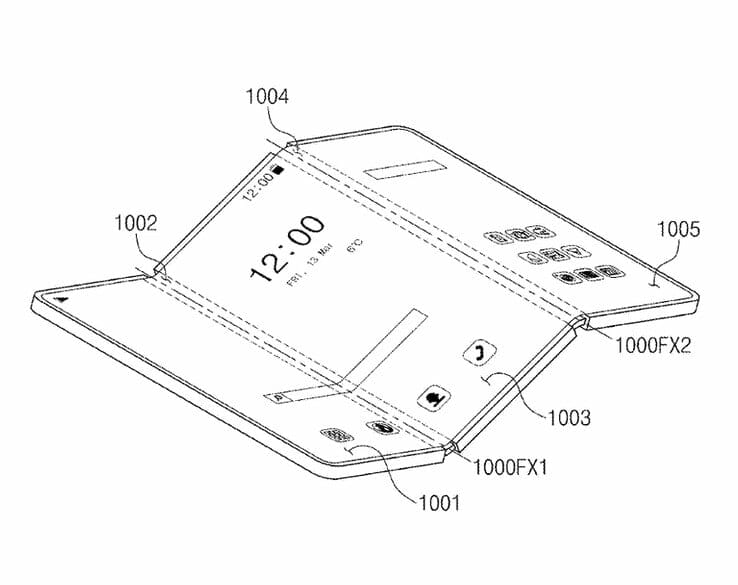
    Samsung’s tri-fold smartphone project has made a notable advancement with the approval of a recent patent, hinting at what may become a groundbreaking addition to the foldable market.

    Insights from the Patent Approval

    While the company hasn’t said much about the project, this patent—submitted to the United States Patent and Trademark Office (USPTO)—provides hints about Samsung’s plans for this next-gen foldable device. Even though a patent doesn’t ensure that a product will hit the market, it often reveals the direction a company is heading in development.

    Following in Huawei’s Footsteps

    This specific patent was filed over three years ago but only received approval in early November. It details a tri-fold design that looks similar to the Huawei Mate XT. Samsung seems to be concentrating on refining the tri-fold concept, emphasizing functionality and quality instead of rushing to be the first available, marking a change from its leading position with the original Galaxy Fold.

    The patent illustrates a Z-shaped folding mechanism, which we have already observed in the Huawei Mate XT. The timeline for Samsung to unveil its tri-fold remains uncertain.

    What Features Can We Expect?

    Even though Samsung’s tri-fold is still in its initial stages, Huawei’s Mate XT (review) can provide some clues about what consumers might anticipate from this design. The Mate XT features a unique Z-shaped fold that opens up to display a generous 10.2-inch 3K screen, effectively turning the device into a tablet. This setup enhances versatility, allowing the Mate XT to unfold into a fully operational tablet experience, complete with an optional keyboard accessory.

    The design of the Mate XT also helps us think about the engineering obstacles Samsung may encounter. The Huawei tri-fold folds one side inward and the other outward, resulting in a slim 12.8mm profile when closed. While this design reduces bulkiness, it does create a visible crease, which could become more noticeable over time. Samsung’s strategy may involve new techniques to tackle this creasing issue, ensuring durability and a smooth user experience.

    So far, Samsung has utilized the latest Snapdragon flagship processors for its foldable devices. Given the potential for multitasking, the forthcoming Samsung tri-fold might also feature the latest and most advanced Snapdragon chipset. Although there is still time for further details about the Samsung tri-fold to emerge, interested readers can take a look at the leaked images of the upcoming premium flagship, the Galaxy S25 Ultra.


    Image 1
    Image 1
  • Samsung Galaxy S25 Ultra Unveiled in New Colors and Design

    Samsung Galaxy S25 Ultra Unveiled in New Colors and Design

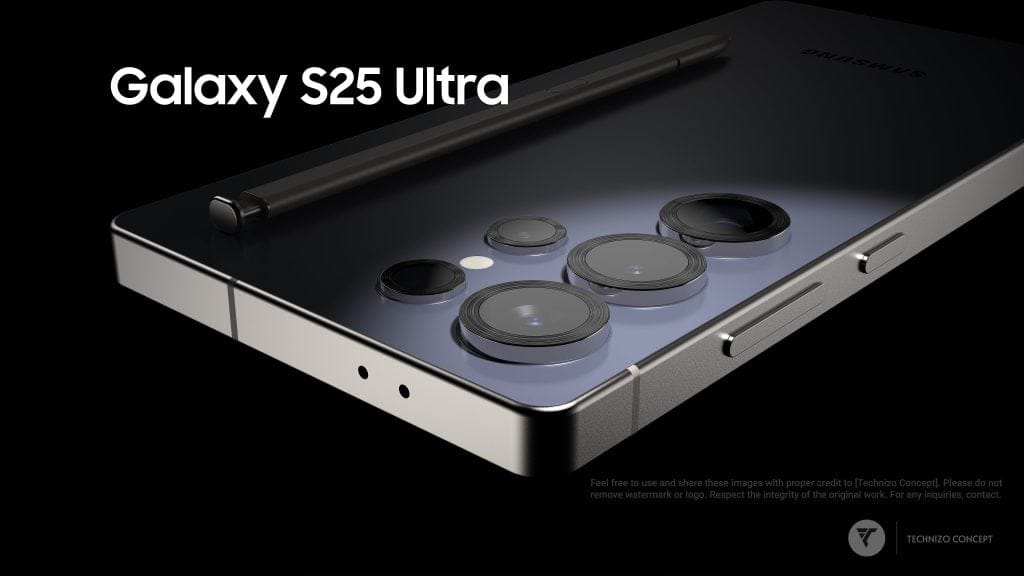
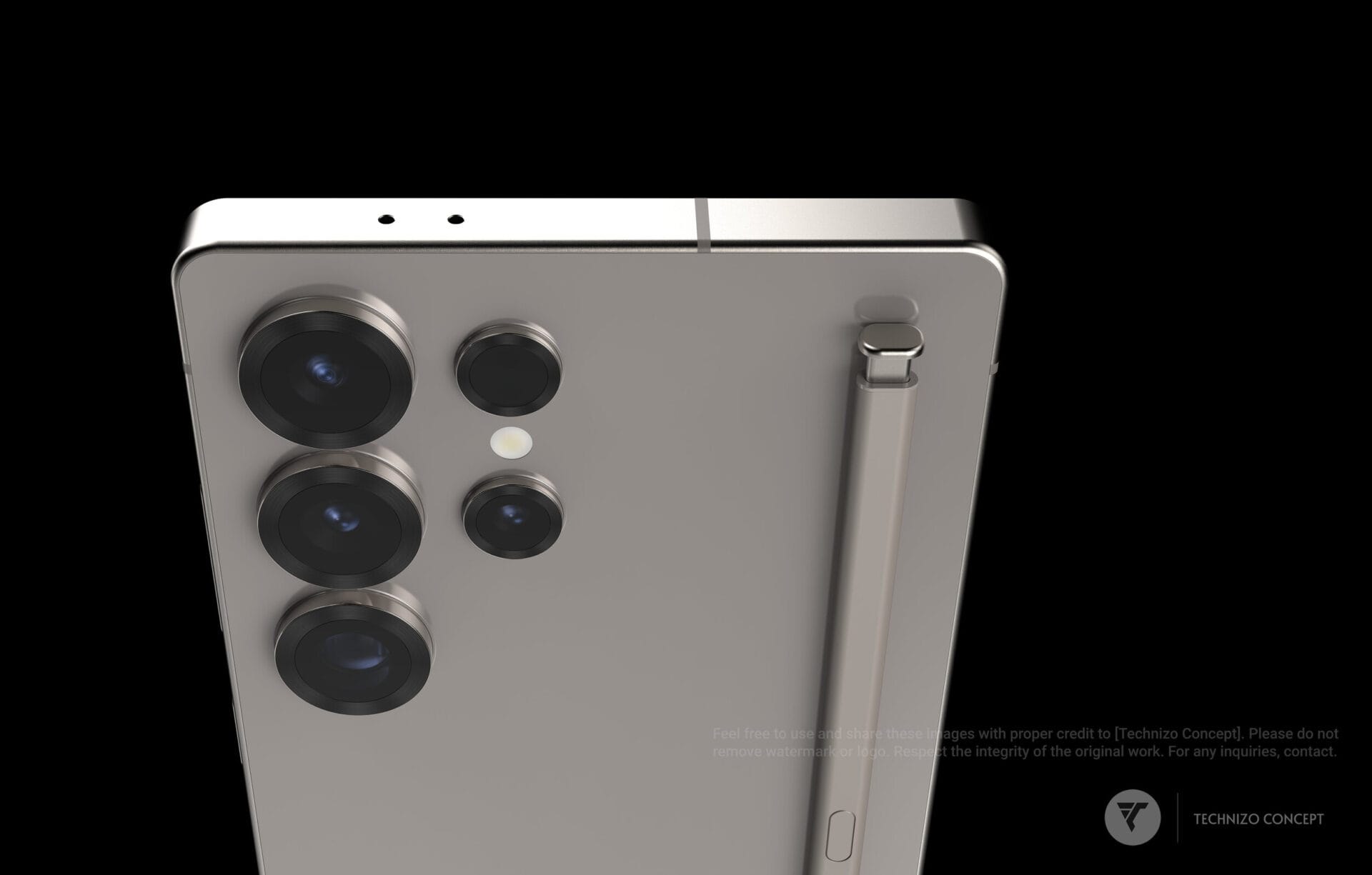
    The Galaxy S25 series might launch less than a year after Samsung’s latest flagship models, if the latest rumors are accurate. Meanwhile, concept artist Technizo Concept has shared fresh renderings of Samsung’s upcoming flagship smartphone, along with a brief video that we have included below.

    Color Options and Design

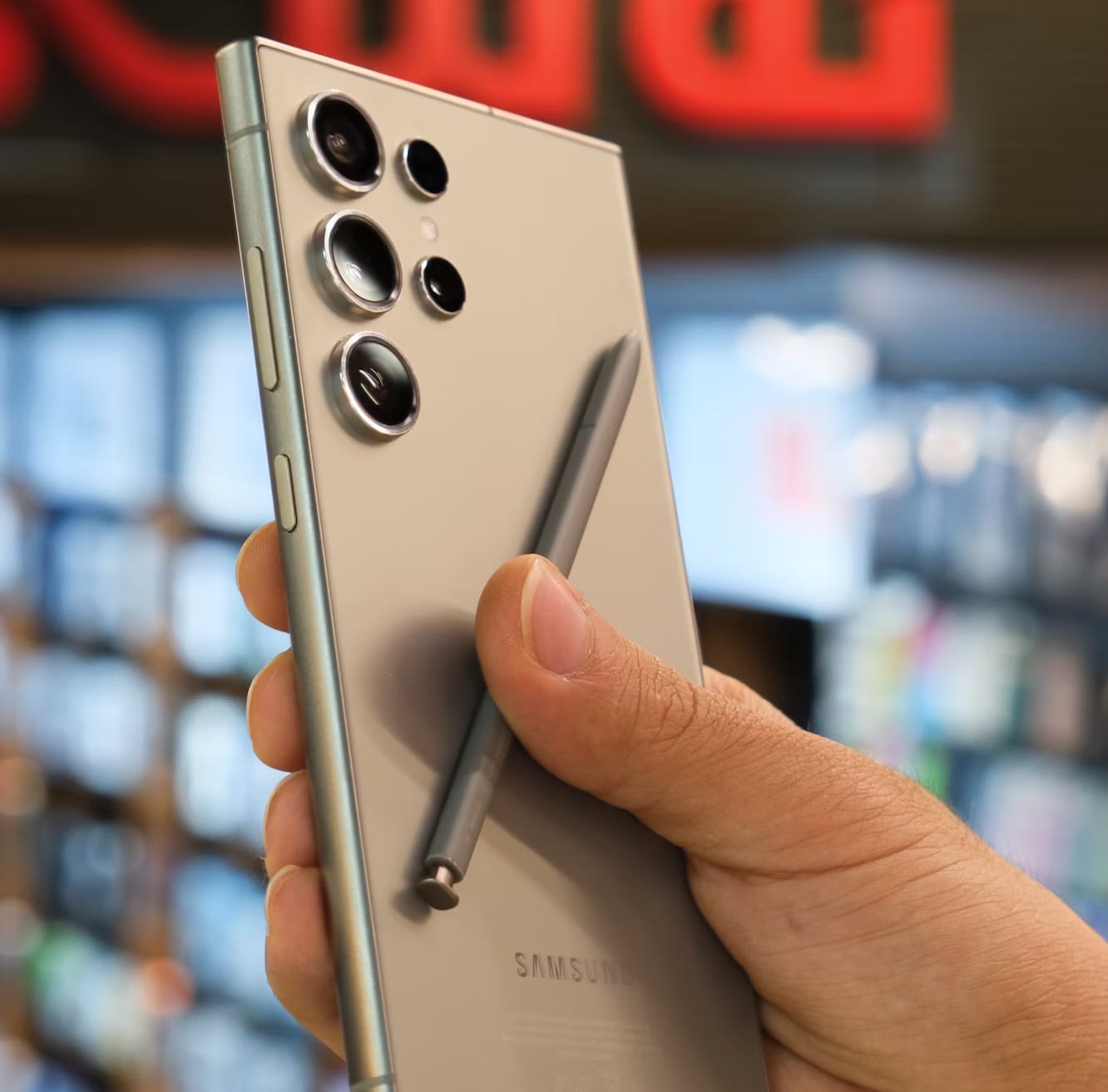
    Technizo Concept has revealed the Galaxy S25 Ultra in four colors: Titanium Black, Titanium Blue, Titanium Grey, and Titanium Silver. There are indications that Samsung might be planning additional color choices, which we have detailed in another article. Reports suggest that the Galaxy S Ultra will come back with an integrated S Pen.

    Design Features and Specifications

    It’s still uncertain whether Samsung will produce the Galaxy S25 Ultra without a color-matching mid-frame, as the renderings from Technizo Concept imply might be the case. On the other hand, earlier rumors have indicated that the Ultra model next year could have more rounded corners and larger camera modules compared to the current Galaxy S24 Ultra, which is currently priced at $930 on Amazon. Ultimately, these design changes may be merely aesthetic. In contrast, the Galaxy S25 Ultra is expected to be smaller than the previous version while introducing enhancements such as a Qualcomm Snapdragon 8 Elite chipset.

    Conclusion and Expectations

    Technizo Concept’s work gives us an exciting peek into what may come with the Galaxy S25 Ultra, but until official announcements are made, everything remains speculative.

  • Samsung Teases Earlier Galaxy Unpacked for S25 Series Launch

    Samsung Teases Earlier Galaxy Unpacked for S25 Series Launch

    Samsung has yet to make a formal statement regarding the upcoming flagship smartphones. Nonetheless, initial signs suggest that the Galaxy S series might make a comeback sooner than this year’s models are set to launch.

    Potential Release Timeline

    A Vietnamese retailer has been seen distributing a survey that hints at an early January launch for the Galaxy S25, Galaxy S25 Plus, and Galaxy S25 Ultra. The survey, which has been translated, suggests that Samsung could replace the Galaxy S24, Galaxy S24 Plus, and Galaxy S24 Ultra (currently priced at $930 on Amazon) around January 5. In comparison, Samsung previously revealed its current flagship models on January 17, with a subsequent release just a week later.

    Pre-Order Uncertainty

    However, the date mentioned in the survey does not necessarily mean that pre-orders for the Galaxy S25 series will commence on January 5, 2025. That said, it seems unusual for a retailer to issue discount vouchers for devices that haven’t been officially revealed yet. Therefore, it appears that Samsung might be aiming for a pre-CES 2025 launch for the Galaxy S25 series, potentially featuring the Snapdragon 8 Elite chipset globally.

    via @pnk505 & @yabhishekhd


    Image 1
  • Samsung Galaxy XCover8 Pro: Signs of Next-Gen Rugged Smartphone

    Samsung Galaxy XCover8 Pro: Signs of Next-Gen Rugged Smartphone

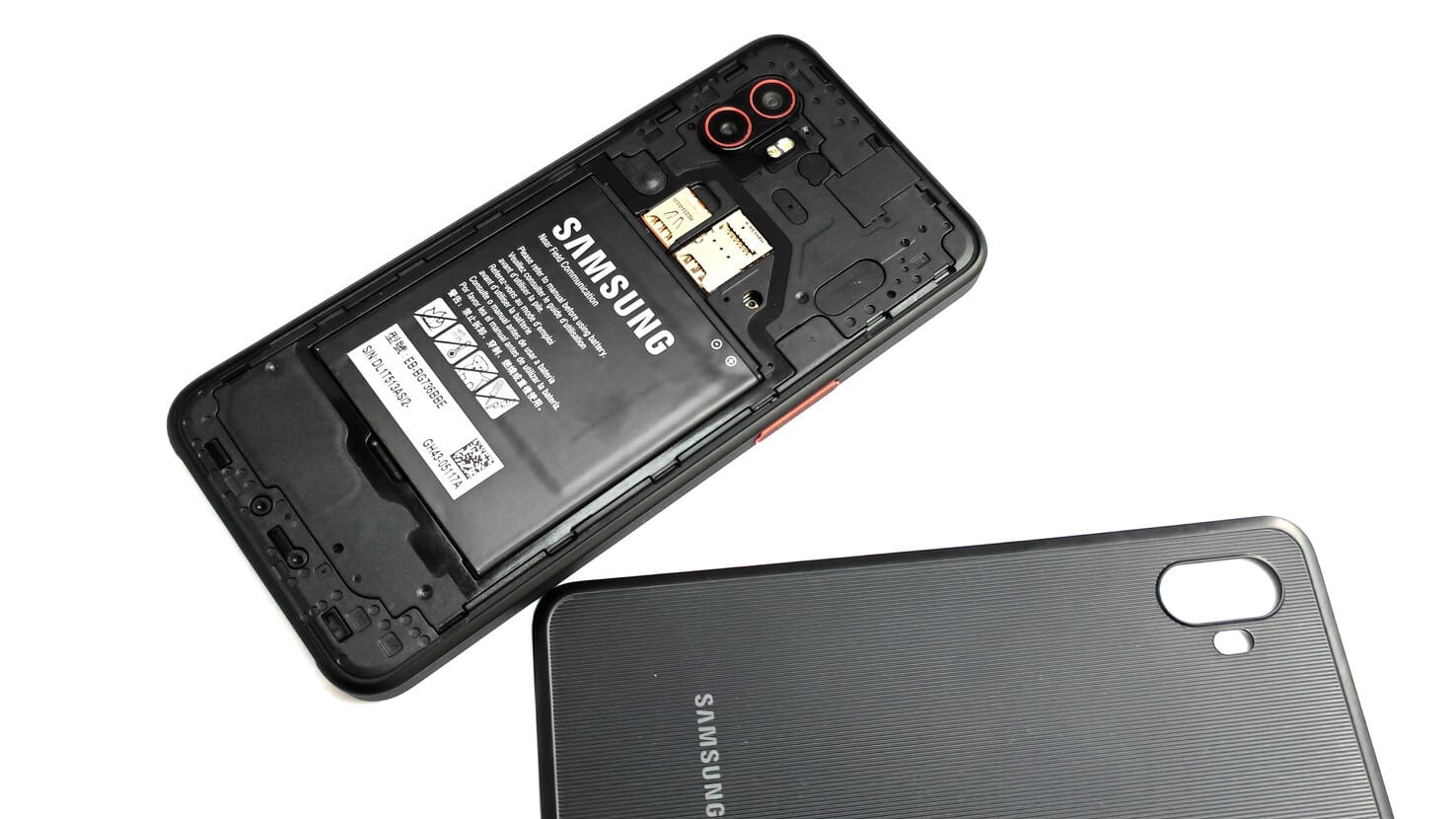
    The Galaxy XCover6 Pro, released in 2022, is available only in black. It features two rear cameras and a classic 6.6-inch display with a waterdrop notch. Despite these basic specifications, it can still be priced around $600. However, you can find it on Amazon for $299.99 in Renewed condition as of today, November 11, 2024.

    Rugged Design and Features

    This smartphone stands out because it is one of the few Samsung devices built to be tough, meeting MIL-STD-810H and IP68 standards. Plus, its rear cover is removable, which allows users to easily access the swappable battery.

    Upcoming Model Leaks

    It appears that the next version of the XCover series will follow a similar path, as the only information leaked so far relates to its battery. The Bureau of Indian Standards (BIS) has certified a product with the new model number EB-BG766GBY, hinting at its existence.

    New Model Name

    This suggests that the device it belongs to may be named Samsung SM-G766B, indicating a possible launch of the Galaxy XCover8 Pro. The previous models include the XCover7, identified as SM-G556B, and the XCover6 Pro, known as SM-G736B. Thus, it looks like Samsung is gearing up to unveil a new robust smartphone soon.


    Image 1
  • OPPO Tops Southeast Asia Smartphone Market in Q3 2024

    OPPO Tops Southeast Asia Smartphone Market in Q3 2024

    The smartphone market in Southeast Asia saw significant growth in the third quarter of 2024, with a 15% year-on-year increase in shipments, totaling 25 million units, as per a recent Canalys report. This rise underscores the region’s recovery and heightened demand across different smartphone categories. Oppo stood out as the market leader, closely followed by major brands such as Samsung, Transsion, Xiaomi, and vivo.

    Oppo’s Rise in the Market

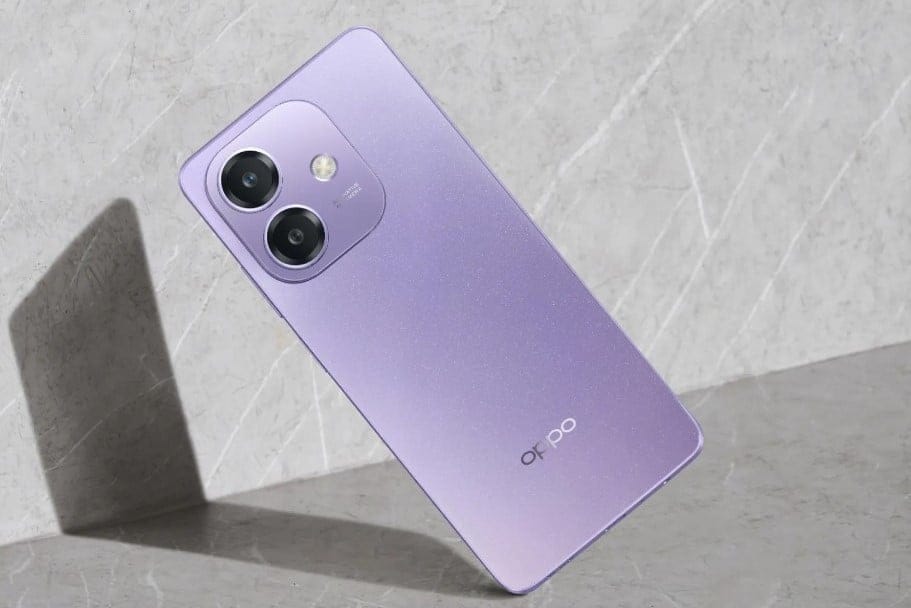
    Oppo took the top spot in Southeast Asia’s smartphone market during Q3 2024, shipping 5.1 million units and achieving a 21% market share. This success is mainly due to the brand’s emphasis on affordable entry-level devices, especially the Oppo A3, which appealed to consumers looking for budget-friendly options. With a 29% increase in year-on-year growth, Oppo has effectively tapped into the mass market with its cost-efficient products.

    Samsung’s Strategic Focus

    Samsung came in second, holding a 16% share of the shipment volume with 4.1 million units. Interestingly, its shipment value share was higher than its volume share at 23%, showcasing its successful strategy in the high-end market. By concentrating on raising average selling prices (ASP) rather than just shipment numbers, Samsung aims to enhance profitability and reinforce its premium segment in the region.

    Transsion’s Shift in Strategy

    In third place was Transsion, which encompasses brands like TECNO, Infinix, and iTel, with a shipment volume of 4 million units and a 16% market share. Despite having experienced rapid growth in Southeast Asia previously, Transsion’s expansion seems to be stabilizing as it shifts its focus from increasing market share to enhancing profitability and shipment value in the upcoming quarters.

    Xiaomi and Vivo’s Competitive Stance

    Xiaomi secured the fourth position with 3.9 million units shipped and a 15% market share, thriving on the popularity of budget models like the Redmi 14C and A3. With a 21% increase year-on-year, Xiaomi has positioned itself as a formidable player in the budget segment.

    Vivo rounded out the top five, with 2.6 million units shipped and holding a 10% market share. Although Vivo’s shipment figures didn’t keep pace with its rivals, its stable presence in the top five highlights its consistent appeal among Southeast Asian consumers.

    In conclusion, the smartphone market in Southeast Asia is showing strong signs of recovery. Oppo leads with its entry-level offerings, while Samsung emphasizes profitability through premium strategies. Xiaomi and Vivo continue to grow steadily by providing budget-friendly options, creating a well-rounded market landscape.


    Image 1
    Image 1