Tag: Samsung

  • Samsung Flip 7 FE Outperforms Flip 7 with Smart Chipset Choice

    Samsung Flip 7 FE Outperforms Flip 7 with Smart Chipset Choice

    Key Takeaways

    1. Samsung will unveil its 7th generation foldable devices, including the Galaxy Z Fold 7, Flip 7, Flip 7 FE, and a tri-fold model.
    2. The Flip 7 FE may have a better chipset than the standard Flip 7, with speculation about it being a rebranded Z Flip 6.
    3. There are mixed rumors about the chipsets, with the possibility of the Exynos 2500 debuting in the Z Flip 7 amidst concerns about its performance.
    4. Historical issues with Exynos chips raise doubts about their efficiency and stability, particularly with the 3nm production challenges.
    5. The Snapdragon 8 Gen 3 is seen as a reliable option for the foldables, with the Galaxy Z Fold 7 expected to feature the Snapdragon 8 Elite.


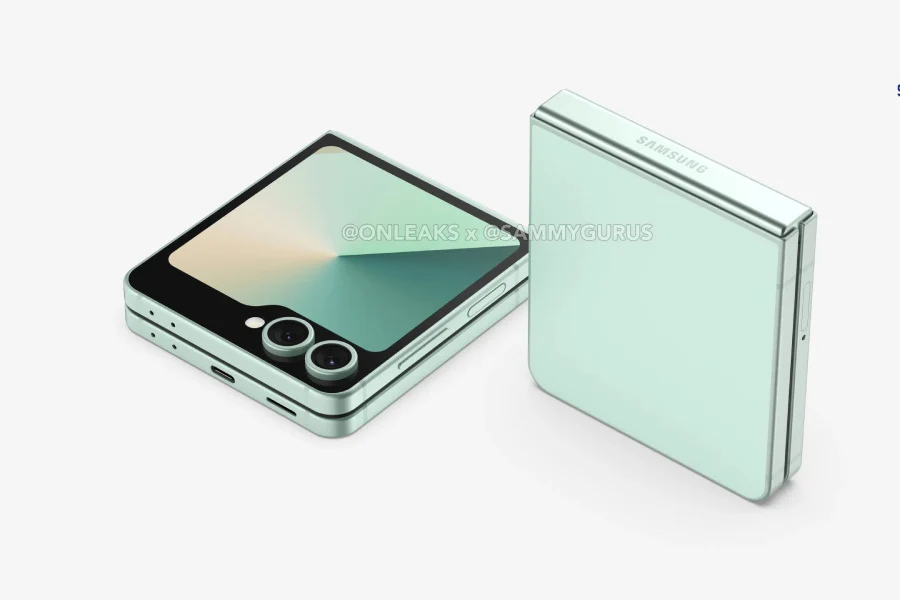
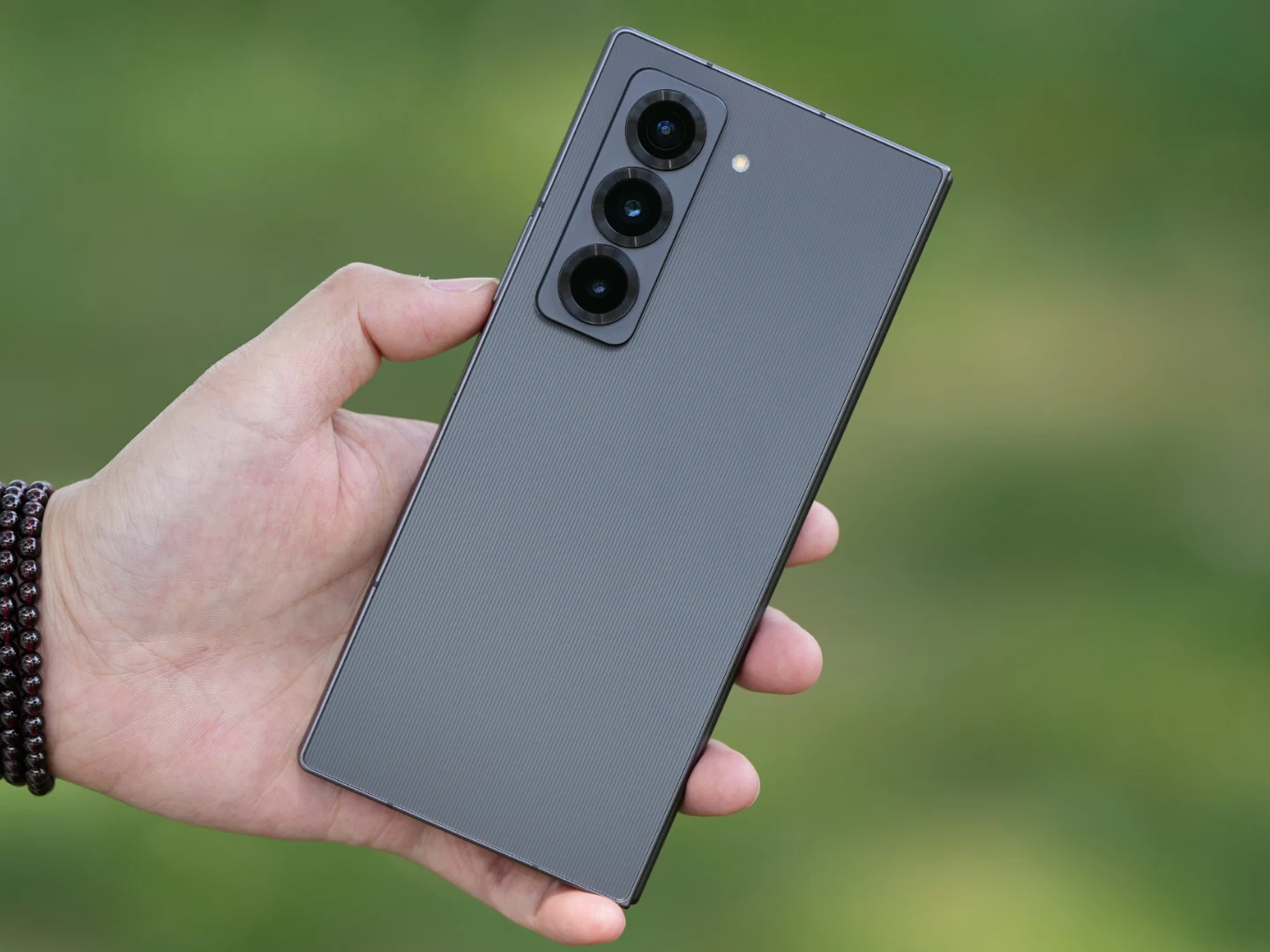
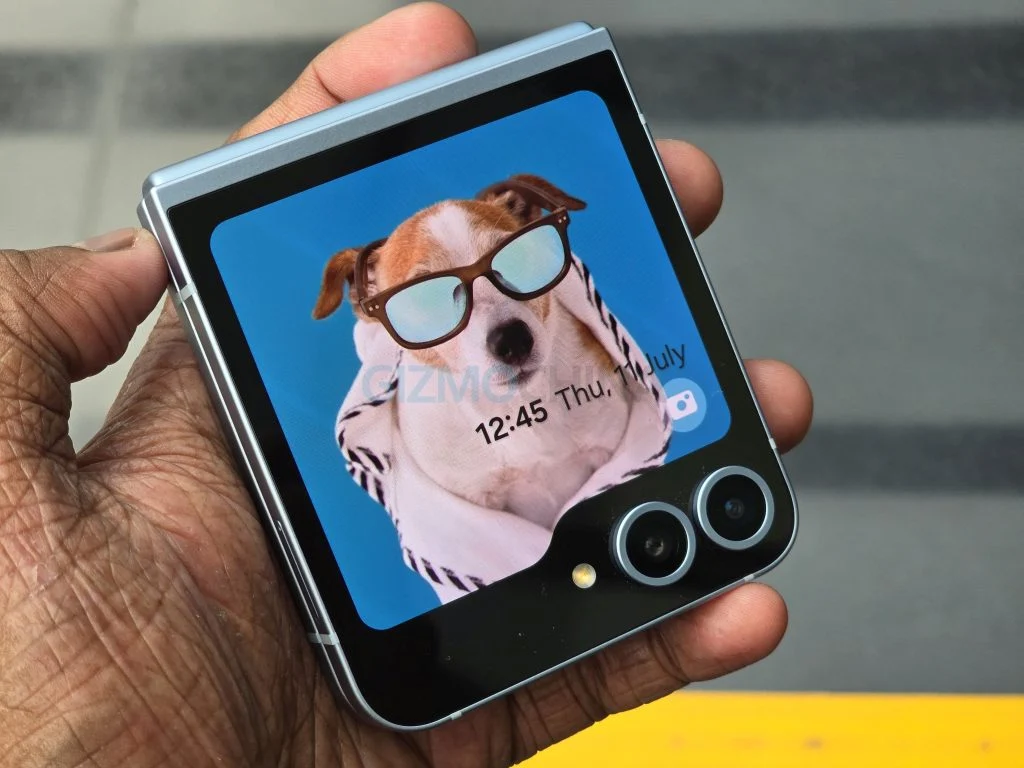
    Samsung is set to reveal its 7th generation foldable lineup, which includes the Galaxy Z Fold 7, Flip 7, Flip 7 FE, and an innovative tri-fold device. Recent leaks suggest that the Flip 7 FE might actually have a better chipset than the standard Flip 7, sparking excitement among fans.

    Chipset Speculation

    The rumors surrounding the chipsets for the new Galaxy devices, including the 7th-gen foldables and the S26 series, have been quite mixed. Traditionally, Samsung has equipped its foldables with Snapdragon processors. However, the slow progress of the Exynos 2500 series indicates it might finally debut in foldables, particularly in the Z Flip 7. This latest information seems to support that notion. Nonetheless, the new FE variant is rumored to merely be a “lazy rebrand” of the Z Flip 6, implying it will likely sport the Snapdragon 8 Gen 3.

    Exynos 2500 Concerns

    There have been ongoing issues with yield and performance that have hindered the Exynos 2500. Although many Exynos chips released in the last 5 to 6 years promised improved efficiency and stability, they rarely delivered on those expectations. Given these historical challenges—especially with Samsung’s known production problems on the 3nm node—it’s best not to expect too much from a device powered by this new chipset.

    Snapdragon 8 Gen 3 Advantages

    Conversely, the Snapdragon 8 Gen 3 is a reliable chipset known for its stability and power efficiency, even if it may not reach the peak performance levels of the Exynos 2500. The Galaxy Z Fold 7 is projected to showcase the Snapdragon 8 Elite, which further implies that the Exynos 2500 might not yet be suitable for demanding tasks. The anticipated launch for this lineup is early July, with more information likely to emerge as we approach the release date.

    Source:
    Link


  • Samsung Unveils World’s First 500Hz OLED Monitor

    Samsung Unveils World’s First 500Hz OLED Monitor

    Key Takeaways

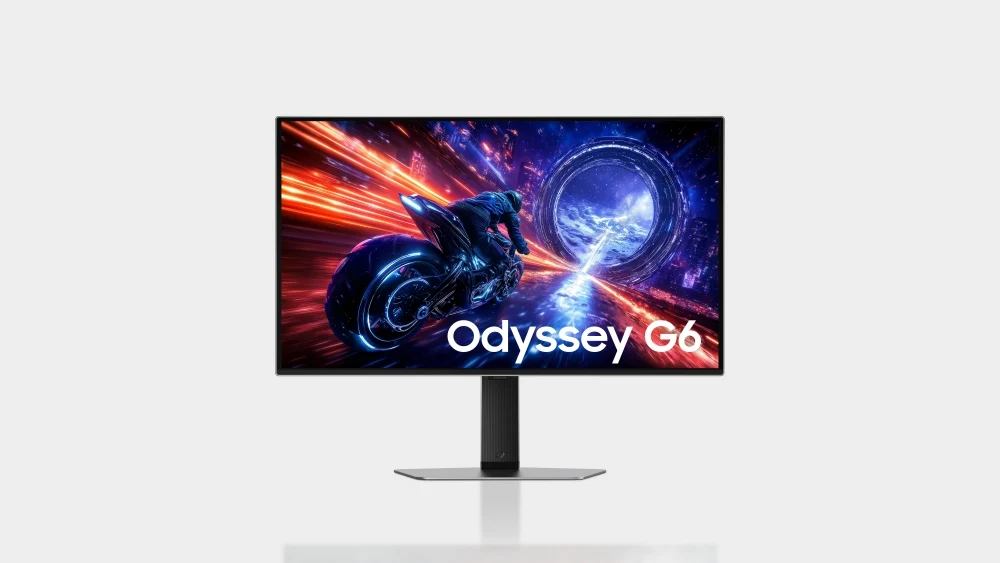
    1. The Samsung Odyssey OLED G6 is the world’s first 500Hz OLED display, featuring a 27-inch QHD screen (2560 x 1440) with QD-OLED technology.
    2. It offers a 0.03ms gray-to-gray response time and is compatible with AMD FreeSync Premium Pro and NVIDIA G-SYNC to minimize screen tearing.
    3. The monitor includes features to prevent burn-in, such as automatic brightness adjustment on static images and OLED Safeguard+ technology.
    4. It achieves a peak brightness of 1,000 nits and is Pantone Validated, reproducing over 2,100 colors and 110 skin tones with high color accuracy.
    5. Priced at SGD 1,488 (~ USD 1,147), the monitor is currently available for pre-order in select Southeast Asian countries, with a gradual global launch expected.


    First introduced at CES 2025 in January, Samsung is now making the Odyssey OLED G6 available worldwide. This monitor is touted as the world’s first 500Hz OLED display and is officially launching in select Southeast Asian countries, such as Singapore, Thailand, Vietnam, and Malaysia.

    Samsung Odyssey OLED G6 Specifications

    The Odyssey OLED G6 (G60SF) features a 27-inch QHD screen (2560 x 1440) that utilizes QD-OLED technology, achieving an impressive 500Hz refresh rate and a 0.03ms gray-to-gray response time. While the 500Hz refresh rate is a significant highlight, Samsung has also included features aimed at gamers who prioritize performance. This panel is compatible with both AMD FreeSync Premium Pro and NVIDIA G-SYNC, helping to minimize screen tearing. Additionally, it meets the VESA DisplayHDR True Black 500 standard, which ensures vibrant dynamic range and deeper blacks.

    The monitor is designed to automatically lower brightness on static images like logos and taskbars to help prevent burn-in. It includes a unique OLED Safeguard+ technology to address burn-in concerns during extended usage. Moreover, the anti-reflective Glare Free coating helps reduce distractions from surrounding light.

    Brightness and Color Accuracy

    This display can achieve a peak brightness of 1,000 nits, although this level is likely only attainable with certain HDR content rather than during regular use. The monitor is also Pantone Validated, which confirms that it meets Pantone’s color accuracy standards. Samsung claims it can reproduce over 2,100 colors and more than 110 skin tones from the Pantone library.

    To manage heat effectively, the monitor incorporates a dynamic cooling system with pulsating heat pipes that utilize a coolant which evaporates and condenses, allowing heat to dissipate five times faster than a traditional graphite sheet.

    Price and Availability

    The Odyssey OLED G6 is offered at SGD 1,488 (~ USD 1,147), and pre-orders are currently available in Singapore, Thailand, Vietnam, and Malaysia. While Samsung has not specified exact release dates for other regions outside Southeast Asia, a gradual global launch is anticipated in the upcoming months.


  • Samsung Galaxy Buds Core: Is an Affordable TWS Launch Near?

    Samsung Galaxy Buds Core: Is an Affordable TWS Launch Near?

    Key Takeaways

    1. Samsung is developing a new budget-friendly model of truly wireless earbuds called the Galaxy Buds Core.
    2. The Galaxy Buds Core was found on certification websites, suggesting it has a 200mAh battery and a 500mAh charging case.
    3. This new model may follow the Galaxy Buds FE and aims to provide affordable options in the market.
    4. The expected launch is alongside Samsung’s Galaxy Z Fold 7 and Galaxy Z Flip 7 smartphones in late July.
    5. Anticipated features include Active Noise Cancellation (ANC) and over 30 hours of battery life.


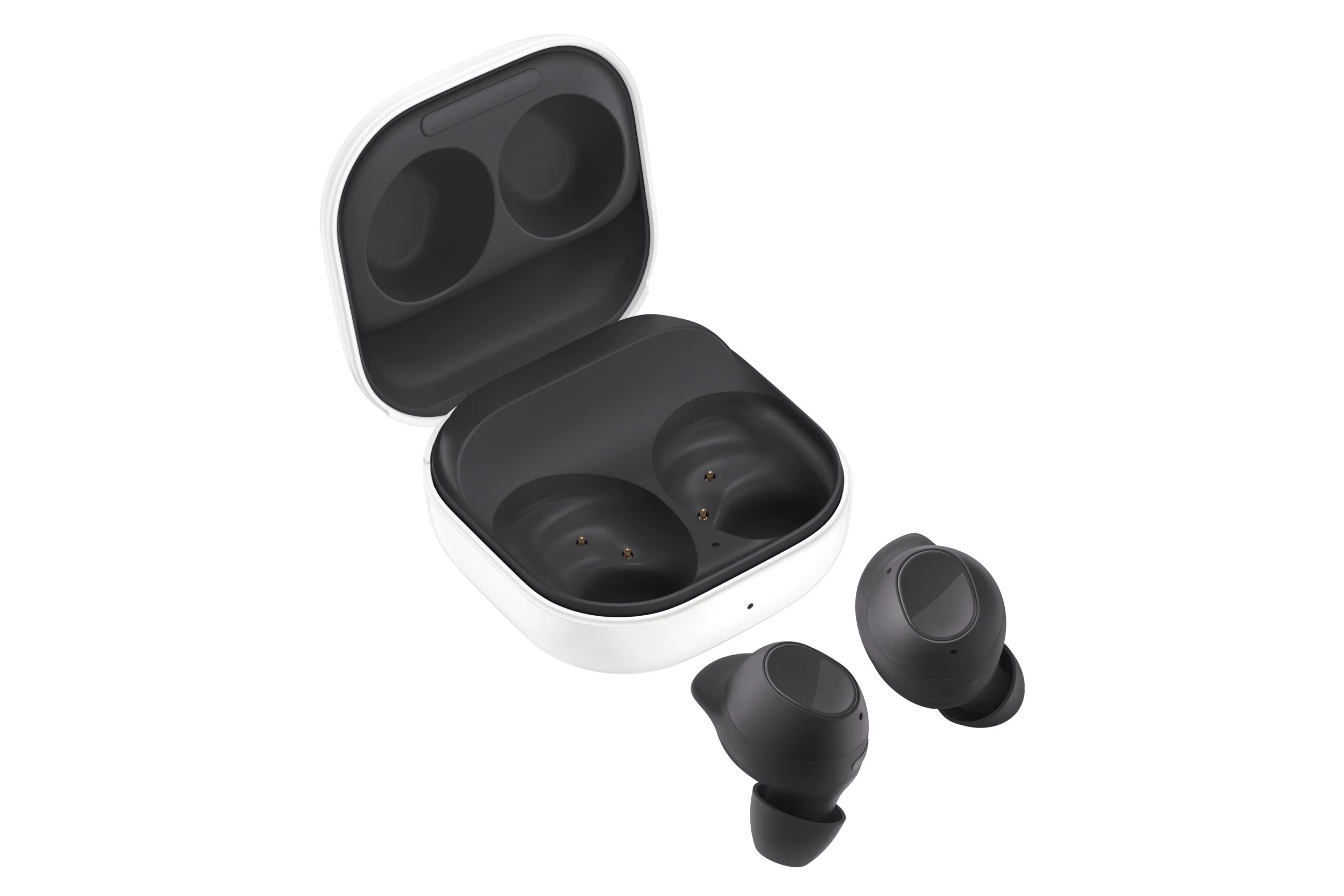
    Samsung is said to be preparing to introduce a new set of truly wireless earbuds called the Galaxy Buds Core. This model seems to be aimed directly at those who are budget-minded. While the company’s top-tier Buds lineup usually competes in the high-end market, this new TWS could be focused on more affordable options. Here’s what we know so far.

    New Galaxy Buds Core TWS in the Works

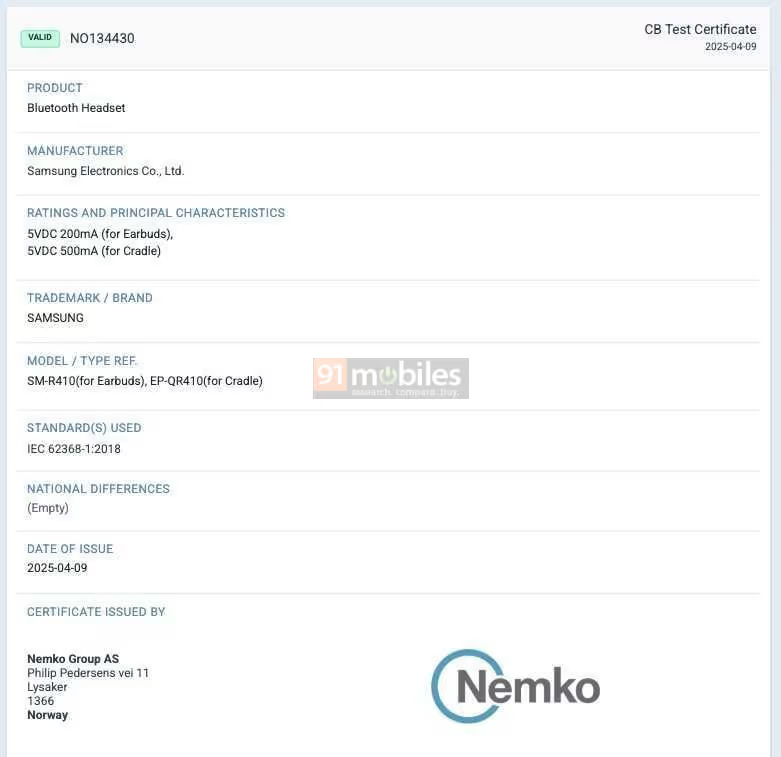
    The Galaxy Buds Core has just come to light after being discovered on two certification websites. Back in April 2025, a supposed Galaxy Buds FE 2 appeared on the BIS database with the SM-R410 model number. However, another entry on the Nemko certification suggests the name Samsung Galaxy Buds Core. This listing also verifies that the earbuds are equipped with a 200mAh battery, whereas the charging case contains a 500mAh battery.

    Moreover, the case was identified with the EP-QR410 model number. If this model is indeed called the Galaxy Buds Core, it would directly follow the Galaxy Buds FE. To remember, the Buds FE were a set of budget-friendly truly wireless earbuds positioned below the premium Galaxy Buds 3 series. Recent rumors indicate that the South Korean tech giant might unveil the Galaxy Buds Core alongside its next-generation foldable smartphones.

    Anticipated Launch with New Foldables

    The Galaxy Z Fold 7 and Galaxy Z Flip 7 are expected to launch in late July. Therefore, we may see new teasers shortly. Like their predecessors, it is anticipated that these new earbuds will feature ANC (Active Noise Cancellation) and offer at least 30 hours or more of battery life as part of their upgrades.

    Source:
    Link


  • Galaxy Z Flip 7 FE Benchmark Shows Exynos Chip, Conflicting Rumors

    Galaxy Z Flip 7 FE Benchmark Shows Exynos Chip, Conflicting Rumors

    Key Takeaways

    1. Samsung is set to launch the Galaxy Z Flip 7 FE, a more affordable foldable device, which is already in production and has been certified in China.
    2. The device is likely to be powered by the Exynos 2400 chip, featuring a specific core configuration and an Xclipse 940 GPU, although there is uncertainty about the final chipset choice.
    3. The Galaxy Z Flip 7 FE will have 8GB of RAM and run on Android 16, expected to be unveiled at Google’s I/O Developer Conference.
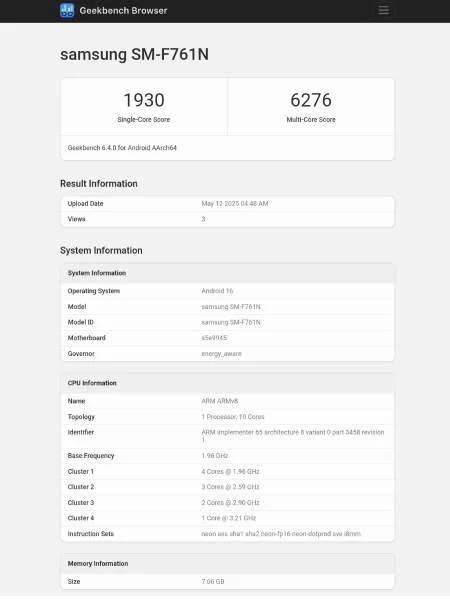
    4. Benchmark scores show a single-core score of 1,930 and a multi-core score of 6,276, indicating strong performance but still leaving some doubts about the chipset.
    5. Reports suggest the possibility of different chipset options, including an Exynos 2400e or Exynos 2500, and the device will support fast charging at 25W.


    Samsung is likely to introduce a more affordable version in its foldable series known as the Galaxy Z Flip 7 FE. This new device is said to have started production and has also shown up in the 3C certification database in China, which basically confirms it is real. Recently, it has been through a benchmark test with the model number SM-F761N.

    Hardware Insights

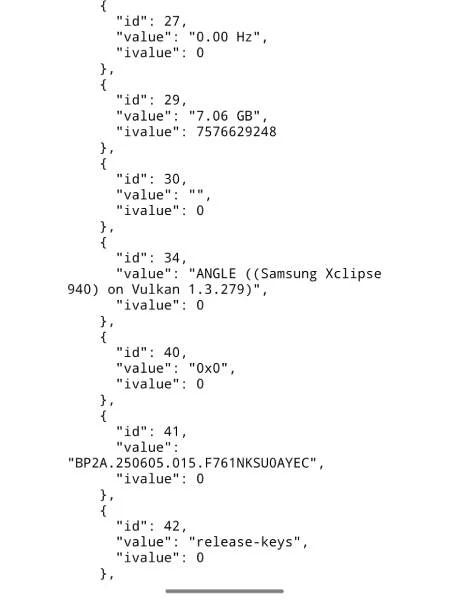
    The benchmark listing reveals many specifications about the hardware, but it doesn’t clarify the ongoing confusion regarding the chipset Samsung is using. According to the Geekbench entry, the motherboard for the Flip 7 FE is identified by the codename s5e9945, and the configuration suggests it is likely equipped with the Exynos 2400 chip. The chip features a single prime core running at 3.21GHz, two performance cores at 2.90GHz, three additional cores at 2.59GHz, and four efficiency cores clocked at 1.96GHz. The graphics are managed by an Xclipse 940 GPU, indicating that it probably is the Exynos 2400.

    Performance Details

    In the testing, the device has 8GB of RAM and is operating on Android 16, which is expected to be revealed during Google’s I/O Developer Conference later this month. The benchmark results show a single-core score of 1,930 and a multi-core score of 6,276. However, there remains some doubt about the final chipset selection for the FE. While Geekbench currently implies it will use the Exynos 2400, prior reports have mentioned the possibility of an Exynos 2400e or even a yet-to-be-released Exynos 2500.

    Confusion in Chipset Choices

    Compounding this uncertainty, a different report from earlier today suggests that the 7 FE may not utilize an Exynos chip at all. As always with leaks, there’s a chance they might not be accurate. Therefore, it’s wise to approach this information with skepticism. Besides the benchmark results, the 3C certification also indicates that the device will support fast charging at 25W.

    Source:
    Link


  • Exynos Chip Confirmed for Galaxy Z Flip 7, Not Flip 7 FE

    Exynos Chip Confirmed for Galaxy Z Flip 7, Not Flip 7 FE

    Key Takeaways

    1. Chipset Rumors: The Galaxy S26 series may return to Exynos chipsets, while the Galaxy S25 FE is expected to use a MediaTek chipset.

    2. Galaxy Z Flip 7 Chipsets: There are conflicting reports about the Galaxy Z Flip 7, with leaks suggesting it could feature either the Snapdragon 8 Elite for Galaxy or the Exynos 2500.

    3. Dual Versions Possible: Samsung might launch two versions of the Galaxy Z Flip 7, with the Snapdragon variant for regions like China and the USA, and the Exynos version for Europe.

    4. Galaxy Z Flip 7 FE: A budget version, the Galaxy Z Flip 7 FE, is expected to be introduced, likely powered by the Snapdragon 8 Gen 3 processor and not featuring an Exynos chipset.

    5. Upcoming Timeline: Samsung is expected to tease the Galaxy Z series next month, with an official reveal anticipated for July, alongside more information on chipsets.


    The discussion around the chipsets that Samsung will incorporate in its next smartphones has been buzzing recently. There are rumors about the Galaxy S26 series reverting back to Exynos, while the Galaxy S25 FE is said to include a MediaTek chipset. Additionally, fresh information has emerged regarding the chipset for the Galaxy Z Flip 7.

    Snapdragon 8 Elite vs Exynos 2500

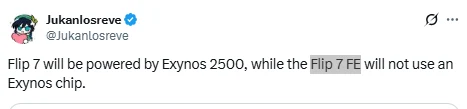
    Last month, a leak indicated that the Galaxy Z Flip 7 would be equipped with the Snapdragon 8 Elite for Galaxy. This source stated that the device successfully completed all internal tests, including those for network connectivity. However, another report suggests that the Galaxy Z Flip 7 will actually feature Samsung’s Exynos 2500. This news comes from X user Jukanlosreve (@Jukanlosreve), who previously revealed that the European version of the Galaxy S26 series will utilize the Exynos 2600.

    Conflicting Reports on Chipsets

    This new information aligns with earlier reports claiming the Galaxy Z Flip 7 will indeed be powered by the Exynos 2500 processor. One report mentioned that a Samsung representative noted that the Exynos 2500 was not used in the Galaxy S25 (which is currently priced at $714.99 on Amazon) because there wasn’t enough available in time; however, it would be included in “premium models” of the Galaxy Z Flip series.

    There’s also a possibility that the Snapdragon 8 Elite for Galaxy variant is under consideration, suggesting that Samsung might launch two versions of the Galaxy Z Flip 7, similar to their past flagship practices. This Snapdragon version could be marketed in regions like China and the USA, while Europe may receive the Exynos 2500 version.

    Upcoming Galaxy Z Flip 7 FE

    Alongside the Galaxy Z Flip 7, Samsung is anticipated to introduce a budget-friendly model branded as the Galaxy Z Flip 7 FE. According to Jukanlosreve, this FE version will not feature an Exynos processor. This aligns with a previous leak indicating that the Galaxy Z Flip 7 FE will share specifications with last year’s Galaxy Z Flip 6, which is powered by the Snapdragon 8 Gen 3 processor.

    If we follow last year’s timeline, Samsung is expected to begin teasing the new Galaxy Z series next month, with an official reveal slated for July. However, more definitive information about the chipsets will likely appear before the launch date.

    Source:
    Link
  • Samsung Foundry’s 2nm Yield Gains: Key Challenges Ahead

    Samsung Foundry’s 2nm Yield Gains: Key Challenges Ahead

    Key Takeaways

    1. Samsung Foundry is improving its 2 nm yields, now estimated at 40-50%, up from 30% in February.
    2. The Exynos 2600 is expected to power upcoming Galaxy S26 models, indicating positive growth for Samsung’s chipset lineup.
    3. Yield improvements at Samsung may involve performance trade-offs, leading to a gap between its chips and those produced by TSMC.
    4. Samsung’s previous advantage in 3 nm technology has diminished with the introduction of TSMC’s N2 node, which uses similar Nanosheet technology.
    5. Future improvements may come with the next generation, SF2P, which is expected to be marketed as Samsung’s ‘true’ 2 nm node.


    Unlike TSMC, which has already gone beyond 60% yields on its 2 nm class N2 node, Samsung Foundry is still trying to reach that important target. A new report from the South Korean news source Munhwa suggests that the young chipmaker is getting close, with yields now estimated to be in the 40-50% range. This is a significant improvement from the earlier reported 30% in February. While yields alone don’t mean much without knowing the chip’s die size, in this case, it is expected to be around the size of a smartphone SoC, approximately 150 mm².

    Positive Outlook for Exynos 2600

    This development is promising for the Exynos 2600, which is expected to power the Galaxy S26, Galaxy S26+, and possibly the Galaxy S26 Ultra next year. In addition, the Snapdragon 8 Elite 2 for Galaxy is also rumored to be produced on the same node, but its launch is not anticipated until the second half of 2026, likely coinciding with the Galaxy Z Fold 8 and Galaxy Z Flip 8.

    Trade-offs in Performance

    However, X leaker and semiconductor analyst Jukanlosreve points out that this yield improvement has come at a cost. Samsung apparently had to make performance compromises to produce workable chips. This indicates that SF2 will again lag behind TSMC’s N2 node in raw performance. Such a situation could create a notable performance gap between the standard Snapdragon 8 Elite 2 (TSMC N3P) and the Snapdragon 8 Elite 2 designed for Galaxy.

    Challenges with 2 nm Technology

    To complicate things, Samsung once had an edge with its 3 nm node, which was GAAFET-based, but that advantage is gone with the 2 nm node because N2 employs Nanosheets, a technology that is quite similar. It might be that things improve with the next generation, SF2P, which Jukanlosreve claims will be marketed as their ‘true’ 2 nm node.

    Source:
    Link

  • Samsung Galaxy Watch8 and Classic Redesigns Unveiled Early

    Samsung Galaxy Watch8 and Classic Redesigns Unveiled Early

    Key Takeaways

    1. The Galaxy Watch8 has a larger battery compared to the previous version and is priced at $199.99 on Amazon.
    2. It features a design similar to the Galaxy Watch Ultra, with two hardware buttons instead of three, making it chunkier than the Galaxy Watch7.
    3. Samsung is expected to release the Galaxy Watch8 in two sizes, both named ‘Fresh 8’, though specific measurements are not yet available.
    4. A potential Galaxy Watch8 Classic is rumored, codenamed ‘Fresh 8’, and may resemble the original Galaxy Watch Ultra with a larger bezel for a physical mechanism.
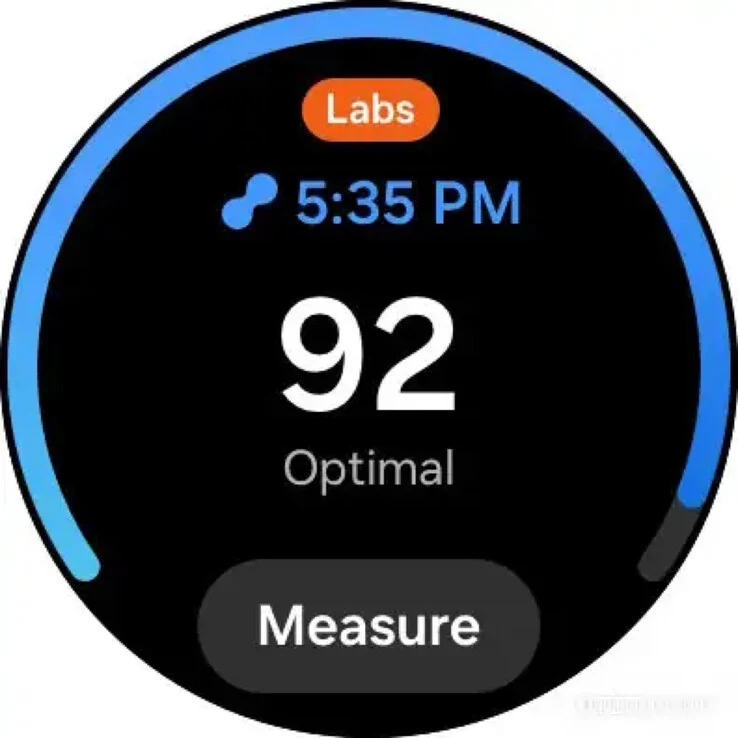
    5. The new software feature may measure beta-carotene levels to provide an antioxidant score.


    Only a few days ago, the Galaxy Watch8 model was seen at the FCC, showing off a battery that’s a bit bigger than the last version (currently $199.99 on Amazon). Meanwhile, Android Authority has found some early info about a new software feature that can measure beta-carotene levels to figure out an antioxidant score.

    New Design Features

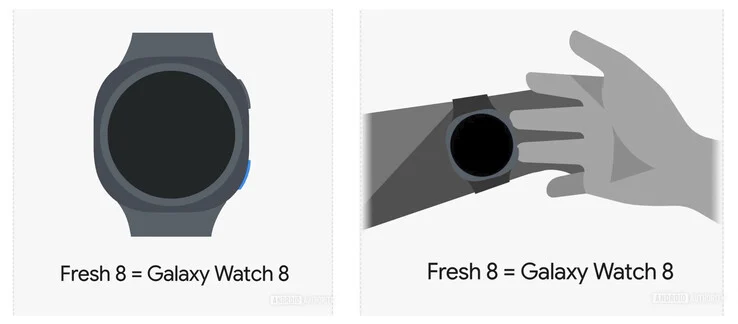
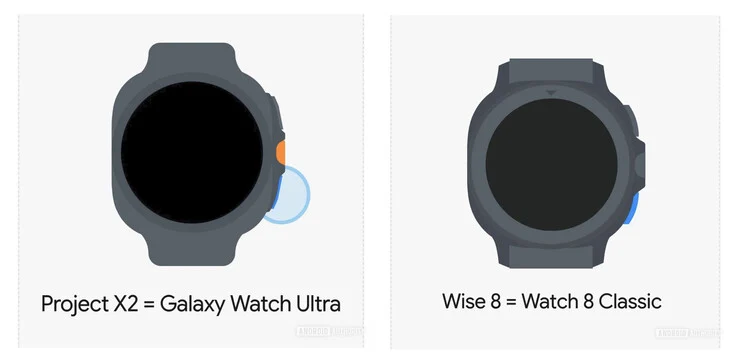
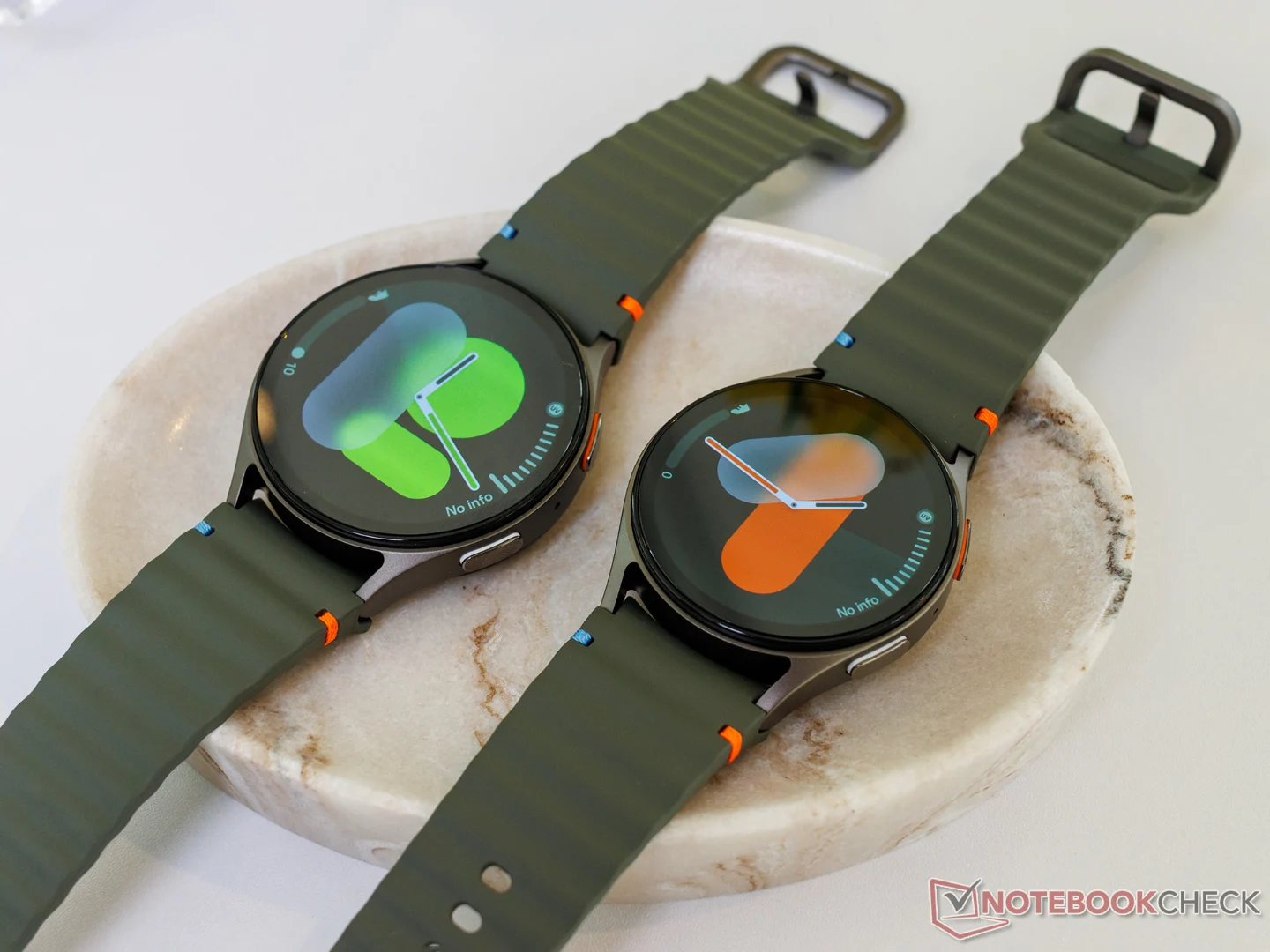
    Recently, the same site has noticed a possible redesign for Samsung’s upcoming basic smartwatch. From the images shared, it looks like the Galaxy Watch8 takes design cues from the Galaxy Watch Ultra, but it has two hardware buttons instead of three. This means that the Galaxy Watch8 is likely to be chunkier than the Galaxy Watch7, similar to how the Galaxy Watch Ultra compares to the Galaxy Watch5 Pro.

    Expected Sizes and Models

    At this point, Samsung is anticipated to launch the Galaxy Watch8 in two different sizes, both referred to as ‘Fresh 8’. However, specific measurements for these models haven’t been leaked yet. Android Authority has also shared some information regarding Samsung’s rumored third smartwatch, which is set to debut in 2025.

    The website reports that a recent One UI 8 Watch Beta build includes hints about a Galaxy Watch8 Classic, also codenamed ‘Fresh 8’, but not the Galaxy Watch Ultra 2. Instead, it has uncovered only reference images of the current Galaxy Watch Ultra, suggesting it may stick around for another generation. The Galaxy Watch8 Classic also resembles Samsung’s first ‘Ultra’ smartwatch, but it appears to have a larger bezel, likely to house a physical mechanism.

    Source:
    Link


  • Samsung Galaxy Watch8 to Feature Beta Carotene Tracking

    Samsung Galaxy Watch8 to Feature Beta Carotene Tracking

    Key Takeaways

    1. One UI 8 Watch will introduce the ability to measure beta-carotene levels and calculate an antioxidant score.
    2. Users will need to place their thumb on the back sensors for these measurements, rather than wearing the watch on the wrist.
    3. More details about the Galaxy Watch8 features are expected to emerge before the Galaxy Unpacked event.
    4. The tech community is excited and speculating about the new features and innovations.
    5. The anticipation for Samsung’s announcements is growing as the launch date approaches.


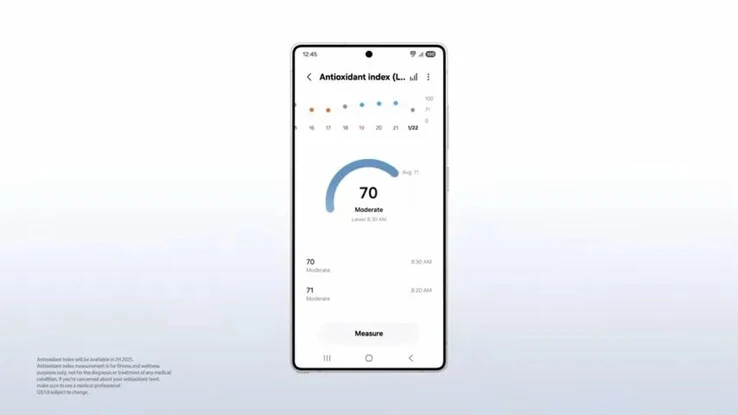
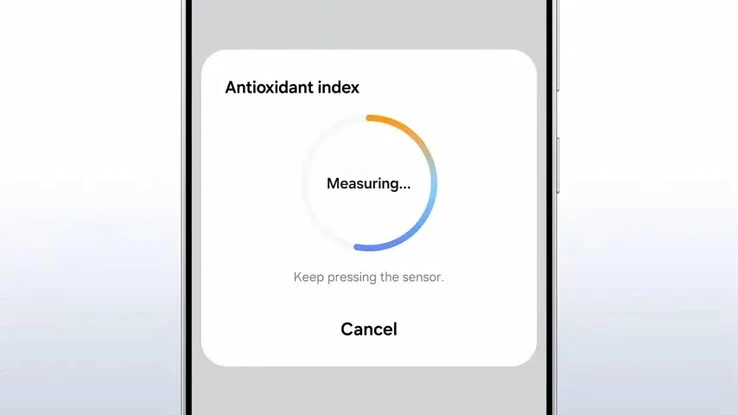
    Meanwhile, Android Authority has obtained a leaked version of One UI 8 Watch, and we’ve included screenshots of it below. These images seem to provide some clues about the new features Samsung plans to bring with the Galaxy Watch8 this summer.

    New Features on the Horizon

    One interesting feature is that the upcoming smartwatch might be able to measure beta-carotene levels and calculate an antioxidant score ranging from 0 to 100. According to one of the screenshots, the Galaxy Watch8 won’t be able to take these readings just by wearing it on the wrist. Instead, users will have to place their thumb on the back sensors of the smartwatch. While many details are still unclear at this point, we believe more information will surface prior to Samsung’s next Galaxy Unpacked event.

    Anticipation Builds

    The excitement is building as we await further announcements. The leaked information gives a glimpse into potential innovations, and it’s likely that Samsung will reveal more features as the launch date nears. The tech community is buzzing with speculation, and it’s clear that there’s a lot to look forward to.

    Source:
    Link


  • Samsung Galaxy Z Fold7 vs Oppo Find N5: Size and Battery Insights

    Samsung Galaxy Z Fold7 vs Oppo Find N5: Size and Battery Insights

    Key Takeaways

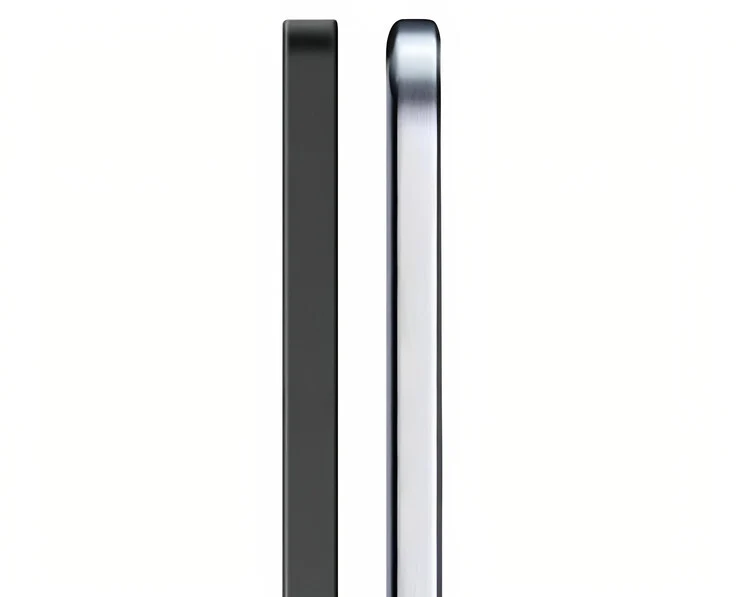
    1. The thickness of the Galaxy Z Fold7 has been revised multiple times, with the latest claim stating it will be 8.9 mm when closed.
    2. New reports suggest that the Galaxy Z Fold7 will be thinner than its predecessor, the Galaxy Z Fold6, by over 26% when closed and 30% when opened.
    3. Conflicting information from various sources has created uncertainty about the actual measurements of the device.
    4. The Galaxy Z Fold7 is expected to have a thickness of 3.9 mm when opened, which is thinner than the Oppo Find N5.
    5. The device will feature a 4,400 mAh battery and a Snapdragon 8 Elite for Galaxy chipset.


    The measurements for Samsung’s upcoming book-style foldable device have changed once again. Originally, it was thought that the Galaxy Z Fold Special Edition would serve as a testing model for the Galaxy Z Fold7, featuring thicknesses of 4.9 mm when opened and 10.6 mm when closed.

    New Rumors Surface

    Soon after, reports suggested that Samsung had reduced the thickness by 0.4 mm on each side, resulting in a closed housing of 9.5 mm. However, Techmaniacs claimed just over a week ago that these figures were also wrong. They stated that the Galaxy Z Fold7 would actually have a thickness of only 8.2 mm when closed, making it thinner than the Oppo Find N5 by 0.7 mm.

    Conflicting Information

    Yet, Ice Universe has claimed that all these previous statements were incorrect. According to this leaker, the Galaxy Z Fold7 is expected to be 8.9 mm thick, aligning it with the Find N5. However, they also mentioned that the Galaxy Z Fold7 would only be 3.9 mm thick when opened, compared to 4.2 mm for the Find N5. To achieve these measurements, Samsung will likely need to add bumpers that are about 0.55 mm thick on each side; the current Galaxy Z Fold6 has bumpers measuring 0.45 mm.

    Overall Thickness Insights

    An overall thickness of 8.9 mm means the Galaxy Z Fold7 would be more than 26% thinner than the Galaxy Z Fold6 when closed (currently priced at $1,249 on Amazon). There would also be a 30% reduction in thickness when opened. However, PandaFlashPro suggests that the Galaxy Z Fold7 might appear thicker than the Find N5 due to its more boxy design. Unfortunately, Ice Universe emphasizes that the new foldable will only include a 4,400 mAh battery, paired with a Snapdragon 8 Elite for Galaxy chipset.

    Source:
    Link


  • Samsung Tab Active5 Tactical Edition: 5G, Knox Security & Drone Support

    Samsung Tab Active5 Tactical Edition: 5G, Knox Security & Drone Support

    Key Takeaways

    1. Designed for Military Use: The Galaxy Tab Active5 Tactical Edition is specifically tailored for military teams, ensuring it works in extreme outdoor conditions and integrates with tactical equipment.

    2. High-Performance Specs: The tablet features an 8-inch WUXGA screen with a 120Hz refresh rate, powered by a 5nm Exynos 1380 processor, 6GB RAM, and 128GB storage (expandable to 1TB).

    3. Durability and Security Standards: It meets IP68 and MIL-STD-810H standards for resistance to water, dust, and shocks, and includes advanced security features like Samsung Knox and dual VPN chaining.

    4. Tactical Utilities Included: Equipped with specialized features such as Covert Lock, Stealth Mode, and Night Vision Mode for enhanced operational effectiveness.

    5. Exclusive Availability: The tablet is available exclusively through Vertex Wireless and is authorized for classified military operations.


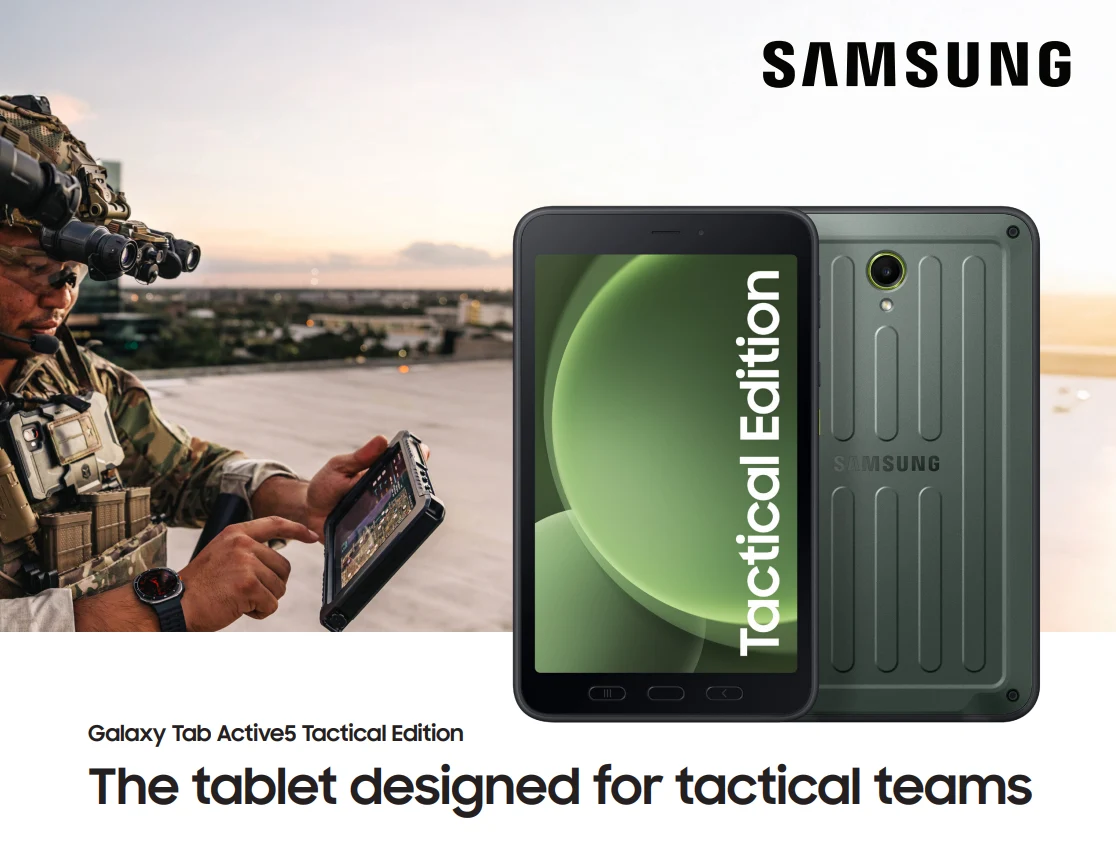
    Samsung has introduced the Galaxy Tab Active5 Tactical Edition in the United States, specially designed for military teams that require a tough, secure, and connected tablet for outdoor operations. This device is capable of functioning in extreme, off-grid conditions and is intended to integrate seamlessly with tactical radios, drones, GPS devices, and mission systems.

    Key Features and Specs

    The tablet features an 8-inch WUXGA screen that boasts a refresh rate of up to 120Hz, along with Gorilla Glass 5 for durability. It is powered by the 5nm Exynos 1380 octa-core processor, accompanied by 6GB of RAM and 128GB of internal storage, which can be expanded to 1TB using a microSD card. The device is equipped with a removable 5,050mAh battery and offers support for 5G, LTE, Wi-Fi 6, Bluetooth 5.3, and NFC. It also has dual SIM capabilities (one physical SIM and an eSIM). In terms of camera quality, there’s a 5MP front camera and a 13MP rear camera.

    Durability and Security

    This tablet meets IP68 and MIL-STD-810H standards, ensuring resistance to water, dust, shocks, and vibrations. It includes an S Pen, a programmable key, and allows touch interaction even while wearing gloves or when hands are wet. Furthermore, it’s ready for aviation use and can be reliably used in both fixed-wing and rotary aircraft.

    Security is a top priority with features like Samsung Knox, Knox Vault, and Knox DualDAR, safeguarding classified information up to top-secret levels. It holds certifications under CSfC, NIAP, FIPS 140-2/3.1, DODIN APL, and DISA STIG, and offers dual VPN chaining for enhanced security.

    Tactical Tools and Availability

    The tablet is equipped with tactical utilities such as Covert Lock (which disables radios, GPS, and cameras), Stealth Mode (that turns off LTE and RF signals), and Night Vision Mode. It also comes pre-installed with Tactical Settings for offline setup and policy configurations. The Galaxy Tab Active5 Tactical Edition can only be purchased through Vertex Wireless and is authorized for classified military operations.

    Source:
    Link