Tag: Samsung

  • Galaxy S23 Ultra Endures 5 Hours in Freezing Arctic River

    Galaxy S23 Ultra Endures 5 Hours in Freezing Arctic River

    Key Takeaways

    1. The Samsung Galaxy S23 Ultra has advanced durability, allowing it to withstand extreme conditions, including submersion in water.
    2. Mikael Krekula, a wilderness guide, experienced his phone falling into an ice fishing hole while testing sonar devices on the Kalix River.
    3. The Galaxy S23 Ultra was submerged for about five hours but managed to turn on afterward without any issues.
    4. The phone has an IP68 rating, which means it can handle up to 1.5 meters of freshwater for 30 minutes and is resistant to dust.
    5. The incident highlights the importance of smartphones in daily life, as they often contain essential personal and work-related information.


    Your phone dropping into water is likely one of the greatest fears that many individuals have. Nevertheless, advancements in durability and protection have enabled smartphones to endure these brief immersions in recent times. In fact, one Samsung Galaxy S23 Ultra has proven to withstand much more than just a simple dip after enduring extreme arctic circumstances.

    Is the Galaxy S23 Ultra Arctic Ready?

    The prominent South Korean technology company shared a fascinating story through the Samsung Newsroom. This narrative comes from Mikael Krekula, a wilderness guide from Sweden, who was evaluating sonar devices on the iced-over Kalix River. During his testing, his Galaxy S23 Ultra slipped from his gloved hands and plunged into an ice fishing hole. The 2023 flagship model was submerged in chilling water, resting about three meters beneath the ice.

    Mikael expressed his feelings, stating, “At that moment, I felt like I had given away my whole digital life to the river — photos, ID, credit cards, and all my apps vanished in an instant. It was more than just a phone to me. It was my work partner, crucial in everything I do.” Fortunately, despite facing such extreme conditions, the Galaxy S23 Ultra made a full comeback. While a brief dip is understandable, the device spent around five hours underwater.

    Recovery Efforts

    He quickly initiated a recovery operation, drilling eight neighboring ice holes to access his smartphone and employing a mix of makeshift tools, including branches, a shovel, and a plastic bag. After a five-hour icy immersion, the Galaxy S23 Ultra managed to turn on as if nothing had occurred. To remind you, this flagship phone boasts an IP68 rating, which provides up to 1.5 meters of freshwater resistance for 30 minutes, along with protection against dust.


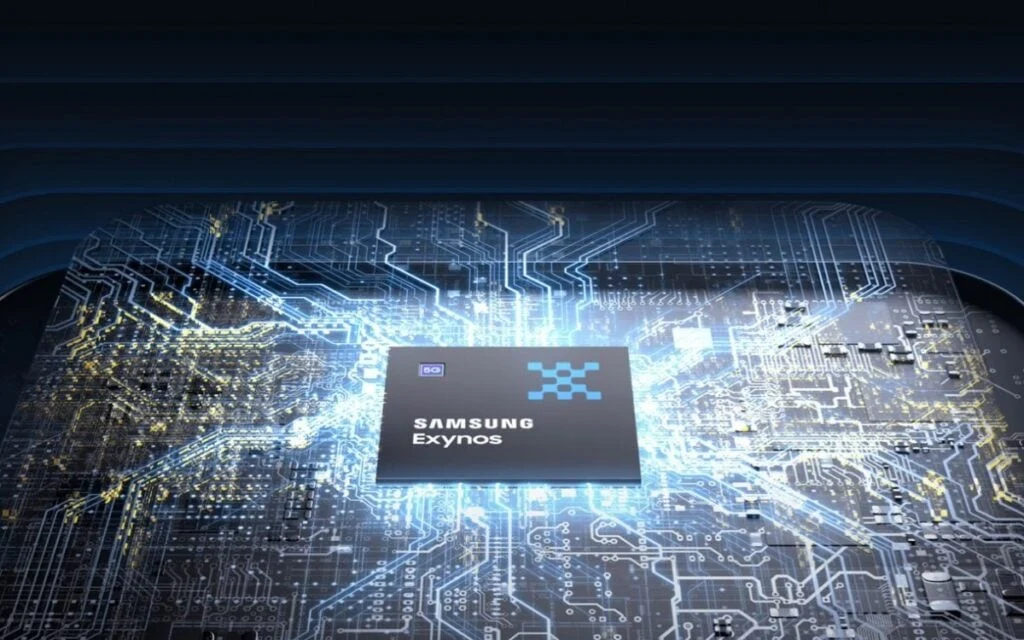
  • Galaxy A57 Exynos Chipset Details Leaked: What to Expect

    Galaxy A57 Exynos Chipset Details Leaked: What to Expect

    Key Takeaways

    1. The Galaxy A57 is expected to be released in 2026, shortly after the Galaxy A56’s launch.
    2. It will feature a new processor named Exynos 1680, currently being tested.
    3. The Exynos 1680 may include an Xclipse 550 GPU, which is anticipated to be more powerful than the previous Xclipse 540 GPU.
    4. CPU details are limited, but Samsung may continue using Cortex-A720 and Cortex-A520 cores.
    5. It’s uncertain if the Exynos 1680 will provide a significant upgrade over the Exynos 1580 used in the Galaxy A56.


    Samsung’s Galaxy A56 has only been out for a few months, yet rumors about its successor, the Galaxy A57, are already popping up. Expected to be released in 2026, recent reports have shed light on the processor that will power the upcoming Galaxy A smartphone.

    Processor Details

    Similar to the Galaxy A56, which can be found on Amazon for $409.99, the Galaxy A57 is set to debut with a new processor named the Exynos 1680, as reported by GalaxyClub. This new chip, with a model number of “S5E8865” and the codename “Terra,” is currently undergoing testing.

    Speculations on Performance

    At this point, there aren’t many confirmed specs, leading to some speculation around the possibility of the processor featuring an Xclipse GPU. The Exynos 1680 is anticipated to include an Xclipse 550 GPU, which is believed to be more powerful than the Xclipse 540 GPU found in the Exynos 1580 that powers the Galaxy A56.

    CPU Expectations

    As for the CPU, details remain scarce. Nevertheless, it wouldn’t be shocking if Samsung decides to stick with the Cortex-A720 and Cortex-A520, just like it did with the Exynos 1580. We’re likely to see an increase in clock speed or a different cluster arrangement. The Exynos 1580 utilizes a tri-cluster setup comprising 1x Cortex-A720 at 2.9GHz, 3x Cortex-A720 at 2.6GHz, and 4x Cortex-A520 at 1.9GHz.

    The Exynos 1580 marked a significant improvement over the Exynos 1480 processor used in the Galaxy A55, but it still remains unclear if the Exynos 1680 will follow suit with a substantial upgrade or just be a slight enhancement compared to its predecessor.

    Source:
    Link

  • Samsung Galaxy A57 with Exynos 1680 Leaked Details

    Samsung Galaxy A57 with Exynos 1680 Leaked Details

    Key Takeaways

    1. The Galaxy A57 will feature the new Exynos 1680 processor, improving performance over the A56’s Exynos 1580.
    2. The A57 is expected to include the Xclipse 550 GPU, based on AMD’s RDNA 3.5 architecture.
    3. Anticipated performance improvements could boost AnTuTu scores to 1.1-1.2M, with GPU scores around 300-350K.
    4. The A57 may offer advanced features like a telephoto camera with optical zoom and 4K 60fps video recording.
    5. The rumored price for the Galaxy A57 is ₹45,990 (approximately $550), with a launch expected in the first half of 2026.


    Samsung is gearing up to launch its upcoming mid-range smartphone, the Galaxy A57, as rumors circulate about its new Exynos 1680 processor. This information, shared by GalaxyClub, suggests that this new chip is going to enhance performance, creating buzz for its expected arrival in 2026.

    A Series Continuation

    The Galaxy A-series is known for its yearly updates, and the Galaxy A57 will take the place of the A56, which was introduced in 2025 and featured the Exynos 1580. According to a leak from GalaxyClub, the A57 will likely utilize the Exynos 1680 (model S5E8865), representing a significant advancement in Samsung’s mid-range chip technology. The Exynos 1680 is anticipated to include the company’s own Xclipse 550 GPU, which could be derived from AMD’s RDNA 3.5 architecture. To clarify, RDNA 3.5 is set to be part of the upcoming Exynos 2500, which is rumored to power devices like the Galaxy S26 and Z Flip 7 in many regions.

    Performance Expectations

    While detailed performance information about the Exynos 1680 has yet to be revealed, it is expected to improve upon the A56’s Exynos 1580, which achieved an average score of 906K on AnTuTu featuring a tri-cluster CPU (1x Cortex-A720 at 2.9GHz, 3x Cortex-A720 at 2.6GHz, and 4x Cortex-A520 at 1.95GHz), as noted by NanoReview. There are speculations of a potential performance increase of 15-25%, with AnTuTu scores possibly reaching 1.1-1.2M and GPU scores of around 300-350K.

    Features and Pricing

    It’s important to note that all of this information is based on rumors, and we should wait for official benchmark results to emerge as the launch date approaches. The Exynos 1680 is predicted to keep the 4nm manufacturing process but may switch to a 1+4+3 core design. Looking back, the Galaxy A56 offered a 6.7-inch 120Hz Super AMOLED display, a 50MP triple-camera setup, 45W fast charging, and a 5,000mAh battery. For the A57, there are high hopes for a telephoto camera with 2x or 3x optical zoom to rival competitors like Vivo, along with 4K 60fps video recording capabilities. The rumored price for the A57 is ₹45,990 (approximately $550) in India, and it is expected to launch in the first half of 2026.


  • Easy Fix for Galaxy A56 Boot Issue

    Easy Fix for Galaxy A56 Boot Issue

    Key Takeaways

    1. The May 2025 update for Galaxy A56 has caused some devices to get stuck on the boot screen, leading to frustration for users.
    2. A workaround involves removing the SIM card and restarting the phone by holding the Volume Down and Power buttons until it reboots.
    3. This workaround is a temporary solution that avoids a factory reset, which would erase all data.
    4. Samsung has not officially acknowledged the boot issue, but a follow-up patch is expected.
    5. Not all Galaxy A56 users are affected, but it’s advisable to check online for stability reports before updating.


    Samsung’s Galaxy A56 is facing issues due to the May update, which is causing some devices to get stuck on the boot screen. Luckily, a workaround discovered by users provides a quick solution without needing drastic action.

    Update Details

    The May 2025 update for Galaxy A56 brings Gemini Side button support, addresses various security issues, and aims to improve the overall One UI experience. However, it has created a significant problem for some users: their devices are freezing on the “gears” loading screen and failing to fully boot up. This issue has been widely reported on forums such as Reddit and the Samsung Community, leading to frustration among Galaxy A56 owners whose phones are trapped in a never-ending initialization loop.

    Quick Fix

    The solution is surprisingly easy: take out the SIM card, then restart the phone by pressing the Volume Down and Power buttons together until it reboots. Once the home screen shows up, you can put the SIM card back in. This method has been confirmed to work by several users on Reddit and Samsung forums.

    While this isn’t an official fix, it prevents the need for a factory reset, which would wipe all data. Samsung hasn’t officially recognized the problem yet, but a follow-up patch seems likely. For the time being, using the SIM card removal trick is the best option. If your A56 is frozen, give it a try and let others know how it worked for you on social media.

    General User Experience

    Not every Galaxy A56 is experiencing this issue, as many users have successfully updated their devices. Nevertheless, the boot problem is widespread enough to raise questions about the beta testing process and the stability of the update and future releases. While this specific issue can be easily resolved, not all problems related to updates are as straightforward. Thus, it’s wise to hold off for a week or two and check online for stability reports before hitting ‘Download’ or ‘Restart now’.


  • Galaxy Buds FE Successor May Feature Major Battery Life Upgrade

    Galaxy Buds FE Successor May Feature Major Battery Life Upgrade

    Key Takeaways

    1. New Model Introduction: Samsung’s Galaxy Buds Core (model SM-R410) will replace the 2023 Galaxy Buds FE, targeting the budget-friendly market.

    2. Battery Capacity Improvement: Each earbud will feature a 100mAh battery, and the charging case will have a 500mAh capacity, marking a 66% increase from the Buds FE.

    3. Enhanced Playtime Potential: The Buds Core could exceed the Buds FE’s playtime of 6 hours with ANC and 21 hours with the case, especially with a modern chipset.

    4. Improved Features: Anticipated enhancements include better Active Noise Cancellation (ANC) and Ambient Mode, appealing to Galaxy users.

    5. Expected Launch Timeline: A global launch is likely during the July 2025 Galaxy Unpacked event, with certifications indicating availability in markets like India.


    Samsung is getting ready to update its affordable TWS earphones with the Galaxy Buds Core, which will take the place of the 2023 Galaxy Buds FE. Recent leaks indicate a big battery capacity improvement, hinting at an exciting upgrade.

    Introducing the Galaxy Buds Core

    The Galaxy Buds Core, model SM-R410, is meant to succeed the budget-friendly Galaxy Buds FE, which were launched in 2023 at approximately $100. New findings on Samsung’s support pages and certifications from organizations like BIS and Nemko confirm the model number and suggest that a launch could be happening soon, possibly during the July 2025 Galaxy Unpacked event.

    Increased Battery Capacity

    A significant revelation from @TheGalox_ on X shows that the Buds Core will feature 100mAh batteries in each earbud and a 500mAh charging case—this is a 66% increase from the Buds FE’s 60mAh per bud and 4% more than its 479mAh case. This battery enhancement could greatly increase the playtime.

    The Buds FE provides 6 hours of use with ANC activated and 21 hours when using the case. If the Buds Core comes with a modern chipset, it might exceed these figures, possibly competing with the Galaxy Buds 3 Pro’s 515mAh case and 48mAh buds. There are hints that the larger batteries may come with a new stem design, similar to the Buds 3 series.

    Anticipated Features and Launch

    The Buds Core is expected to deliver improved ANC and Ambient Mode, making it a great value for Galaxy enthusiasts. With the BIS certification indicating a launch in India, it’s likely that these earbuds will be available globally. Will the battery improvements and possible redesign of the Buds Core set it apart in the budget category? More information, including leaked images, is expected to surface as the launch date approaches.

    Source:
    Link


  • Galaxy Z Fold 7 Leaked Image Confirms 200MP Main Camera

    Galaxy Z Fold 7 Leaked Image Confirms 200MP Main Camera

    Key Takeaways

    1. A leaked photo of the Samsung Galaxy Z Fold7 has generated excitement ahead of its launch in July 2025, with mass production already underway.
    2. The Z Fold7 is expected to feature a similar design to the Z Fold6, but with a rumored 200MP main camera sensor, enhancing its photography capabilities.
    3. Specifications suggest the Z Fold7 will be slimmer than competitors, measuring 158.4 x 143.1 x 3.9mm when unfolded, and powered by the Snapdragon 8 Elite processor.
    4. The Z Fold7 is anticipated to have reduced bezels on the inner display, improving the usable screen area from 1.9mm to 1mm.
    5. The Z Flip7 will likely use different processors in various regions, with the Exynos 2500 for most areas and the Snapdragon 8 Elite for North America and China.


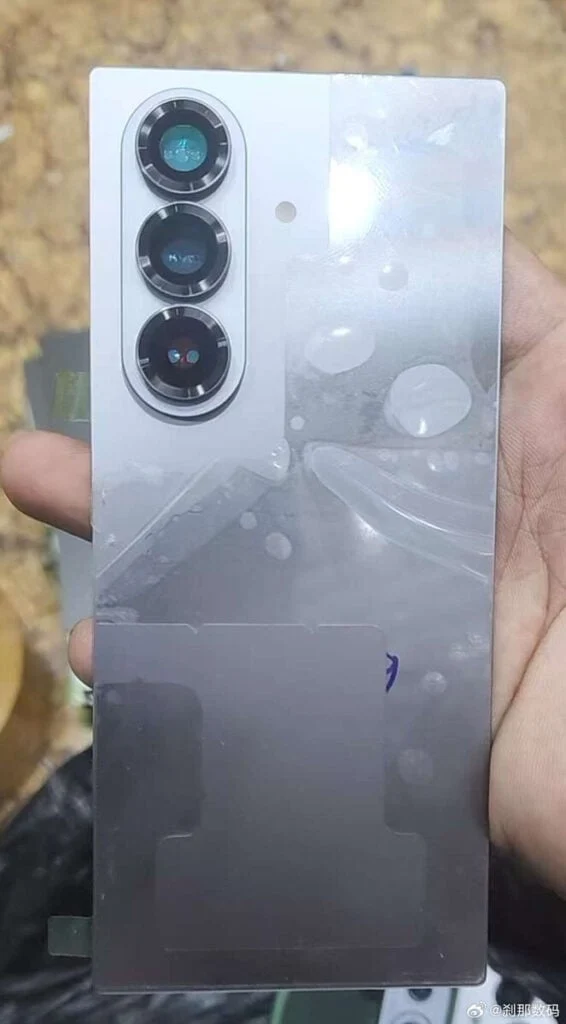
    A photo that has leaked online, supposedly showing the back of Samsung’s Galaxy Z Fold7, has created a buzz ahead of its anticipated launch in July 2025, alongside the Z Flip7 and Z Flip7 FE. As mass production is already in progress, this sneak peek gives us a taste of what to expect.

    Excitement for the Upcoming Launch

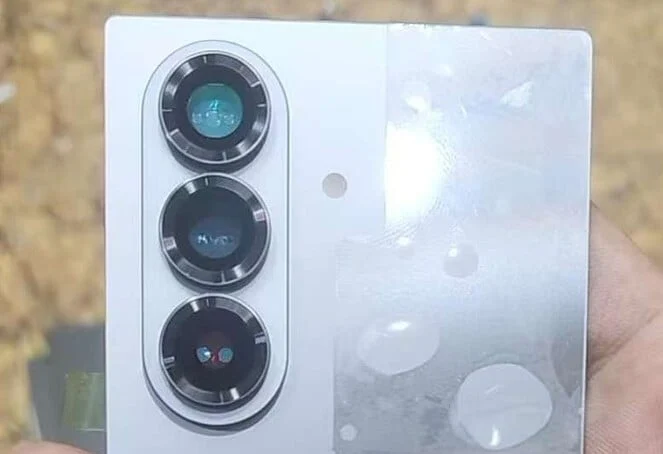
    Samsung is preparing to unveil its new foldable devices, with the 7th generation foldables set to be showcased at an Unpacked event in early July 2025. A recent spy shot, which allegedly depicts the back of the Z Fold7, has made its way online, although the original post on Weibo has since been deleted, which adds some credibility to the leak. The image displays a similar vertical triple-camera arrangement but doesn’t provide much information about rumored features, such as an edge-to-edge cover display or the impressively thin 3.9mm profile when unfolded. It honestly looks more like a dummy unit than the real deal.

    Camera Details

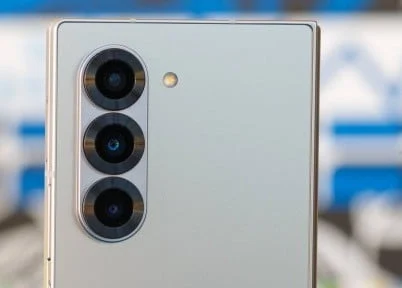
    The Z Fold6
    The suspected Z Fold7
    While the overall design and curvature of the corners seem almost the same as the Z Fold6, the image does support earlier rumors regarding a 200MP main sensor. When compared to the Z Fold6, which features a 50MP ISOCELL GN3 (1/1.57″), the 200MP sensors from Samsung are typically larger, around 1/1.3″. The broader camera island and the flash being positioned lower hint that there might indeed be a bigger sensor inside, adding credibility to what was previously thought to be mere speculation.

    Specifications Overview

    According to the leaked specifications, the Z Fold7 is projected to be 158.4 x 143.1 x 3.9mm when unfolded (8.9mm when folded), making it slimmer than competitors like the Oppo Find N5. It’s expected to be powered by the Snapdragon 8 Elite worldwide, coupled with 12GB of RAM and a 4,400mAh battery, which remains unchanged from the Z Fold6. Additionally, the bezels on the inner display may shrink from 1.9mm to 1mm, increasing the usable screen area.

    On the other hand, the Z Flip7 is likely to use the Exynos 2500 in most regions, while the Snapdragon 8 Elite will be reserved for North America and China; the Z Flip7 FE is rumored to utilize the Exynos 2400.

    Source:
    Link


  • Galaxy Watch 8 Series Uses Same SoC as Watch 7

    Galaxy Watch 8 Series Uses Same SoC as Watch 7

    Key Takeaways

    1. The Galaxy Watch8 series will use the same Exynos W1000 processor as the Galaxy Watch7, with no upgrade expected.
    2. The design will remain similar, featuring round dials, size options, and retaining the rotating bezel on the Galaxy Watch8 Classic.
    3. Charging speeds will stay the same as in previous models, with only a slight increase in battery capacity.
    4. New software features including updated tile previews and improved Quick Button functionality will be introduced with One UI 8 Watch.
    5. The official launch of the Galaxy Watch8 series is anticipated in July, alongside the Galaxy Z Fold7 and Z Flip7 smartphones.


    The Galaxy Watch8 series has been a hot topic filled with numerous leaks and speculations ahead of its official launch in July. Although there are some exciting changes and new features to anticipate, a significant element of the upcoming smartwatch lineup appears to be unchanged from the previous generation. Reports indicate that the Watch8 series will, regrettably, not see an upgrade in its processor.

    Processor Details

    An APK teardown by Android Authority has suggested that the same SoC from the Galaxy Watch7 (Buy on Amazon), the Exynos W1000, will be utilized in the Galaxy Watch8 series. This is not very surprising, as Samsung hasn’t announced any successor to this chip, but it is still a letdown for fans of the Galaxy Watch who were hoping for a more robust smartwatch this year.

    References to the W1000 chip were identified in connection with the three anticipated models in the Galaxy Watch8 series. The chip carries the part number SC55535AHA and has been linked to Fresh 8, Fresh 8 Small, and Wise 8, which are believed to correspond to the Galaxy Watch8, Galaxy Watch8 40mm, and Galaxy Watch8 Classic, respectively.

    Features and Design

    In terms of what will remain the same, it has been previously reported that the new smartwatches will retain the same charging speeds. The size options and round dial design will also be making a comeback. Similar to the Galaxy Watch6 Classic (Buy on Amazon), the rotating bezel is expected to return with the Galaxy Watch8 Classic. The battery capacity will see a slight increase, though not by a significant margin. Additionally, new software features powered by One UI 8 Watch are set to include updated tile previews and better Quick Button functionality on the Galaxy Watch8 Classic.

    Samsung is likely to introduce the Galaxy Watch8 series in July, alongside its Galaxy Z Fold7 and Z Flip7 smartphones. There are also rumors of a new budget-friendly pair of true wireless earbuds, thought to be named the Galaxy Buds Core.

    Source:
    Link

  • Samsung’s Tri-Fold Phone Price Exceeds $3,000 with Limited Stock

    Samsung’s Tri-Fold Phone Price Exceeds $3,000 with Limited Stock

    Key Takeaways

    1. Samsung is developing a tri-fold smartphone called the Galaxy G Fold, expected to launch in late 2025.
    2. The anticipated price of the Galaxy G Fold is projected to be between $3,000 and $3,500, making it Samsung’s most expensive phone.
    3. The device will initially be available only in China and South Korea upon launch.
    4. The Galaxy G Fold is set to be revealed in the third quarter of 2025, likely between July and September.
    5. This smartphone will be Samsung’s first tri-fold device, entering a market that currently includes high-priced competitors like the Huawei Mate XT Ultimate Design.


    It is widely recognized that Samsung is working on a tri-fold smartphone, and it is expected to be quite pricey. Recently, a leak has surfaced that reveals how costly and exclusive this anticipated device might be. Unofficially referred to as the Galaxy G Fold, this smartphone is rumored to retail for more than $3,000 and will be available in just two markets, at least when it first launches. According to the latest information, it is anticipated to be revealed later this year.

    Samsung’s Announcement

    During a recent Galaxy Unpacked event, Samsung acknowledged the development of a tri-fold (or bi-fold, depending on how you count the folds) smartphone to enhance its foldable product range for the latter part of 2025. This device is being called the Galaxy G Fold, although Samsung has not officially named it yet. At launch, it is believed to be exclusively available in China and South Korea, which is the company’s home market.

    Pricing Insights

    A recent leak from well-known tipster Yogesh Brar on X indicates that this will be Samsung’s priciest phone ever, with a price tag ranging from $3,000 to $3,500. For comparison, the Galaxy Z Fold6 (Buy on Amazon) starts at around $1,600 in South Korea (when converted from Korean Won) and can go up to about $1,950 for the 1 TB variant. This means the Galaxy G Fold could be priced at nearly double the starting amount of the Galaxy Z Fold6. Given this steep cost, it’s not surprising that Samsung will only produce a limited number of units for this model.

    Launch Timeline

    On the topic of availability, Brar suggests that the phone will be launched in the third quarter of this year, which includes the months of July through September. This aligns with Samsung’s planned timeline for the second half of 2025.

    Even though the Galaxy G Fold will be Samsung’s first tri-fold device, it won’t be the first of its kind to hit the market. The Huawei Mate XT Ultimate Design made its global debut earlier this February, following its initial release in China priced at CNY 19,999 (approximately $2,760). However, the European price was even steeper at €3,499 (around $3,948), as smartphones tend to be pricier in Europe compared to the United States. Nevertheless, this initial generation of tri-fold phones is turning out to be extremely costly and aimed at a niche audience.

    Yogesh Brar shared this information on X, and Samsung’s Korean store has also hinted at these developments.

    Source:
    Link

  • Samsung Galaxy Watch 8 Classic Leaked Images Show Fresh Design

    Samsung Galaxy Watch 8 Classic Leaked Images Show Fresh Design

    Key Takeaways

    1. The Galaxy Watch 8 Classic model is returning after skipping previous series, with high-resolution images leaked.
    2. The Classic will feature a squircle shape and will only be available in one size: 47mm.
    3. It will have a 1.5-inch display and a thicker casing, with dimensions of 46mm x 46.5mm x 14.2mm.
    4. The design includes a rotating bezel, two buttons, and an orange crown, enhancing its aesthetic.
    5. The battery capacity will see a slight increase from 425mAh to 435mAh, with a potential release at Samsung’s Unpacked event in July.


    The Galaxy Watch 8 is Samsung’s upcoming top-tier smartwatch series, and one of its variants has recently been revealed through a collection of high-quality images.

    Classic Model Returns

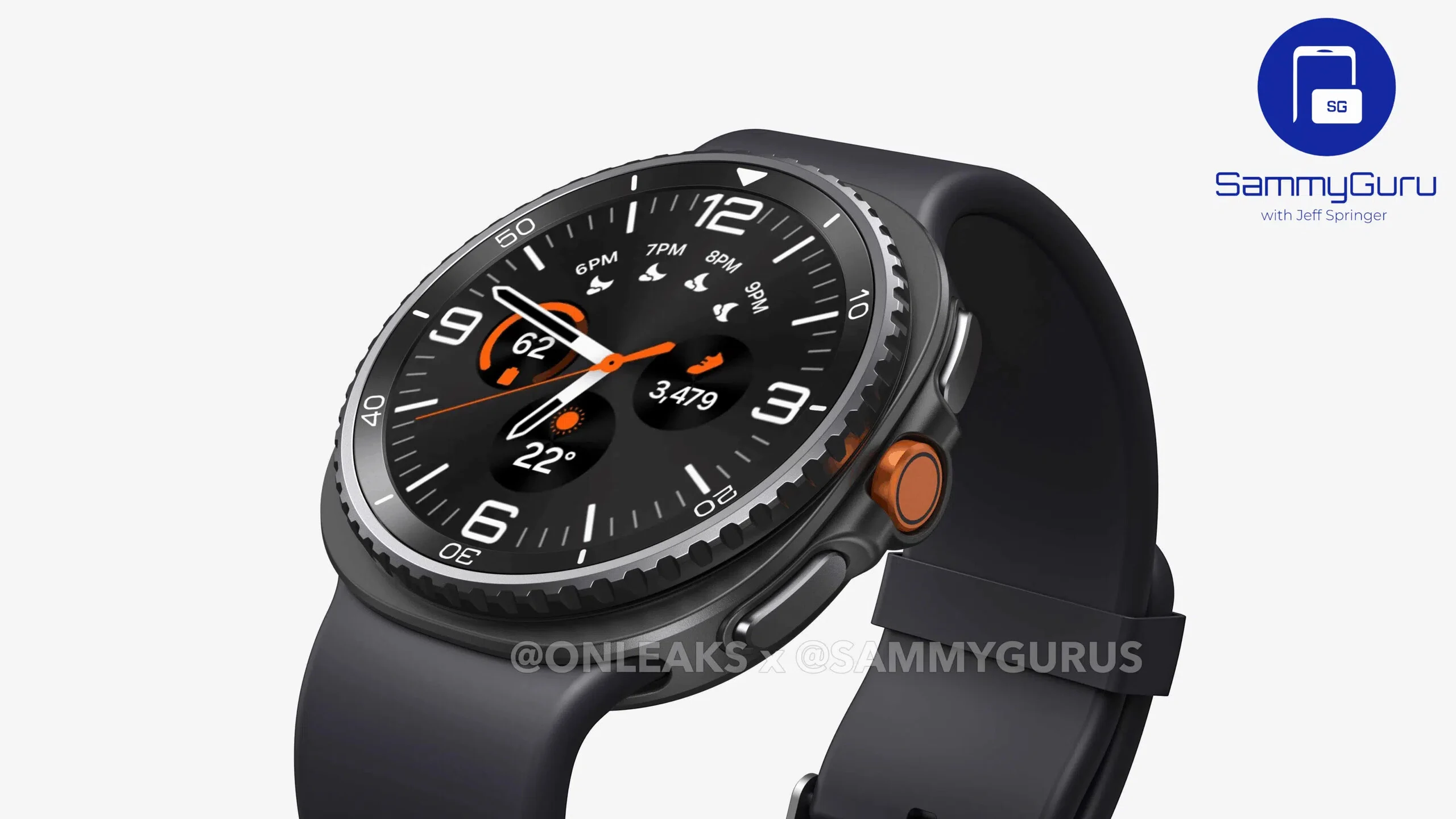
    If you’re keeping track, Samsung has been releasing its “Classic” models on a roughly two-year schedule. The Galaxy Watch 4, launched in 2021, featured a Classic option; however, the Watch 5 did not include this variant. The Classic made a comeback with the Watch 6 series, but the Watch 7 skipped it once more. Now, all indications suggest that the Classic will reappear in the Galaxy Watch 8 collection. Thanks to an exclusive leak from OnLeaks (via SammyGuru), we can see it clearly in sharp, high-resolution visuals.

    Design and Features

    The Galaxy Watch 8 Classic is set to showcase a squircle shape, similar to the Galaxy Watch Ultra. It’s expected to come in just one size, specifically 47mm, marking a change from previous models. To put it into perspective, the Watch 4 Classic was offered in both 42mm and 46mm sizes, while the Watch 6 Classic had options of 43mm and 47mm. This shift to a single size may be due to Samsung’s decision to introduce a new Ultra model soon.

    Furthermore, the leaked information suggests that the Watch 8 Classic will feature a 1.5-inch display housed in a slightly thicker casing. The dimensions are noted to be 46mm x 46.5mm x 14.2mm. The images also indicate the return of the rotating bezel, complemented by two buttons and a striking orange crown.

    Battery and Release Date

    Despite the bulkier design, don’t anticipate a significant upgrade in battery life. The Classic is rumored to see a slight increase in capacity from 425mAh to 435mAh, which likely won’t lead to much additional performance in everyday usage.

    If Samsung adheres to its typical release schedule, we can expect to see the complete Galaxy Watch 8 range, including the Classic and a potential new Ultra model, debut at the Unpacked event in July alongside the Z Fold 7 and Z Flip 7.


  • Why One UI 8 is a Crucial Upgrade You Shouldn’t Overlook

    Why One UI 8 is a Crucial Upgrade You Shouldn’t Overlook

    Key Takeaways

    1. Samsung’s One UI 7 faced significant criticism due to rollout delays, serious bugs, and poor communication.
    2. Users are frustrated with the lengthy rollout and changes to the user experience, including notification and quick settings layout.
    3. One UI 7’s beta was delayed, and the update was initially limited to the Galaxy S24 series, causing frustration among other Galaxy users.
    4. Samsung has an opportunity to improve with One UI 8, which is set to roll out between June and September, focusing on refining previous changes.
    5. The development of One UI 8 is ongoing, with internal builds in testing, aiming to restore user trust and satisfaction after the issues with One UI 7.


    What started as an expected significant update from Samsung has turned into a major discussion topic in the Android community, but not for good reasons. With delays in rollout, serious bugs, and poor communication, Samsung has faced a lot of criticism regarding One UI 7. These issues have overshadowed the positive aspects of the update.

    Frustration Among Fans

    Samsung’s latest update has left many of its fans feeling exasperated and uncertain about how future updates will be handled. The upcoming One UI 8, which will be based on Android 16, presents a vital chance for Samsung to correct its earlier errors. However, the company is pressed for time—Android 16 is set to be released sooner than usual, which means Samsung has less time to fix its mistakes.

    Problems From the Start

    One UI 7 encountered problems right from the start. After a beta version was delayed until December 2024, it was only available to the Galaxy S24 series for an extended period, leaving other Galaxy users frustrated as they awaited their turn for early access. There was no clear schedule for when the public would get the update.

    Throughout this situation, Samsung struggled with communication. Nearly six months after the release of Android 15, the company was prepared to launch One UI 7 stable, but quickly halted it due to a serious bug. Thankfully, the pause was not prolonged.

    User Experience Issues

    Frustrated by the lengthy rollout, users found the software experience to be even more disappointing. Many were particularly annoyed by the change in how notifications and quick settings were displayed. While it’s a nice optional feature, making it the default was not the best move, as it altered the familiar way users interacted with the UI.

    The Now Bar, an interesting addition to the UI, is awkwardly placed on several Galaxy models. One UI 7 is also marred by various design inconsistencies. Users expressed dissatisfaction with alterations to the lock screen, app drawer design, and other features. Those who are familiar with One UI might navigate the new changes, but it doesn’t erase Samsung’s previous mistakes. Regular users may struggle to adjust to the updates.

    Looking Ahead to One UI 8

    Samsung should ideally correct its past errors with One UI 8, and it seems the company is already making efforts in that direction. During The Android Show earlier this month, Samsung’s Vice President and Head of Smartphone Planning, Minseok Kang, revealed that One UI 8 is set to begin rolling out this summer. This could mean anywhere from June to September, but it’s reassuring to see Samsung commit to a timeline.

    Reports indicate that One UI 8 won’t be a major upgrade, which is understandable given how significant the previous update was. However, users are eager to see Samsung refine its bold changes for an improved experience.

    The development of One UI 8 is underway, with multiple internal builds identified on the testing server. This suggests that progress is being made. Hopefully, Samsung can restore the trust and goodwill it lost with One UI 7 by providing a faster rollout and more sensible adjustments.