Key Takeaways
1. Samsung plans to use the Exynos 2600 SoC in its Galaxy S26 series smartphones, focusing on improved cooling technology.
2. The new feature, called a heat pass block (HPB), aims to enhance heat dissipation and may allow for higher clock speeds.
3. Samsung is evaluating the performance of the HPB setup to determine its effectiveness in managing heat.
4. Successful implementation of the HPB could lead to wider adoption of Exynos processors in future flagship devices.
5. Incorporating the HPB may increase production costs, potentially raising the price of the Galaxy S26 series.
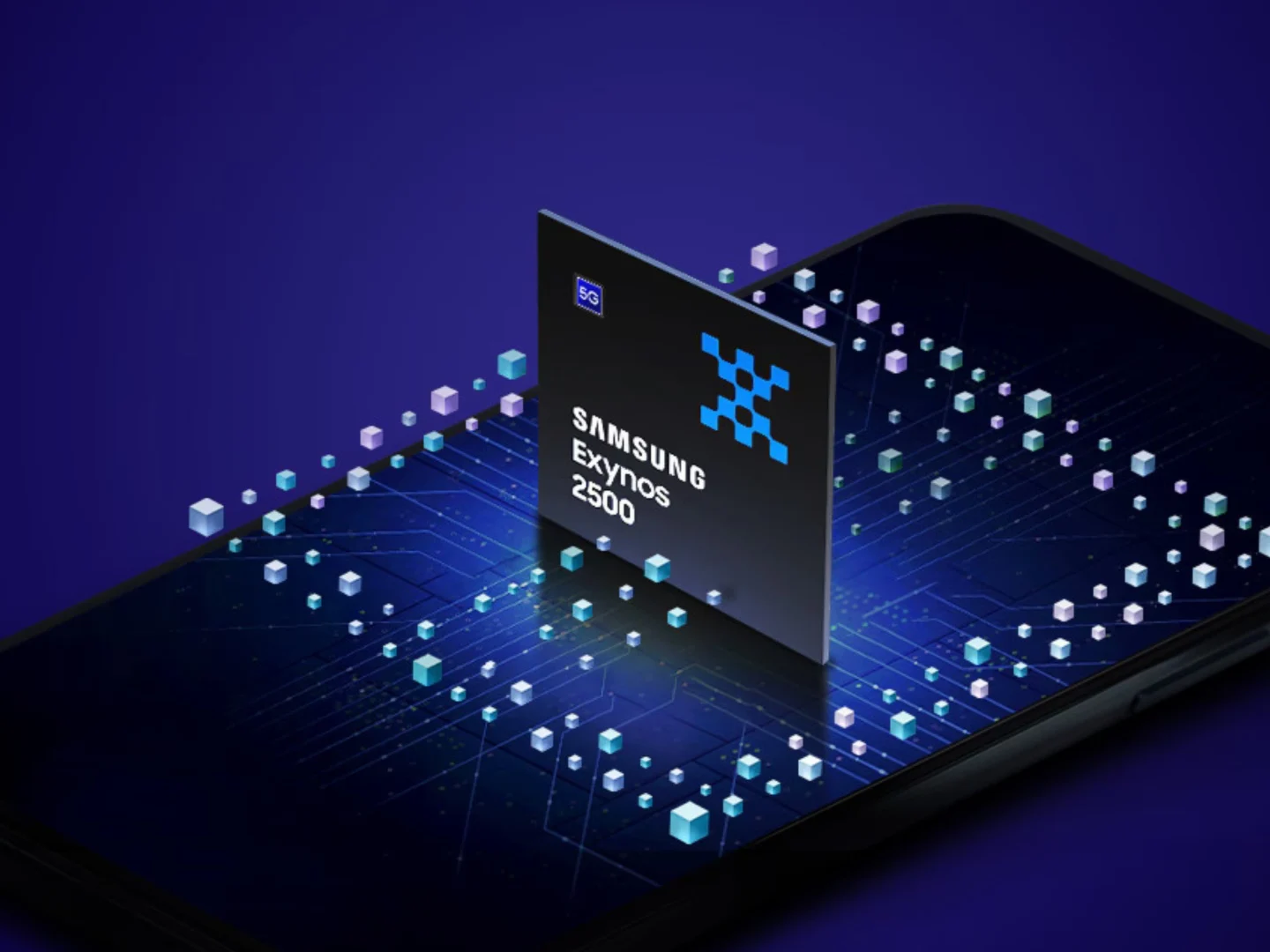
Samsung is likely to equip some or all of its Galaxy S26 series smartphones with the Exynos 2600 SoC. The Exynos chips have shown to be challenging in terms of cooling, but it seems the company has found a way to tackle this issue with a new feature called a ‘heat pass block’ (HPB). If this leads to better cooling for the SoC, Samsung might be more inclined to use its own processor in all its future flagship devices.
New Cooling Technology
A report from ET News (translated by a machine) indicates that Samsung is set to include an HPB in the Exynos 2600 chip, which acts like a heatsink to dissipate heat more efficiently. This could allow the SoC to reach and sustain higher clock speeds, depending on how effectively the HPB can manage heat. According to the image shared by the publication, the current setup has the DRAM positioned above the Exynos chip. With the redesigned layout, the HPB will be placed next to the DRAM above the chip, enhancing heat dissipation.
Performance Evaluation
The report further states that Samsung is assessing the performance of this new arrangement. If the results are favorable, it may result in a broader adoption of the Exynos processor. So far, the performance and heat management issues have hindered Samsung’s chip from competing effectively against the leading Snapdragon and Dimensity chips.
Potential Cost Implications
Regarding the Galaxy S26 series, if the report holds true, incorporating an additional component into the manufacturing process may lead to increased production costs. This could result in a relatively higher price for the Galaxy S26 series devices. Nevertheless, even though the Exynos 2600 has been appearing in various benchmarks and leaks, it remains uncertain whether Samsung will actually proceed with this SoC for its upcoming Galaxy S series smartphones.
Source:
Link